
Childhood Growth Normal or Abnormal Dr Neil Wright
Childhood Growth – Normal or Abnormal Dr Neil Wright – Consultant Paediatrician, Sheffield Children’s Hospital
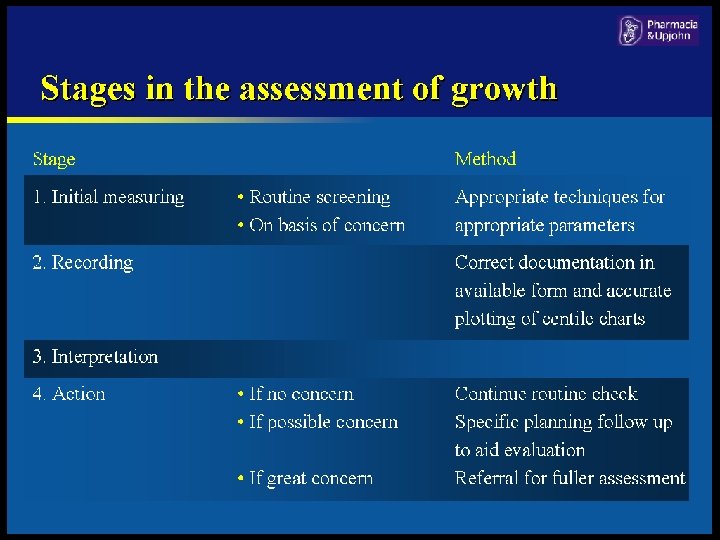
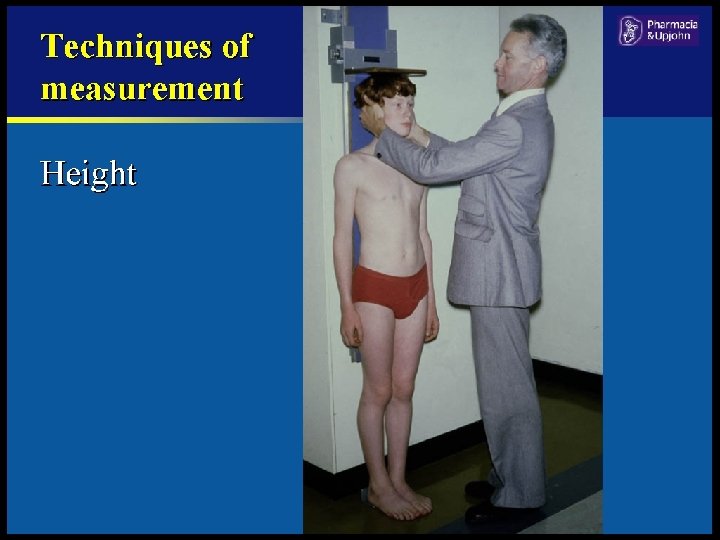
Will cover: • Measuring & monitoring growth – Centile charts • Assessing normal growth – Parental height & genetic potential – Growth velocity • Patterns of normal growth
Why does poor growth cause concern? • Concern that there may be something wrong! Illness, neglect, deprivation? • Growth is a barometer of a child’s physical and emotional wellbeing • Concern about effects on child. Social & Economic – Bullying – Income – Marriage prospects
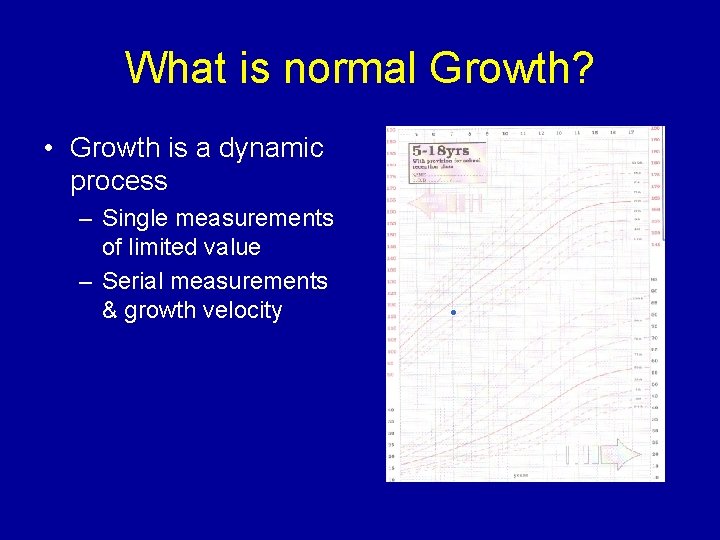
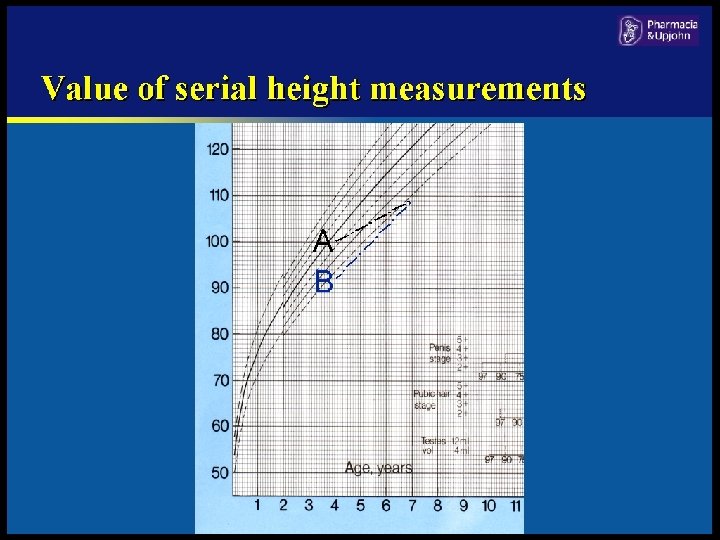
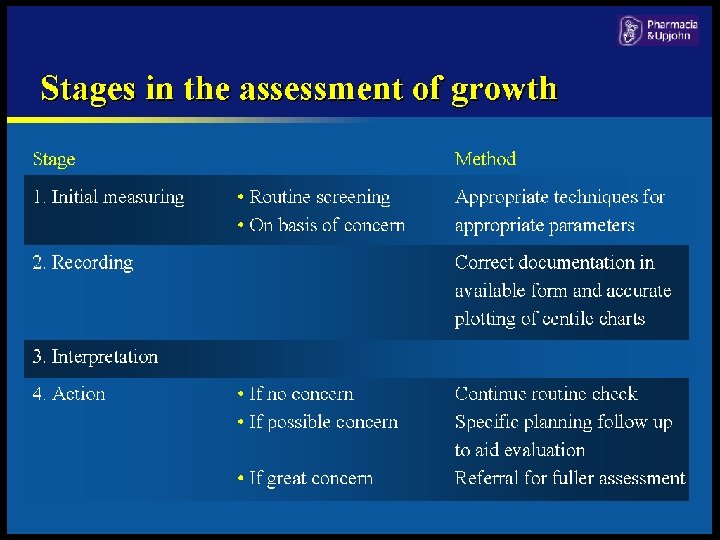
What is normal Growth? • Growth is a dynamic process – Single measurements of limited value – Serial measurements & growth velocity
Growth is not just weight gain! Too often emphasis is on weight alone! Assessing growth involves considering a variety of factors including parental heights, social inequalities & ethnic background
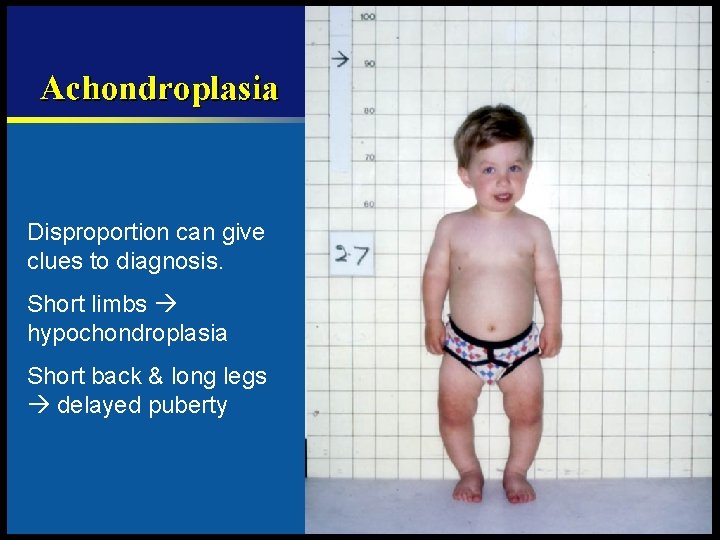
Disproportion can give clues to diagnosis. Short limbs hypochondroplasia Short back & long legs delayed puberty
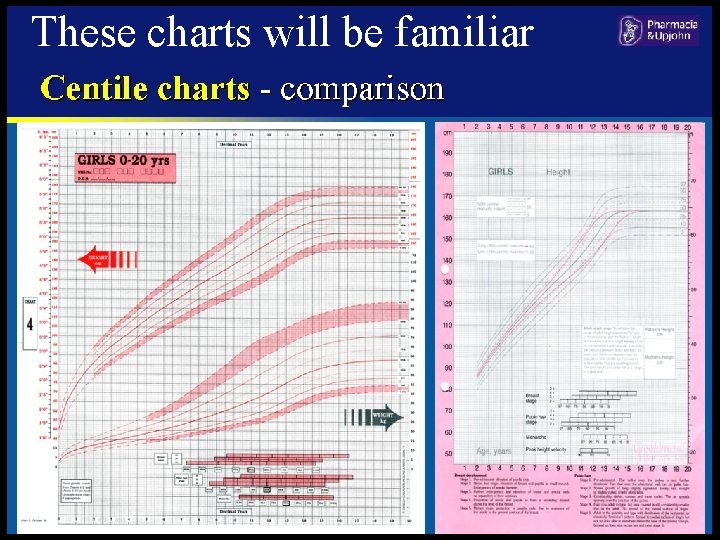
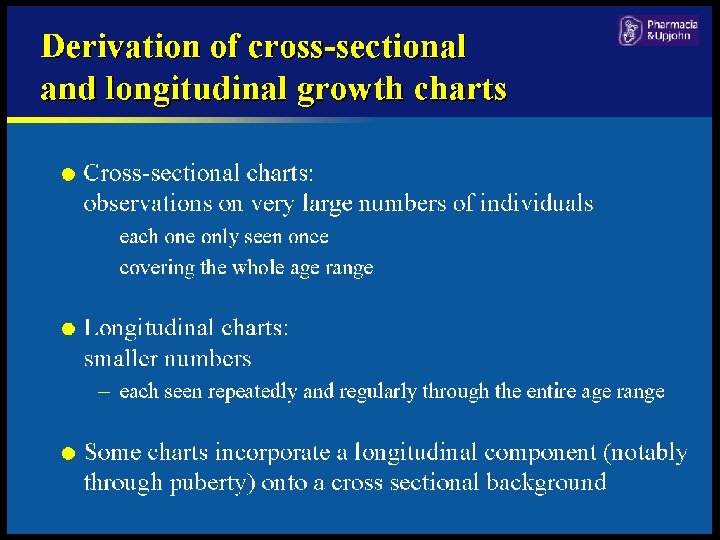
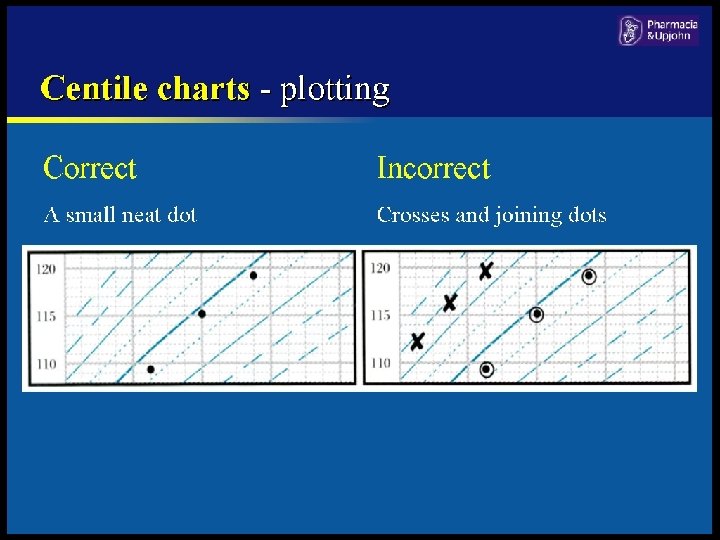
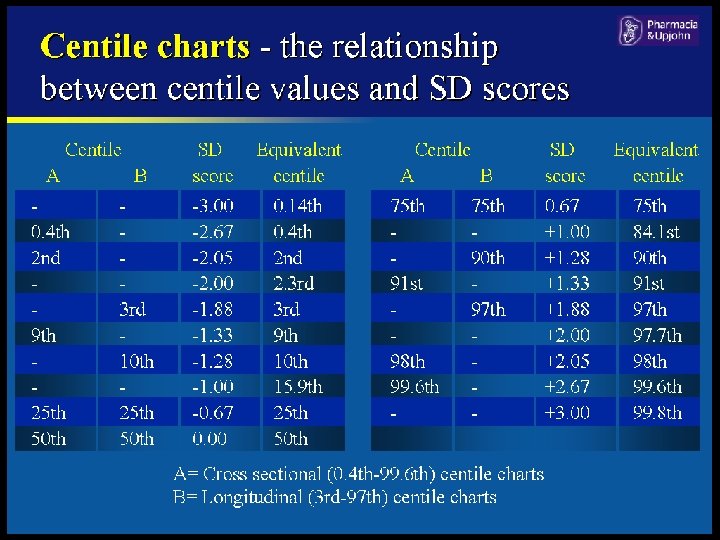
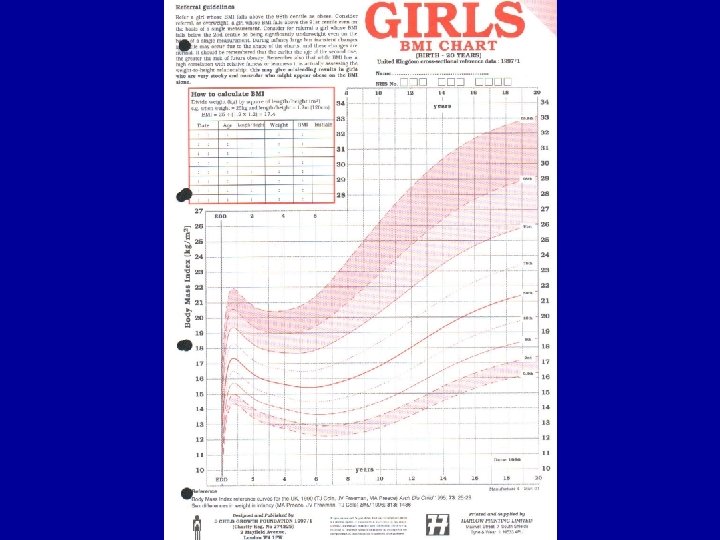
These charts will be familiar
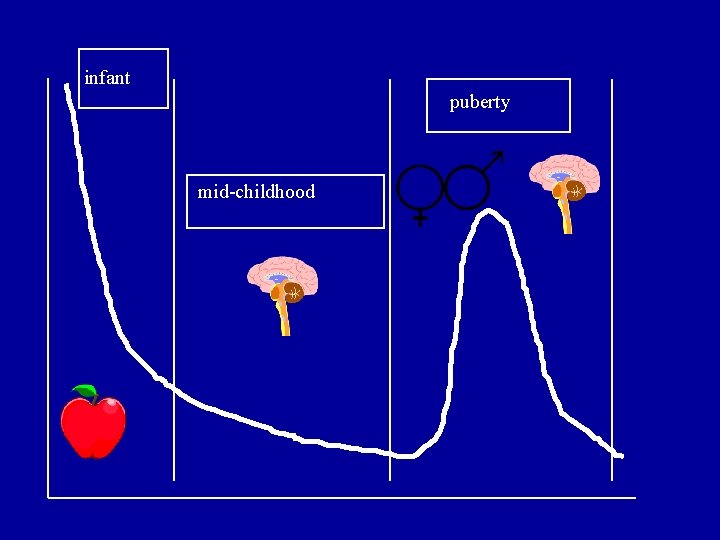
infant puberty mid-childhood
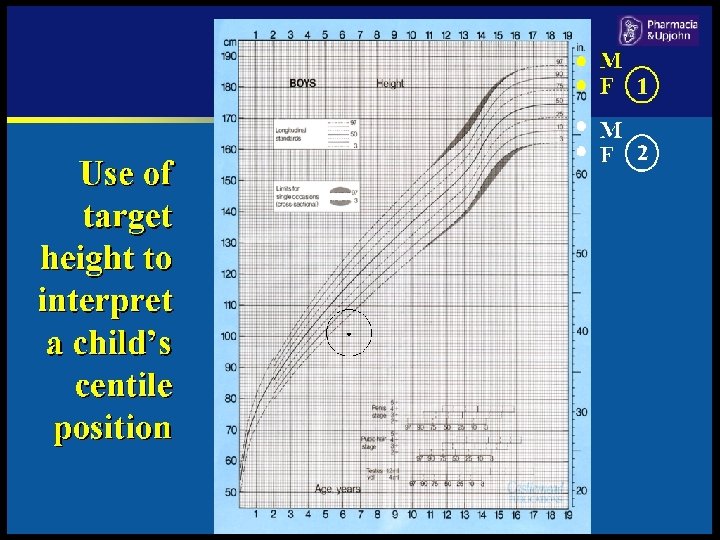
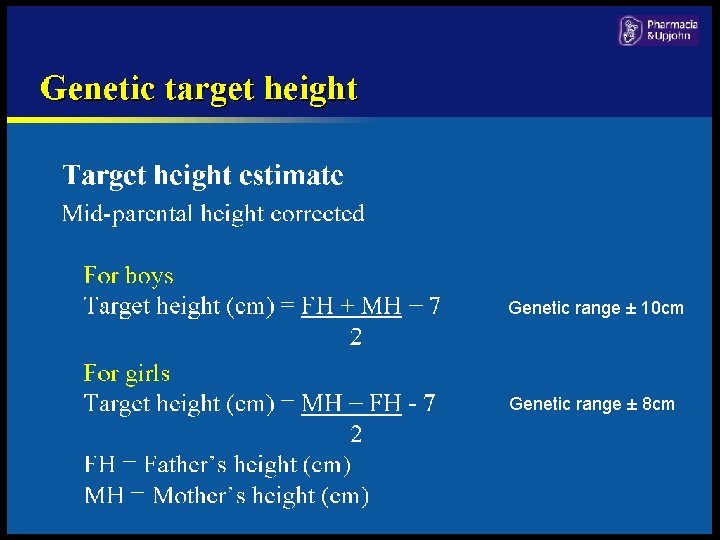
Genetic range ± 10 cm Genetic range ± 8 cm
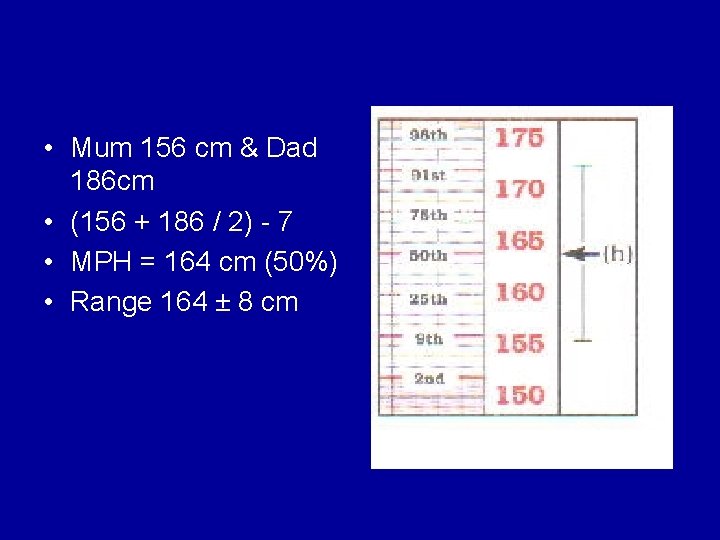
• Mum 156 cm & Dad 186 cm • (156 + 186 / 2) - 7 • MPH = 164 cm (50%) • Range 164 ± 8 cm
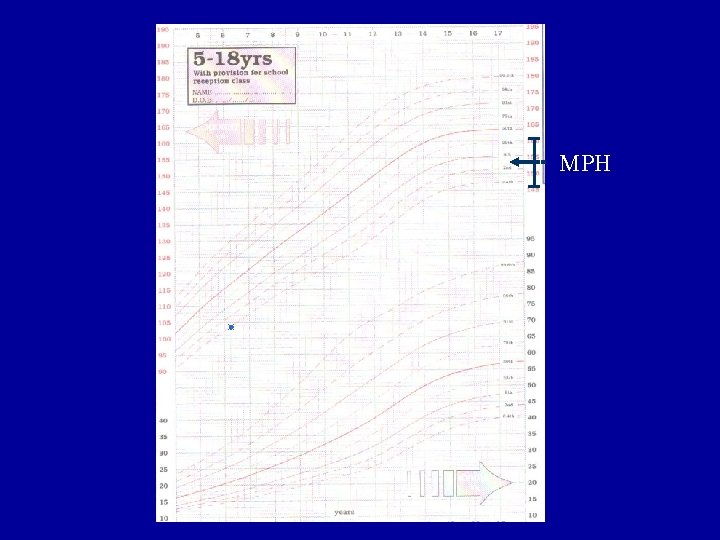
MPH
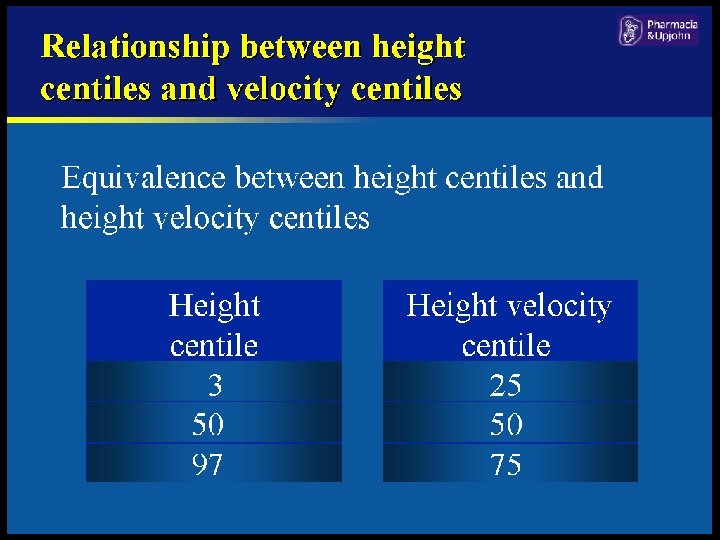
Look at rate of growth – Rhythm of growth Height velocity

Height Velocity
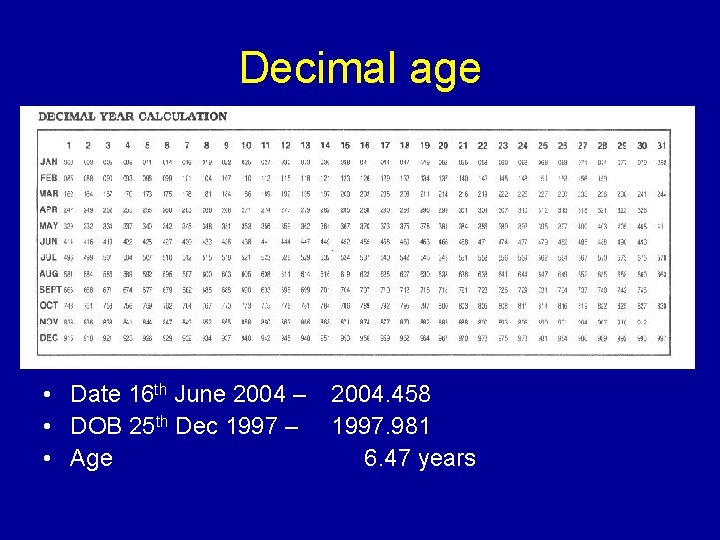
Decimal age • Date 16 th June 2004 – • DOB 25 th Dec 1997 – • Age 2004. 458 1997. 981 6. 47 years
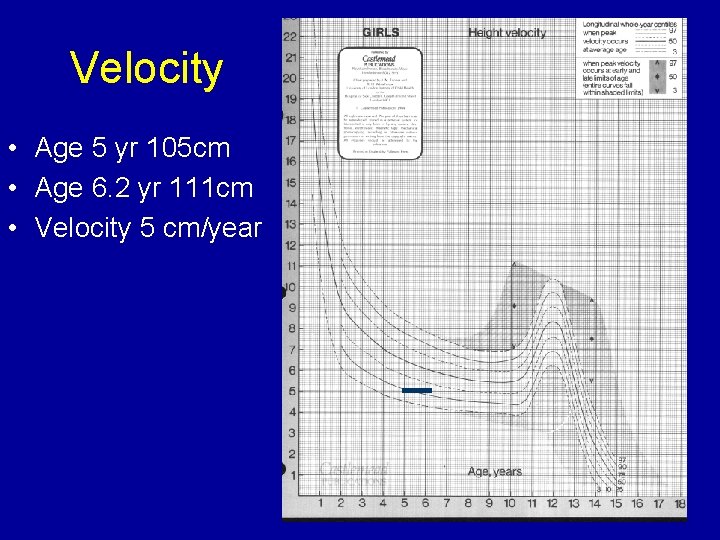
Velocity • Age 5 yr 105 cm • Age 6. 2 yr 111 cm • Velocity 5 cm/year
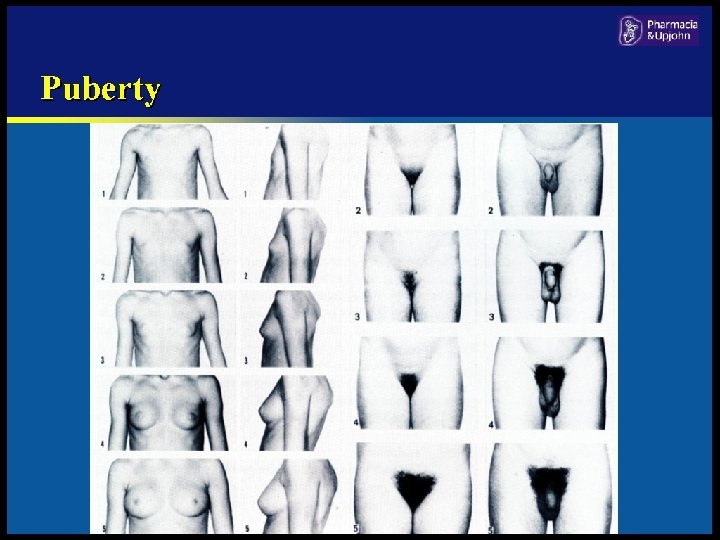
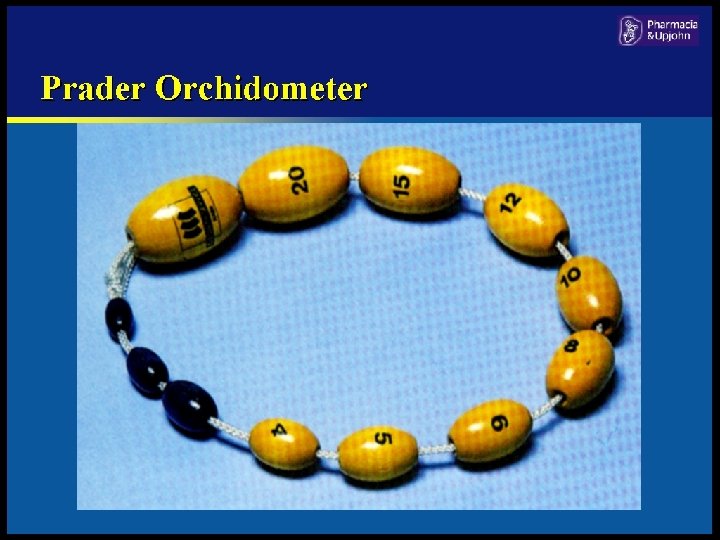
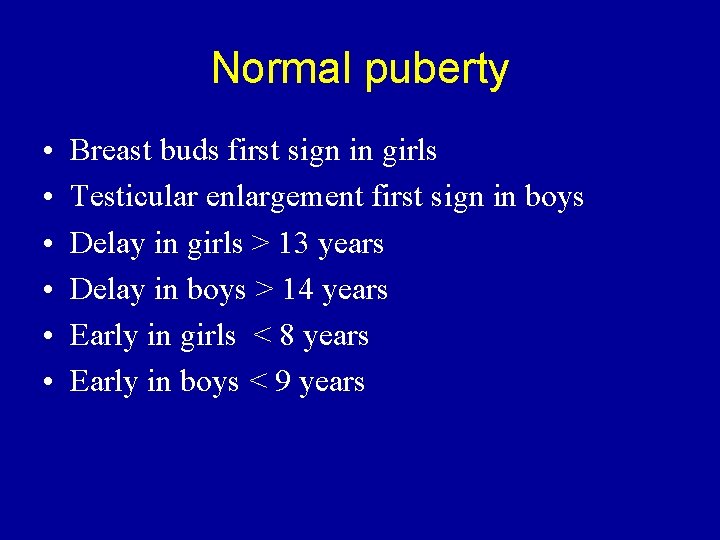
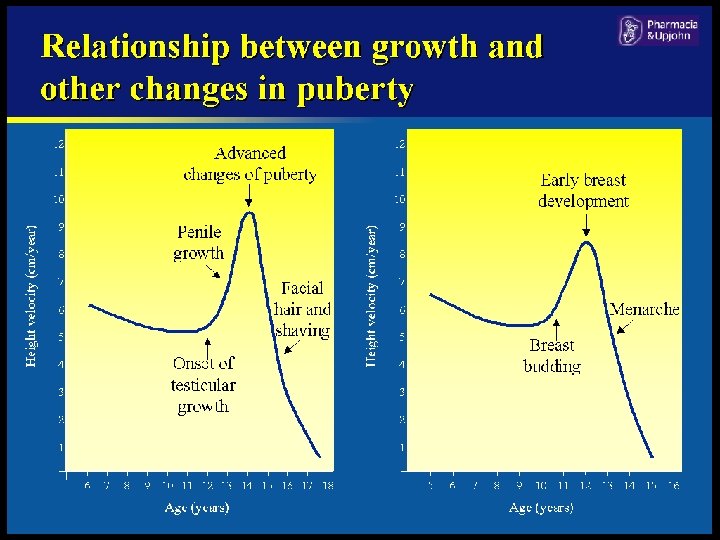
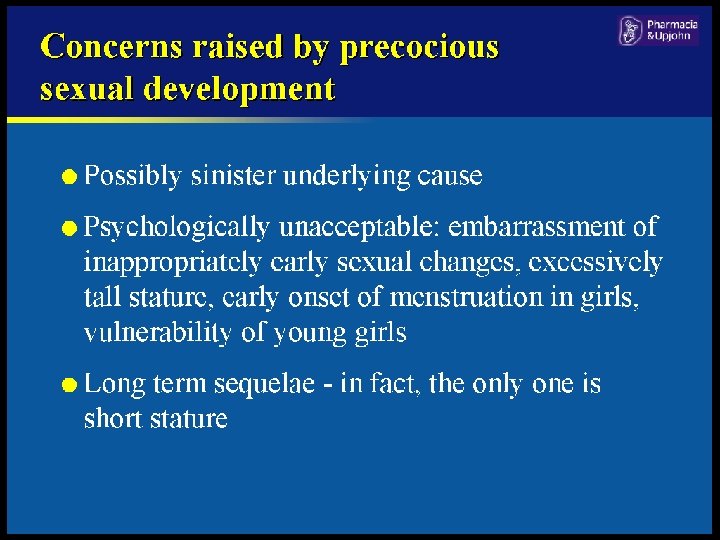
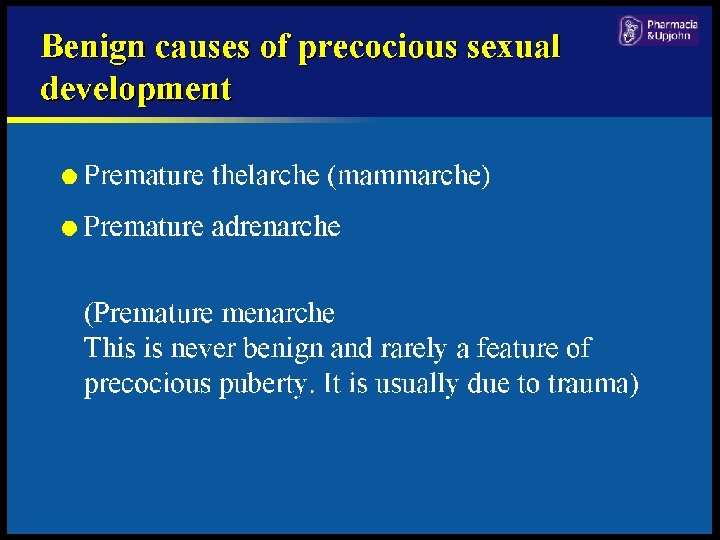
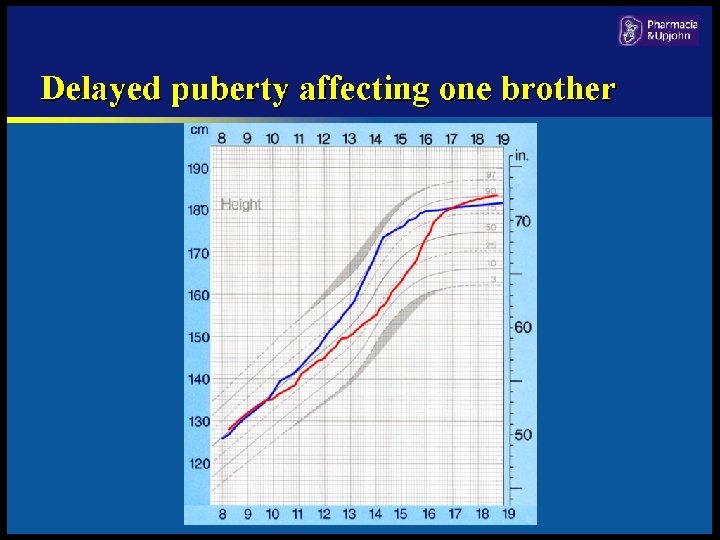
Normal puberty • • • Breast buds first sign in girls Testicular enlargement first sign in boys Delay in girls > 13 years Delay in boys > 14 years Early in girls < 8 years Early in boys < 9 years
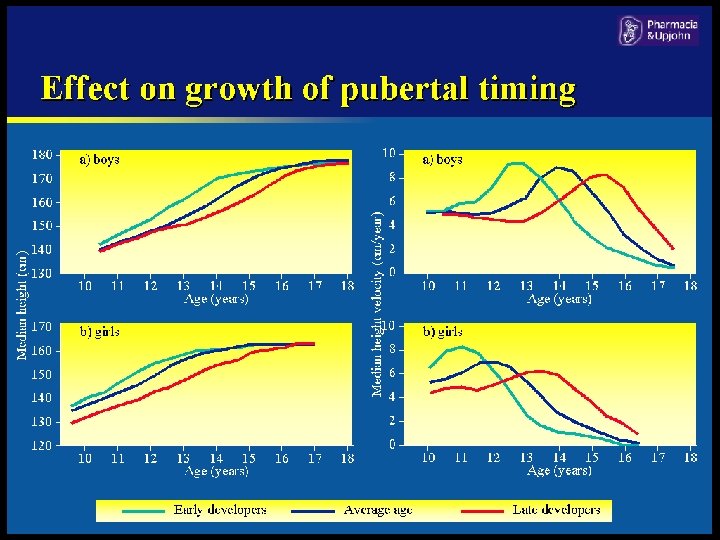
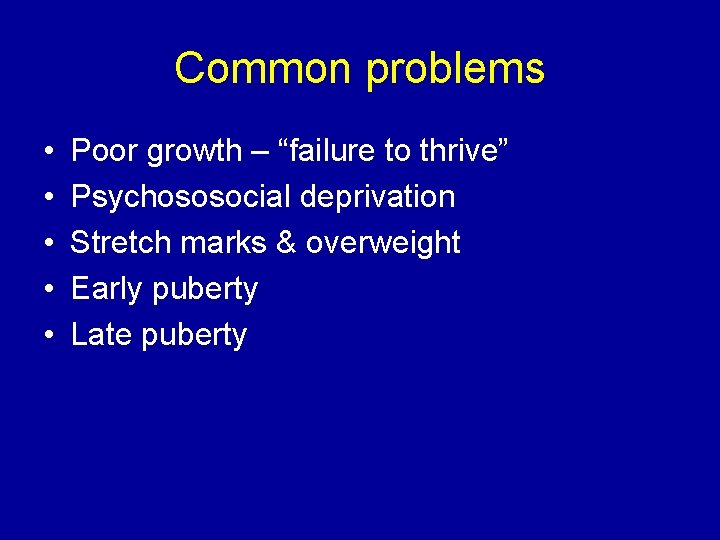
Common problems • • • Poor growth – “failure to thrive” Psychososocial deprivation Stretch marks & overweight Early puberty Late puberty
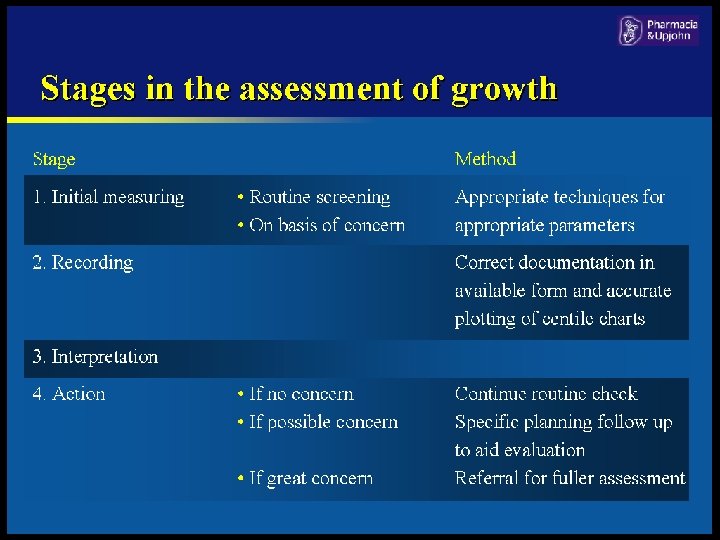
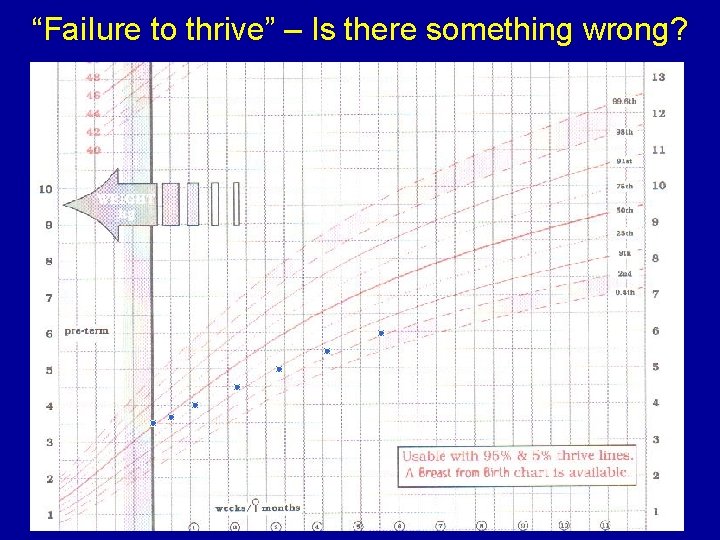
“Fai. Iure to thrive” – Is there something wrong?
Factors that affect birth weight • • Maternal size & weight Parity Gestational diabetes Smoking • Paternal size
What happens after birth? • Often only weight is measured • A third show catch-up growth • A third maintain birth weight centile • A third show catch-down growth!
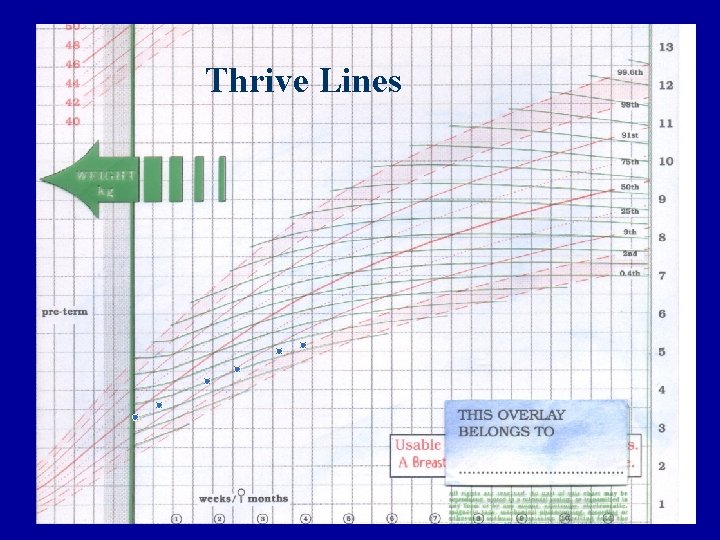
Thrive Lines
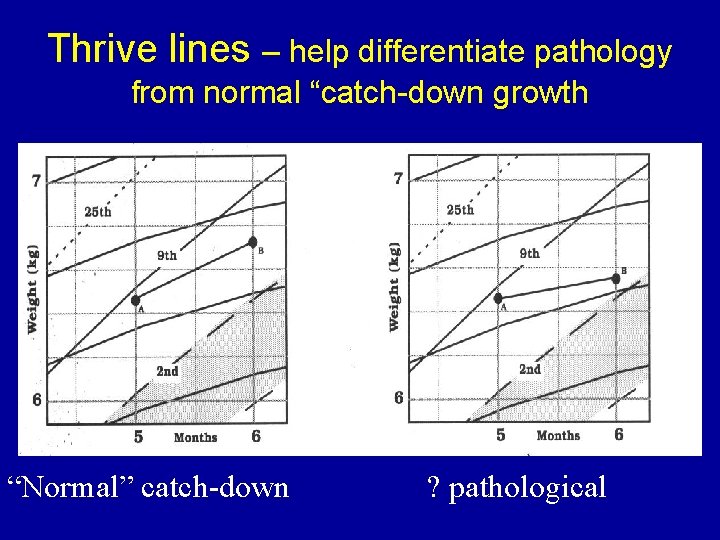
Thrive lines – help differentiate pathology from normal “catch-down growth “Normal” catch-down ? pathological
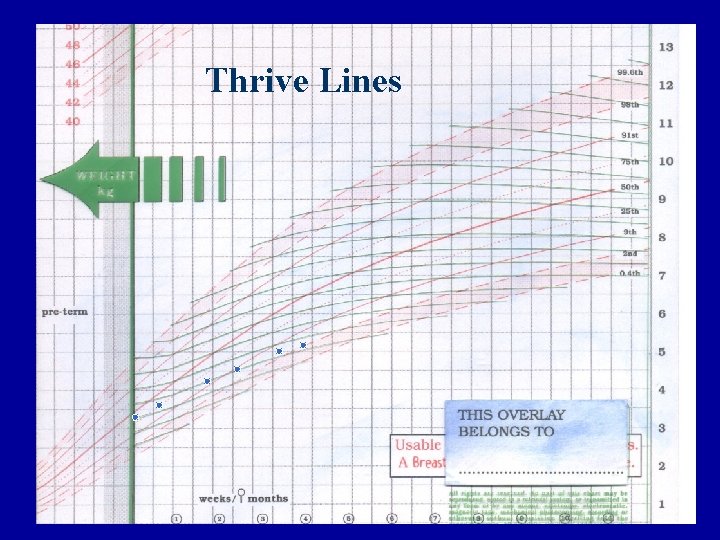
Thrive Lines
Don’t neglect common sense • • Vomiting Dysmorphic features Diarrhoea Poor Social circumstances • Actual weight loss • Weight > 2 major centiles below height May still suggest concern
Causes short stature • Constitutionally small - small parents • Ideopathic short stature – usually small birth • Psychosocial • Delayed puberty • Chronic disease • Endocrine causes – Striae ? Cushings
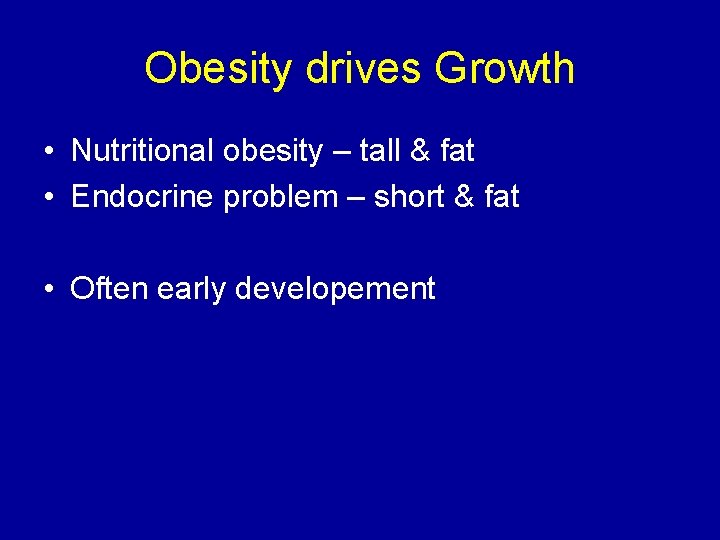
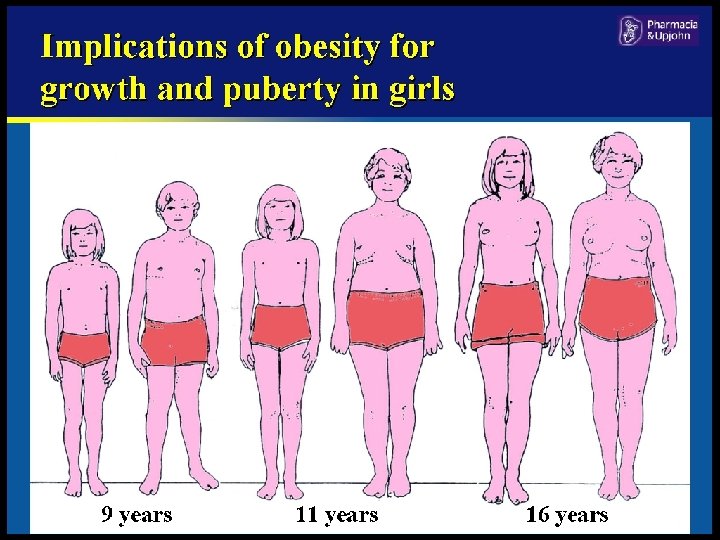
Obesity drives Growth • Nutritional obesity – tall & fat • Endocrine problem – short & fat • Often early developement
Questions ?
- Slides: 52