
Childhood Acute Lymphoblastic Leukemia Kelsey Shaffer CHTN Staff
Childhood Acute Lymphoblastic Leukemia Kelsey Shaffer CHTN Staff Meeting Presentation
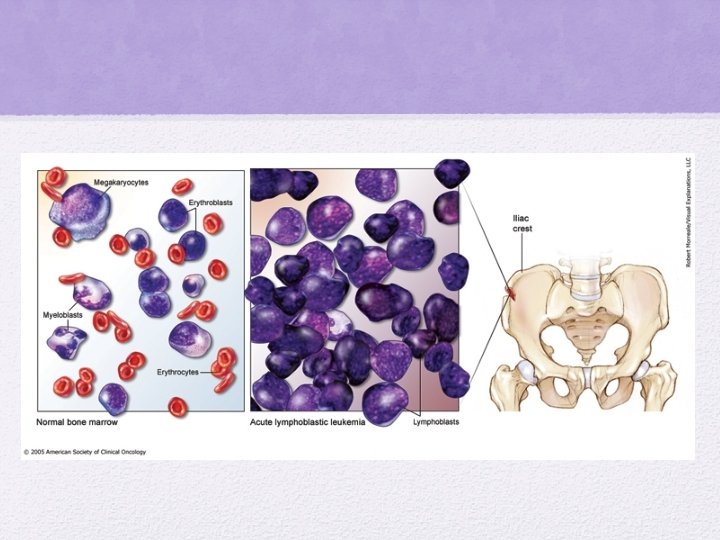
What is it? • Acute Lymphoblastic Leukemia (ALL) is a blood cancer • White Blood Cells (WBC) • Lymphocytes or Lymphoblast • Too many immature WBC • Crowd the bone marrow • Cannot prevent/fight infections • Most common leukemia in children, least common in adults
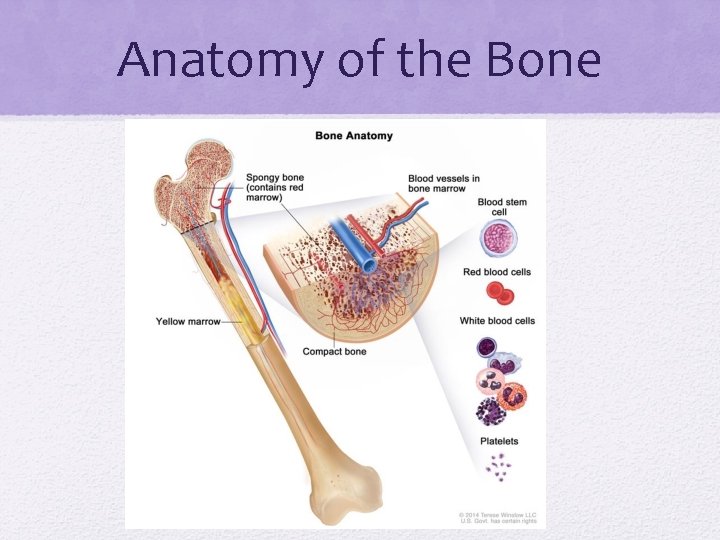
Anatomy of the Bone
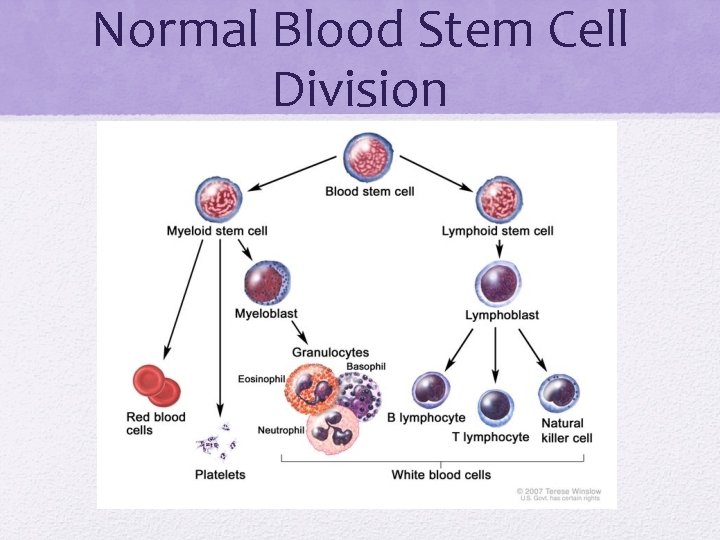
Normal Blood Stem Cell Division
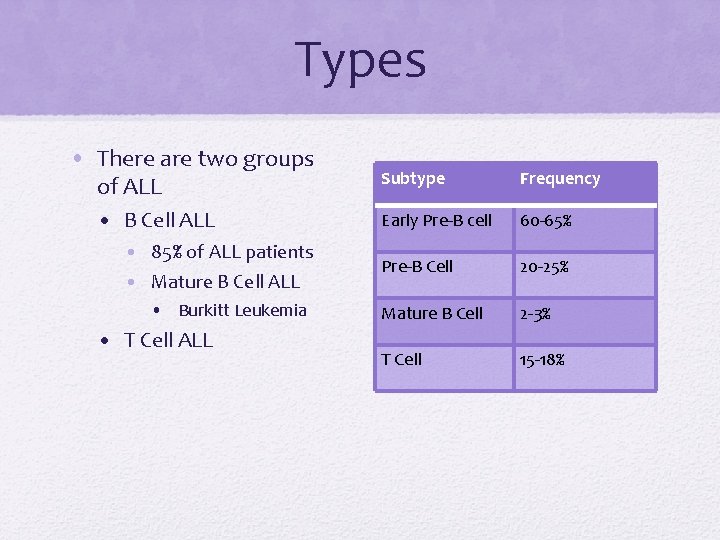
Types • There are two groups of ALL • B Cell ALL • 85% of ALL patients • Mature B Cell ALL • Burkitt Leukemia • T Cell ALL Subtype Frequency Early Pre-B cell 60 -65% Pre-B Cell 20 -25% Mature B Cell 2 -3% T Cell 15 -18%
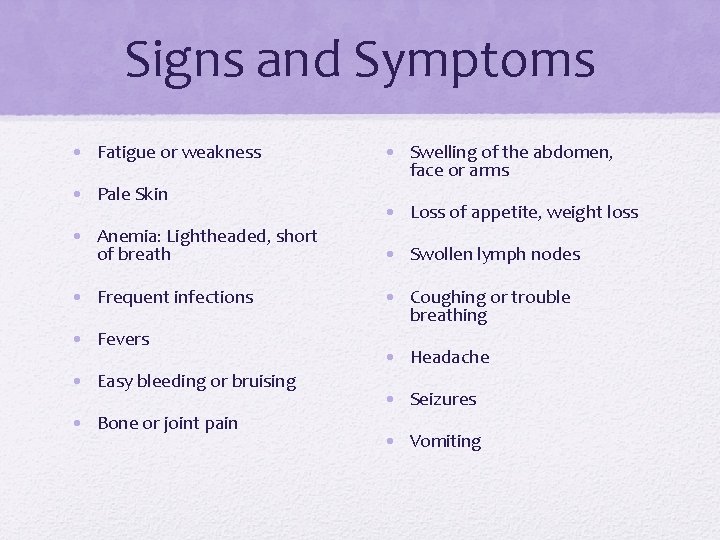
Signs and Symptoms • Fatigue or weakness • Pale Skin • Swelling of the abdomen, face or arms • Loss of appetite, weight loss • Anemia: Lightheaded, short of breath • Swollen lymph nodes • Frequent infections • Coughing or trouble breathing • Fevers • Easy bleeding or bruising • Bone or joint pain • Headache • Seizures • Vomiting
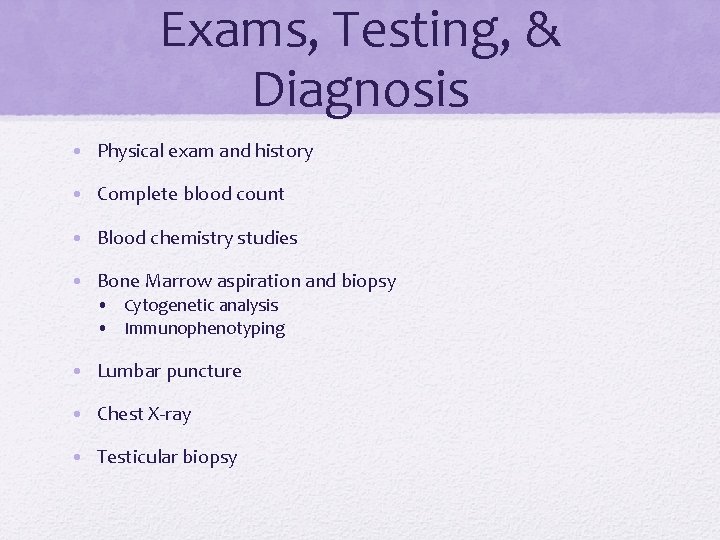
Exams, Testing, & Diagnosis • Physical exam and history • Complete blood count • Blood chemistry studies • Bone Marrow aspiration and biopsy • Cytogenetic analysis • Immunophenotyping • Lumbar puncture • Chest X-ray • Testicular biopsy
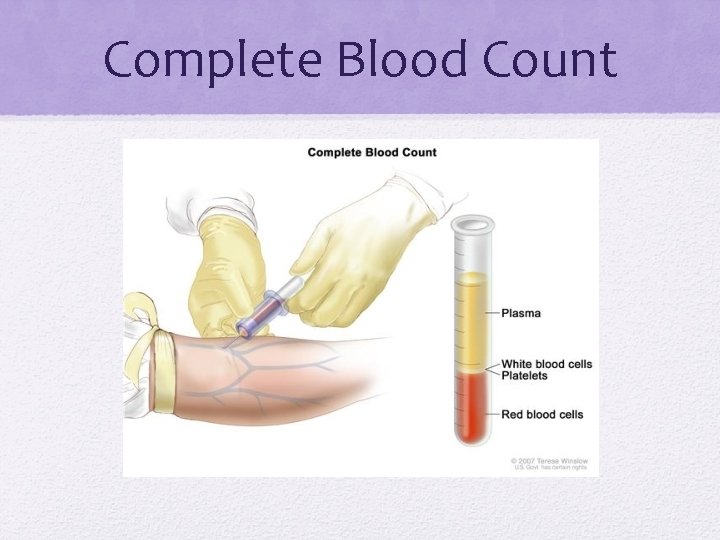
Complete Blood Count
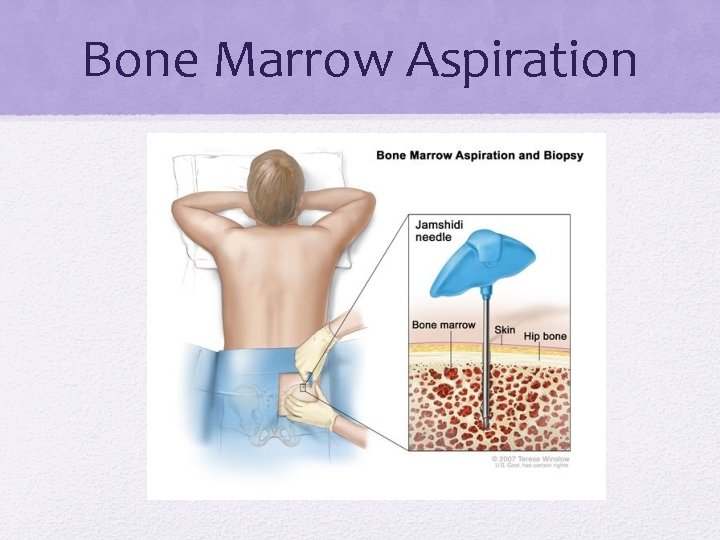
Bone Marrow Aspiration
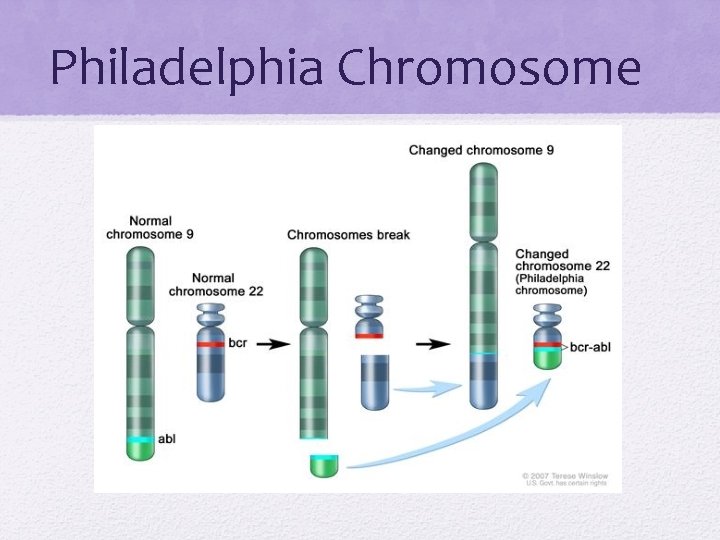
Philadelphia Chromosome
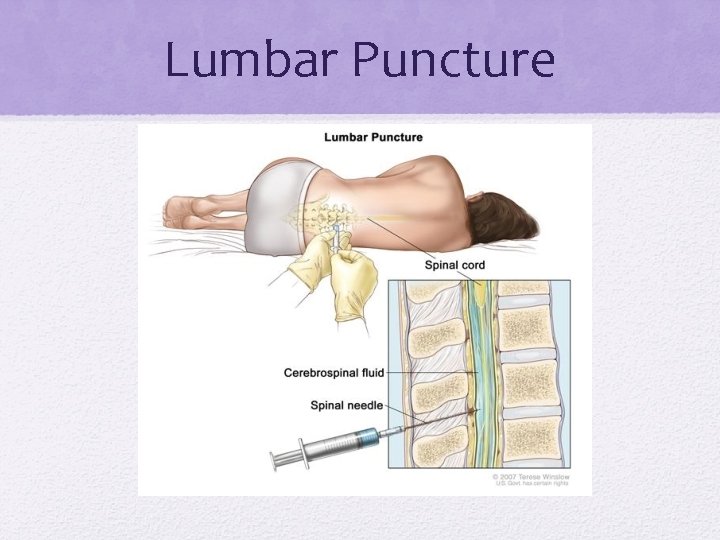
Lumbar Puncture
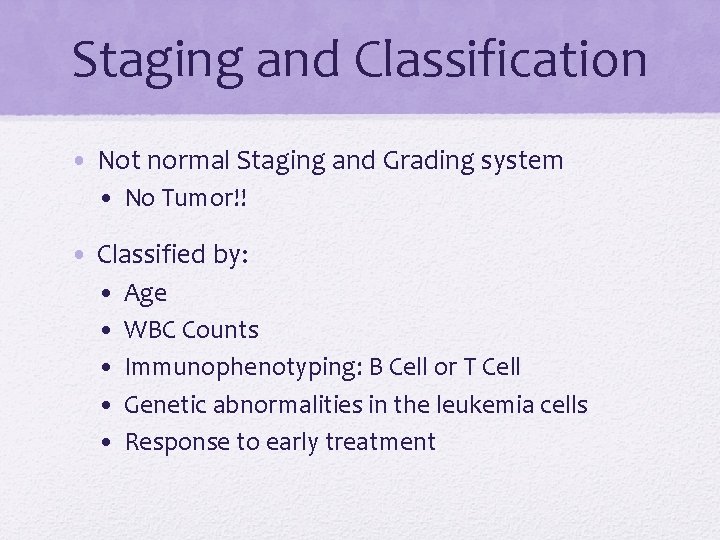
Staging and Classification • Not normal Staging and Grading system • No Tumor!! • Classified by: • • • Age WBC Counts Immunophenotyping: B Cell or T Cell Genetic abnormalities in the leukemia cells Response to early treatment
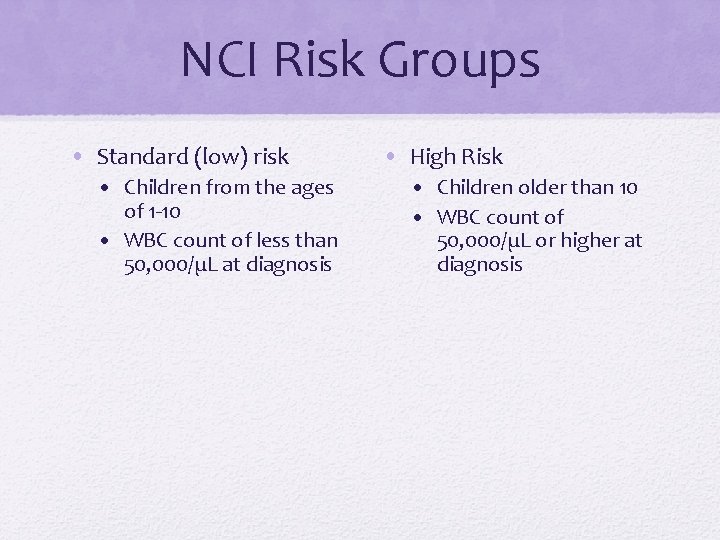
NCI Risk Groups • Standard (low) risk • Children from the ages of 1 -10 • WBC count of less than 50, 000/μL at diagnosis • High Risk • Children older than 10 • WBC count of 50, 000/μL or higher at diagnosis
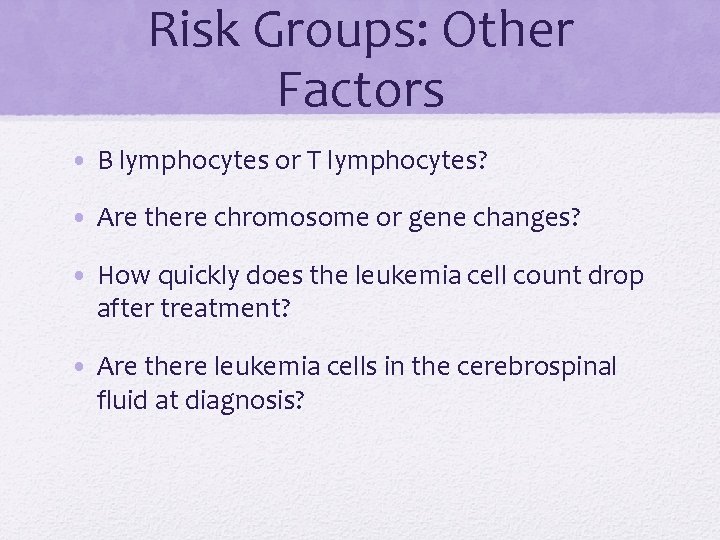
Risk Groups: Other Factors • B lymphocytes or T lymphocytes? • Are there chromosome or gene changes? • How quickly does the leukemia cell count drop after treatment? • Are there leukemia cells in the cerebrospinal fluid at diagnosis?
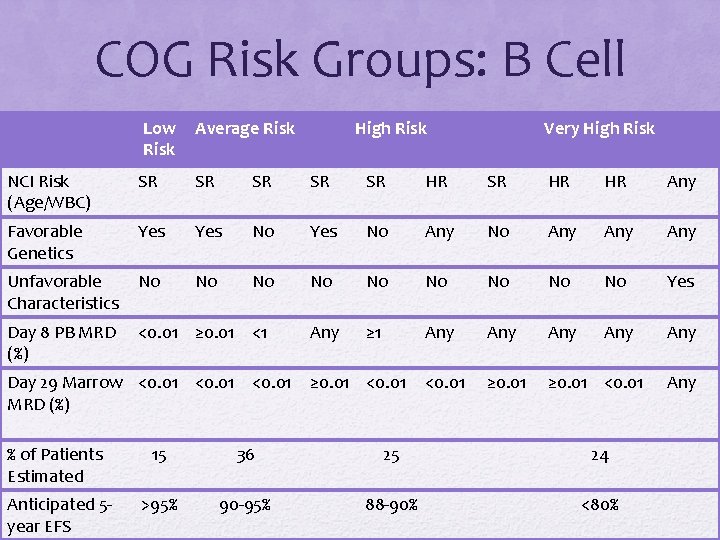
COG Risk Groups: B Cell Low Risk Average Risk NCI Risk (Age/WBC) SR SR SR HR HR Any Favorable Genetics Yes No Any Any Unfavorable Characteristics No No No Yes Day 8 PB MRD (%) <0. 01 ≥ 0. 01 <1 Any ≥ 1 Any Any Any <0. 01 ≥ 0. 01 <0. 01 Day 29 Marrow <0. 01 MRD (%) High Risk ≥ 0. 01 <0. 01 Very High Risk % of Patients Estimated 15 36 25 24 Anticipated 5 year EFS >95% 90 -95% 88 -90% <80% Any
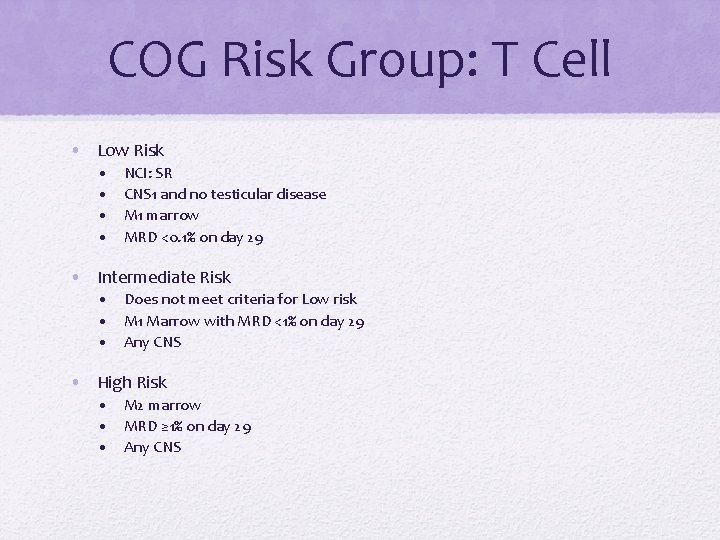
COG Risk Group: T Cell • Low Risk • • NCI: SR CNS 1 and no testicular disease M 1 marrow MRD <0. 1% on day 29 • Intermediate Risk • Does not meet criteria for Low risk • M 1 Marrow with MRD <1% on day 29 • Any CNS • High Risk • M 2 marrow • MRD ≥ 1% on day 29 • Any CNS
Treatment • Three phases: • Remission induction • Consolidation/ intensification • Maintenance
Treatment Types • Chemotherapy • Radiation • Chemotherapy and a stem cell transplant • Mostly relapsed patients • Targeted Therapy • TKIs
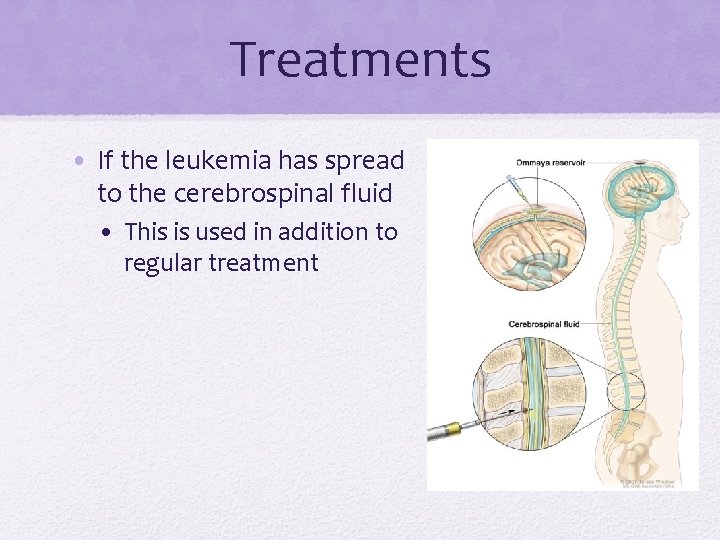
Treatments • If the leukemia has spread to the cerebrospinal fluid • This is used in addition to regular treatment
Vanderbilt Clinical Trials • COGAALL 0932 • • Opened 11/11/10 Standard risk Pre-B ALL Maintenance phase of treatment Oral methotrexate: 40 mg/m 2/week vs 20 mg/m 2/week • Reduced-pulses Maintenance with vincristine/dexamethasone: Every 12 weeks vs every 4 weeks • Estimated Enrollment: 5872
Follow ups • Done during all phases of treatment • Bone marrow aspirations and Biopsy • Yearly physical exams • Based on treatment type: • • • Neurocognitive testing at baseline if cranial radiation was done Testing for heart function at baseline then every 3 -5 years Testing for baseline lung function, then every 3 -5 years Creatinine taken at baseline then every 3 -5 years Yearly monitoring for evidence of Fanconi syndrome Liver function tests every 1 -3 years • Annual CBCs
Risk Factors • X-ray exposure before birth • Radiation exposure • Chemotherapy • Genetic conditions • • • Down Syndrome Neurofibromatosis Type 1 (NF 1) Shwachman syndrome Bloom syndrome Ataxia-telaniectasia
Survival Rates • 5 -year survival rate is over 85% • More than 95% attain remission • Differences seen by • Age • Gender • Race
References • http: //www. cancer. org/cancer/leukemiainchildren/detailedguide/childhood-leukemia-what-is-childhood-leukemia • http: //www. cancer. gov/cancertopics/pdq/treatment/child. ALL/Patient/ • http: //www. vicc. org/ct/protocols. php? cancer-type=Pediatric-Leukemia • http: //www. cancer. org/cancer/leukemiainchildren/detailedguide/ • http: //www. cancer. net/cancer-types/leukemia-acute-lymphoblastic-all-childhood/medical-illustrations • http: //www. cancer. net/cancer-types/leukemia-acute-lymphoblastic-all-childhood/classification • http: //www. webmd. com/cancer/acute-lymphoblastic-leukemia • http: //www. stjude. org/all • http: //www. cancercenter. com/leukemia/types/tab/acute-lymphocyticleukemia/? source=GOOGLPPC&channel=paid%20 search&c=paid%20 search: Google: Non%20 Brand: Broad: acute+lymphoblastic+leukemia: Broad&OVMTC=Broad&site=&creative=41239722201& OVKEY=acute%20 lymphoblastic%20 leukemia&url_id=190216663&adpos=1 t 1&device=c&gclid=CMv-wr-Ry. MACFSg. V 7 Aod. OBIAx. Q • http: //www. leukaemia. org. au/blood-cancers/leukaemias/acute-lymphoblastic-leukaemia-all • http: //www. vicc. org/ct/protocols. php? cancer-type=Pediatric-Leukemia • http: //www. lls. org/diseaseinformation/managingyourcancer/survivorship/childhoodcancersurvivors/followupcare/ • http: //www. chop. edu/service/oncology/cancers-explained/leukemia-diagnosis-and-treatment. html
- Slides: 25