
Child Labor Working Families In the 1880 s
Child Labor
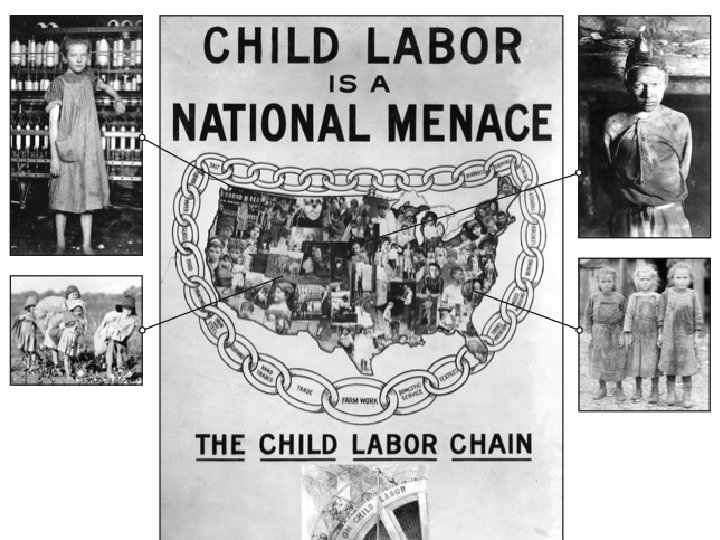
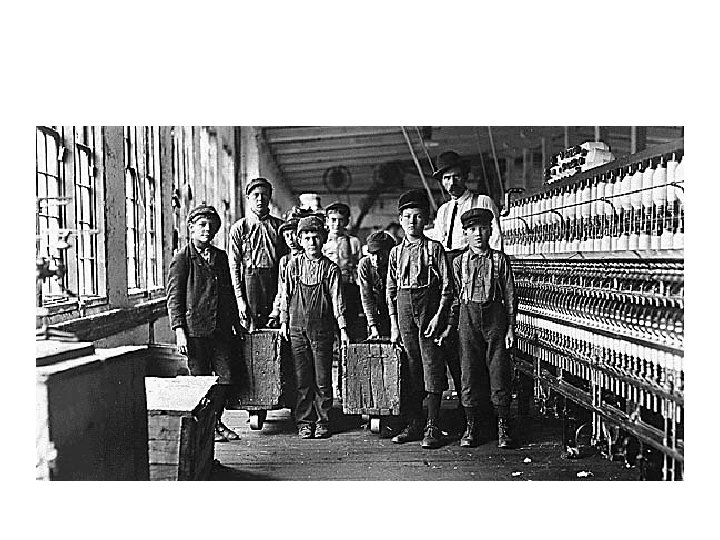
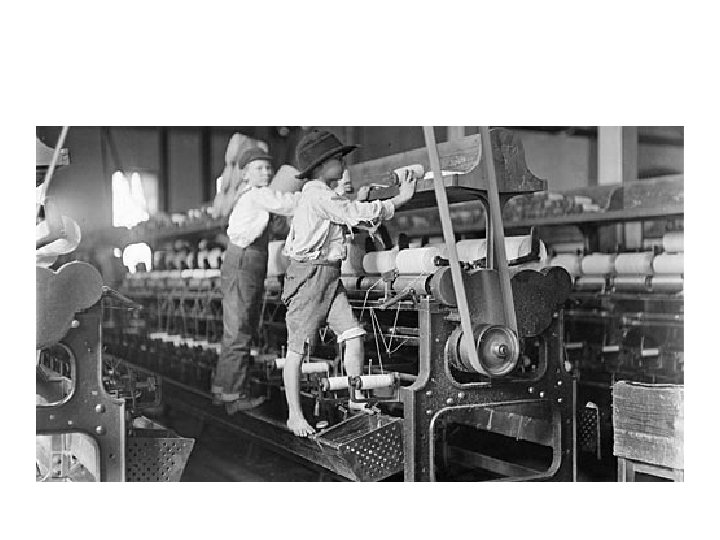
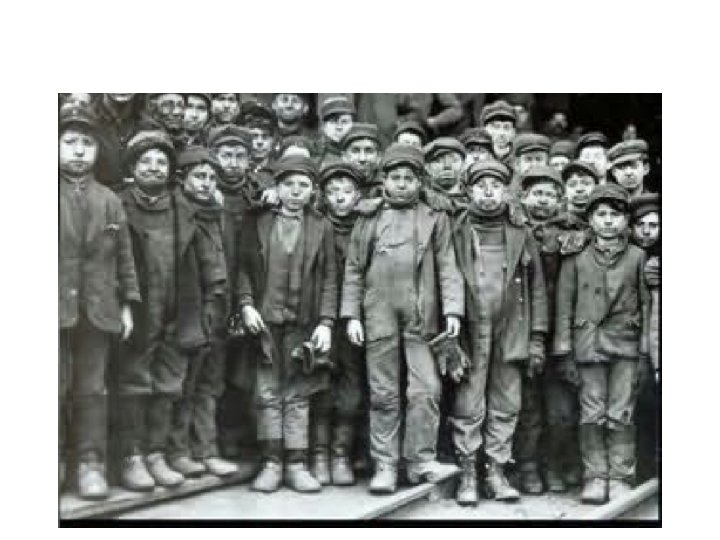
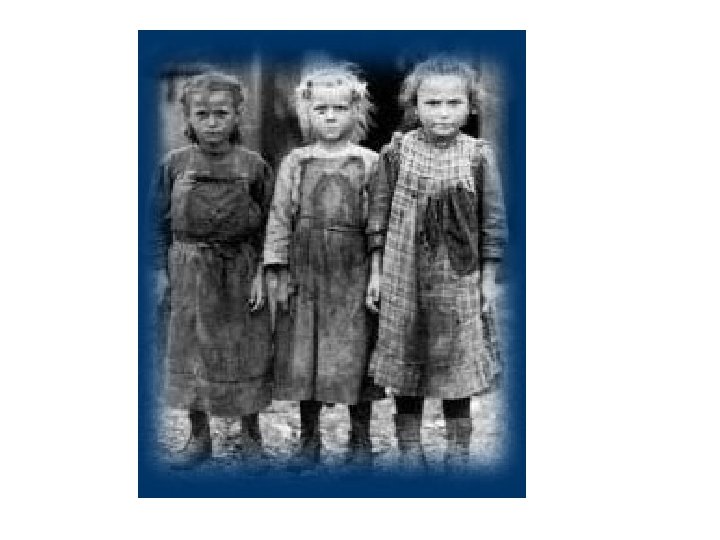
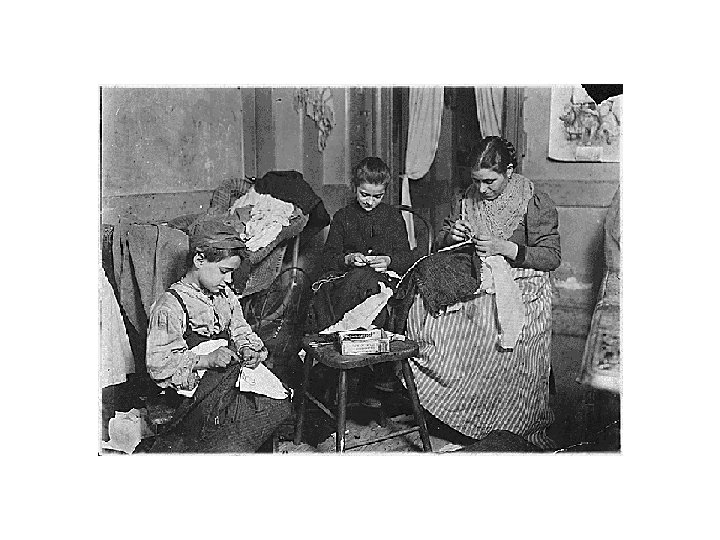
Working Families • In the 1880 s, children made up more than 5% of the industrial labor force. • Children often left school at the age of 12 or 13 to work • Girls sometimes took factory jobs so their brothers could stay in school. • If an adult became to ill to work, children as young as 6 or 7 had to work. • Rarely did the government provide public assistance, and unemployment insurance didn’t exist. • The theory of Social Darwinism held that poverty resulted from personal weakness. Many thought that offering relief to the unemployed would encourage idleness.
Labor & Factory Workers
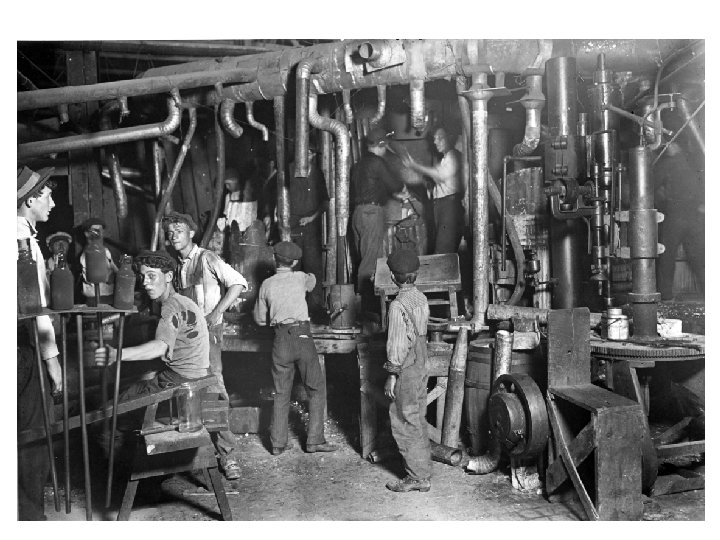
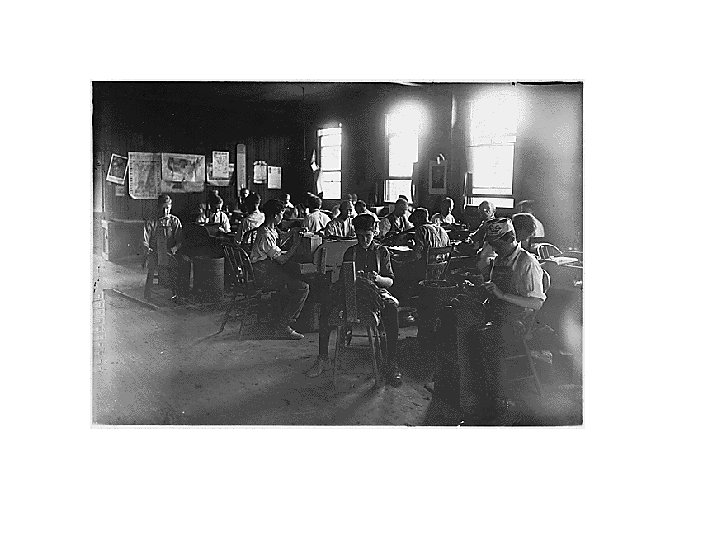
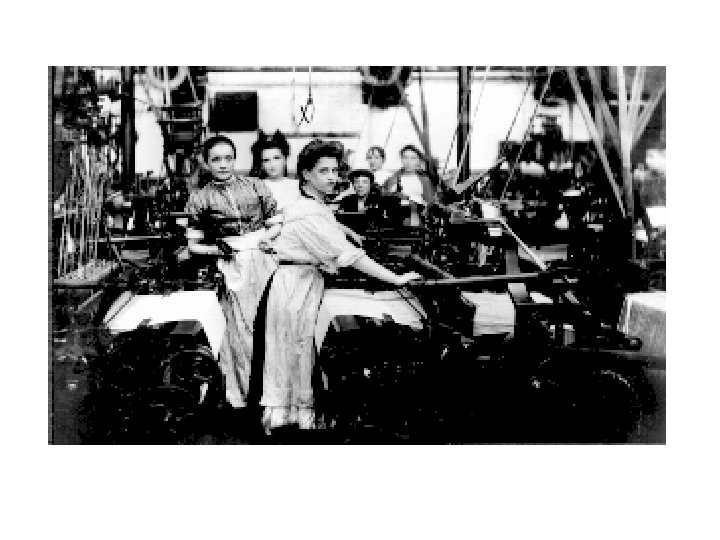
The Work Environment • Factory workers worked by the clock – up to 16 hours a day, sometimes 7 days a week. • Workers could be fired for being late, talking, or refusing to do a task. • Workplaces were often unsafe. • Children often performed unsafe work and worked in dangerously unhealthy conditions.
The Work Environment • Many companies required workers to take oaths or sign contracts promising not to join a union. • They hired detectives to identify union organizers. • Workers who tried to organize were fired and placed on a blacklist, and no one would hire them.
Evidence of the problems • The Triangle Shirtwaist Factory Fire
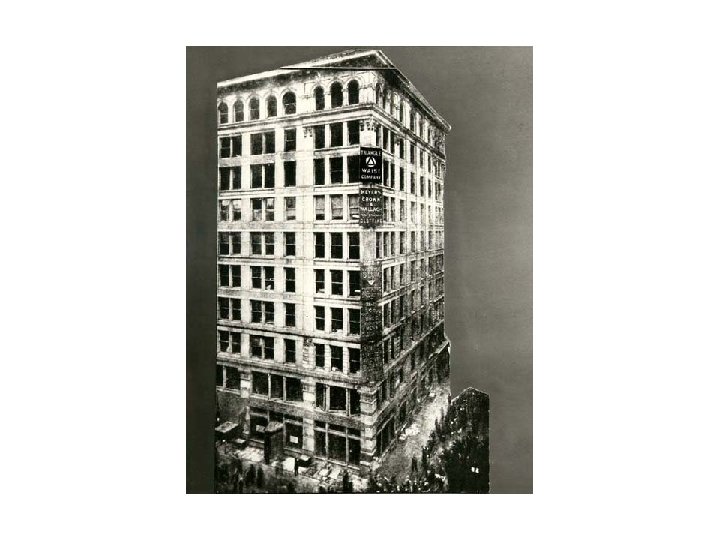
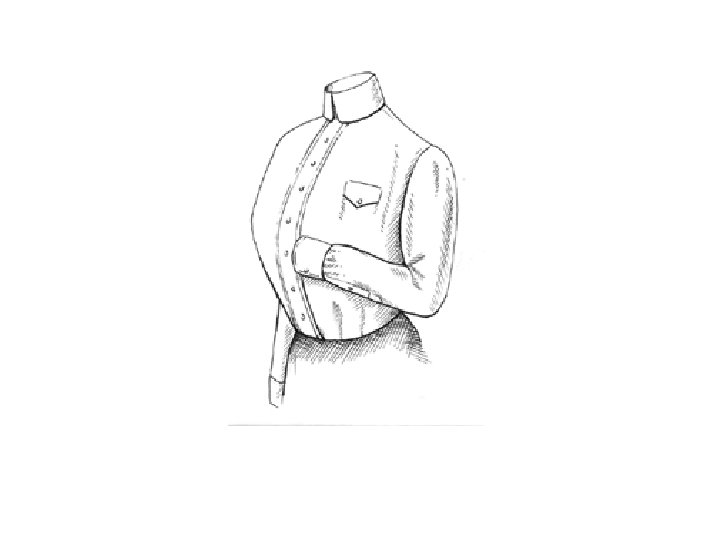
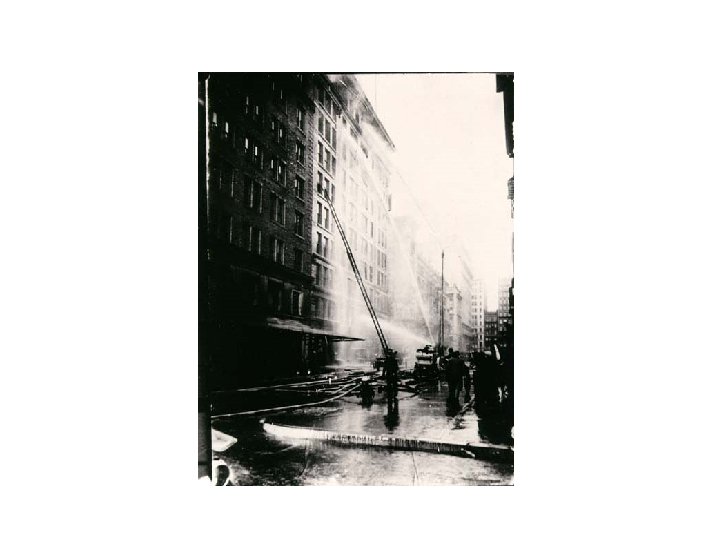
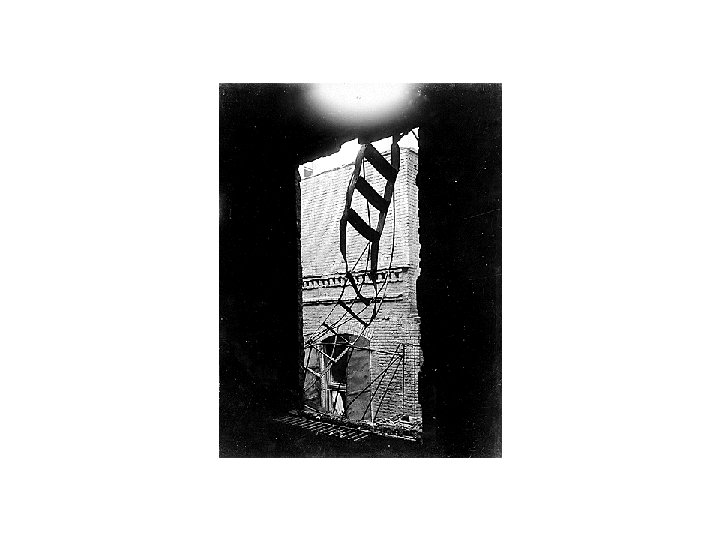
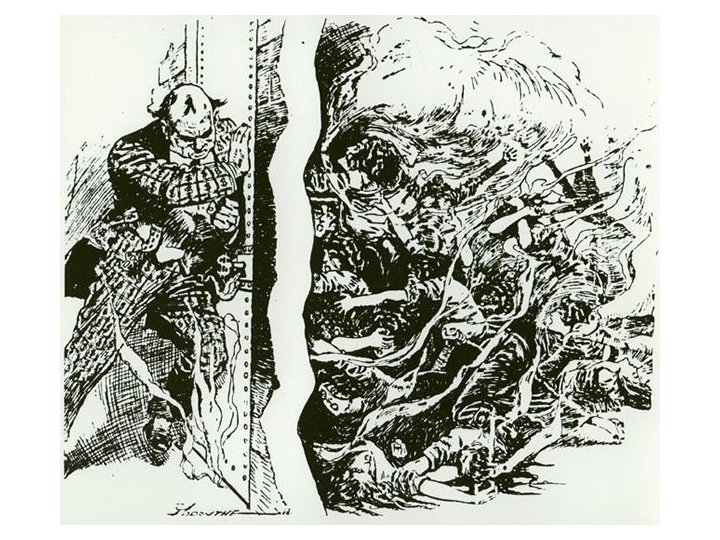
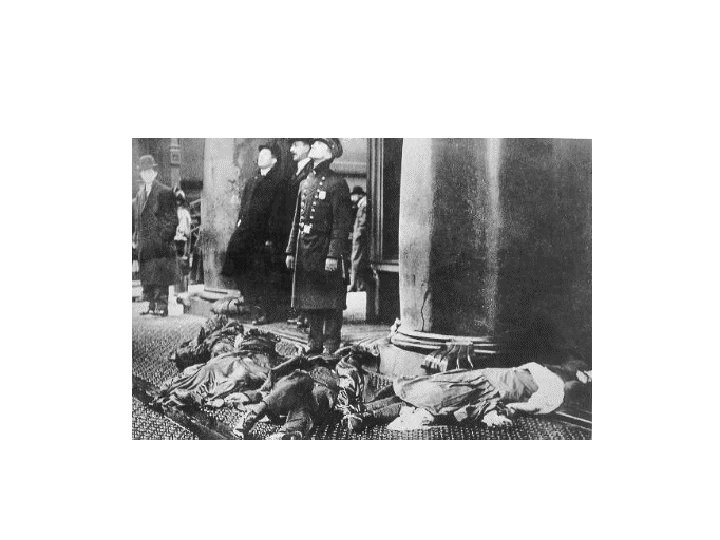
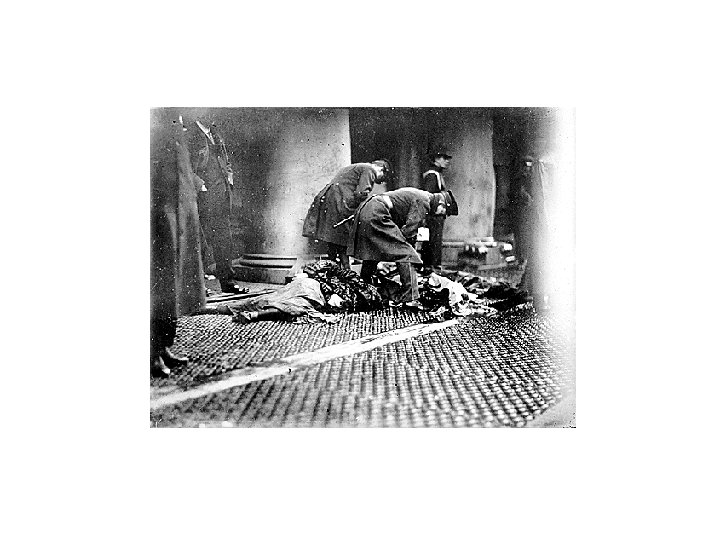
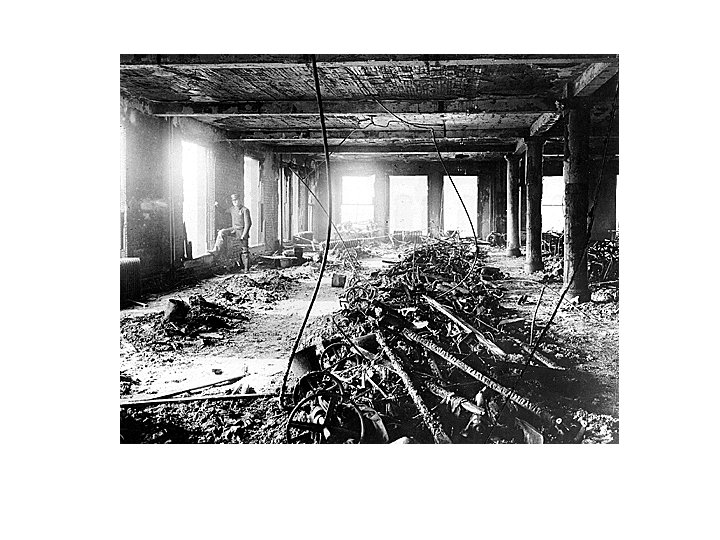
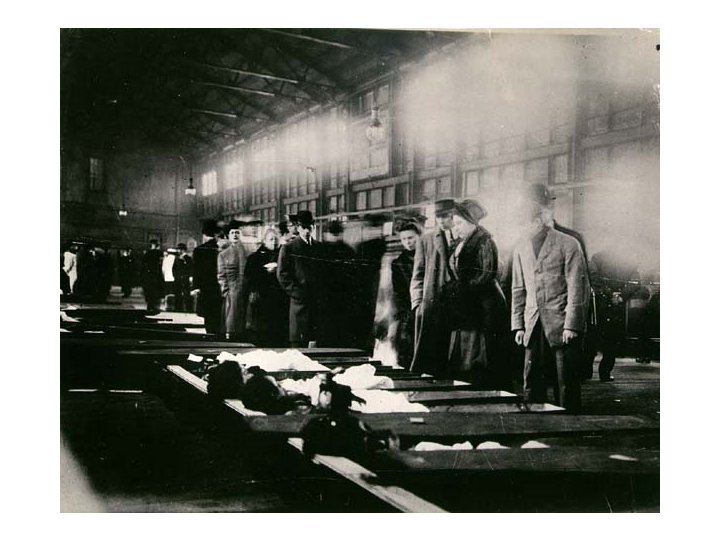
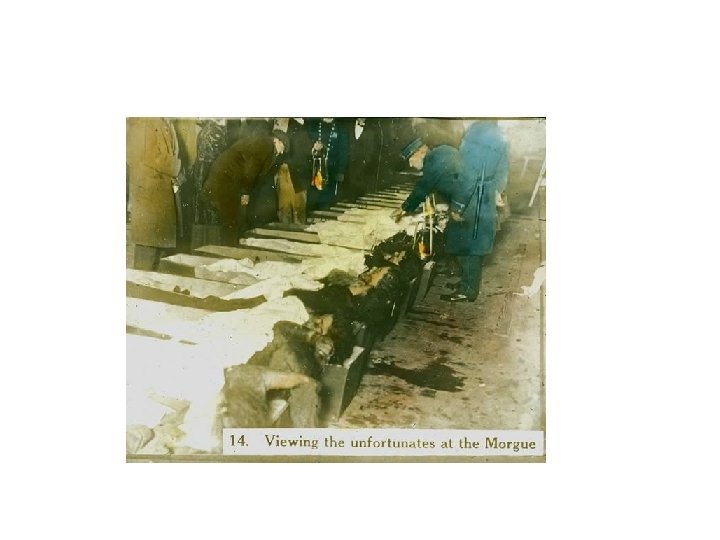
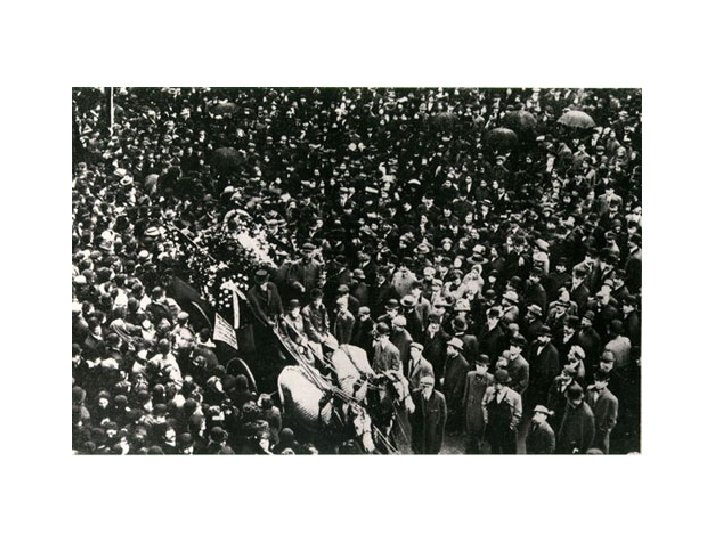
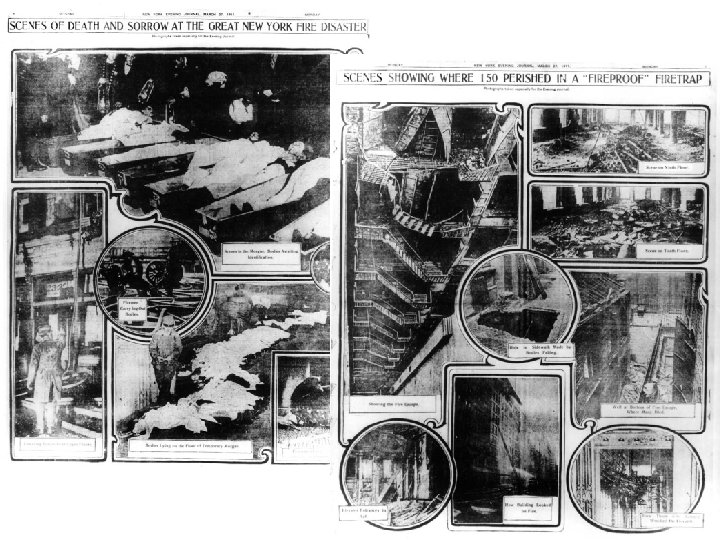
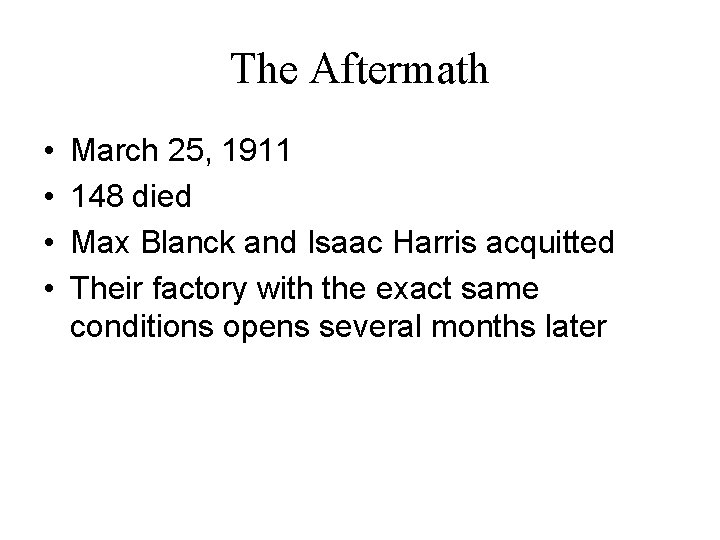
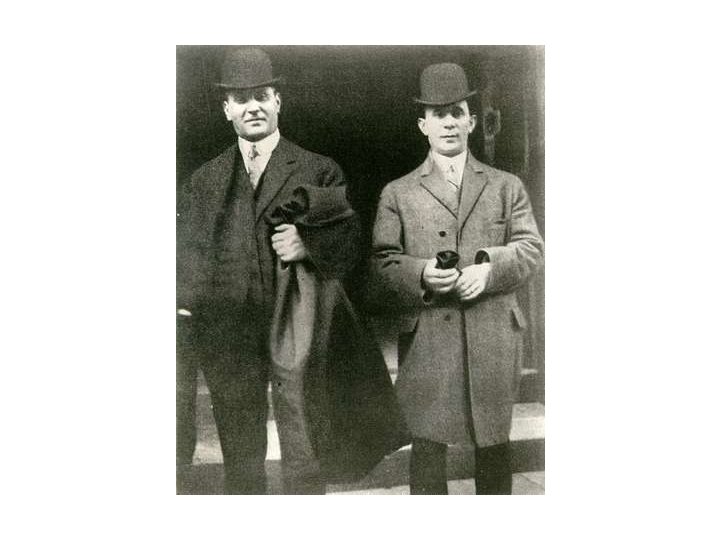
The Aftermath • • March 25, 1911 148 died Max Blanck and Isaac Harris acquitted Their factory with the exact same conditions opens several months later
- Slides: 29