
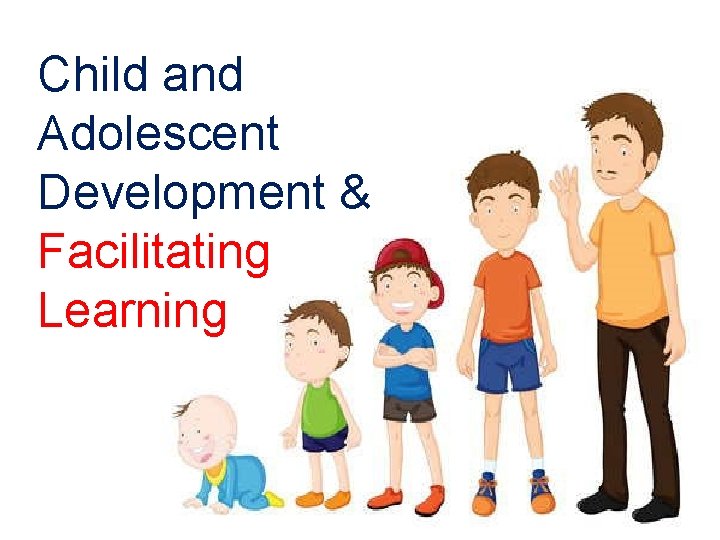
Child and Adolescent Development Facilitating Learning growth development


- Slides: 58
Child and Adolescent Development & Facilitating Learning
ü growth ü development ü maturation
ü phylogenetic principle • proximodistal • cephalocaudal ü ontogenetic principle ü epigenetic principle ü functional asymmetry
ü Early foundations are critical. ü All individuals are unique. ü Each stage has its own characteristic behaviours.
ü Each stage has its own hazards. ü There are expectations for each stage. ü The various aspects of growth and development are interrelated and integrated.
ü Children grow in much the same pattern. ü Learners respond differently to academic stimuli.
ü Nearly all human behavior is learned rather than inherited. ü Development takes place gradually.
Factors of Growth & Development: • Heredity • Environment
Theories of Growth and Development
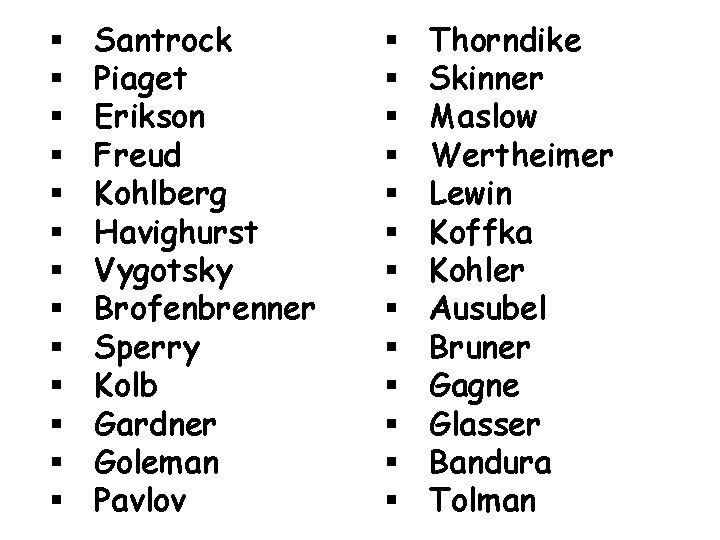
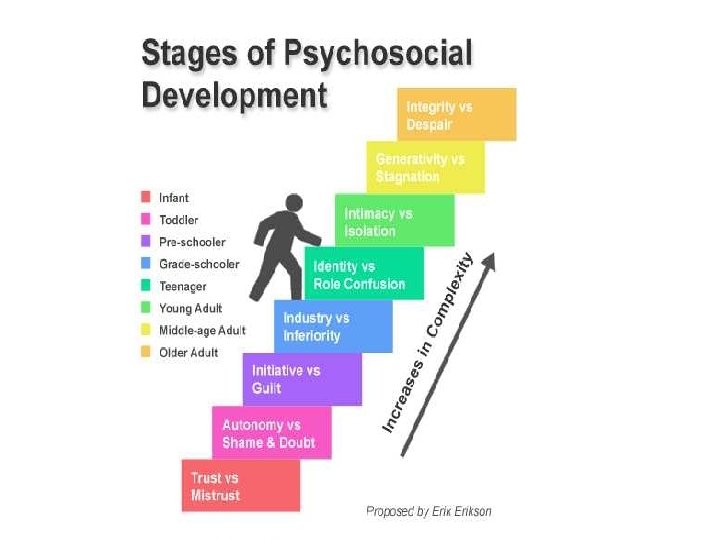
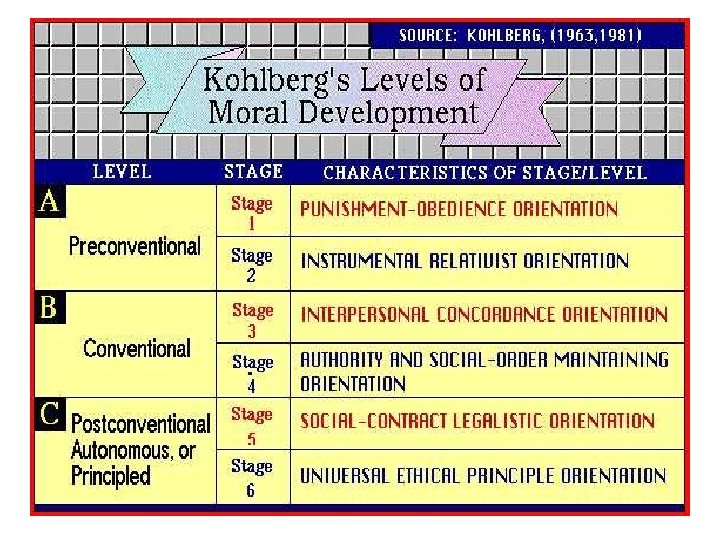
§ § § § Santrock Piaget Erikson Freud Kohlberg Havighurst Vygotsky Brofenbrenner Sperry Kolb Gardner Goleman Pavlov § § § § Thorndike Skinner Maslow Wertheimer Lewin Koffka Kohler Ausubel Bruner Gagne Glasser Bandura Tolman
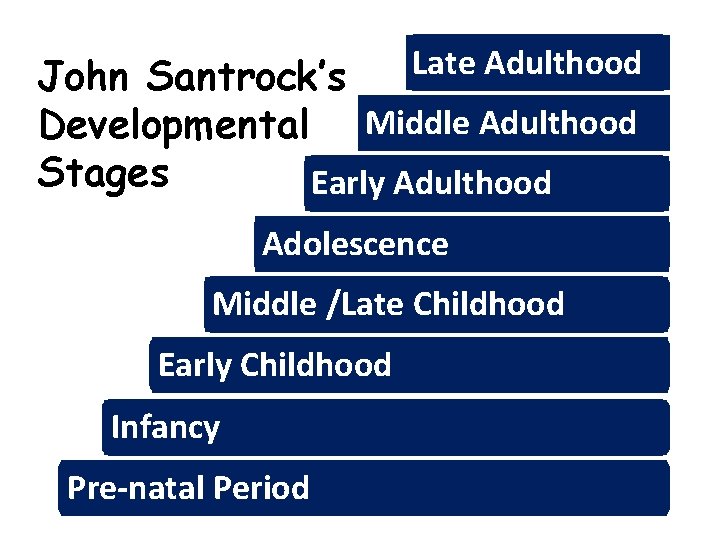
Late Adulthood John Santrock’s Developmental Middle Adulthood Stages Early Adulthood Adolescence Middle /Late Childhood Early Childhood Infancy Pre-natal Period
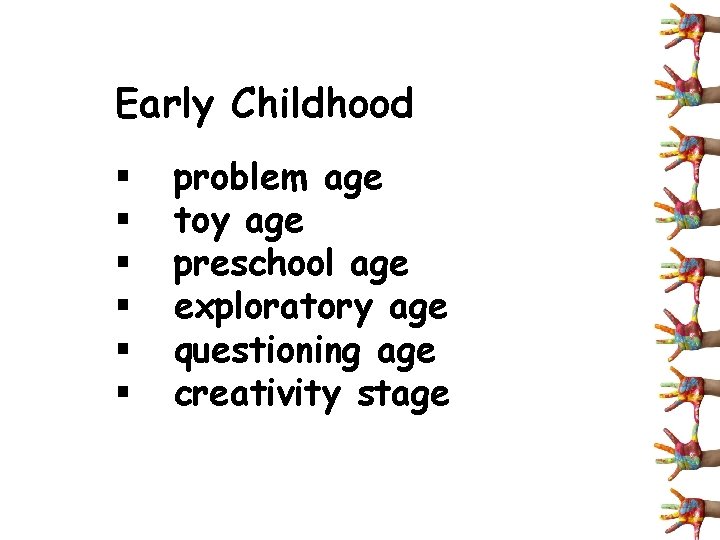
Early Childhood § § § problem age toy age preschool age exploratory age questioning age creativity stage
Late Childhood § § § sloppy age quarrelsome age elementary school age gang age of conformity
Adolescence § § period of change identity search time of unrealism heightened emotionality
PRACTICE TEST • Identify the stage of development being described in the following statements.
the drive to achieve is founded =Late childhood
there is an ongoing search for identity = Adolescence
age of conformity = late childhood
age of curiosity = early childhood
creativity age =early childhood
Physical and Motor Development
Reflexes 1. 2. 3. 4. 5. 6. 7. Moro Reflex Rooting Reflex Tonic Neck reflex Sucking Reflex Stepping Reflex Palmar Reflex Plantar Reflex
Rights of Children
Rights of Children 1. right to life; 2. to a name; 3. to protection from all forms of physical or mental violence; 4. to education; 5. to freedom of expression; 6. to rest and leisure;
Rights of Children 7. to be protected from economic exploitation; to freedom of thought, conscience and religion; 8. to freedom of association; 9. to the highest attainable standard of health; 10. to a standard of living adequate for the child's physical, mental, spiritual, moral and social development.
Section 13, Article 2 of the Philippine Constitution • “ the state recognizes the vital role of the youth in nation building and shall promote and protect their physical, moral, spiritual, intellectual and social being. It shall inculcate in the youth patriotism and nationalism and encourage their involvement in public and civic affairs. ”
Republic Act 9344 The Act Establishing a Comprehensive Juvenile Justice and Welfare System
Republic Act No. 7610 • “The Special Protection of Children Against Child Abuse”
Republic Act No. 7658 • “An Act Prohibiting the Employment of Children below 15 years of age. ”
Republic Act No. 8049 • “An Act Regulating Hazing and Other forms of Initiation Rites in Fraternities, Sororities, and Other Organizations and Providing Penalties Therefore. ”
Republic Act No. 8353 • “Anti-Rape Law of 1997”
Jean Piaget § schema § principle of adaptation § cognitive development theory
Principle of Adaptation § assimilation § accommodation § equilibrium
Cognitive Development Theory 1. 2. 3. 4. sensorimotor pre-operational concrete operational formal operational
Sensorimotor ü object permanence ü solitary play
Pre-Operational ü ü language acquisition, centration egocentrism parallel & associative play
Concrete Operational ü ü ü decentration conservation hierarchical classification reversibility competitive play
Formal Operational ü abstract, reflective& logical thinking
Lev Vygotsky ü ü ü social constructivist theory Scaffolding Fade-away technique zone of proximal development zone of actual development private speech/inner speech
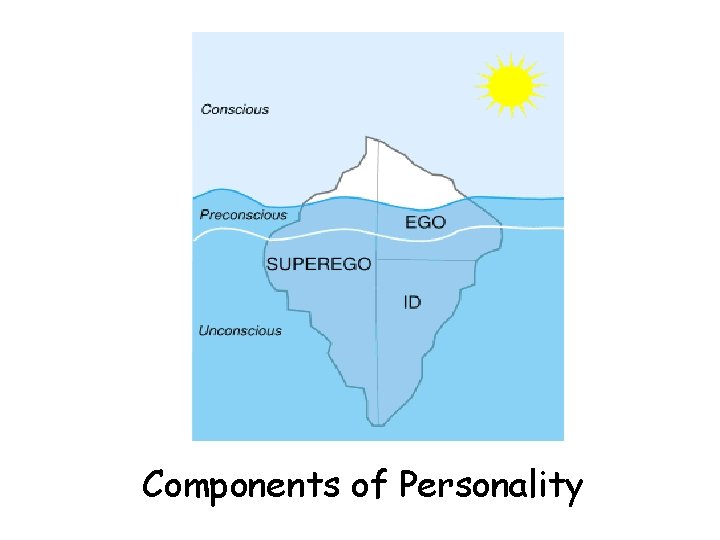
Components of Personality
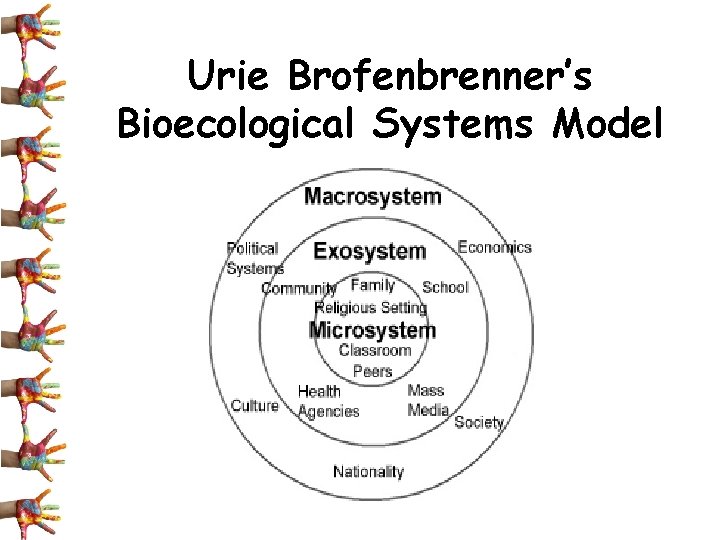
Urie Brofenbrenner’s Bioecological Systems Model
Theories on Individual Differences
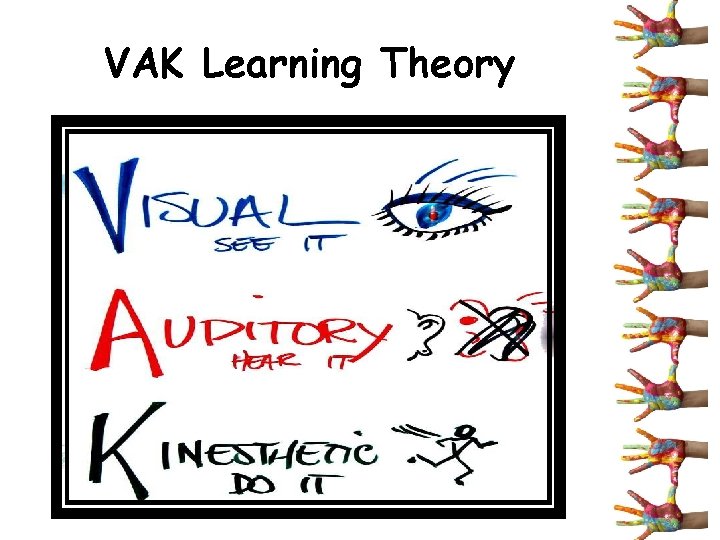
VAK Learning Theory
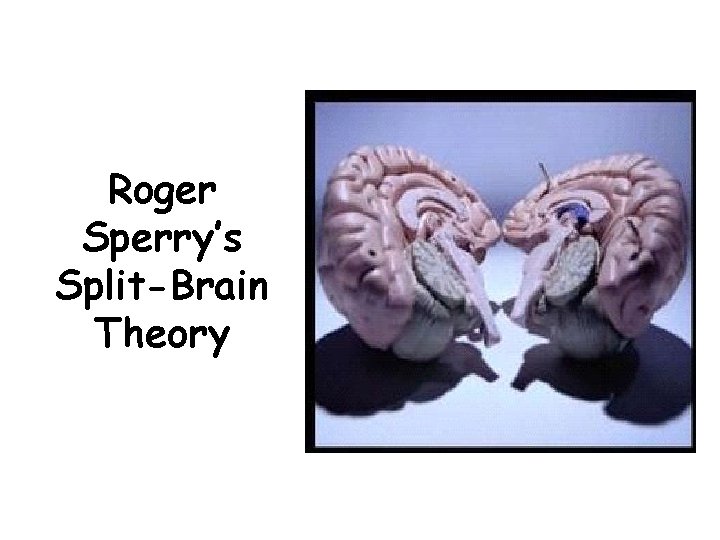
Roger Sperry’s Split-Brain Theory
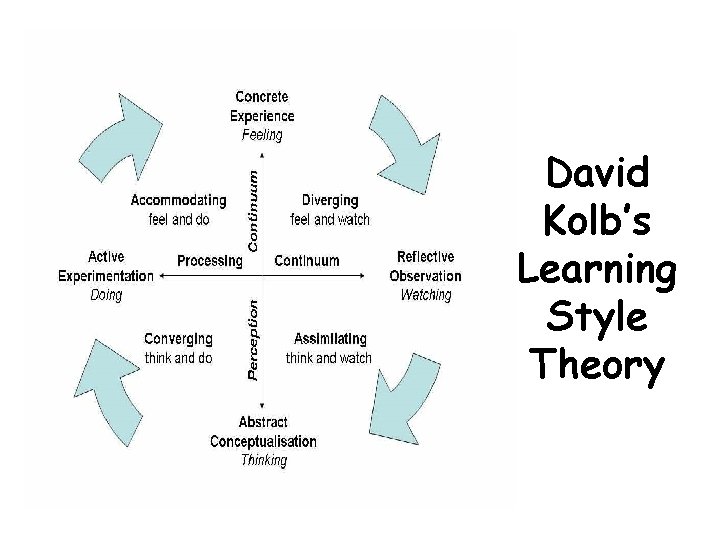
David Kolb’s Learning Style Theory
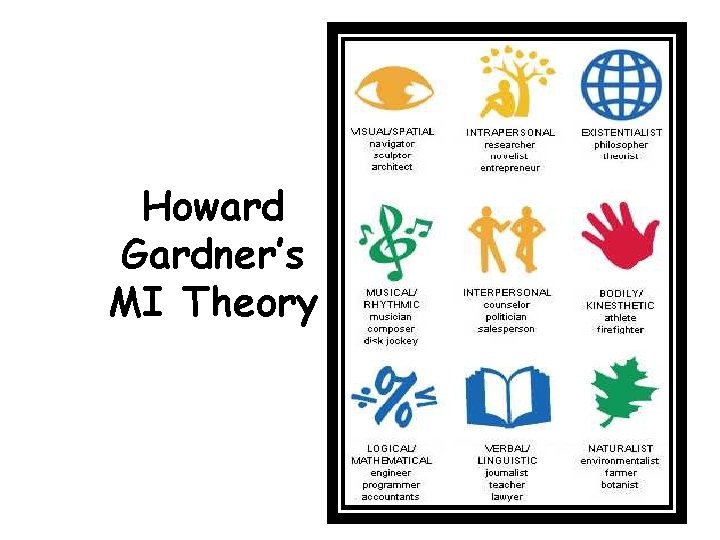
Howard Gardner’s MI Theory
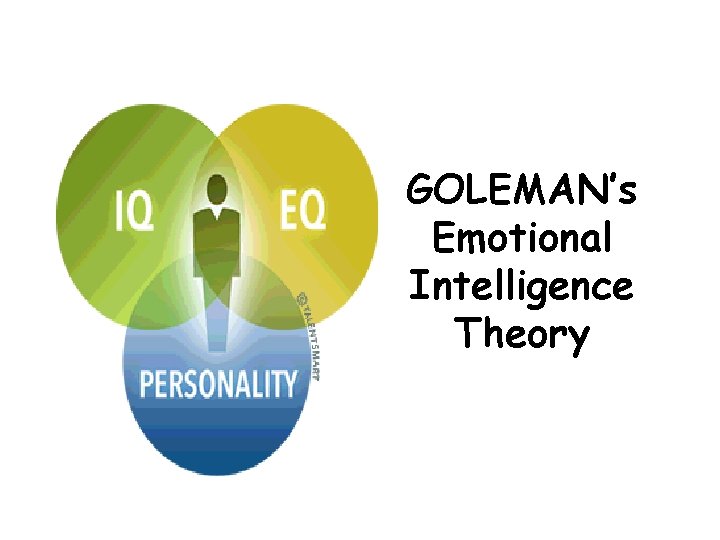
GOLEMAN’s Emotional Intelligence Theory
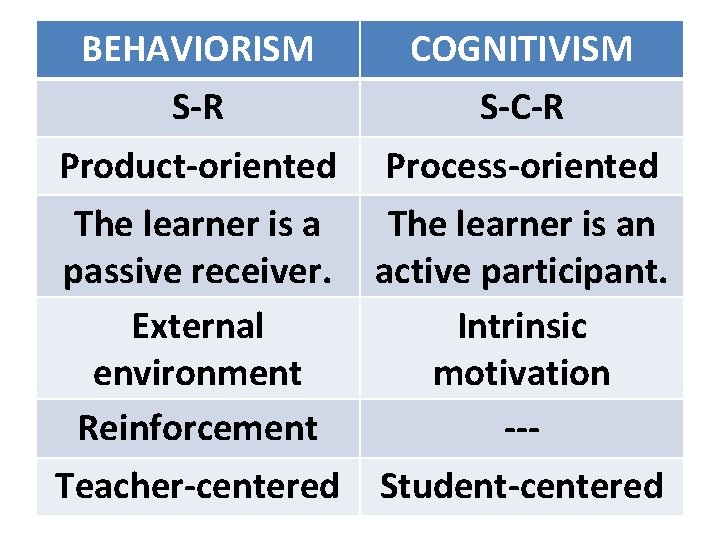
BEHAVIORISM COGNITIVISM S-R S-C-R Product-oriented Process-oriented The learner is an passive receiver. active participant. External Intrinsic environment motivation Reinforcement --Teacher-centered Student-centered
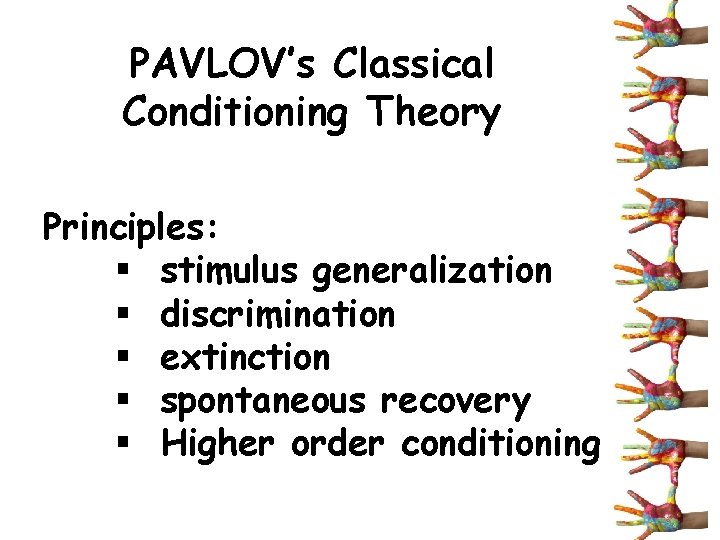
PAVLOV’s Classical Conditioning Theory Principles: § stimulus generalization § discrimination § extinction § spontaneous recovery § Higher order conditioning
THORNDIKE’s Connectionist Theory 3 Laws of § law Learning of readiness of exercise of effect
SKINNER’s Operant Conditioning Theory § positive & negative reinforcement § use of reinforcers
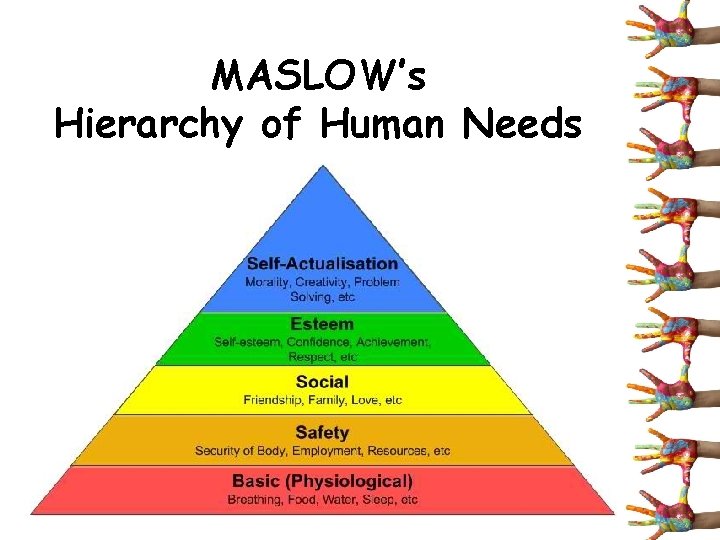
MASLOW’s Hierarchy of Human Needs