
CHIAROSCURO CHIAROSCURO Drawing technique CONTENT Definition Main representatives













- Slides: 53
CHIAROSCURO
CHIAROSCURO Drawing technique
• • CONTENT: Definition. Main representatives. Introduction to the drawing technique.
• • CONTENT: Definition. Main representatives. Introduction to the drawing technique.
Definition
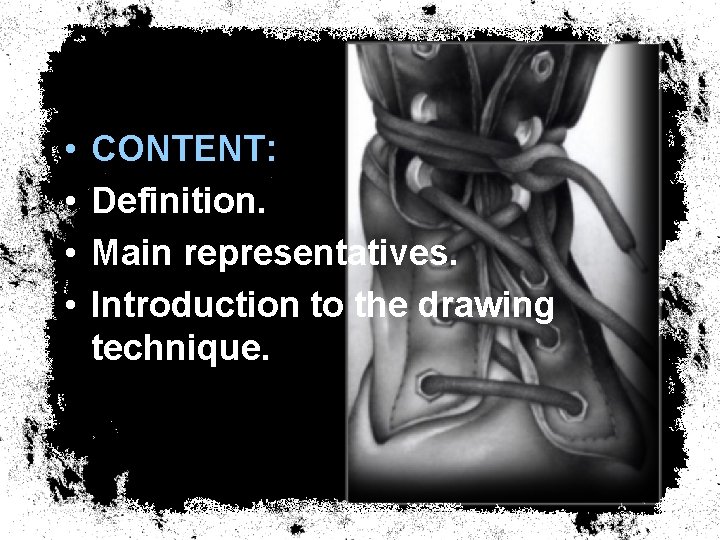
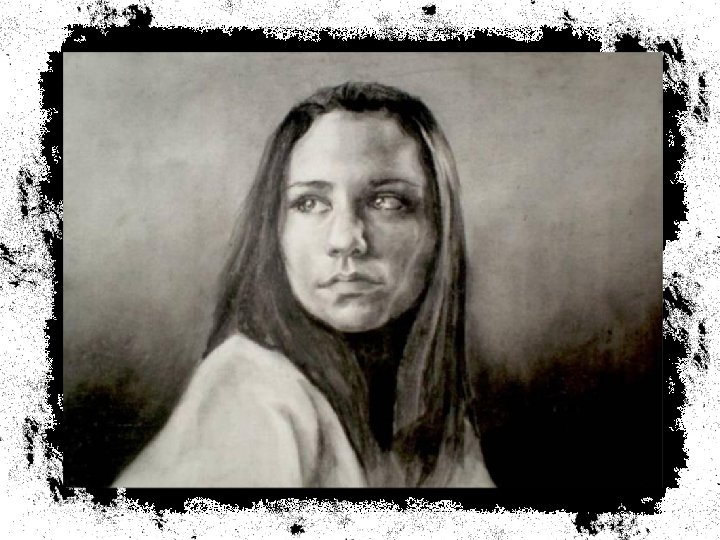
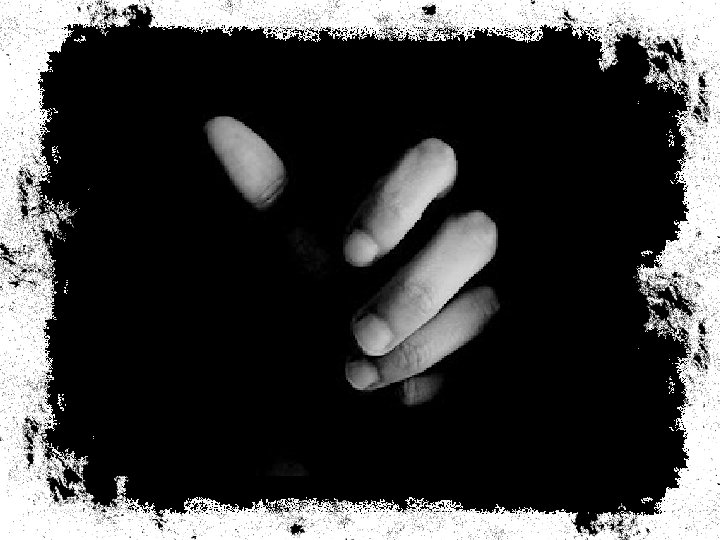
CHIAROSCURO Is a drawing technique that consists in the use of strong contrasts between volumes, some illuminated and others shadowed to highlight some elements effectively elements
CLAROSCURO
CLAROSCURO CHIAROSCURO The chiaroscuro technique can be applied in painting, drawing and in engraving. This technique emphasizes the details of any work.
Chiaroscuro is established by the valuation? ? ? of the tones. The valuation can be established in the paper through monochromy, the areas of volume of the body, starting from light.
Chiaroscuro is established by the valuation of the tones. The valuation can be established in the paper through monochromy, the areas of volume of the body, starting from light. Valuation of tones
Chiaroscuro is established by the valuation of the tones. The valuation can be established in the paper through monochromy, the areas of volume of the body, starting from light. Valuation of tones
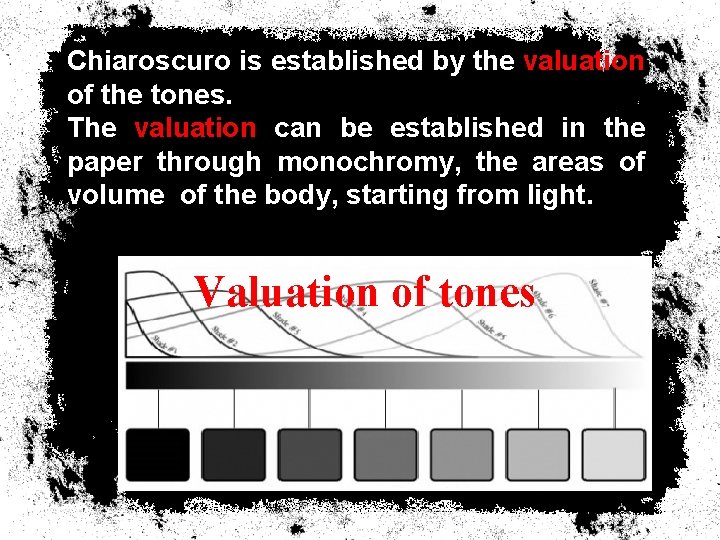
Chiaroscuro is established by the valuation of the tones. The valuation can be established in the paper through monochromy, the areas of volume of the body, starting from light. Valuation of tones
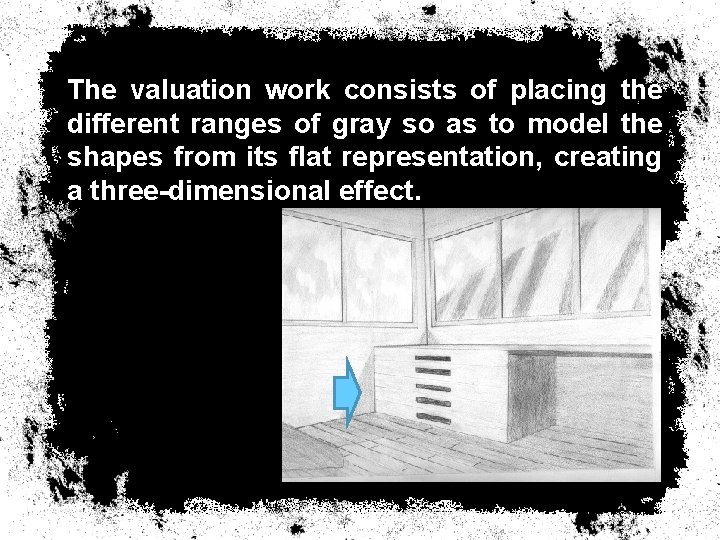
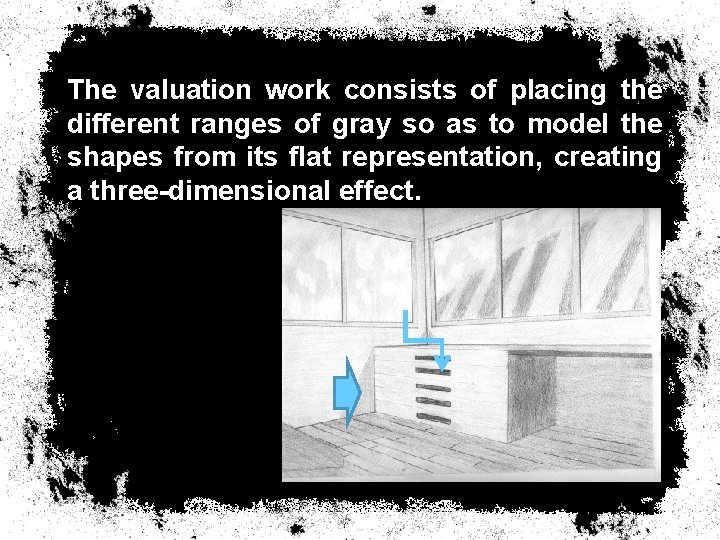
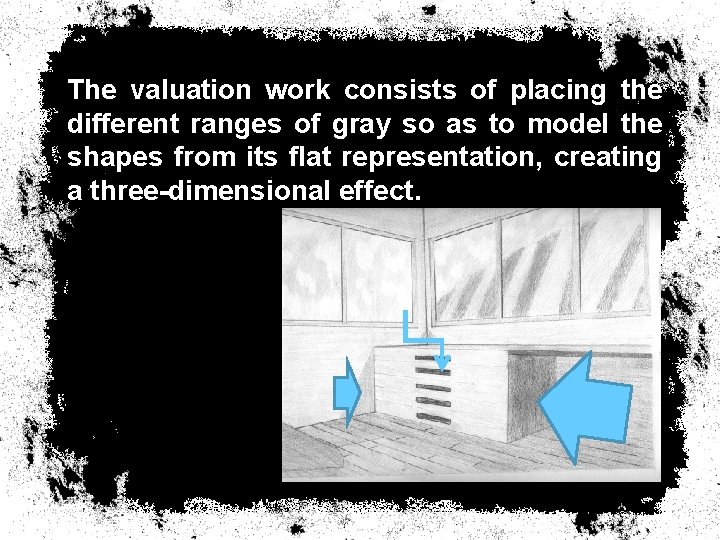
The valuation work consists on placing the different ranges of gray so as to model the shapes from its flat representation, creating a three-dimensional effect.
The valuation work consists of placing the different ranges of gray so as to model the shapes from its flat representation, creating a three-dimensional effect.
The valuation work consists of placing the different ranges of gray so as to model the shapes from its flat representation, creating a three-dimensional effect.
The valuation work consists of placing the different ranges of gray so as to model the shapes from its flat representation, creating a three-dimensional effect.
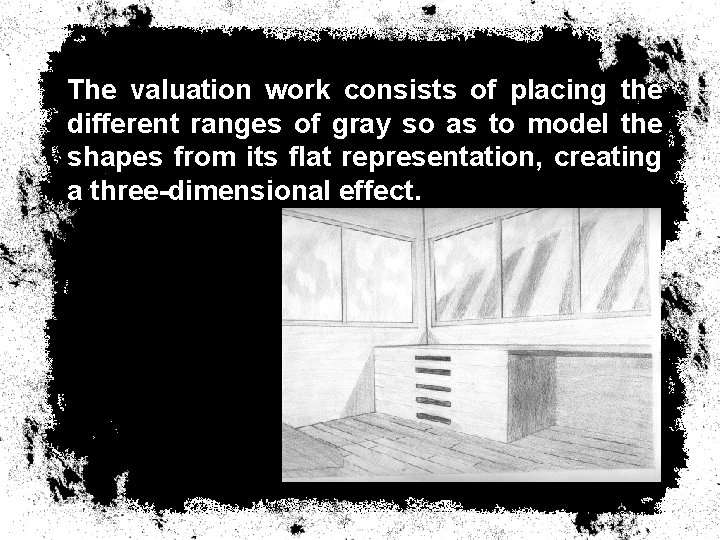
The valuation work consists of placing the different ranges of gray so as to model the shapes from its flat representation, creating a three-dimensional effect.
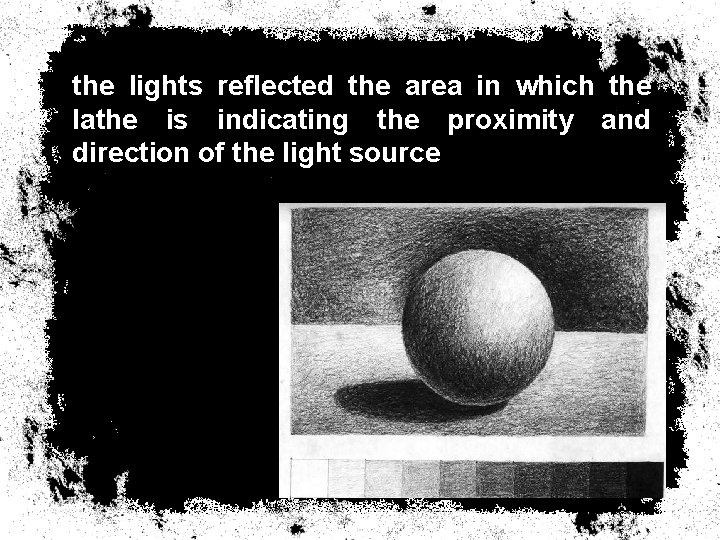
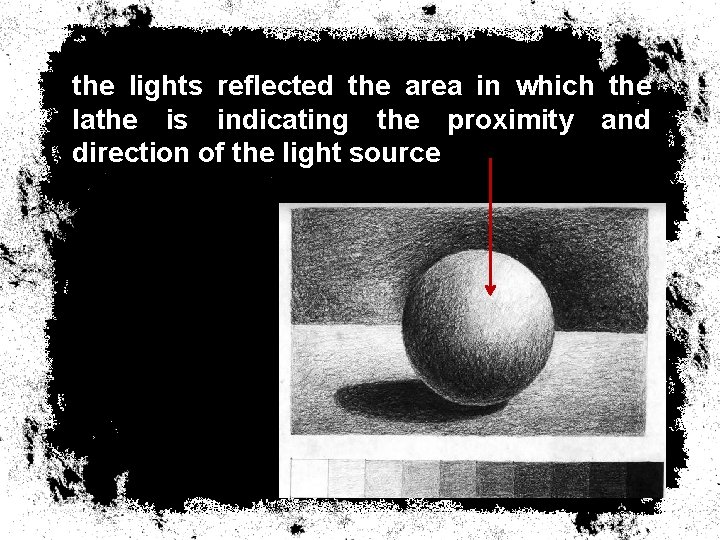
the lights reflected the area in which the lathe is indicating the proximity and direction of the light source
the lights reflected the area in which the lathe is indicating the proximity and direction of the light source
the lights reflected the area in which the lathe is indicating the proximity and direction of the light source
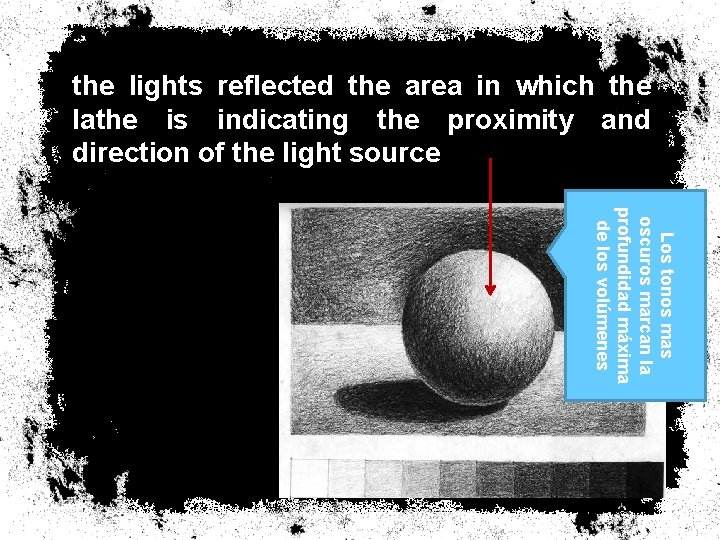
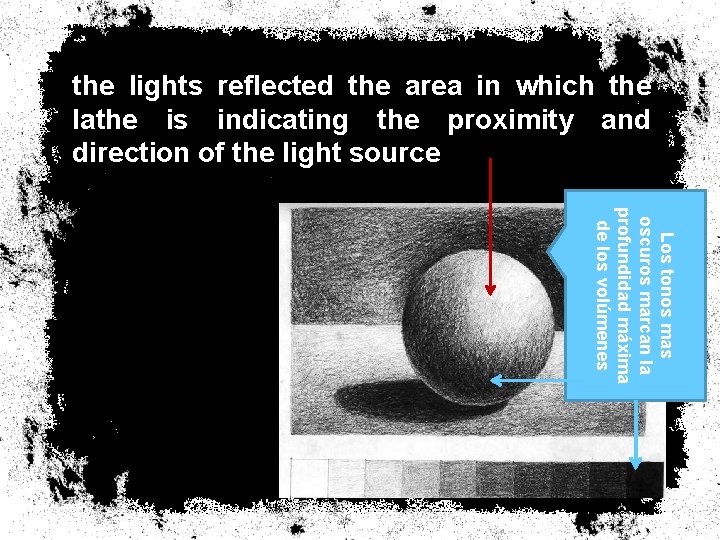
the lights reflected the area in which the lathe is indicating the proximity and direction of the light source Los tonos mas oscuros marcan la profundidad máxima de los volúmenes
the lights reflected the area in which the lathe is indicating the proximity and direction of the light source Los tonos mas oscuros marcan la profundidad máxima de los volúmenes
Main representatives
Leonardo Da Vinci (1452 - 1519)
Leonardo Da Vinci (1452 - 1519) he realized that copying the shapes of the shadows was essential to create the illusion of the third dimension and capture the features of the model.
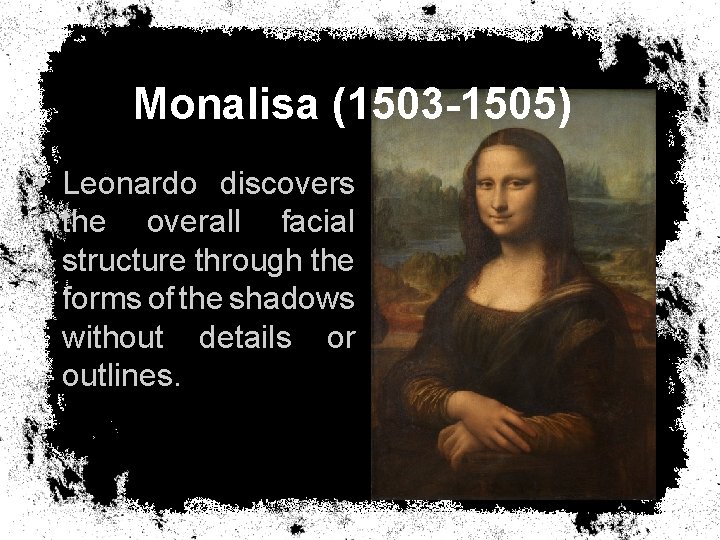
Monalisa (1503 -1505) • Leonardo discovers the overall facial structure through the forms of the shadows without details or outlines.
Michelangelo Merisi da Caravaggio (1571 - 1610)
Michelangelo Merisi da Caravaggio (1571 - 1610) Is considered the first great exponent of Baroque painting.
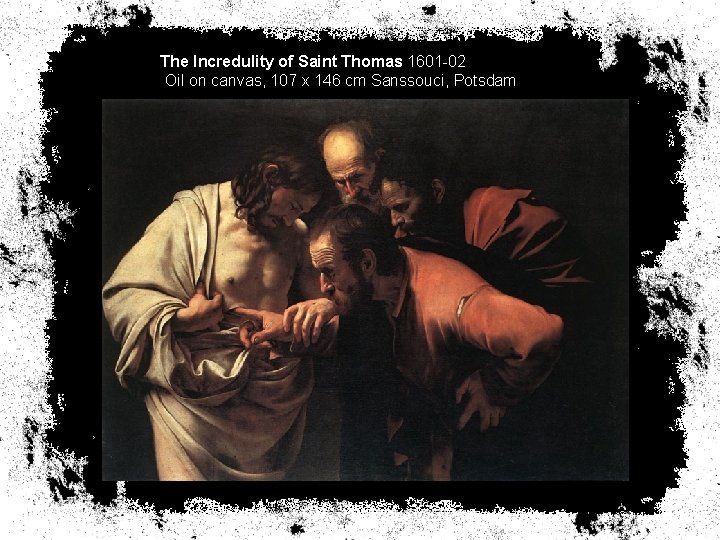
to accentuate the realism, he emphasizes his figures and scenes by the effects of light, making them stand out from the dark background, the light does not spread smoothly, but emerges from the side and falls over the figures on the scene, clearly delimiting illuminated shapes in which the colors are vivid and intense and dark areas stands out.
The Incredulity of Saint Thomas 1601 -02 Oil on canvas, 107 x 146 cm Sanssouci, Potsdam
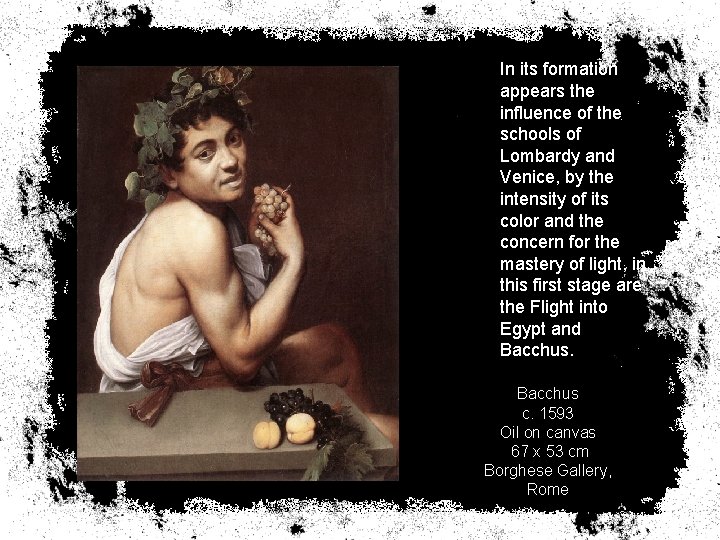
In its formation appears the influence of the schools of Lombardy and Venice, by the intensity of its color and the concern for the mastery of light, in this first stage are the Flight into Egypt and Bacchus c. 1593 Oil on canvas 67 x 53 cm Borghese Gallery, Rome
Introduction to the technique
When you draw you're creating an illusion
The technique to create this illusion is called Chiaroscuro
Chiaroscuro is the result of the observation of light and shadow about the shape
When the shape is properly illuminated it is divided into two main masses: Light and Dark
Areas of chiaroscuro
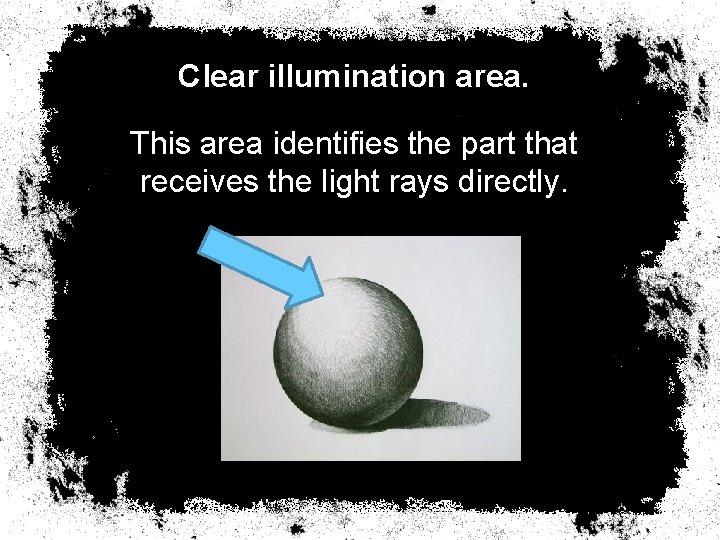
Clear illumination area. This area identifies the part that receives the light rays directly.
Clear illumination area. This area identifies the part that receives the light rays directly.
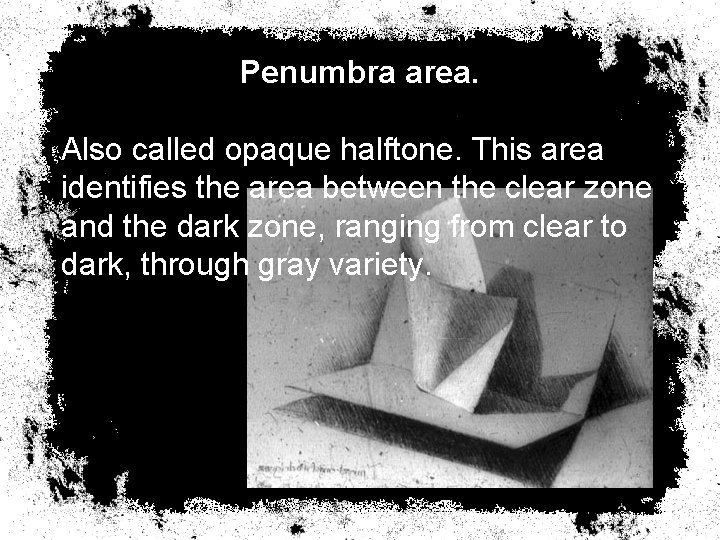
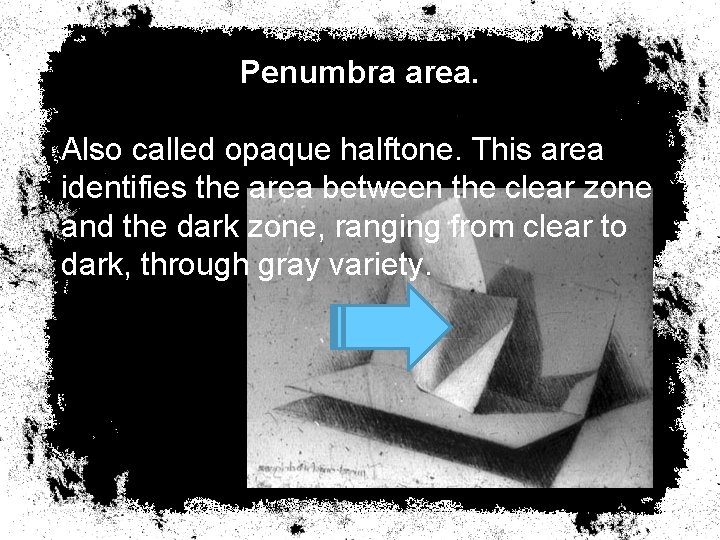
Penumbra area. Also called opaque halftone. This area identifies the area between the clear zone and the dark zone, ranging from clear to dark, through gray variety.
Penumbra area. Also called opaque halftone. This area identifies the area between the clear zone and the dark zone, ranging from clear to dark, through gray variety.
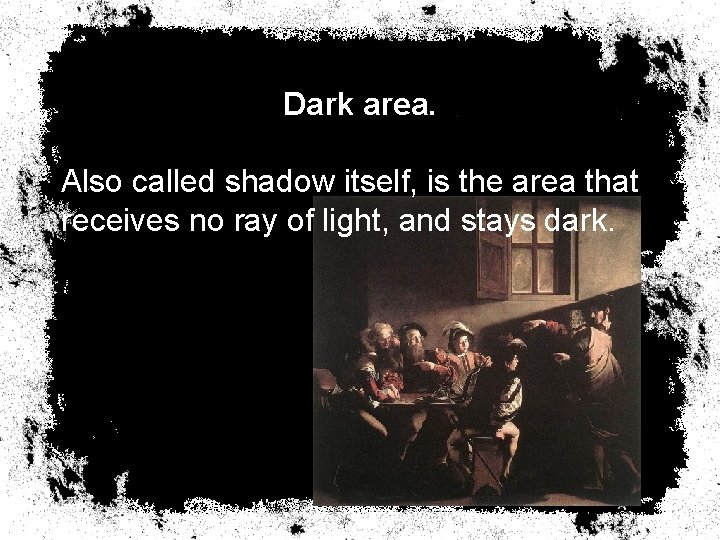
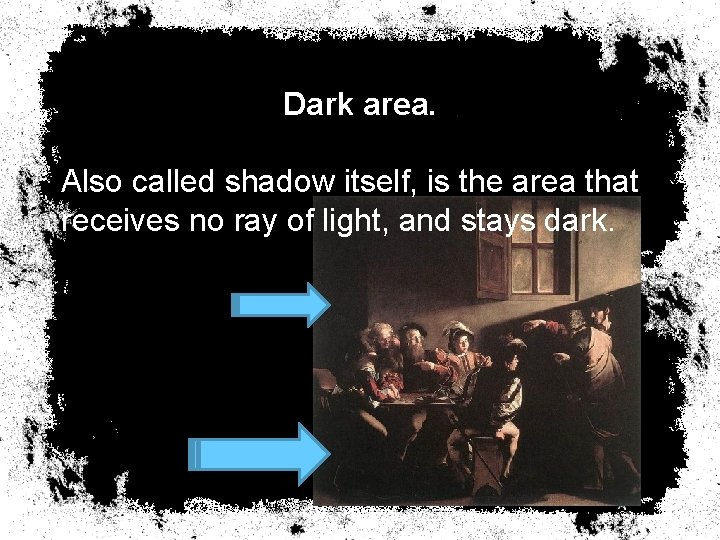
Dark area. Also called shadow itself, is the area that receives no ray of light, and stays dark.
Dark area. Also called shadow itself, is the area that receives no ray of light, and stays dark.
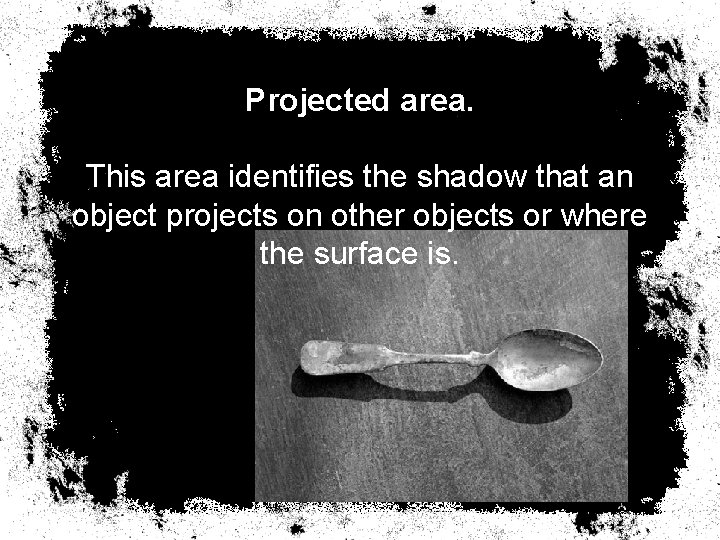
Projected area. This area identifies the shadow that an object projects on other objects or where the surface is.
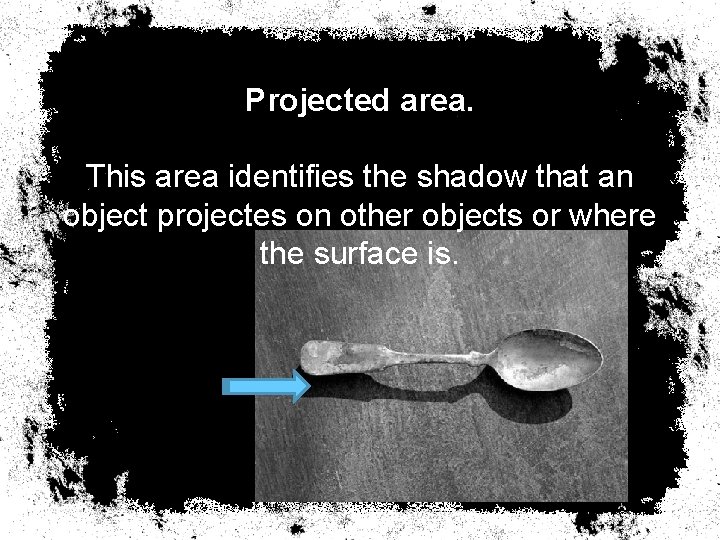
Projected area. This area identifies the shadow that an object projectes on other objects or where the surface is.