
CHEWING MASTICATION Mostly a voluntary activity Initiated usually
- Slides: 31
CHEWING (MASTICATION): � � Mostly a voluntary activity. Initiated usually reflexly following presence of food in the mouth.
FUNCTIONS: � Cuts and grinds larger food particles in to smaller ones. � Increases salivary secretion. � Mixes food with saliva. � � Makes swallowing easier. Improves dental strength and hygiene
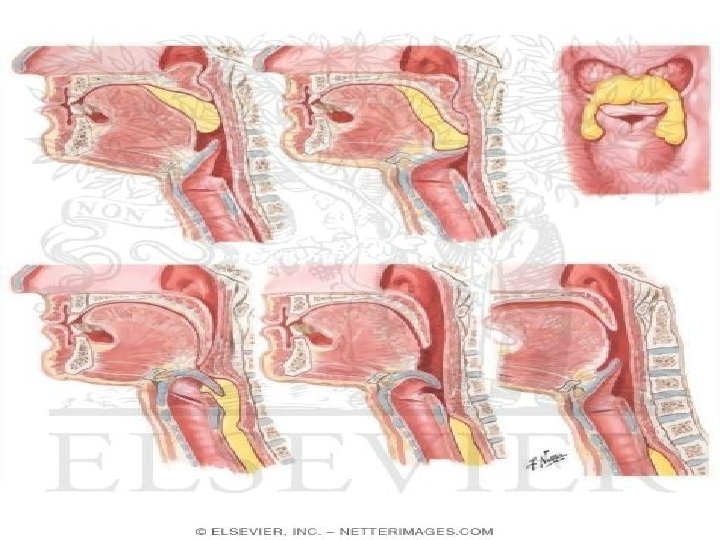
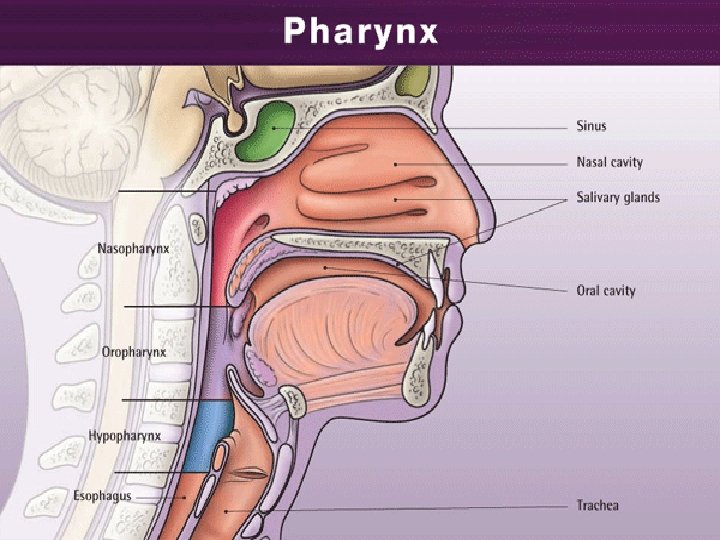
DEGLUTITION /SWALLOWING: Complex and co - ordinated physiological process by which bolus of food from oral cavity moves through pharynx into oesophagus then to stomach
PHASES OF DEGLUTITION: ü Oral phase ( Voluntary). ü Pharyngeal phase ( Involuntary). ü Oesophageal phase(Involuntary).
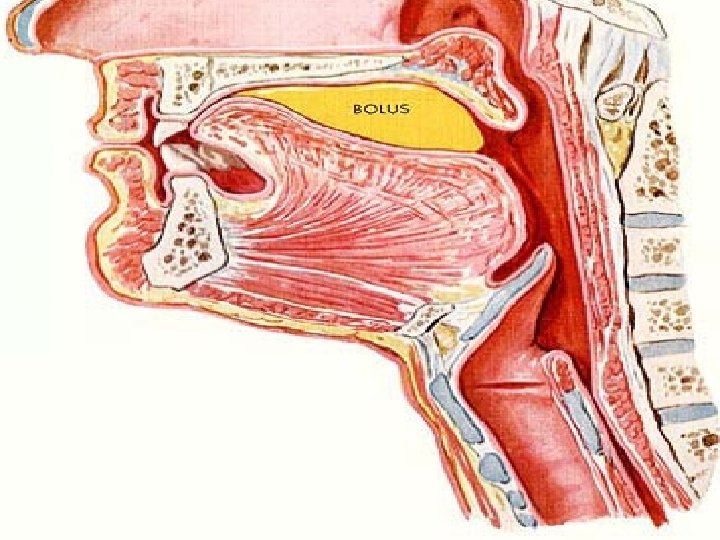
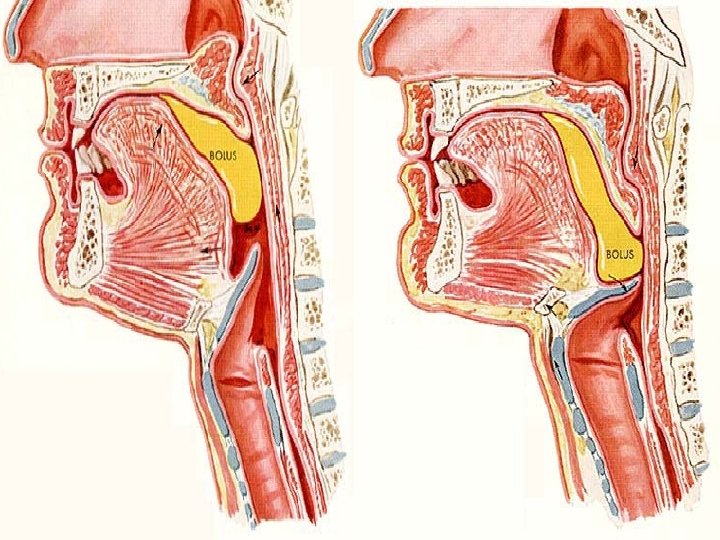
Oral phase: First stage is voluntary and initiate deglutition Process � � Formation of bolus � Contraction of the front part of the tongue � Series of contraction in the middle part of the tongue � Movement of the bolus to the root of the tongue
Swallowing commences by the closure of the mouth and the voluntary contraction of the mylohyoid muscles which throws the bolus on to the posterior pharyngeal wall
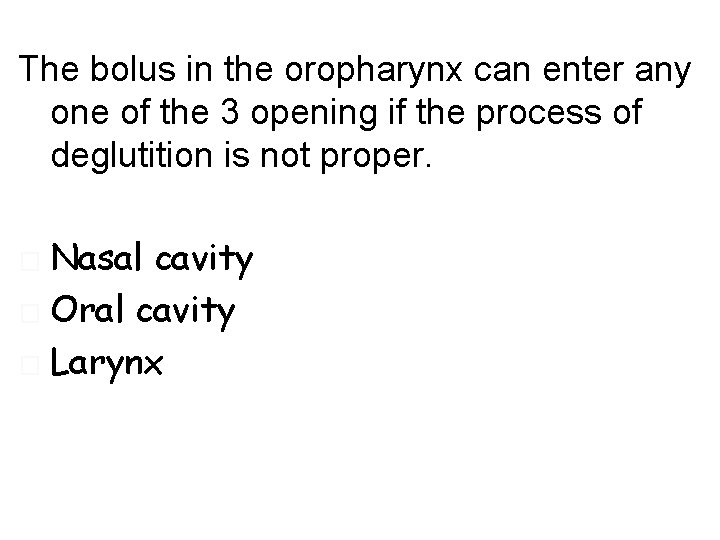
The bolus in the oropharynx can enter any one of the 3 opening if the process of deglutition is not proper. Nasal cavity � Oral cavity � Larynx �
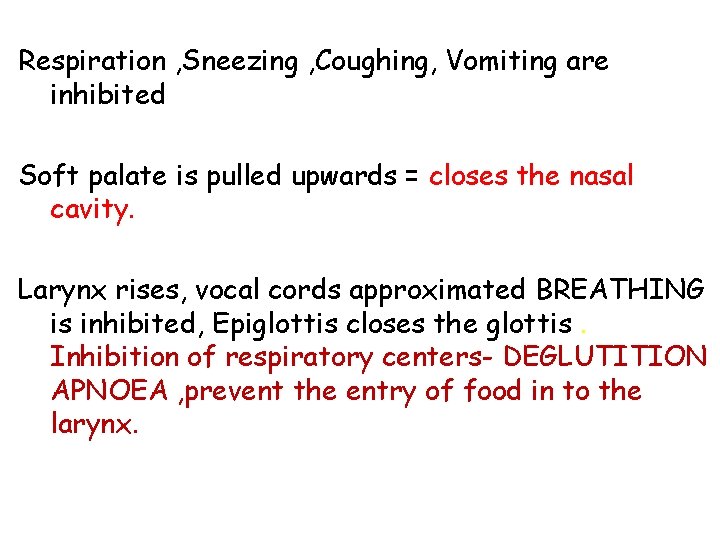
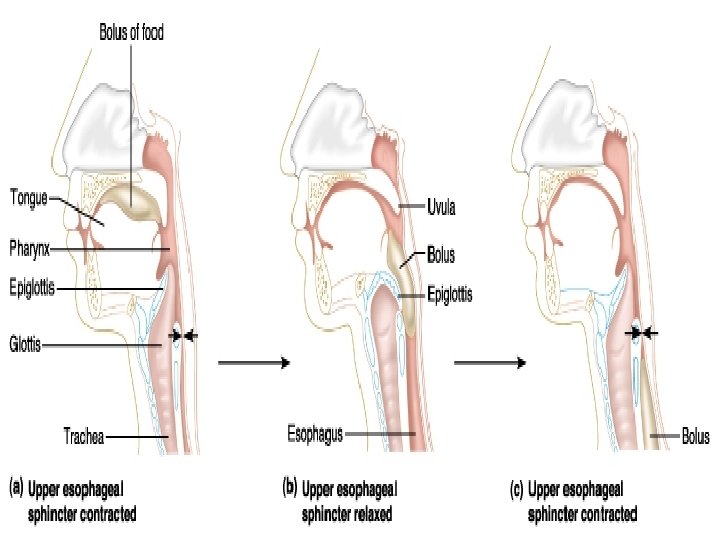
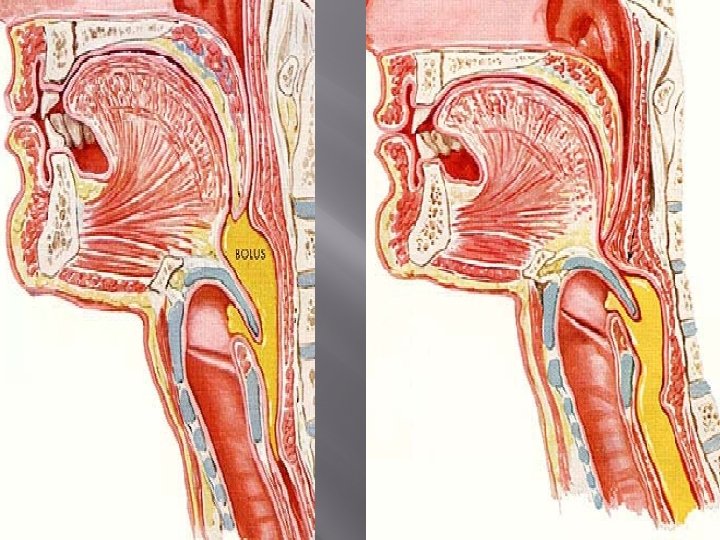
Respiration , Sneezing , Coughing, Vomiting are inhibited Soft palate is pulled upwards = closes the nasal cavity. Larynx rises, vocal cords approximated BREATHING is inhibited, Epiglottis closes the glottis. Inhibition of respiratory centers- DEGLUTITION APNOEA , prevent the entry of food in to the larynx.
Pharyngeal phase The second stage is involuntary and rapid. Push food bolus into esophagus without entering into respiratory passage Occurs in few milliseconds
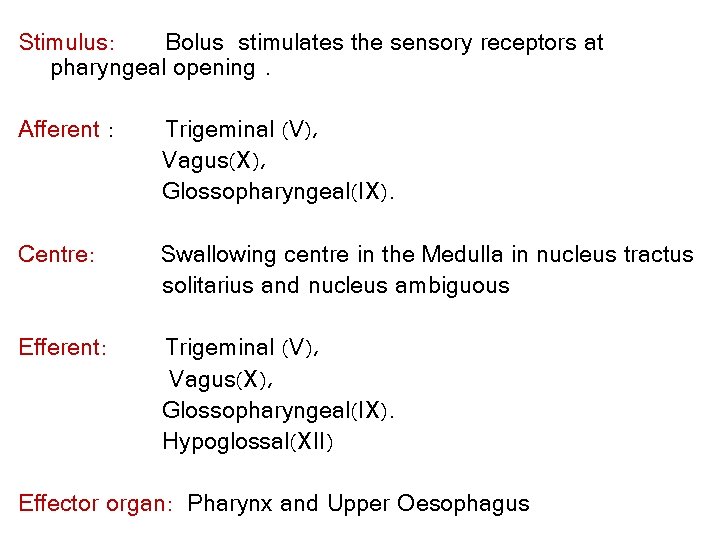
Stimulus: Bolus stimulates the sensory receptors at pharyngeal opening. Afferent : Trigeminal (V), Vagus(X), Glossopharyngeal(IX). Centre: Swallowing centre in the Medulla in nucleus tractus solitarius and nucleus ambiguous Efferent: Trigeminal (V), Vagus(X), Glossopharyngeal(IX). Hypoglossal(XII) Effector organ: Pharynx and Upper Oesophagus
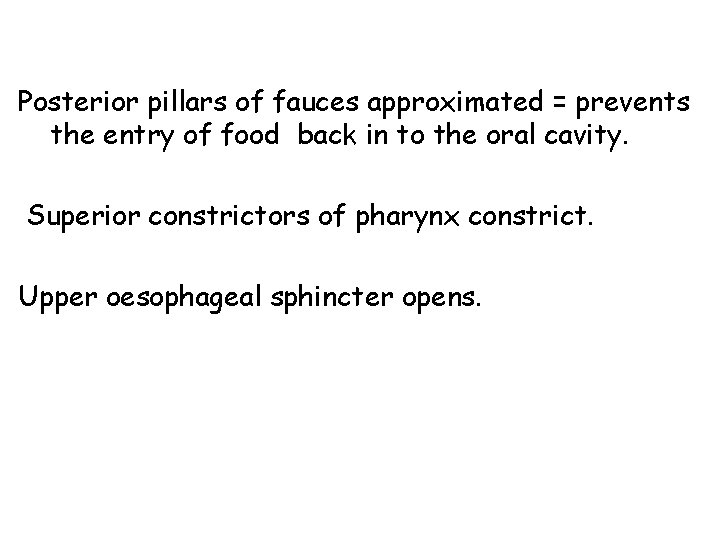
Posterior pillars of fauces approximated = prevents the entry of food back in to the oral cavity. Superior constrictors of pharynx constrict. Upper oesophageal sphincter opens.
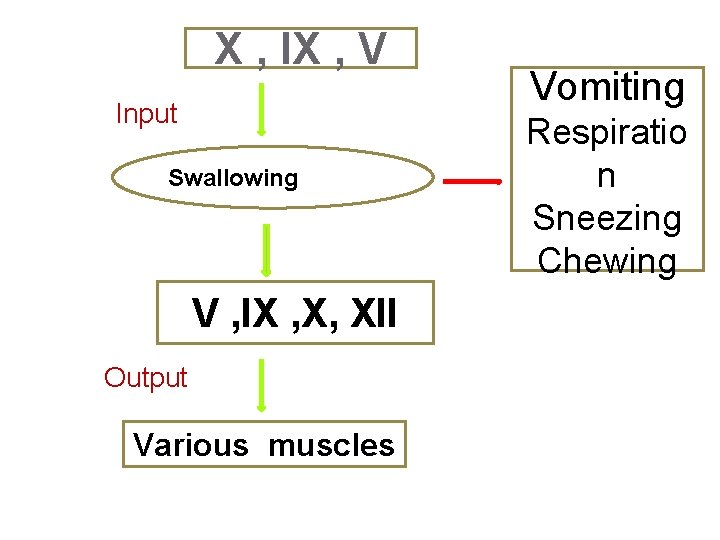
X , IX , V Input Swallowing centre V , IX , X, XII Output Various muscles Vomiting Respiratio n Sneezing Chewing
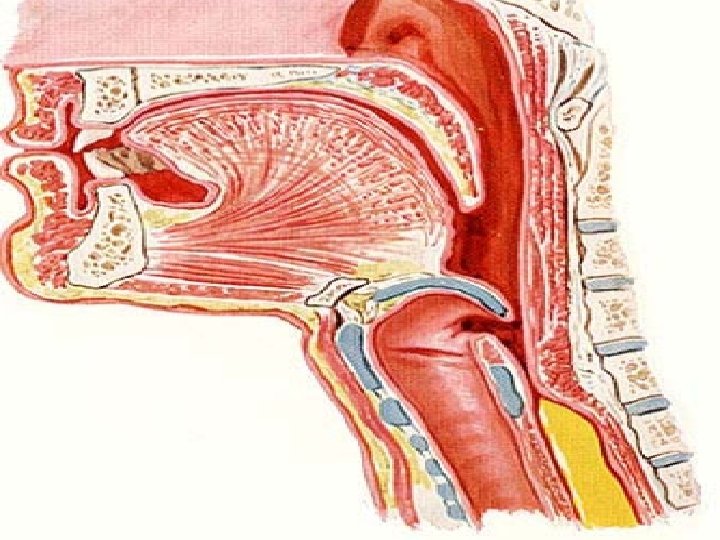
Oesophageal phase: Upper 1/3 - striated muscles Lower 1/3 – smooth muscle Middle 1/3 – mixed
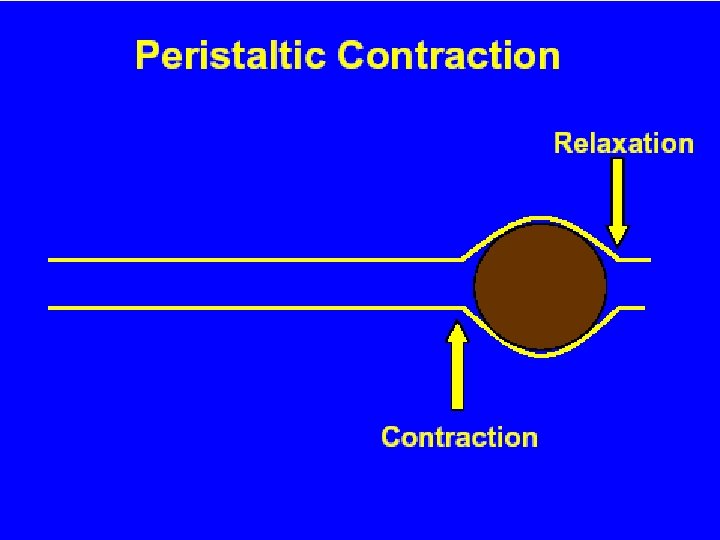
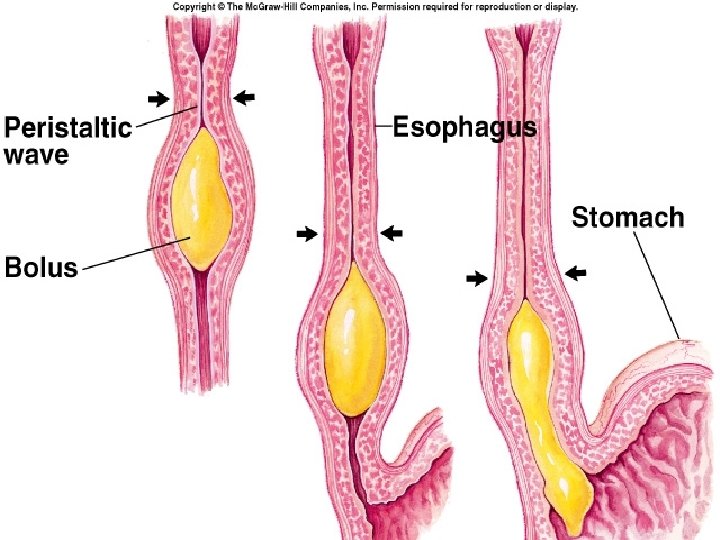
� � � The third stage is also involuntary 8 -20 seconds transmit time Start from the point where the bolus enters the oesophagus at the upper Oesophageal sphincter– Until the bolus passes into stomach at the lower Oesophageal sphincter During third stage, combination of gravity and peristalsis, push the bolus from Oesophagus down to stomach �
Three types of peristalsis: Primary peristaltic wave: Originate in pharynx Vagus control through Myenteric plexus Secondary peristalsis: Primary peristalsis fails-retained food initiates secondary peristalsis wave Vago- vagal reflux Tertiary peristaltic wave: Irregular and localized
Difference b/w 10 and 20 peristalsis � � Primary: Initiated by swallowing and begins when the food passes into Oesophagus from Pharynx. Coordinated by vagal fibers from the swallowing centre. � � Secondary: Initiated by the presence of food in Oesophagus after the primary peristalsis is complete and is due to the mechanical or irritant receptor stimulation. Coordinated by intrinsic nervous system of Oesophagus.
Applied aspects: Oral phase: � � Painful inflammation in the mouth and tongue=> Dysphagia Paralysis of the tongue. Pharyngeal phase: � � Acute pharyngitis Tonsillitis.
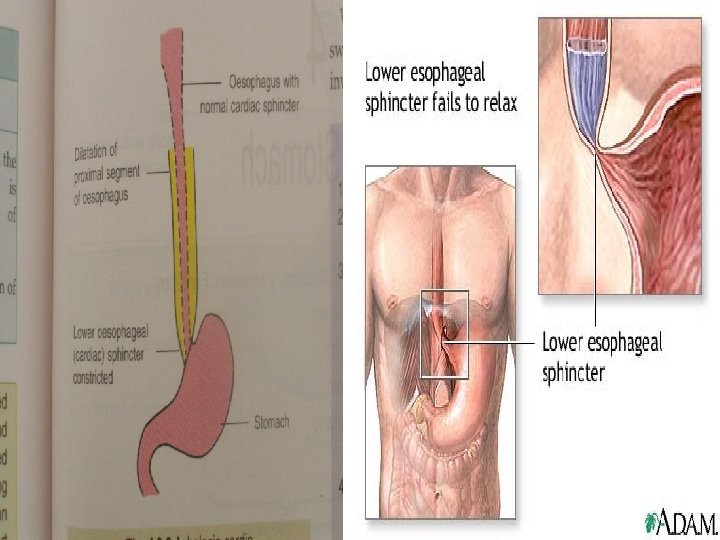
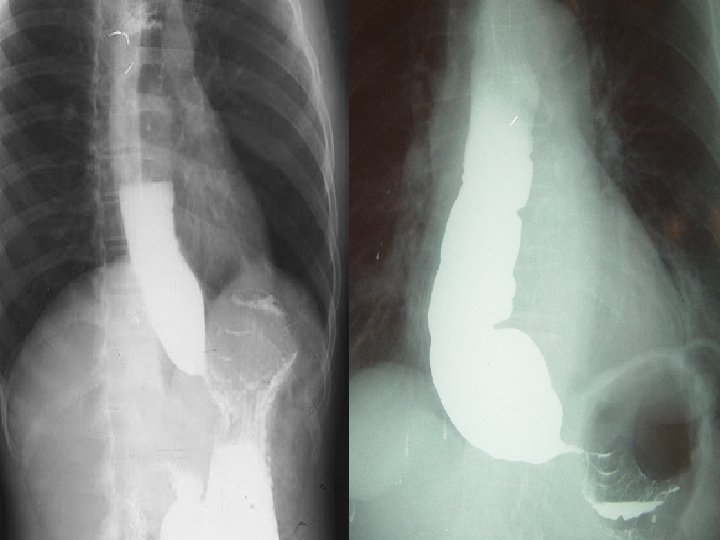
Oesophageal phase: Achalasia cardia: VIP and NO containing neurons decrease and �
� Carcinoma Heart burn/Oesophagitis. Incompetence of lower oesophageal sphincter. -Ulceration. �
Other: Regurgitation: � � � Absence of deglutition reflux nose and larynx Anesthetizing the pharynx Palatal dysfunction – nasal regurgitation during deglutition Aerophagia: � Belching, some absorbed, Flatus.