
Chest X RAYS CXR Views PosteriorAnterior PA o

- Slides: 64
Chest X RAYS
CXR Views Posterior-Anterior (PA): o Standard view & most reliable technique o Erect films detect air under the diaphragm Lateral view: o Done at the same time as the PA film o Helps localize infiltrates Anterior-posterior (AP): o Portable- patient is too ill to go to X-ray, usually patient is sitting upright in bed o Poor quality but may be the best you can do o Remember- AP films may cause the mediastinum & heart to appear larger than they are
Basic Rules Make sure you have the right patient Look for symmetry Have a system Look for the marker (R/L) Check Exposure Check for inspiration (need 8 -9 ribs)
Have a System 1. Inspect the bony framework 2. Inspect the soft tissues that overlies the thoracic cage 3. Examine the lung fields 4. Examine the diaphragm and pleural surfaces 5. Examine the heart and mediastinum
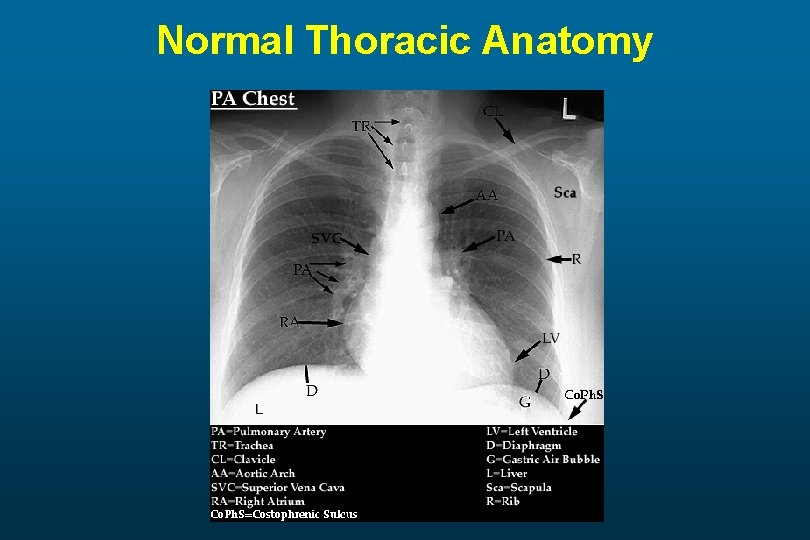
Normal Thoracic Anatomy
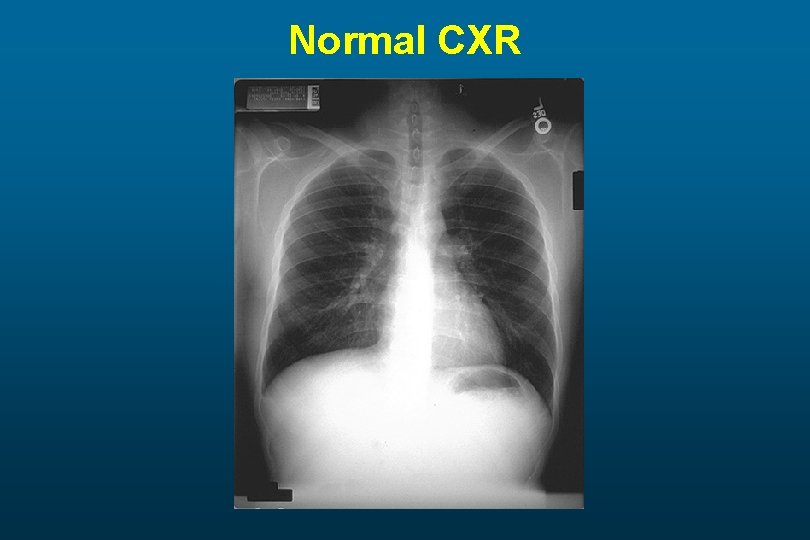
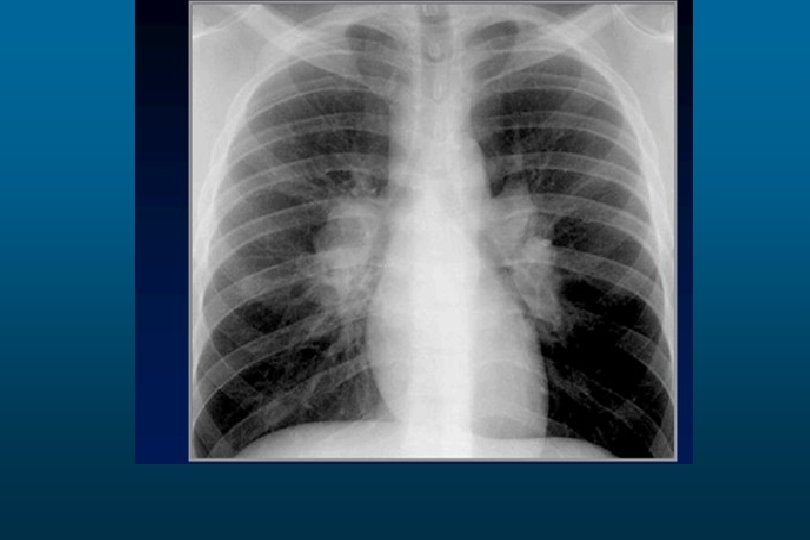
Normal CXR
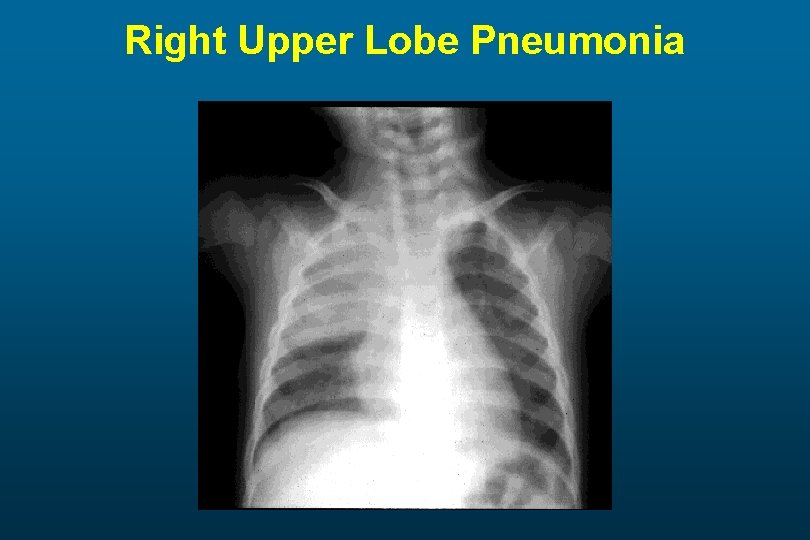
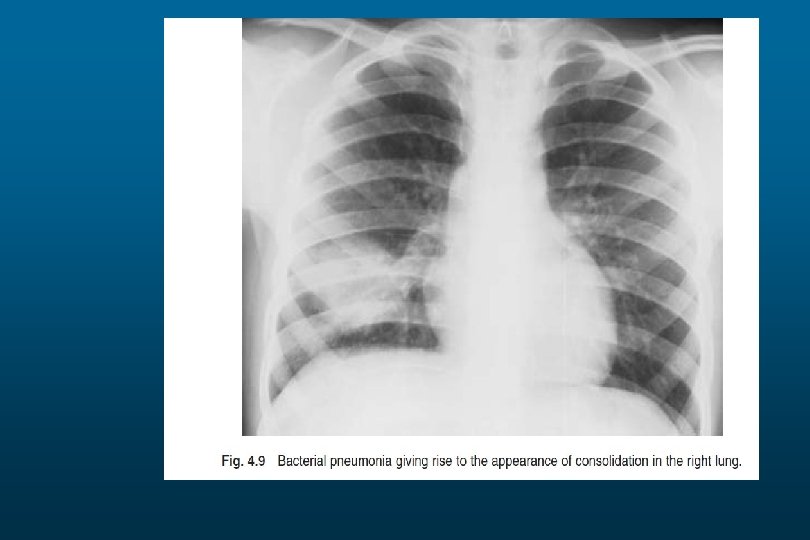
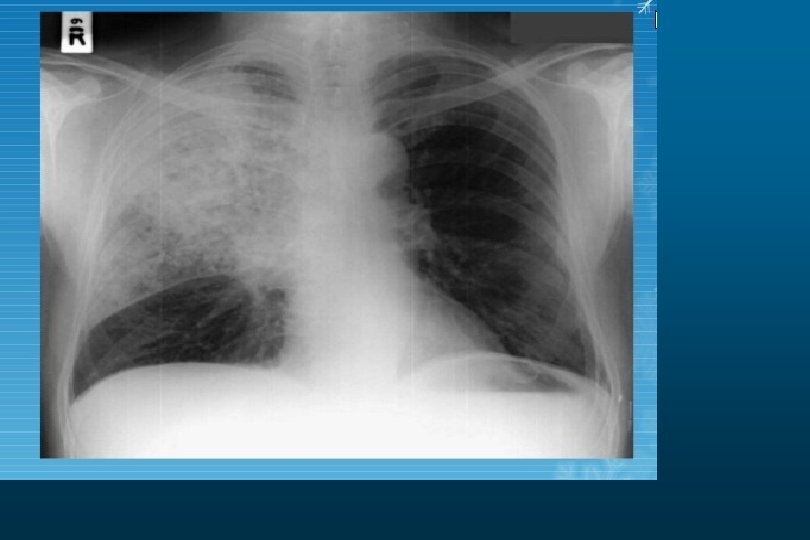
Right Upper Lobe Pneumonia
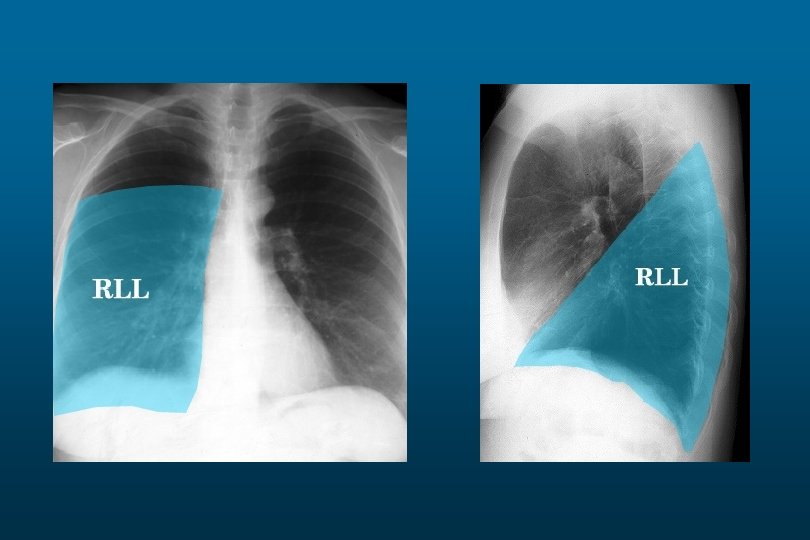
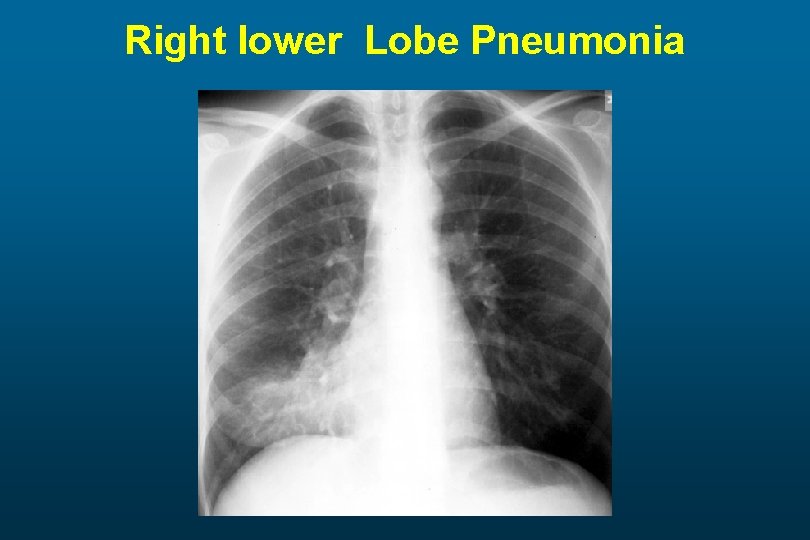
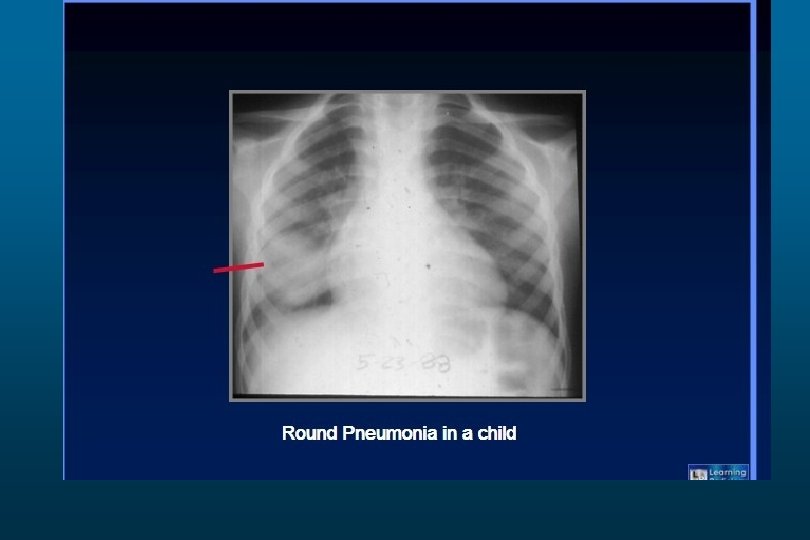
Right lower Lobe Pneumonia
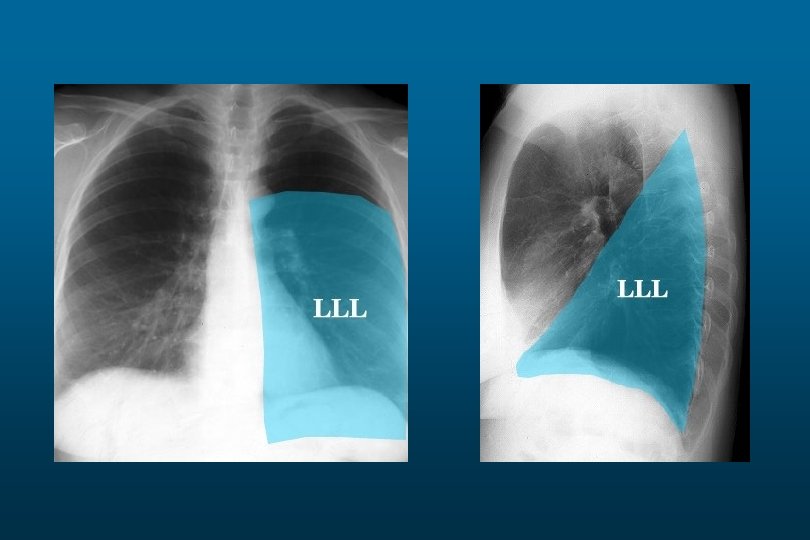
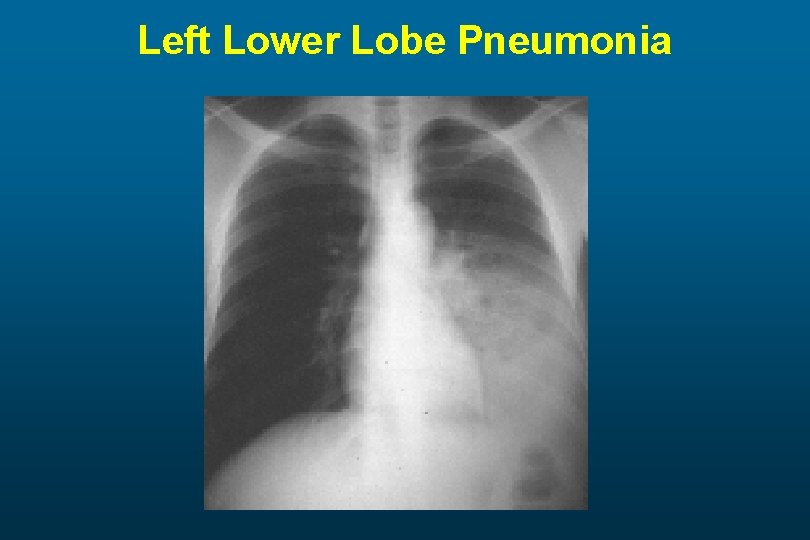
Left Lower Lobe Pneumonia
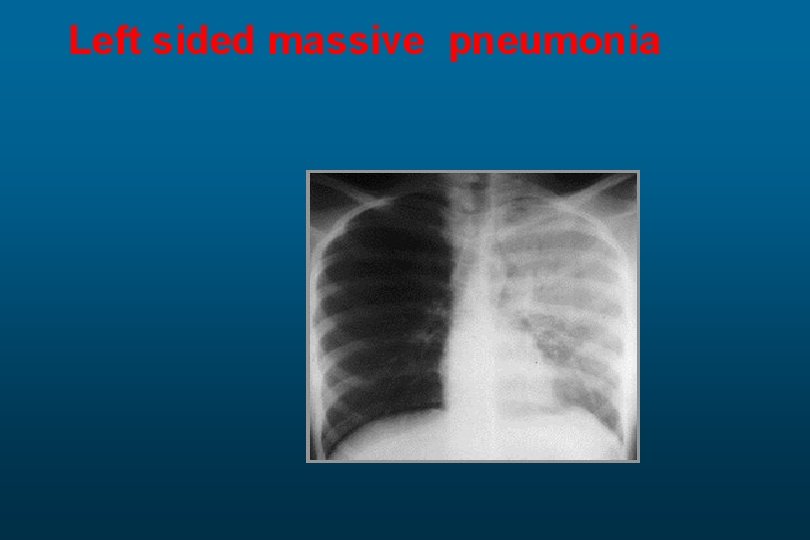
Left sided massive pneumonia
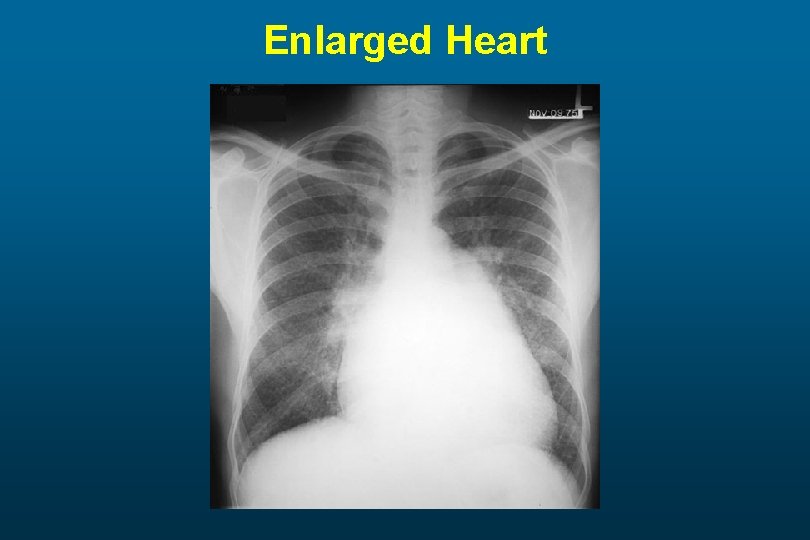
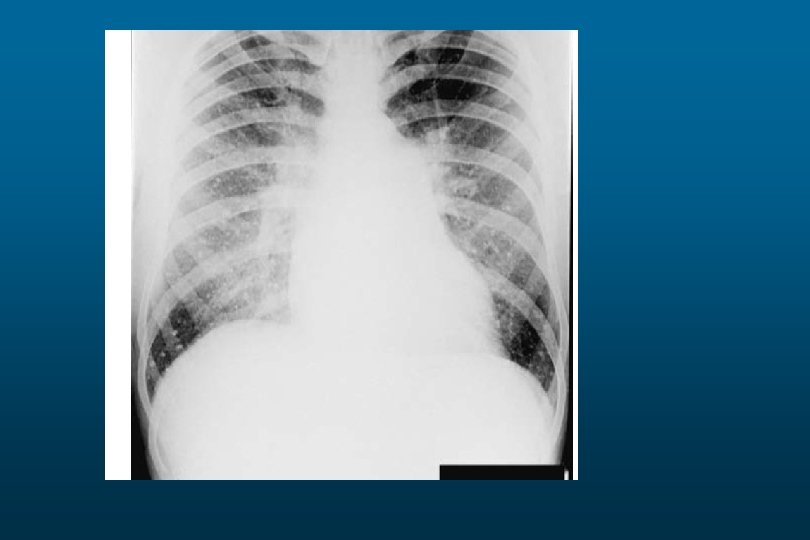
Enlarged Heart
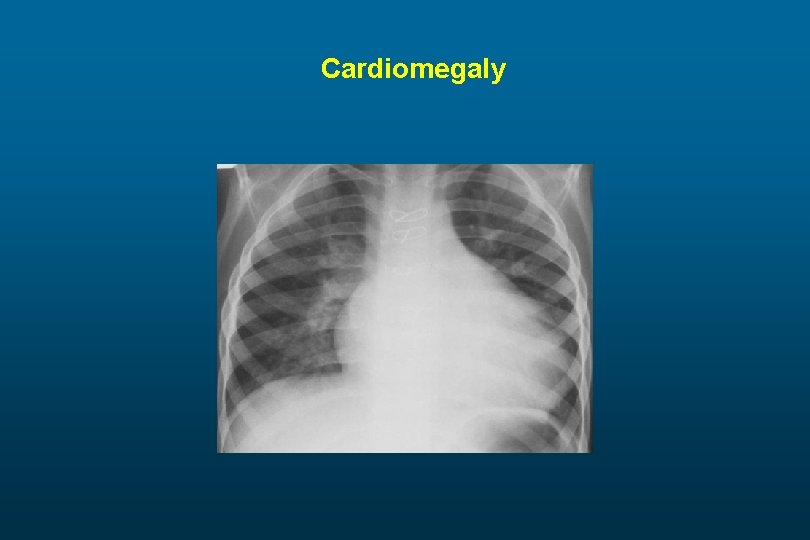
Cardiomegaly
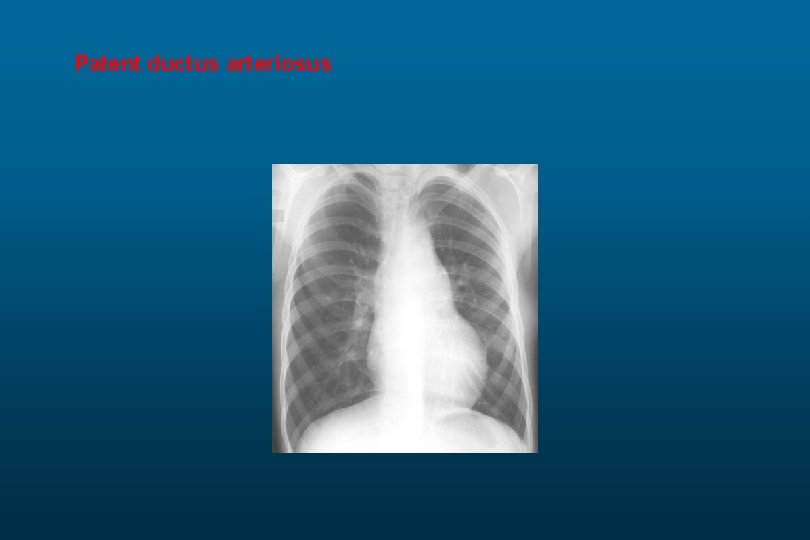
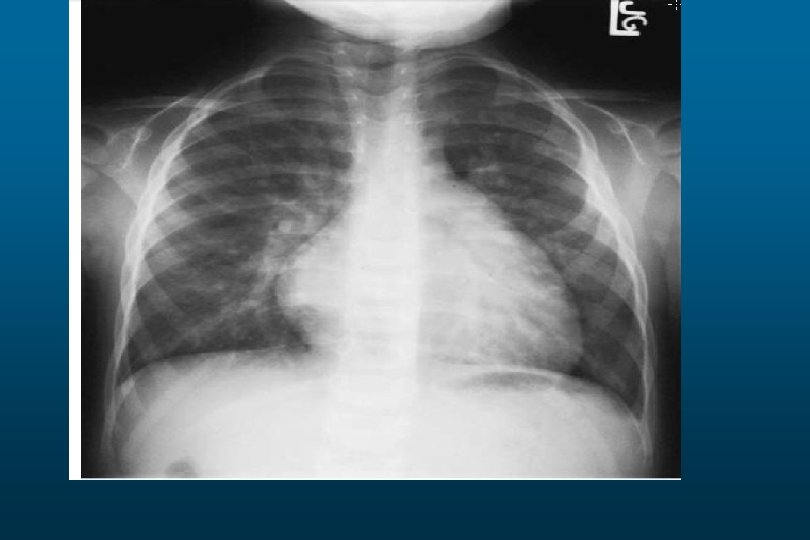
Patent ductus arteriosus
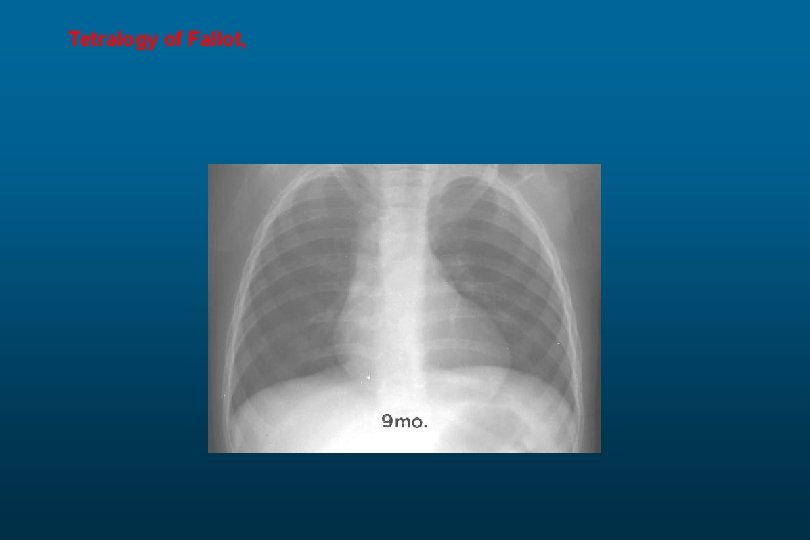
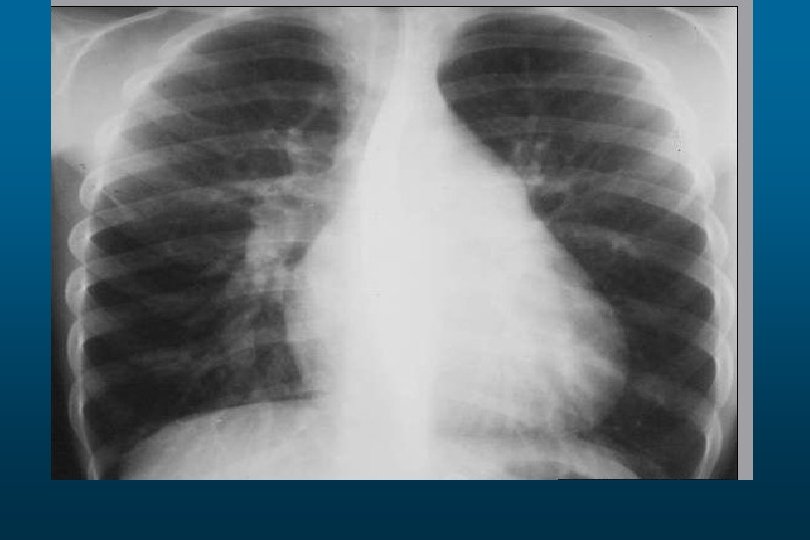
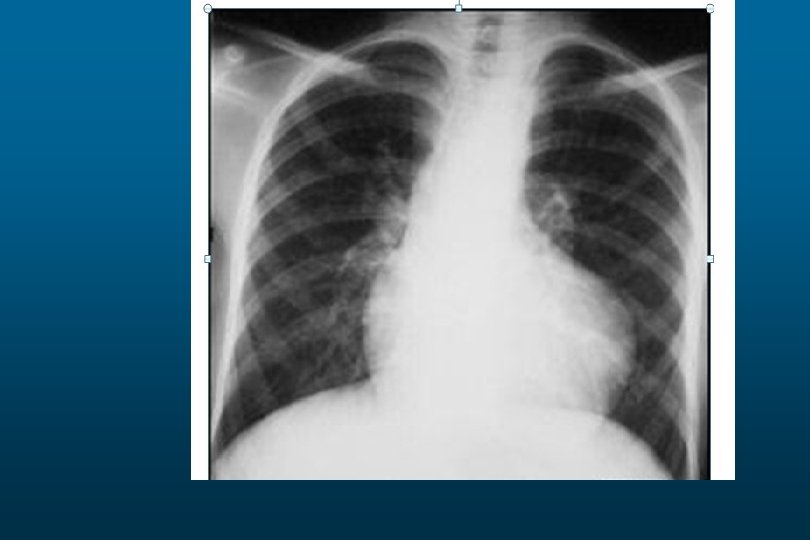
Tetralogy of Fallot,
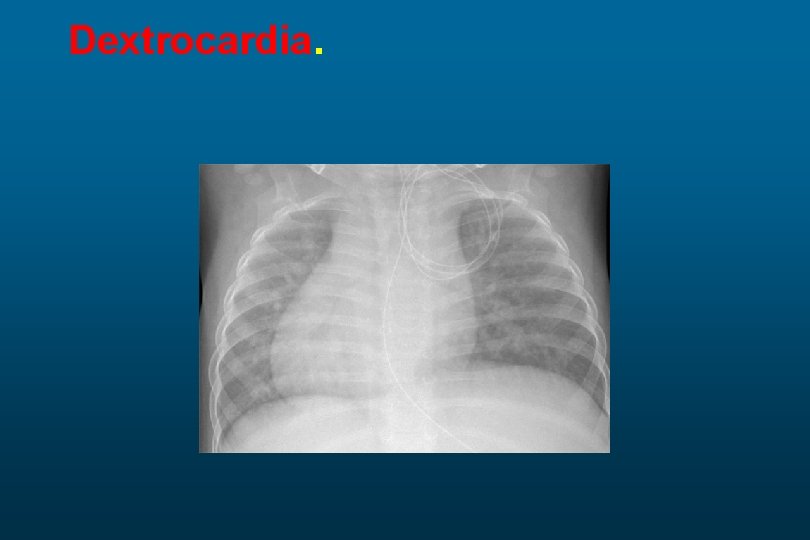
Dextrocardia.
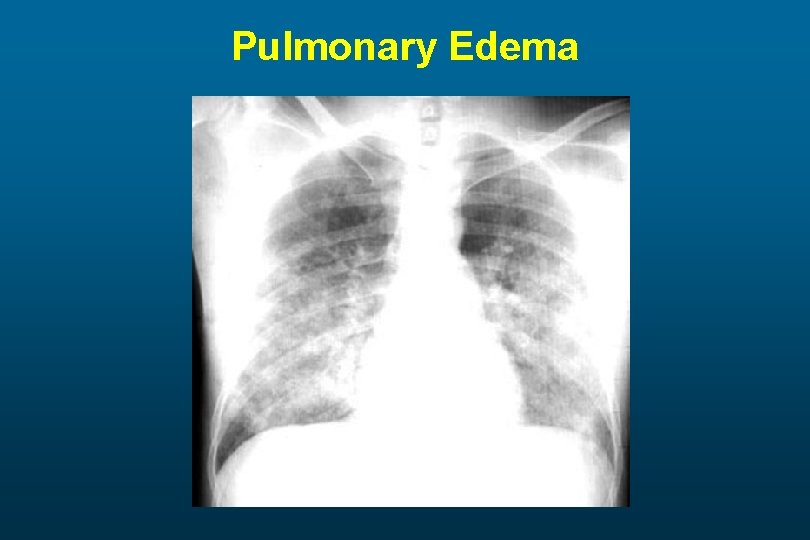
Pulmonary Edema
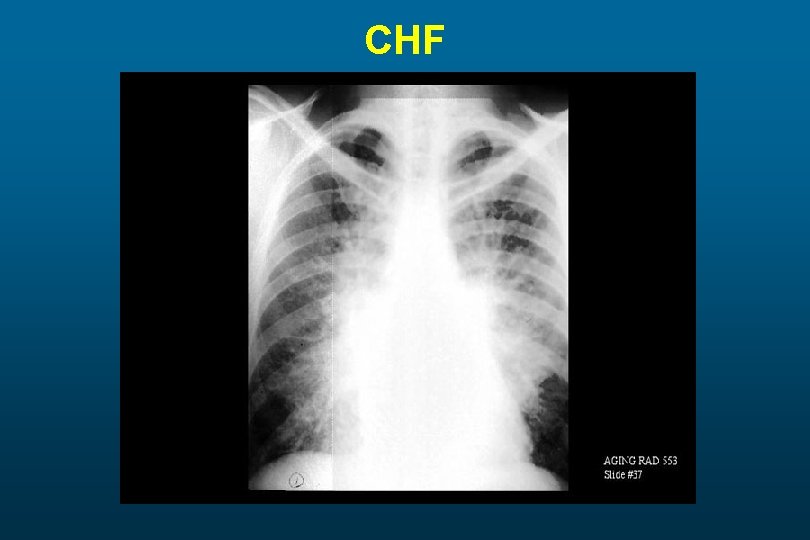
CHF
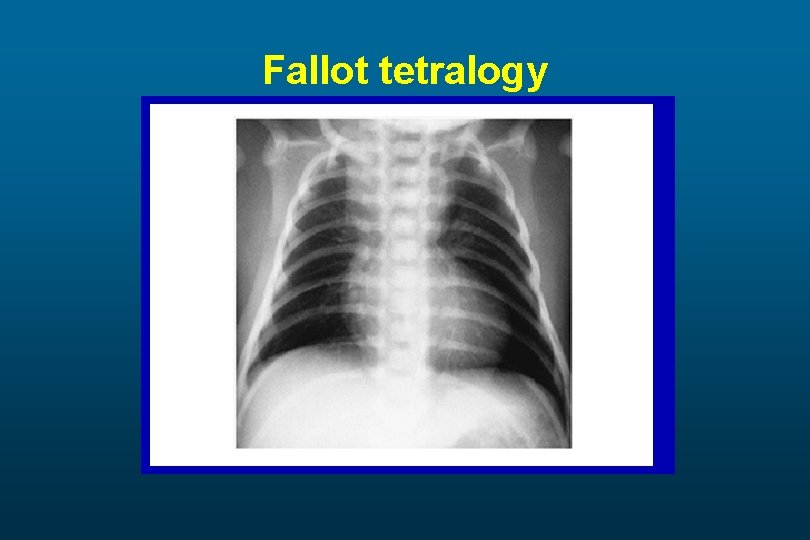
Fallot tetralogy
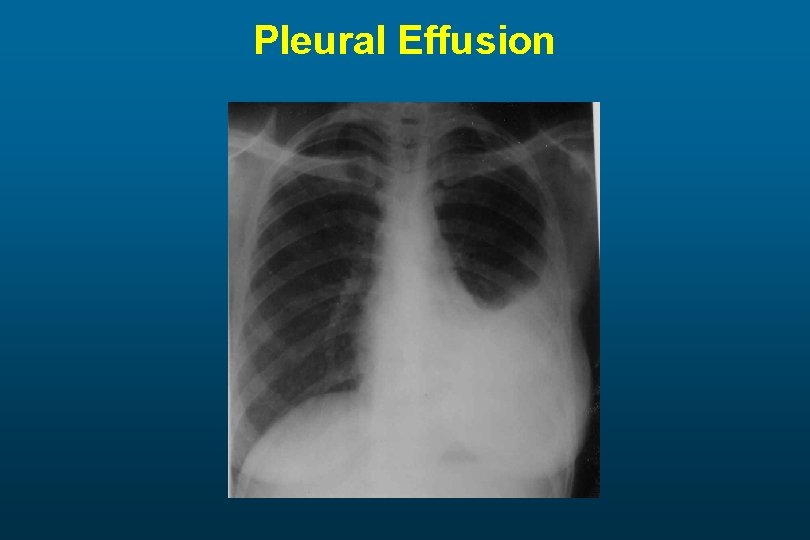
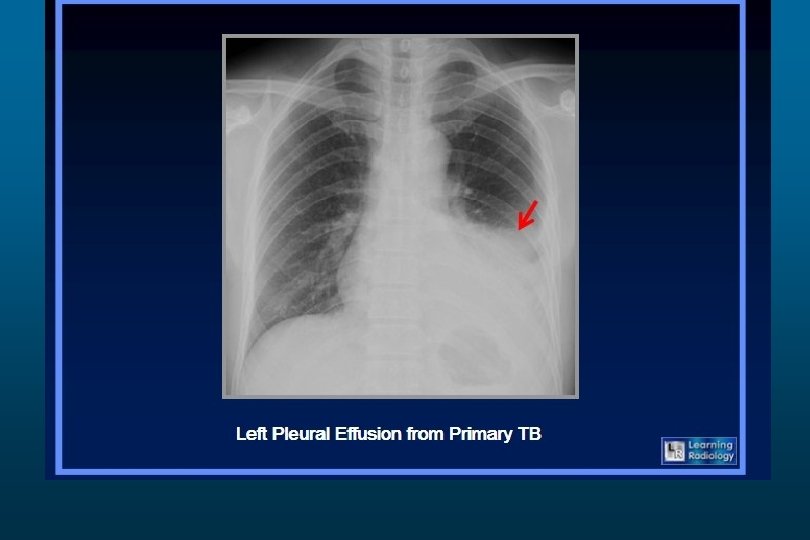
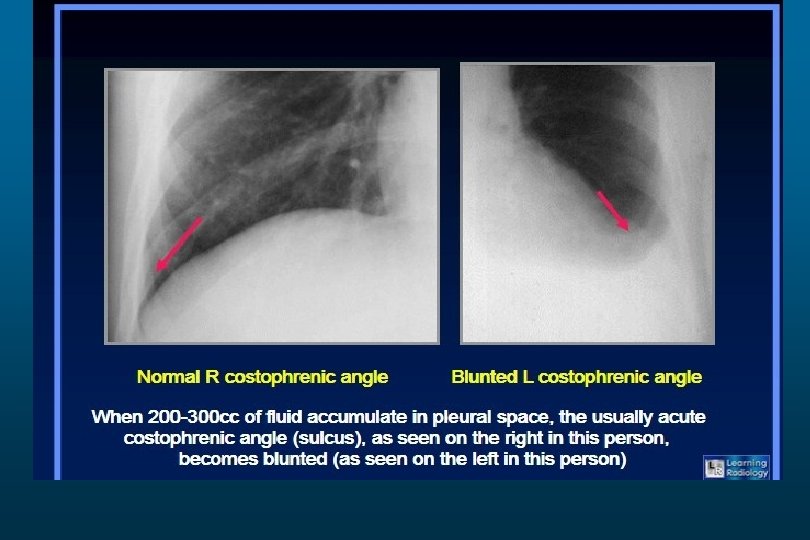
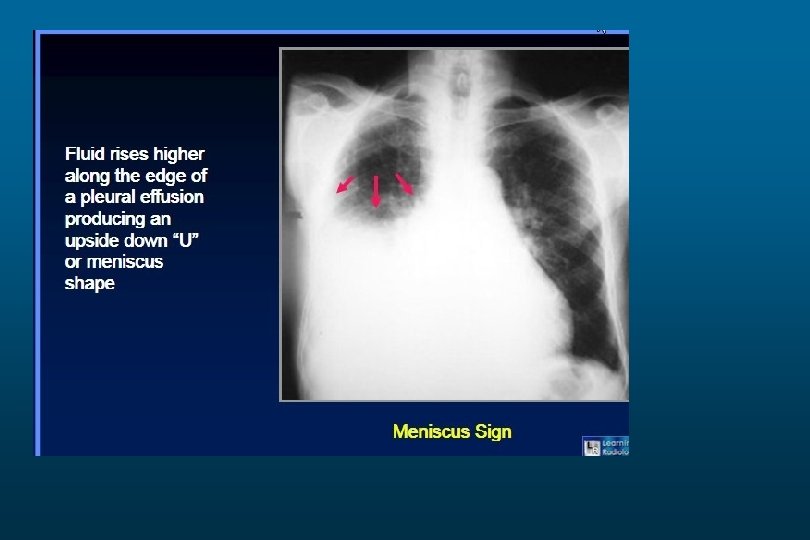
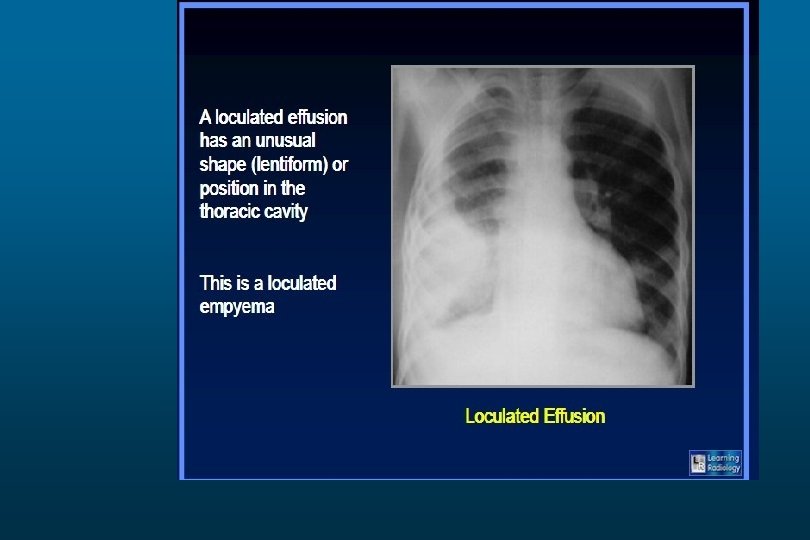
Pleural Effusion
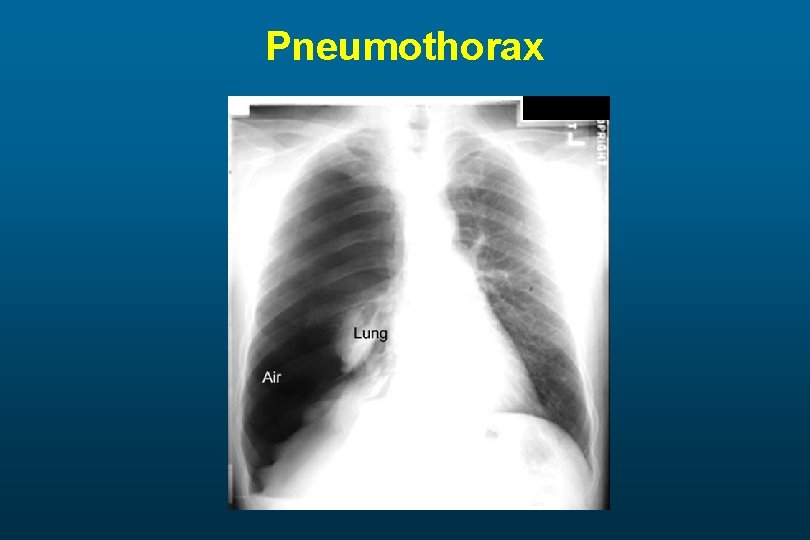
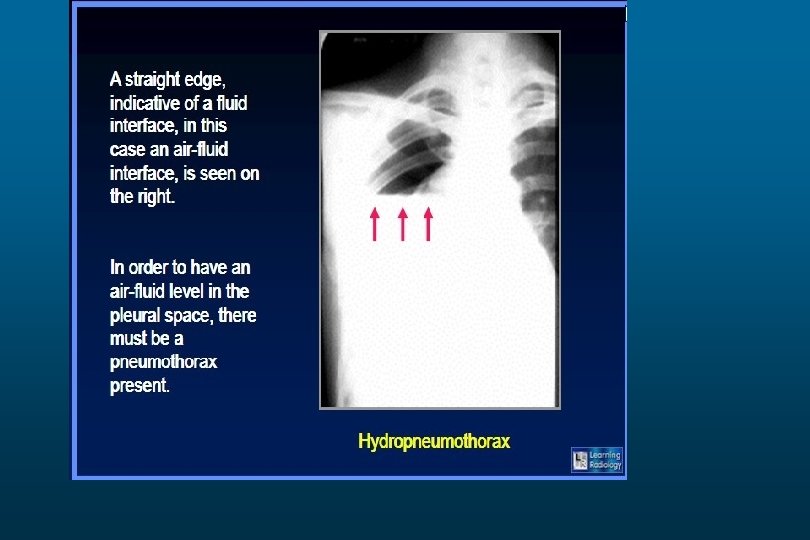
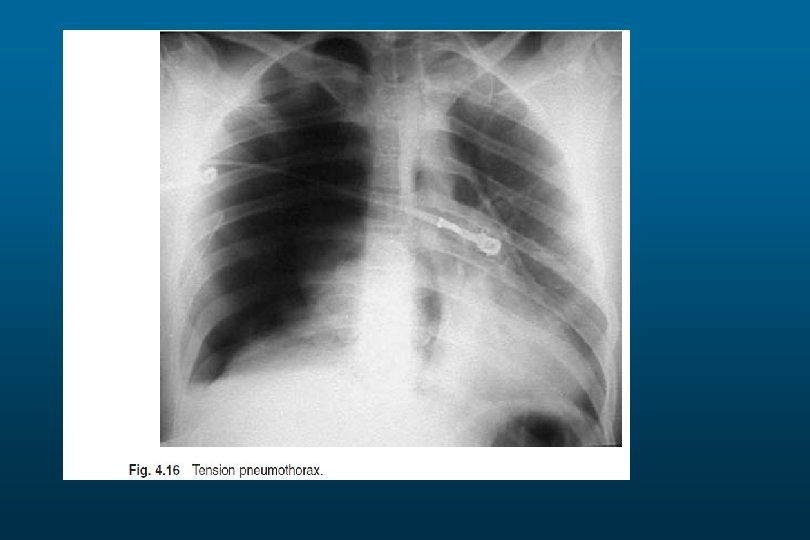
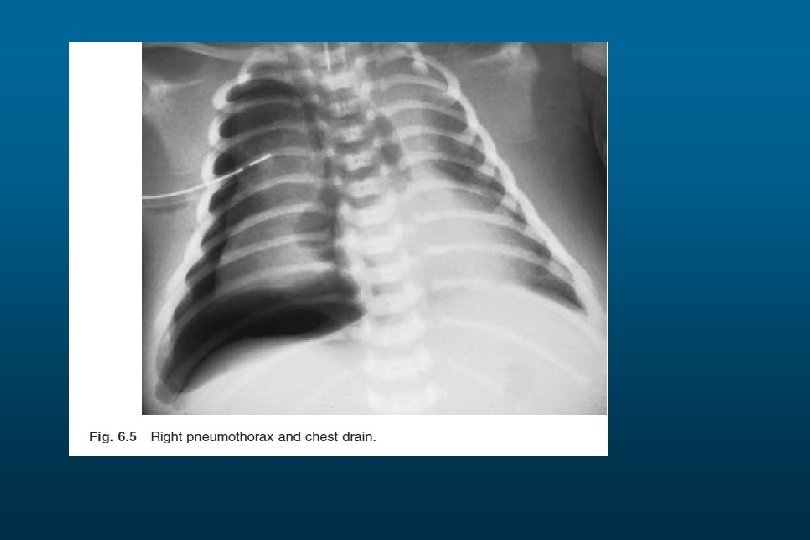
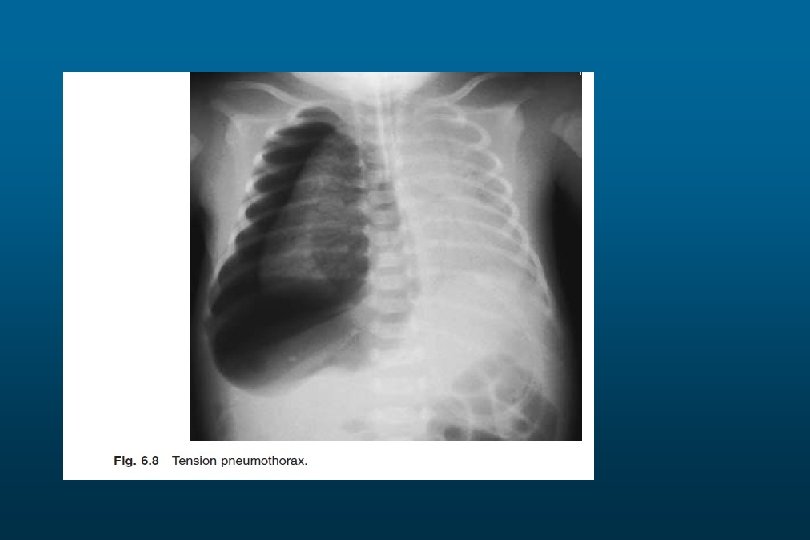
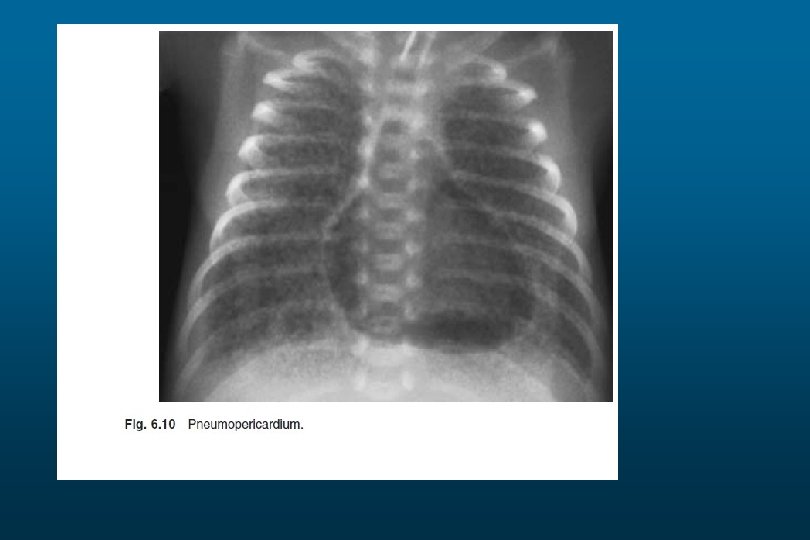
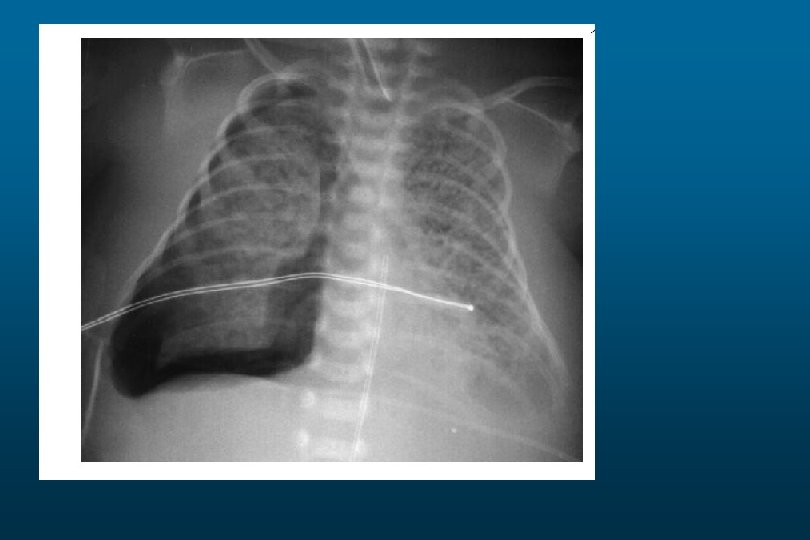
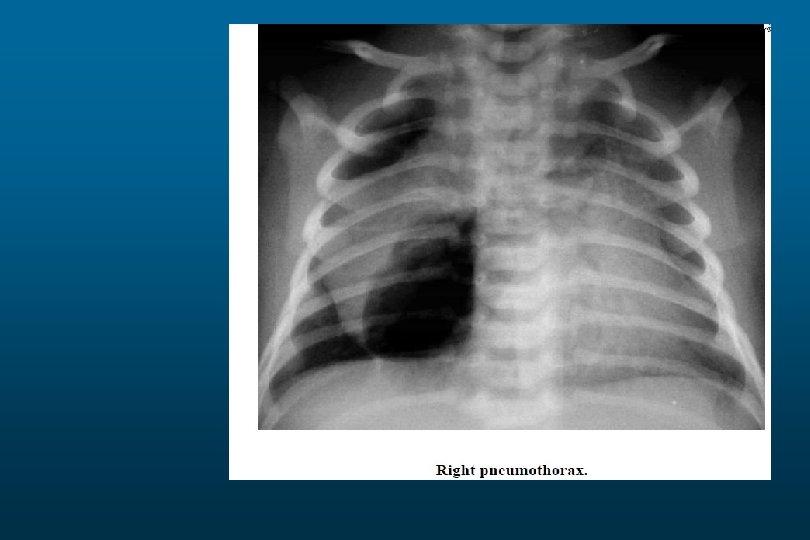
Pneumothorax
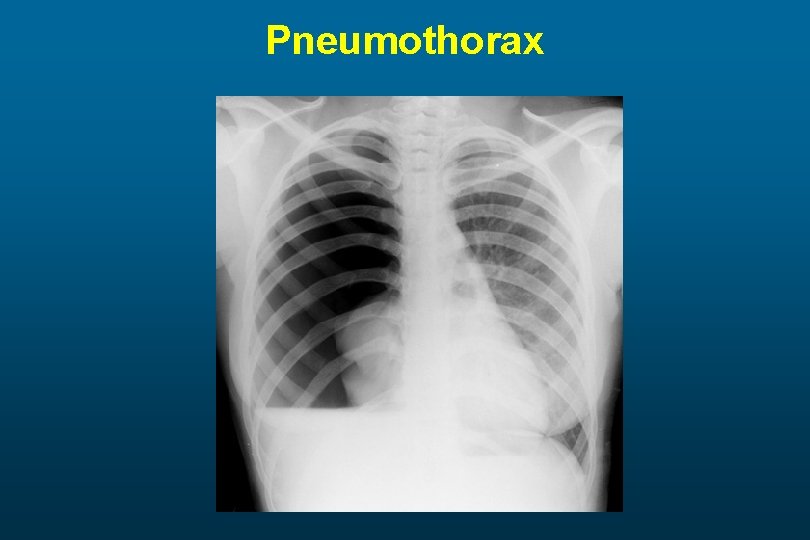
Pneumothorax
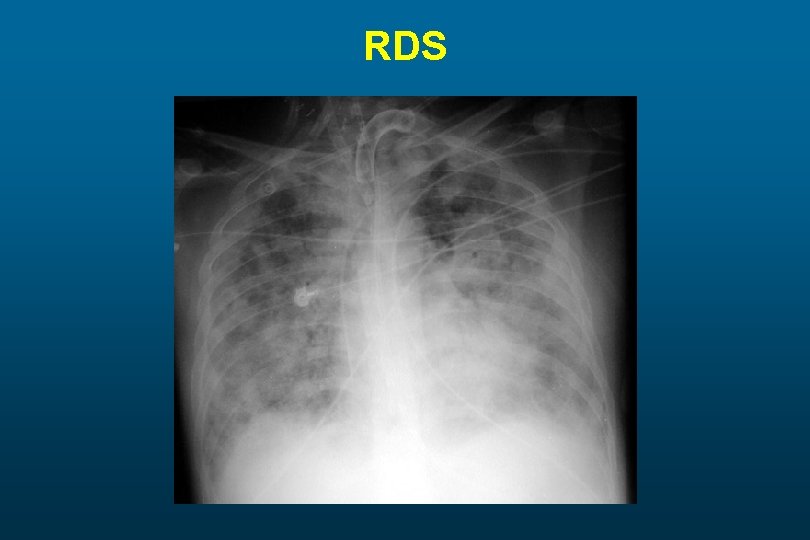
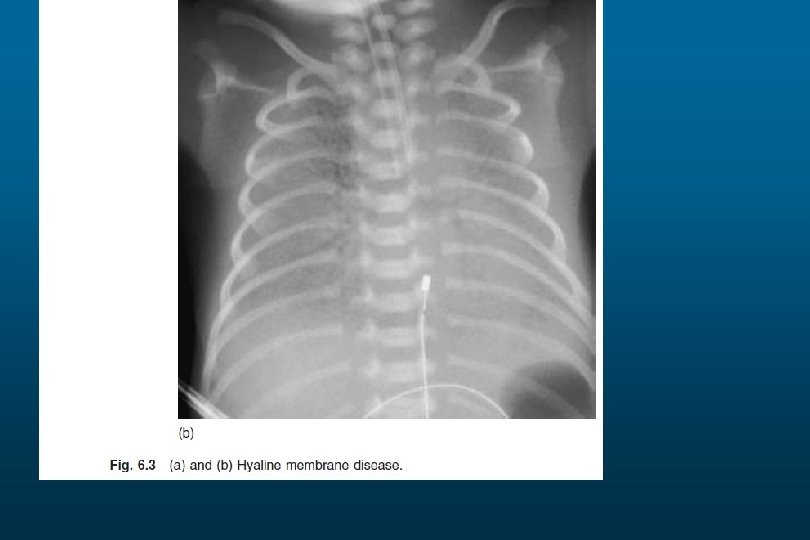
RDS
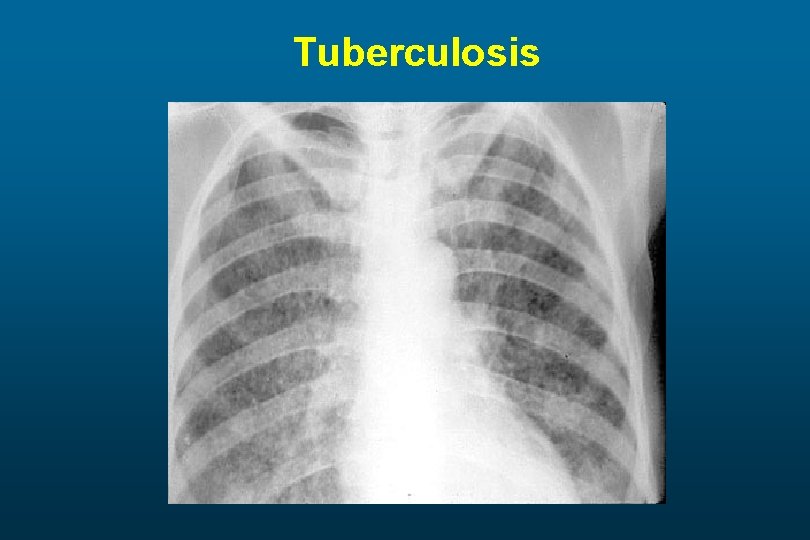
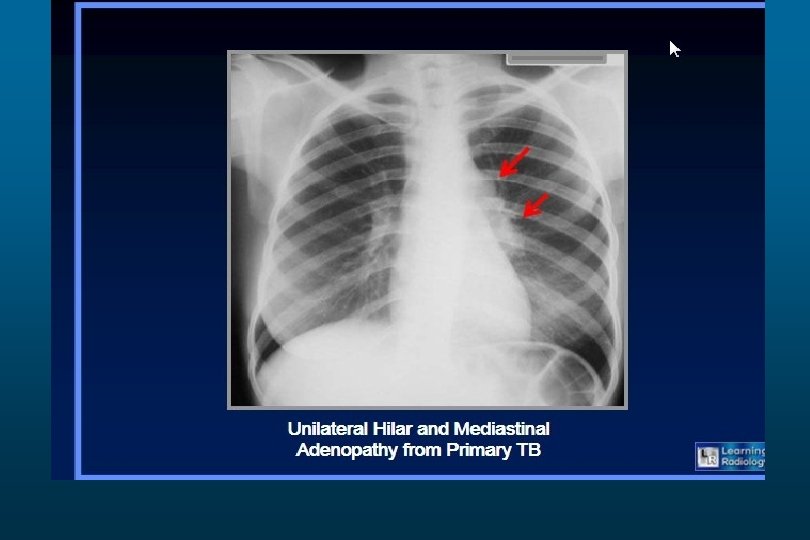
Tuberculosis
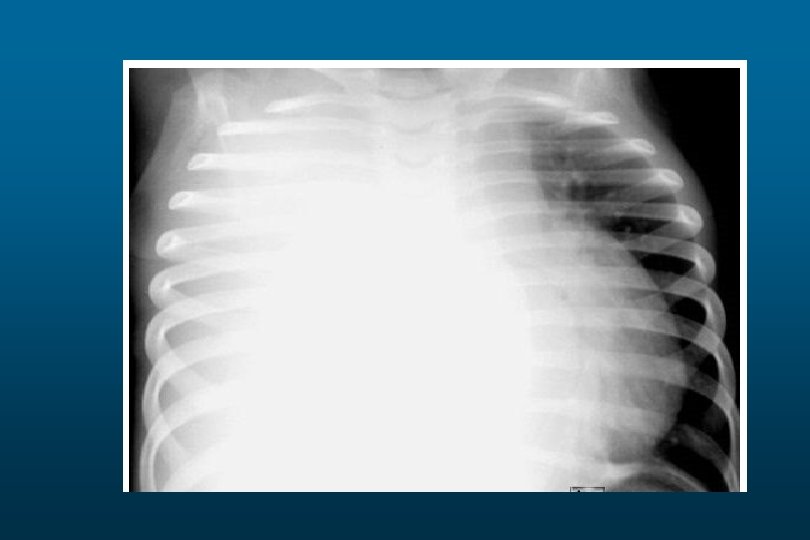
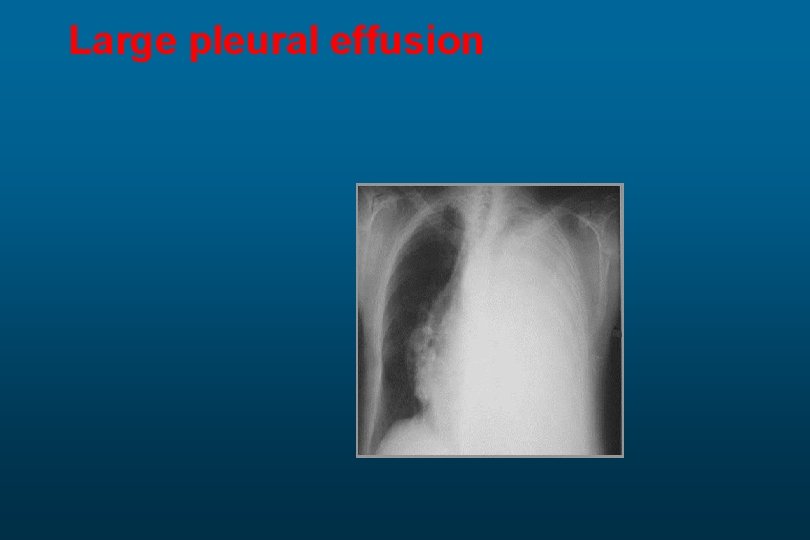
Large pleural effusion
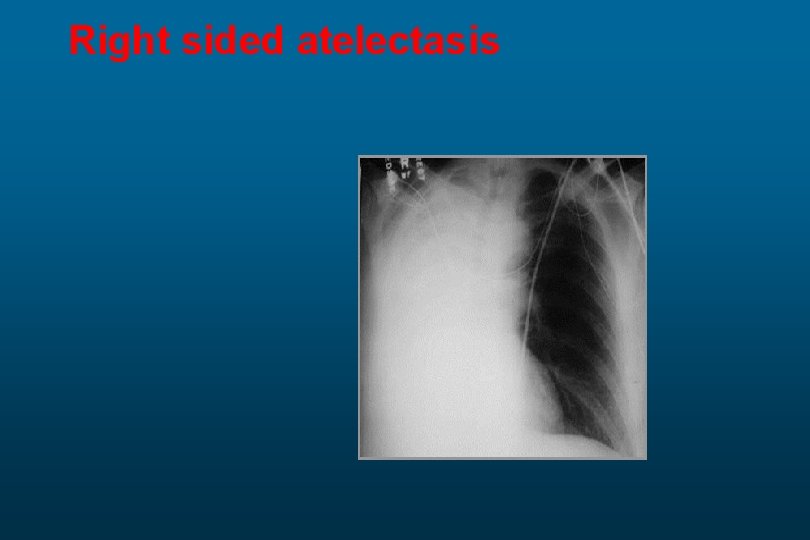
Right sided atelectasis
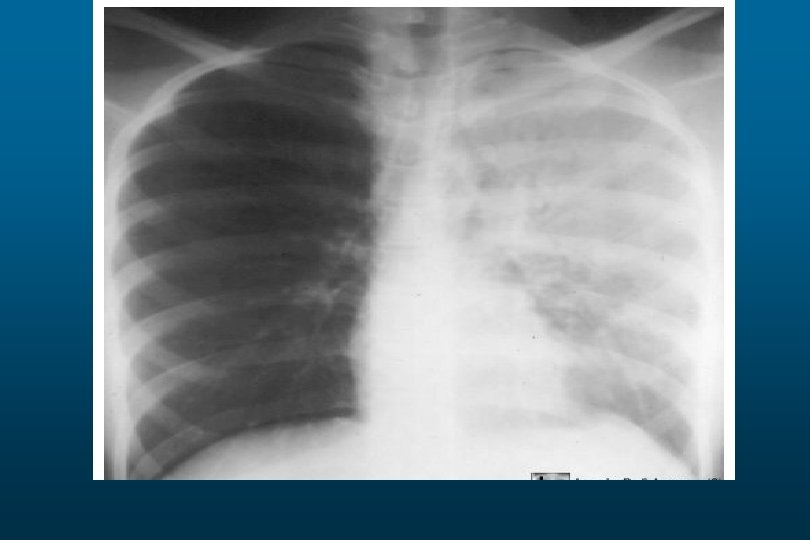
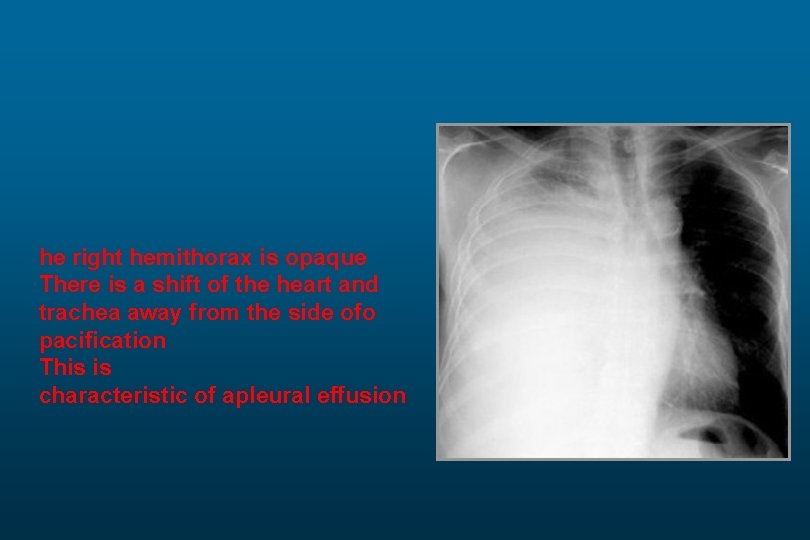
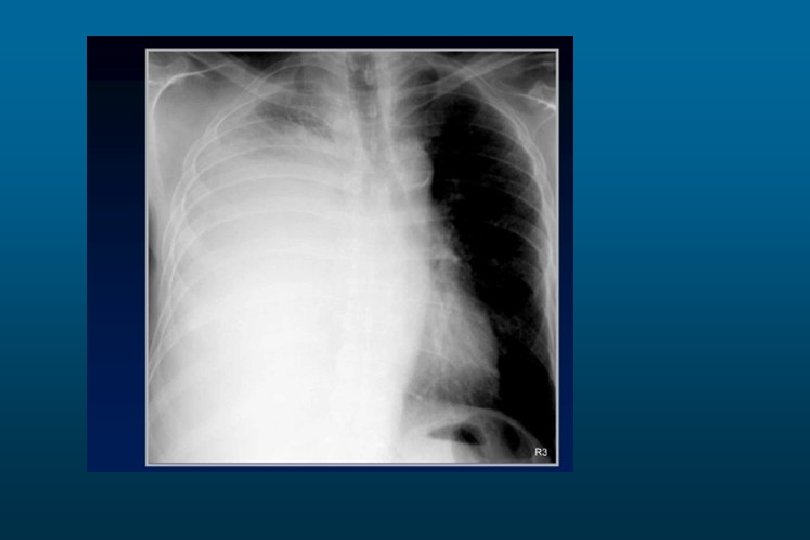
he right hemithorax is opaque There is a shift of the heart and trachea away from the side ofo pacification This is characteristic of apleural effusion
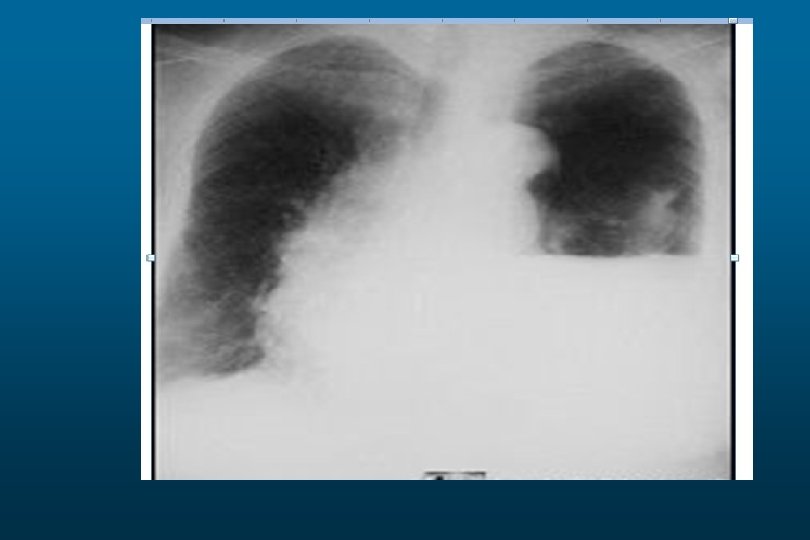
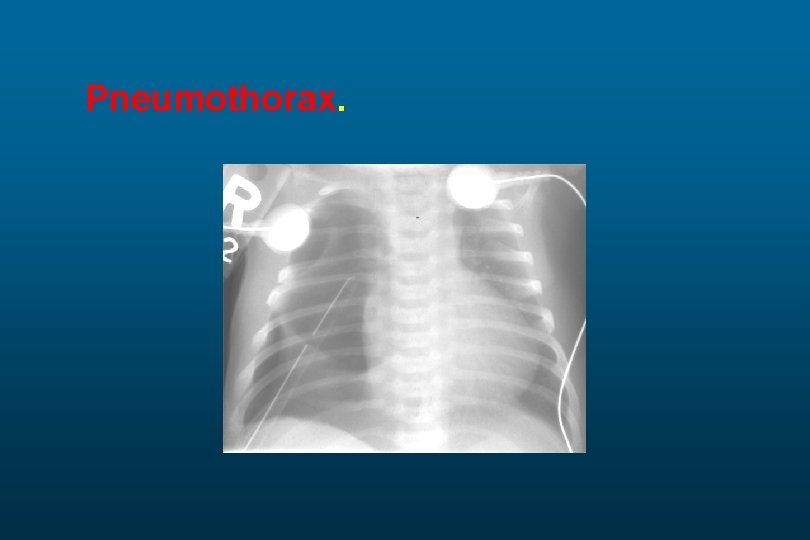
Pneumothorax.
Thank you