
Chest Surface and Pleura Cavity Clinical Anatomy Tony
- Slides: 65
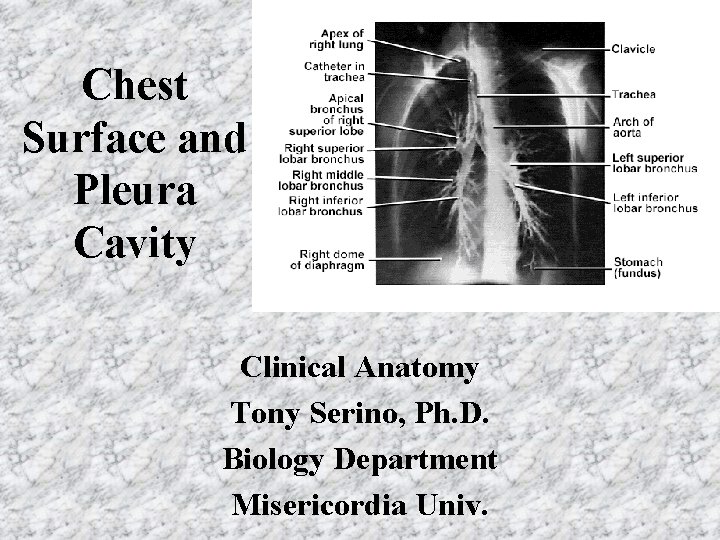
Chest Surface and Pleura Cavity Clinical Anatomy Tony Serino, Ph. D. Biology Department Misericordia Univ.
Chest & Pleura: Topic Objectives • Be able to describe and identify the major muscles, bones and surface anatomy of the chest. • Be able to describe the anatomy of the female breast including its blood and lymphatic supply. • Be able to evaluate the significance of breast lymphatic drainage to metastasis in breast cancer. • Be able to describe and evaluate the role of chest muscles and elasticity in breathing. • Be able to apply lung pressures to the breathing cycle and assess their importance in tension pneumothorax. • Be able to describe and identify all major structures on the lower respiratory tract. • Be able to describe the conditioning of respiratory air. • Be able to describe all lung cell known functions. • Be able to describe the neurological and sensory control of breathing • Be able to apply respiratory regulation to COPD
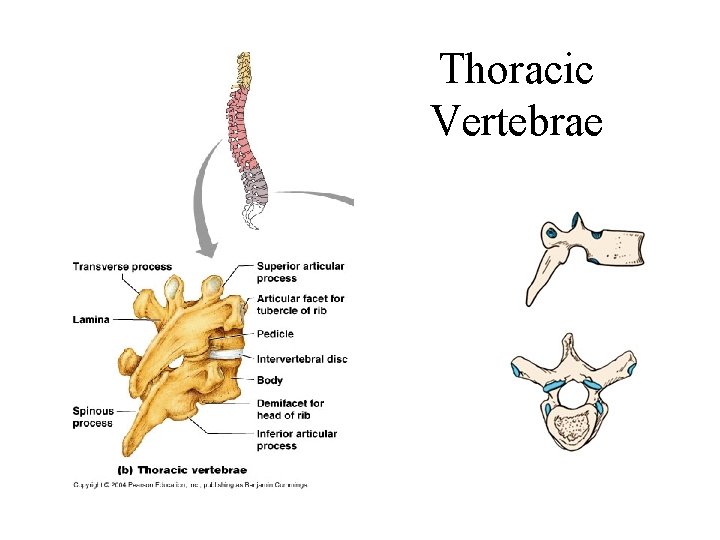
Thoracic Vertebrae
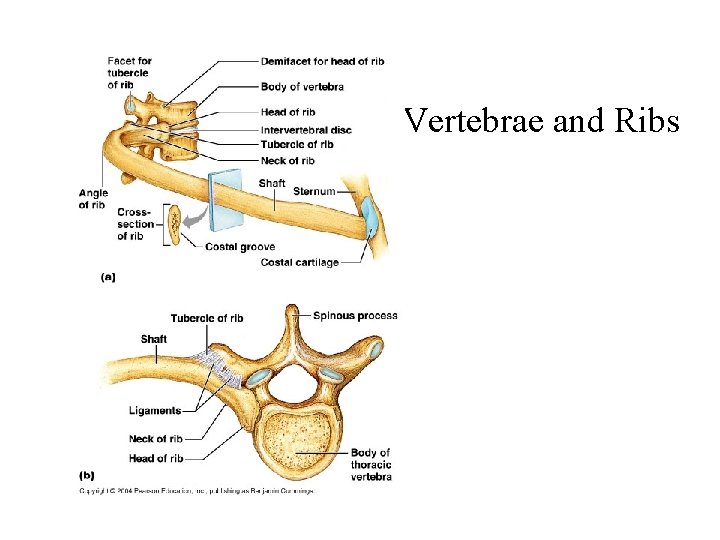
Vertebrae and Ribs
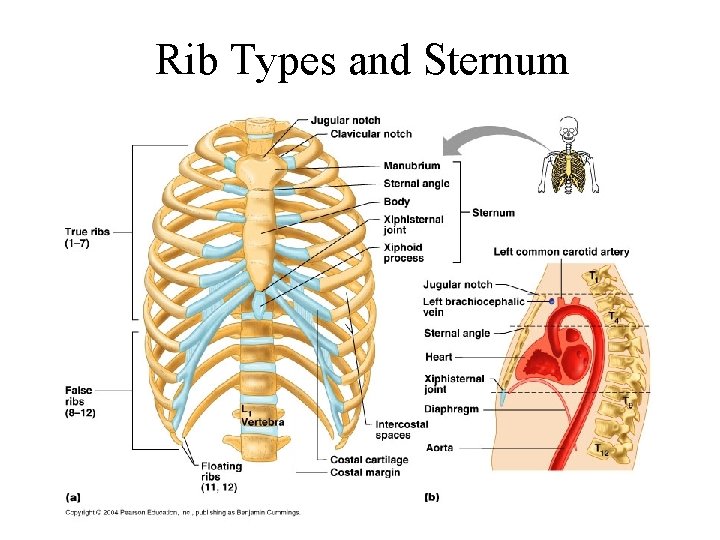
Rib Types and Sternum
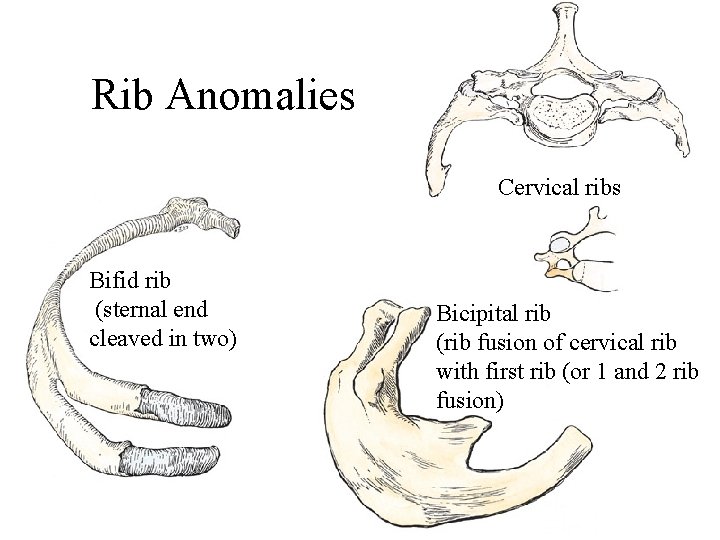
Rib Anomalies Cervical ribs Bifid rib (sternal end cleaved in two) Bicipital rib (rib fusion of cervical rib with first rib (or 1 and 2 rib fusion)
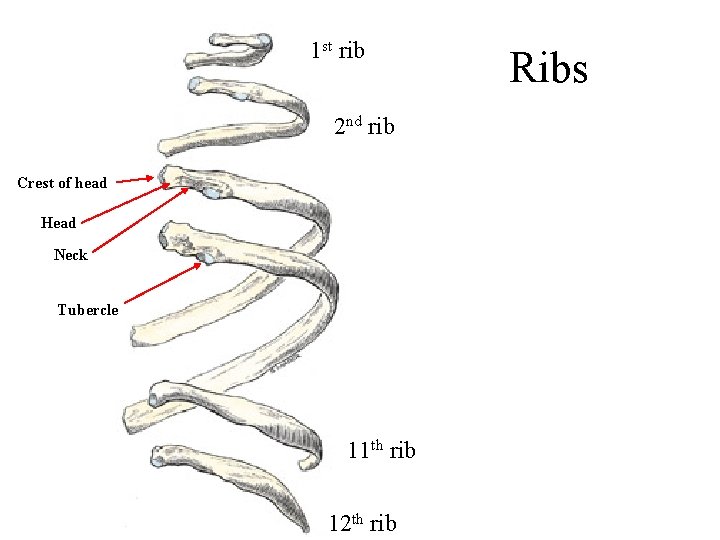
1 st rib 2 nd rib Crest of head Head Neck Tubercle 11 th rib 12 th rib Ribs
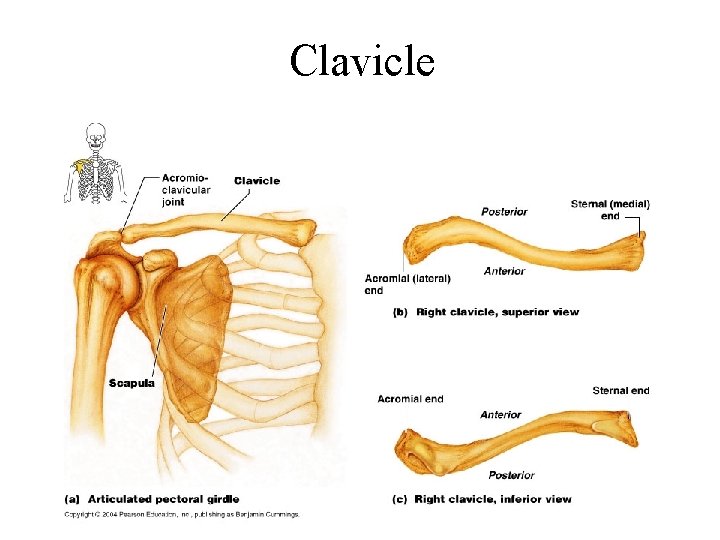
Clavicle
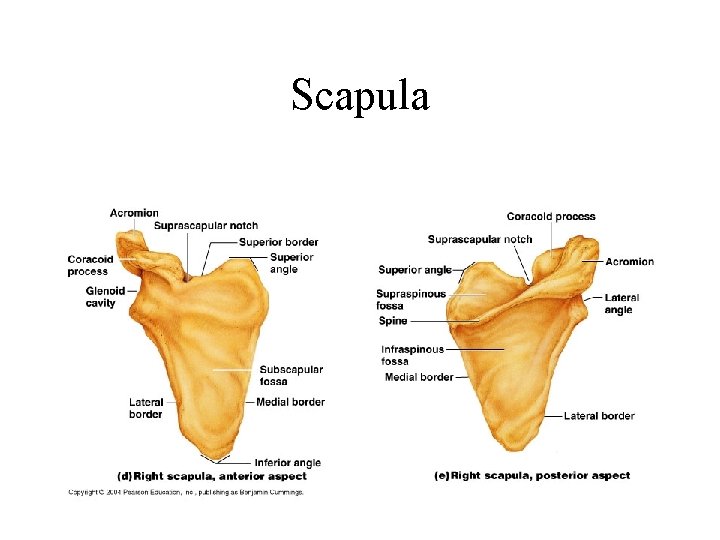
Scapula
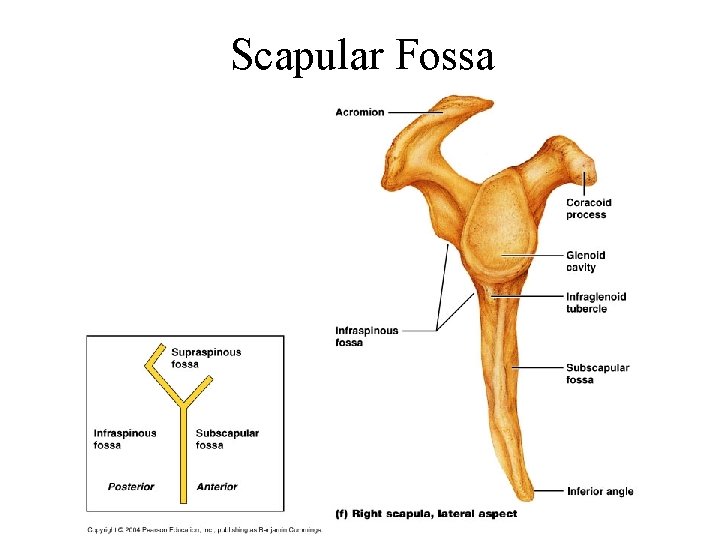
Scapular Fossa
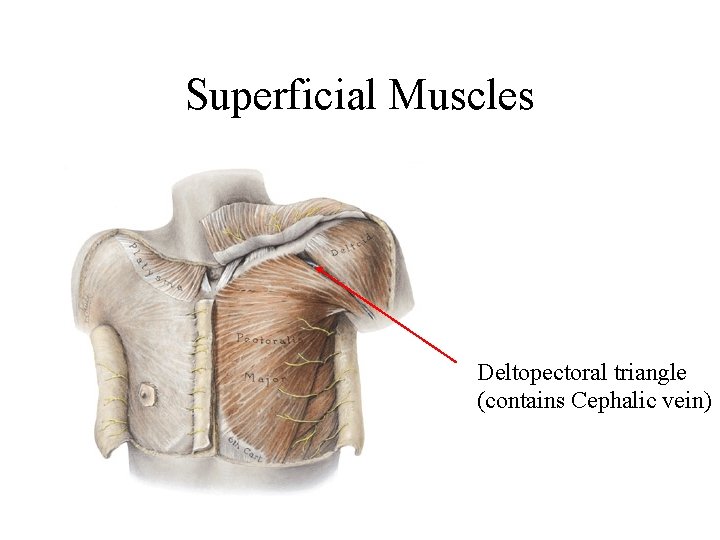
Superficial Muscles Deltopectoral triangle (contains Cephalic vein)
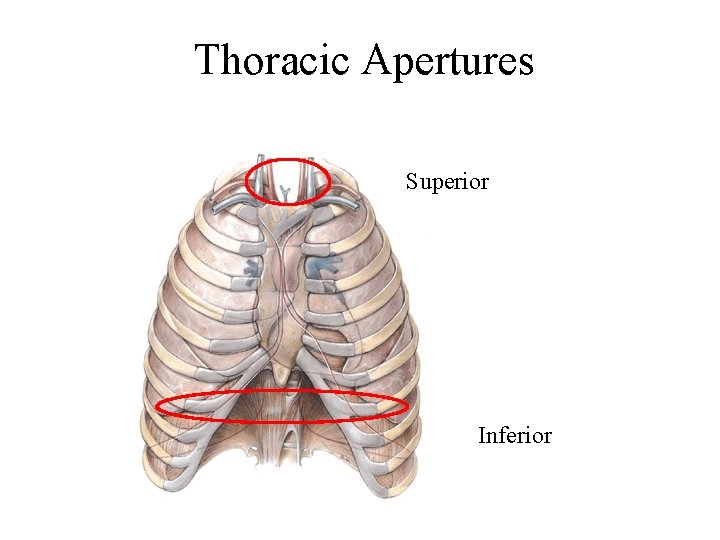
Thoracic Apertures Superior Inferior
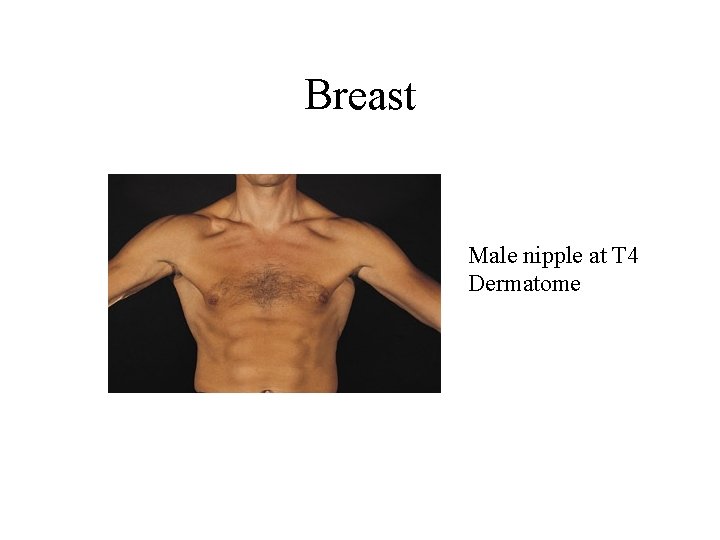
Breast Male nipple at T 4 Dermatome
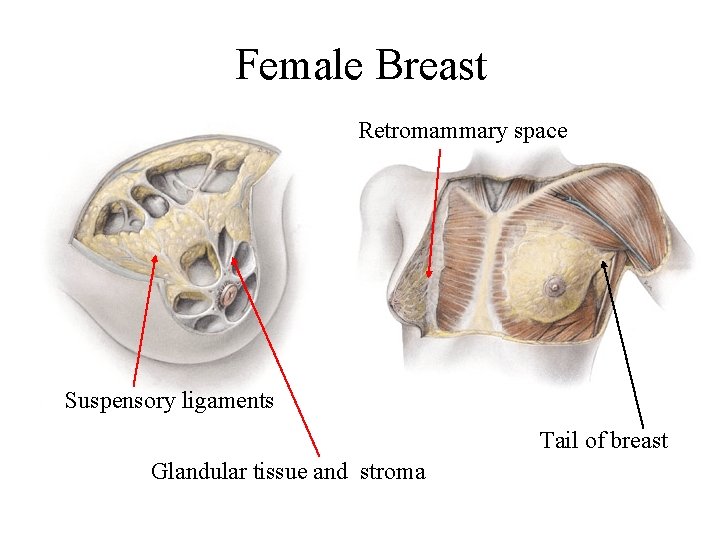
Female Breast Retromammary space Suspensory ligaments Tail of breast Glandular tissue and stroma
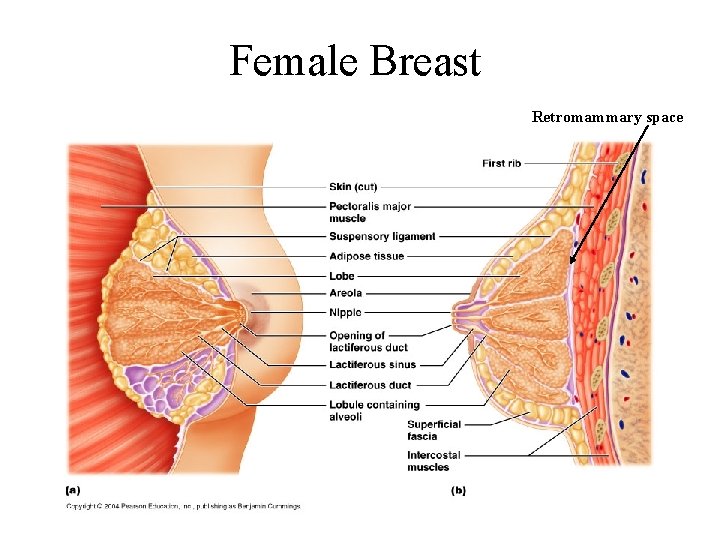
Female Breast Retromammary space
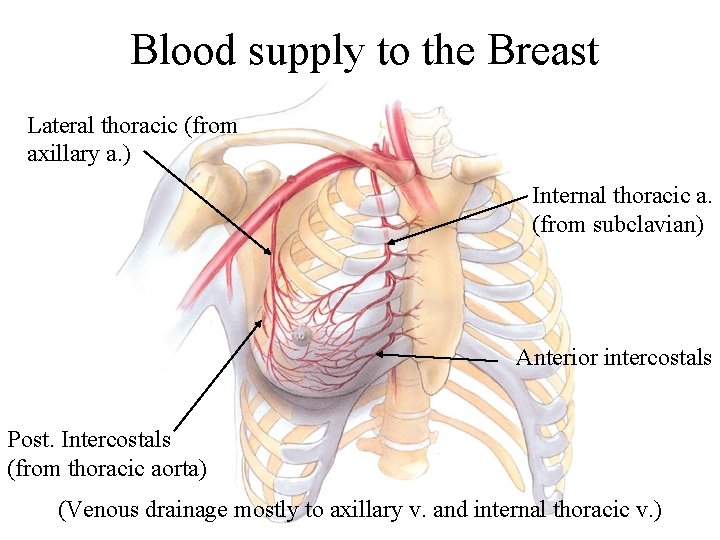
Blood supply to the Breast Lateral thoracic (from axillary a. ) Internal thoracic a. (from subclavian) Anterior intercostals Post. Intercostals (from thoracic aorta) (Venous drainage mostly to axillary v. and internal thoracic v. )
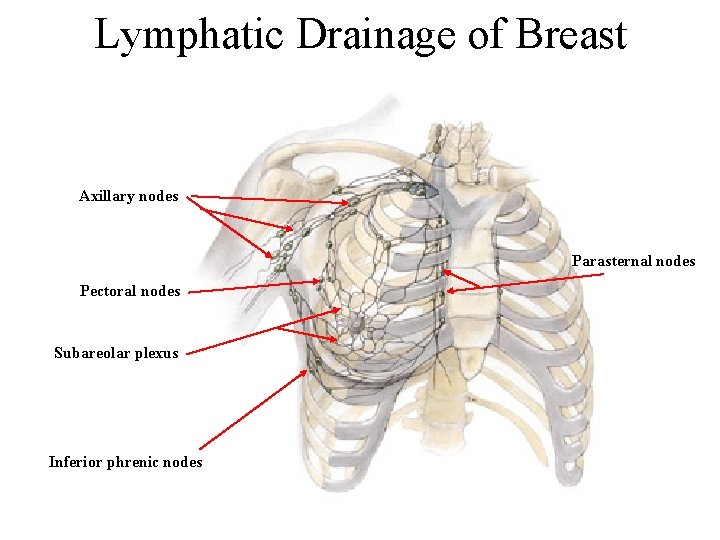
Lymphatic Drainage of Breast Axillary nodes Parasternal nodes Pectoral nodes Subareolar plexus Inferior phrenic nodes
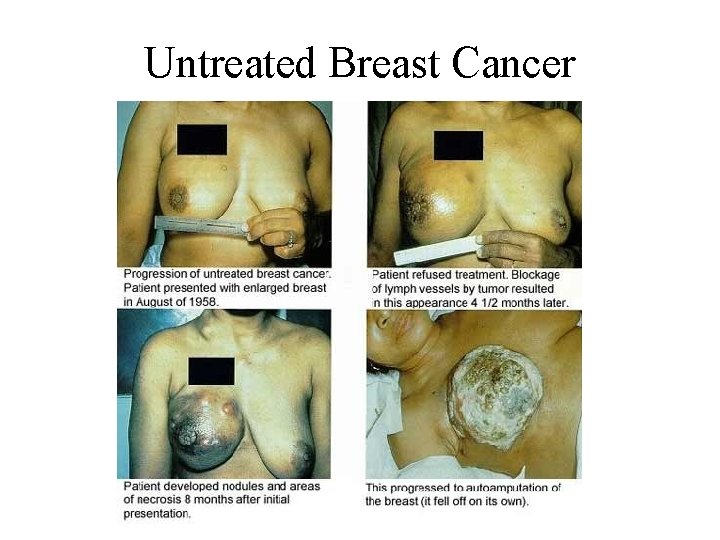
Untreated Breast Cancer
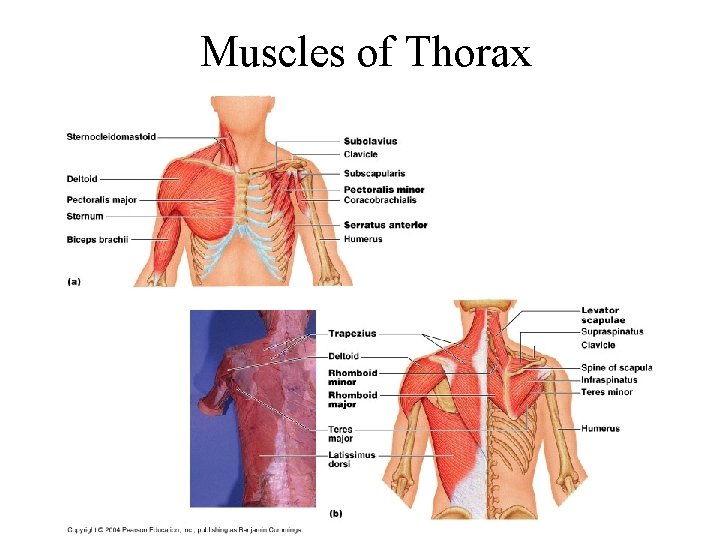
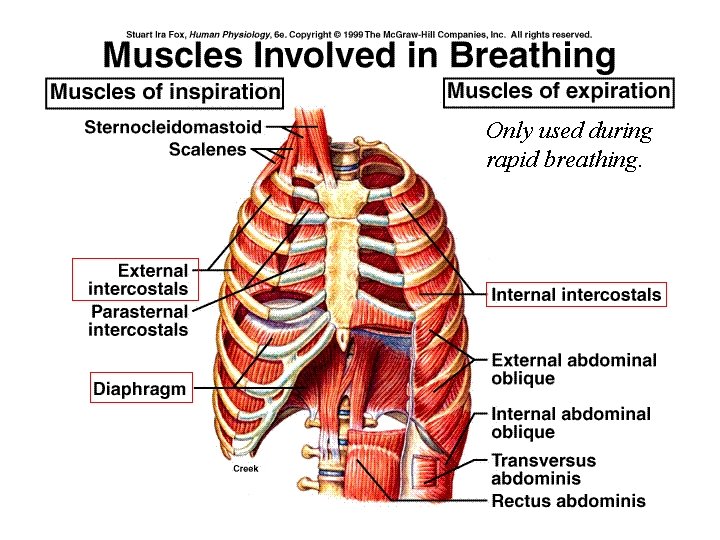
Muscles of Thorax
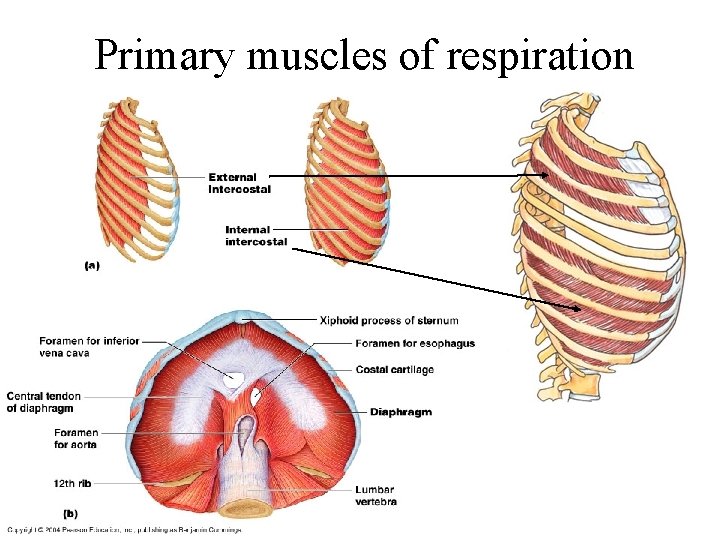
Primary muscles of respiration
Only used during rapid breathing.
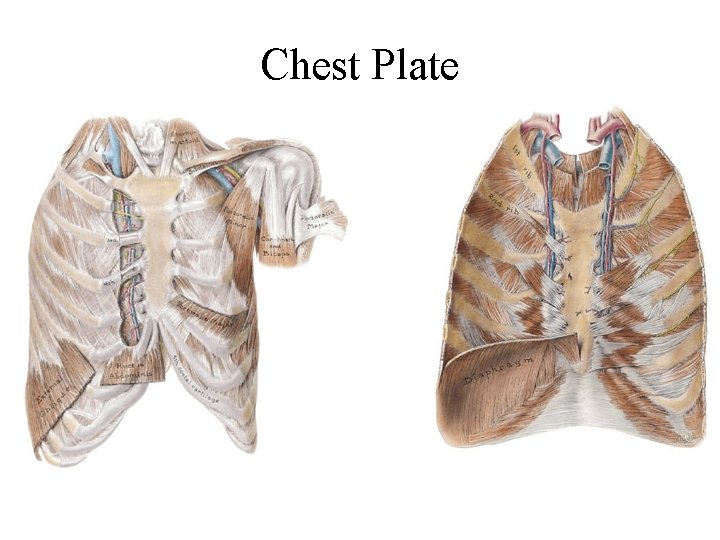
Chest Plate
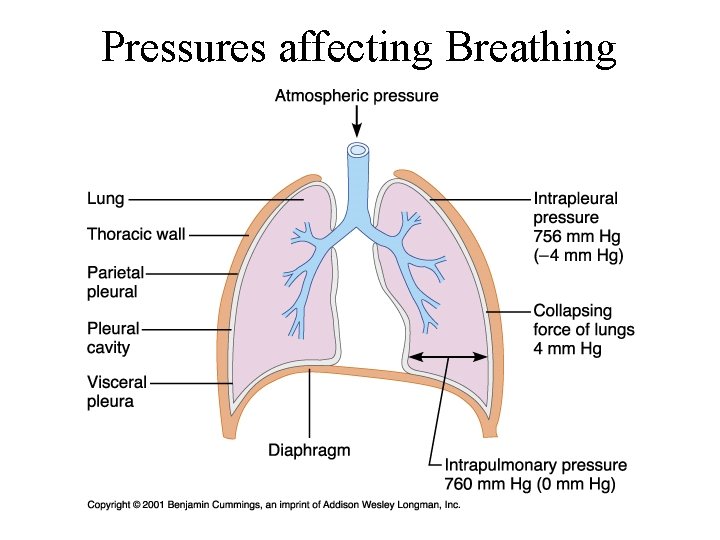
Pressures affecting Breathing
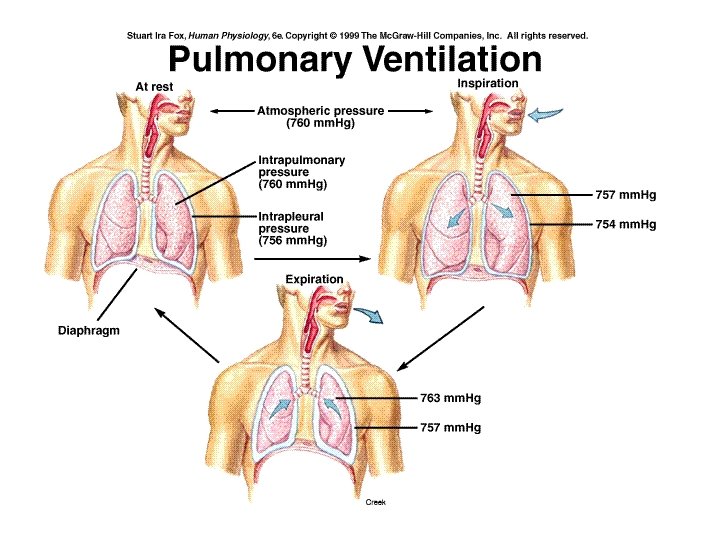
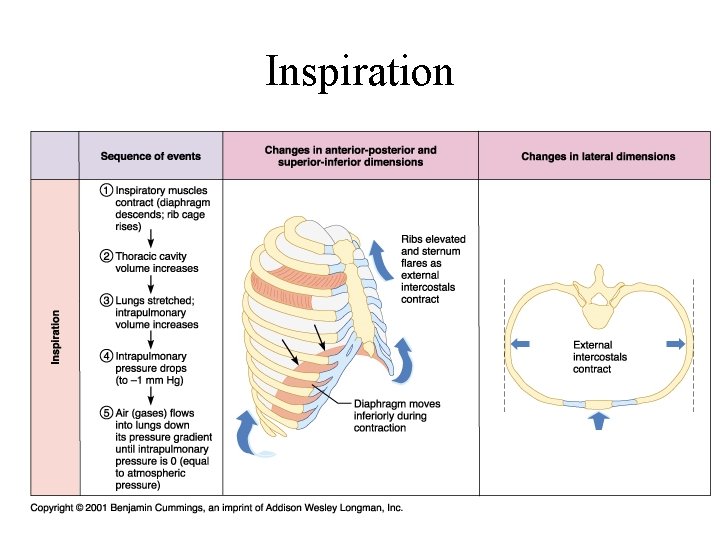
Inspiration
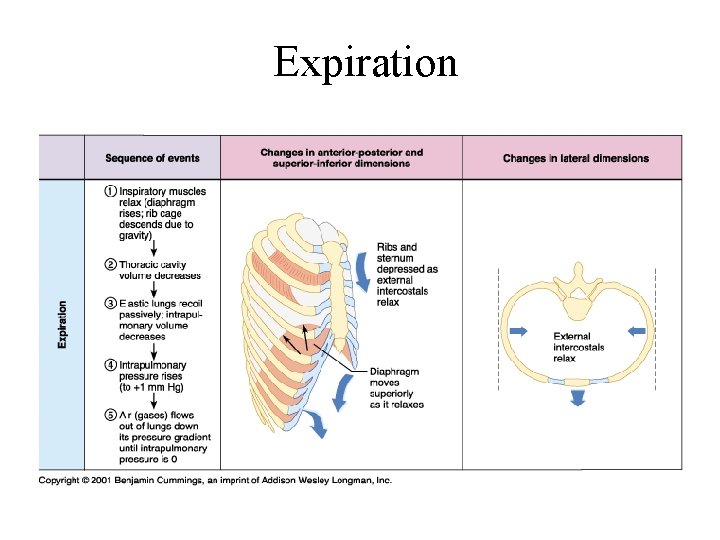
Expiration
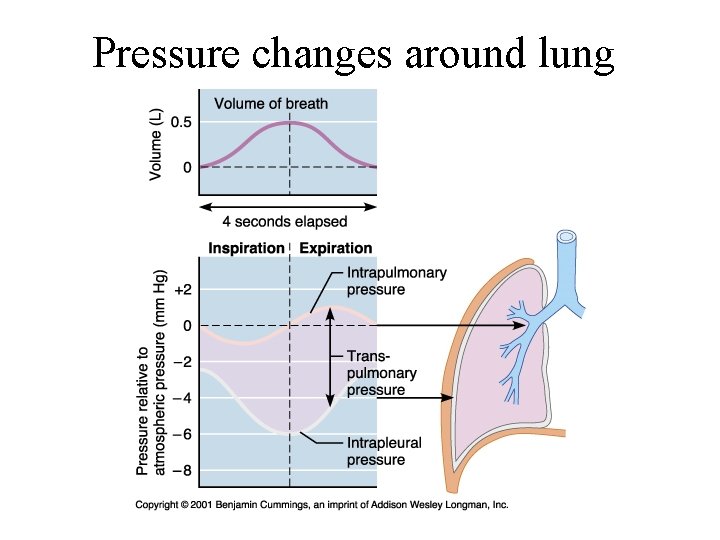
Pressure changes around lung
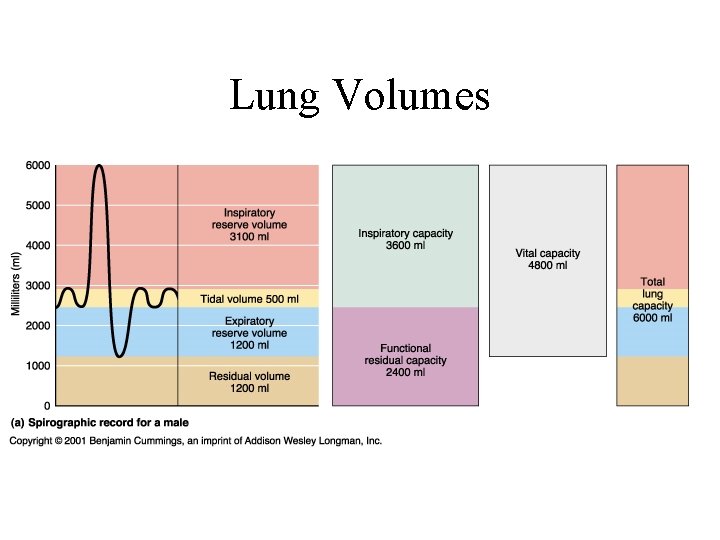
Lung Volumes
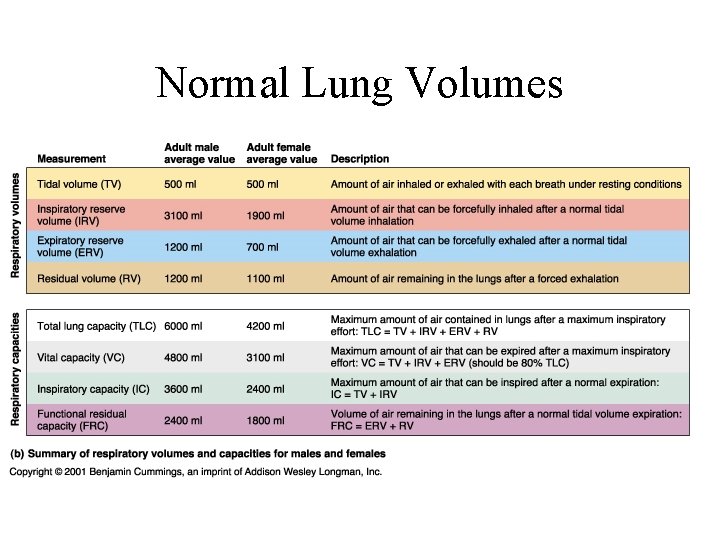
Normal Lung Volumes
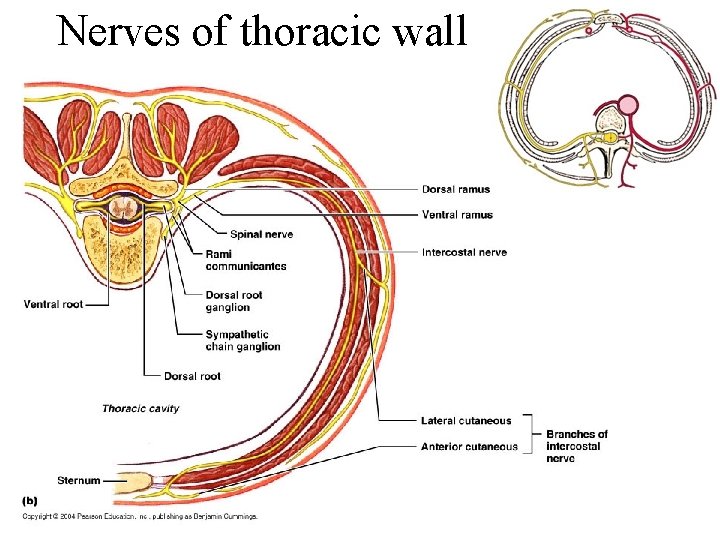
Nerves of thoracic wall
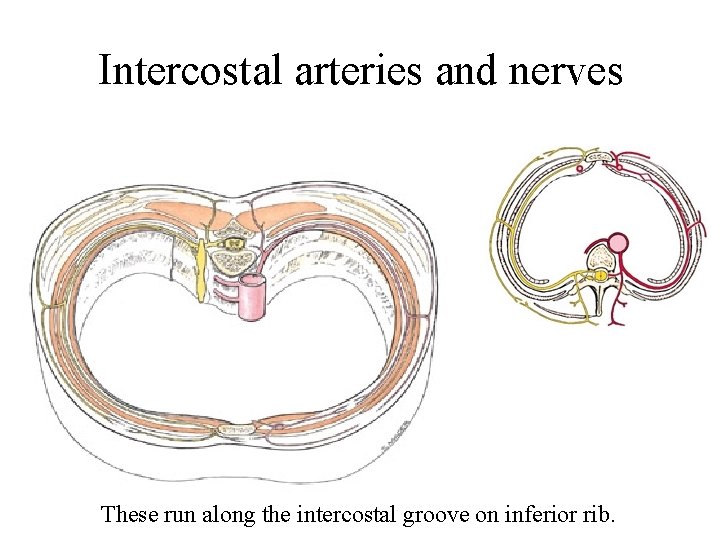
Intercostal arteries and nerves These run along the intercostal groove on inferior rib.
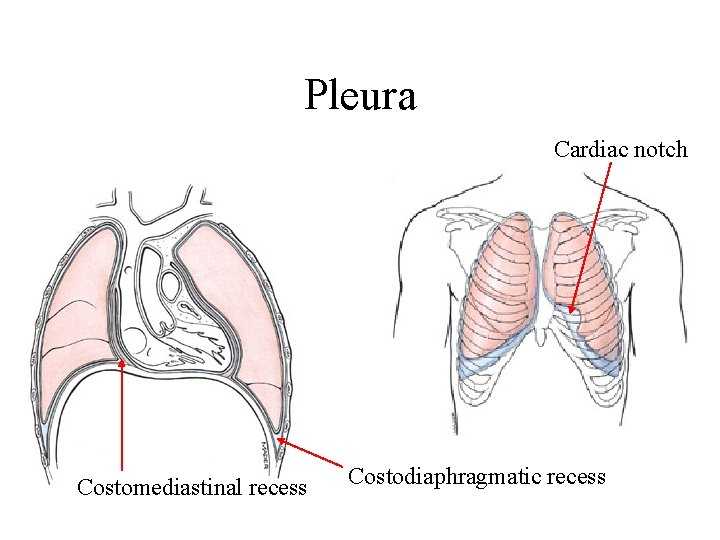
Pleura Cardiac notch Costomediastinal recess Costodiaphragmatic recess
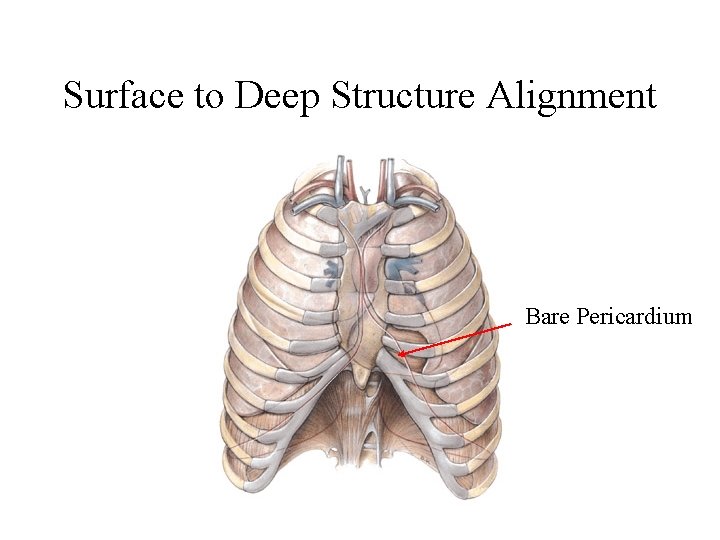
Surface to Deep Structure Alignment Bare Pericardium
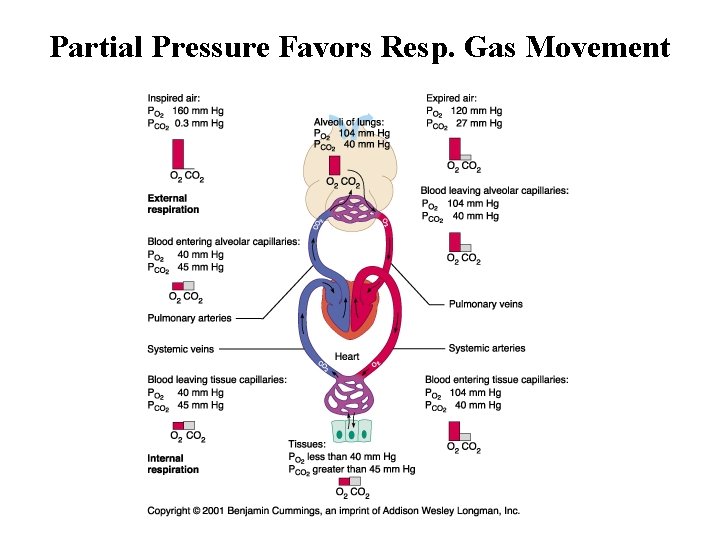
Respiration • External Respiration – The exchange of gas between the blood and external environment (usually includes ventilation) • Internal Respiration – The exchange of gas between the blood and the tissues • Cellular Respiration – Burning of fuel to produce energy within cells • Ventilation (Breathing) – Movement of air in and out of the lungs
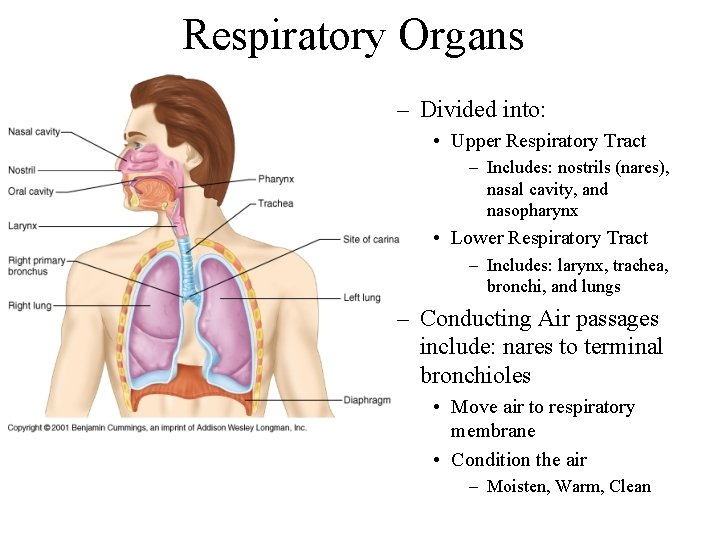
Respiratory Organs – Divided into: • Upper Respiratory Tract – Includes: nostrils (nares), nasal cavity, and nasopharynx • Lower Respiratory Tract – Includes: larynx, trachea, bronchi, and lungs – Conducting Air passages include: nares to terminal bronchioles • Move air to respiratory membrane • Condition the air – Moisten, Warm, Clean
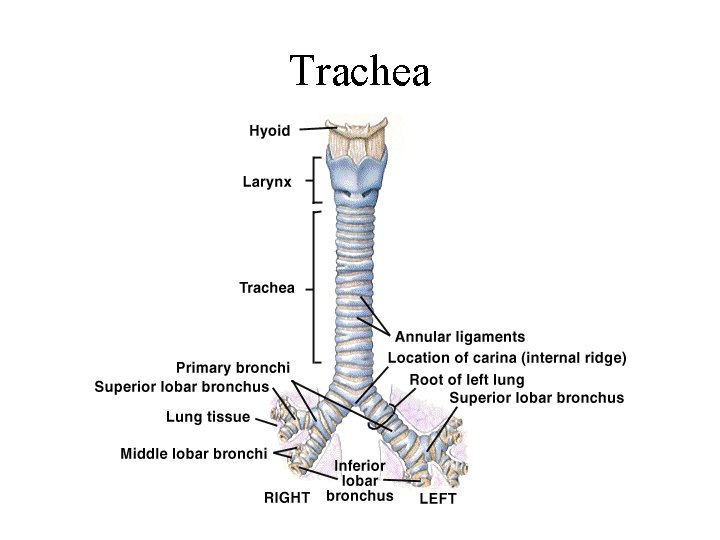
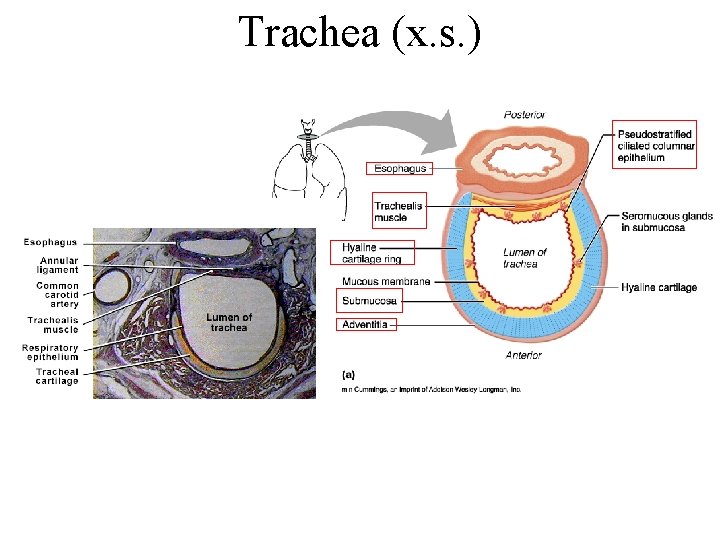
Trachea
Trachea (x. s. )
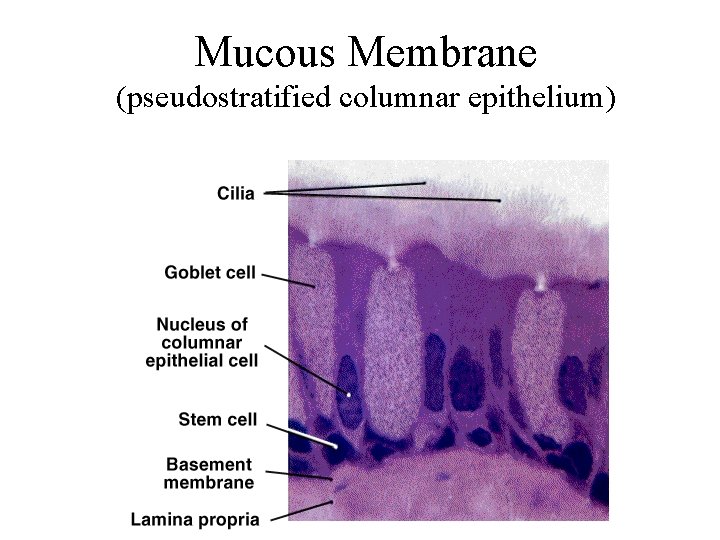
Mucous Membrane (pseudostratified columnar epithelium)
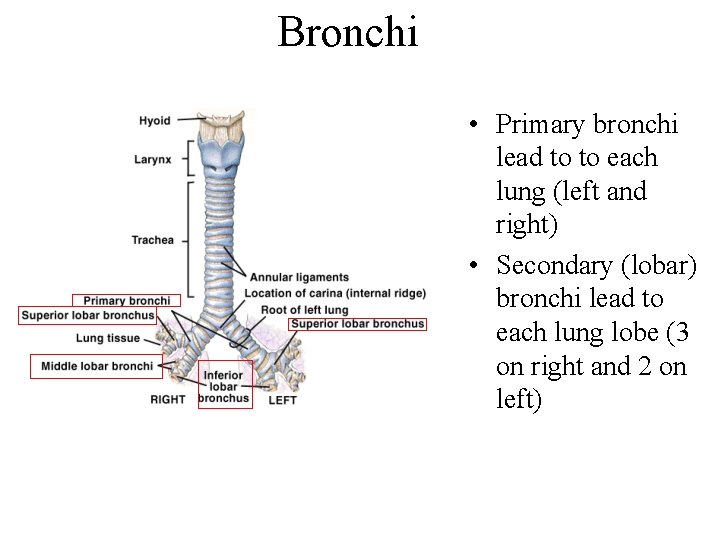
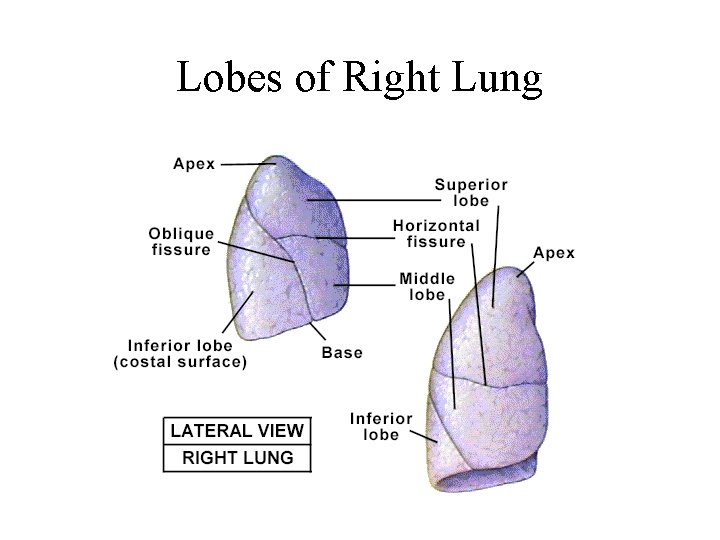
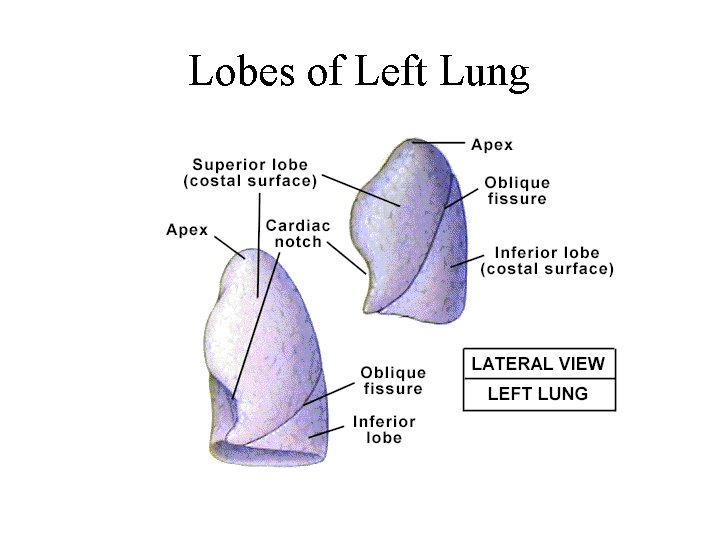
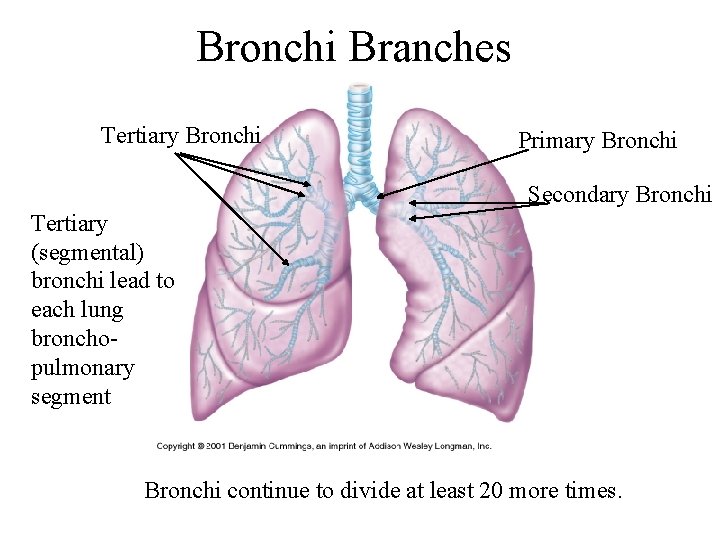
Bronchi • Primary bronchi lead to to each lung (left and right) • Secondary (lobar) bronchi lead to each lung lobe (3 on right and 2 on left)
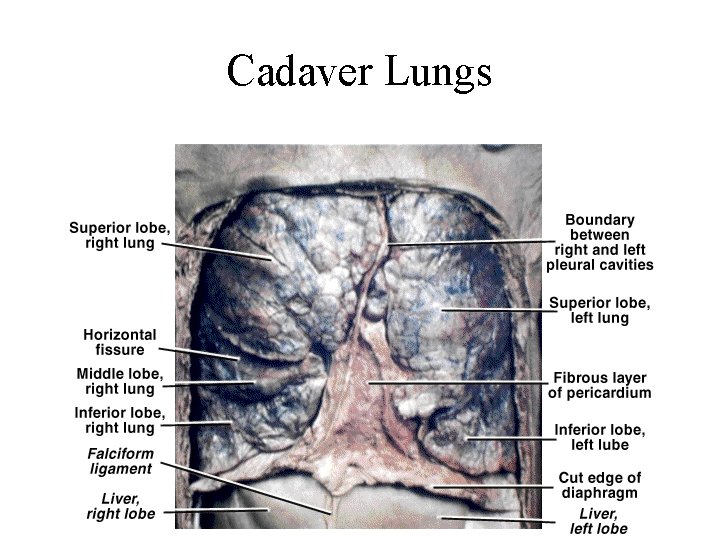
Cadaver Lungs
Lobes of Right Lung
Lobes of Left Lung
Bronchi Branches Tertiary Bronchi Primary Bronchi Secondary Bronchi Tertiary (segmental) bronchi lead to each lung bronchopulmonary segment Bronchi continue to divide at least 20 more times.
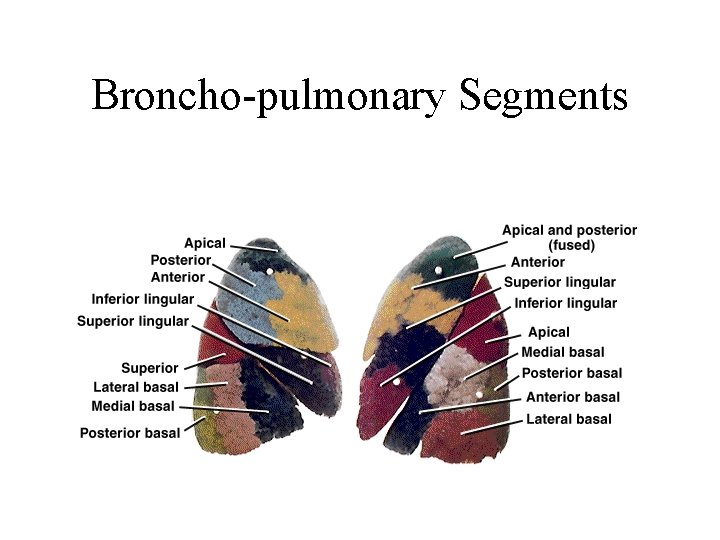
Broncho-pulmonary Segments
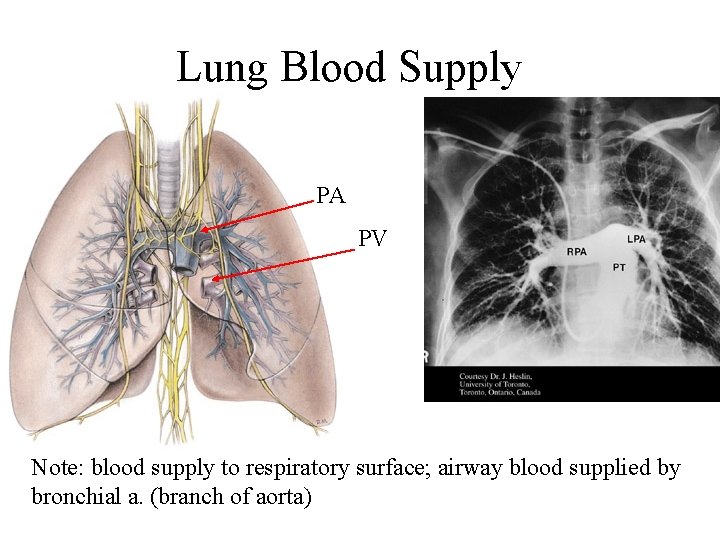
Lung Blood Supply PA PV Note: blood supply to respiratory surface; airway blood supplied by bronchial a. (branch of aorta)
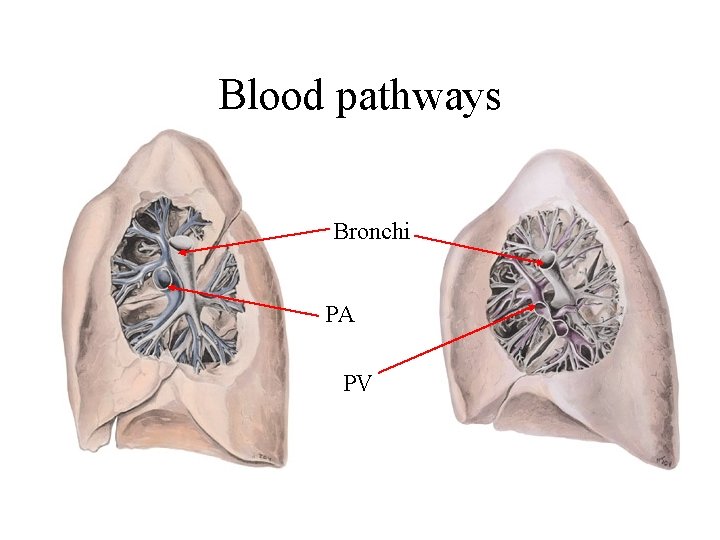
Blood pathways Bronchi PA PV
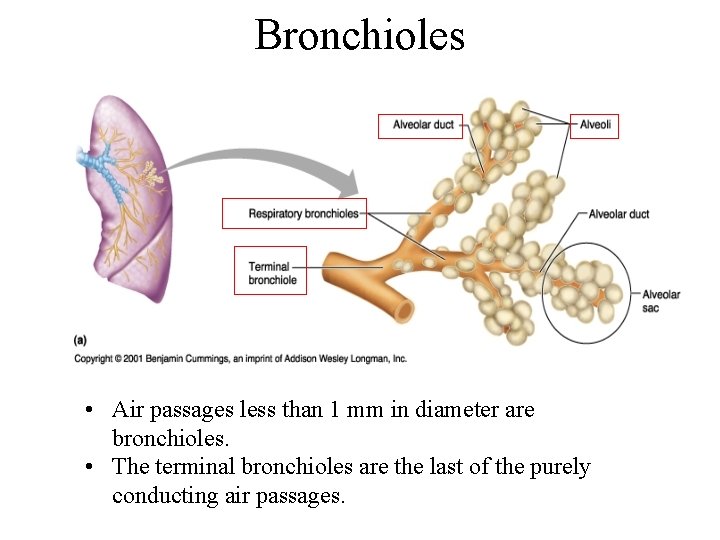
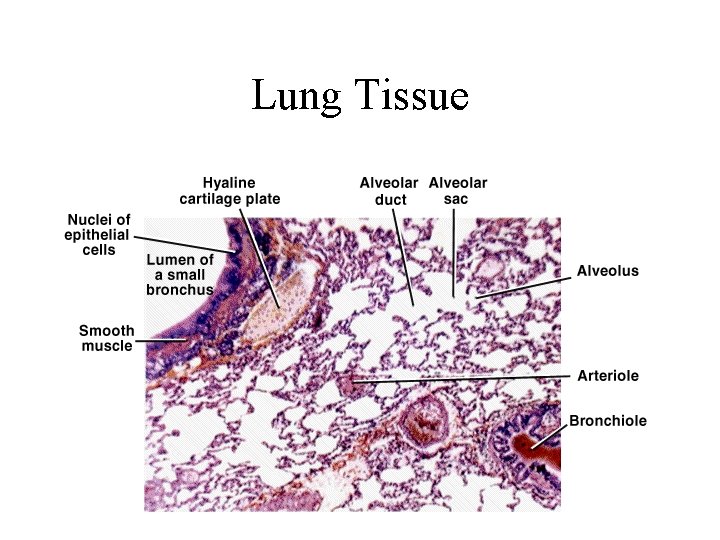
Bronchioles • Air passages less than 1 mm in diameter are bronchioles. • The terminal bronchioles are the last of the purely conducting air passages.
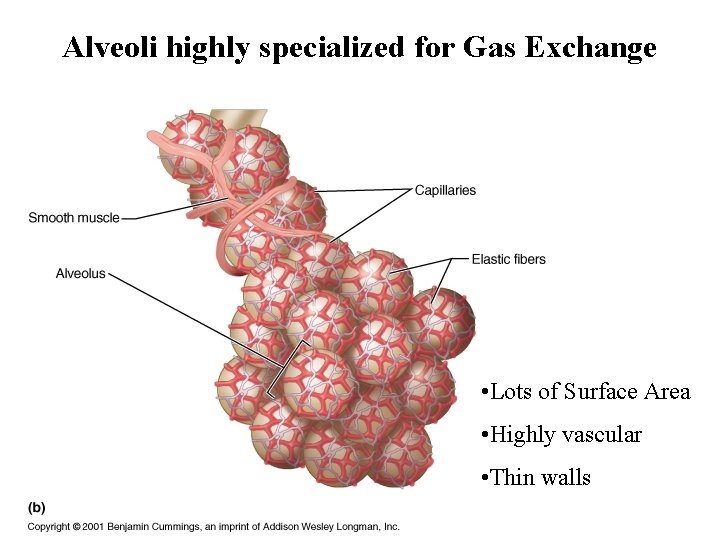
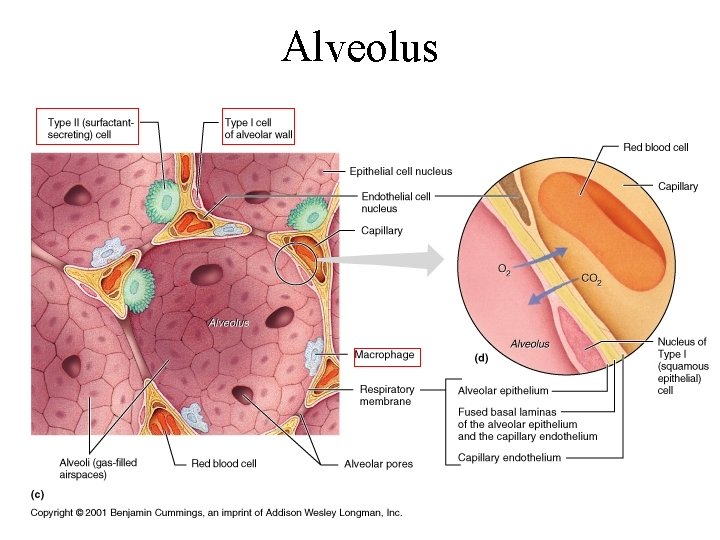
Alveoli highly specialized for Gas Exchange • Lots of Surface Area • Highly vascular • Thin walls
Lung Tissue
Alveolus
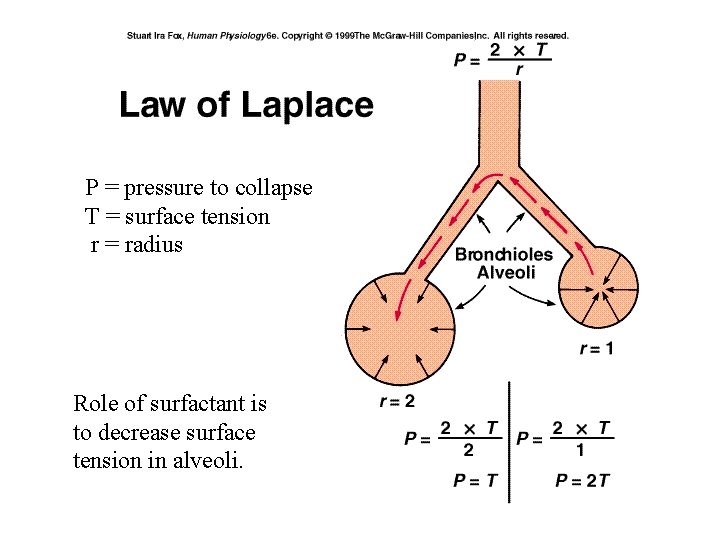
P = pressure to collapse T = surface tension r = radius Role of surfactant is to decrease surface tension in alveoli.
Partial Pressure Favors Resp. Gas Movement
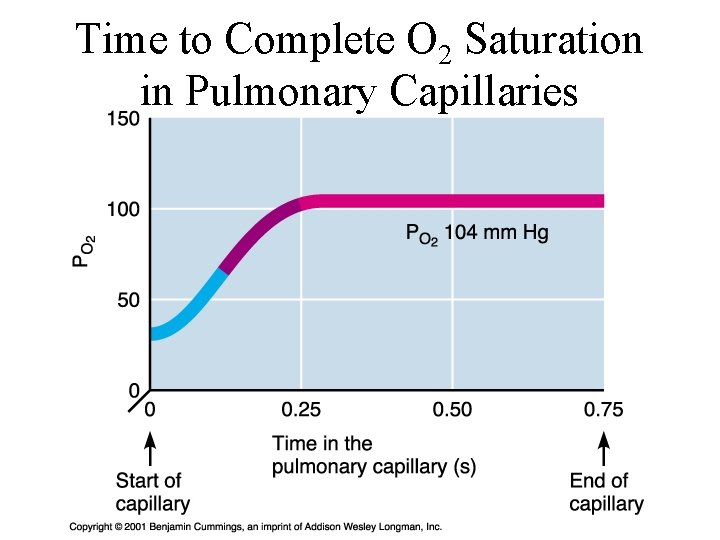
Time to Complete O 2 Saturation in Pulmonary Capillaries
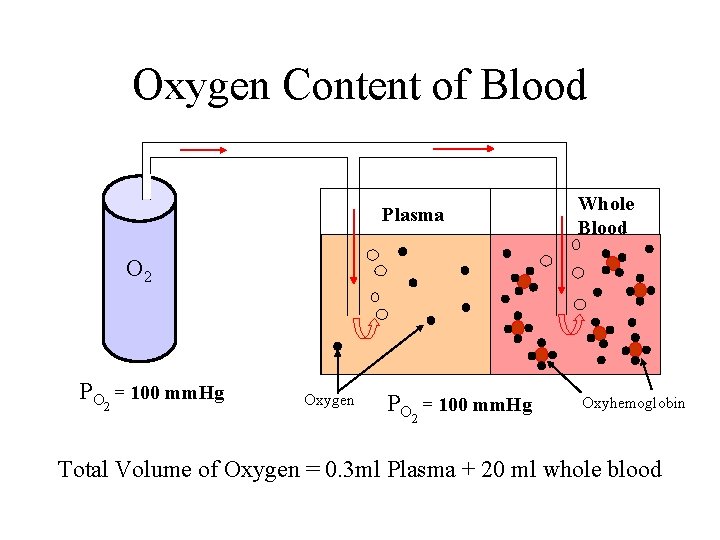
Oxygen Content of Blood Plasma Whole Blood PO = 100 mm. Hg Oxyhemoglobin O 2 PO = 100 mm. Hg 2 Oxygen 2 Total Volume of Oxygen = 0. 3 ml Plasma + 20 ml whole blood
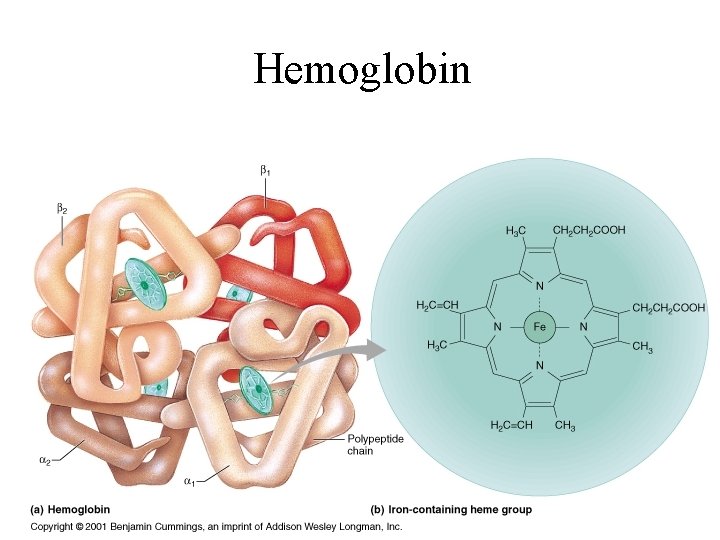
Hemoglobin
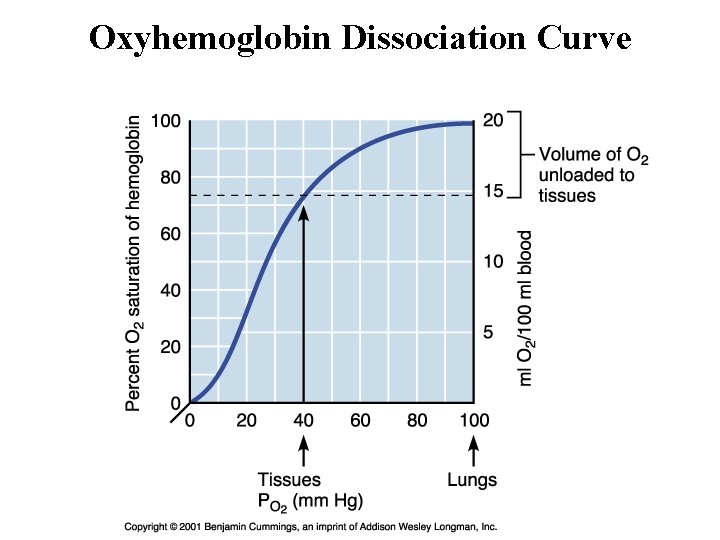
Oxyhemoglobin Dissociation Curve
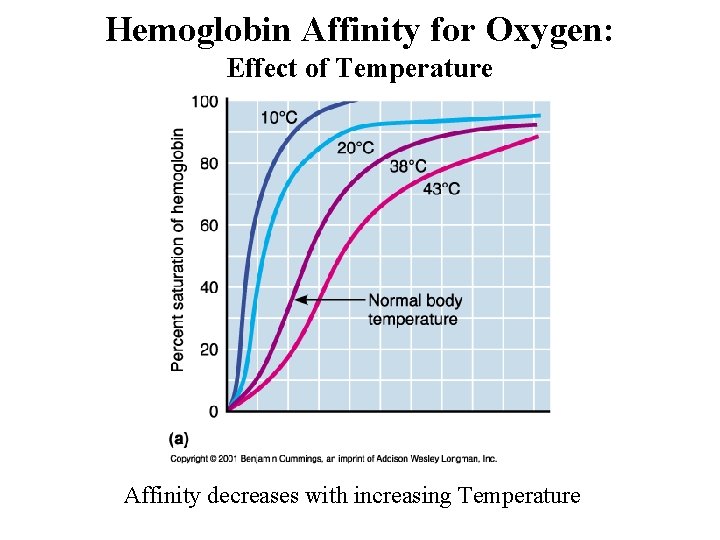
Hemoglobin Affinity for Oxygen: Effect of Temperature Affinity decreases with increasing Temperature
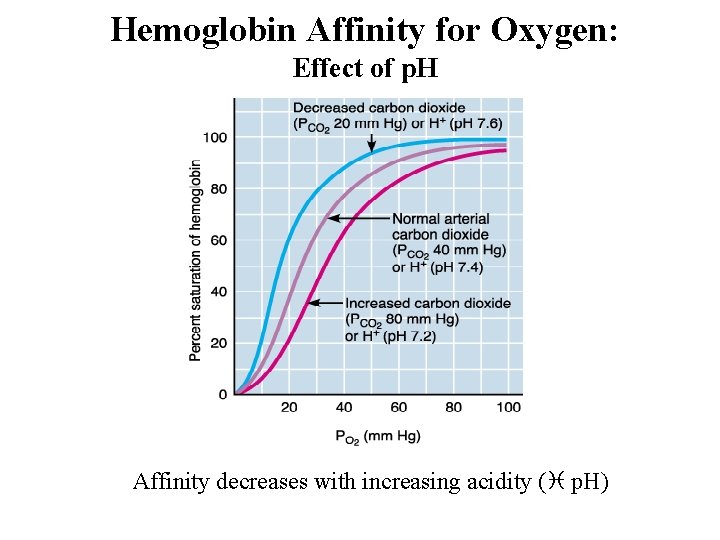
Hemoglobin Affinity for Oxygen: Effect of p. H Affinity decreases with increasing acidity (i p. H)
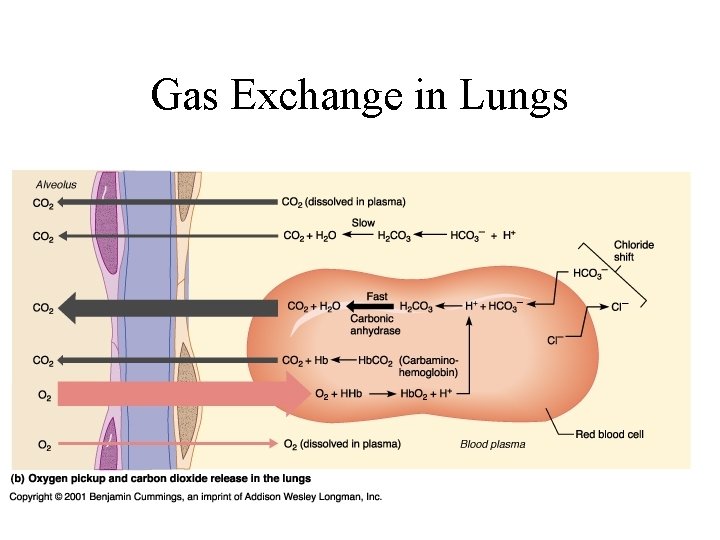
Gas Exchange in Lungs
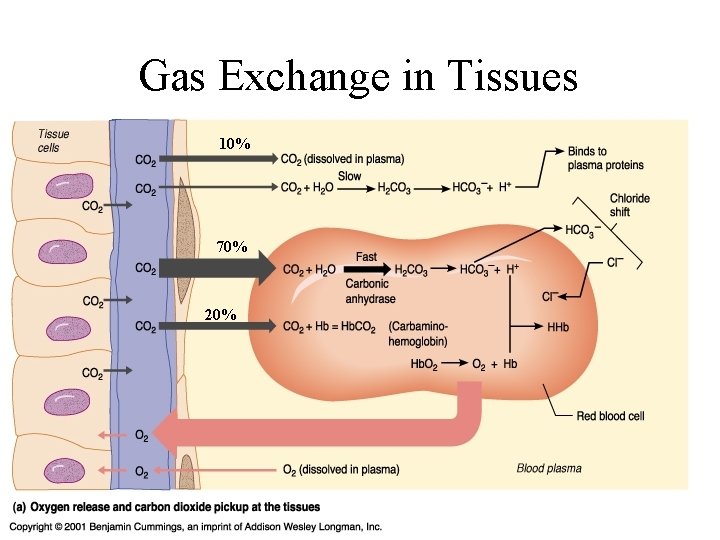
Gas Exchange in Tissues 10% 70% 20%
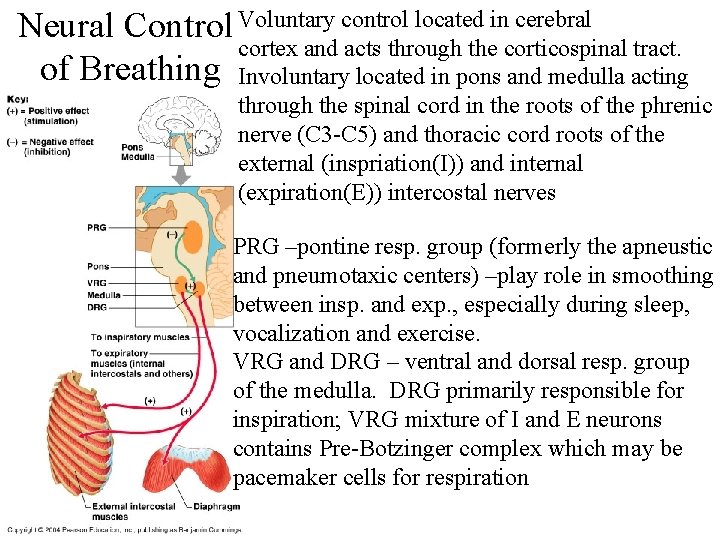
Neural Control Voluntary control located in cerebral cortex and acts through the corticospinal tract. of Breathing Involuntary located in pons and medulla acting through the spinal cord in the roots of the phrenic nerve (C 3 -C 5) and thoracic cord roots of the external (inspriation(I)) and internal (expiration(E)) intercostal nerves PRG –pontine resp. group (formerly the apneustic and pneumotaxic centers) –play role in smoothing between insp. and exp. , especially during sleep, vocalization and exercise. VRG and DRG – ventral and dorsal resp. group of the medulla. DRG primarily responsible for inspiration; VRG mixture of I and E neurons contains Pre-Botzinger complex which may be pacemaker cells for respiration
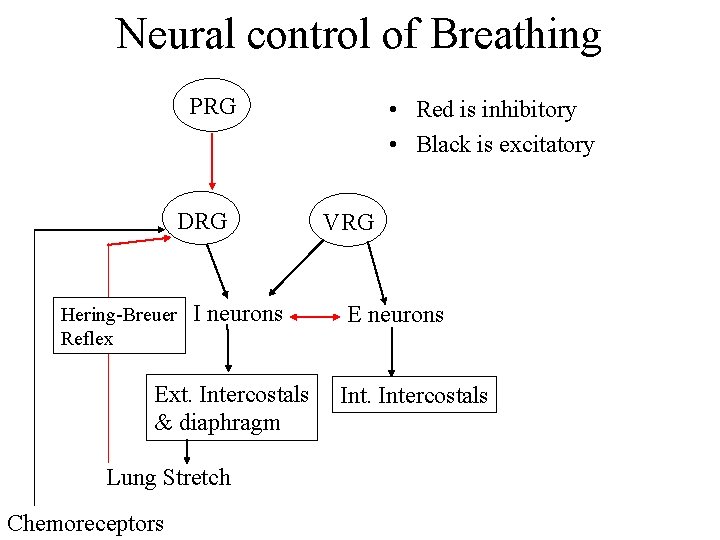
Neural control of Breathing PRG DRG Hering-Breuer Reflex I neurons Ext. Intercostals & diaphragm Lung Stretch Chemoreceptors • Red is inhibitory • Black is excitatory VRG E neurons Intercostals
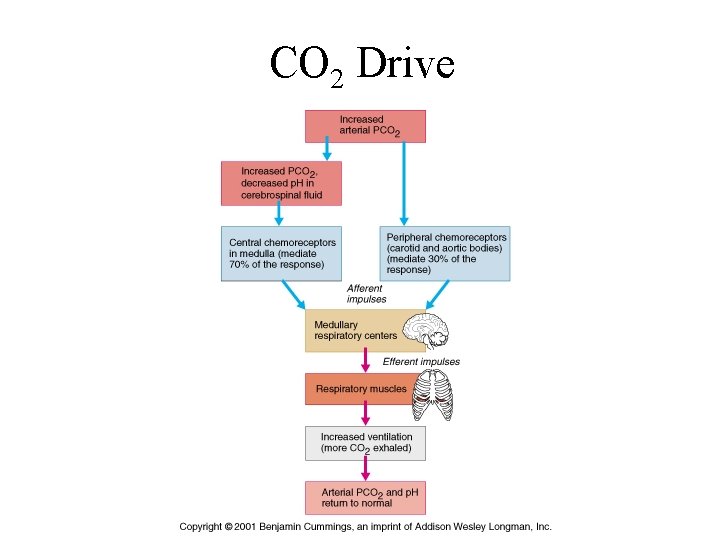
CO 2 Drive
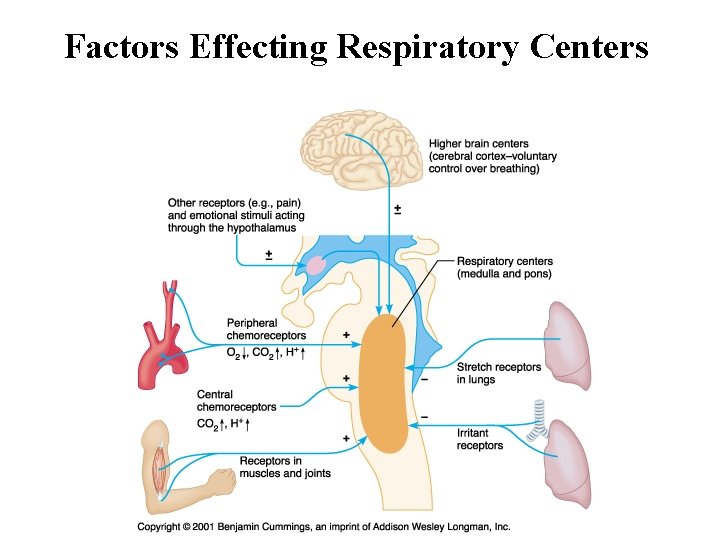
Factors Effecting Respiratory Centers
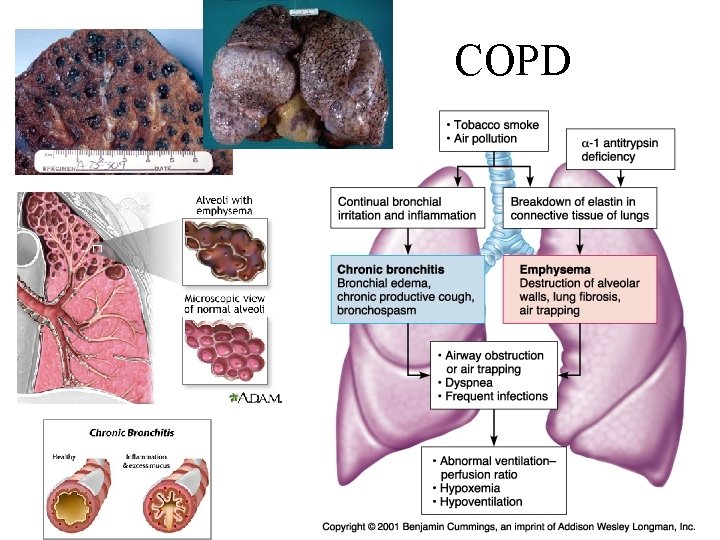
COPD