
Chemistry 101 Chapter 1 Introduction Chemistry and our
- Slides: 9
Chemistry 101 Chapter 1 Introduction
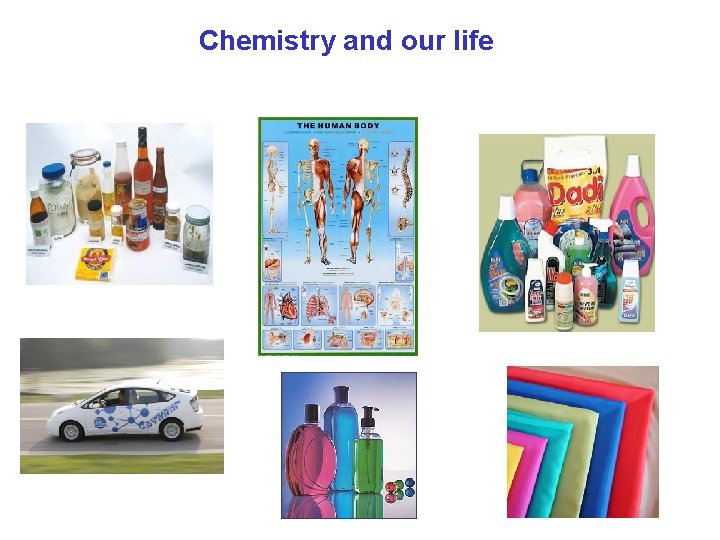
Chemistry and our life
Chemistry: science that deals with materials and their changes. Central Science All sciences are connected to chemistry.
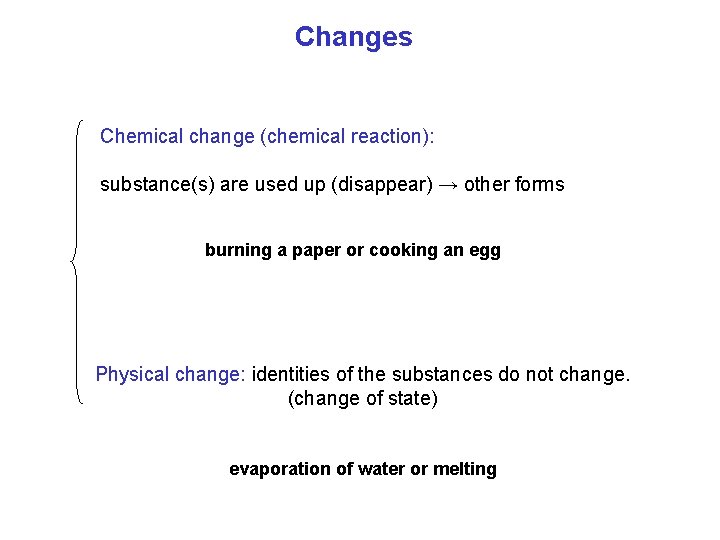
Changes Chemical change (chemical reaction): substance(s) are used up (disappear) → other forms burning a paper or cooking an egg Physical change: identities of the substances do not change. (change of state) evaporation of water or melting
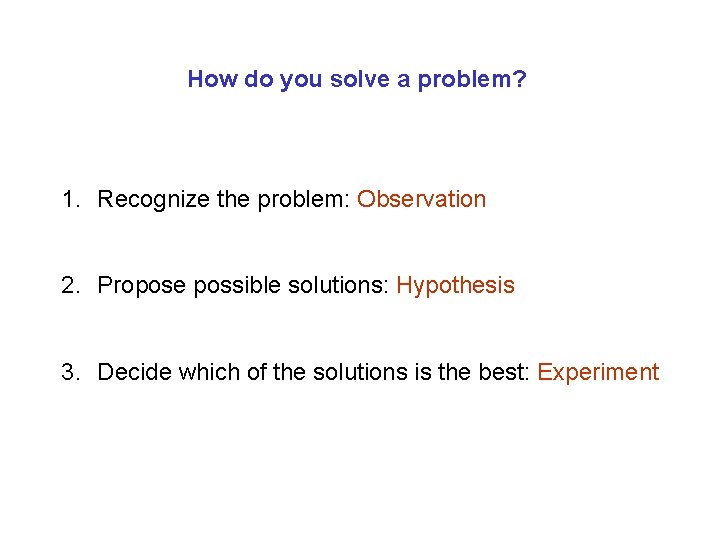
How do you solve a problem? 1. Recognize the problem: Observation 2. Propose possible solutions: Hypothesis 3. Decide which of the solutions is the best: Experiment
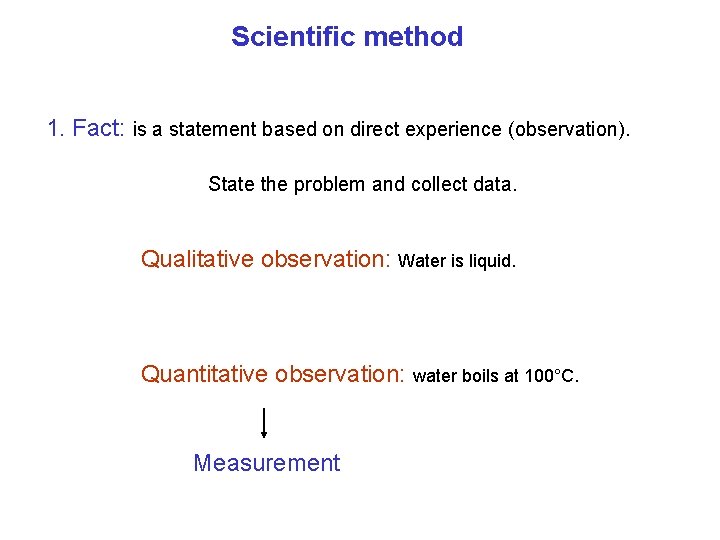
Scientific method 1. Fact: is a statement based on direct experience (observation). State the problem and collect data. Qualitative observation: Water is liquid. Quantitative observation: water boils at 100°C. Measurement
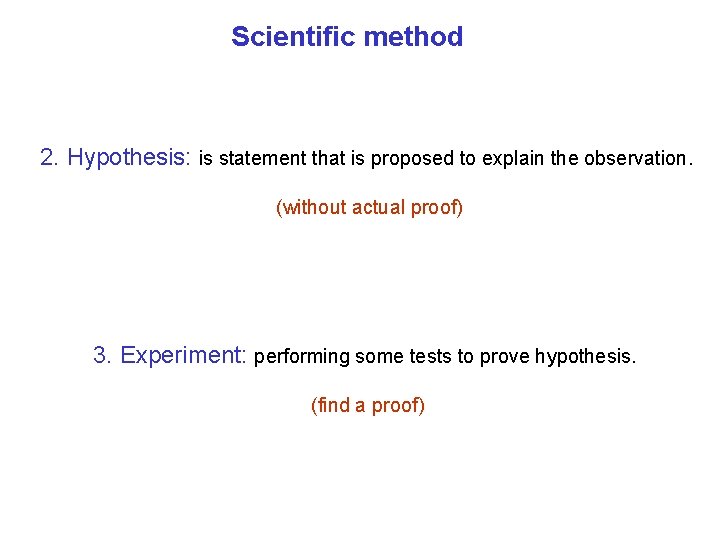
Scientific method 2. Hypothesis: is statement that is proposed to explain the observation. (without actual proof) 3. Experiment: performing some tests to prove hypothesis. (find a proof)
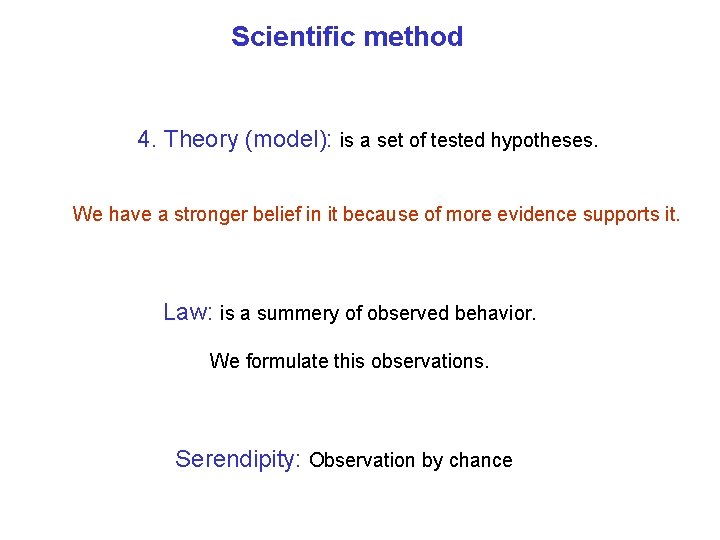
Scientific method 4. Theory (model): is a set of tested hypotheses. We have a stronger belief in it because of more evidence supports it. Law: is a summery of observed behavior. We formulate this observations. Serendipity: Observation by chance
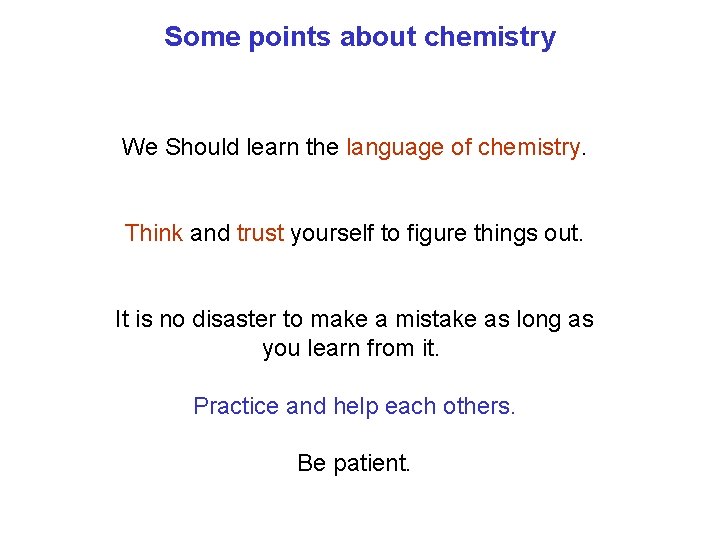
Some points about chemistry We Should learn the language of chemistry. Think and trust yourself to figure things out. It is no disaster to make a mistake as long as you learn from it. Practice and help each others. Be patient.