
Chemistry 1 Chapter 1 Notes Introduction to Chemistry



- Slides: 35
Chemistry 1 Chapter 1 Notes Introduction to Chemistry
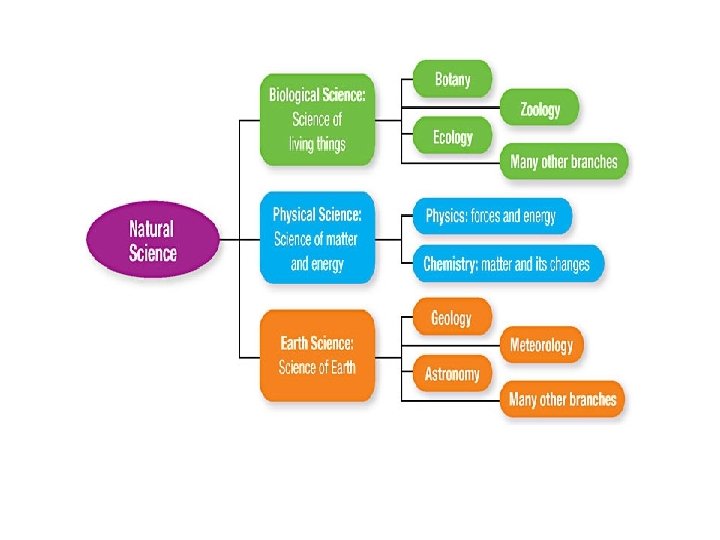
The Branches of Science • Science is observing, studying, and experimenting to find the nature of things • Natural science is divided into • Biological science • Physical science • and Earth science.
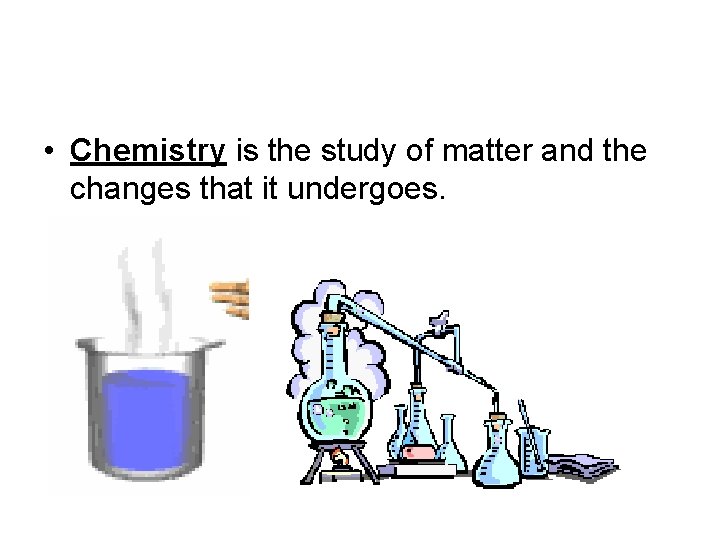
• Chemistry is the study of matter and the changes that it undergoes.
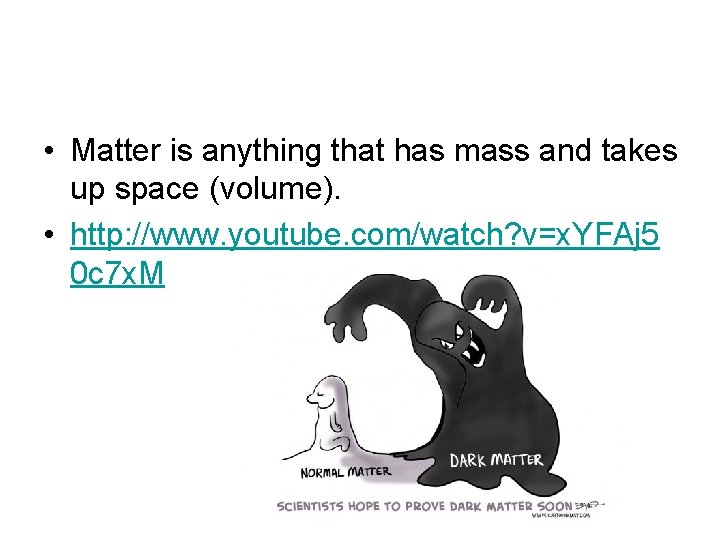
• Matter is anything that has mass and takes up space (volume). • http: //www. youtube. com/watch? v=x. YFAj 5 0 c 7 x. M
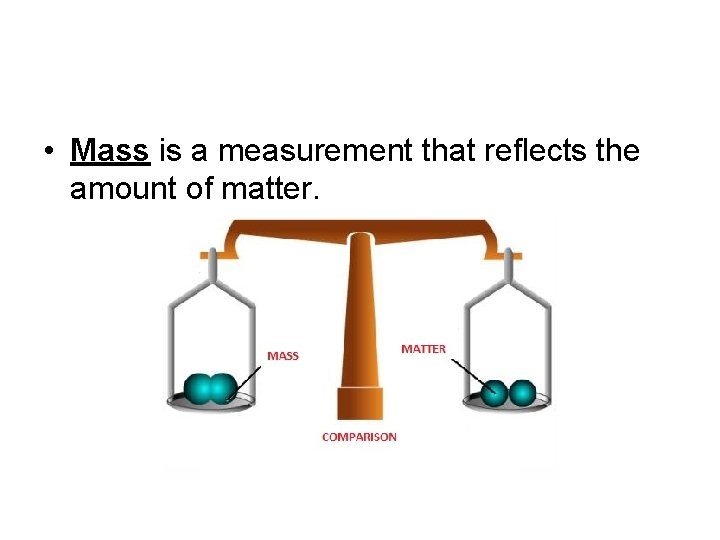
• Mass is a measurement that reflects the amount of matter.
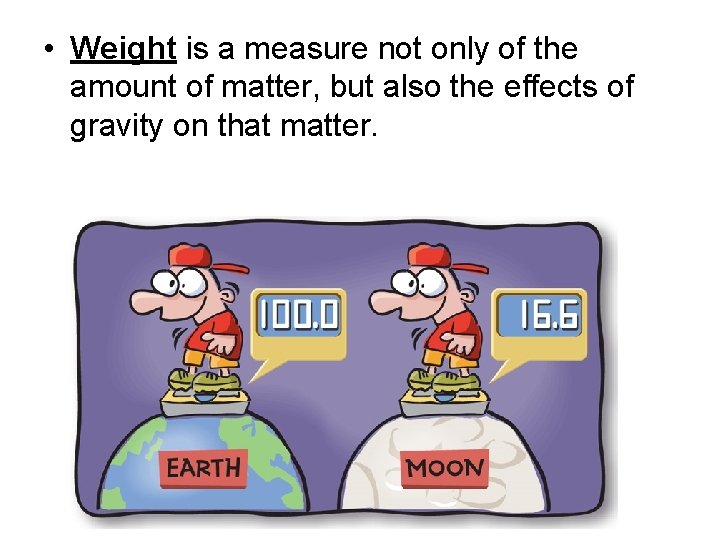
• Weight is a measure not only of the amount of matter, but also the effects of gravity on that matter.
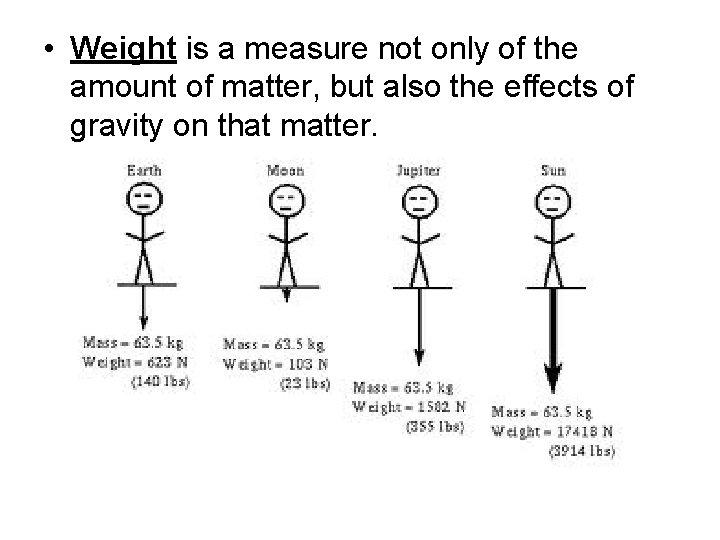
• Weight is a measure not only of the amount of matter, but also the effects of gravity on that matter.
• There are 5 traditional branches of chemistry: organic chemistry, inorganic chemistry, physical chemistry, analytical chemistry and biochemistry.
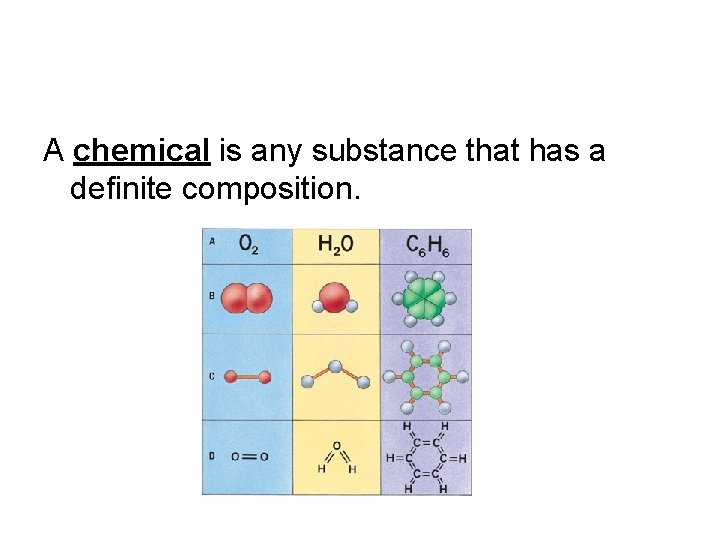
A chemical is any substance that has a definite composition.
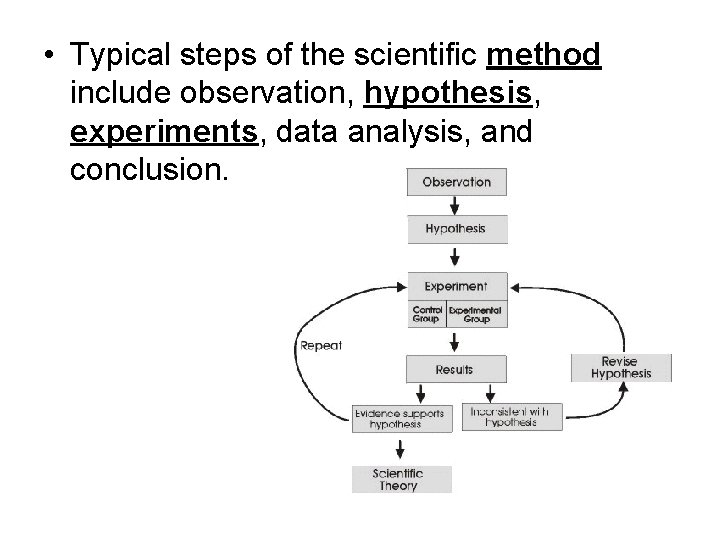
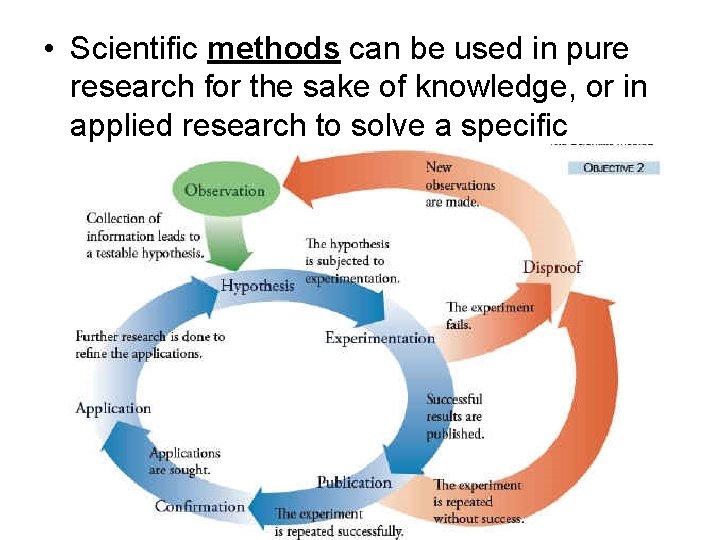
• Typical steps of the scientific method include observation, hypothesis, experiments, data analysis, and conclusion.
• A hypothesis is a testable statement or prediction.
• An experiment is as set of controlled observations that tests the hypothesis.
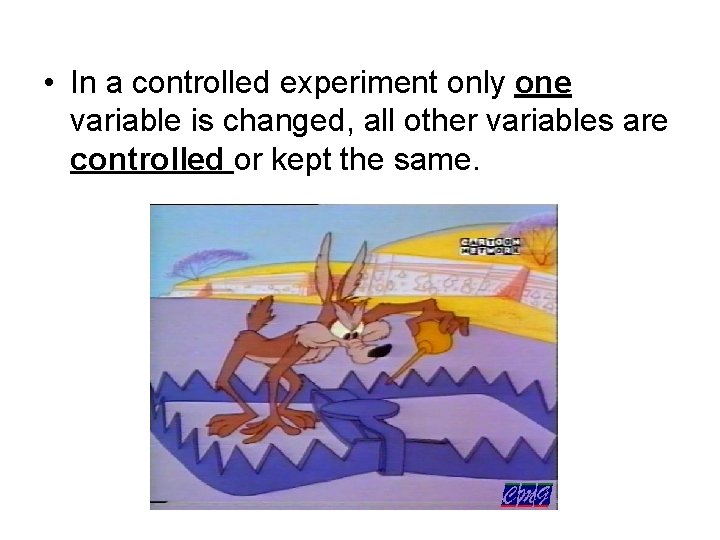
• In a controlled experiment only one variable is changed, all other variables are controlled or kept the same.
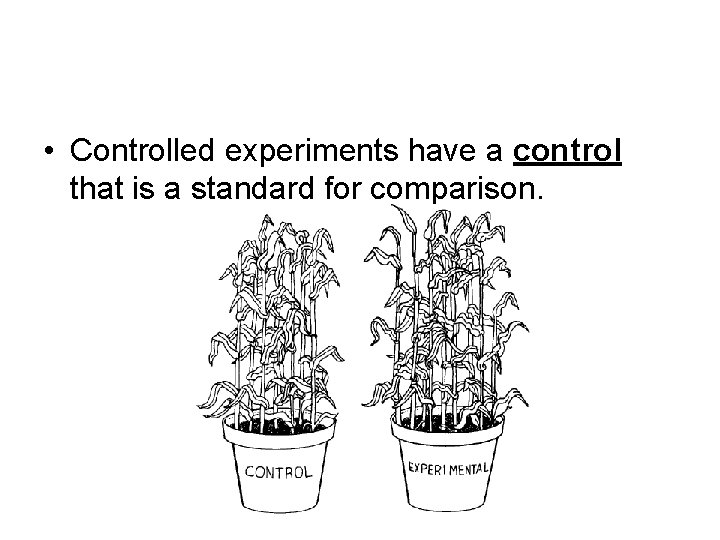
• Controlled experiments have a control that is a standard for comparison.
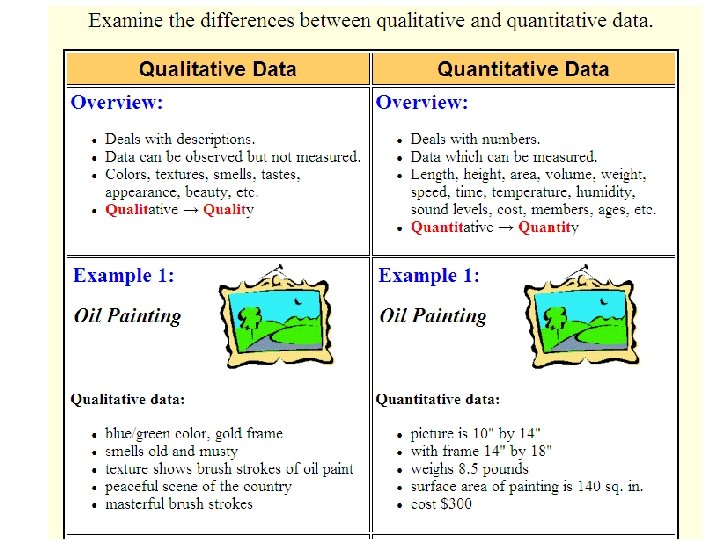
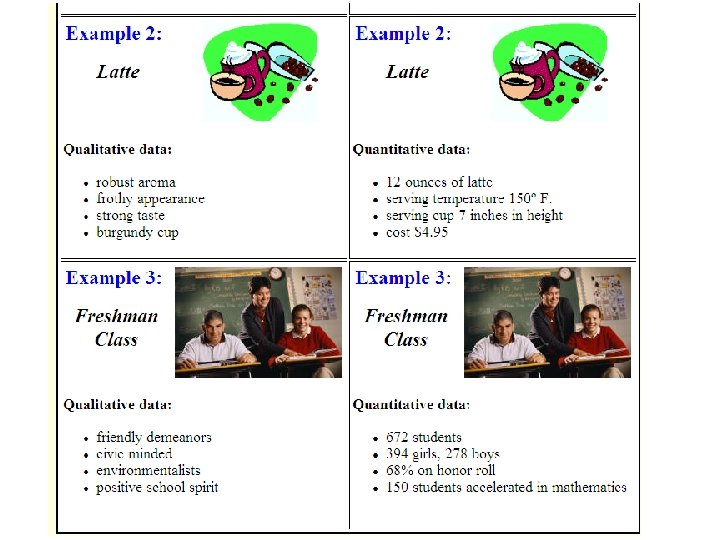
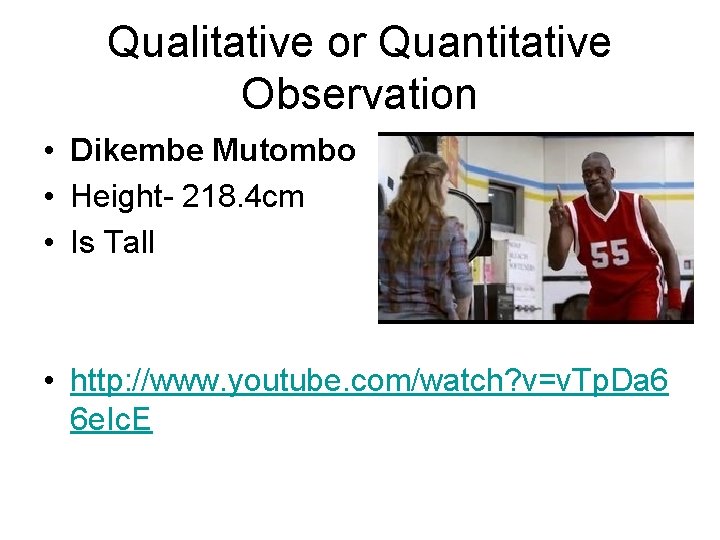
There are two types of data: qualitative data, which deals with descriptions; e. g. data that can be observed but not measured; and quantitative data, which deals with numbers; e. g. data which can be measured or counted.
• http: //www. youtube. com/watch? v=v. Tp. Da 6 6 e. Ic. E
Qualitative or Quantitative Observation • Dikembe Mutombo • Height- 218. 4 cm • Is Tall • http: //www. youtube. com/watch? v=v. Tp. Da 6 6 e. Ic. E
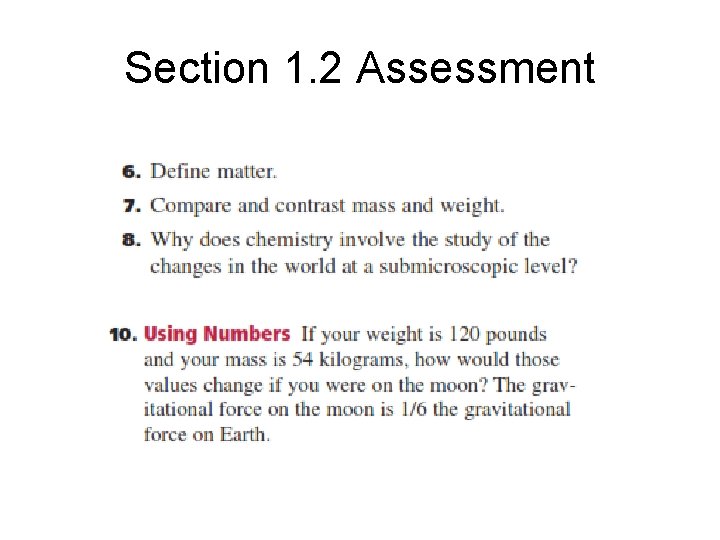
Section 1. 2 Assessment
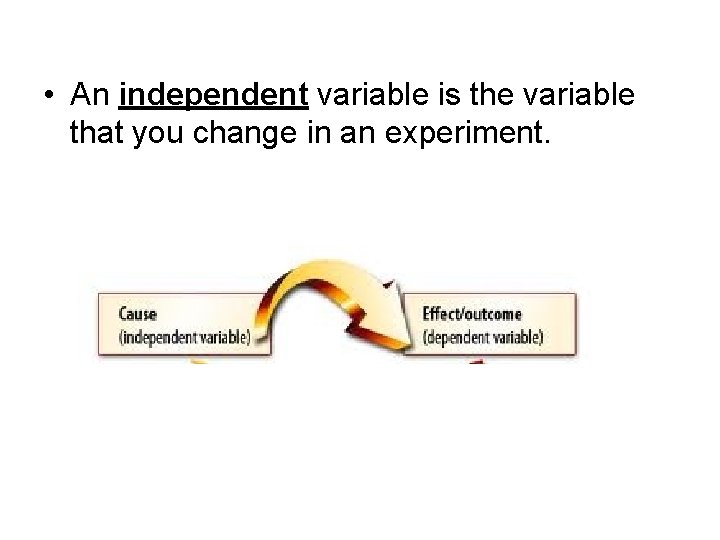
• An independent variable is the variable that you change in an experiment.
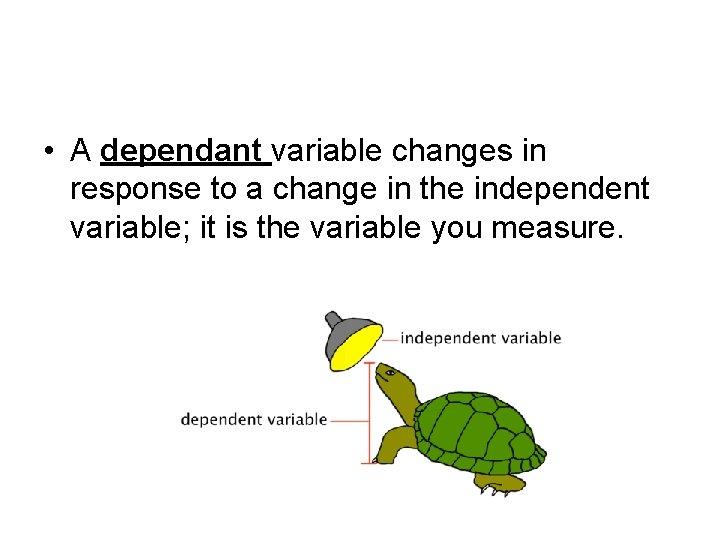
• A dependant variable changes in response to a change in the independent variable; it is the variable you measure.
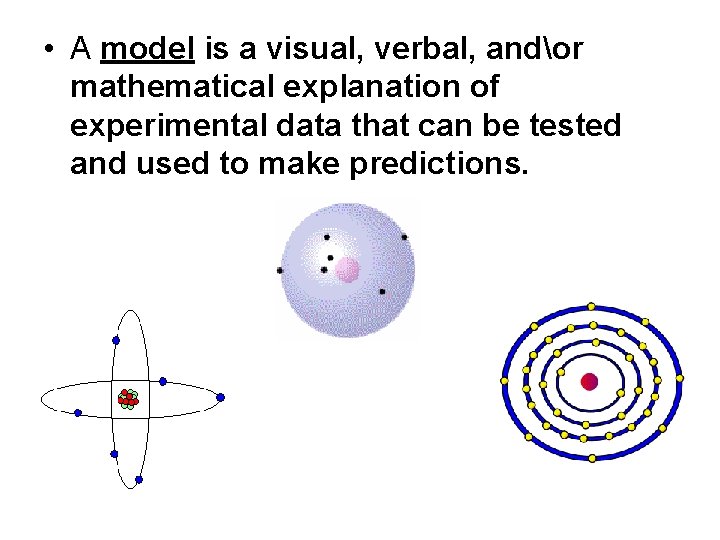
• A model is a visual, verbal, andor mathematical explanation of experimental data that can be tested and used to make predictions.
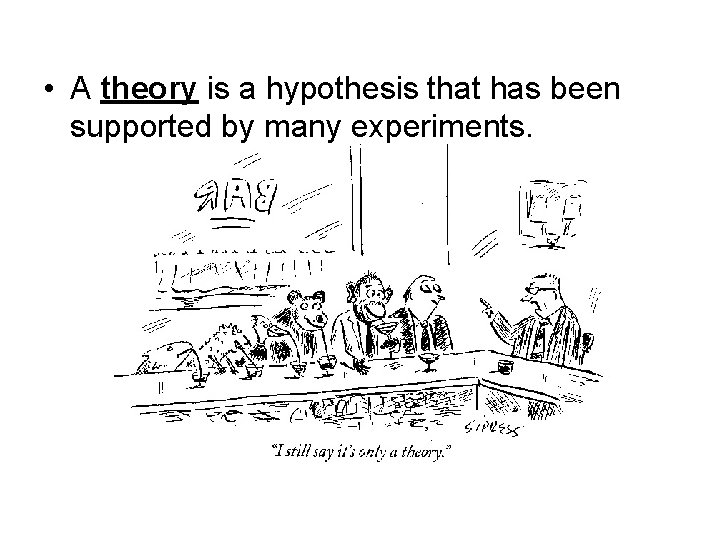
• A theory is a hypothesis that has been supported by many experiments.
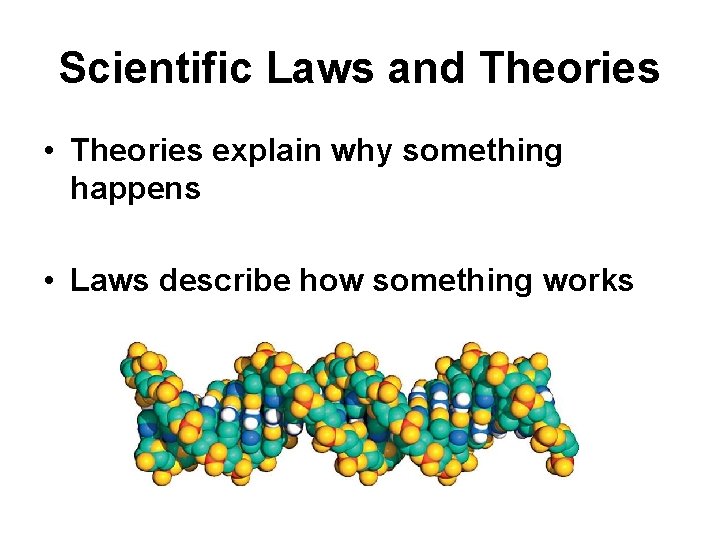
Scientific Laws and Theories • Theories explain why something happens • Laws describe how something works
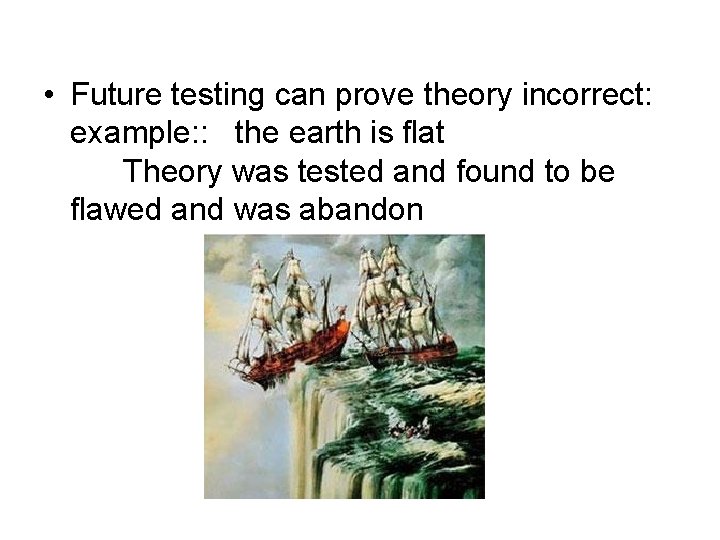
• Future testing can prove theory incorrect: example: : the earth is flat Theory was tested and found to be flawed and was abandon
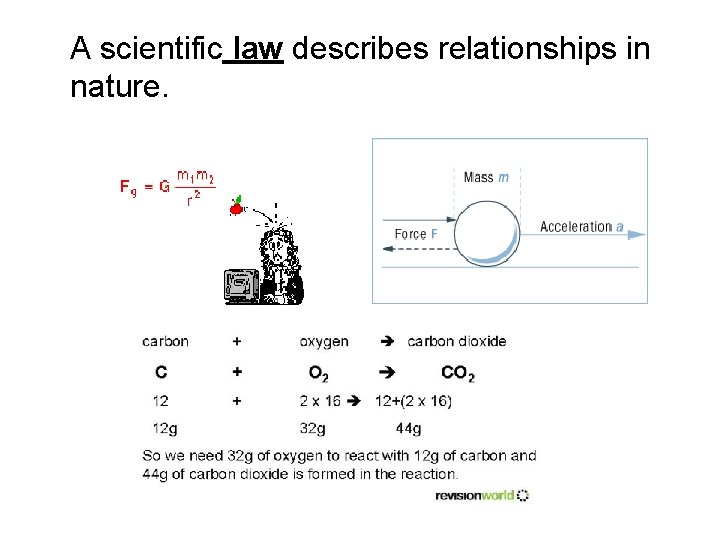
A scientific law describes relationships in nature.
• Scientific methods can be used in pure research for the sake of knowledge, or in applied research to solve a specific problem.
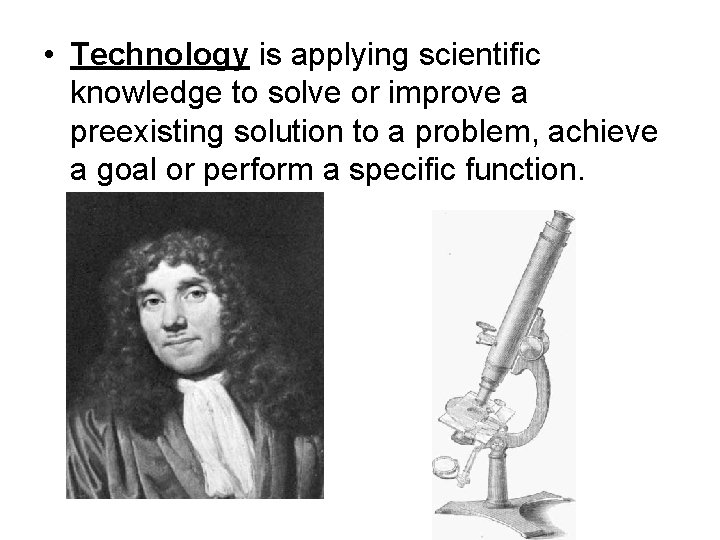
• Technology is applying scientific knowledge to solve or improve a preexisting solution to a problem, achieve a goal or perform a specific function.
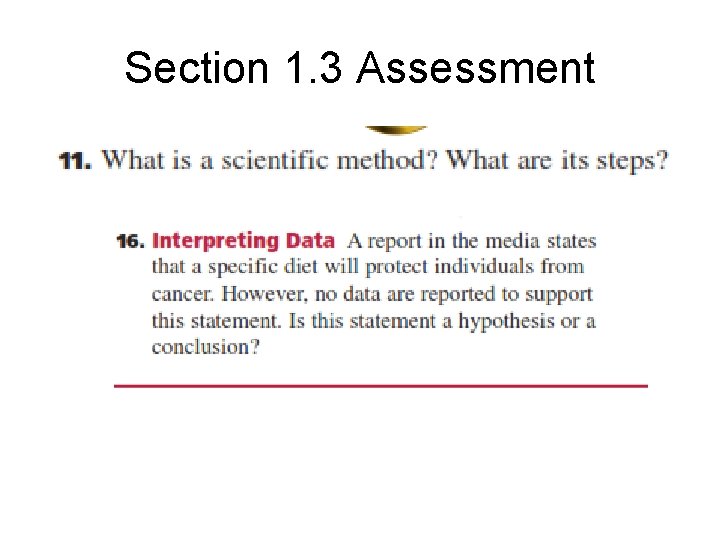
Section 1. 3 Assessment
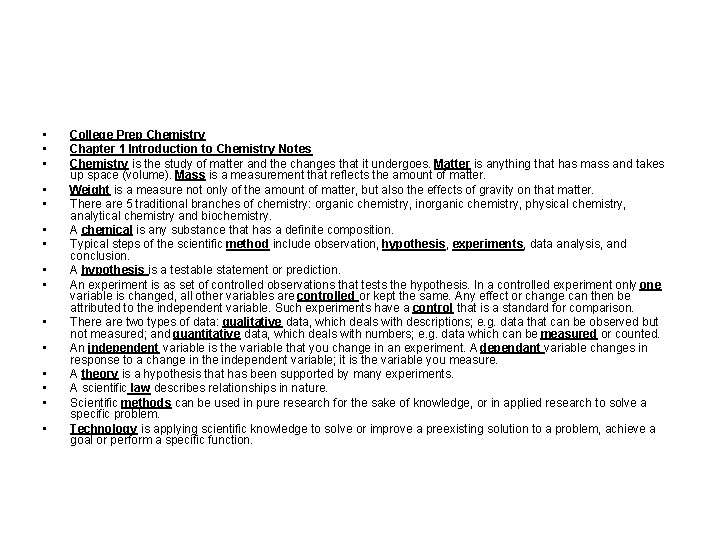
• • • • College Prep Chemistry Chapter 1 Introduction to Chemistry Notes Chemistry is the study of matter and the changes that it undergoes. Matter is anything that has mass and takes up space (volume). Mass is a measurement that reflects the amount of matter. Weight is a measure not only of the amount of matter, but also the effects of gravity on that matter. There are 5 traditional branches of chemistry: organic chemistry, inorganic chemistry, physical chemistry, analytical chemistry and biochemistry. A chemical is any substance that has a definite composition. Typical steps of the scientific method include observation, hypothesis, experiments, data analysis, and conclusion. A hypothesis is a testable statement or prediction. An experiment is as set of controlled observations that tests the hypothesis. In a controlled experiment only one variable is changed, all other variables are controlled or kept the same. Any effect or change can then be attributed to the independent variable. Such experiments have a control that is a standard for comparison. There are two types of data: qualitative data, which deals with descriptions; e. g. data that can be observed but not measured; and quantitative data, which deals with numbers; e. g. data which can be measured or counted. An independent variable is the variable that you change in an experiment. A dependant variable changes in response to a change in the independent variable; it is the variable you measure. A theory is a hypothesis that has been supported by many experiments. A scientific law describes relationships in nature. Scientific methods can be used in pure research for the sake of knowledge, or in applied research to solve a specific problem. Technology is applying scientific knowledge to solve or improve a preexisting solution to a problem, achieve a goal or perform a specific function.
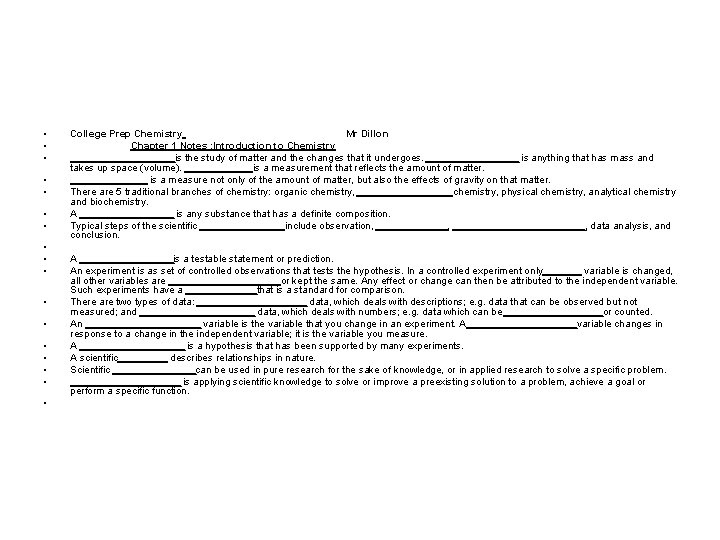
• • • • • College Prep Chemistry Mr Dillon Chapter 1 Notes : Introduction to Chemistry __________is the study of matter and the changes that it undergoes. _________ is anything that has mass and takes up space (volume). ______ is a measurement that reflects the amount of matter. _______ is a measure not only of the amount of matter, but also the effects of gravity on that matter. There are 5 traditional branches of chemistry: organic chemistry, _________ chemistry, physical chemistry, analytical chemistry and biochemistry. A _________ is any substance that has a definite composition. Typical steps of the scientific ________ include observation, ___________________, data analysis, and conclusion. A _________is a testable statement or prediction. An experiment is as set of controlled observations that tests the hypothesis. In a controlled experiment only_______ variable is changed, all other variables are __________ or kept the same. Any effect or change can then be attributed to the independent variable. Such experiments have a _______that is a standard for comparison. There are two types of data: __________ data, which deals with descriptions; e. g. data that can be observed but not measured; and ___________ data, which deals with numbers; e. g. data which can be _________or counted. An ___________ variable is the variable that you change in an experiment. A __________variable changes in response to a change in the independent variable; it is the variable you measure. A __________ is a hypothesis that has been supported by many experiments. A scientific_____ describes relationships in nature. Scientific ________can be used in pure research for the sake of knowledge, or in applied research to solve a specific problem. __________ is applying scientific knowledge to solve or improve a preexisting solution to a problem, achieve a goal or perform a specific function.