
Chemical syntheses of nucleobases nucleosides nucleotides a oligonucleotides
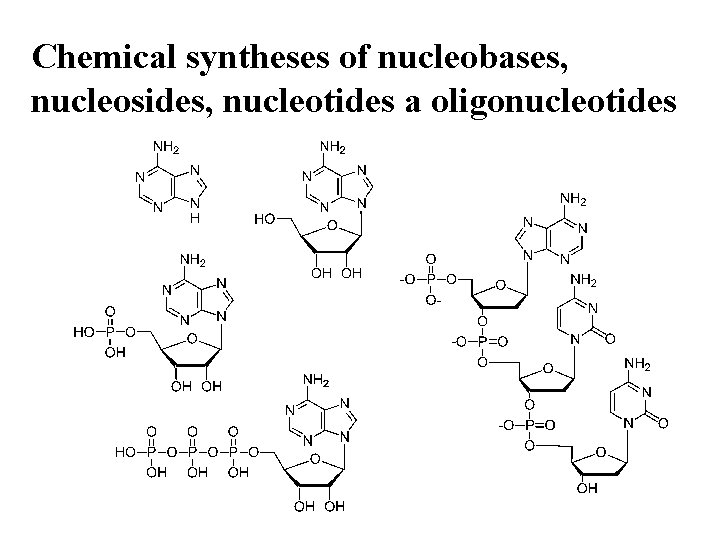
Chemical syntheses of nucleobases, nucleosides, nucleotides a oligonucleotides
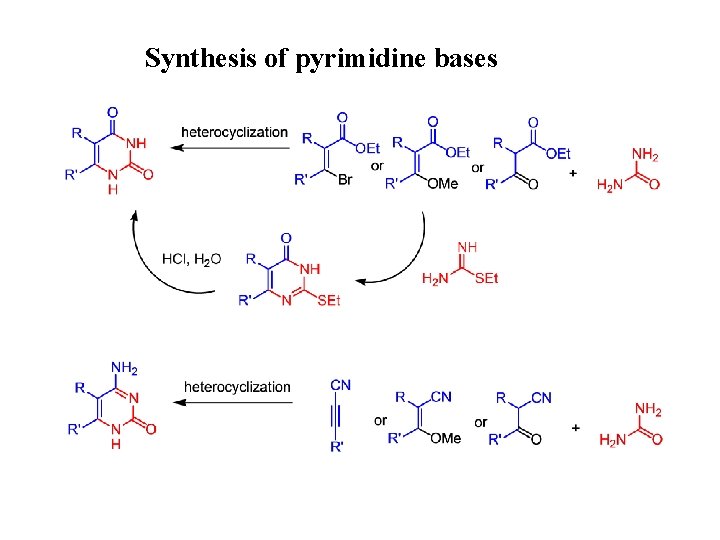
Synthesis of pyrimidine bases
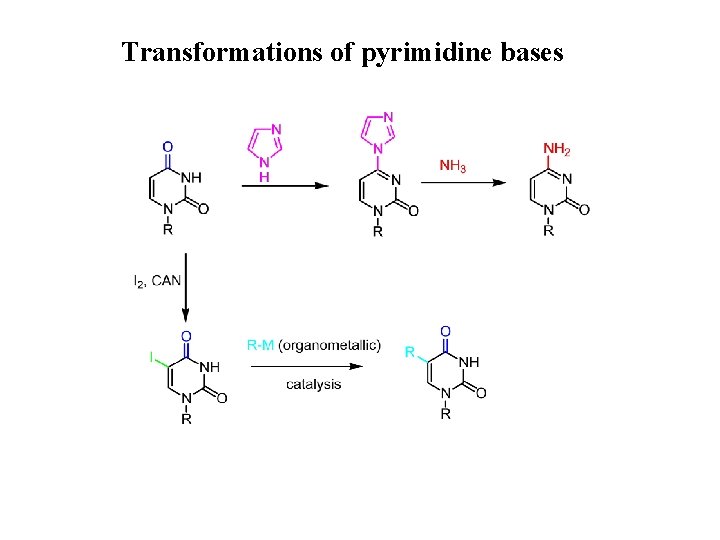
Transformations of pyrimidine bases
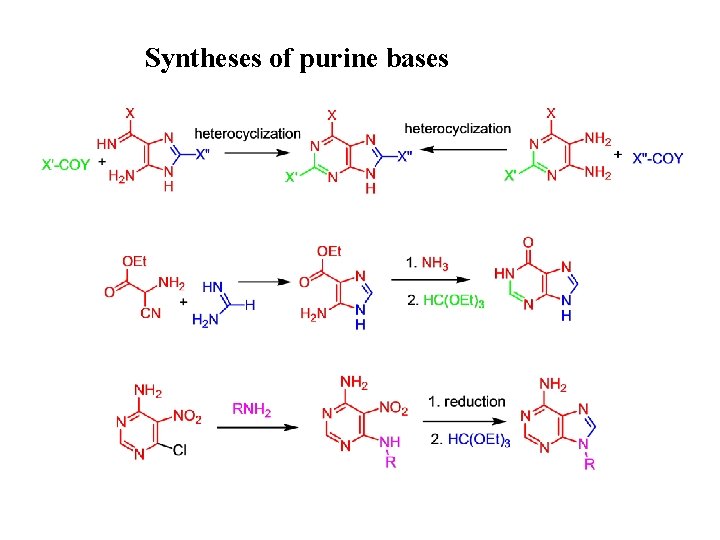
Syntheses of purine bases
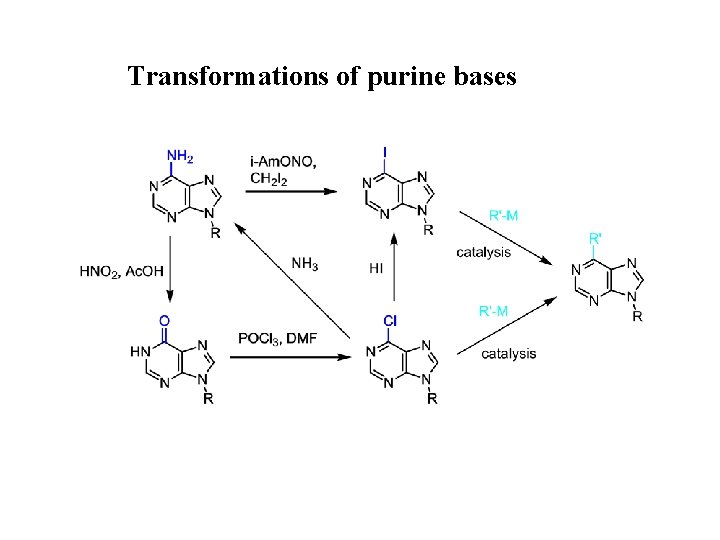
Transformations of purine bases
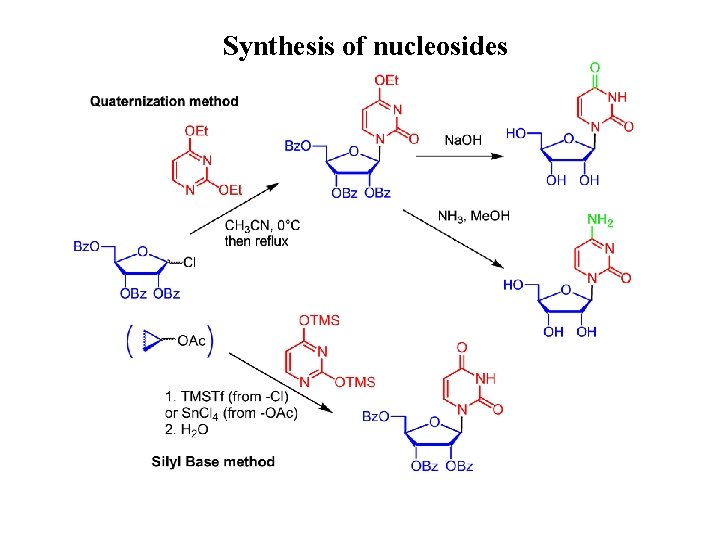
Synthesis of nucleosides
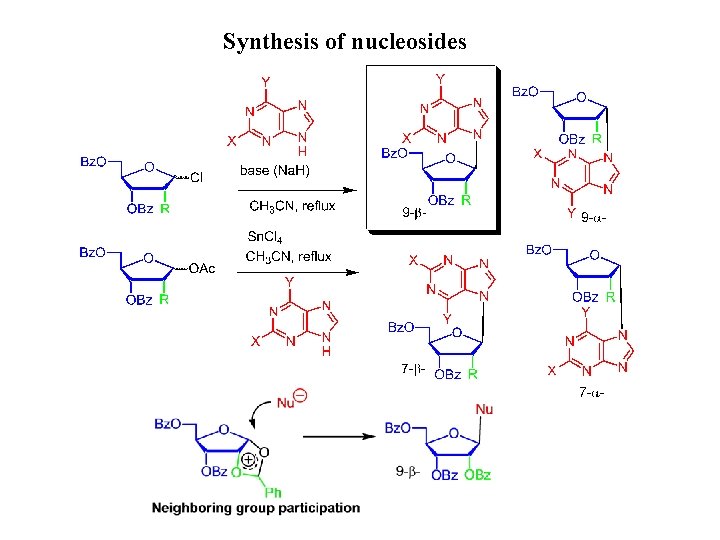
Synthesis of nucleosides
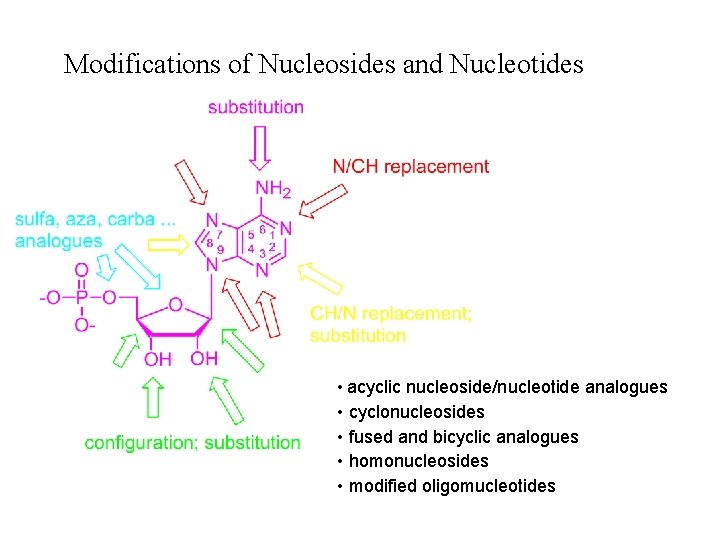
Modifications of Nucleosides and Nucleotides • acyclic nucleoside/nucleotide analogues • cyclonucleosides • fused and bicyclic analogues • homonucleosides • modified oligomucleotides
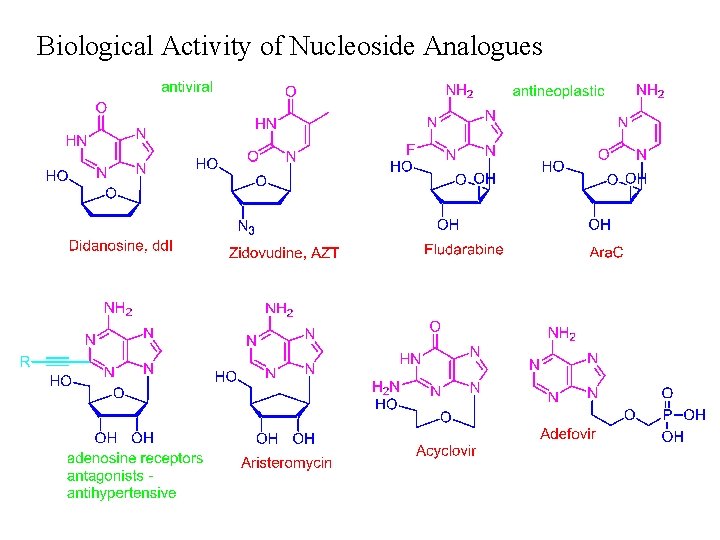
Biological Activity of Nucleoside Analogues
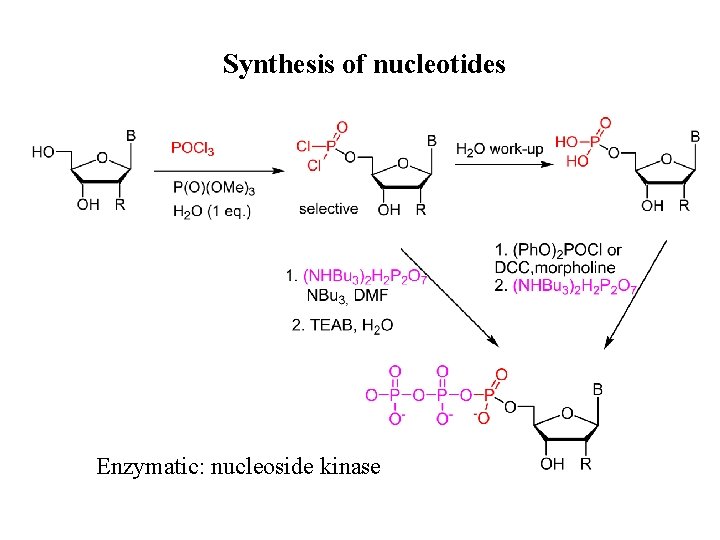
Synthesis of nucleotides Enzymatic: nucleoside kinase
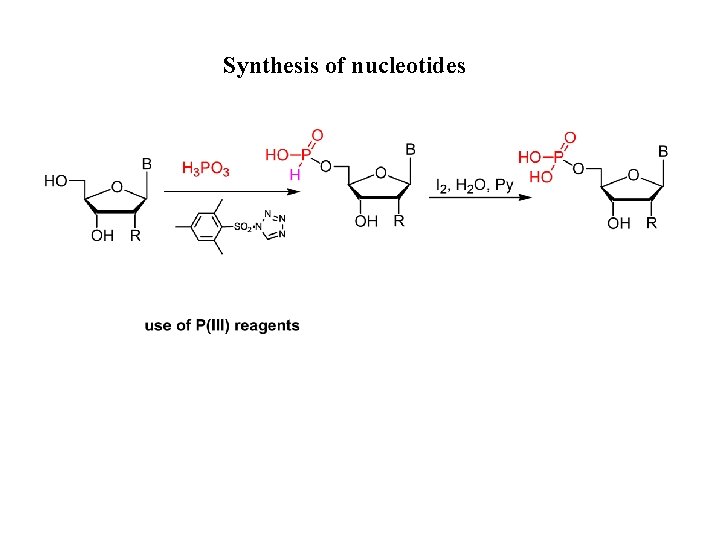
Synthesis of nucleotides
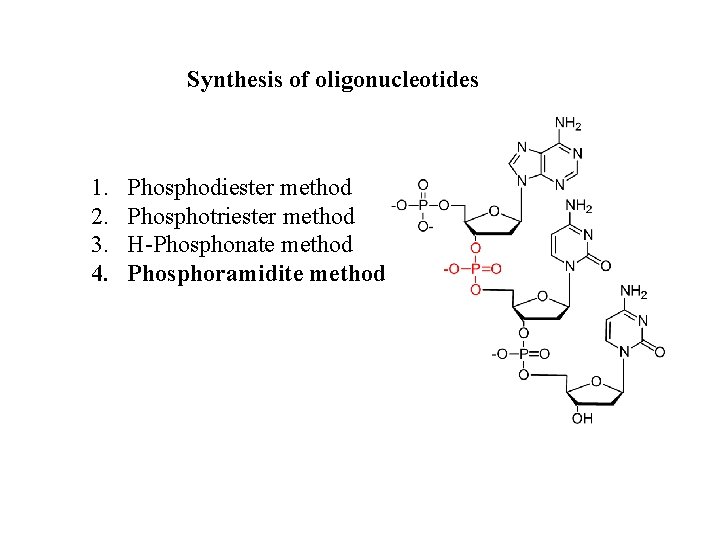
Synthesis of oligonucleotides 1. 2. 3. 4. Phosphodiester method Phosphotriester method H-Phosphonate method Phosphoramidite method
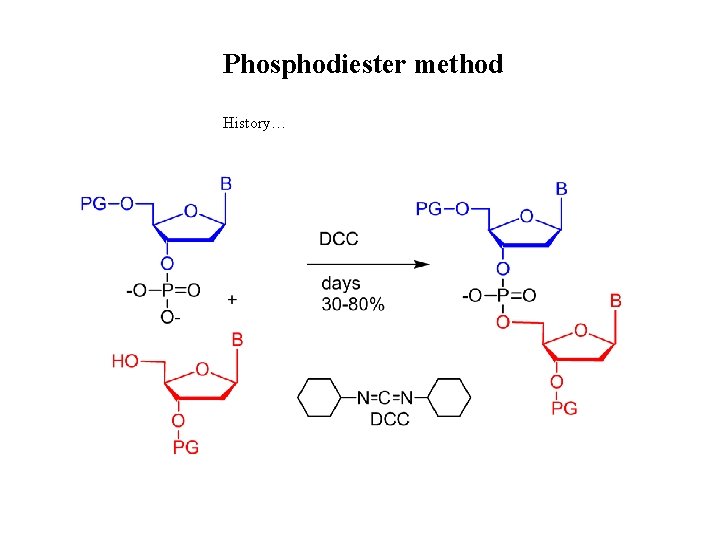
Phosphodiester method History…
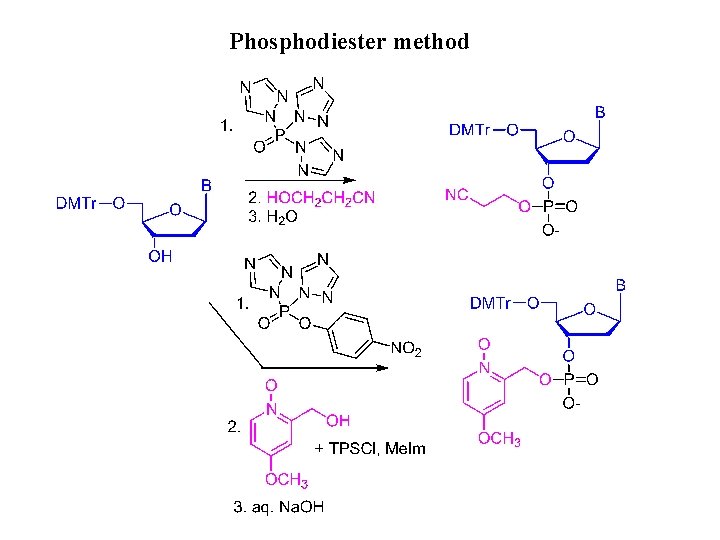
Phosphodiester method
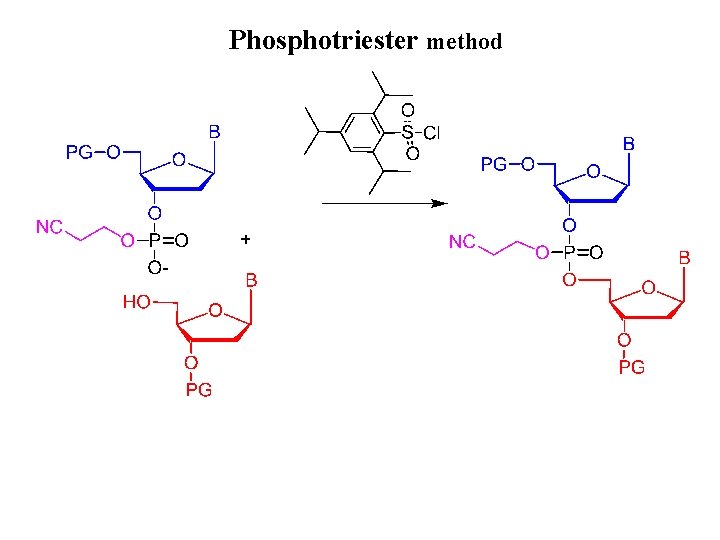
Phosphotriester method
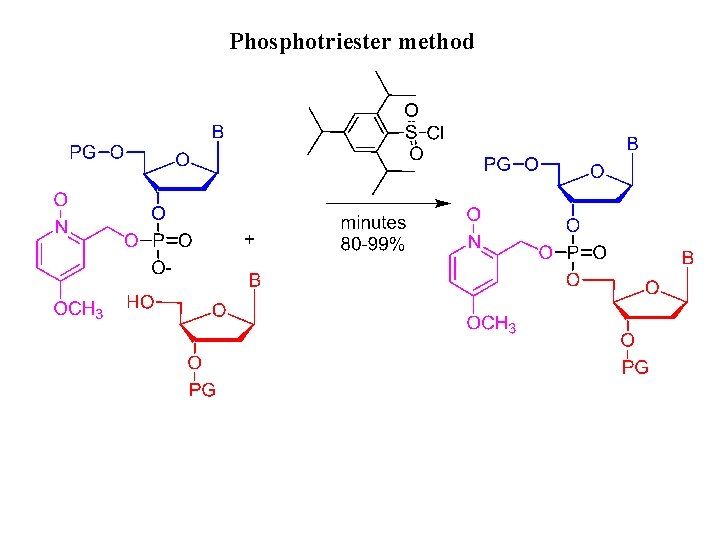
Phosphotriester method
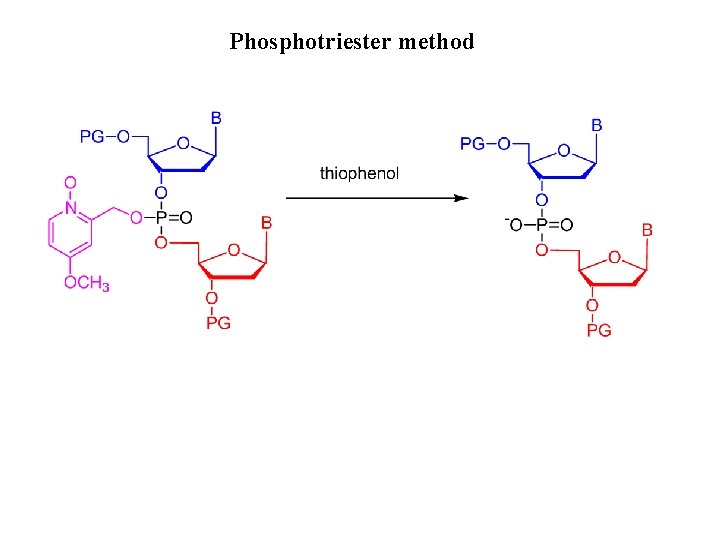
Phosphotriester method
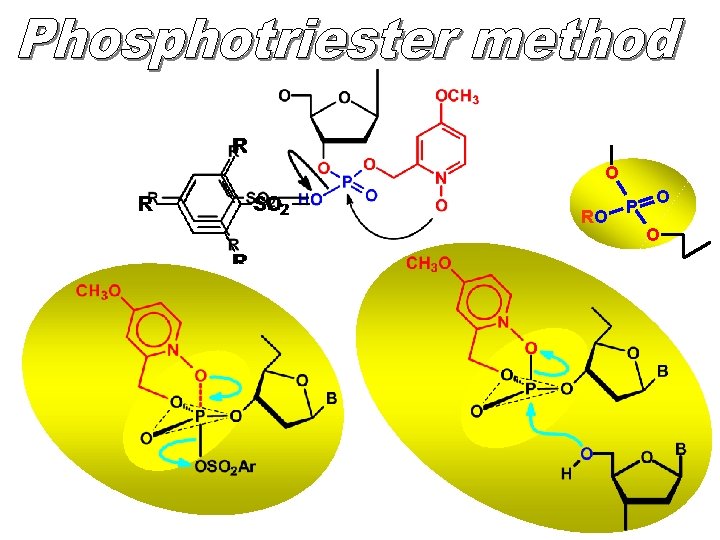
O RO P O O
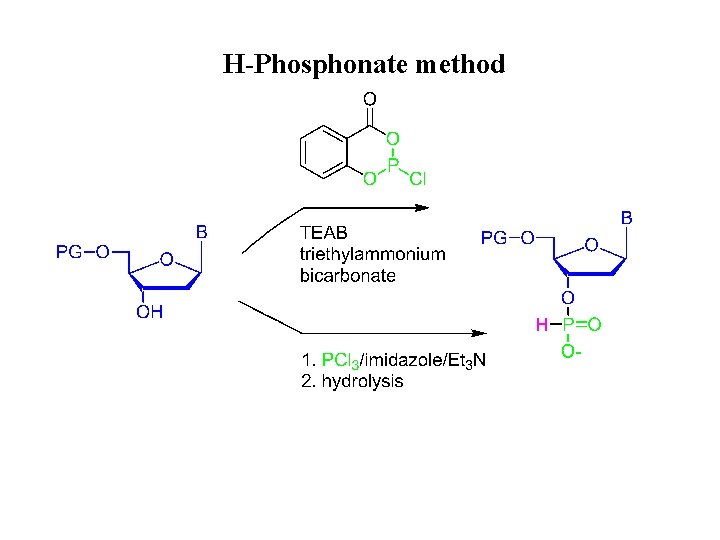
H-Phosphonate method
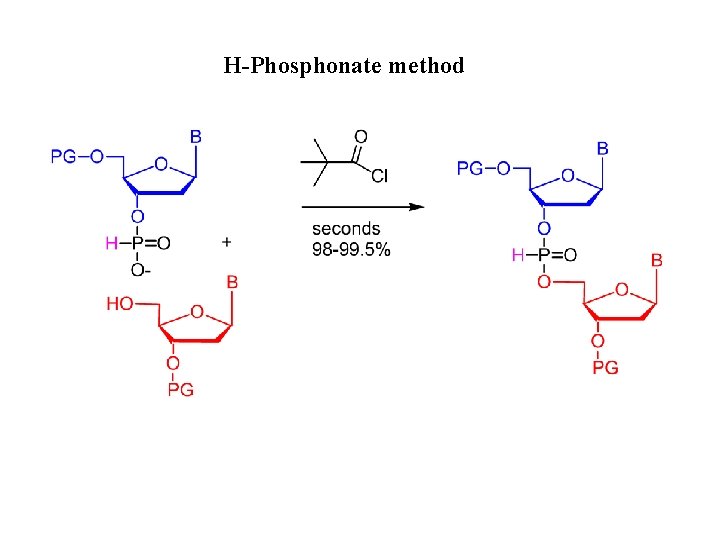
H-Phosphonate method
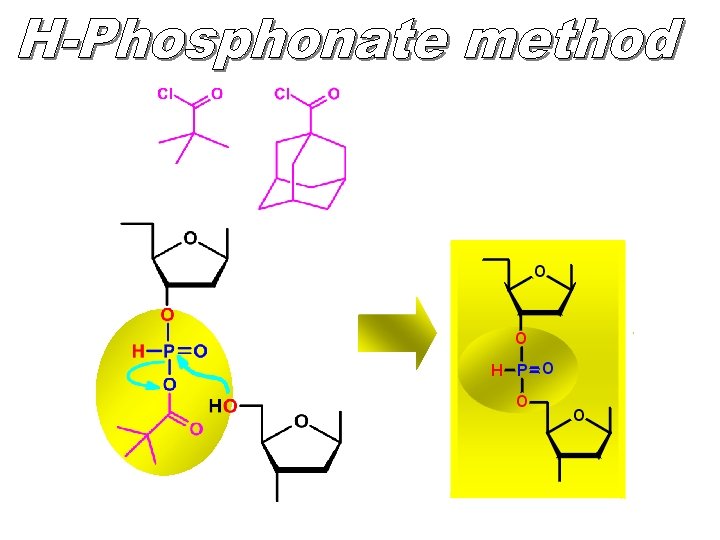
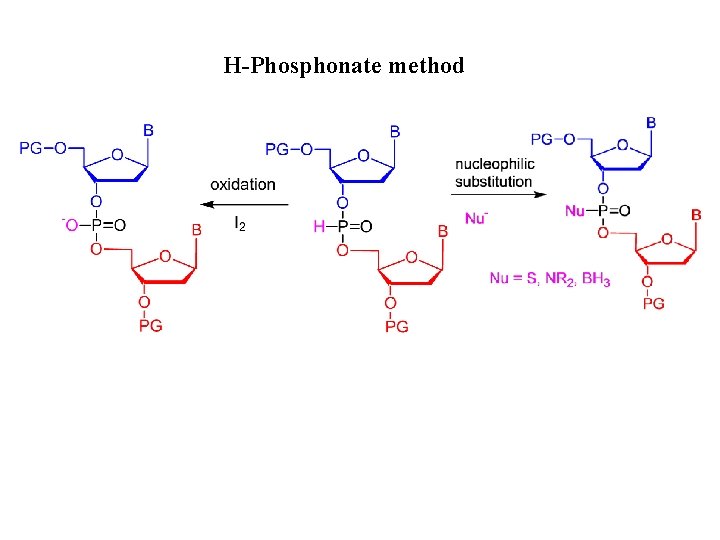
H-Phosphonate method
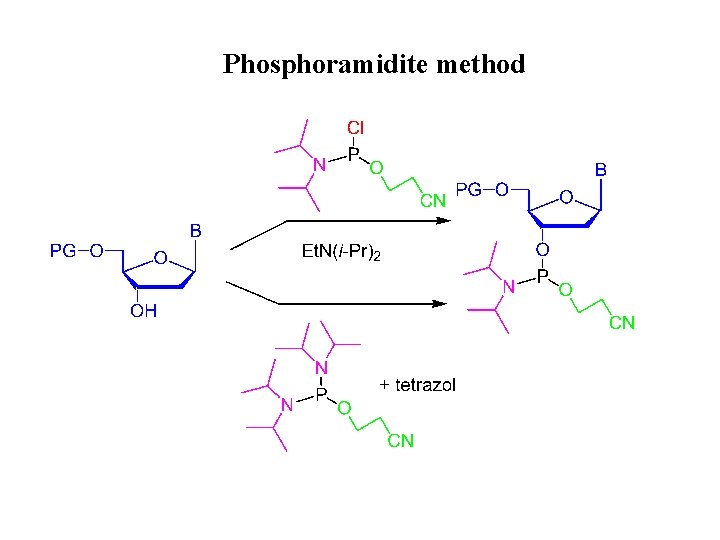
Phosphoramidite method
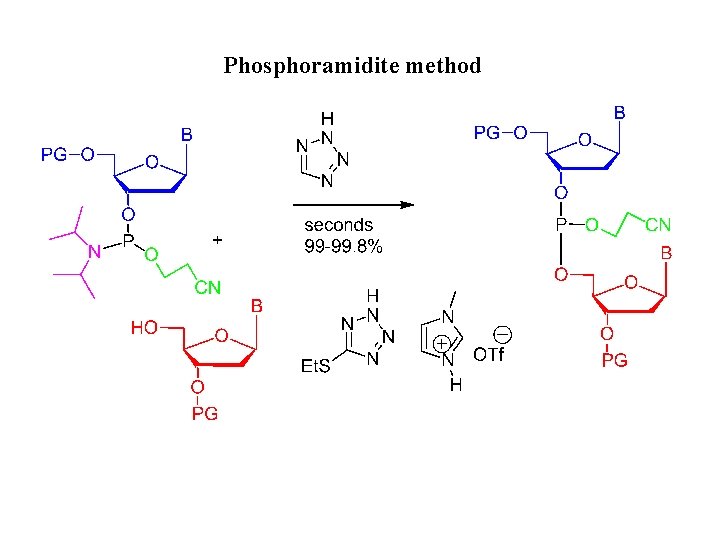
Phosphoramidite method
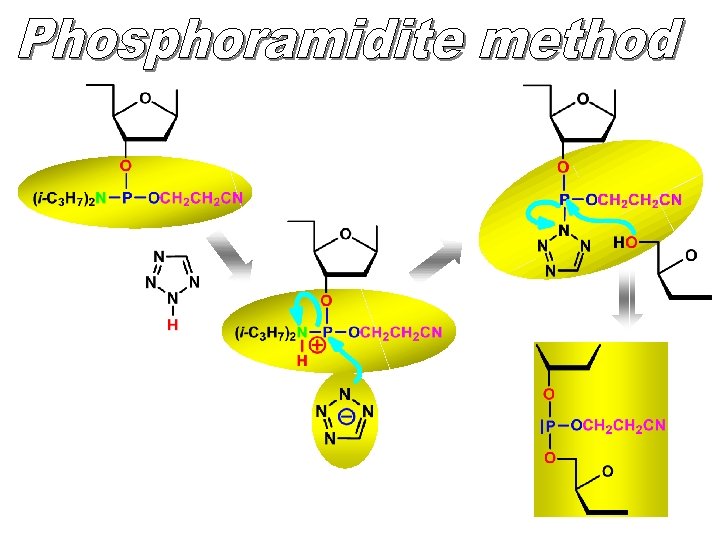
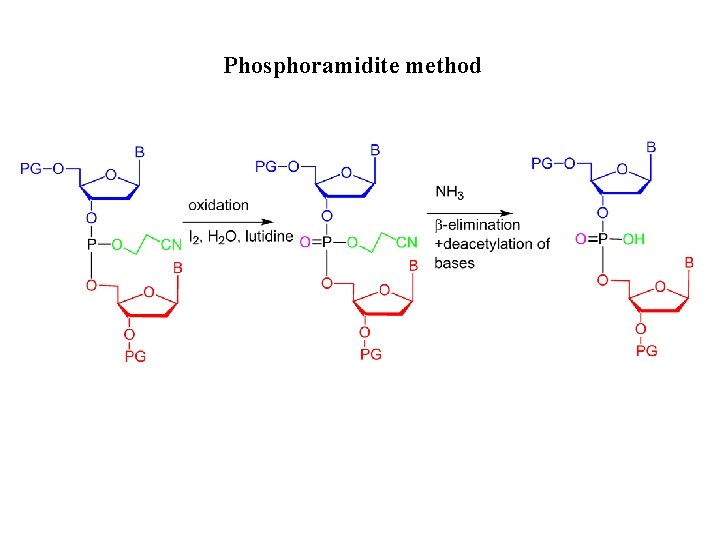
Phosphoramidite method
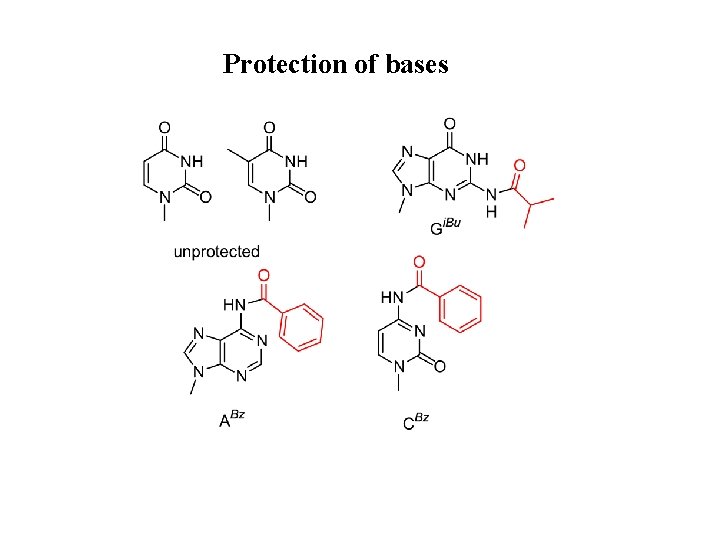
Protection of bases
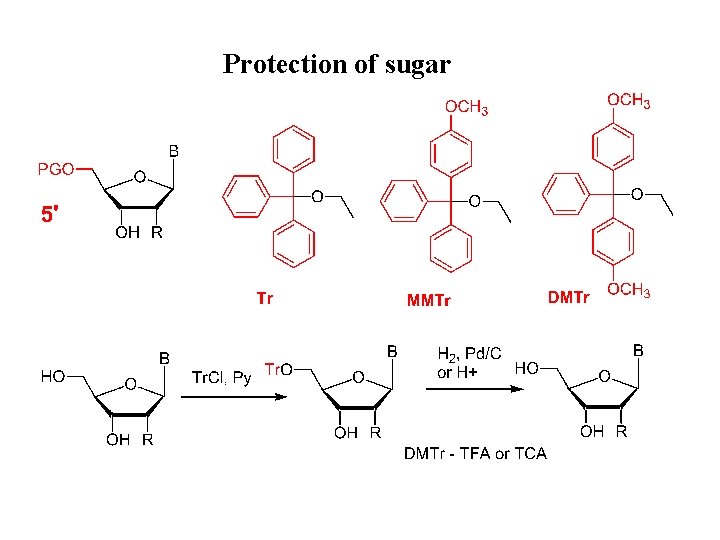
Protection of sugar
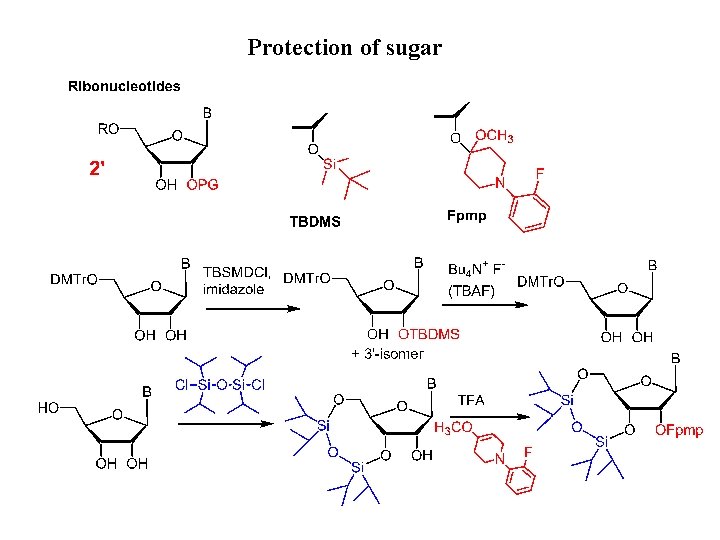
Protection of sugar
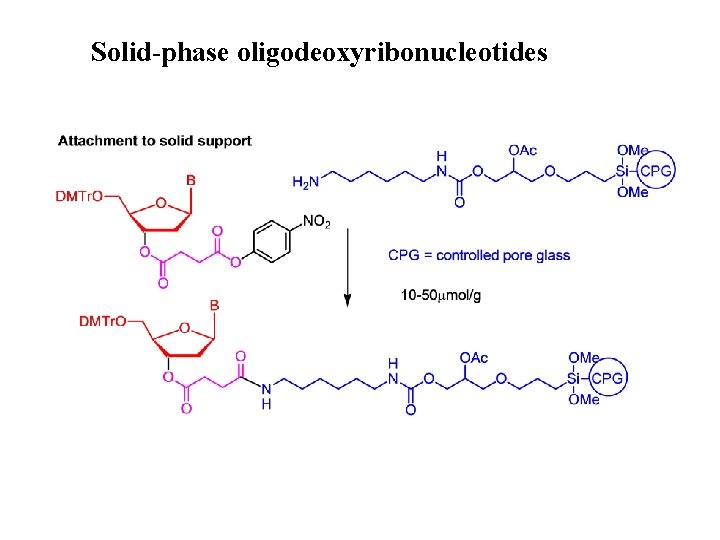
Solid-phase oligodeoxyribonucleotides
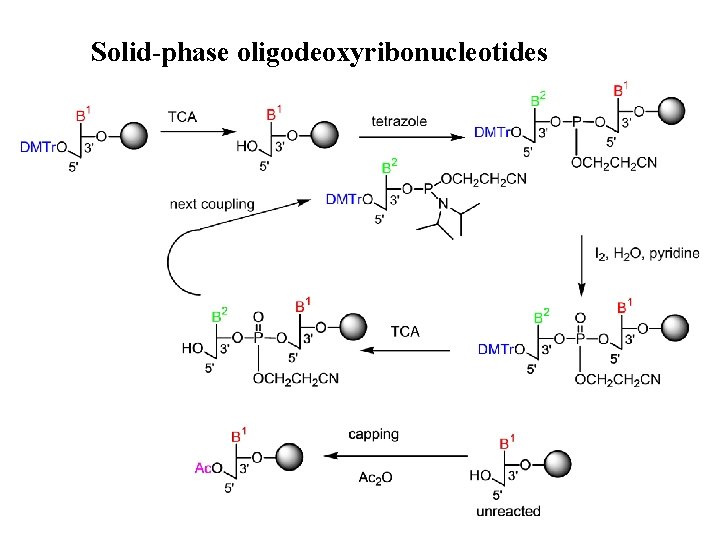
Solid-phase oligodeoxyribonucleotides
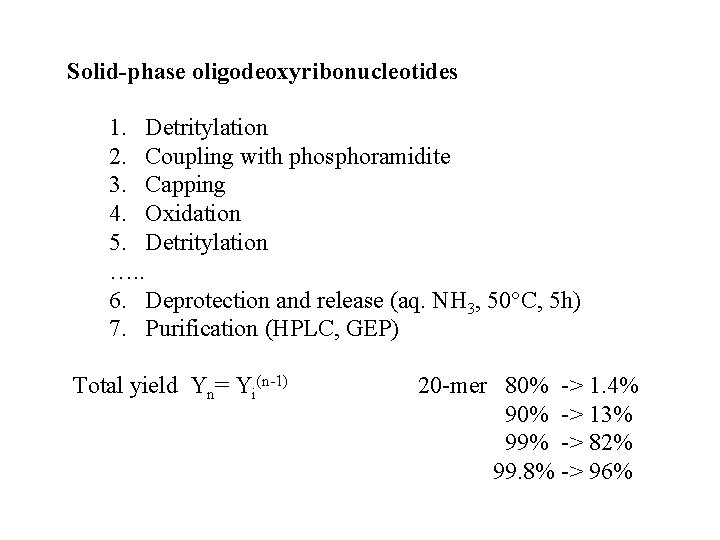
Solid-phase oligodeoxyribonucleotides 1. Detritylation 2. Coupling with phosphoramidite 3. Capping 4. Oxidation 5. Detritylation …. . 6. Deprotection and release (aq. NH 3, 50°C, 5 h) 7. Purification (HPLC, GEP) Total yield Yn= Yi(n-1) 20 -mer 80% -> 1. 4% 90% -> 13% 99% -> 82% 99. 8% -> 96%
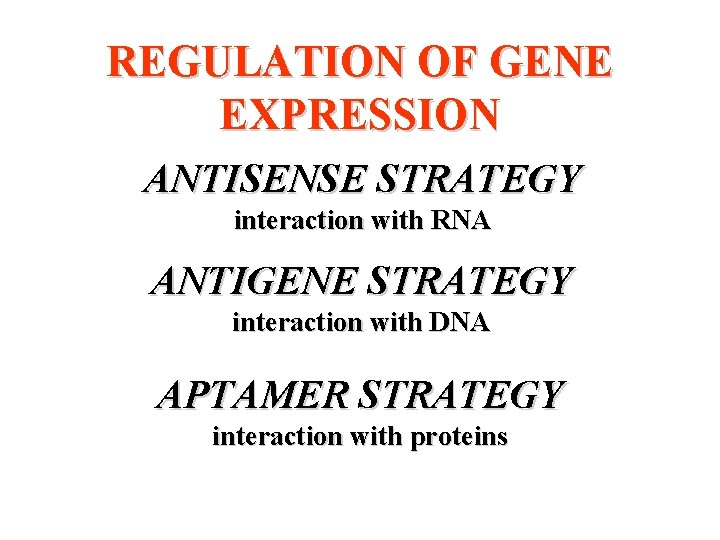
REGULATION OF GENE EXPRESSION ANTISENSE STRATEGY interaction with RNA ANTIGENE STRATEGY interaction with DNA APTAMER STRATEGY interaction with proteins
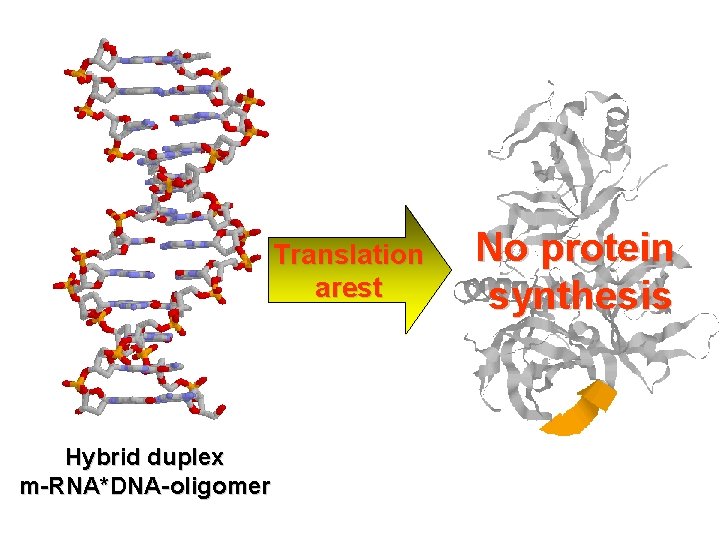
Translation arest Hybrid duplex m-RNA*DNA-oligomer No protein synthesis
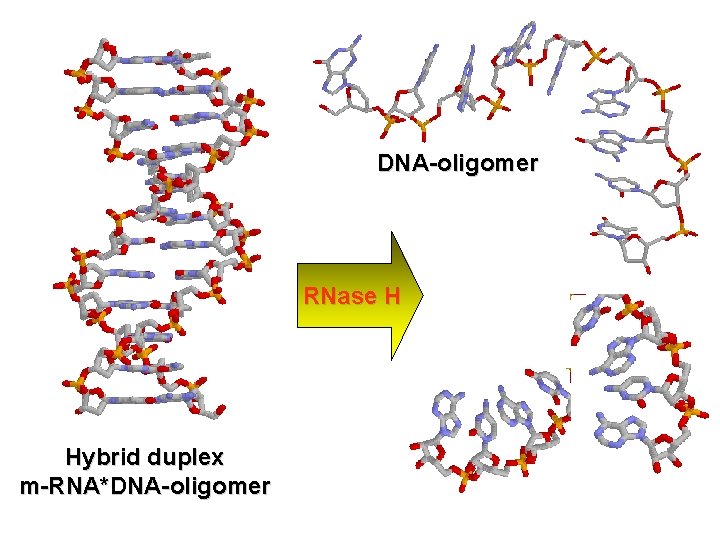
DNA-oligomer RNase H Hybrid duplex m-RNA*DNA-oligomer Products of m-RNA cleavage
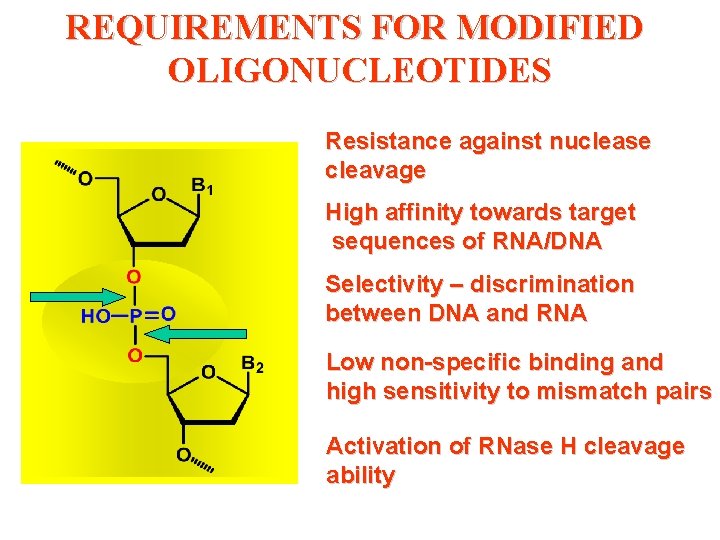
REQUIREMENTS FOR MODIFIED OLIGONUCLEOTIDES Resistance against nuclease cleavage High affinity towards target sequences of RNA/DNA Selectivity – discrimination between DNA and RNA Low non-specific binding and high sensitivity to mismatch pairs Activation of RNase H cleavage ability
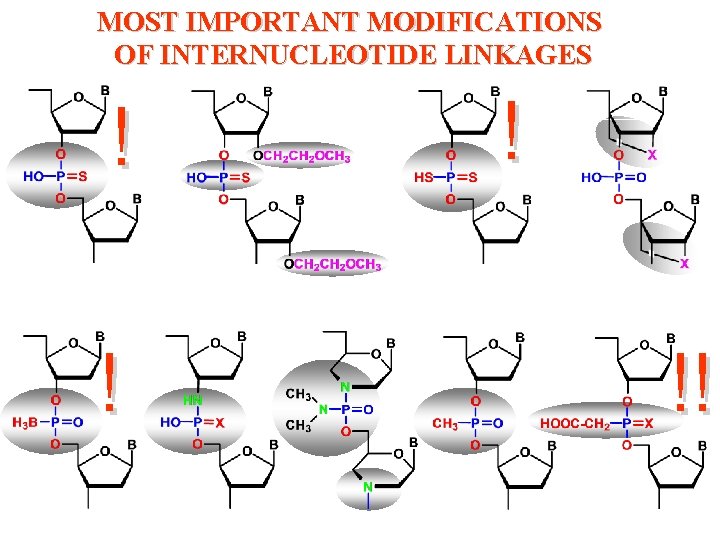
MOST IMPORTANT MODIFICATIONS OF INTERNUCLEOTIDE LINKAGES ! !!
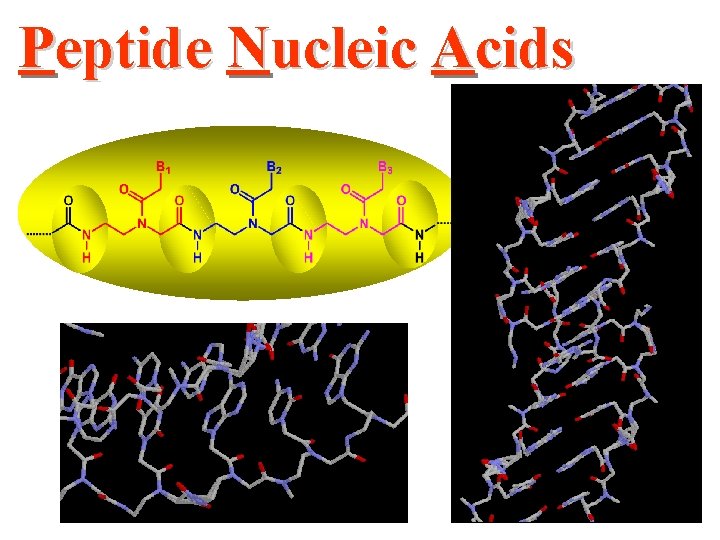
Peptide Nucleic Acids
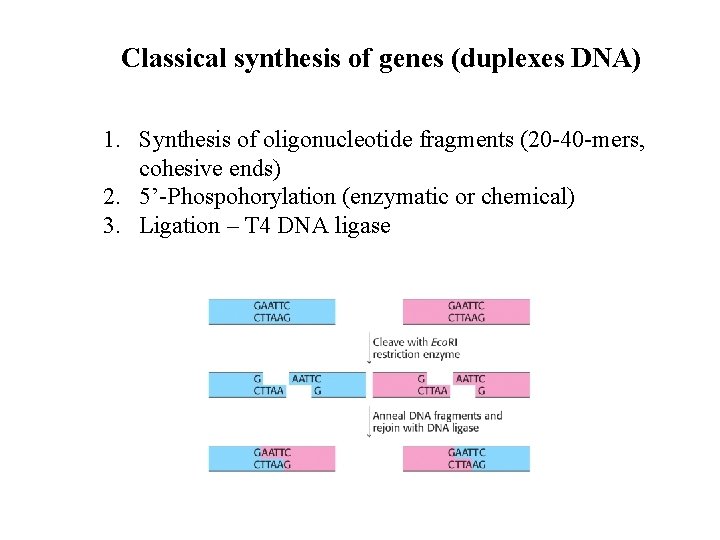
Classical synthesis of genes (duplexes DNA) 1. Synthesis of oligonucleotide fragments (20 -40 -mers, cohesive ends) 2. 5’-Phospohorylation (enzymatic or chemical) 3. Ligation – T 4 DNA ligase
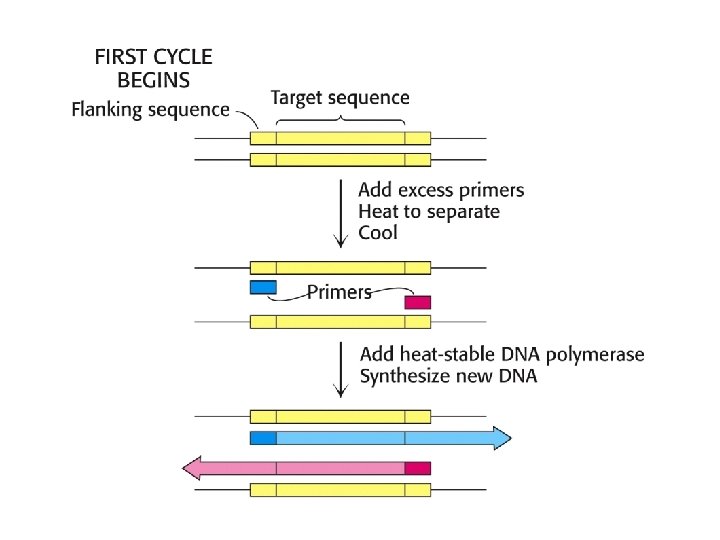
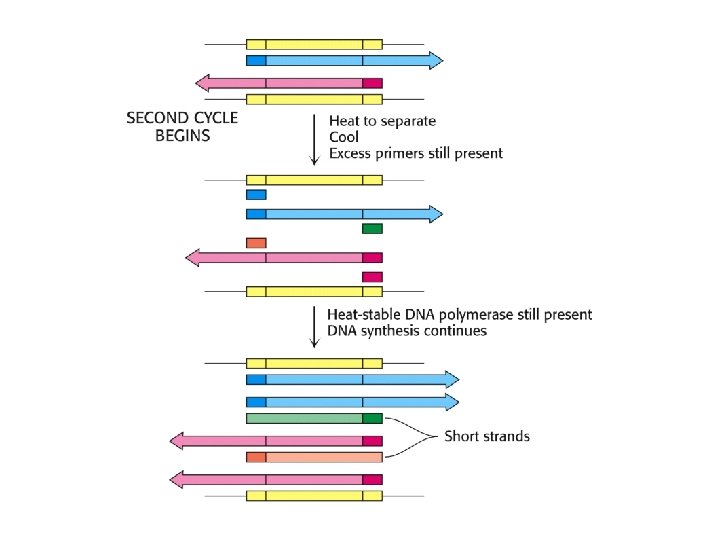
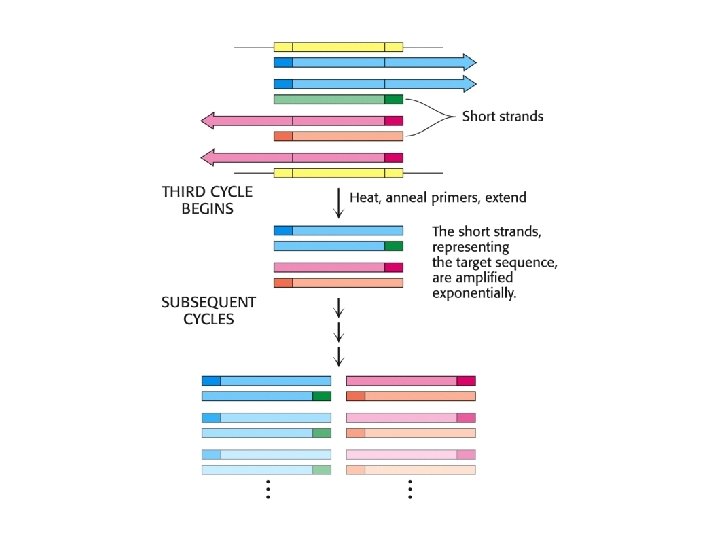
PCR (Polymerase Chain Reaction) 1. Add primers complementary to flanking sequence 2. Add all nucleoside triphosphates and thermostable DNA polymerase 3. Heat 95°C 15 s - strand separation 4. Cool 54°C – hybridization 5. Heat 72°C (optimal temp. ) – DNA synthesis
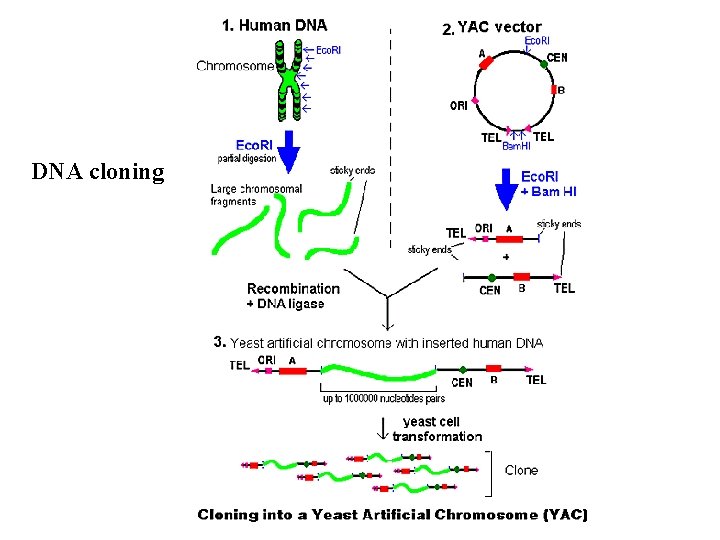
DNA cloning
- Slides: 44