
CHEMICAL REACTIONS ENZYMES CHAPTER 2 SECTION 4 SCB2
CHEMICAL REACTIONS & ENZYMES CHAPTER 2 SECTION 4 SC-B-2. 8 -EXPLAIN THE FACTORS THAT AFFECT THE RATES OF BIOCHEMICAL REACTIONS (INCLUDING p. H, TEMPERATURE, & THE ROLE OF ENZYMES AS CATALYSTS).
�WHY ARE ENZYMES IMPORTANT TO LIVING THINGS? ESSENTIAL QUESTION
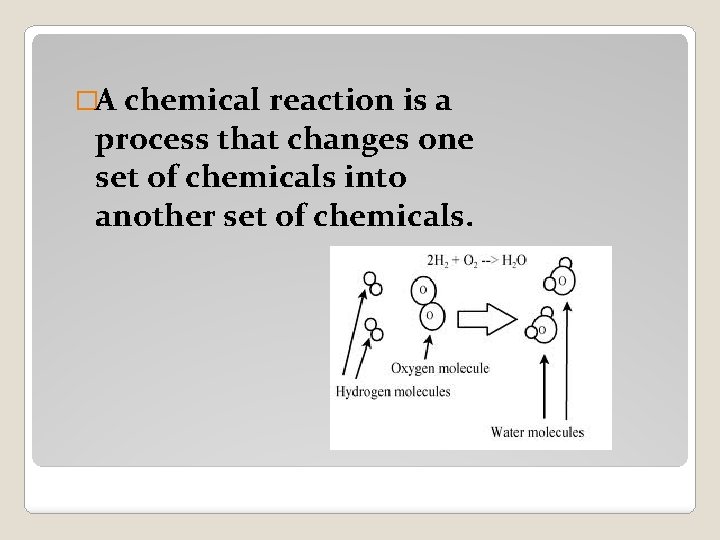
�A chemical reaction is a process that changes one set of chemicals into another set of chemicals.
Reactants Products �elements or cpds that enter into a chemical reaction that are produced in a chemical reaction Chemical Reactions
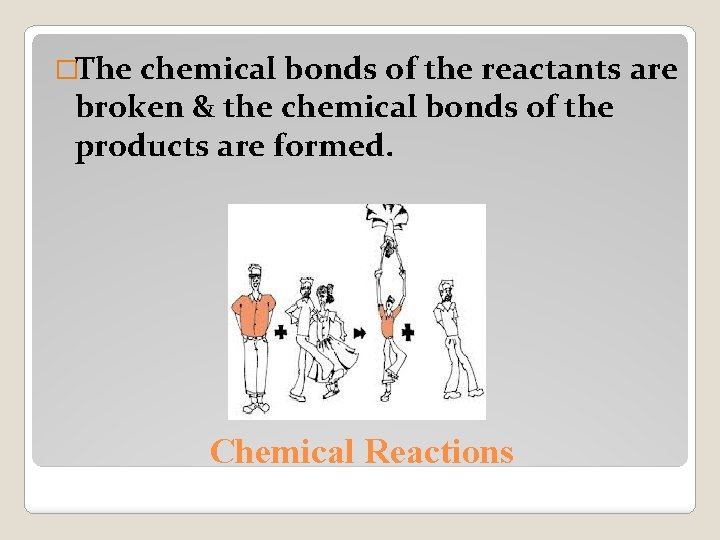
�The chemical bonds of the reactants are broken & the chemical bonds of the products are formed. Chemical Reactions

�Some chemical reactions in living things are reversible. �example: Reversible Reactions
�Whenever chemical bonds are formed or broken energy is released or absorbed. �Chemical reactions that release energy often occur spontaneously. �Chemical reactions that absorb energy will not occur without a source of energy. ENERGY IN REACTIONS
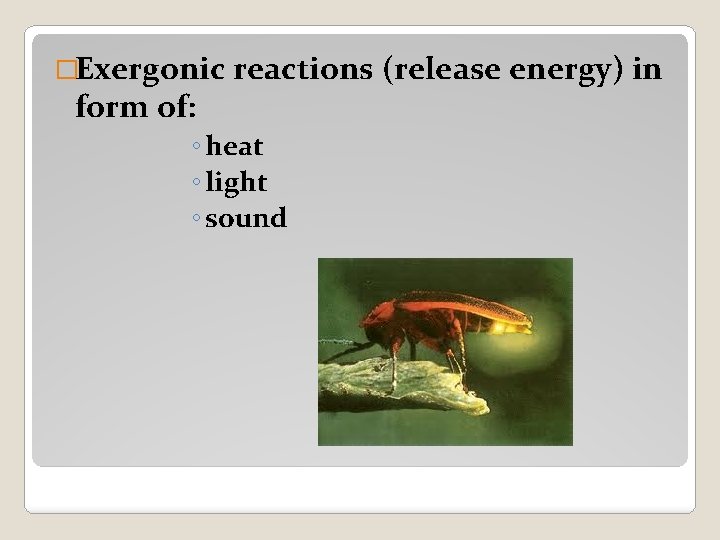
�Exergonic reactions (release energy) in form of: ◦ heat ◦ light ◦ sound
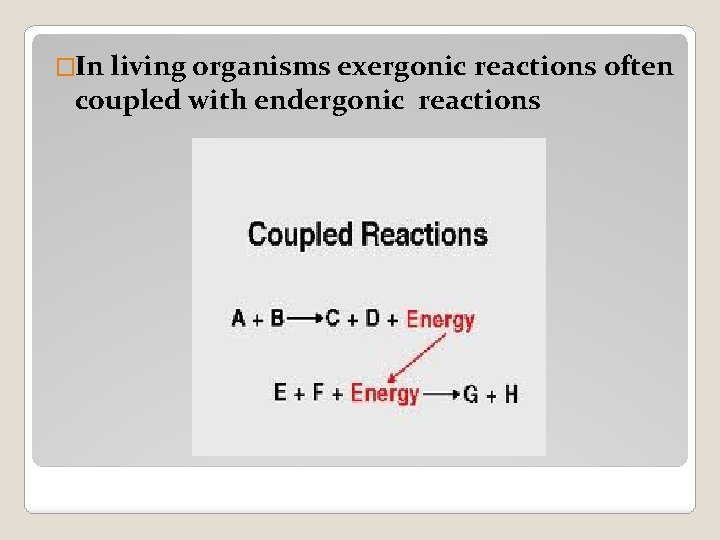
�In living organisms exergonic reactions often coupled with endergonic reactions
�is the energy necessary to get the reaction started �required whether reaction is exergonic or endergonic Activation Energy
�What does the Law of Conservation of Energy tell you?
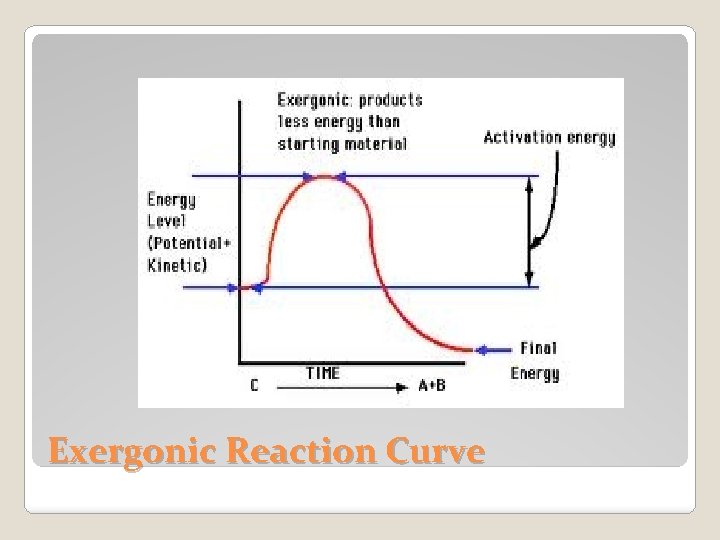
Exergonic Reaction Curve
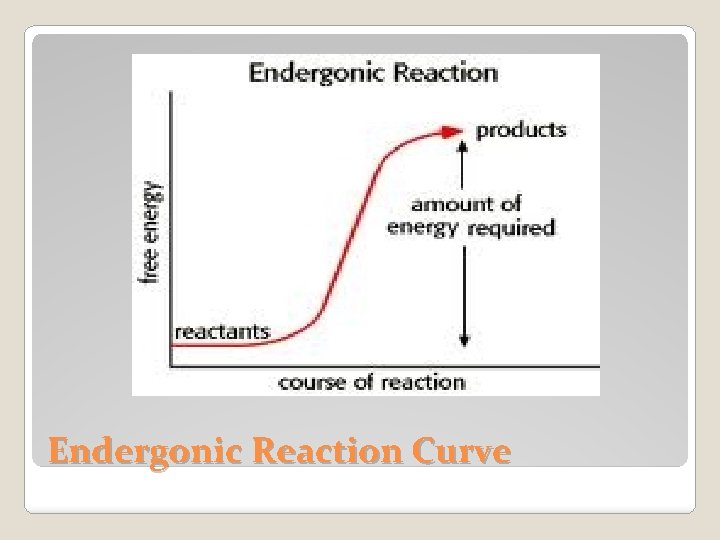
Endergonic Reaction Curve
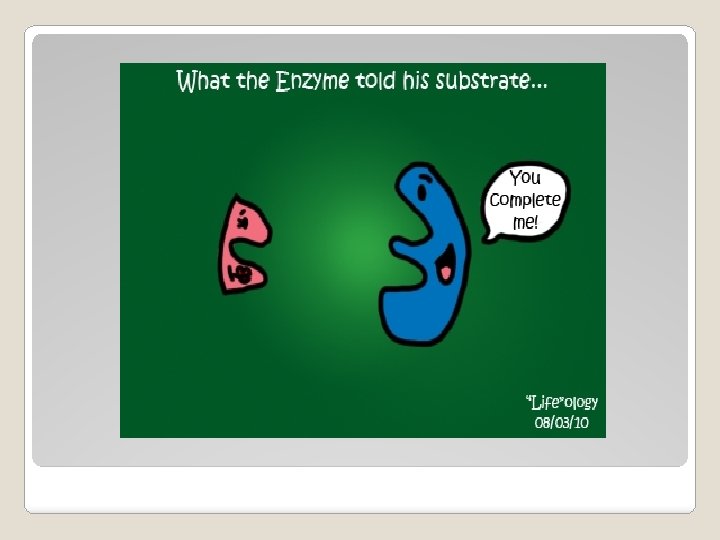
�Enzymes are biological catalysts ◦ very specific ◦ substance(s) it reacts with called a substrate ◦ speed up chemical reactions ◦ lower activation energy ◦ without enzymes chemical reactions would take so long to occur there would be no life. ◦ name often tells you what it acts on ◦ name ends in -ase Enzymes
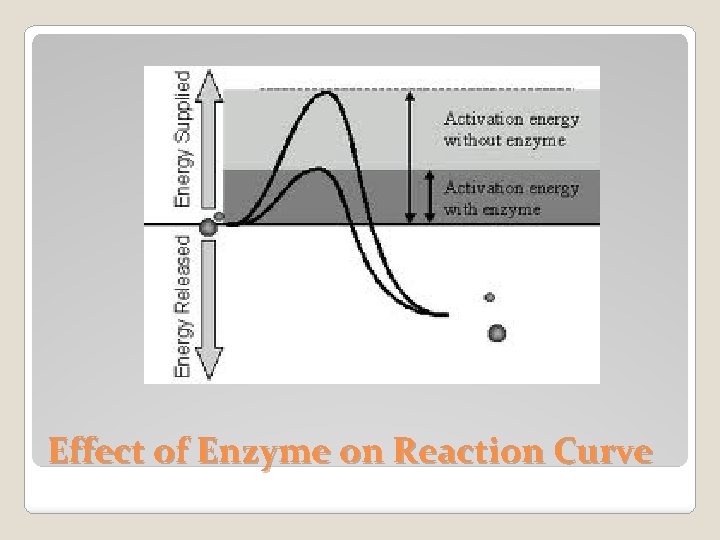
Effect of Enzyme on Reaction Curve
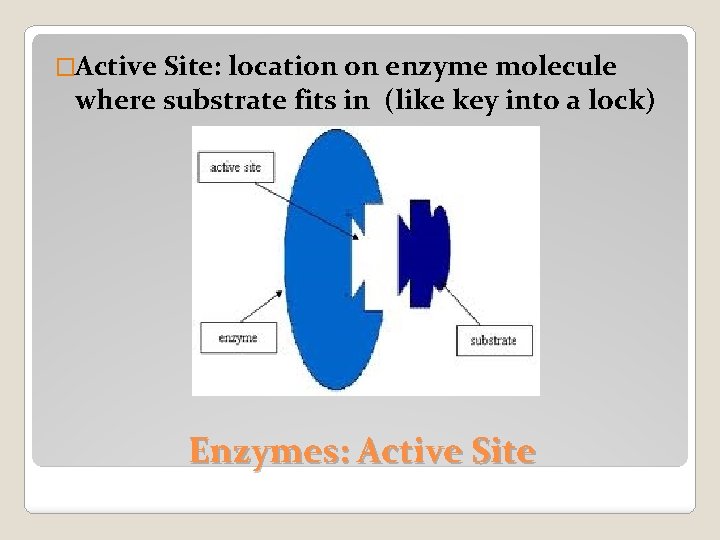
�Active Site: location on enzyme molecule where substrate fits in (like key into a lock) Enzymes: Active Site

�http: //highered. mcgraw- hill. com/sites/0072495855/student_view 0 /chapter 2/animation__how_enzymes_wor k. html �http: //www. ryancshaw. com/Files/micro/A nimations/Enzyme. Substrate/micro_enzyme-substrate. swf
p. H ◦ enzymes in stomach work @ p. H 2, stop working when get to small intestine where p. H is higher 2. temperature ◦ in humans: enzymes work best @ 37 ◦C 3. cell regulators ◦ most enzymes not active 24/7 but have a “switch” cells use as needed 1. Factors that Affect Enzyme Activity
- Slides: 19