
Chemical composition of some bacterial capsules Bacterium Capsule
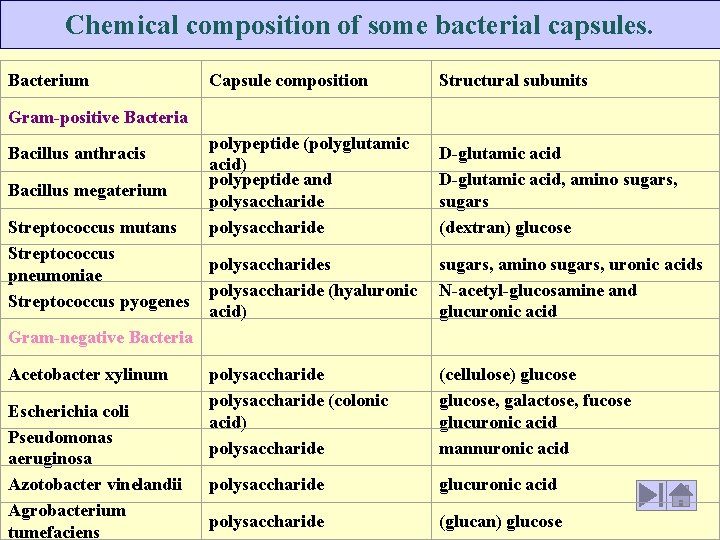
Chemical composition of some bacterial capsules. Bacterium Capsule composition Structural subunits polypeptide (polyglutamic acid) polypeptide and polysaccharide D-glutamic acid, amino sugars, sugars (dextran) glucose polysaccharides polysaccharide (hyaluronic acid) sugars, amino sugars, uronic acids N-acetyl-glucosamine and glucuronic acid polysaccharide (colonic acid) polysaccharide (cellulose) glucose, galactose, fucose glucuronic acid mannuronic acid polysaccharide glucuronic acid polysaccharide (glucan) glucose Gram-positive Bacteria Bacillus anthracis Bacillus megaterium Streptococcus mutans Streptococcus pneumoniae Streptococcus pyogenes Gram-negative Bacteria Acetobacter xylinum Escherichia coli Pseudomonas aeruginosa Azotobacter vinelandii Agrobacterium tumefaciens
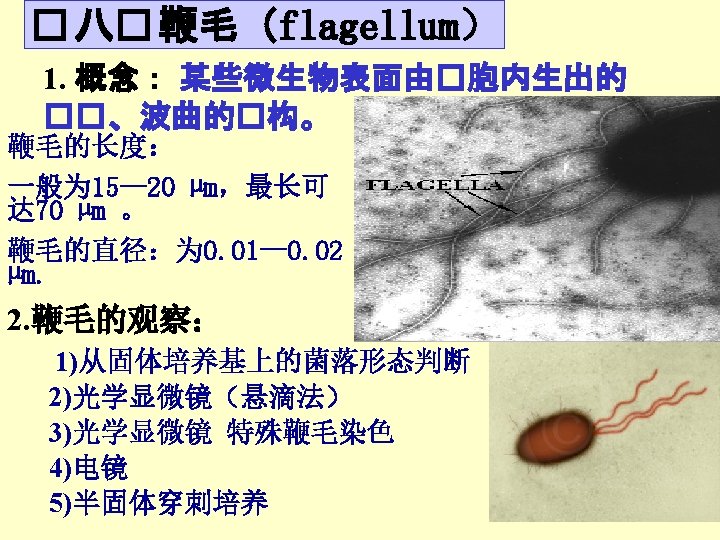
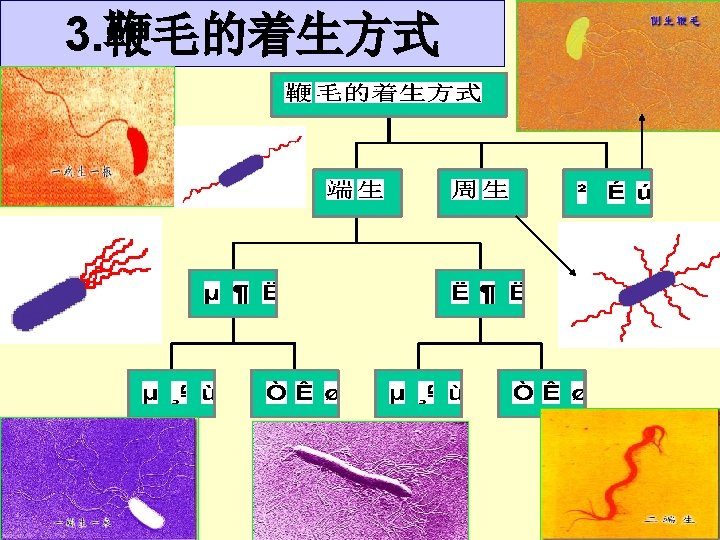
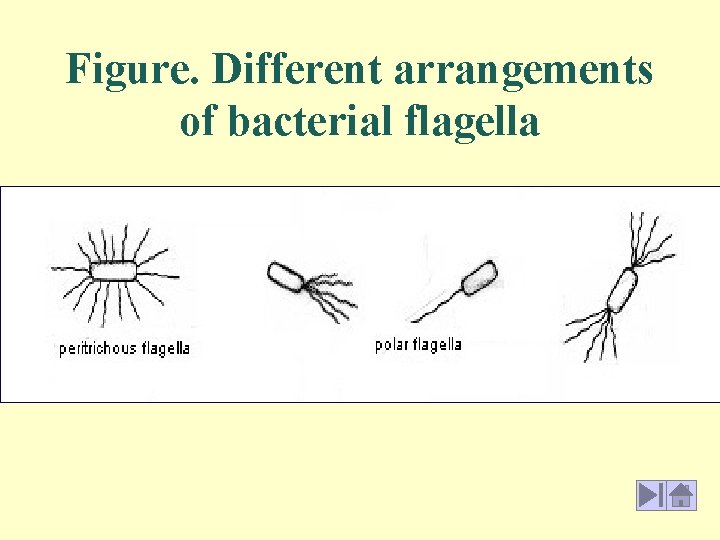
Figure. Different arrangements of bacterial flagella
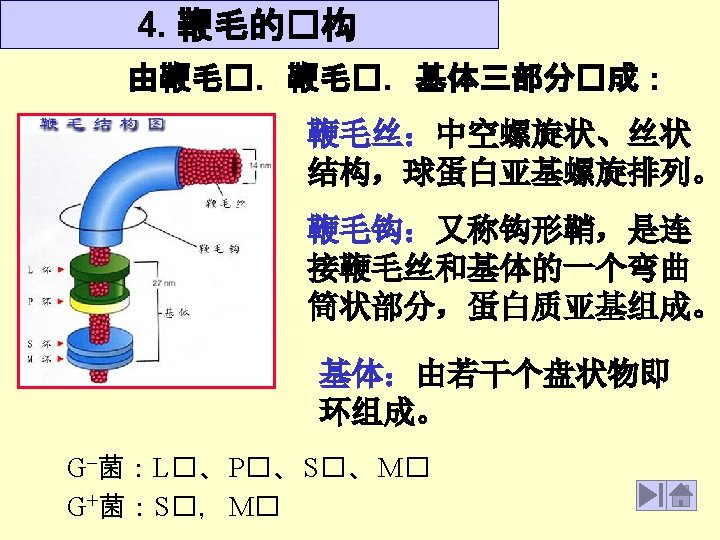
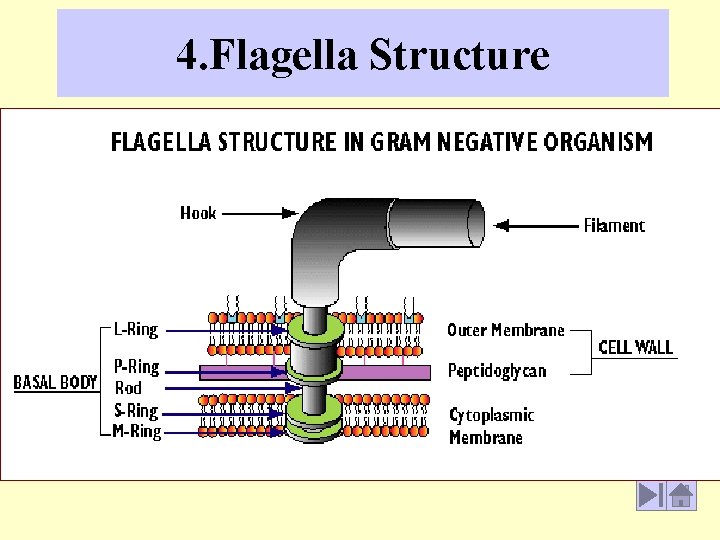
4. Flagella Structure
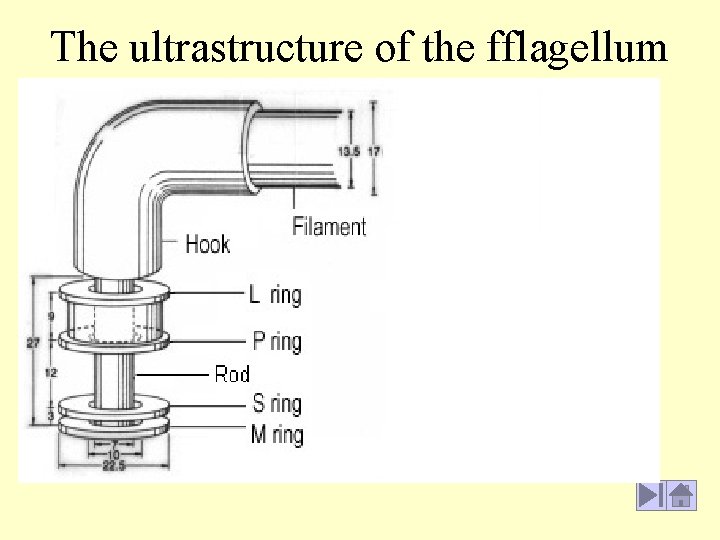
The ultrastructure of the fflagellum
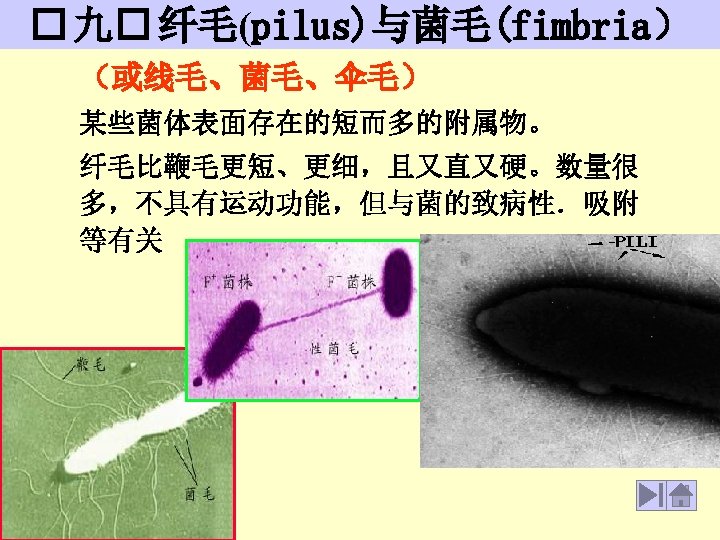
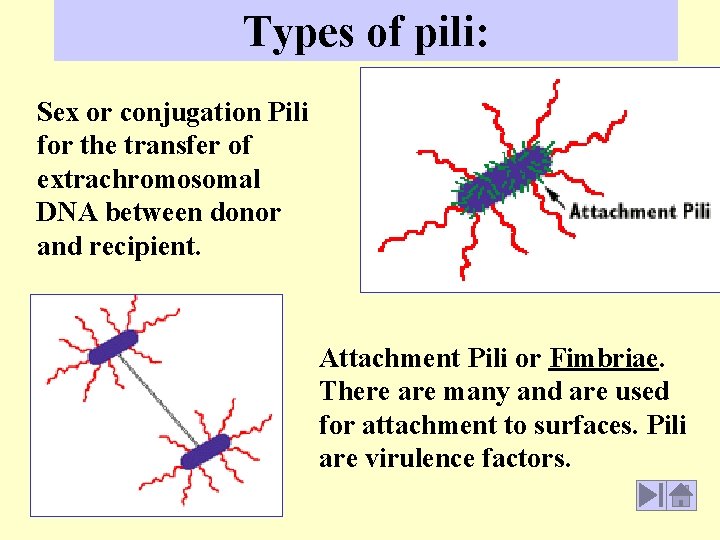
Types of pili: Sex or conjugation Pili for the transfer of extrachromosomal DNA between donor and recipient. Attachment Pili or Fimbriae. There are many and are used for attachment to surfaces. Pili are virulence factors.
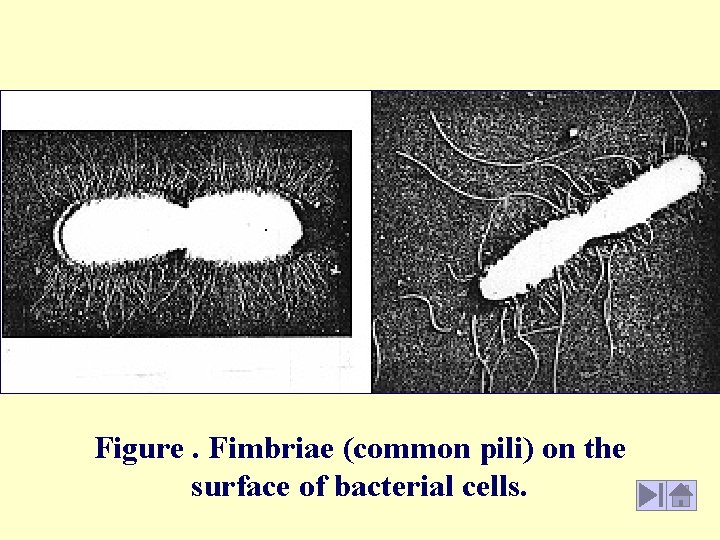
Figure. Fimbriae (common pili) on the surface of bacterial cells.
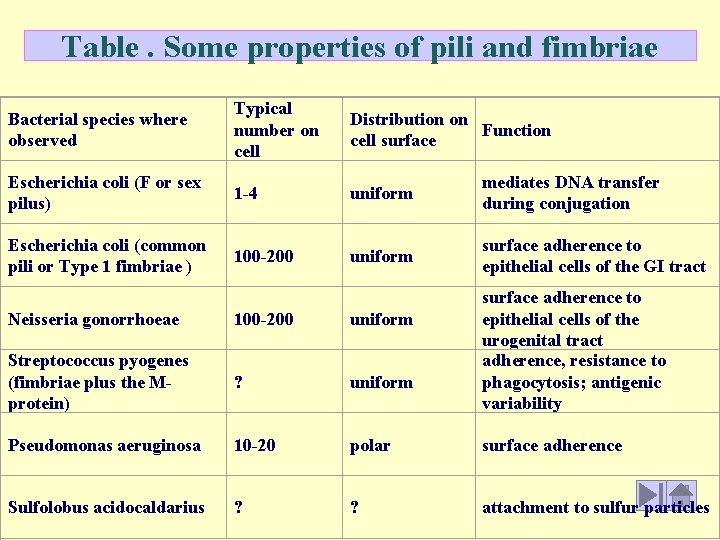
Table. Some properties of pili and fimbriae Bacterial species where observed Typical number on cell Distribution on Function cell surface Escherichia coli (F or sex pilus) 1 -4 uniform mediates DNA transfer during conjugation Escherichia coli (common pili or Type 1 fimbriae ) 100 -200 uniform surface adherence to epithelial cells of the GI tract surface adherence to epithelial cells of the urogenital tract adherence, resistance to phagocytosis; antigenic variability Neisseria gonorrhoeae 100 -200 uniform Streptococcus pyogenes (fimbriae plus the Mprotein) ? uniform Pseudomonas aeruginosa 10 -20 polar surface adherence Sulfolobus acidocaldarius ? ? attachment to sulfur particles
- Slides: 19