
CHEATS LIARS AND FORNICATORS THE TRUTH ABOUT BEAUTY
CHEATS, LIARS AND FORNICATORS: THE TRUTH ABOUT BEAUTY
“Thus, from the war of nature, from famine and death, the most exalted object which we are capable of conceiving, namely, the production of the higher animals, directly follows…There is grandeur in this view of life, with its several powers, having been originally breathed into a few forms or into one; and that, whiles this planet has gone cycling on according to the fixed law of gravity, from so simple a beginning endless forms most beautiful and most wonderful have been, and are being, evolved. ” Charles Darwin, 1859
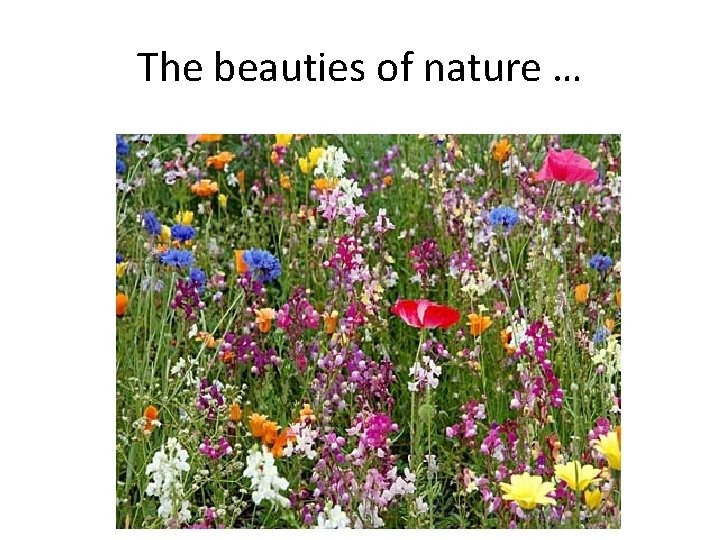
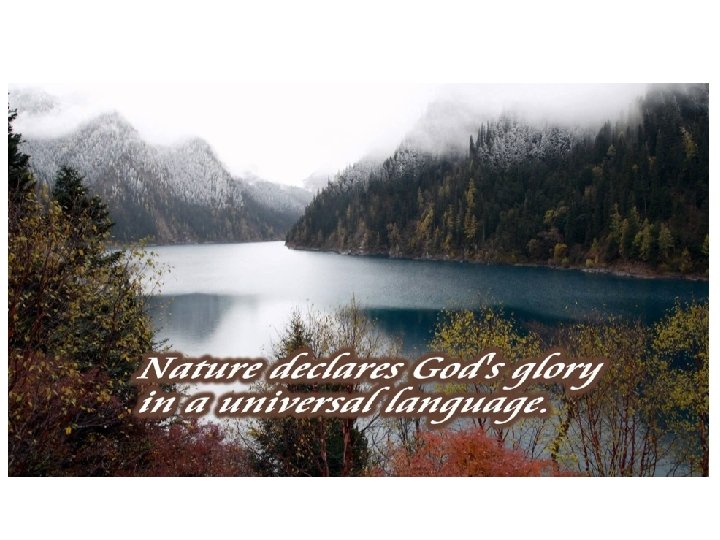
The beauties of nature …
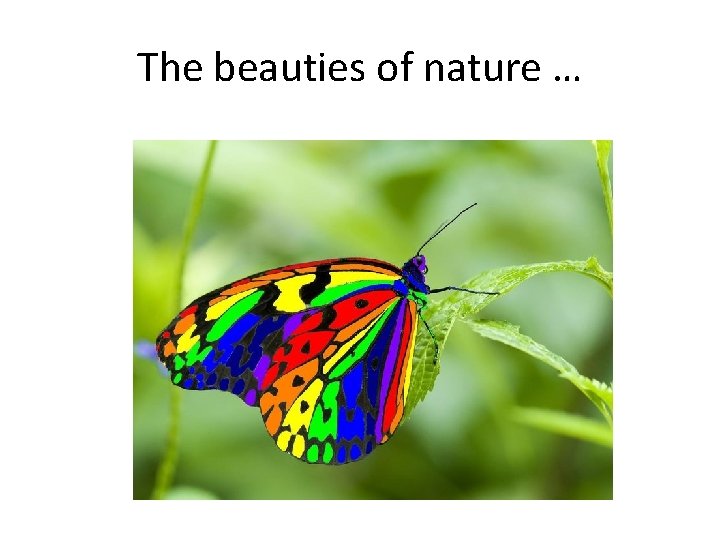
The beauties of nature …
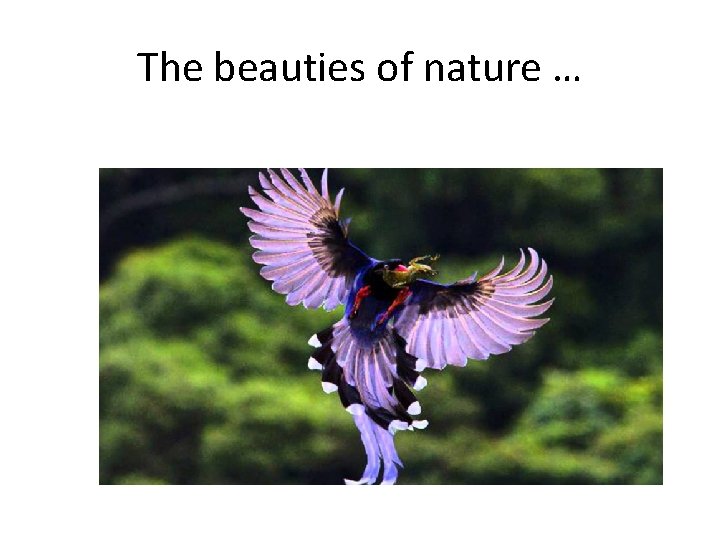
The beauties of nature …
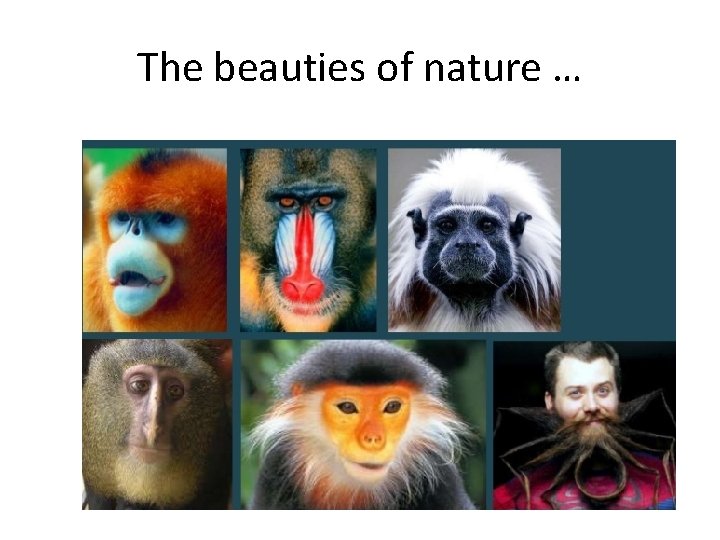
The beauties of nature …
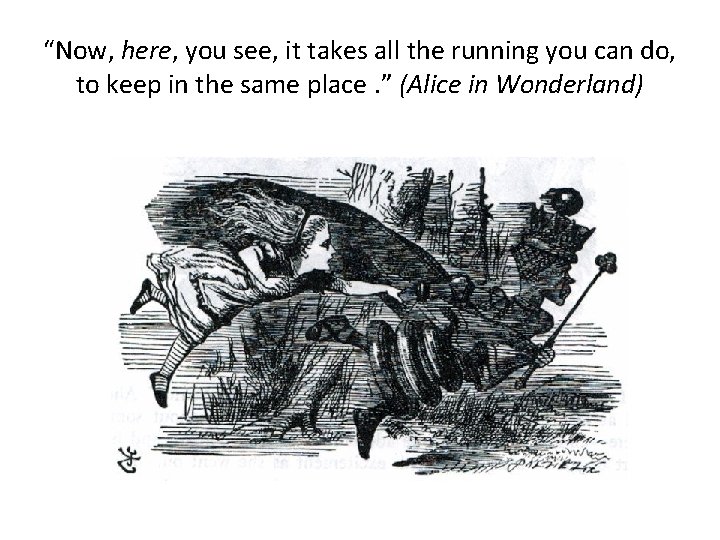
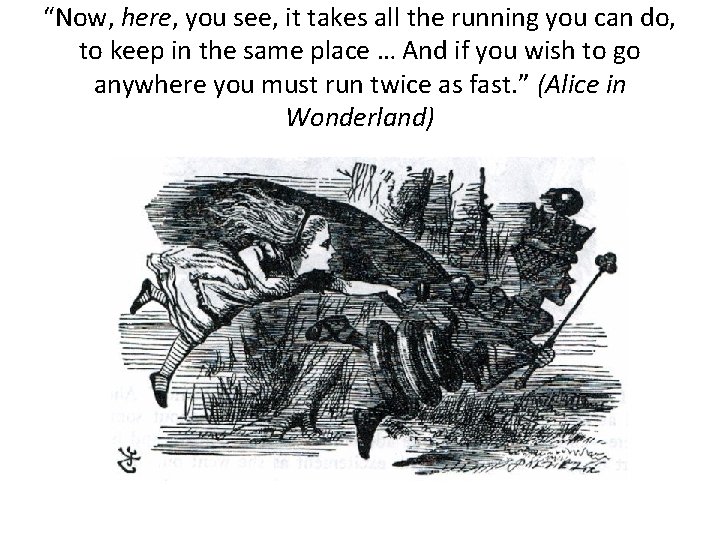
“Now, here, you see, it takes all the running you can do, to keep in the same place. ” (Alice in Wonderland)
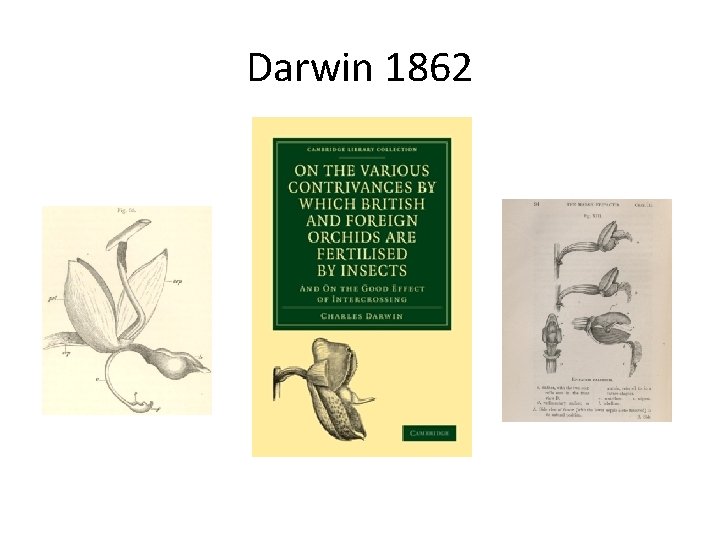
Darwin 1862
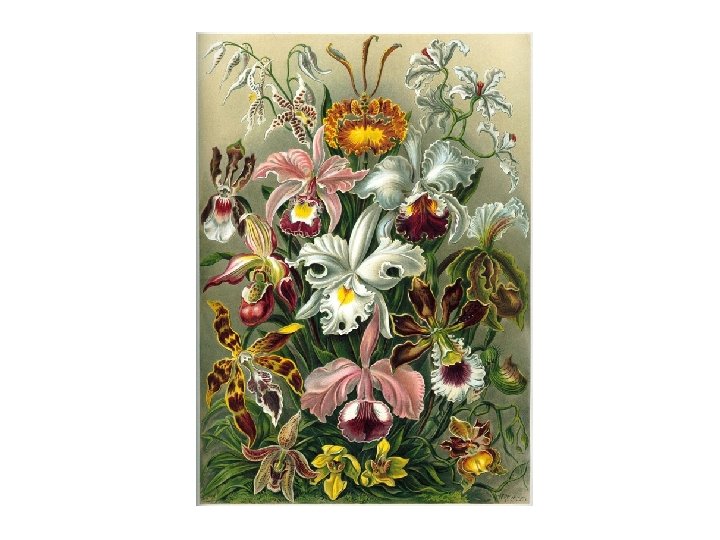
• “The contrivances by which orchids are fertilised , are as varied and almost as perfect as any of the most beautiful adaptations in the animal kingdom”
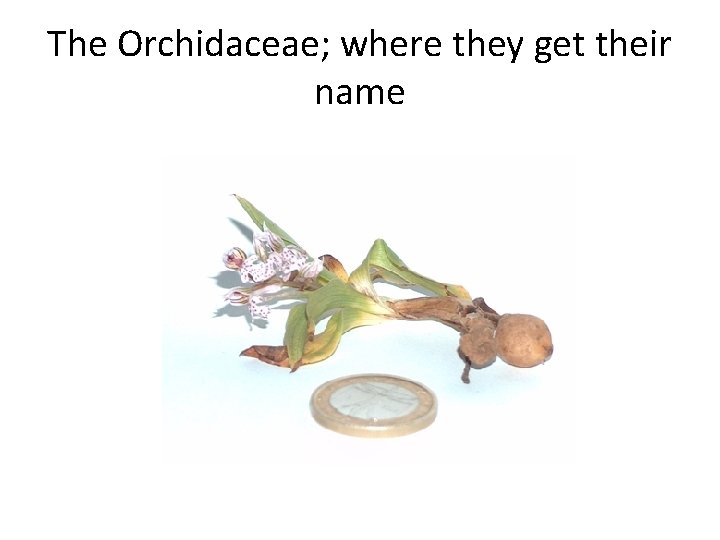
The Orchidaceae; where they get their name
Darwin’s Prediction • "I have just received such a Box full from Mr Bateman with the astounding Angraecum sesquipedalewith a nectary a foot long. Good Heavens what insect can suck it …in Madagascar there must be moths with probosces capable of extension to a length of between ten and eleven inches".
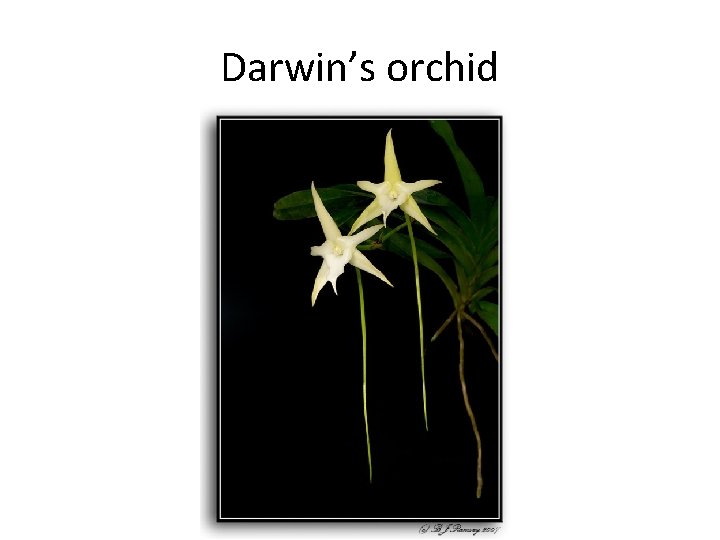
Darwin’s orchid
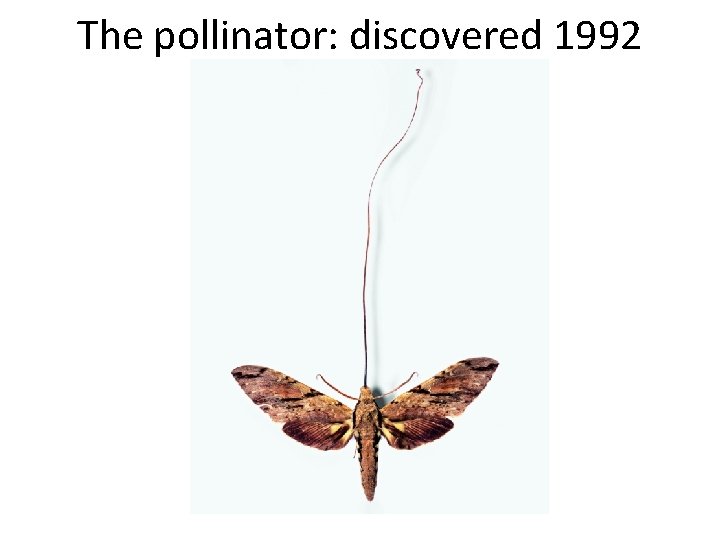
The pollinator: discovered 1992
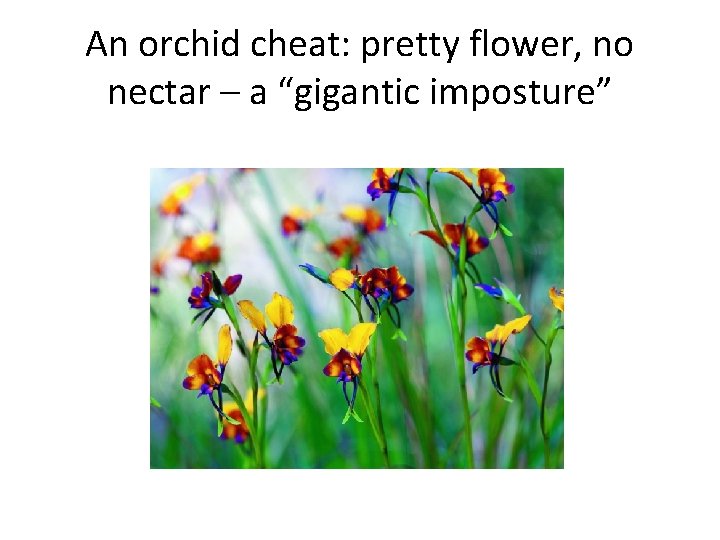
An orchid cheat: pretty flower, no nectar – a “gigantic imposture”
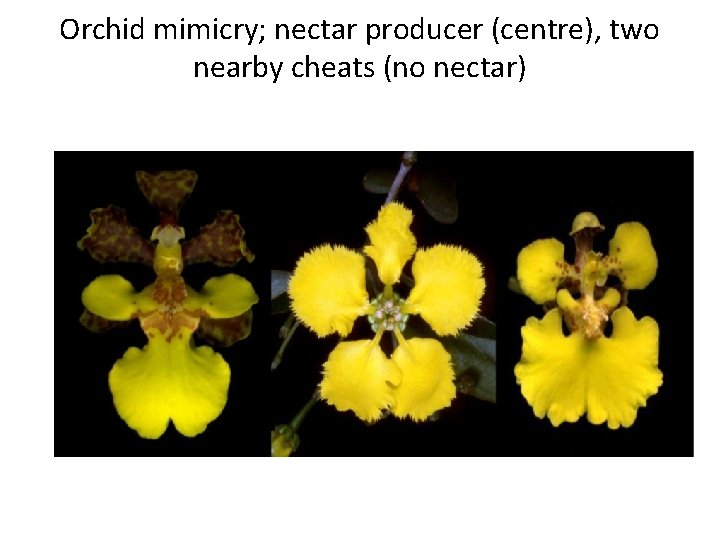
Orchid mimicry; nectar producer (centre), two nearby cheats (no nectar)
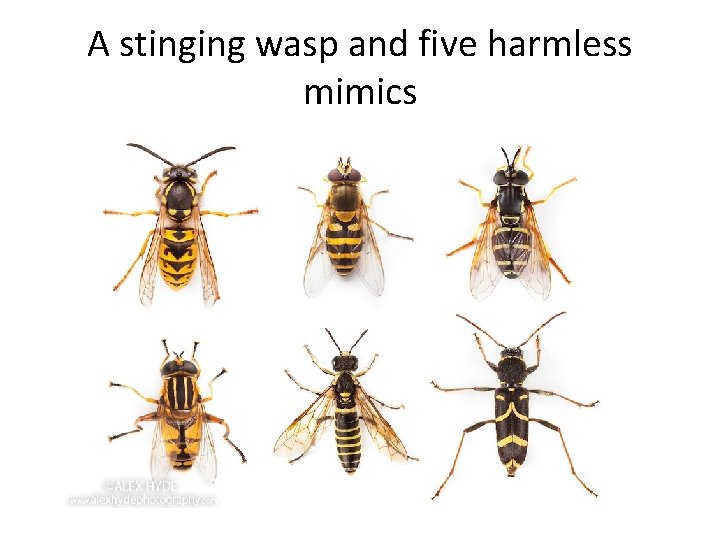
A stinging wasp and five harmless mimics
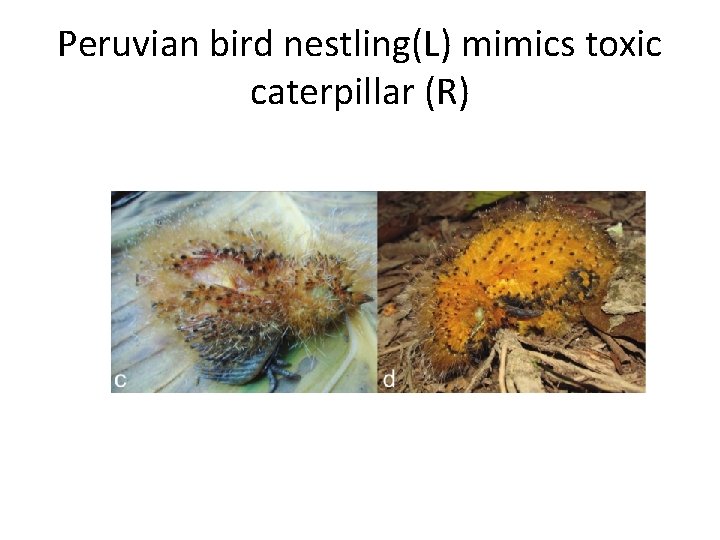
Peruvian bird nestling(L) mimics toxic caterpillar (R)
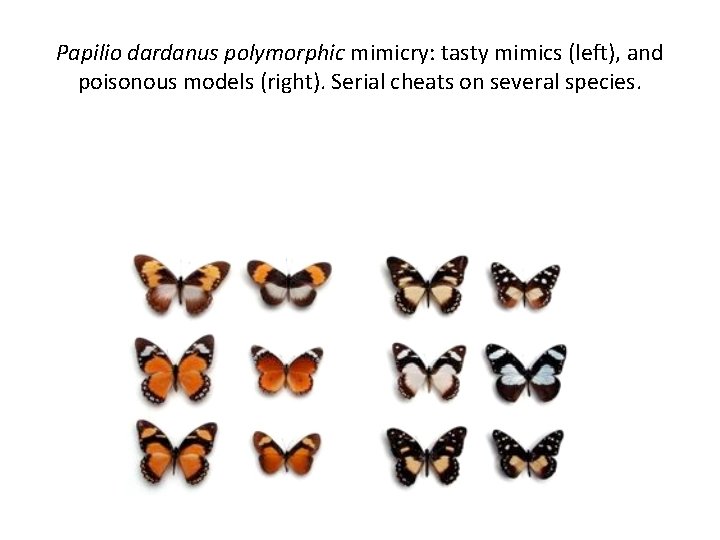
Papilio dardanus polymorphic mimicry: tasty mimics (left), and poisonous models (right). Serial cheats on several species.
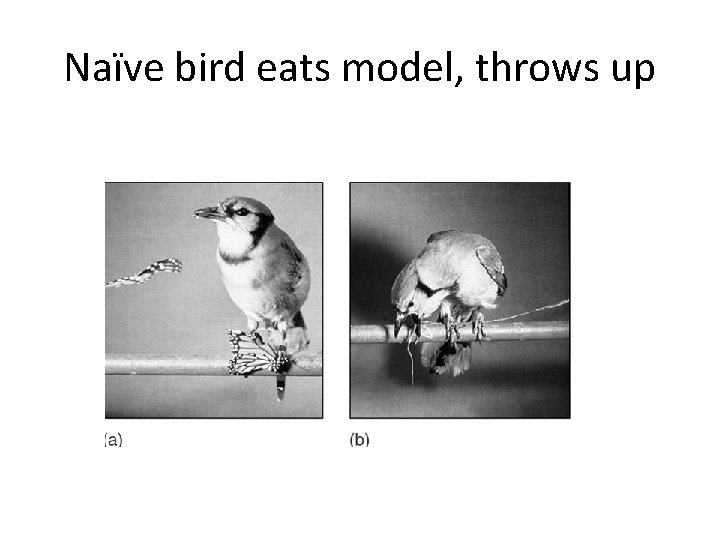
Naïve bird eats model, throws up
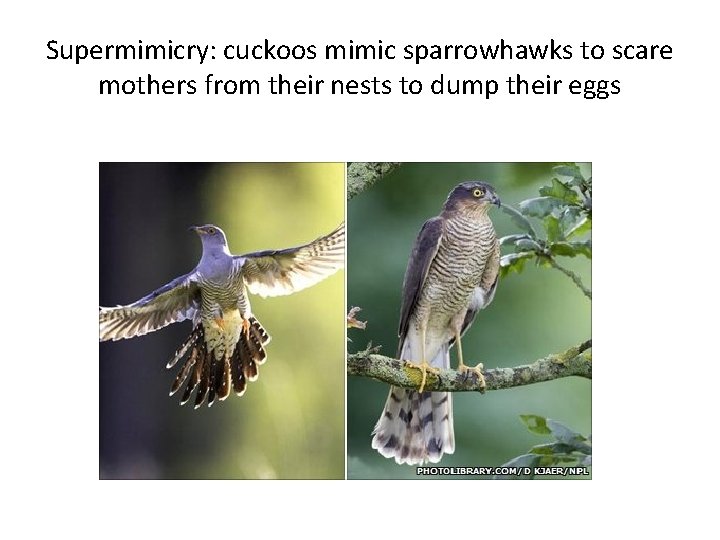
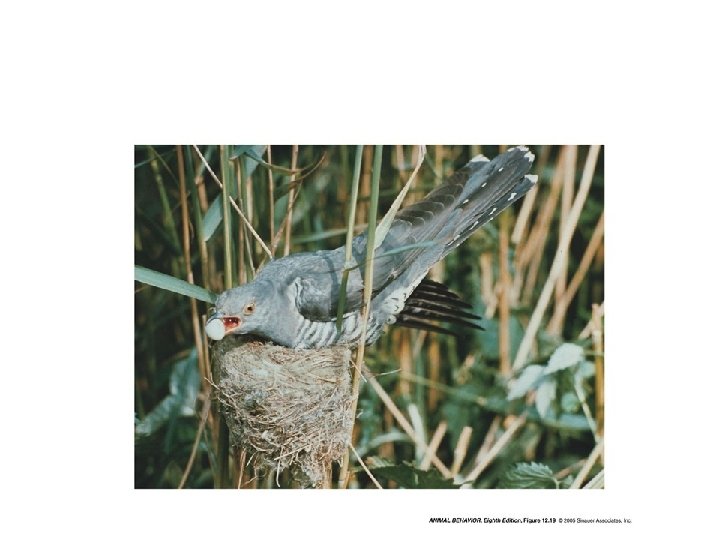
Supermimicry: cuckoos mimic sparrowhawks to scare mothers from their nests to dump their eggs
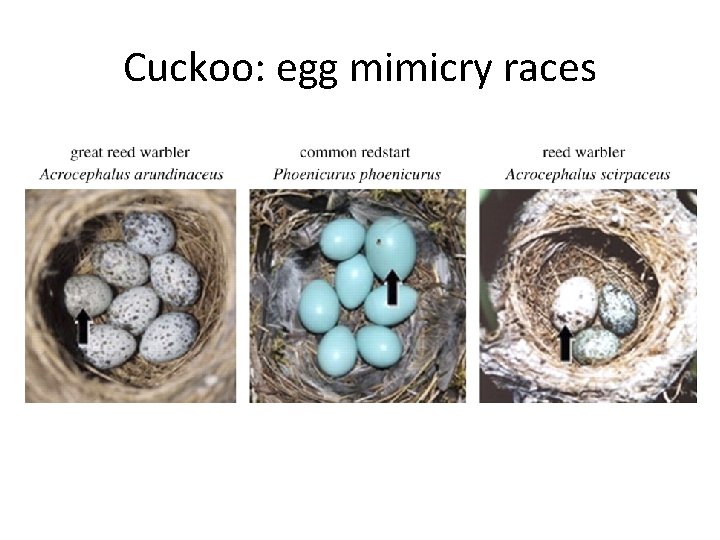
Cuckoo: egg mimicry races
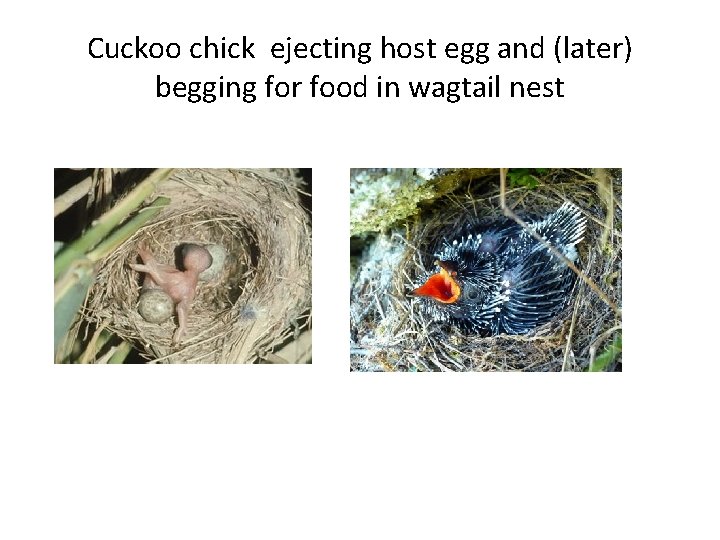
Cuckoo chick ejecting host egg and (later) begging for food in wagtail nest
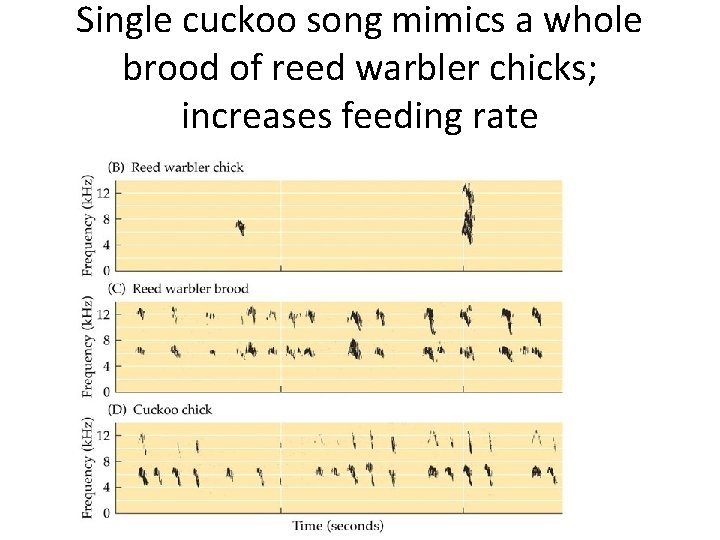
Single cuckoo song mimics a whole brood of reed warbler chicks; increases feeding rate
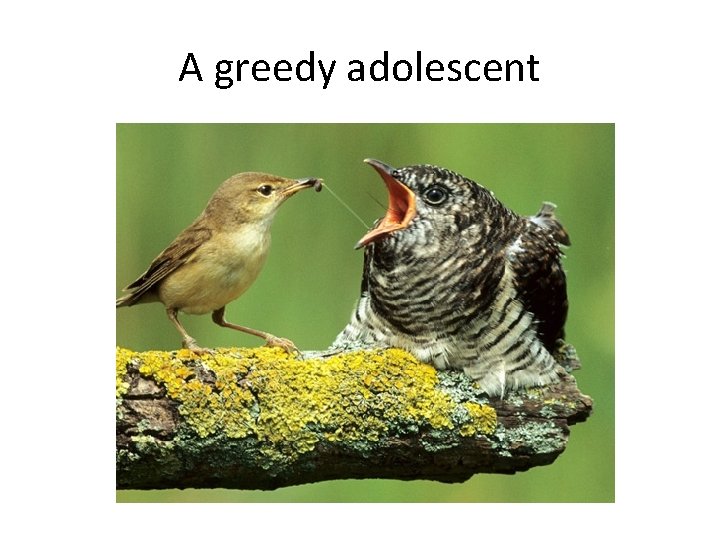
A greedy adolescent
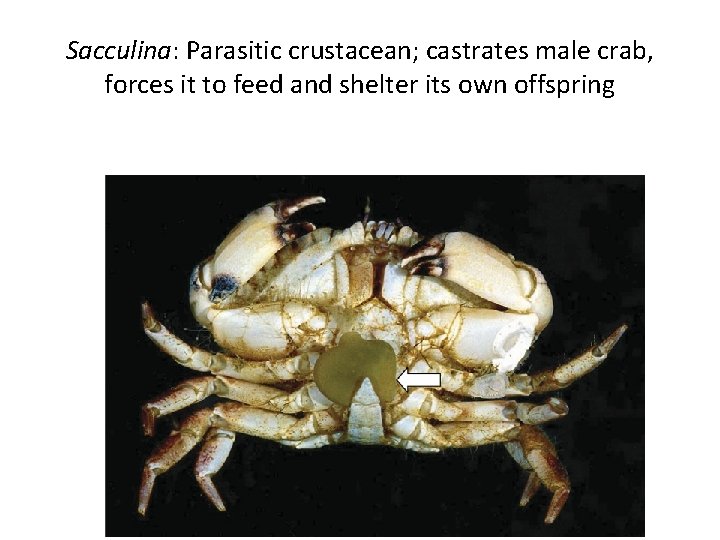
Sacculina: Parasitic crustacean; castrates male crab, forces it to feed and shelter its own offspring
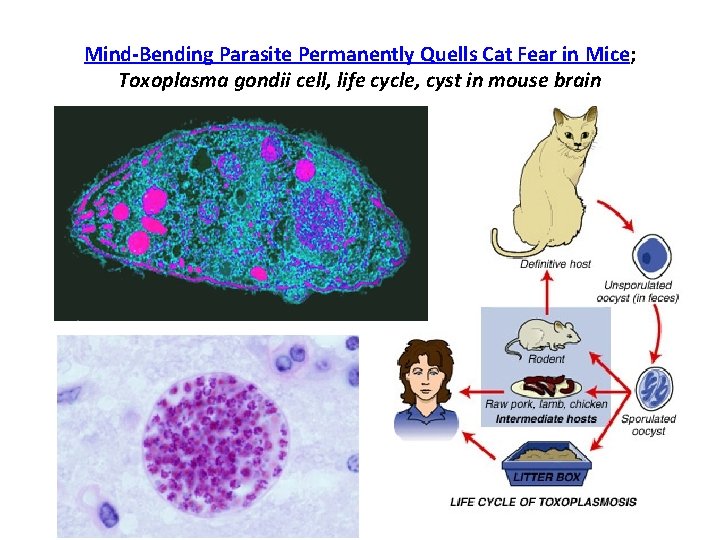
Mind-Bending Parasite Permanently Quells Cat Fear in Mice; Toxoplasma gondii cell, life cycle, cyst in mouse brain
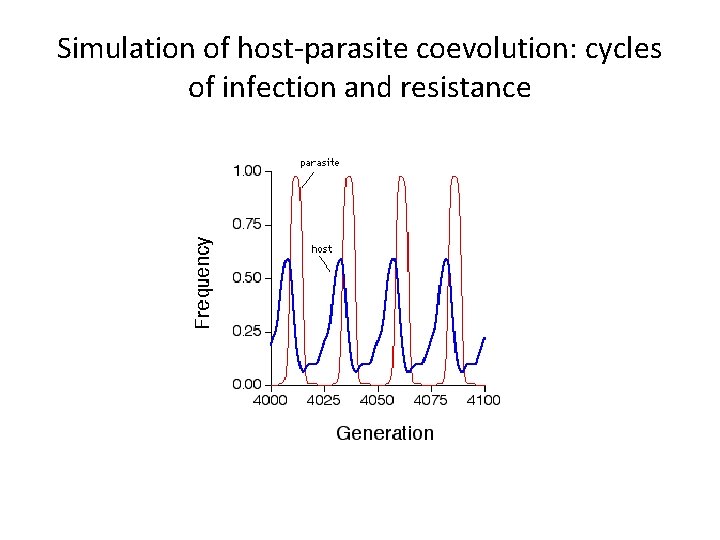
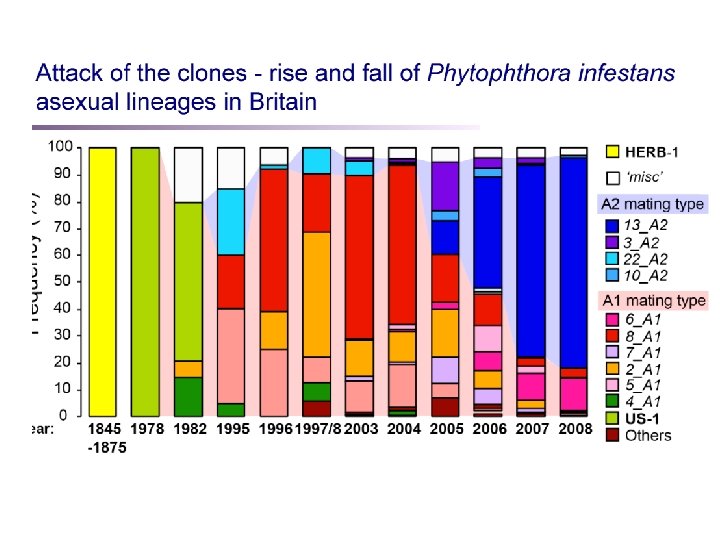
Simulation of host-parasite coevolution: cycles of infection and resistance
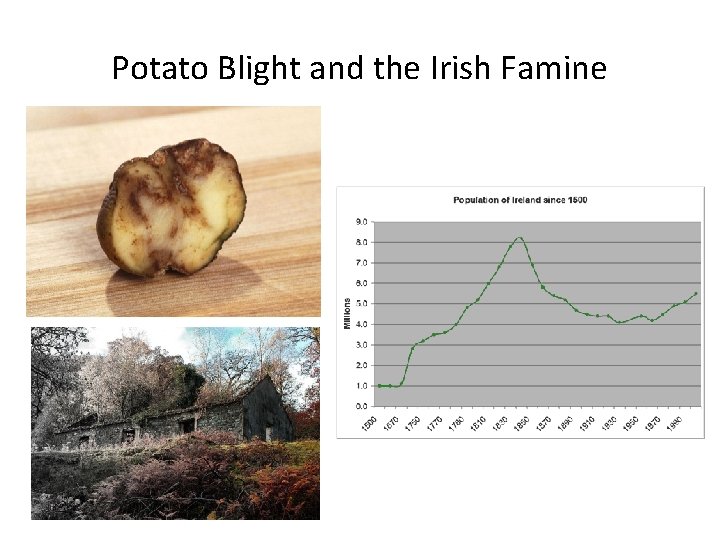
Potato Blight and the Irish Famine
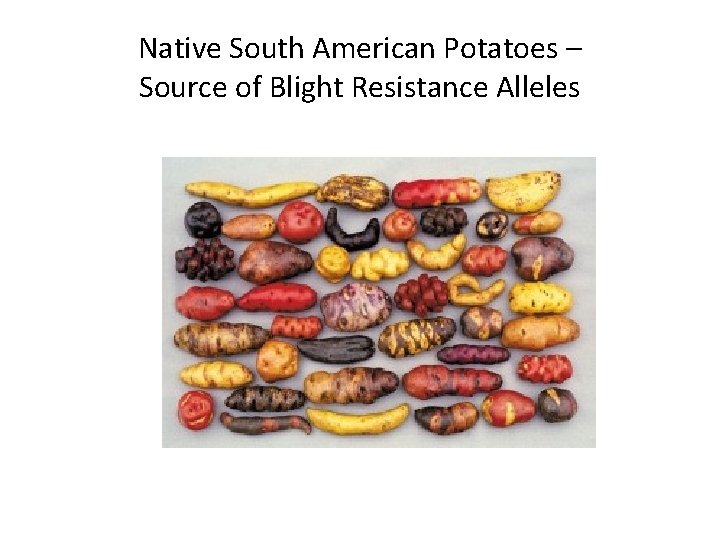
Native South American Potatoes – Source of Blight Resistance Alleles
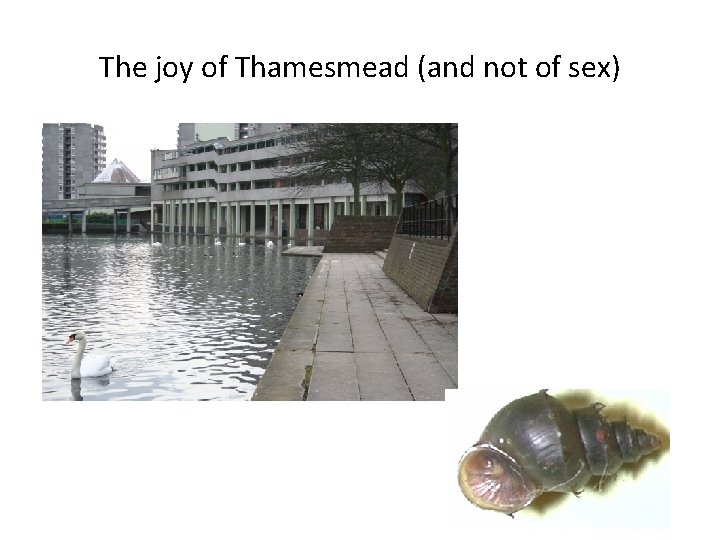
The joy of Thamesmead (and not of sex)
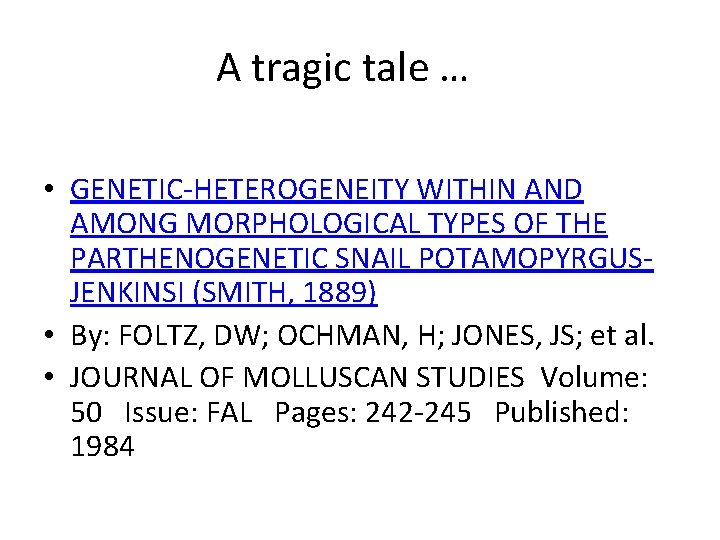
A tragic tale … • GENETIC-HETEROGENEITY WITHIN AND AMONG MORPHOLOGICAL TYPES OF THE PARTHENOGENETIC SNAIL POTAMOPYRGUSJENKINSI (SMITH, 1889) • By: FOLTZ, DW; OCHMAN, H; JONES, JS; et al. • JOURNAL OF MOLLUSCAN STUDIES Volume: 50 Issue: FAL Pages: 242 -245 Published: 1984
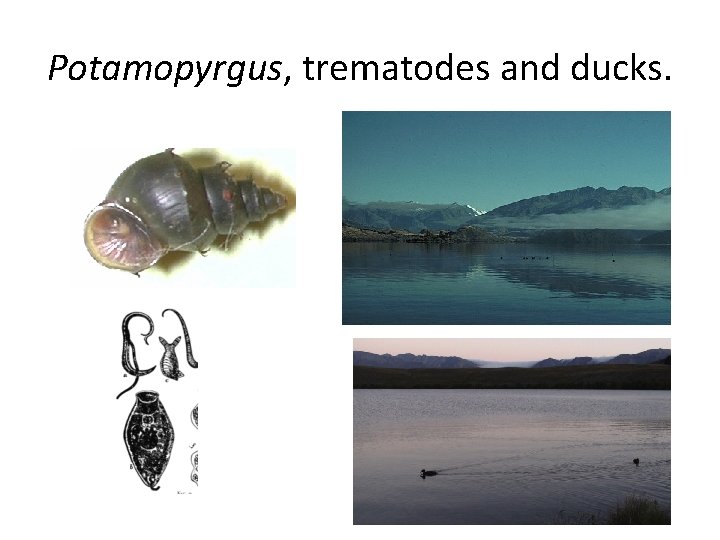
Potamopyrgus, trematodes and ducks.
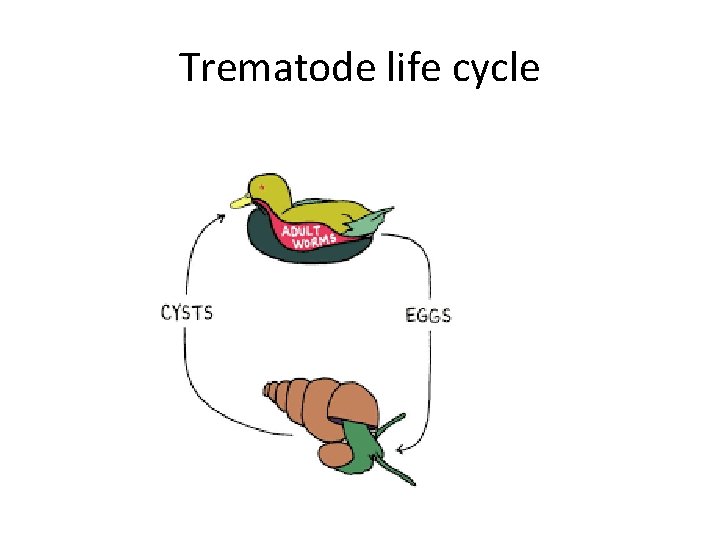
Trematode life cycle
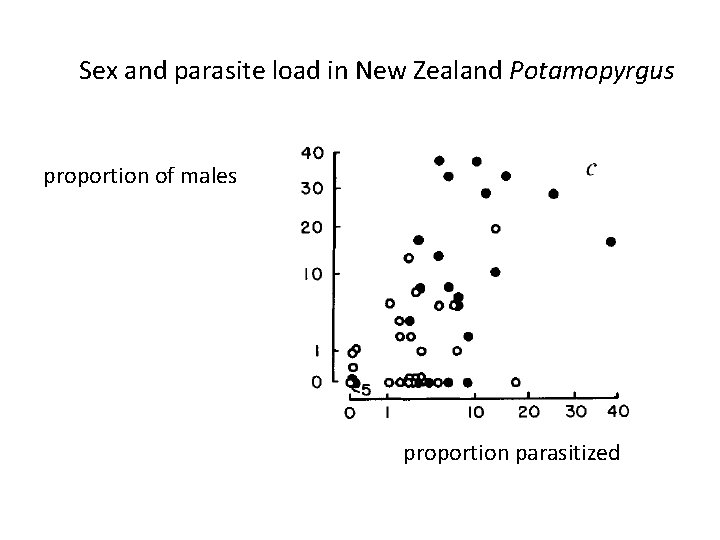
Sex and parasite load in New Zealand Potamopyrgus proportion of males proportion parasitized
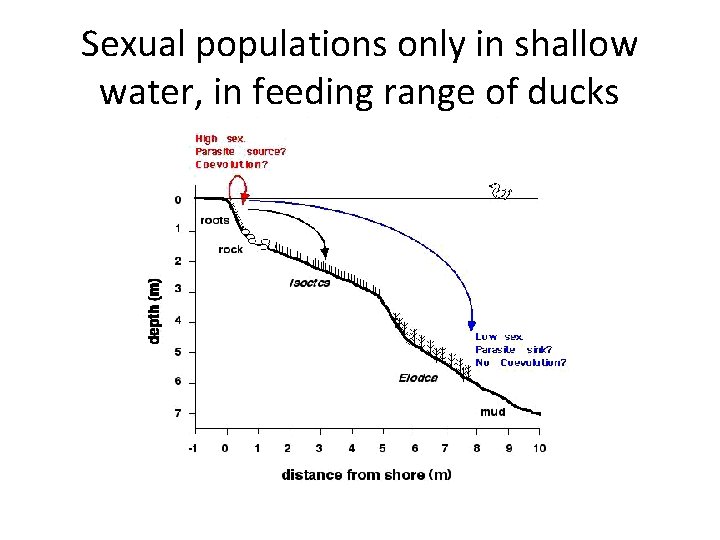
Sexual populations only in shallow water, in feeding range of ducks
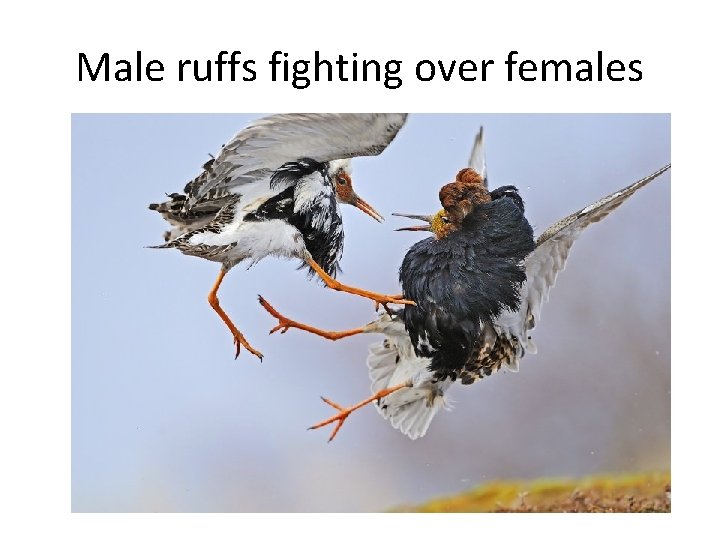
Male ruffs fighting over females
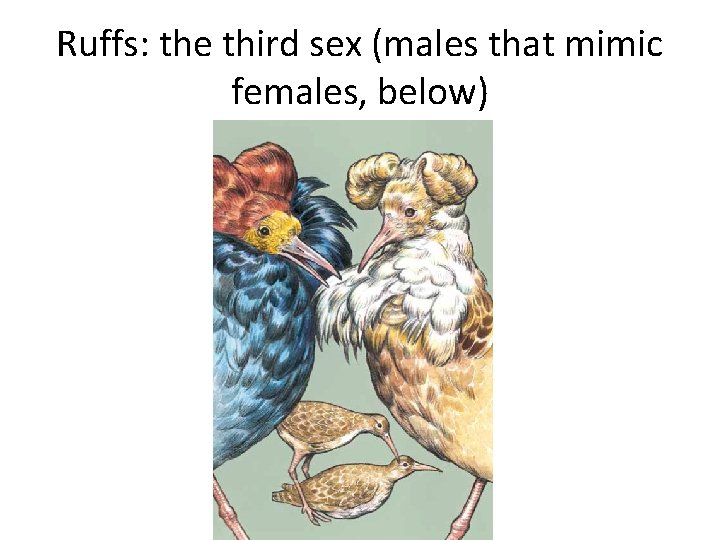
Ruffs: the third sex (males that mimic females, below)
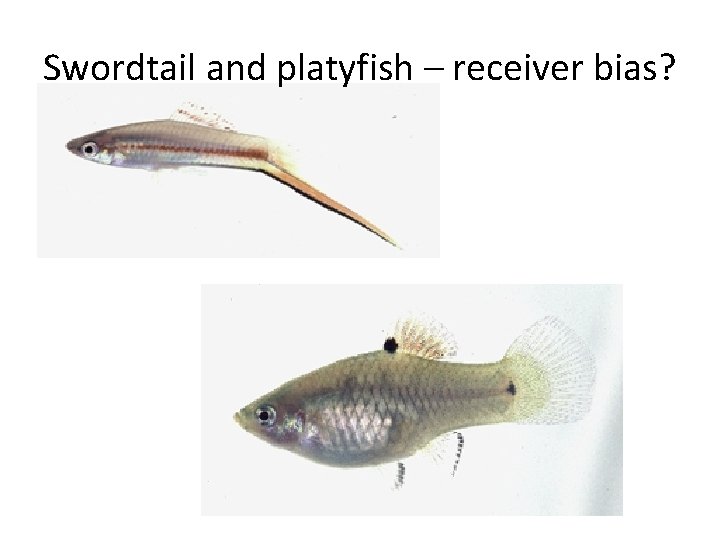
Swordtail and platyfish – receiver bias?
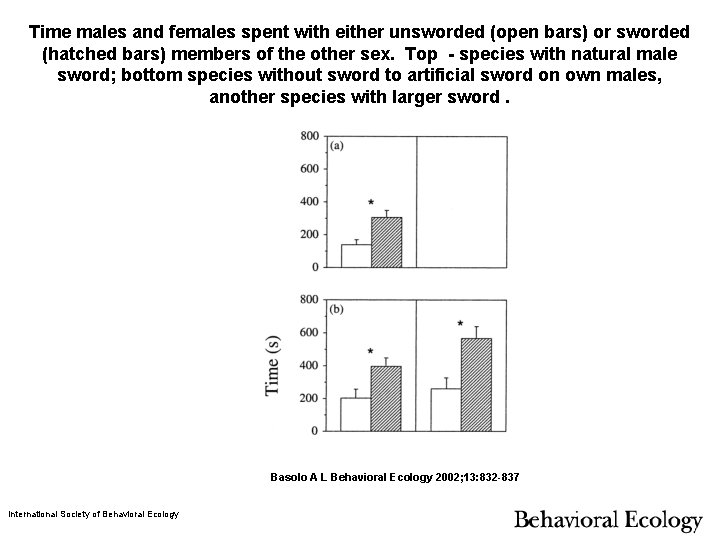
Time males and females spent with either unsworded (open bars) or sworded (hatched bars) members of the other sex. Top - species with natural male sword; bottom species without sword to artificial sword on own males, another species with larger sword. Basolo A L Behavioral Ecology 2002; 13: 832 -837 International Society of Behavioral Ecology
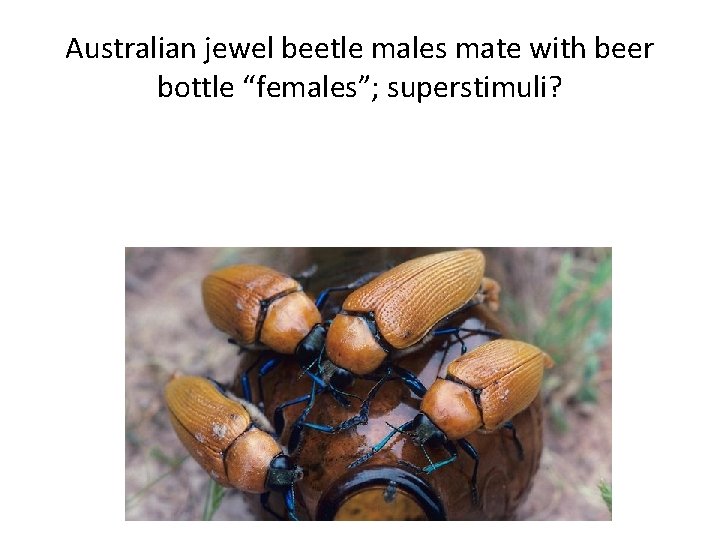
Australian jewel beetle males mate with beer bottle “females”; superstimuli?
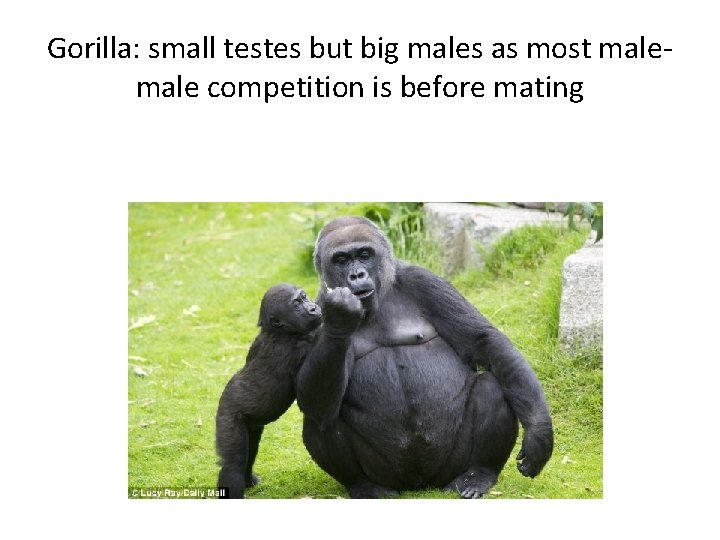
Gorilla: small testes but big males as most male competition is before mating
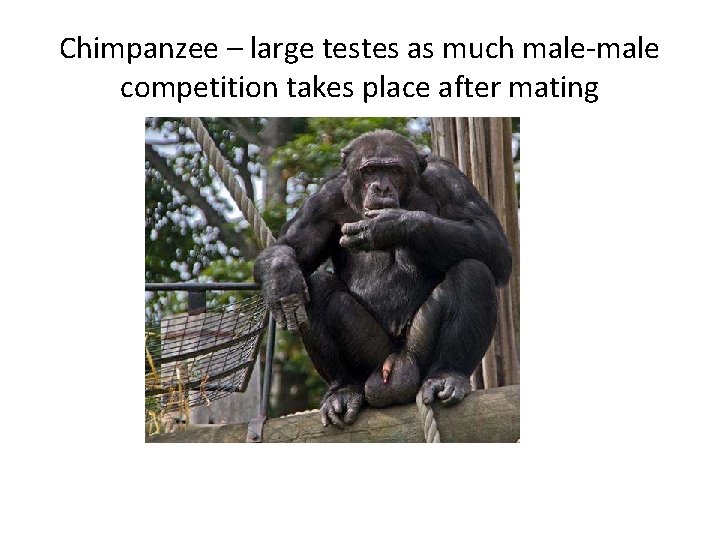
Chimpanzee – large testes as much male-male competition takes place after mating
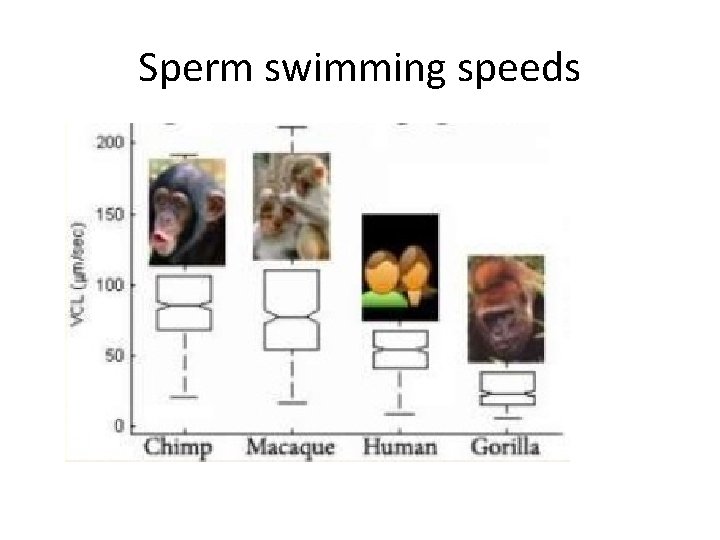
Sperm swimming speeds
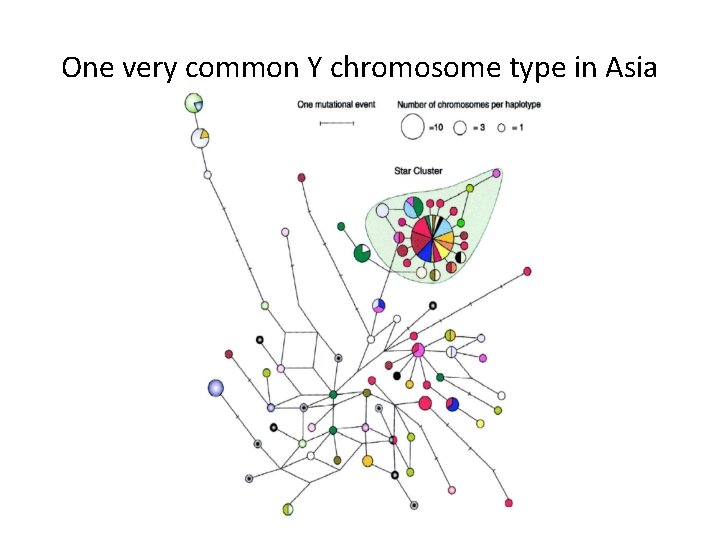
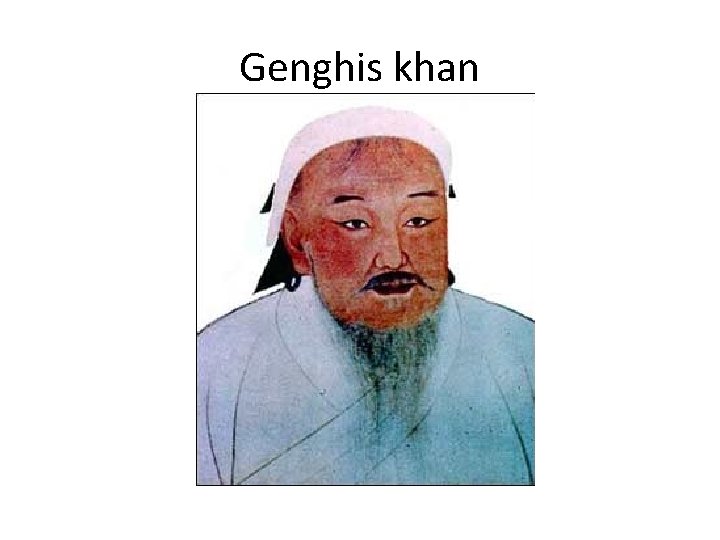
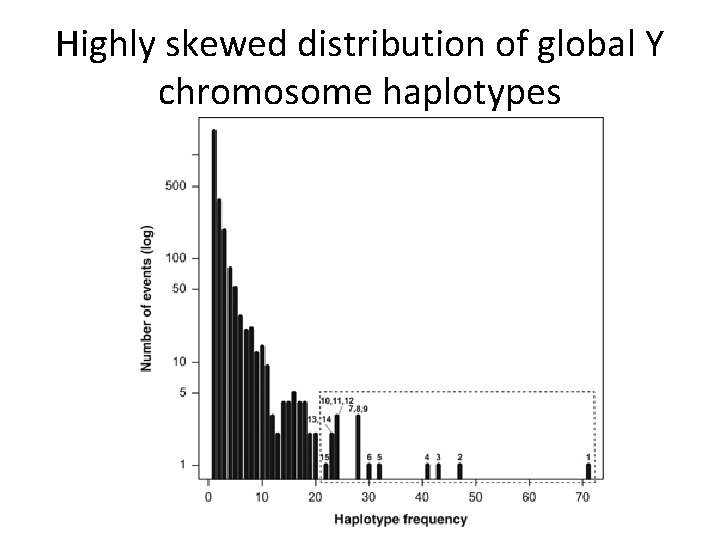
One very common Y chromosome type in Asia
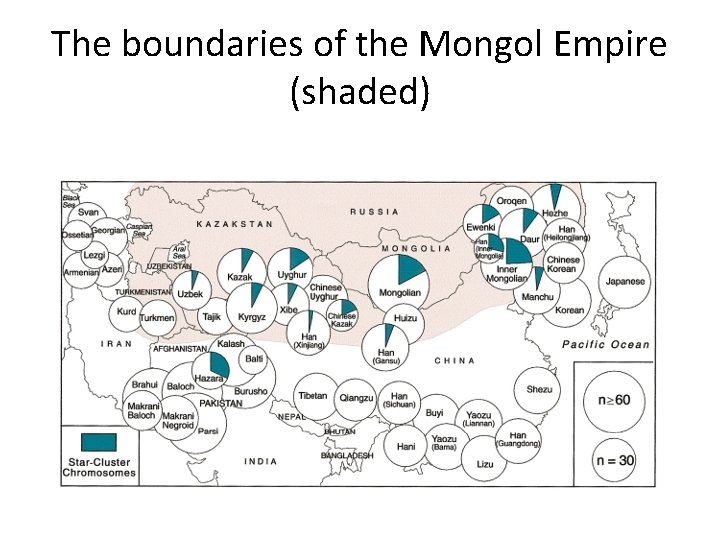
The boundaries of the Mongol Empire (shaded)
Genghis khan
Highly skewed distribution of global Y chromosome haplotypes
I cannot persuade myself that a beneficent & omnipotent God would have designedly created the Ichneumonidae with the express intention of their feeding within the living bodies of caterpillars, or that a cat should play with mice. -- From a letter to Asa Gray, 22 May 1860
“Now, here, you see, it takes all the running you can do, to keep in the same place … And if you wish to go anywhere you must run twice as fast. ” (Alice in Wonderland)
- Slides: 56