
Charles Darwin on Adaptations Evolution Darwin observed Overproduction
Charles Darwin on Adaptations & Evolution
Darwin observed… Ø Overproduction l Ø Genetic Variation l Ø Within populations, individuals have different traits Struggle to survive l Ø More offspring produced than can survive Must compete for existence Differential reproduction l Not everyone has an equal opportunity to reproduce. Those with best adaptations are most likely to survive and reproduce
How Natural Selection works… Ø In any population, individuals have traits, many of which show variation. Ø Traits that are determined by genes are heritable. Ø Advantageous traits benefit an organism and allow it to leave more offspring—this is natural selection. Ø Advantageous traits become more common in a population, resulting in adaptation of the species in response to its environment.
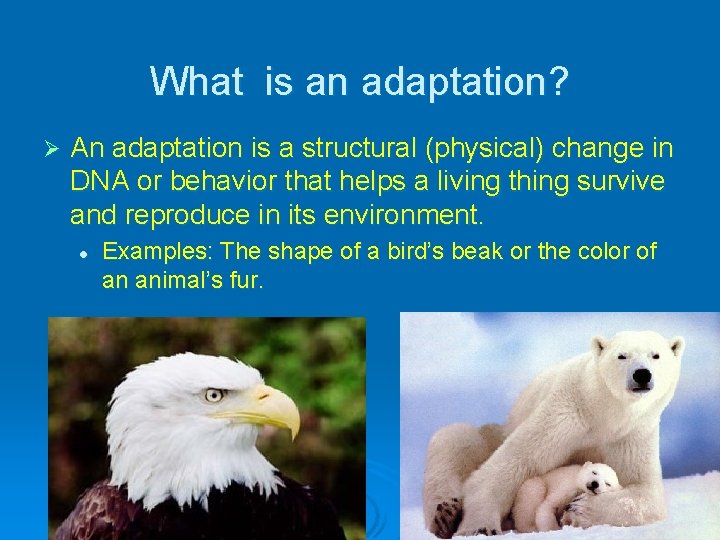
What is an adaptation? Ø An adaptation is a structural (physical) change in DNA or behavior that helps a living thing survive and reproduce in its environment. l Examples: The shape of a bird’s beak or the color of an animal’s fur.
Animal Adaptations
Types of Adaptation Ø Anything that helps an organism survive in its environment is an adaptation. Ø It also refers to the ability of living things to adjust to different conditions within their environments. l l l Structural adaptation Protective coloration Mimicry Behaviour adaptations Migration Hibernation
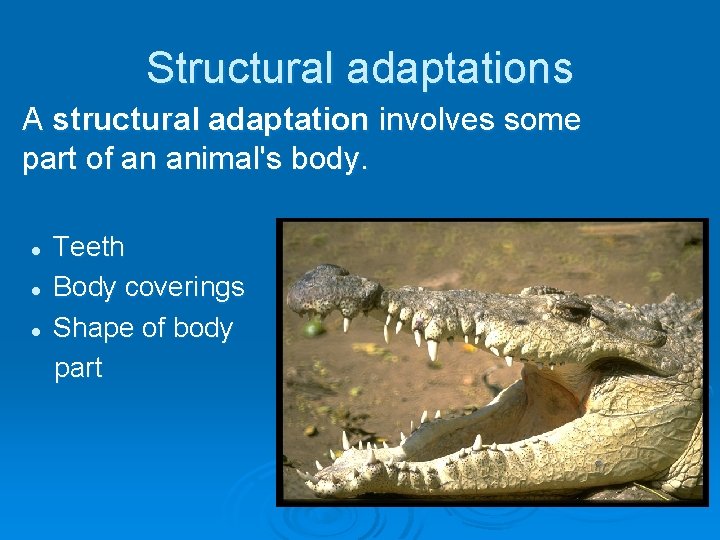
Structural adaptations A structural adaptation involves some part of an animal's body. Teeth l Body coverings l Shape of body part l
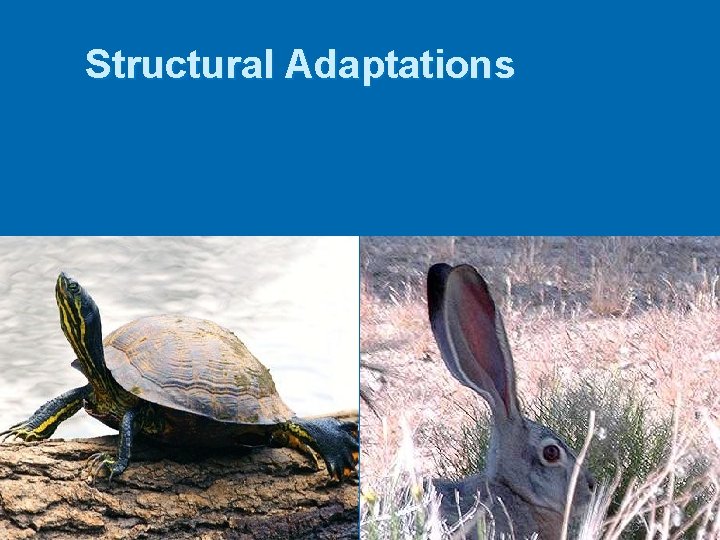
Structural Adaptations
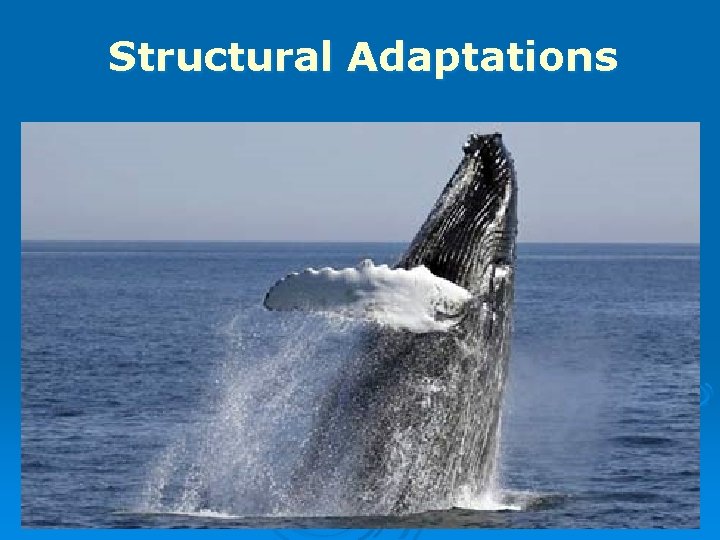
Structural Adaptations
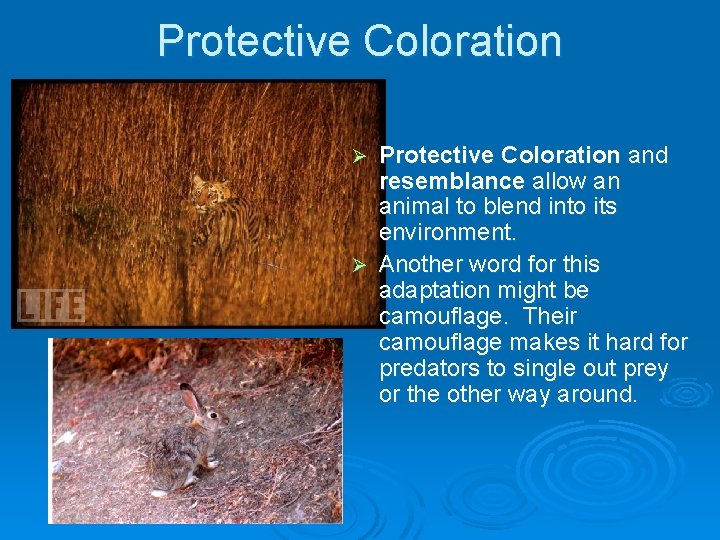
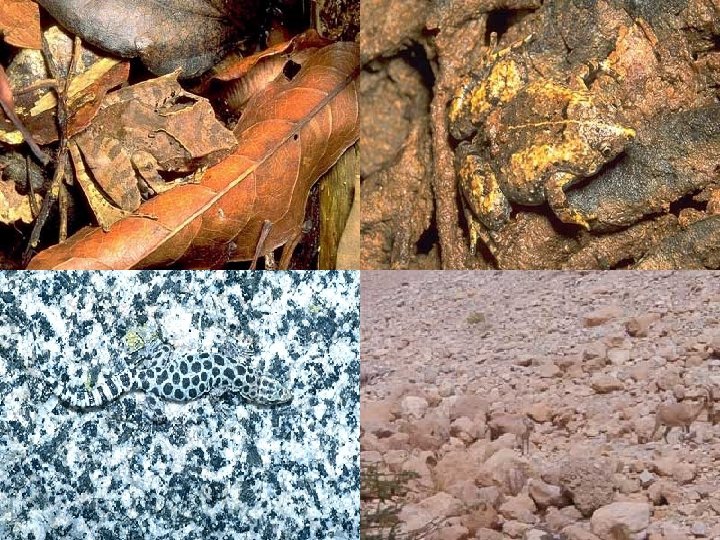
Protective Coloration and resemblance allow an animal to blend into its environment. Ø Another word for this adaptation might be camouflage. Their camouflage makes it hard for predators to single out prey or the other way around. Ø
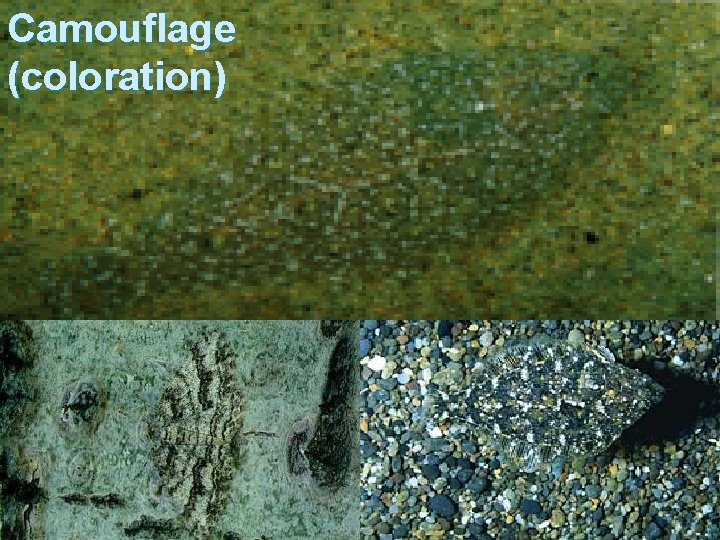
Camouflage (coloration)
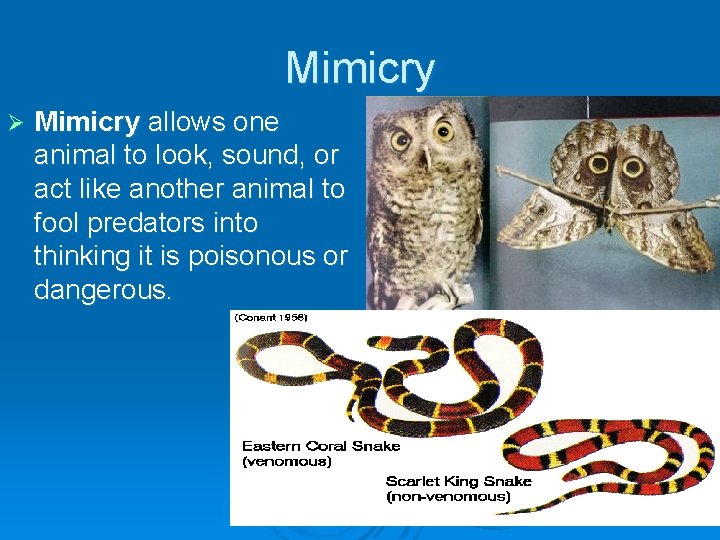
Mimicry Ø Mimicry allows one animal to look, sound, or act like another animal to fool predators into thinking it is poisonous or dangerous.
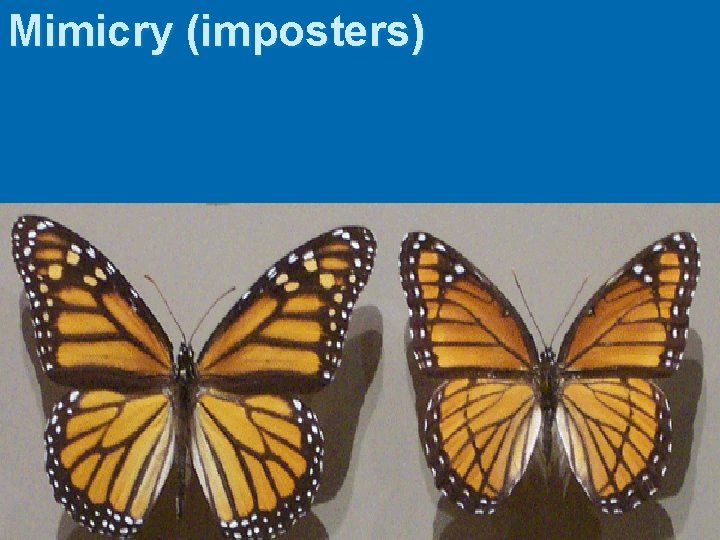
Mimicry (imposters)
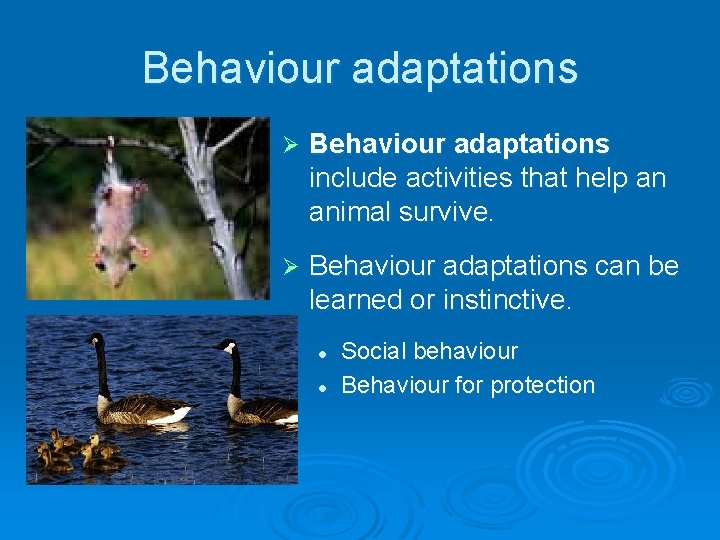
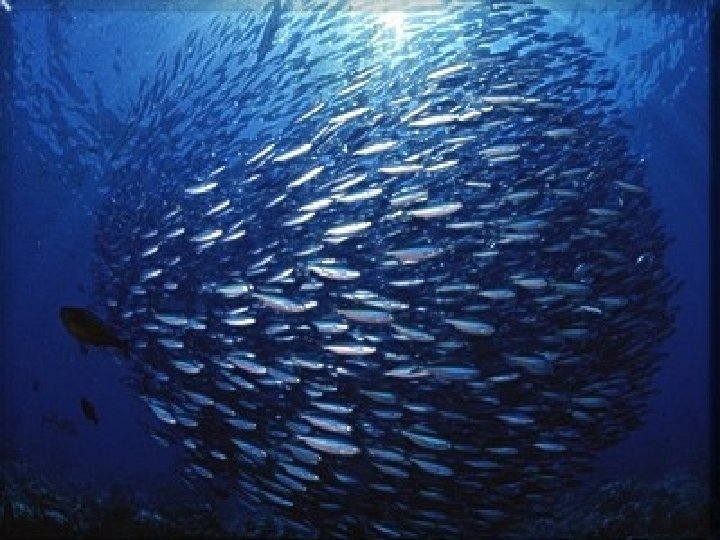
Behaviour adaptations Ø Behaviour adaptations include activities that help an animal survive. Ø Behaviour adaptations can be learned or instinctive. l l Social behaviour Behaviour for protection
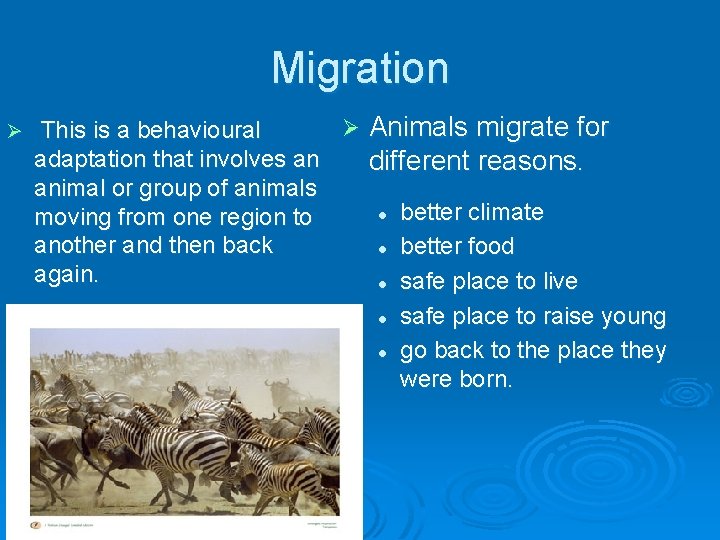
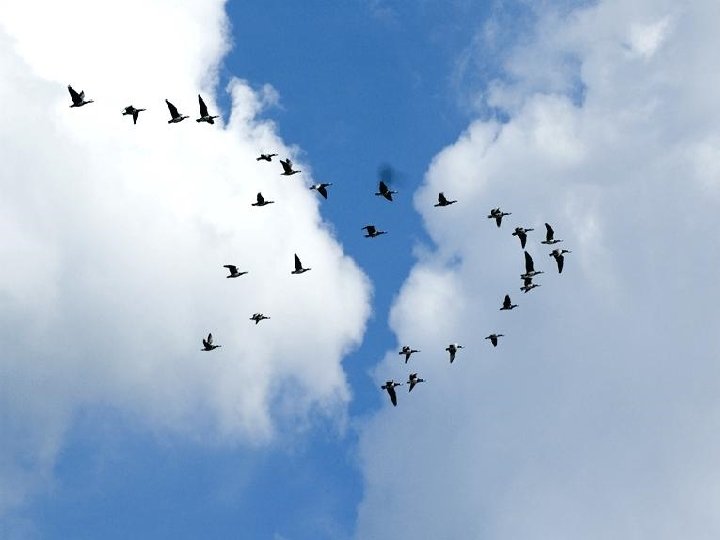
Migration Ø Ø Animals migrate for This is a behavioural adaptation that involves an different reasons. animal or group of animals l better climate moving from one region to another and then back l better food again. l safe place to live l safe place to raise young l go back to the place they were born.
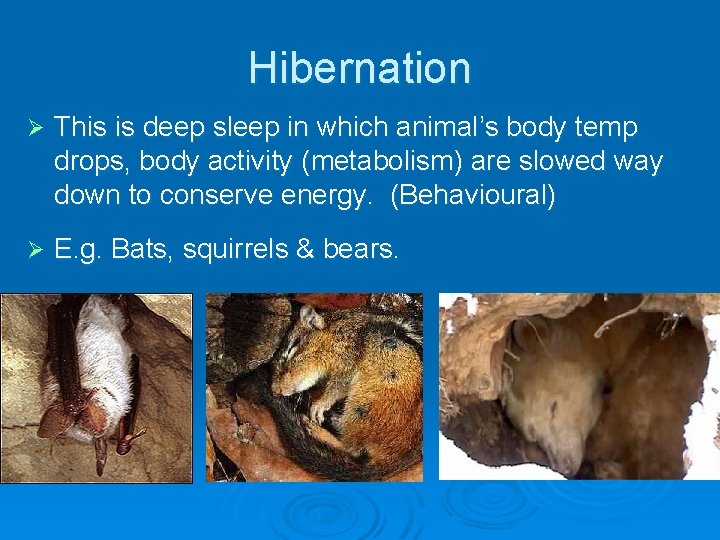
Hibernation Ø This is deep sleep in which animal’s body temp drops, body activity (metabolism) are slowed way down to conserve energy. (Behavioural) Ø E. g. Bats, squirrels & bears.
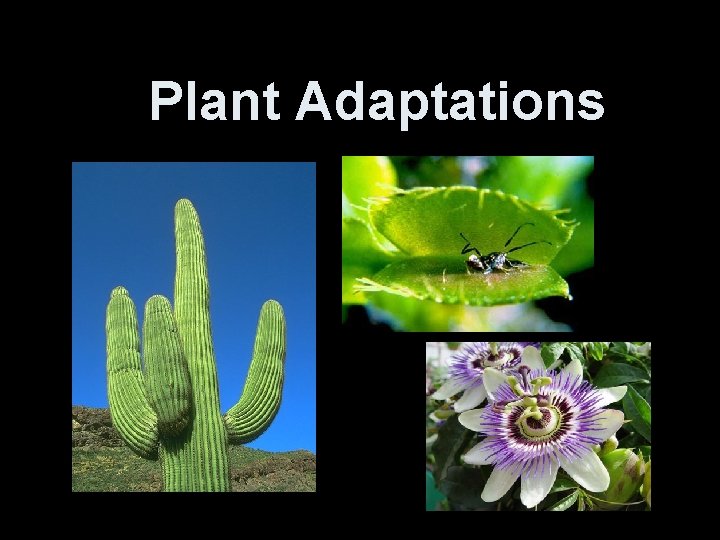
Plant Adaptations
Types of Adaptations • Structural adaptations are the way something is built or made. • Behavioral adaptations are the way something acts naturally or by instinct.
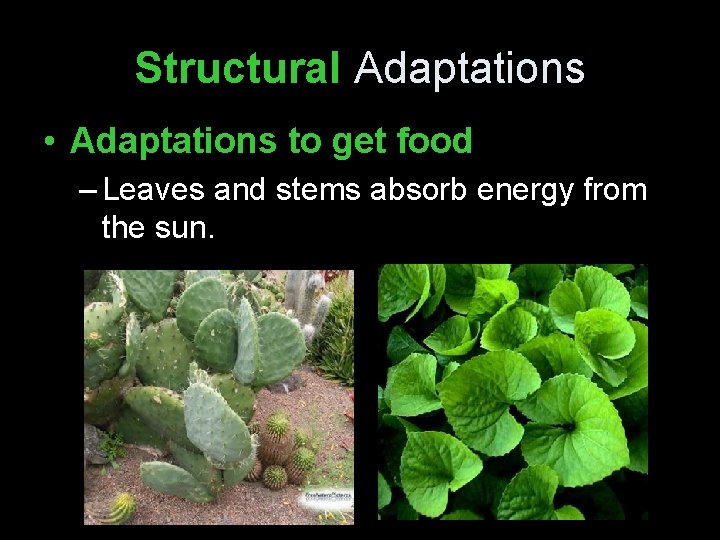
Structural Adaptations • Adaptations to get food – Leaves and stems absorb energy from the sun.
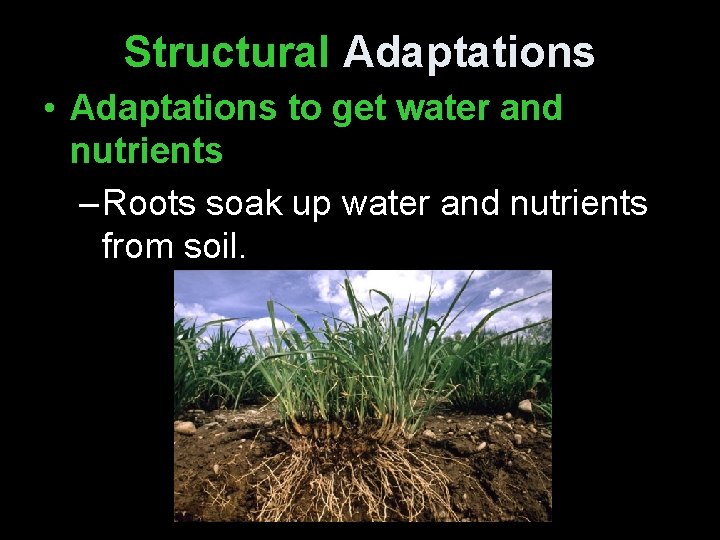
Structural Adaptations • Adaptations to get water and nutrients – Roots soak up water and nutrients from soil.
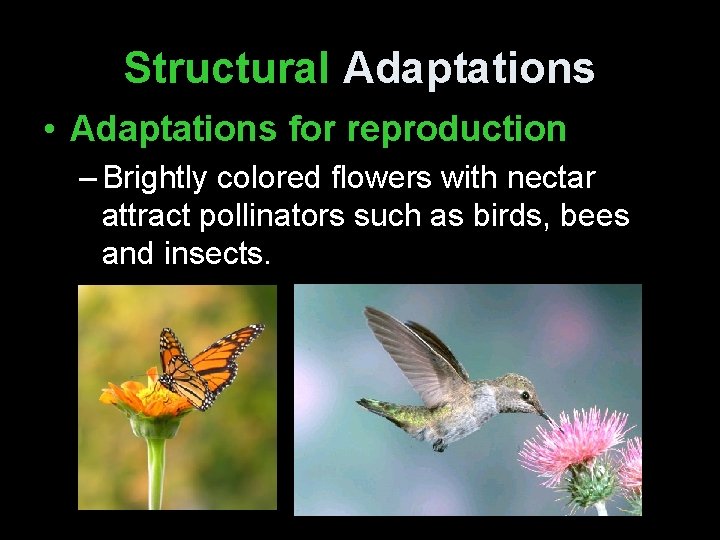
Structural Adaptations • Adaptations for reproduction – Brightly colored flowers with nectar attract pollinators such as birds, bees and insects.
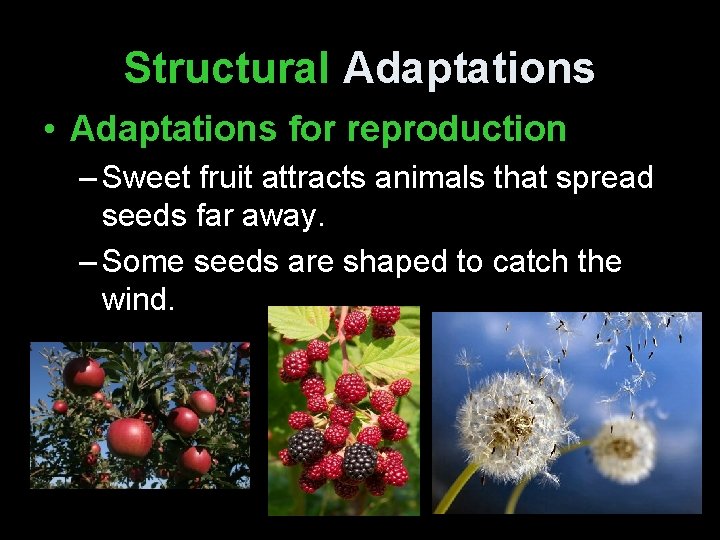
Structural Adaptations • Adaptations for reproduction – Sweet fruit attracts animals that spread seeds far away. – Some seeds are shaped to catch the wind.
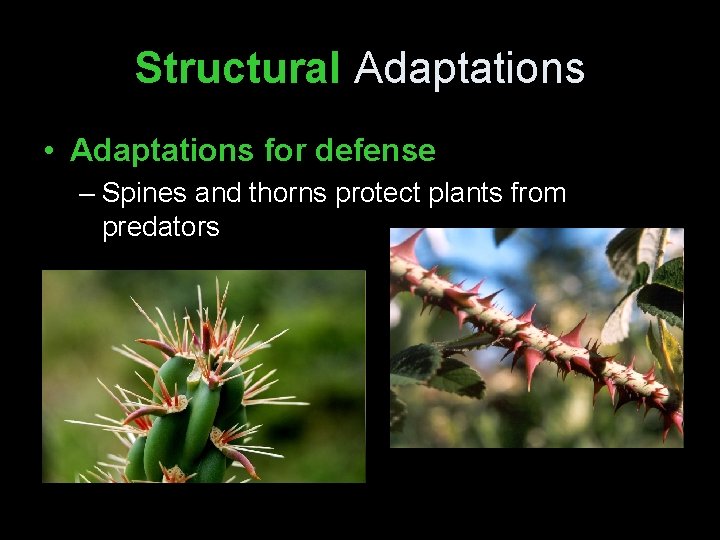
Structural Adaptations • Adaptations for defense – Spines and thorns protect plants from predators
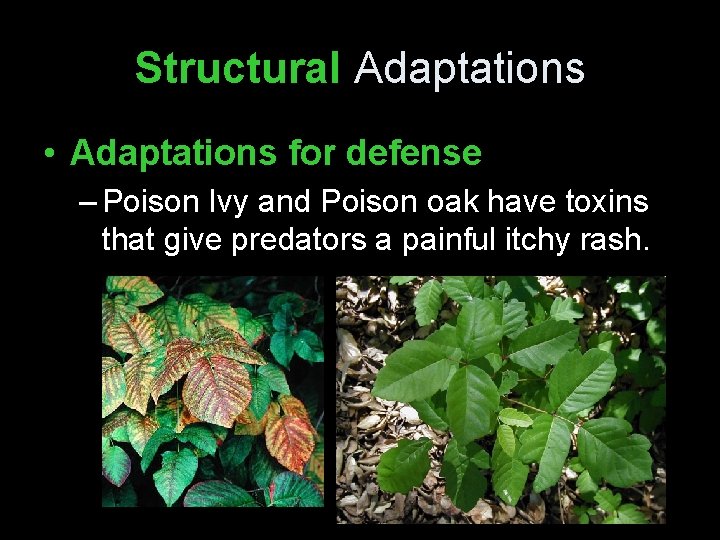
Structural Adaptations • Adaptations for defense – Poison Ivy and Poison oak have toxins that give predators a painful itchy rash.
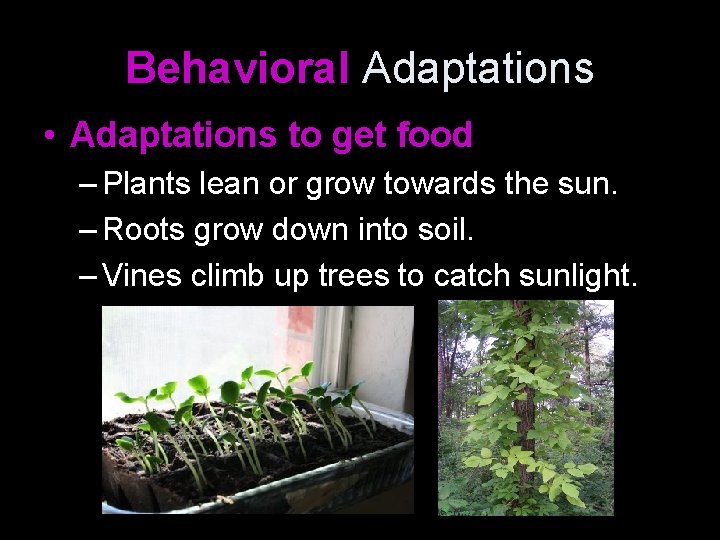
Behavioral Adaptations • Adaptations to get food – Plants lean or grow towards the sun. – Roots grow down into soil. – Vines climb up trees to catch sunlight.
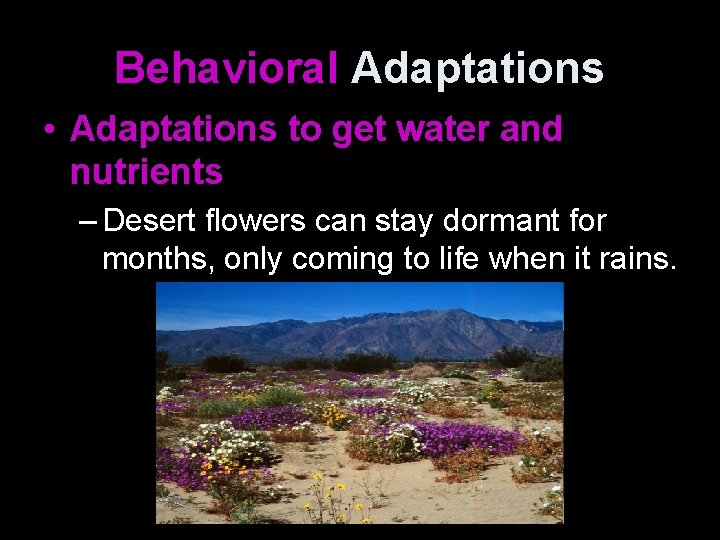
Behavioral Adaptations • Adaptations to get water and nutrients – Desert flowers can stay dormant for months, only coming to life when it rains.
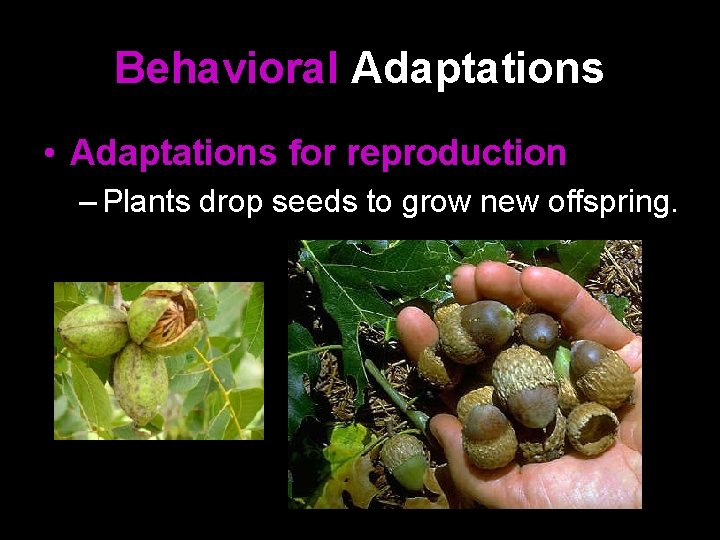
Behavioral Adaptations • Adaptations for reproduction – Plants drop seeds to grow new offspring.
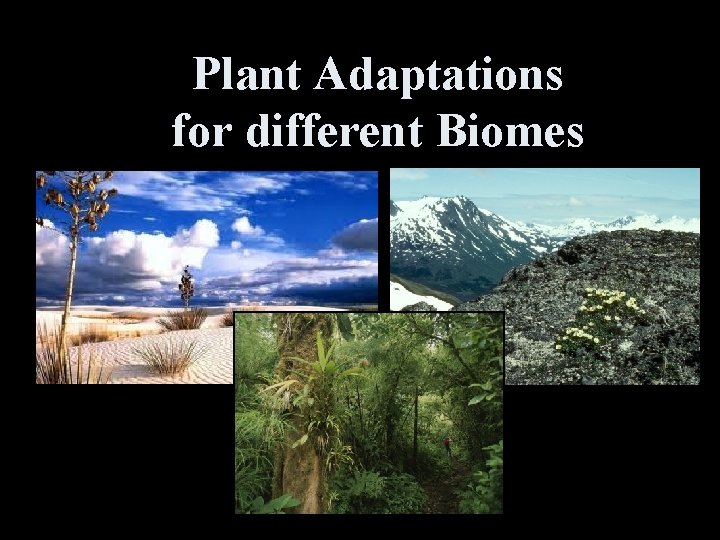
Plant Adaptations for different Biomes
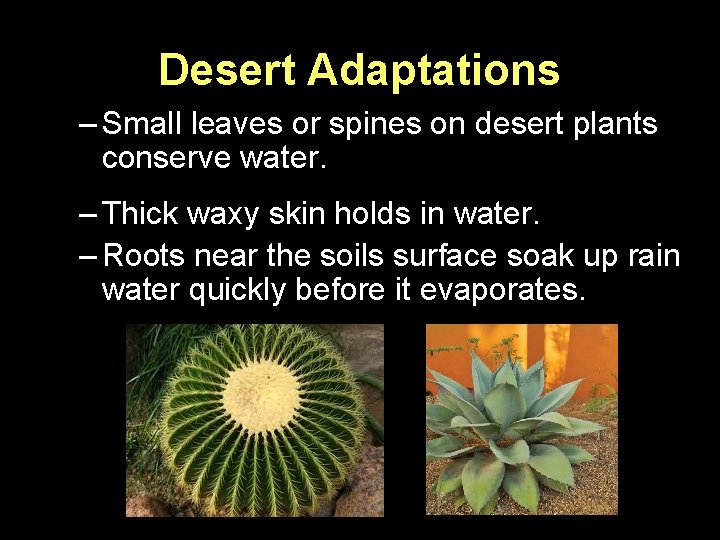
Desert Adaptations – Small leaves or spines on desert plants conserve water. – Thick waxy skin holds in water. – Roots near the soils surface soak up rain water quickly before it evaporates.
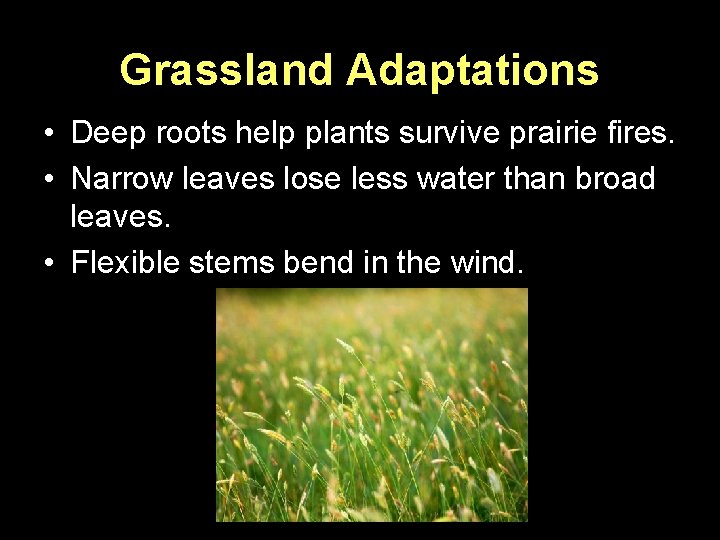
Grassland Adaptations • Deep roots help plants survive prairie fires. • Narrow leaves lose less water than broad leaves. • Flexible stems bend in the wind.
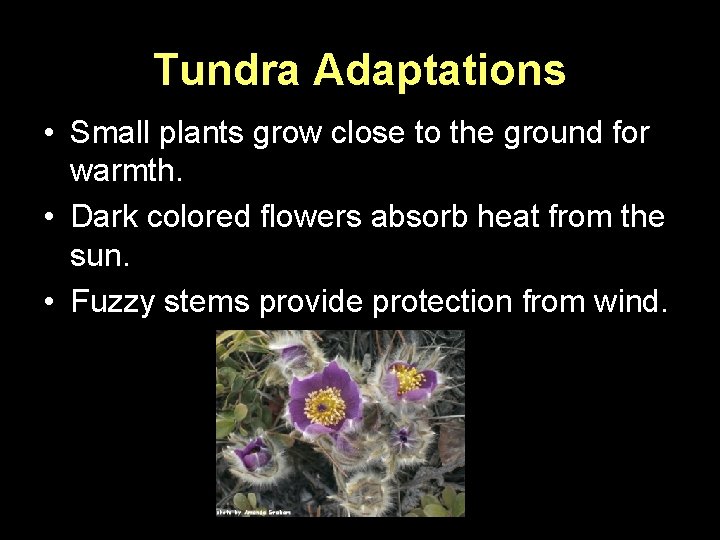
Tundra Adaptations • Small plants grow close to the ground for warmth. • Dark colored flowers absorb heat from the sun. • Fuzzy stems provide protection from wind.
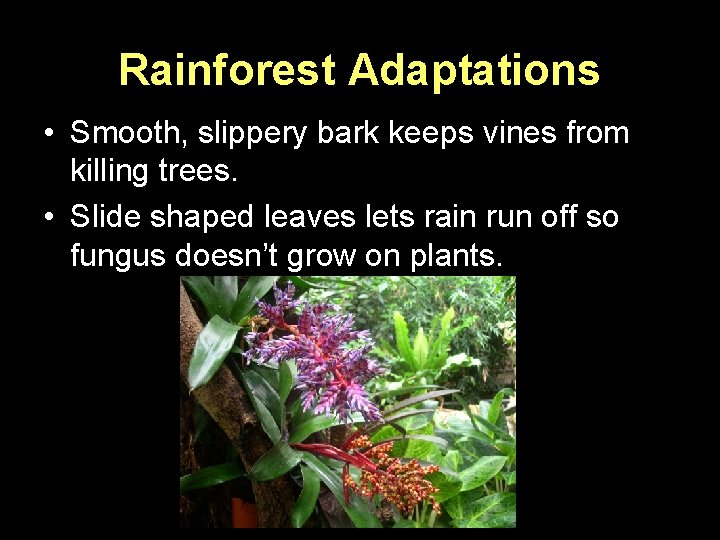
Rainforest Adaptations • Smooth, slippery bark keeps vines from killing trees. • Slide shaped leaves lets rain run off so fungus doesn’t grow on plants.
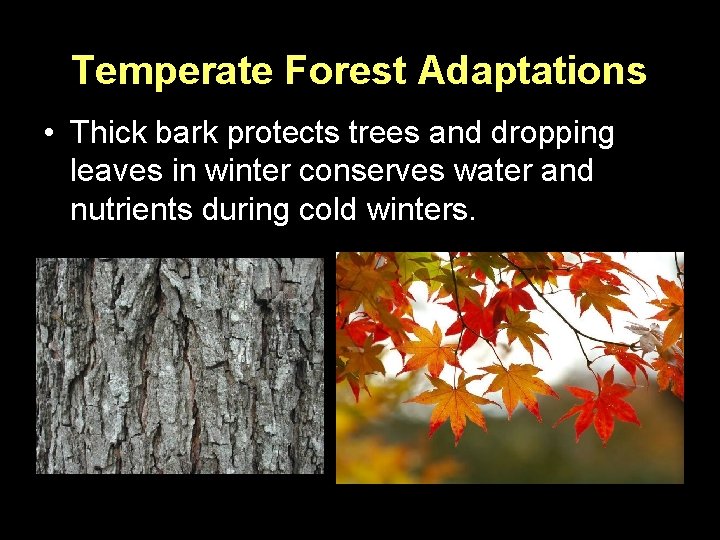
Temperate Forest Adaptations • Thick bark protects trees and dropping leaves in winter conserves water and nutrients during cold winters.
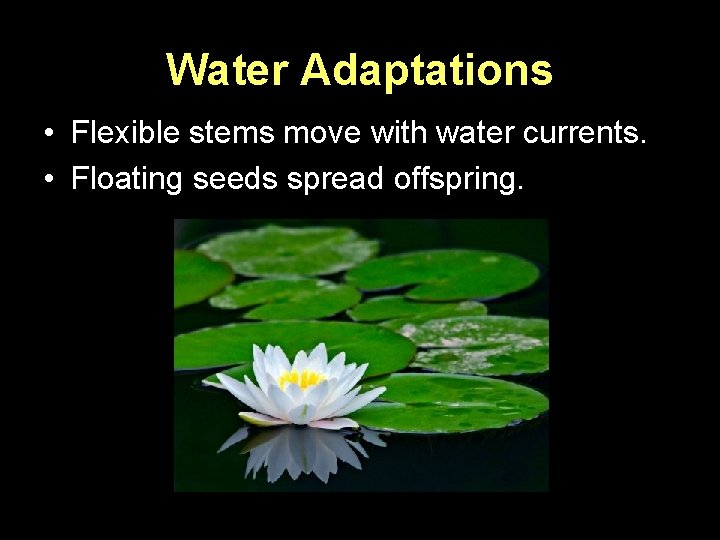
Water Adaptations • Flexible stems move with water currents. • Floating seeds spread offspring.
- Slides: 37