
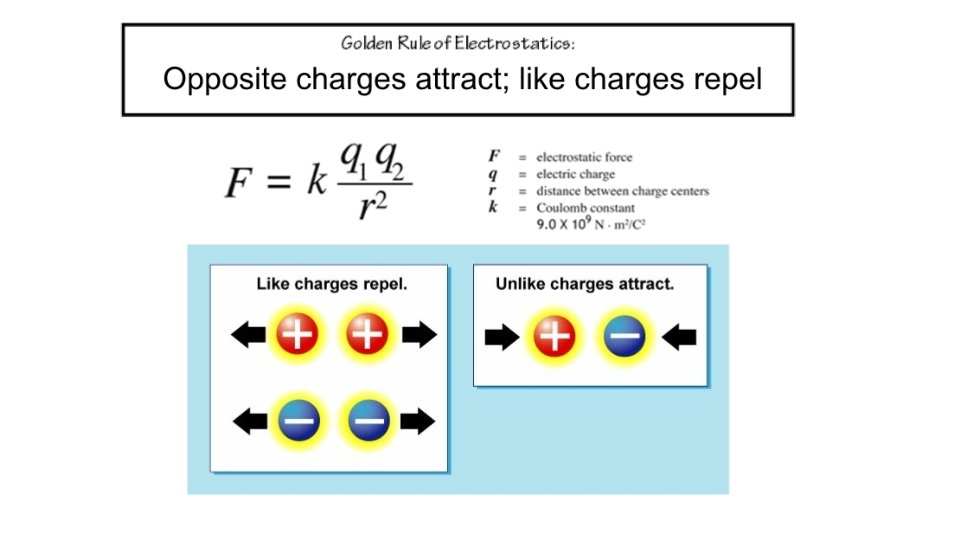
Charges Protons and electrons have equal but opposite
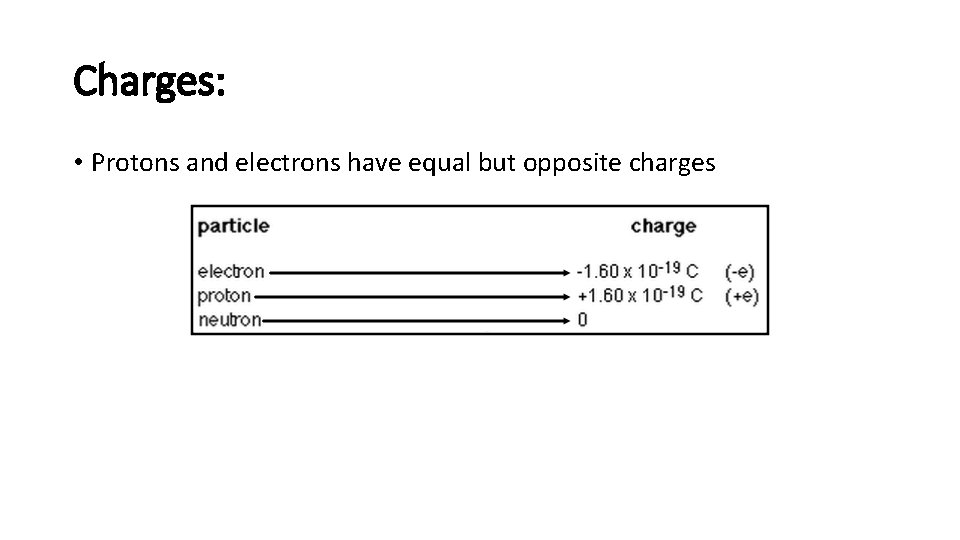
Charges: • Protons and electrons have equal but opposite charges
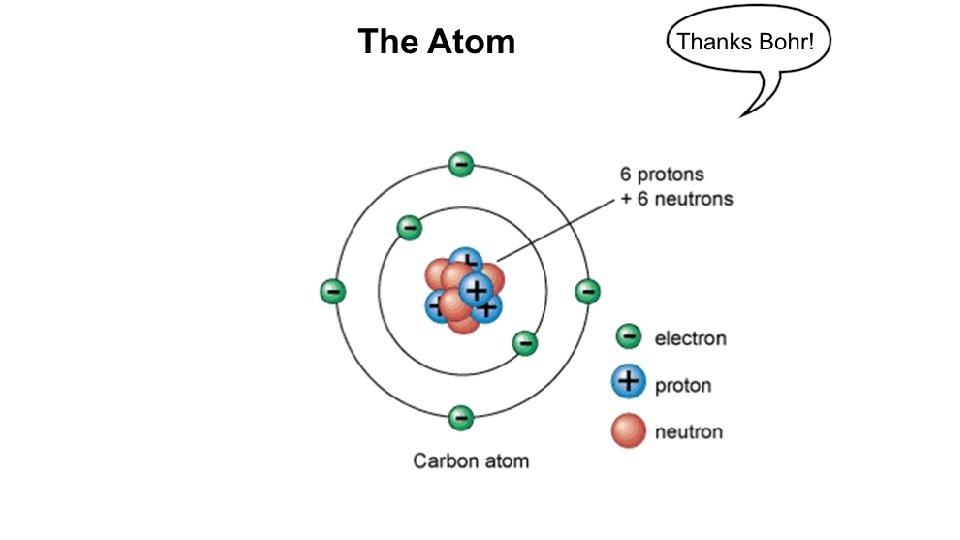
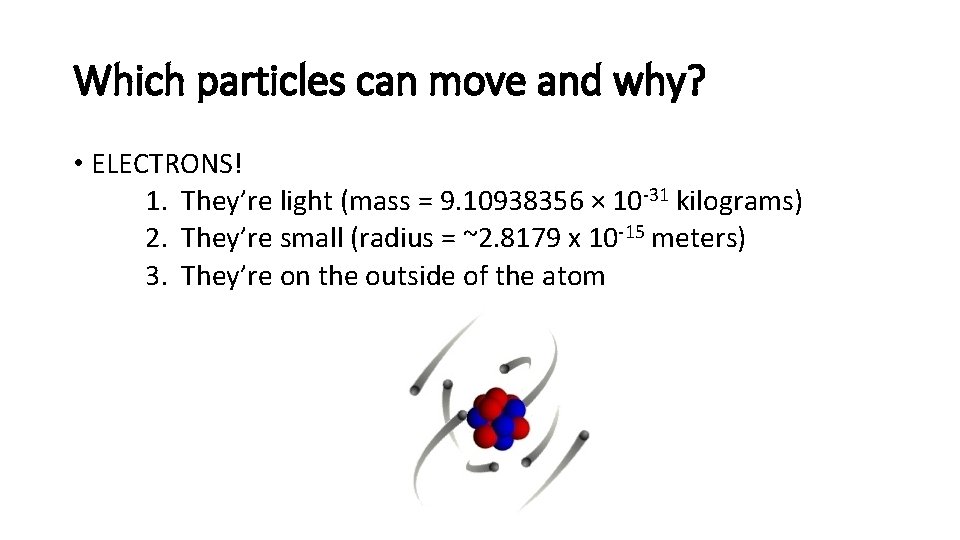
Which particles can move and why? • ELECTRONS! 1. They’re light (mass = 9. 10938356 × 10 -31 kilograms) 2. They’re small (radius = ~2. 8179 x 10 -15 meters) 3. They’re on the outside of the atom
Net Charge: • An object that gains electrons is "charged negative" • An object that looses electrons is "charged positive"

What is the NET charge on these objects?
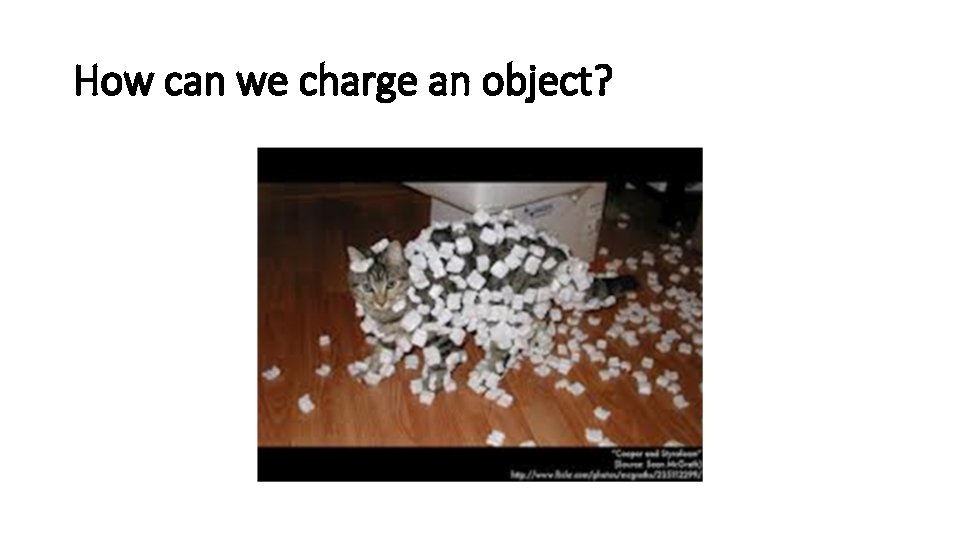
How can we charge an object?
How can we charge an object? Think: How can we get electrons to move? • Friction - transferring electrons through rubbing • Conduction - transferring electrons through touch or contact • Induction - bringing a charged close to a neutral object and polarizing it
Friction: transferring electrons through rubbing • Think: ripping electrons off one object and transferring them to another. • Example: sock & shirt • http: //phet. colorado. edu/en/simulation/balloons
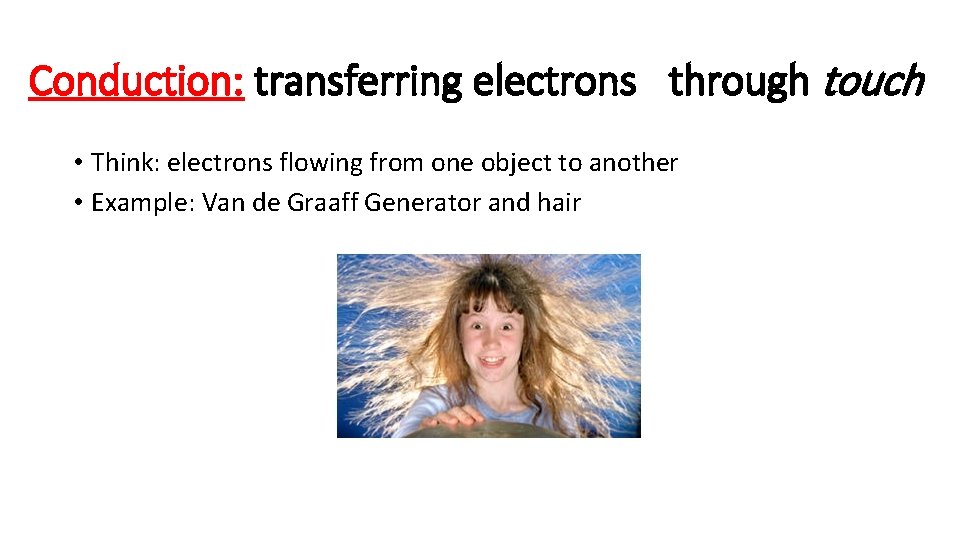
Conduction: transferring electrons through touch • Think: electrons flowing from one object to another • Example: Van de Graaff Generator and hair
Induction: bringing a charged close to a neutral object and polarizing it What’s that?
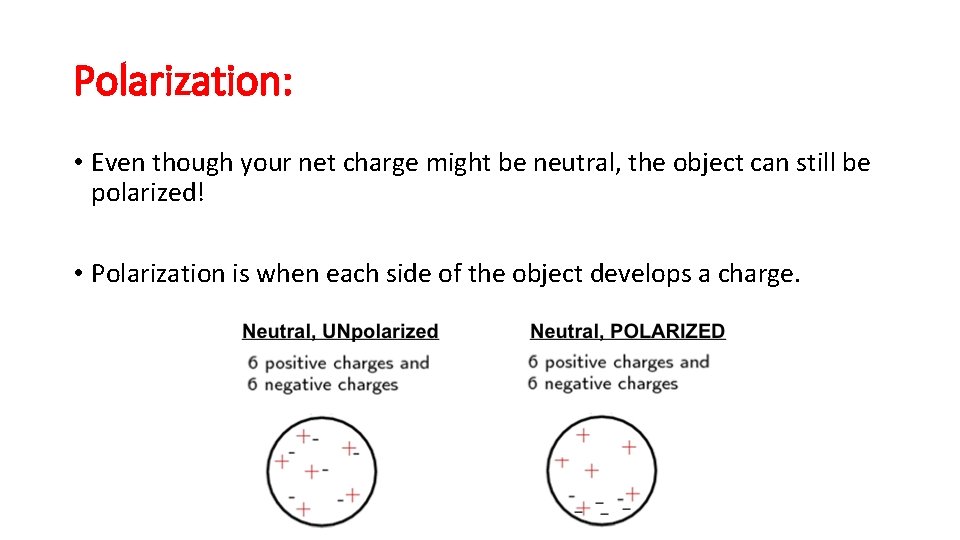
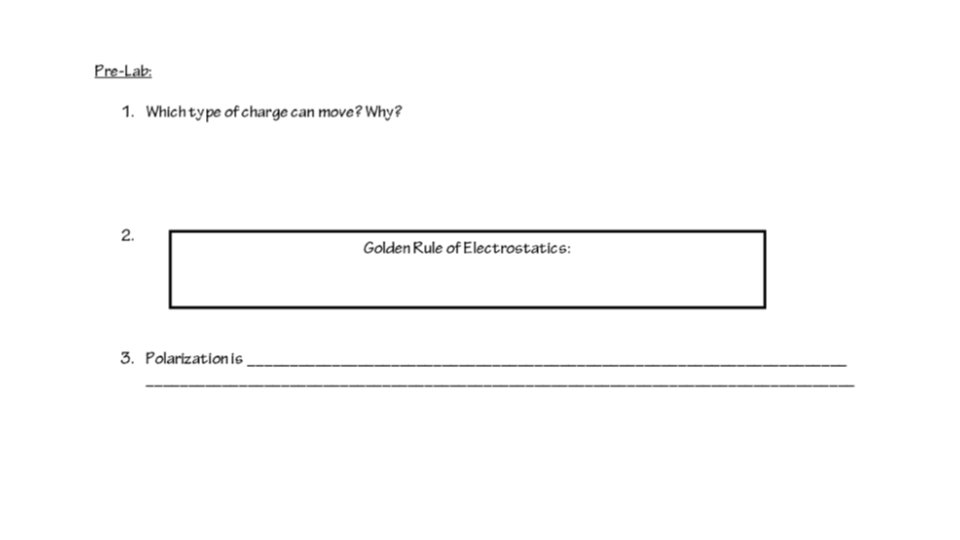
Polarization: • Even though your net charge might be neutral, the object can still be polarized! • Polarization is when each side of the object develops a charge.
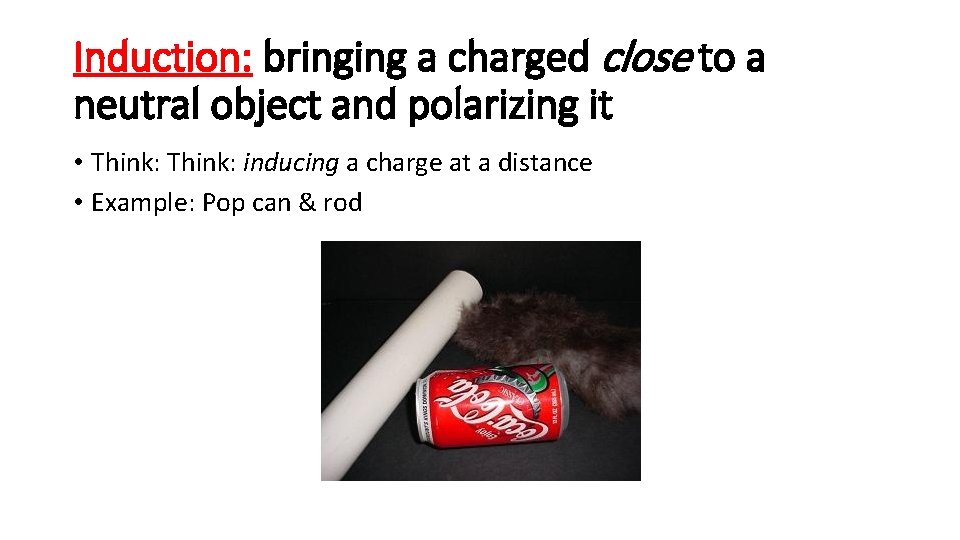
Induction: bringing a charged close to a neutral object and polarizing it • Think: inducing a charge at a distance • Example: Pop can & rod
How can we get rid of a net charge? Think: How can we restore a neutral charge? • Discharging: getting rid of net charge • Grounding: removing electrons through contact with the 'ground' • A ground is something that has seemingly infinite supply of electrons; it can give or take electrons from the object • Example: ground • Example: person
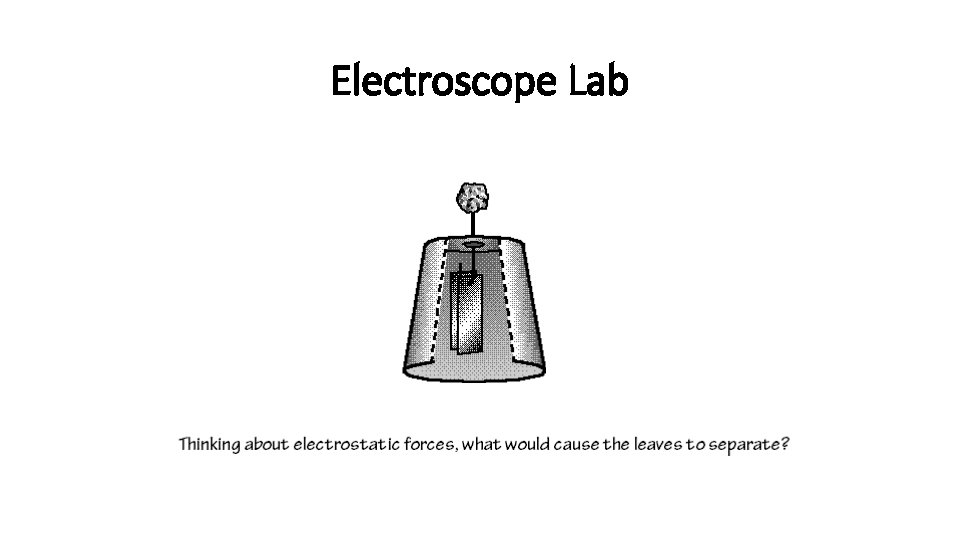
Electroscope Lab
Post-Lab Discussion: 1. Describe how positive and negative charges interact with one another. 2. Describe how neutral charges interact with other charges. 3. Knowing that a neutrino is chargeless, what types of interactions would you expect? 4. Knowing this, why might Ice. Cube researchers be so interested in neutrinos? (Hint: Think about the path a neutrino would take from its source to you!) 5. Knowing this, why might neutrinos be difficult for Ice. Cube researchers to detect?
- Slides: 17