
Characterizing the Structure of Hurricane Karl 2010 Doppler
- Slides: 19
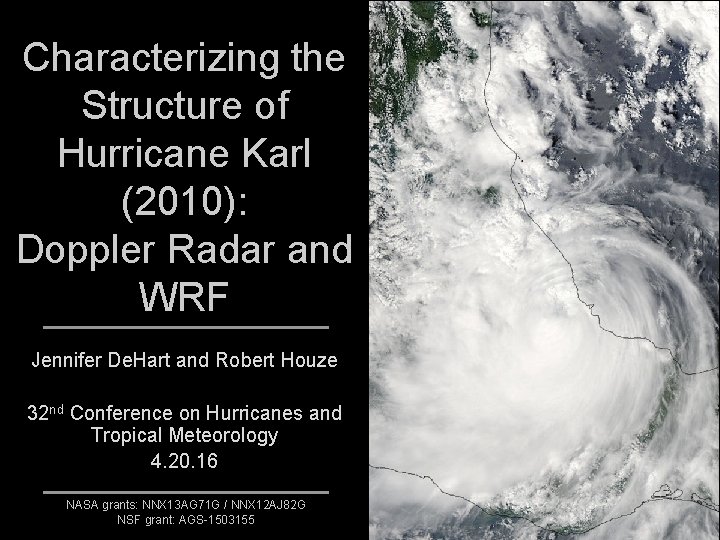
Characterizing the Structure of Hurricane Karl (2010): Doppler Radar and WRF Jennifer De. Hart and Robert Houze 32 nd Conference on Hurricanes and Tropical Meteorology 4. 20. 16 NASA grants: NNX 13 AG 71 G / NNX 12 AJ 82 G NSF grant: AGS-1503155
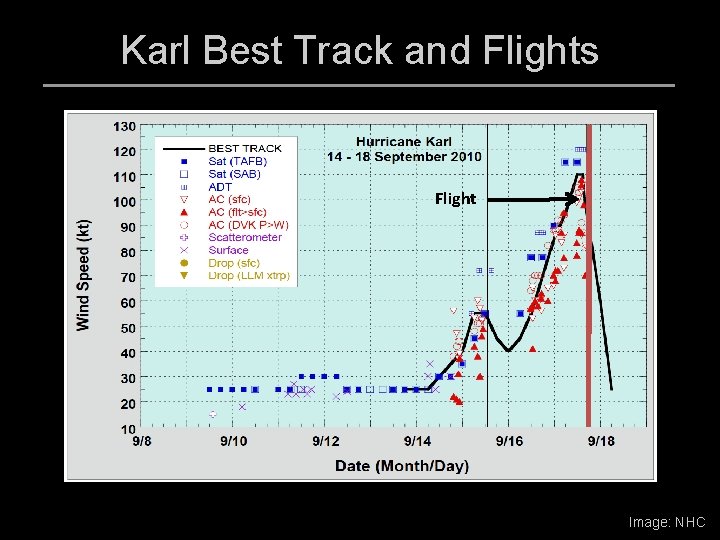
Karl Best Track and Flights Flight Image: NHC
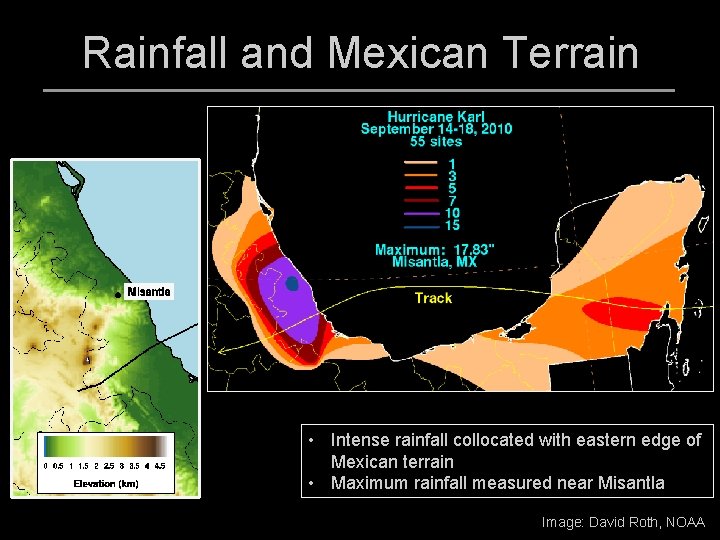
Rainfall and Mexican Terrain • Intense rainfall collocated with eastern edge of Mexican terrain • Maximum rainfall measured near Misantla Image: David Roth, NOAA
Science Questions • What do airborne radar measurements indicate about the nature of the precipitation during landfall over the mountainous terrain of Mexico? • What can WRF simulations tell us about the underlying processes?
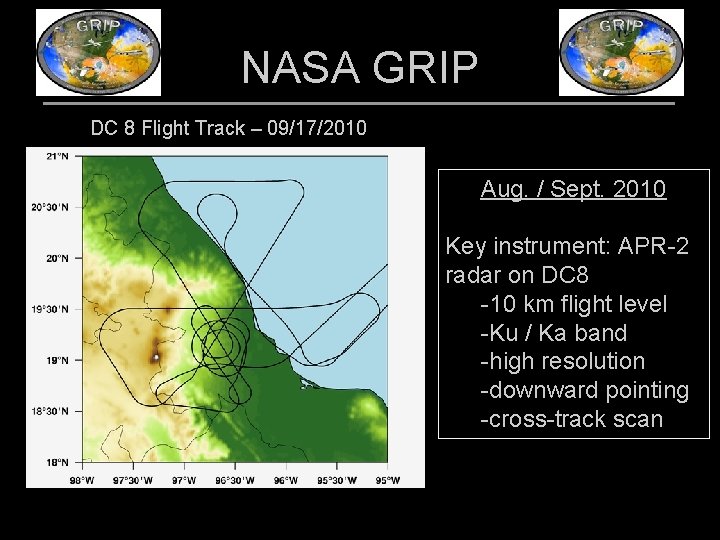
NASA GRIP DC 8 Flight Track – 09/17/2010 Aug. / Sept. 2010 Key instrument: APR-2 radar on DC 8 -10 km flight level -Ku / Ka band -high resolution -downward pointing -cross-track scan
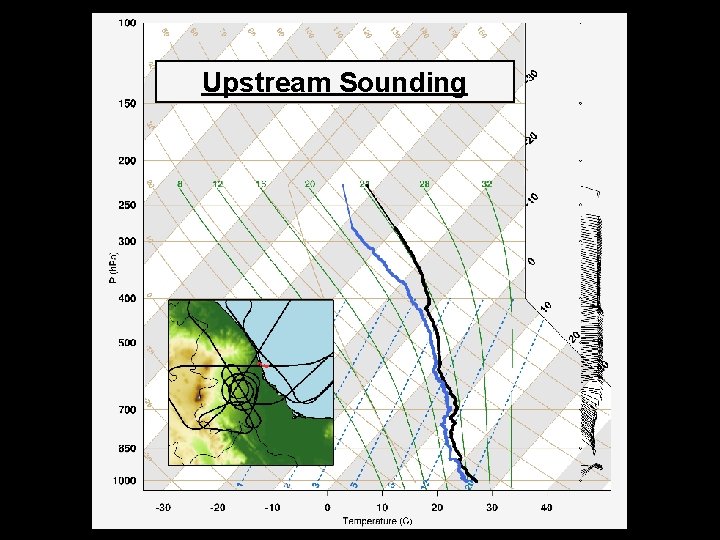
Upstream Sounding
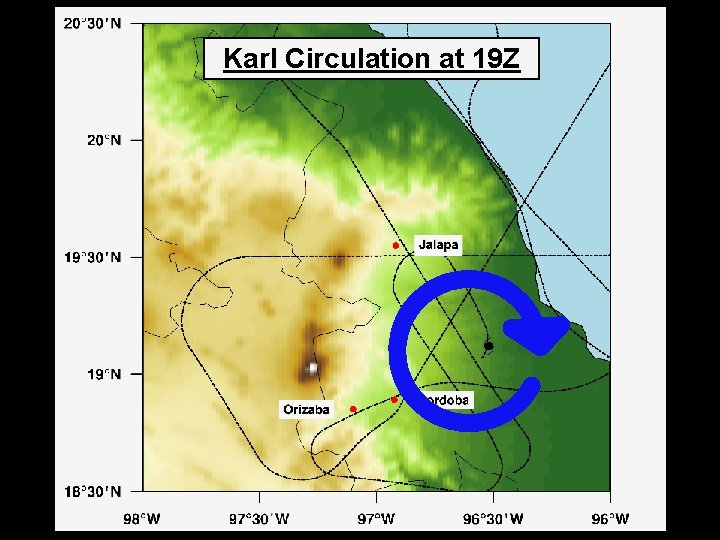
Karl Circulation at 19 Z
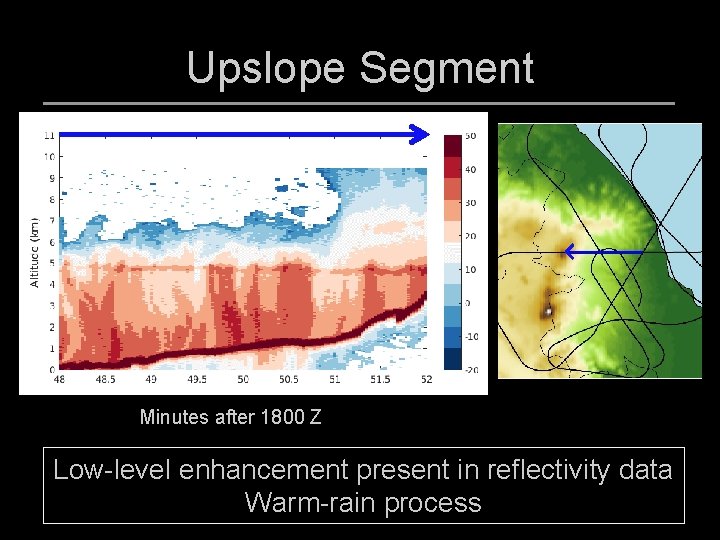
Upslope Segment Minutes after 1800 Z Low-level enhancement present in reflectivity data Warm-rain process
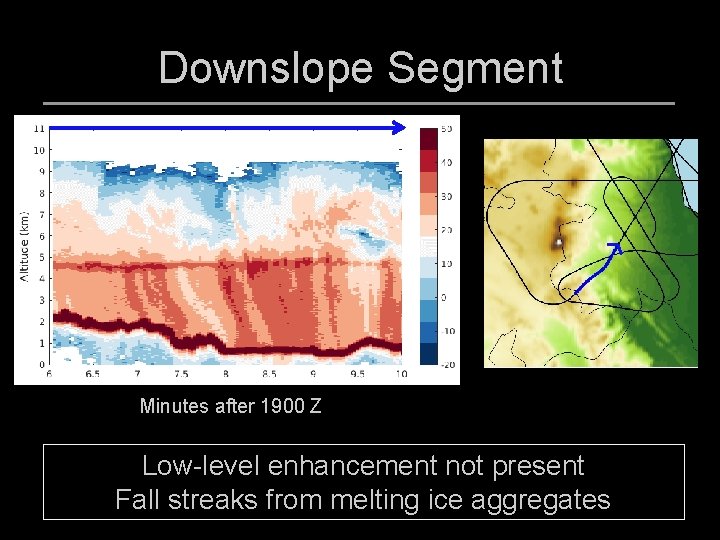
Downslope Segment Minutes after 1900 Z Low-level enhancement not present Fall streaks from melting ice aggregates
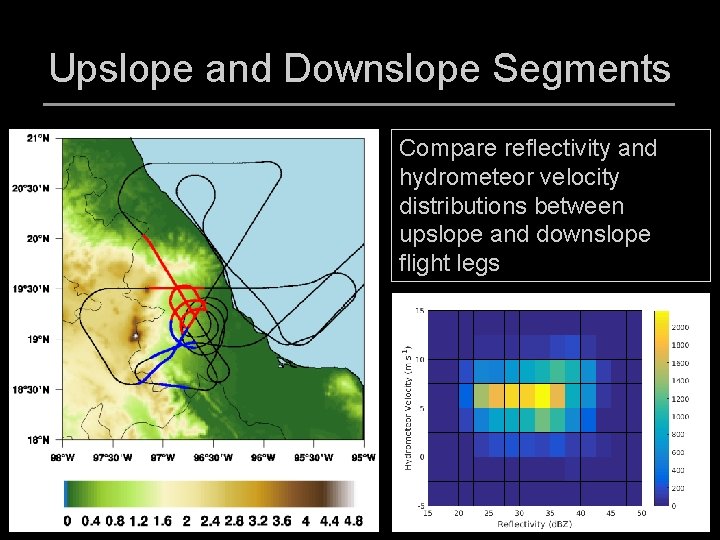
Upslope and Downslope Segments Compare reflectivity and hydrometeor velocity distributions between upslope and downslope flight legs
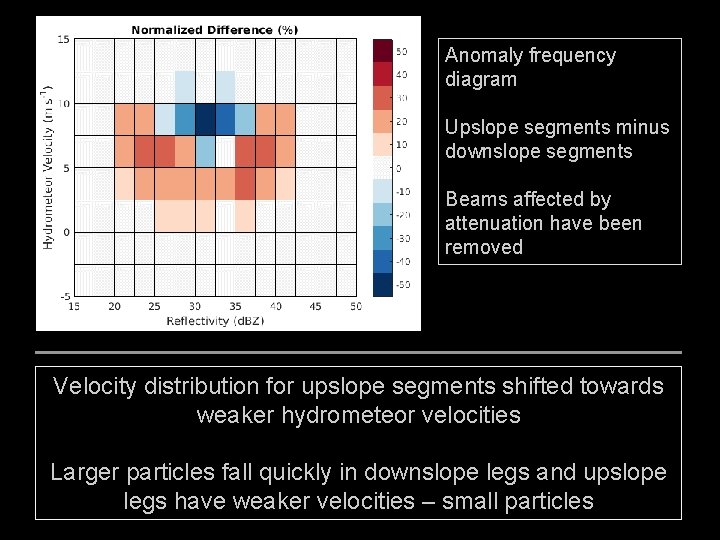
Anomaly frequency diagram Upslope segments minus downslope segments Beams affected by attenuation have been removed Velocity distribution for upslope segments shifted towards weaker hydrometeor velocities Larger particles fall quickly in downslope legs and upslope legs have weaker velocities – small particles
Terrain Modification Experiments
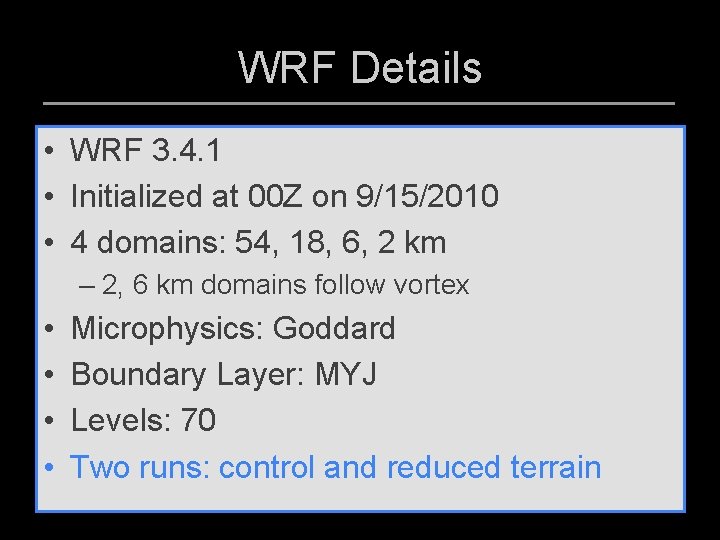
WRF Details • WRF 3. 4. 1 • Initialized at 00 Z on 9/15/2010 • 4 domains: 54, 18, 6, 2 km – 2, 6 km domains follow vortex • • Microphysics: Goddard Boundary Layer: MYJ Levels: 70 Two runs: control and reduced terrain
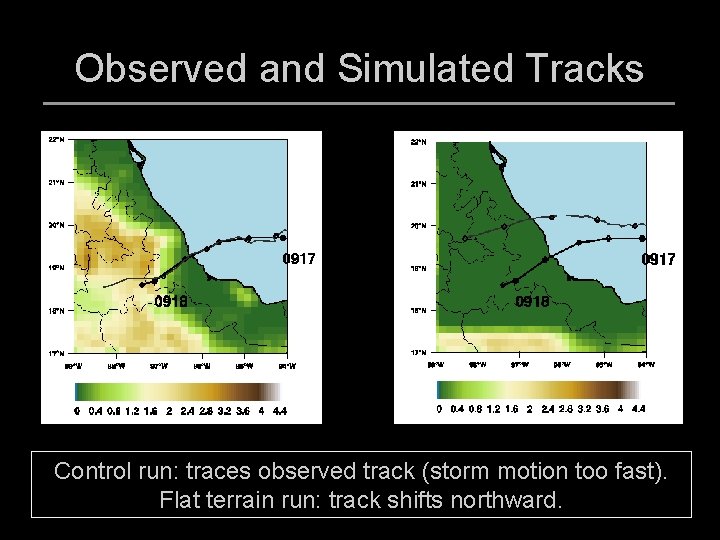
Observed and Simulated Tracks Control run: traces observed track (storm motion too fast). Flat terrain run: track shifts northward.
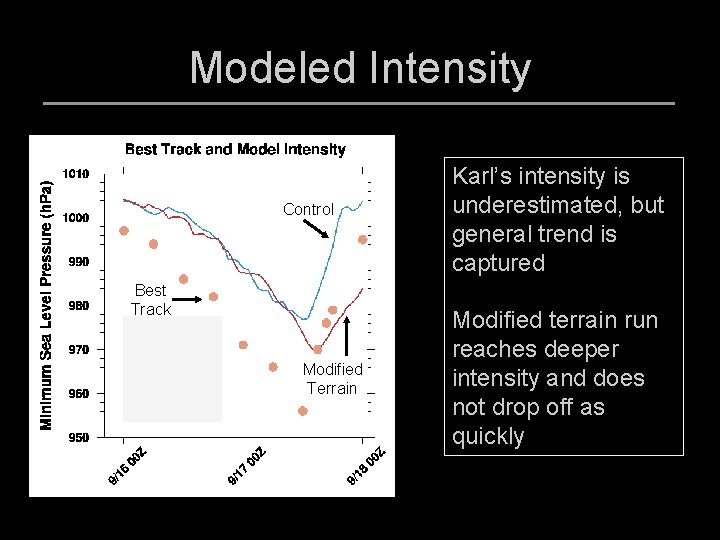
Modeled Intensity Control Best Track Modified Terrain Karl’s intensity is underestimated, but general trend is captured Modified terrain run reaches deeper intensity and does not drop off as quickly
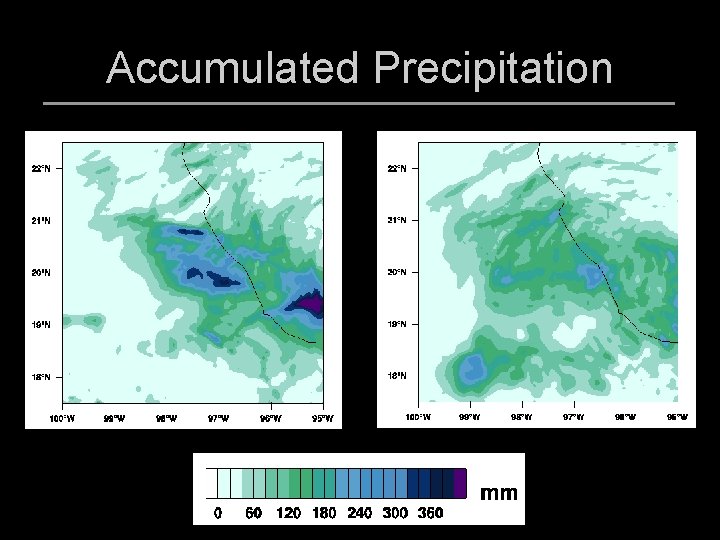
Accumulated Precipitation
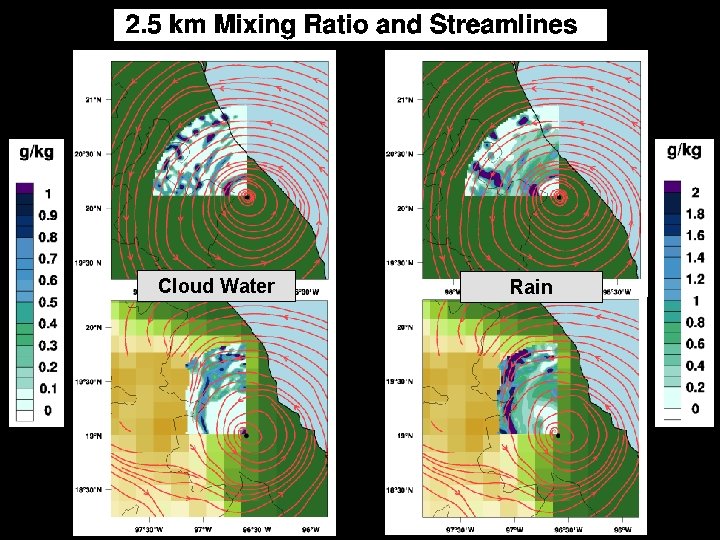
Cloud Water Rain
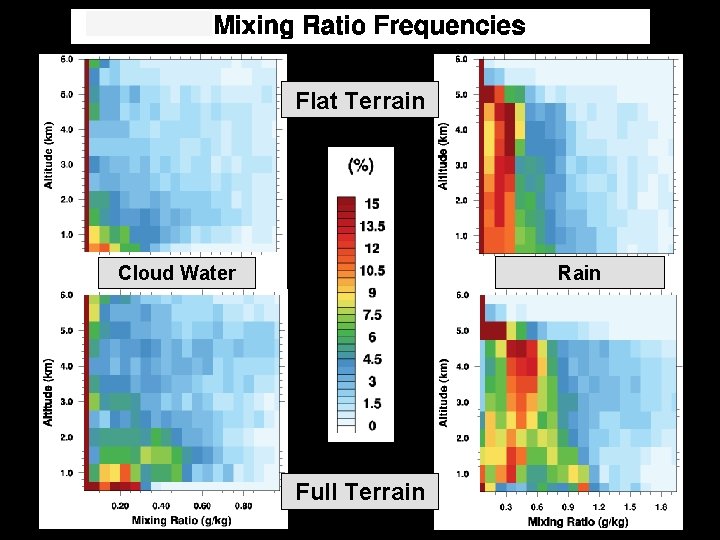
Flat Terrain Rain Cloud Water Full Terrain
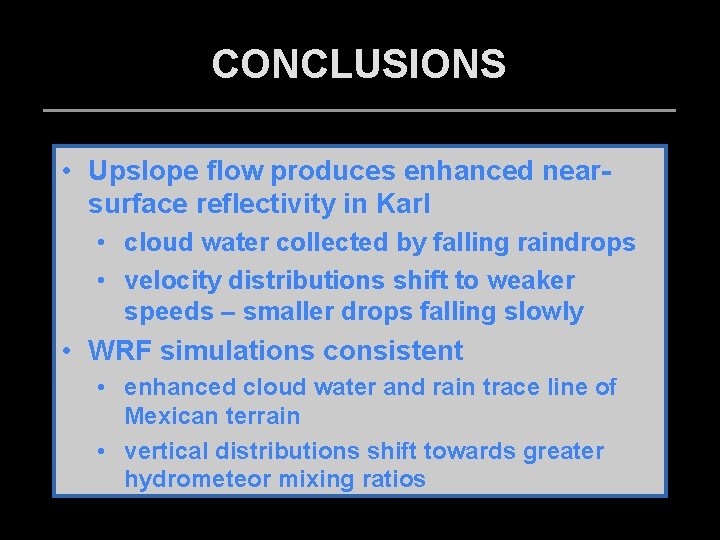
CONCLUSIONS • Upslope flow produces enhanced nearsurface reflectivity in Karl • cloud water collected by falling raindrops • velocity distributions shift to weaker speeds – smaller drops falling slowly • WRF simulations consistent • enhanced cloud water and rain trace line of Mexican terrain • vertical distributions shift towards greater hydrometeor mixing ratios