
Characterization of Nanoparticles In the case of biological

Characterization of Nanoparticles
�In the case of biological synthesis of nanoparticles, the aqueous metal ion precursors from metal salts are reduced and as a result a color change occurs in the reaction mixture. �This is the first qualitative indication that nanoparticles are being formed. �The second indication is characterization by Dr. Neihaya Heikmat

� Characterization is the tools and techniques that use to detect the properties of Nanoparticle and characterize the new forms and sizes and its structural. � It is necessary to establish understanding and control of nanoparticle synthesis and applications. � Characterization is done by using a variety of different techniques, mainly drawn from materials science.
�Characterization is performed by analytical techniques including: �Fourier transforms infrared spectroscopy (FTIR). �Scanning electron microscopy (SEM). �Zeta potential measurement. �Atomic force microscopy (AFM). �Scanning tunnelling microscopy (STM).
�Transmission �Dynamic � electron microscope (TEM). light scattering (DLS). powder X-ray diffraction (XRD). � � ultraviolet-visible spectroscopy (U. V spectrophotometer). �And others.
�Microscopy based techniques such as AFM, SEM, STM and TEM are considered direct methods of obtaining data from images taken of the nanoparticles. �In particular, both SEM and TEM have been extensively used to determine size and morphological features of nanoparticles. by Dr. Neihaya Heikmat
�Spectroscopy based techniques such as UV-vis, XRD, and FT-IR are considered indirect methods of determining data related to: �composition, structure, crystal phase, and properties of nanoparticles. � by Dr. Neihaya Heikmat
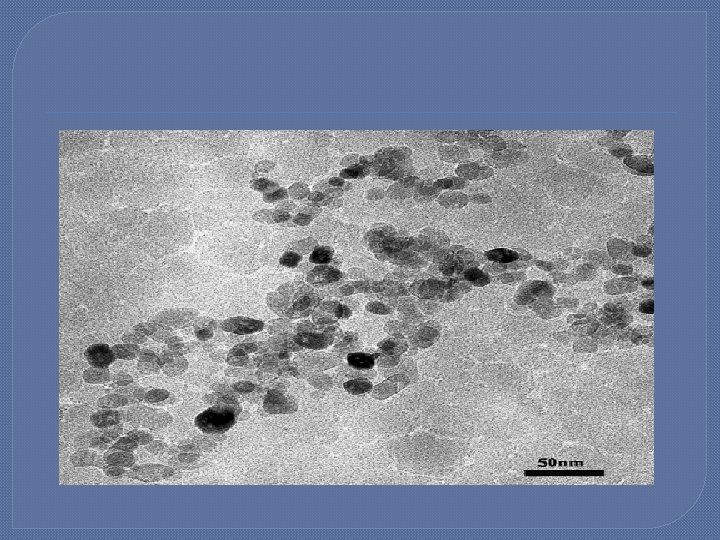
Transmission Electron Microscope (TEM) �Analysis of TEM images is partially responsible for the sizing curves of colloidal quantum dots. �The shape of the sample can also be determined from the image. �TEM produces 2 D images that require further interpretation.
� However, although the images rendered are two dimensional, TEM systems are capable of delivering much greater resolution. � TEM device from the same supplier will resolve images down to 0. 17 nm. � � TEM can provide a higher resolution it may be better suited for particle size analysis in the nano to sub-nano region. �
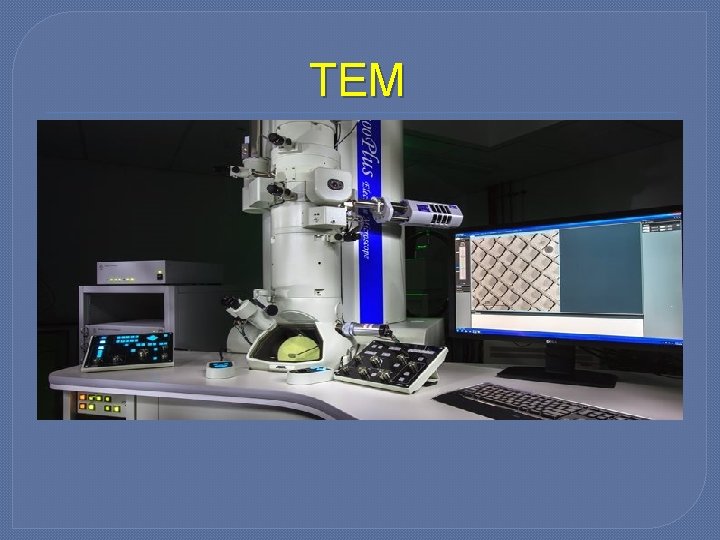
TEM
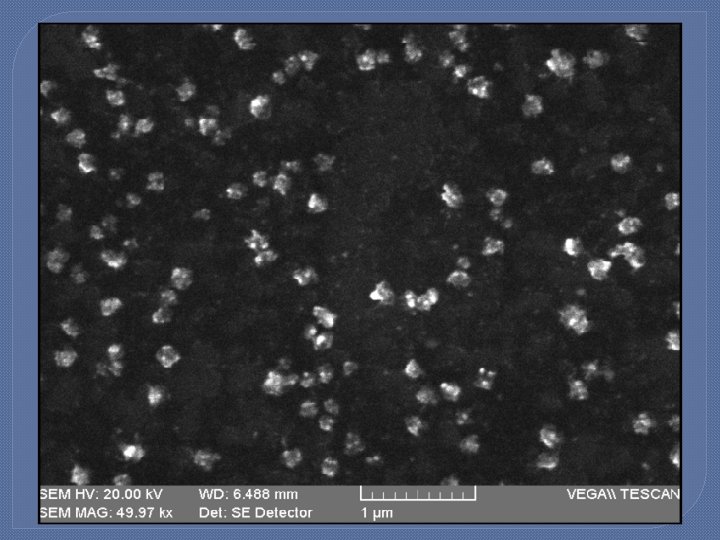
Scanning electron microscopy (SEM) �SEM produces accurate 3 D images of particles in the dispersion. �SEM instrument secures resolution down to 1. 2 nm. �SEM is well suited to looking at samples’ surface characteristics. �SEM enables a larger amount of sample to be measured at one time, which can improve both the statistical reliability and efficiency of nanoparticle size and shape distribution measurements.

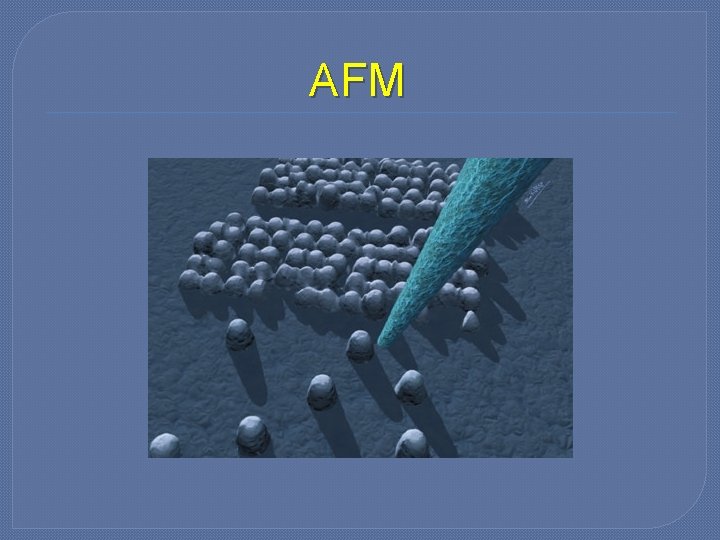
Atomic Force Microscopy (AFM) AFM makes it easier to examine the mechanical characteristic of nano for each particle and molecule with better Physiological considerations. The Instrument gives a topographical representation of objects.
�Atomic force microscope suitable to characterize "pharmaceutical nanocarriers“ because it provides the option of 3 D imaging for quantitative and qualitative details on physical characteristics.
�Atomic force microscope can actually measure the "nanomaterials" in various media such as gas and liquid medium. This capacity can be of great benefit to the characterization of nanoparticles
AFM
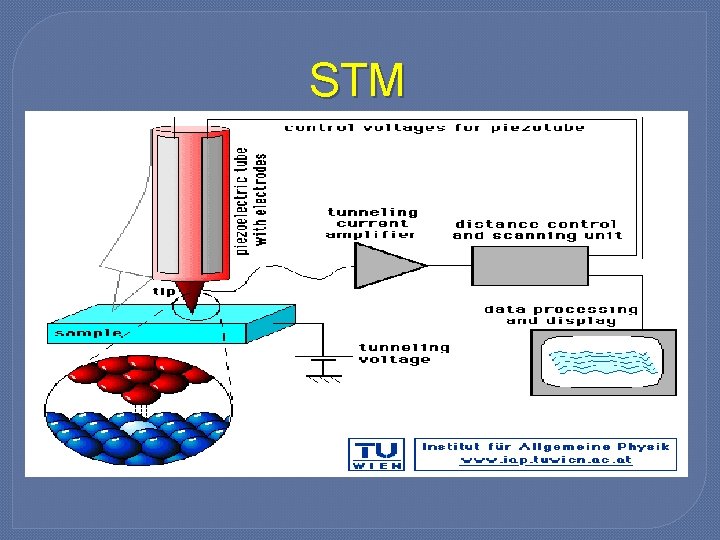
Scanning tunneling microscopy (STM) �The tunneling allowing for very high sensitivity of sample height. �STM has been used to investigate states of colloidal quantum dots and other systems. � �The STM has also been used to manipulate individual atoms. �
STM
Zeta potential measurement �Zeta potential is an essential nanomaterial parameter on the particle surface. � Zeta potential values can be utilized in evaluating surface hydrophobicity and the nature of material encapsulated within the Nano capsules or coated onto the surface.
�Zeta potential values (either positive or negative) are achieved in order to ensure stability and avoid aggregation of the particles. � It can be measured in the applied electrical field to determine particle mobility.
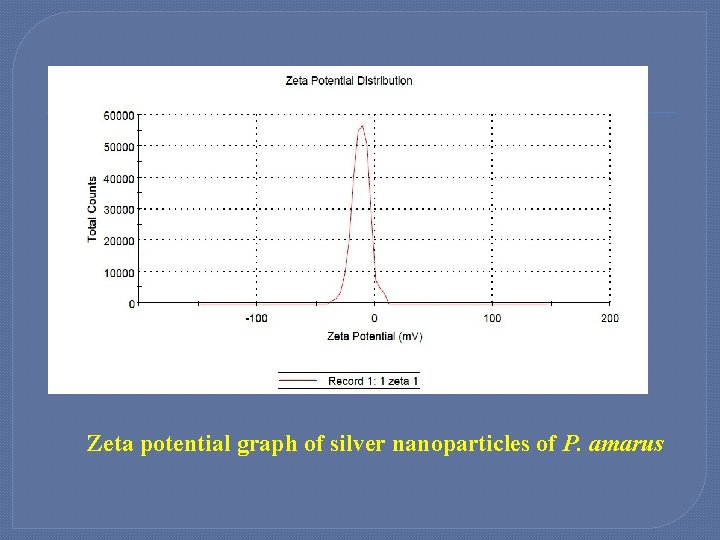
Zeta potential graph of silver nanoparticles of P. amarus
Dynamic Light Scattering (DLS) �DLS tests the motion optically because the suspension particles are illuminated by a consistent source of light. �DLS noticed that NP in dispersion is in random Brownian, constant motion.
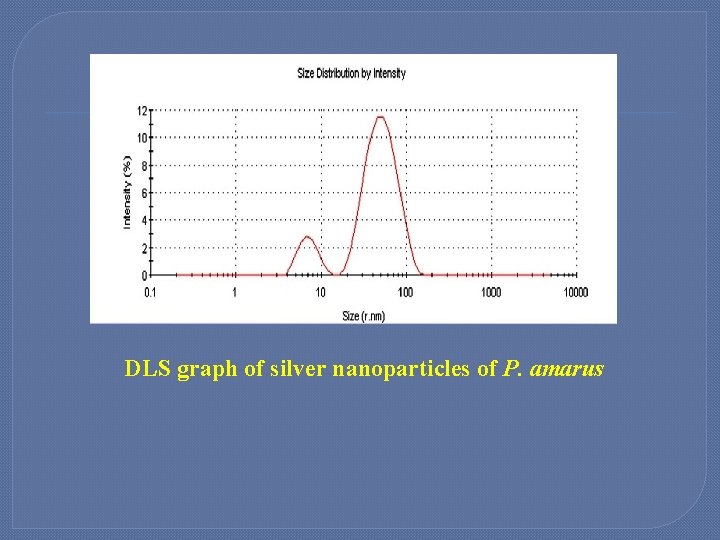
DLS graph of silver nanoparticles of P. amarus
Fourier-Transform Infrared Spectroscopy FTIR spectroscopy is one of most efficient chemical identification method depending on either interaction among functional groups or on its existence. It could measure the inorganic and organic compounds as solid, liquid, and gaseous forms in an unknown mixture. FTIR is based upon that some molecules absorb light in the electromagnetic spectrum infrared field.
This calculates the frequency in the range of 4000– 400 cm-1 as wave numbers and records data as interference patterns as well as converts data into spectrum. Fourier-Transform Infrared Spectroscopy is considered beneficial instrument to characterize unknown molecules. The resulting spectral lines are frequently narrow and distinct, allowing the identification of the bands corresponding to the sample bonds.
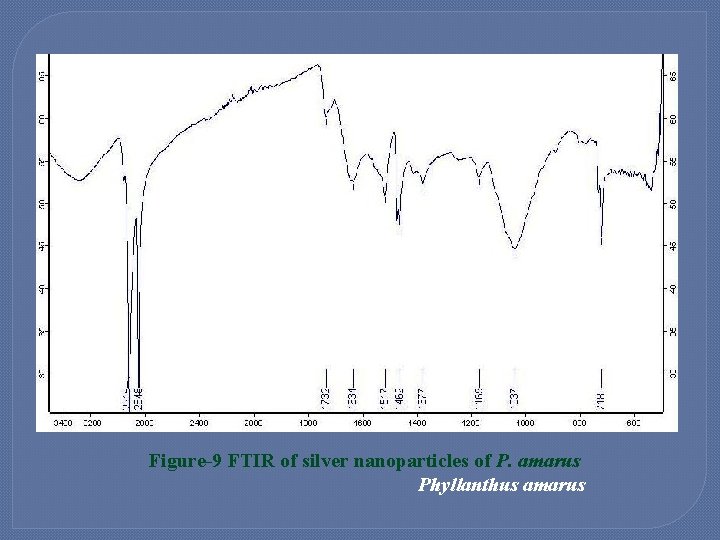
Figure-9 FTIR of silver nanoparticles of P. amarus Phyllanthus amarus
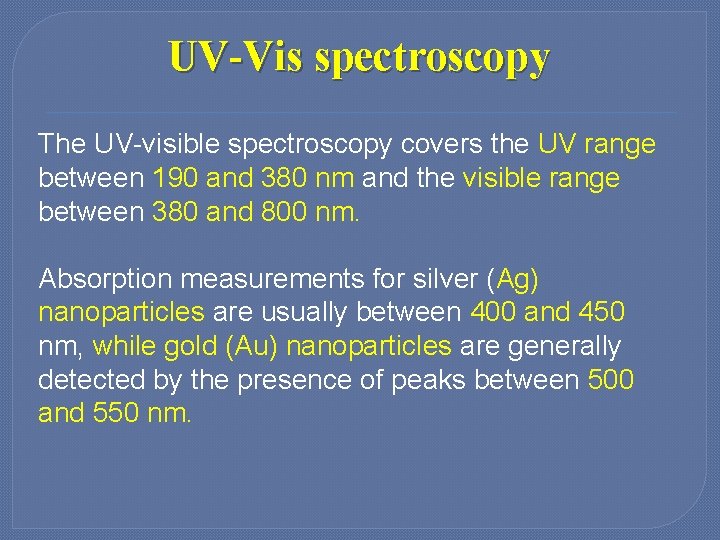
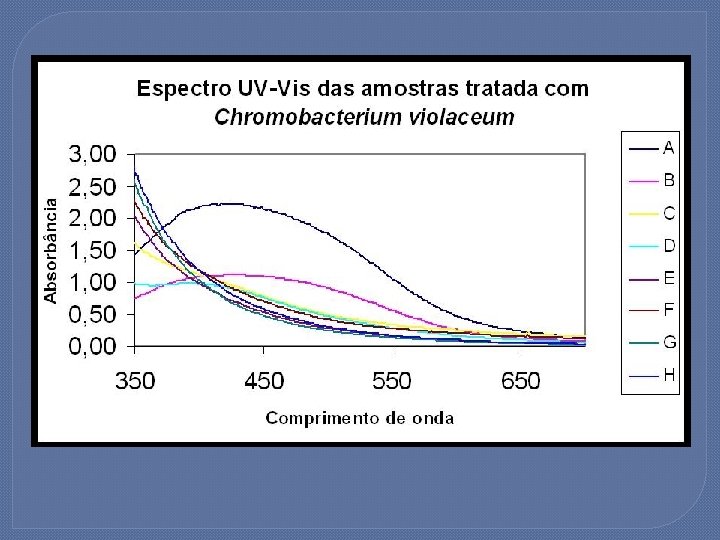
UV-Vis spectroscopy The UV-visible spectroscopy covers the UV range between 190 and 380 nm and the visible range between 380 and 800 nm. Absorption measurements for silver (Ag) nanoparticles are usually between 400 and 450 nm, while gold (Au) nanoparticles are generally detected by the presence of peaks between 500 and 550 nm.
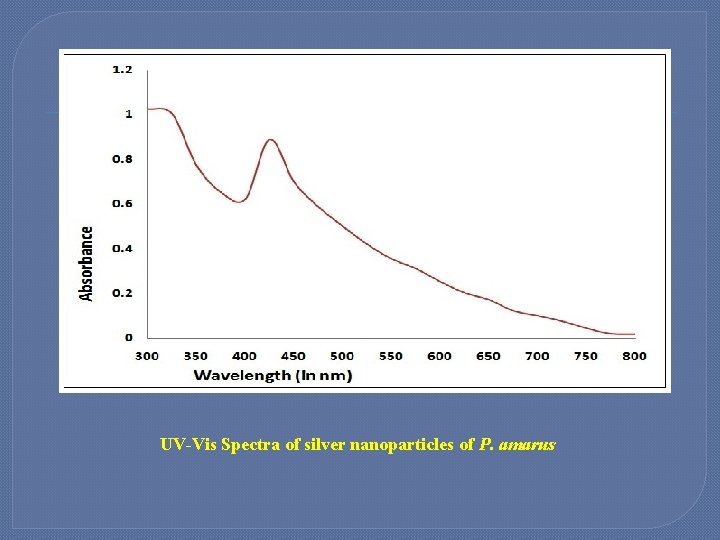
UV-Vis Spectra of silver nanoparticles of P. amarus
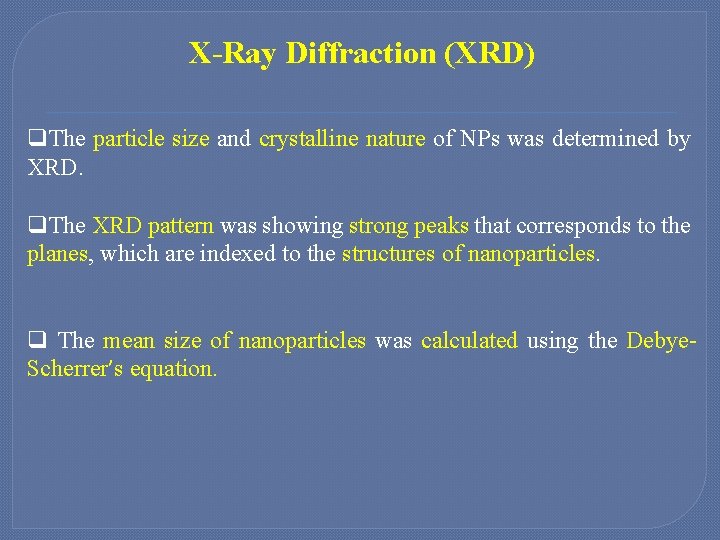
X-Ray Diffraction (XRD) q. The particle size and crystalline nature of NPs was determined by XRD. q. The XRD pattern was showing strong peaks that corresponds to the planes, which are indexed to the structures of nanoparticles. q The mean size of nanoparticles was calculated using the Debye. Scherrer’s equation.

XRD of silver nanoparticles of P. amarus
- Slides: 32