
Characteristics of Living Things Life Functions Defining Life
- Slides: 12
Characteristics of Living Things: Life Functions
Defining Life • Biology- the study of life and living things. • Cells of organisms (living things) carry on certain processes necessary for life. • These processes are called life functions.
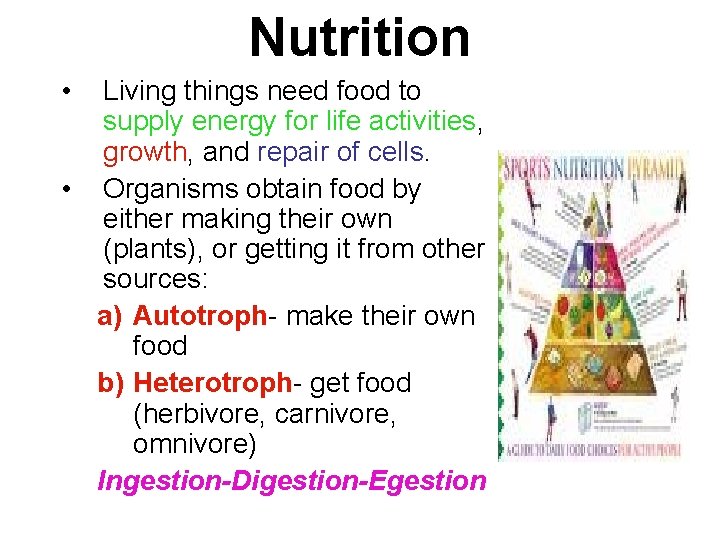
Nutrition • Living things need food to supply energy for life activities, growth, and repair of cells. • Organisms obtain food by either making their own (plants), or getting it from other sources: a) Autotroph- make their own food b) Heterotroph- get food (herbivore, carnivore, omnivore) Ingestion-Digestion-Egestion
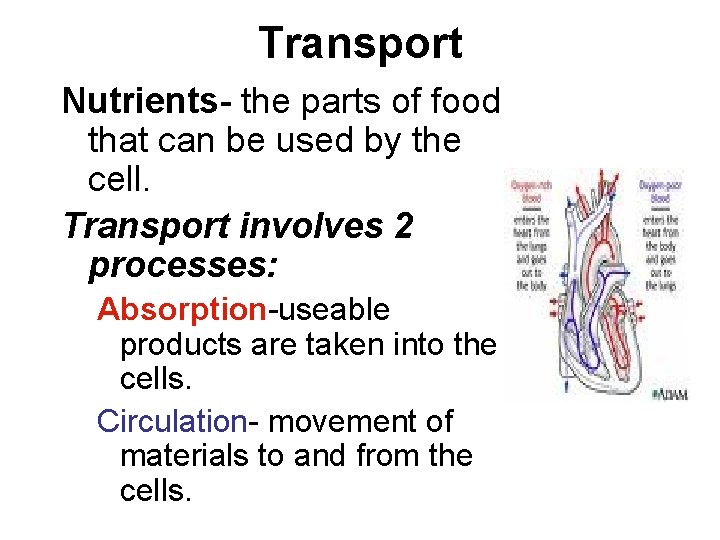
Transport Nutrients- the parts of food that can be used by the cell. Transport involves 2 processes: Absorption-useable products are taken into the cells. Circulation- movement of materials to and from the cells.
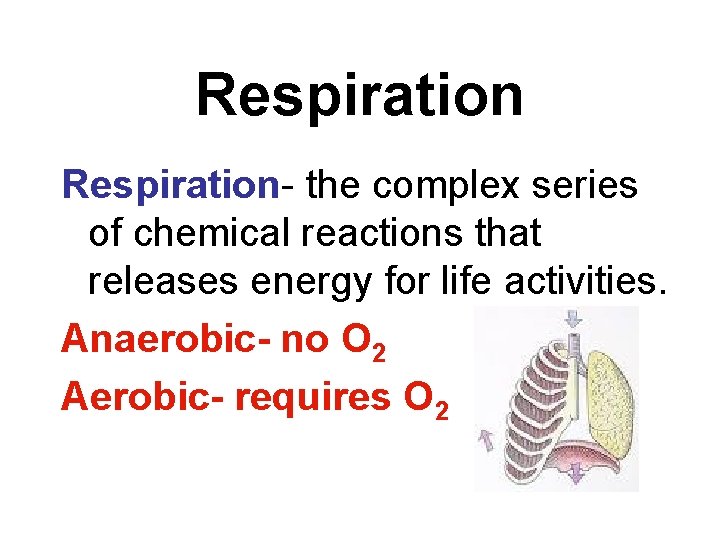
Respiration- the complex series of chemical reactions that releases energy for life activities. Anaerobic- no O 2 Aerobic- requires O 2
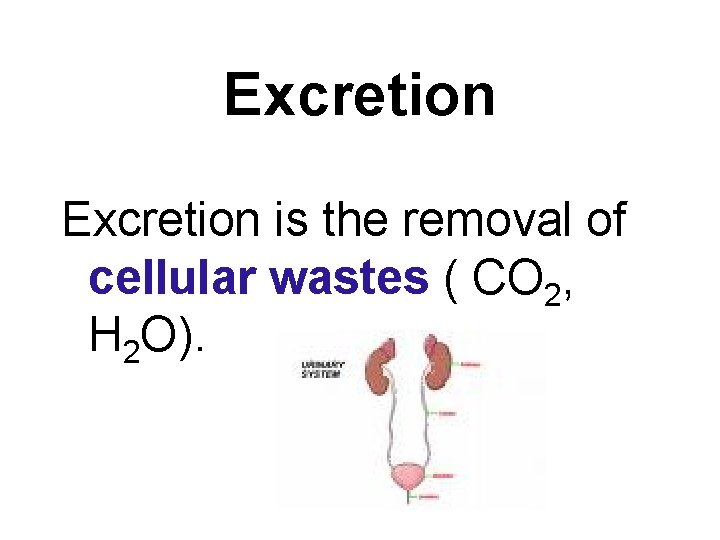
Excretion is the removal of cellular wastes ( CO 2, H 2 O).
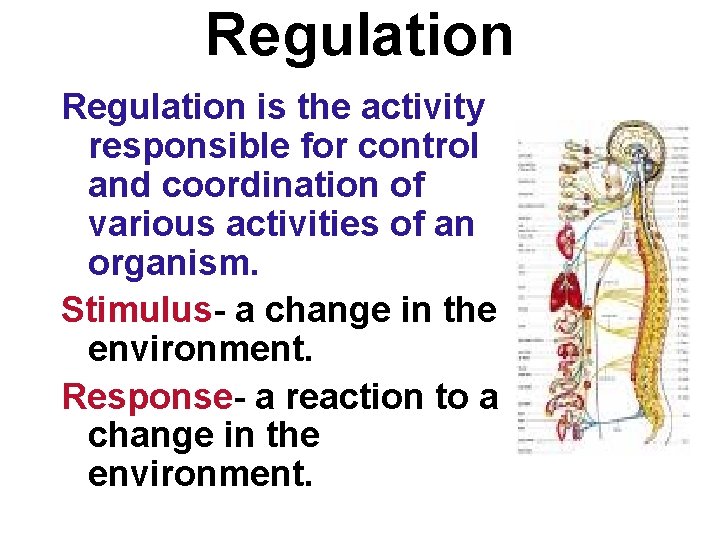
Regulation is the activity responsible for control and coordination of various activities of an organism. Stimulus- a change in the environment. Response- a reaction to a change in the environment.
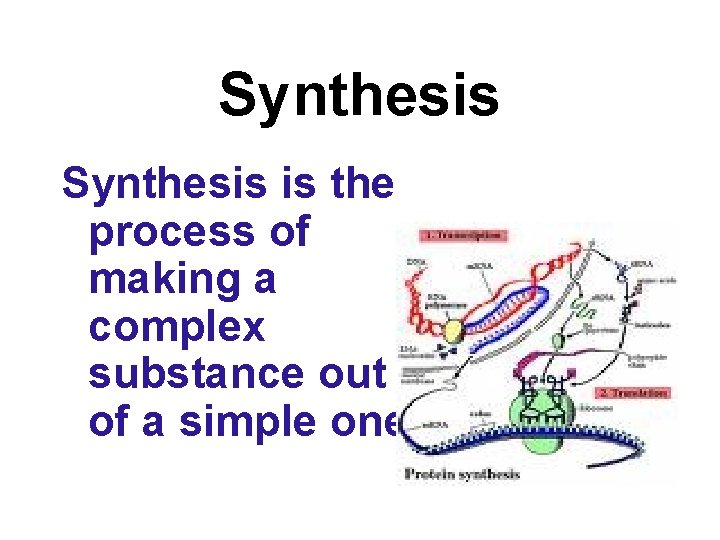
Synthesis is the process of making a complex substance out of a simple one.
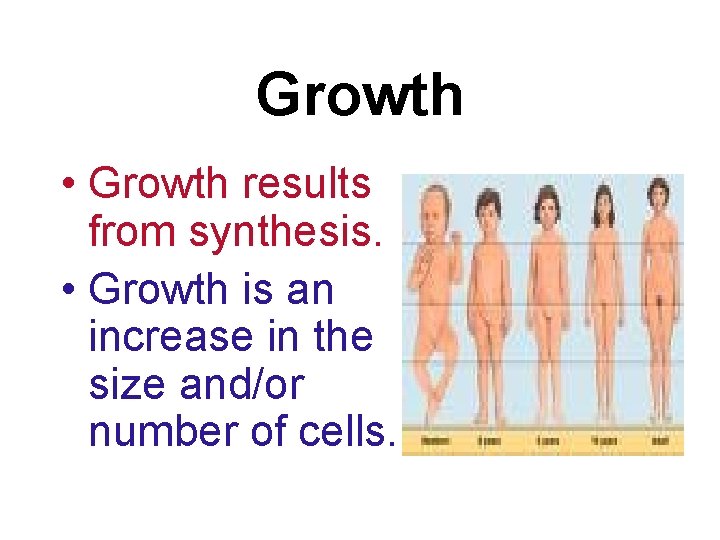
Growth • Growth results from synthesis. • Growth is an increase in the size and/or number of cells.
Locomotion is the ability to move from place to place. Motile- organisms that are able to move from place to place. Sessile- animals that attach themselves to an object and stay there all their lives.
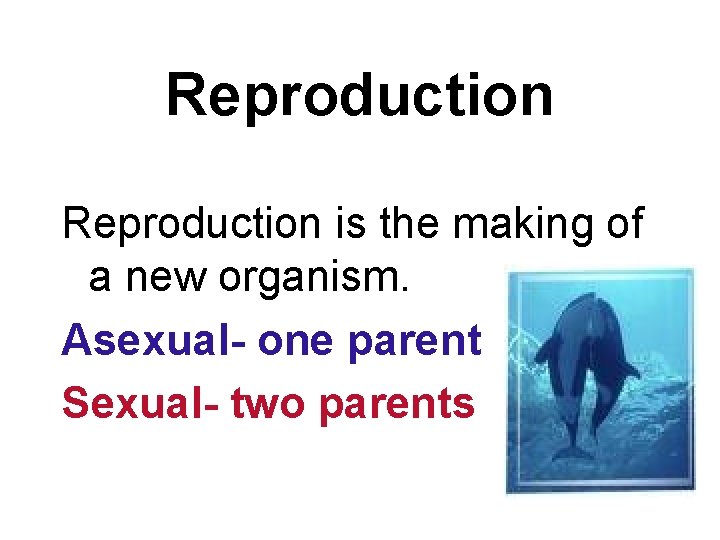
Reproduction is the making of a new organism. Asexual- one parent Sexual- two parents
Metabolism and Homeostasis Metabolism- is the sum total of all of the life processes. Homeostasis- is the maintaining of a balance between the internal and external environment.