
Characteristics of Living Organism Live or not Tree

- Slides: 28
Characteristics of Living Organism
Live or not? • • Tree? Computer? Car? Dog? Bacteria? Human? Robot? Why you categorized them into living organism?
Characteristics of Living Organism • • Breathing Eating and Drinking Moving Growing and Development Inheritable Have irritability Adaptable
Classification of Thing • Living Things (BIOTIC) • Non Living Things (ABIOTIC)
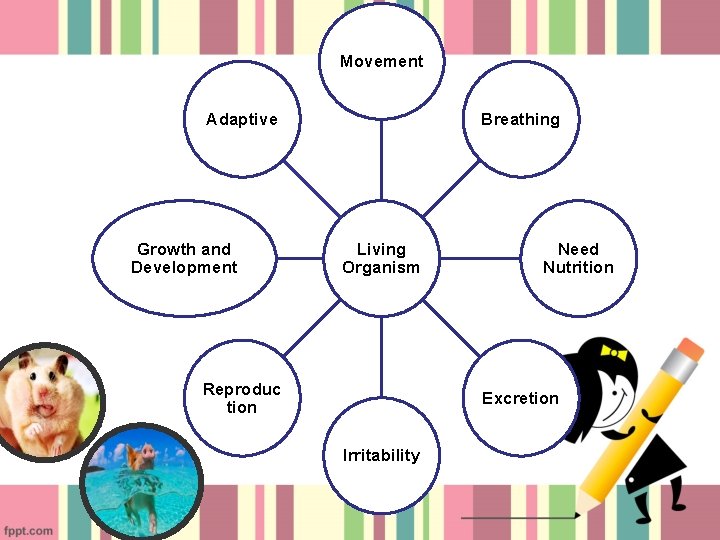
Movement Adaptive Growth and Development Breathing Living Organism Reproduc tion Need Nutrition Excretion Irritability
1. Movement Human and animal have active movement. Plant have passive movement (not move to other place). Animal have various locomotor: • Foot in most vertebrata • Fins in fish • Wings in birds
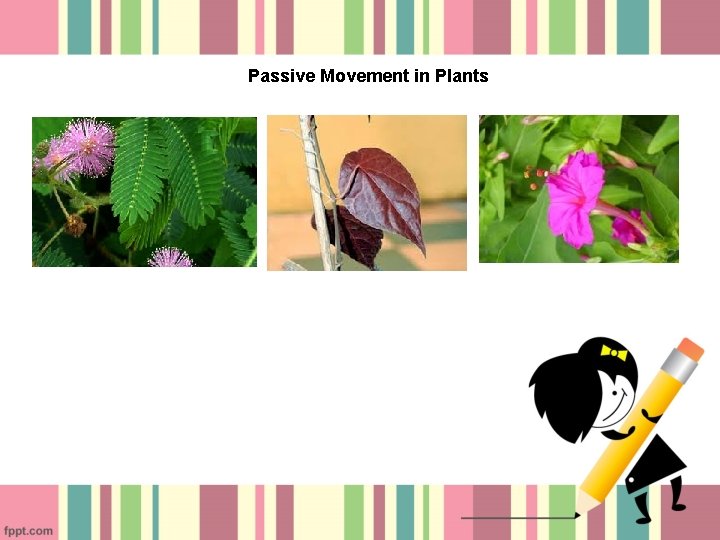
Passive Movement in Plants
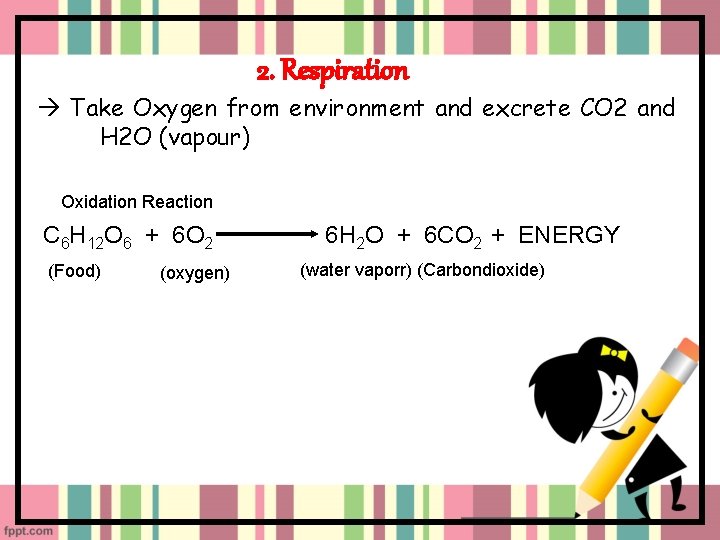
2. Respiration Take Oxygen from environment and excrete CO 2 and H 2 O (vapour) Oxidation Reaction C 6 H 12 O 6 + 6 O 2 (Food) (oxygen) 6 H 2 O + 6 CO 2 + ENERGY (water vaporr) (Carbondioxide)
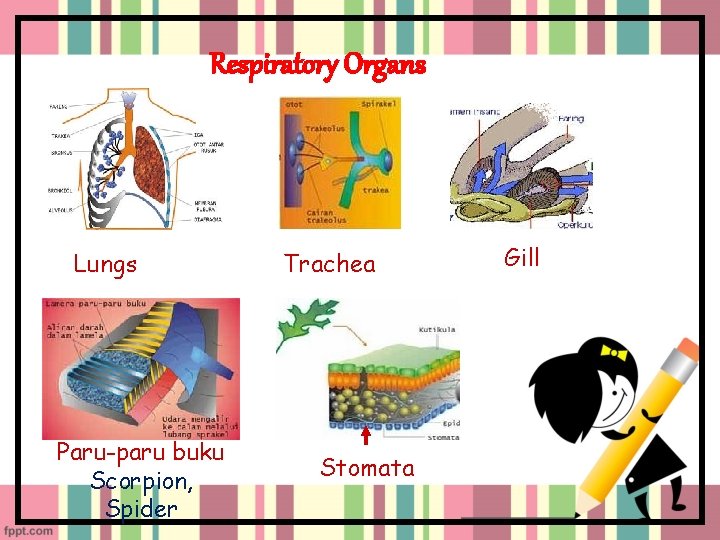
Respiratory Organs Lungs Paru-paru buku Scorpion, Spider Trachea Stomata Gill
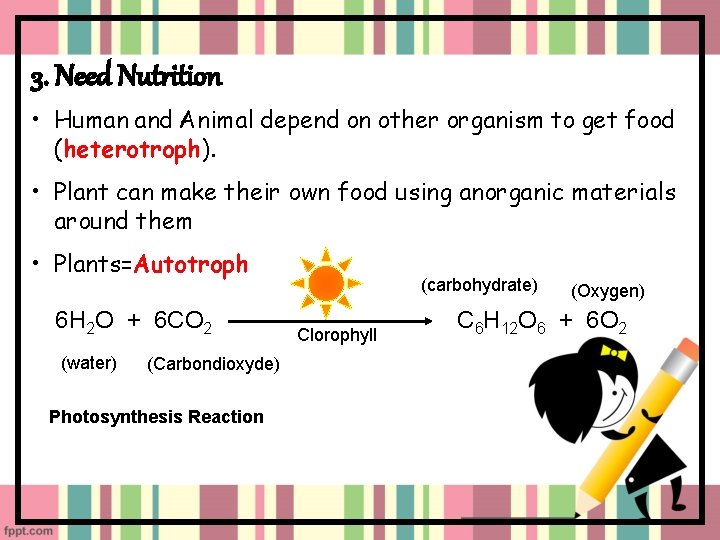
3. Need Nutrition • Human and Animal depend on other organism to get food (heterotroph). • Plant can make their own food using anorganic materials around them • Plants=Autotroph 6 H 2 O + 6 CO 2 (water) (Carbondioxyde) Photosynthesis Reaction (carbohydrate) Clorophyll (Oxygen) C 6 H 12 O 6 + 6 O 2
Function of nutrition • Energy • Growth and development • regeneration ? R E T A W
4. Excretion WHY?
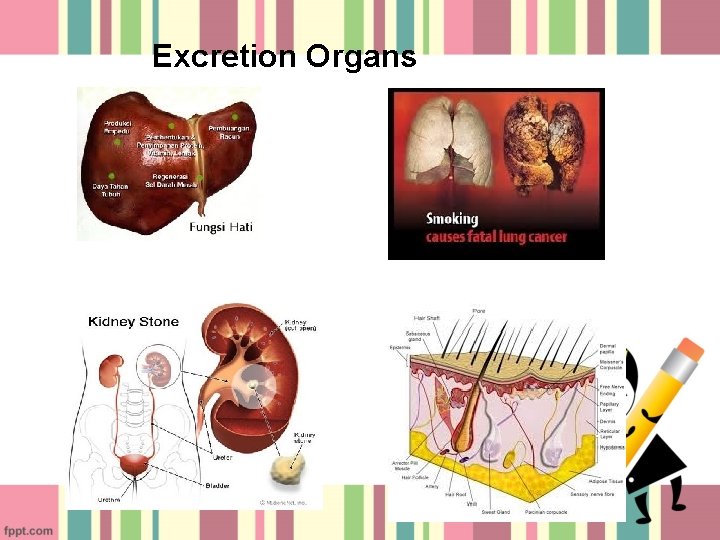
4. Excretion Every living organism will discard waste from metabolism in their body. Why? ? Those waste can be discard by respiration, excretion, and defecation.
Excretion Organs
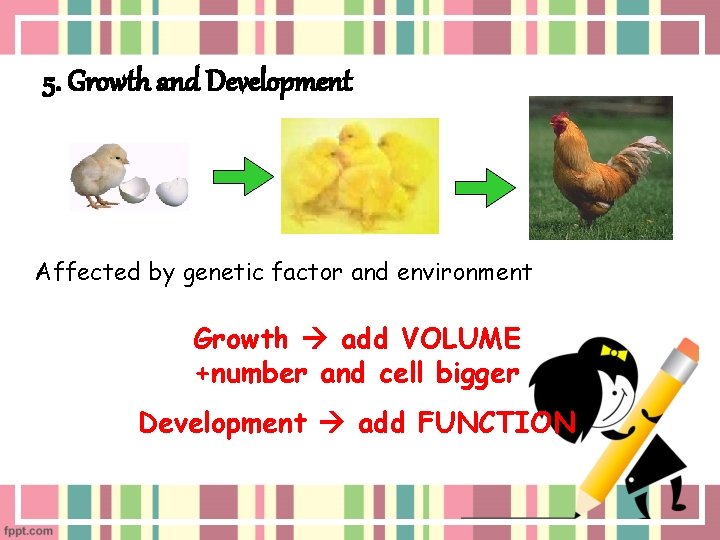
5. Growth and Development Affected by genetic factor and environment Growth add VOLUME +number and cell bigger Development add FUNCTION
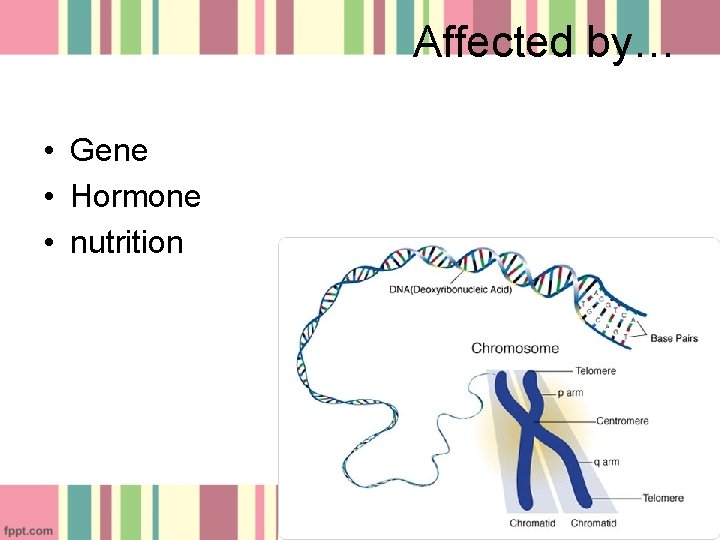
Affected by… • Gene • Hormone • nutrition
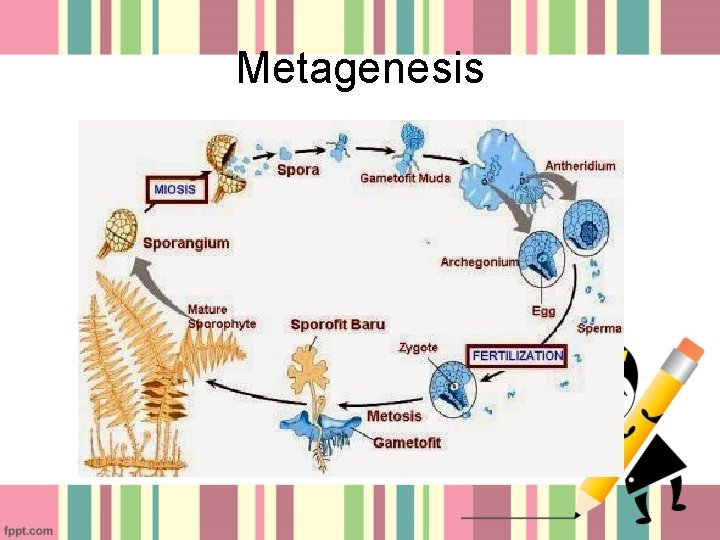
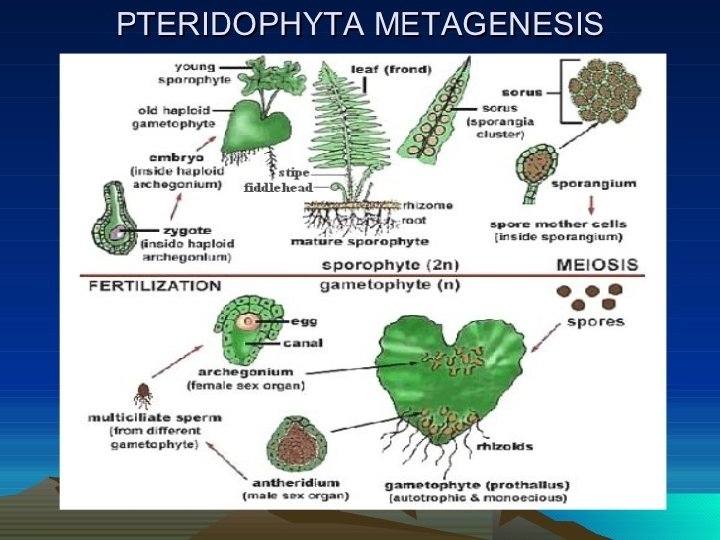
Metagenesis
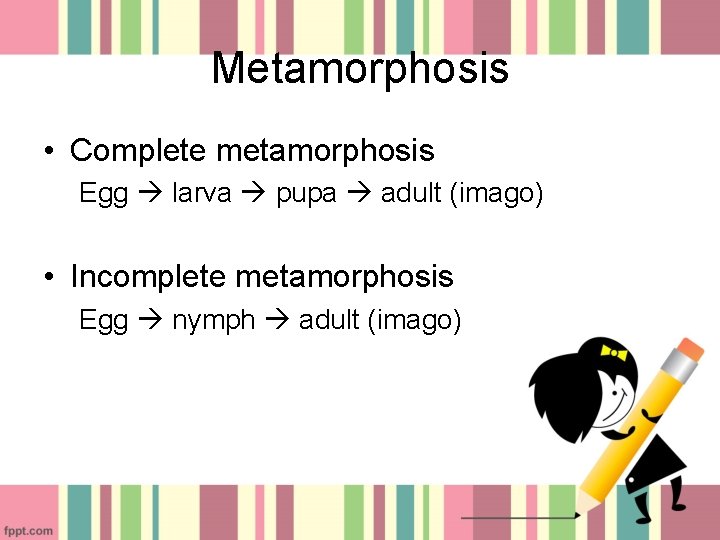
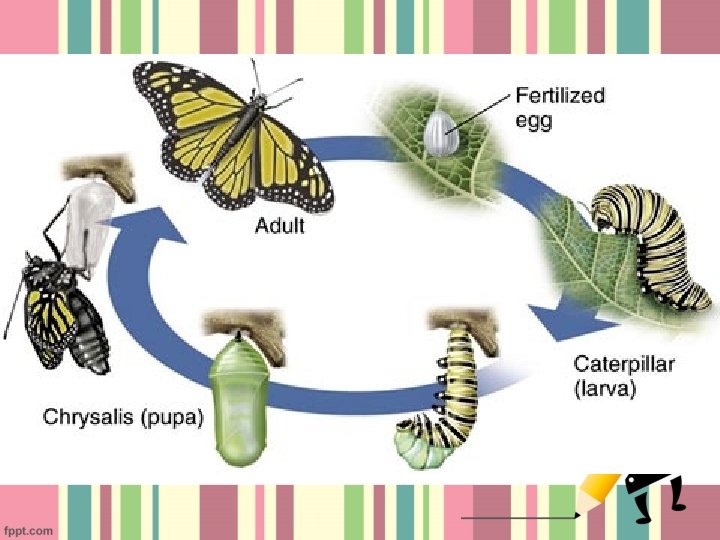
Metamorphosis • Complete metamorphosis Egg larva pupa adult (imago) • Incomplete metamorphosis Egg nymph adult (imago)
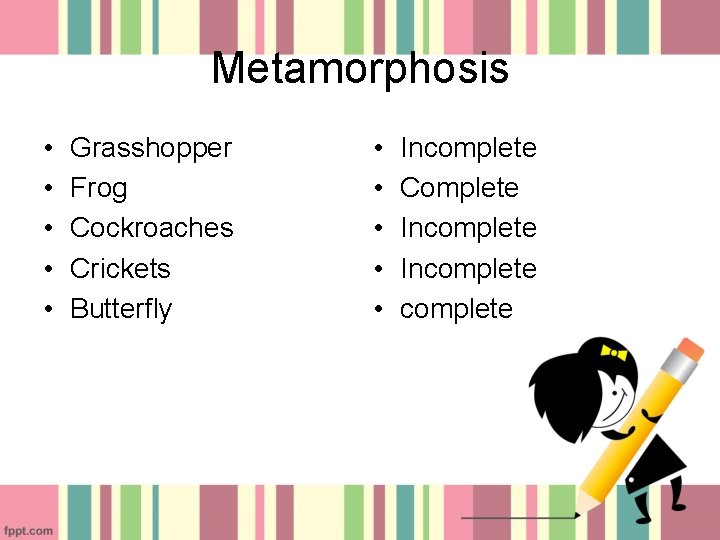
Metamorphosis • • • Grasshopper Frog Cockroaches Crickets Butterfly • • • Incomplete Complete Incomplete
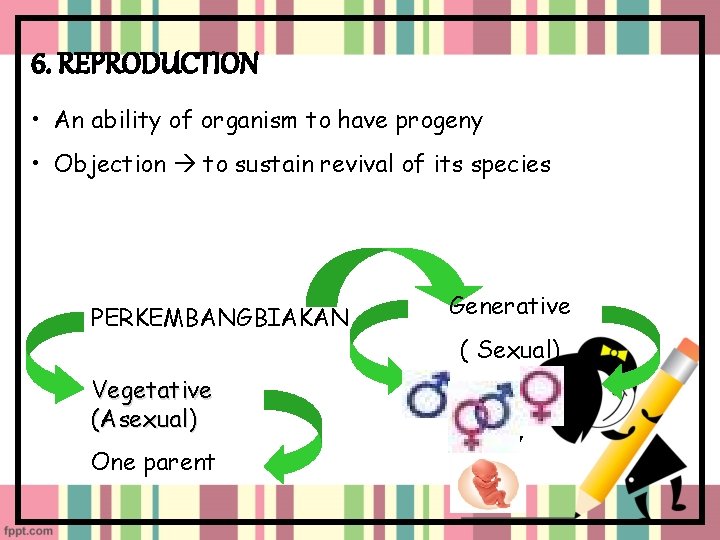
6. REPRODUCTION • An ability of organism to have progeny • Objection to sustain revival of its species PERKEMBANGBIAKAN Vegetative (Asexual) One parent Generative ( Sexual)
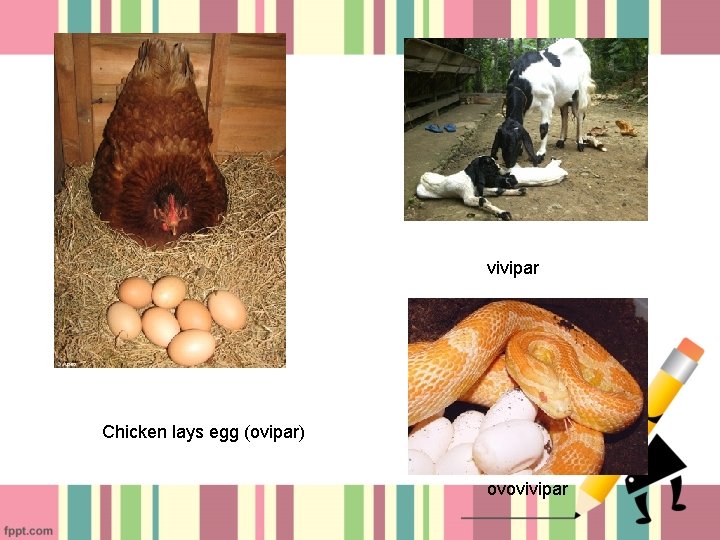
vivipar Chicken lays egg (ovipar) ovovivipar
7. Responds to Stimulus • • Light Heat Cold Smell Touch Gravity Taste
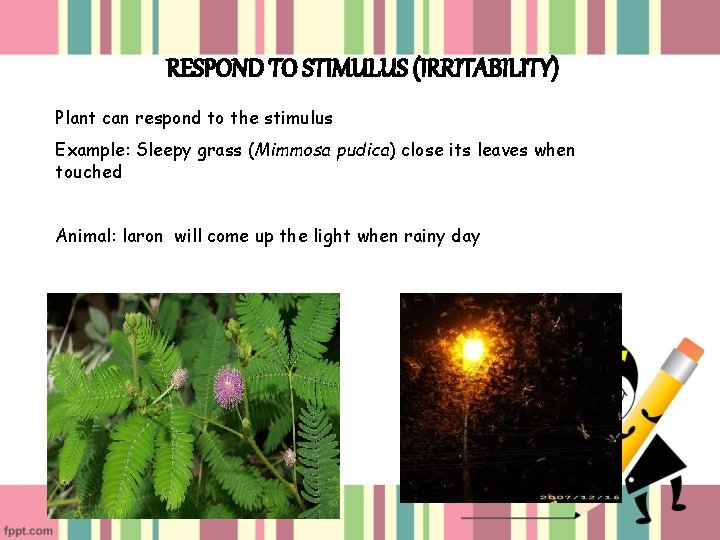
RESPOND TO STIMULUS (IRRITABILITY) Plant can respond to the stimulus Example: Sleepy grass (Mimmosa pudica) close its leaves when touched Animal: laron will come up the light when rainy day
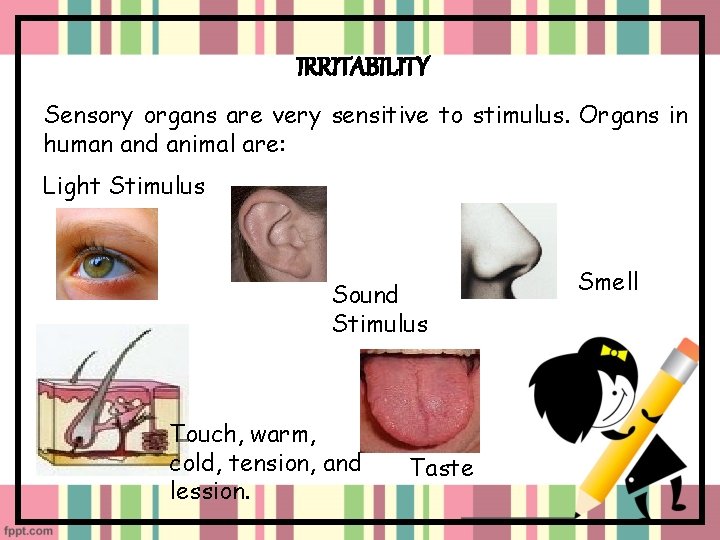
IRRITABILITY Sensory organs are very sensitive to stimulus. Organs in human and animal are: Light Stimulus Sound Stimulus Touch, warm, cold, tension, and lession. Taste Smell
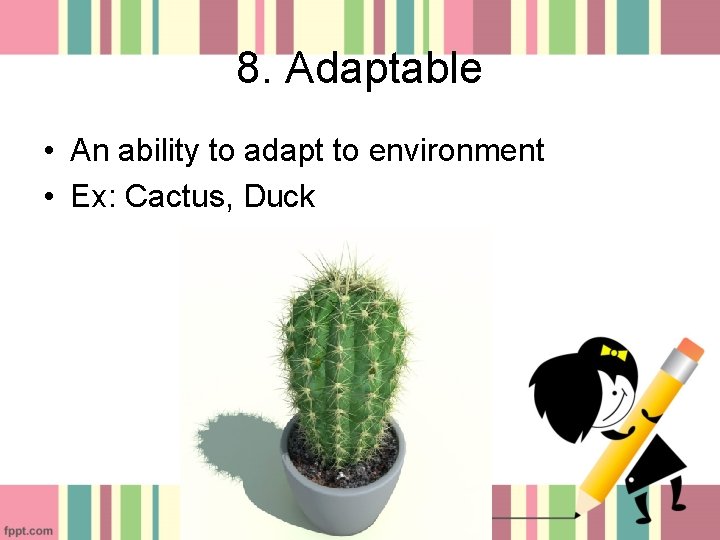
8. Adaptable • An ability to adapt to environment • Ex: Cactus, Duck
• • How cat and dog sleep? Camel Lotus teak