
Characteristics of Cities Around the World U S
- Slides: 27
Characteristics of Cities Around the World
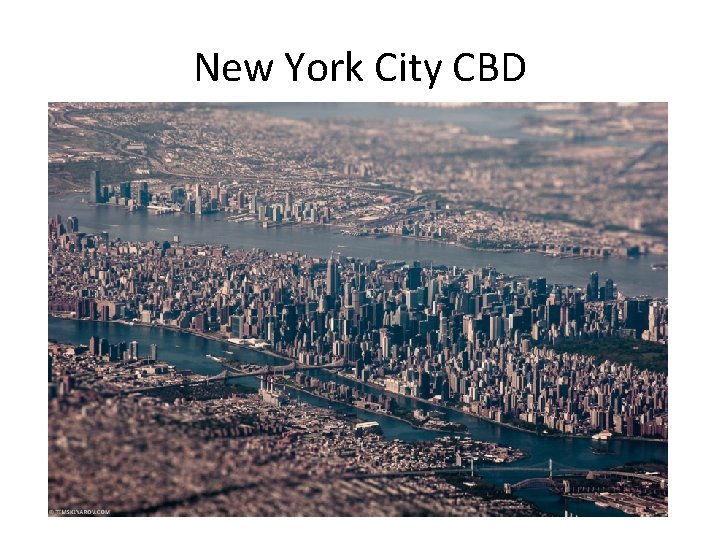
U. S. Cities • Skyscrapers in the CBD • Mainly commercial landlords near CBD • Suburbs more residential and more land
Eastern U. S. Cities • • Narrow streets Tightly packed residences Small yard in back of house Mass Transport (Rush hour 6 -9 AM and 3: 306: 30 PM)
New York City CBD
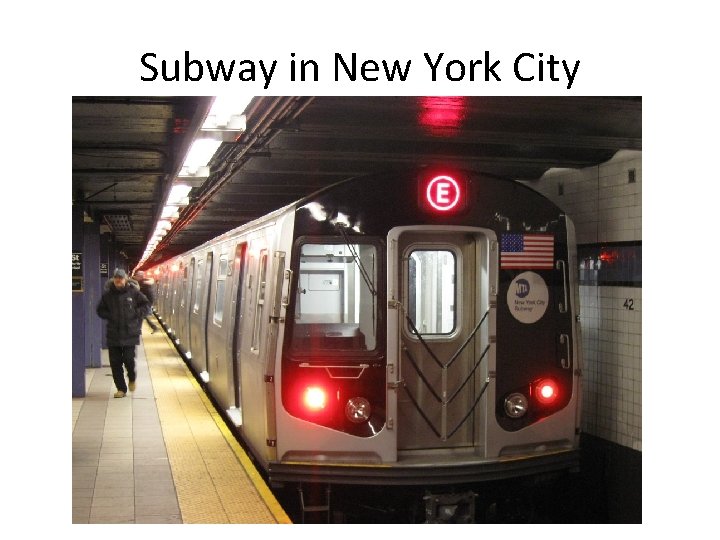
Subway in New York City
Western U. S. Cities • • • Spread out CBD and homes Front and backyards Automobiles more than mass transit Grid street system Most people live in the suburbs
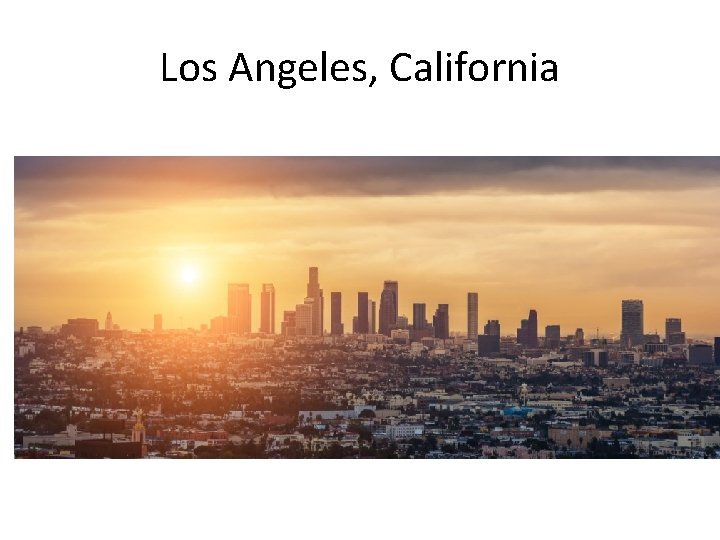
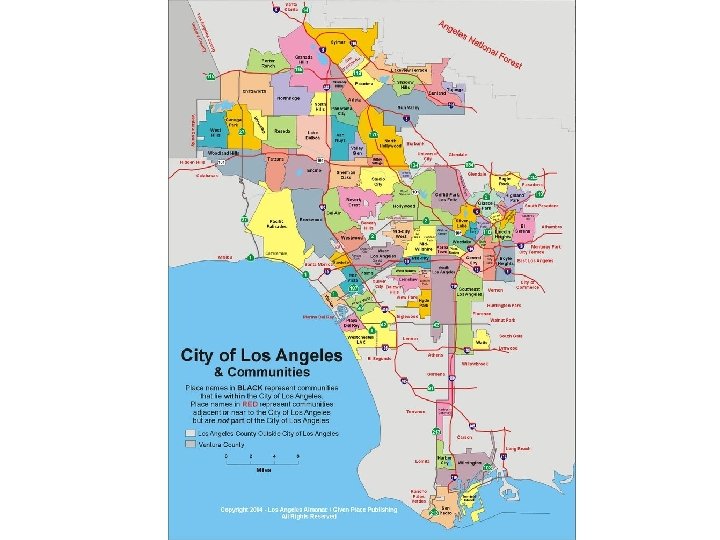
Los Angeles, California
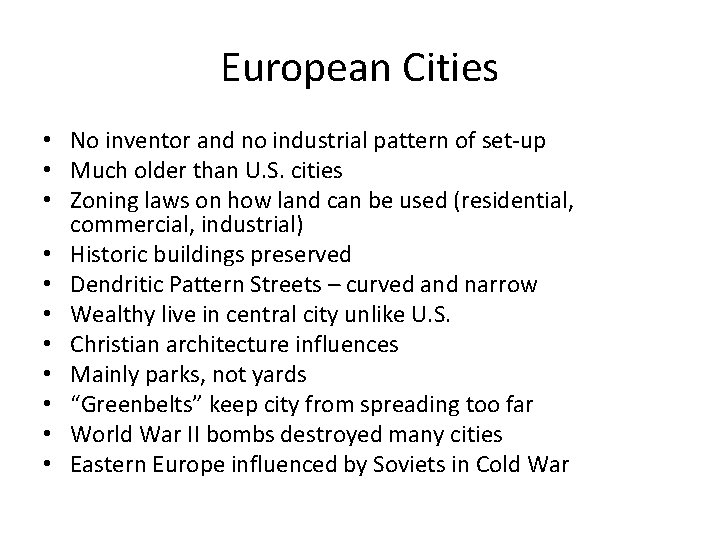
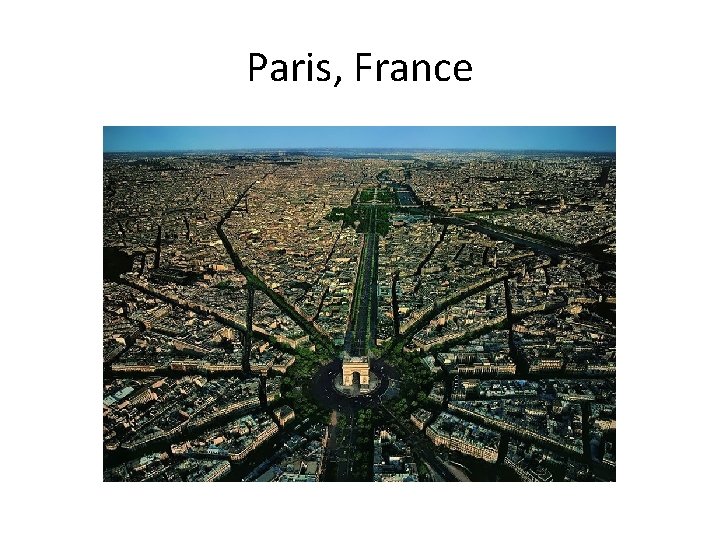
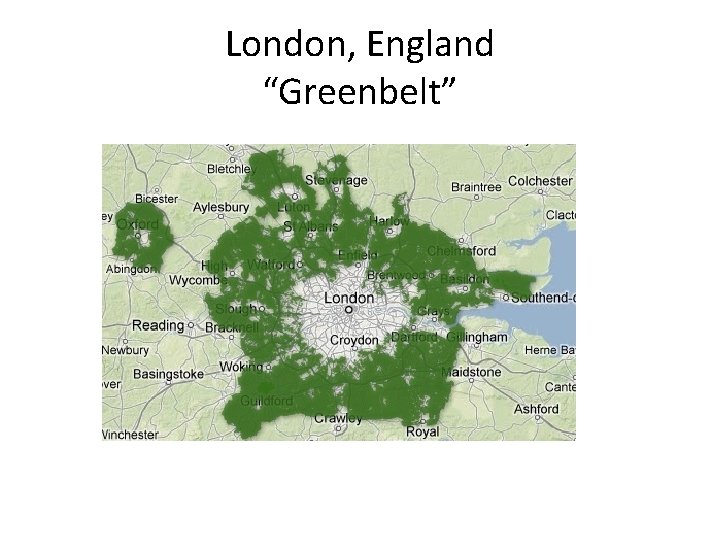
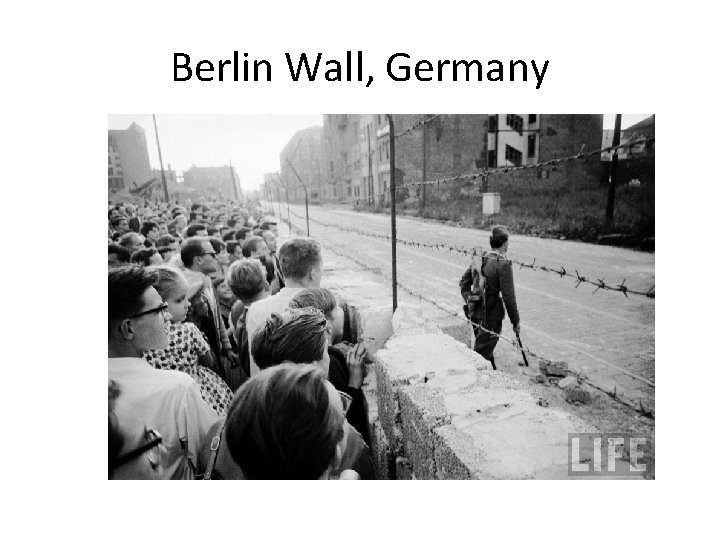
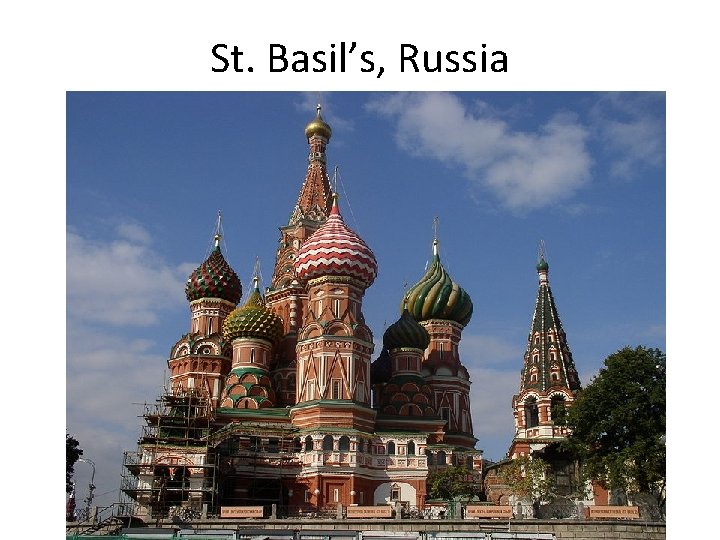
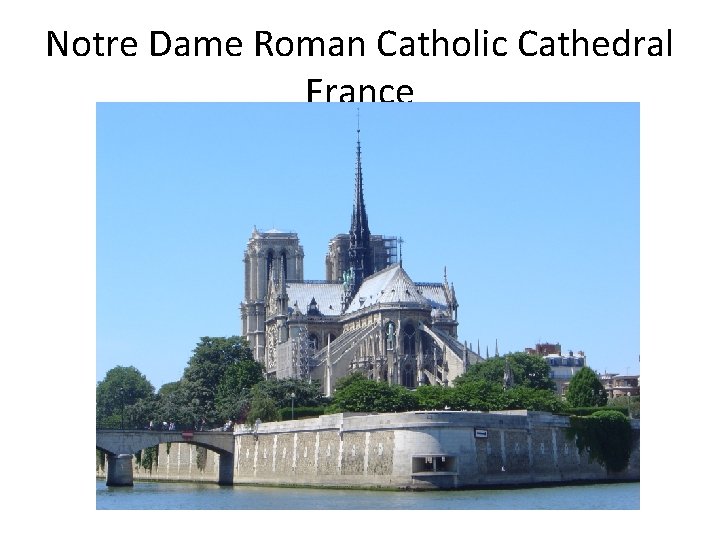
European Cities • No inventor and no industrial pattern of set-up • Much older than U. S. cities • Zoning laws on how land can be used (residential, commercial, industrial) • Historic buildings preserved • Dendritic Pattern Streets – curved and narrow • Wealthy live in central city unlike U. S. • Christian architecture influences • Mainly parks, not yards • “Greenbelts” keep city from spreading too far • World War II bombs destroyed many cities • Eastern Europe influenced by Soviets in Cold War
Paris, France
London, England “Greenbelt”
Berlin Wall, Germany
St. Basil’s, Russia
Notre Dame Roman Catholic Cathedral France
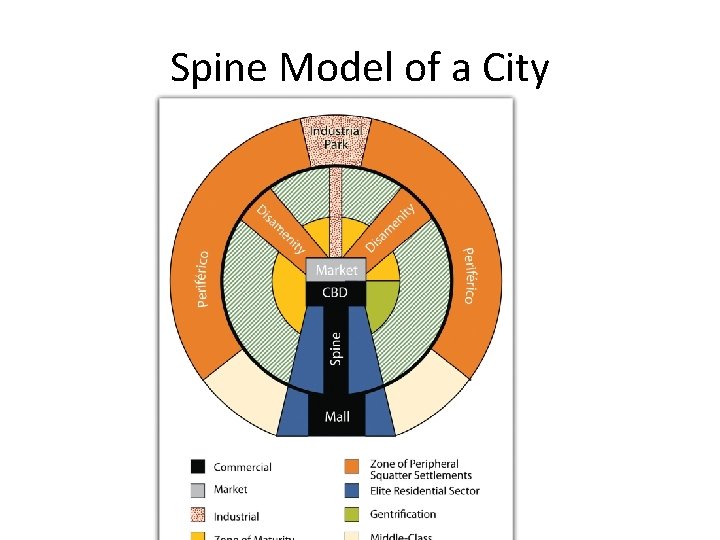
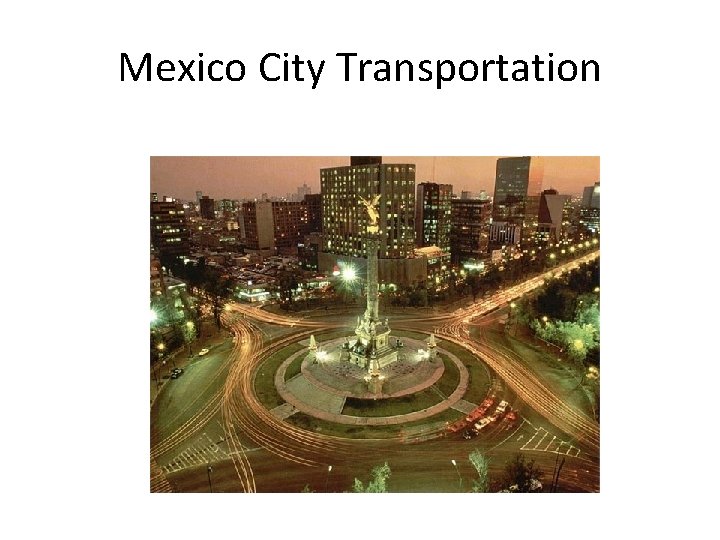
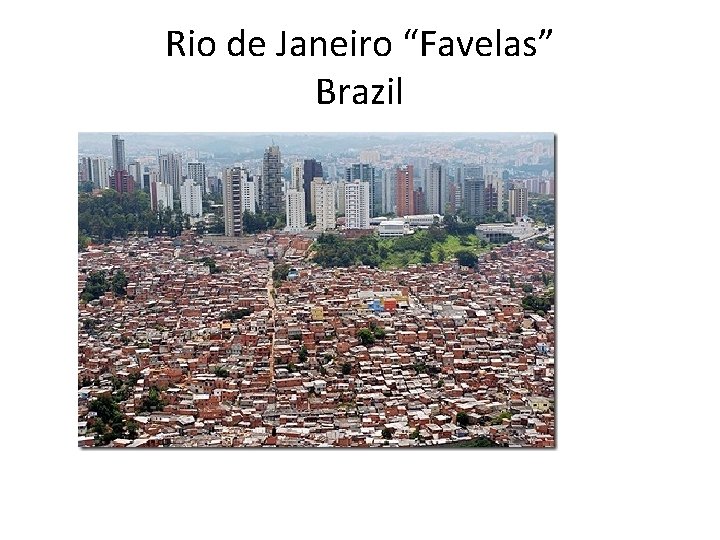
Latin American Cities • Ernest Griffin and Larry Ford in 1980 • Spine of Industry through cities • Squatter settlements on edges of cities (Favelas or barriadas) • Transportation like a wheel with all roads meeting in the center of city • CBD important to economy and entertainment • Wealth live on the interior near the commercial district
Spine Model of a City
Mexico City Transportation
Rio de Janeiro “Favelas” Brazil
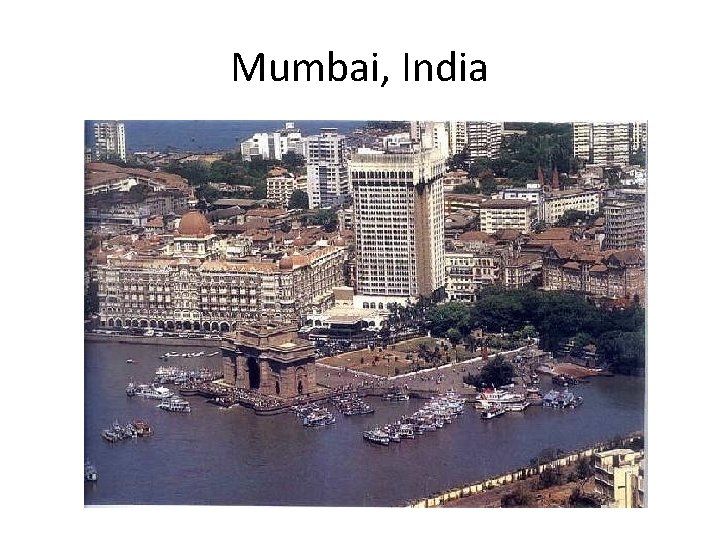
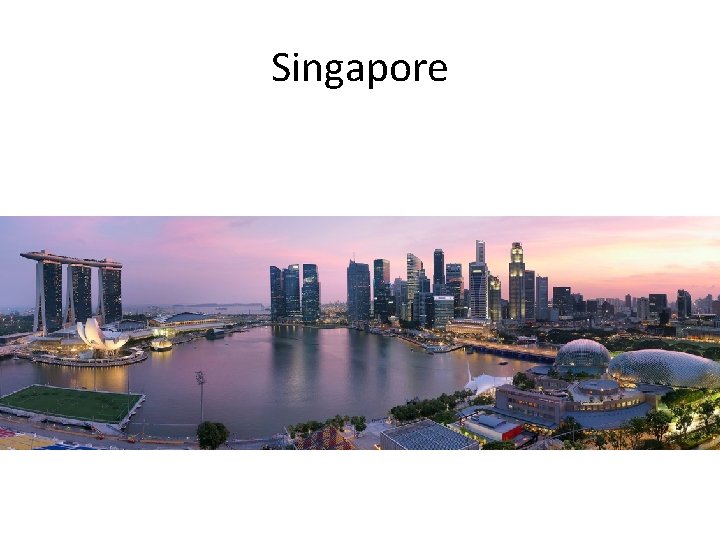
Southeast Asian Cities • Invented by T. G. Mc. Gee in 1967 • Usually on coasts for trade (Mumbai, India and Shanghai, China) • Growth outward from port • Singapore and Hong Kong are magnets foreign investment • Skyscapers • No formalized CBD • Megacities – more than 10 million people (Shanghai, Beijing, Tokyo, Calcutta, Delhi) • Market-gardening zone because favor fresh food • Big in high-tech industry
Mumbai, India
Singapore
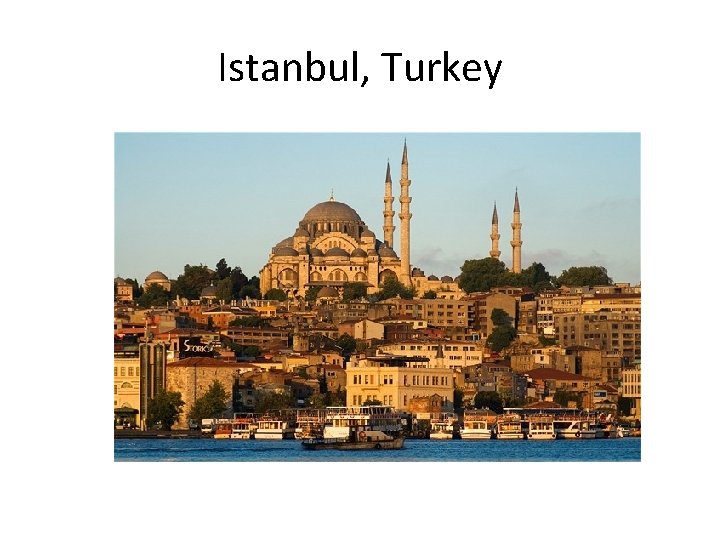
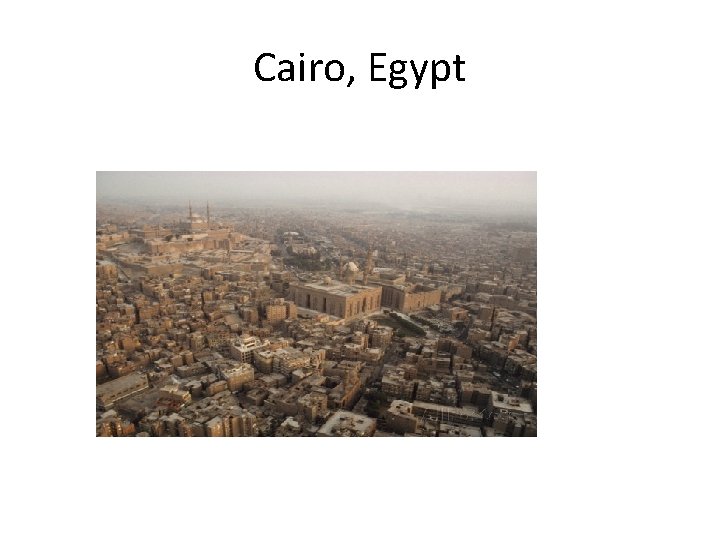
Islamic Cities • Most of Middle East and Northern Africa • Largest Muslim cities: Cairo, Tehran, Dubai, Istanbul, Karachi • Hot desert regions • Twisted streets for shade and privacy • No windows on bottom floor and no front doors • Layout based on Islamic principles • Mosque as focal point of city • Buildings face Mecca • Bazaar – street market (suq)
Istanbul, Turkey
Cairo, Egypt
Sub-Saharan African Cities 1960 s – De Blij model Fastest growing urban area in world today Migrate to cities for jobs and high natural birth rates Strong colonial imprint on countries 3 CBDs: Colonial (headquarters of colonial government), Traditional (current commercial center), Market • Ethnic neighborhoods, manufacturing zones and squatter settlements • Lack of transportation • High rates of disease and homelessness • • •
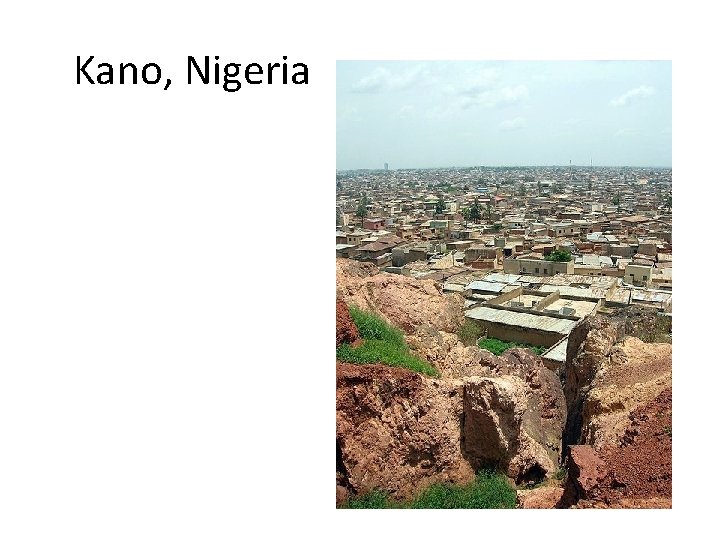
Kano, Nigeria
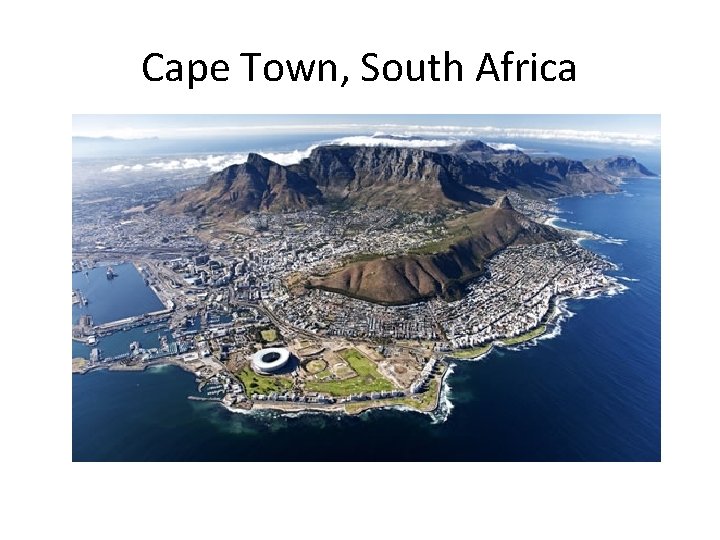
Cape Town, South Africa