
Chapters 36 38 The Postmodern Turn Chapter 36
- Slides: 100
Chapters 36 & 38 The Postmodern Turn
Chapter 36 l. The Quest for • Racial Equality • Gender Equality
l. The Quest for Racial Equality
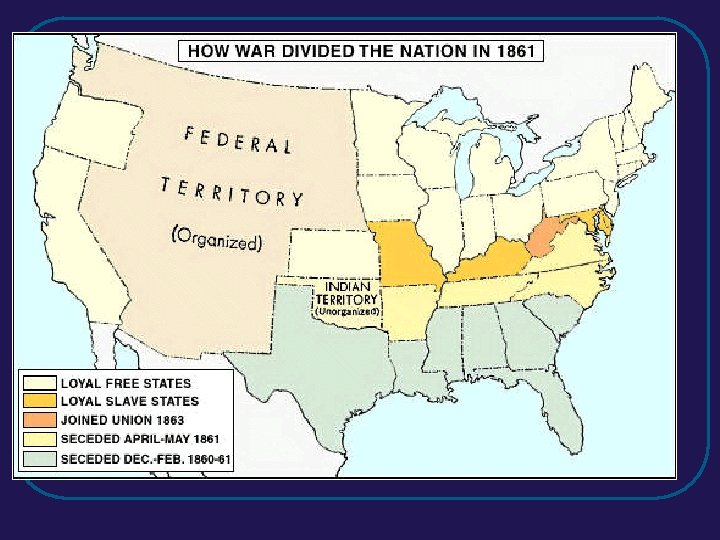
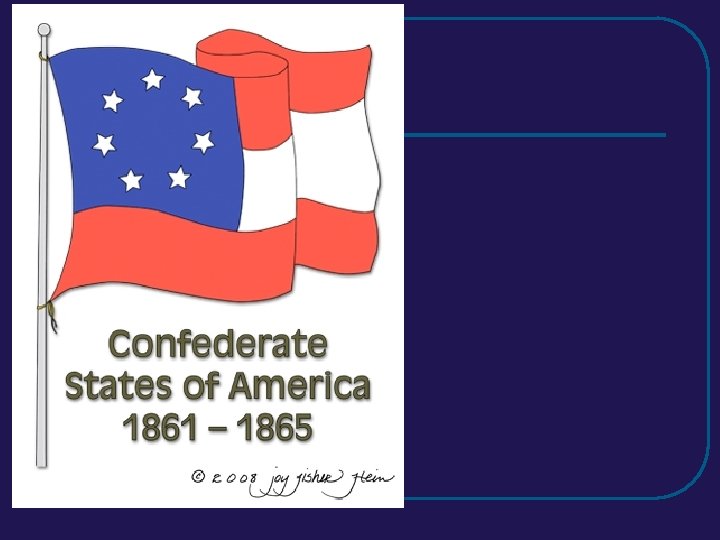
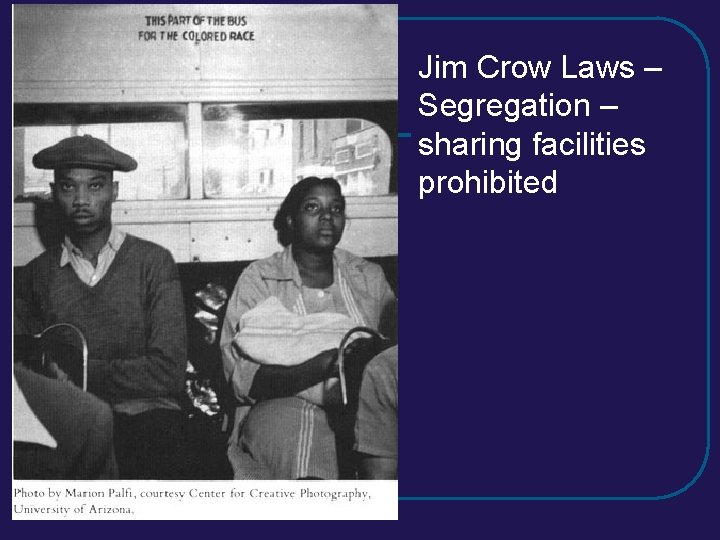
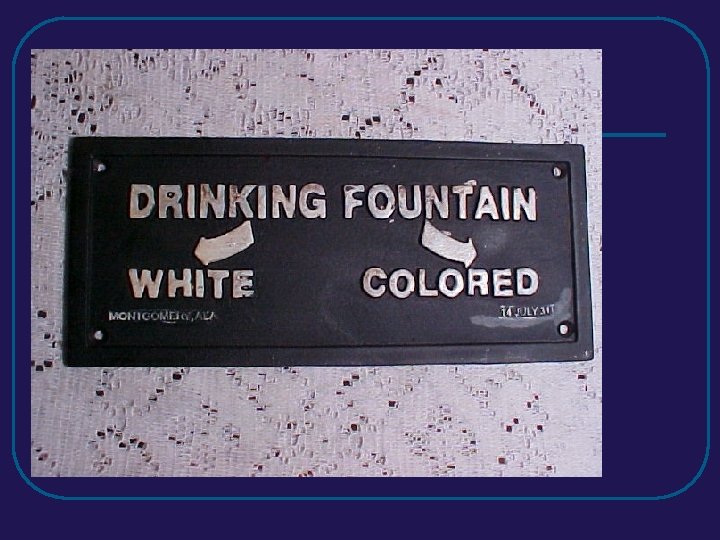
American History (1) l 1861 -65 the Civil War, southern states secede from the Union and founded the Confederate States of America l 1865 -77 Reconstruction l 1877 Segregationist Jim Crow Laws
Jim Crow Laws – Segregation – sharing facilities prohibited
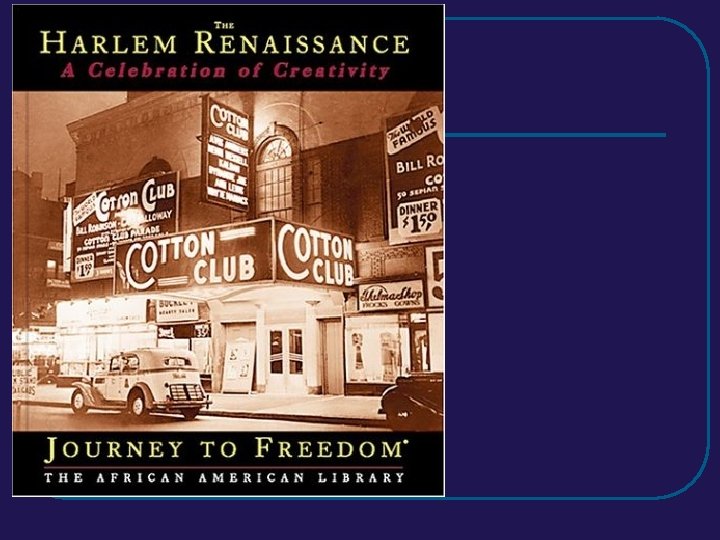
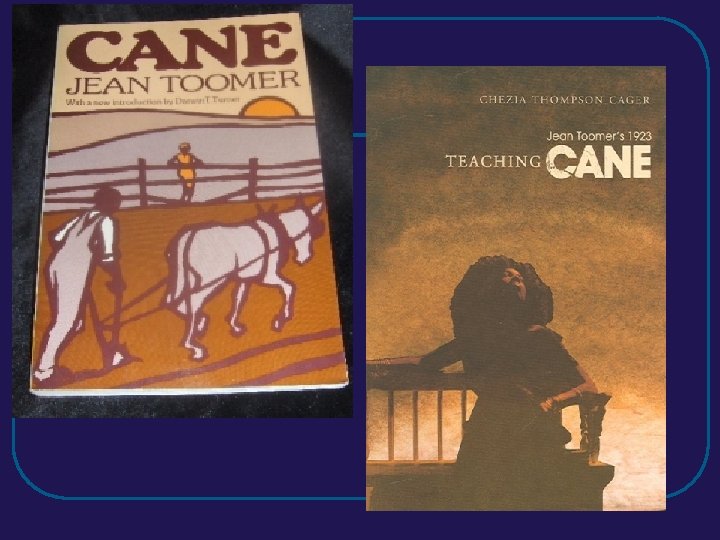
The Harlem Renaissance: 1920 s-1940 s l l l During the 1920 s, Harlem became the capital of black America, attracting black intellectuals and artists from across the country and the Caribbean. Many of the greatest works sought to recover links with African and folk traditions. A fierce racial conscious and a powerful sense of racial pride animated the literature of the Harlem Renaissance. http: //www. digitalhistory. uh. edu/database/article_display. cfm? HHID=443
Harlem l l by Langston Hughes What happens to a dream deferred? Does it dry up like a raisin in the sun? Or fester like a sore— And then run? Does it stink like rotten meat? Or crust and sugar over— like a syrupy sweet? Maybe it just sags like a heavy load. Or does it explode?
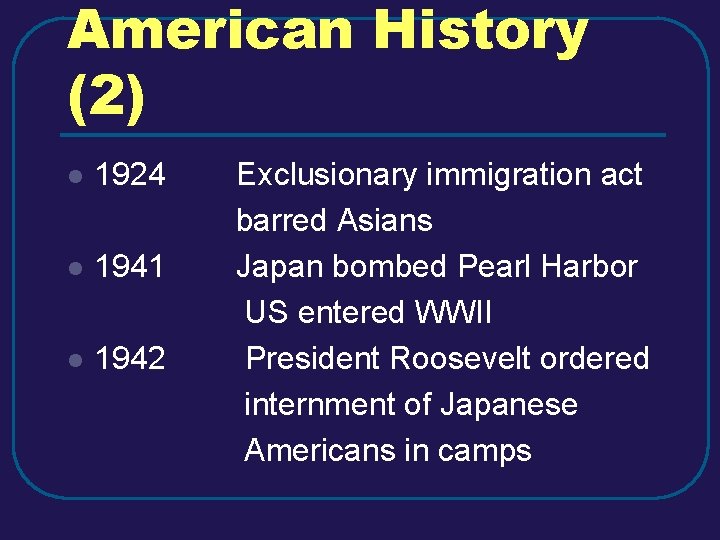
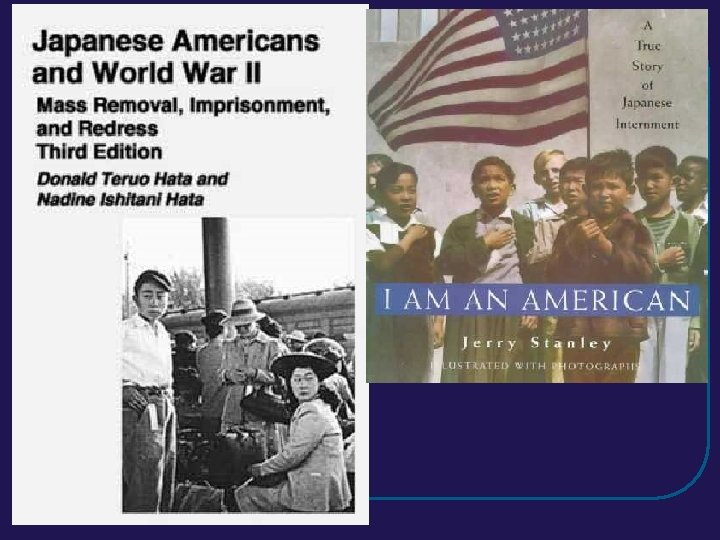
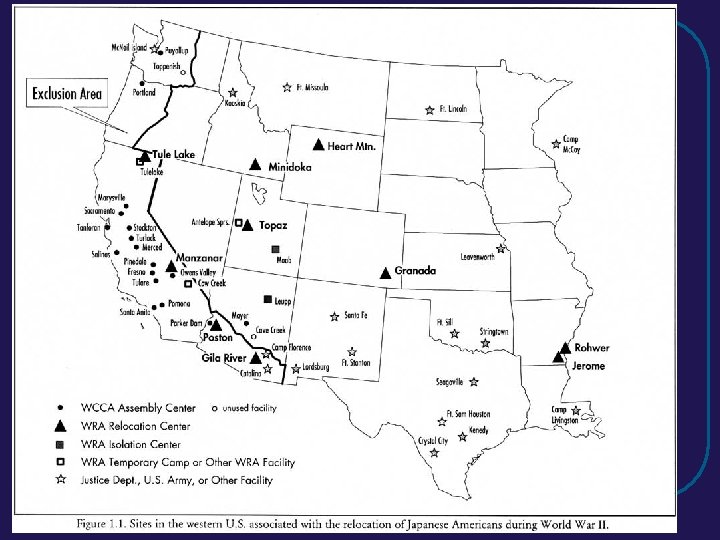
American History (2) l 1924 l 1941 l 1942 Exclusionary immigration act barred Asians Japan bombed Pearl Harbor US entered WWII President Roosevelt ordered internment of Japanese Americans in camps
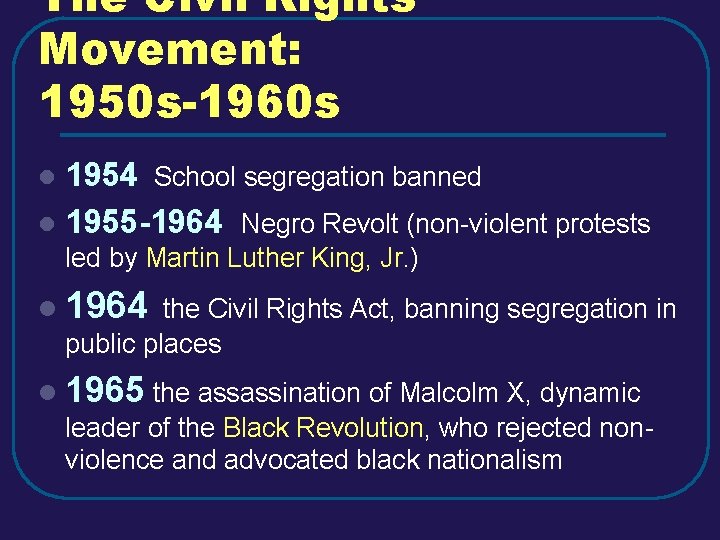
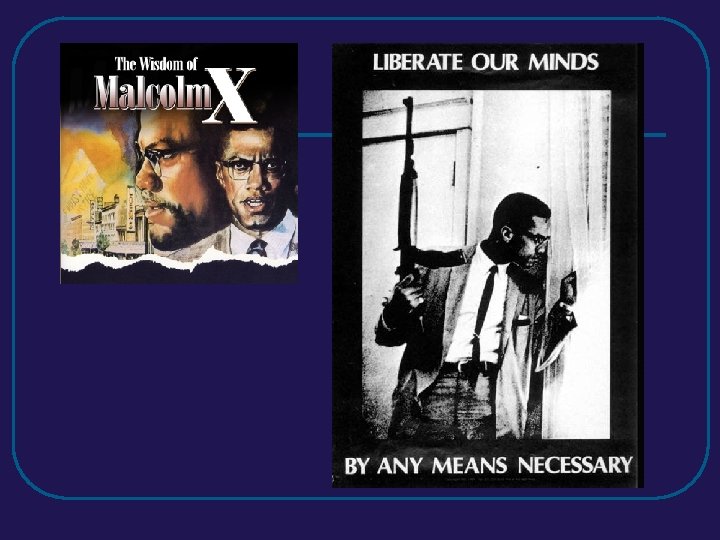
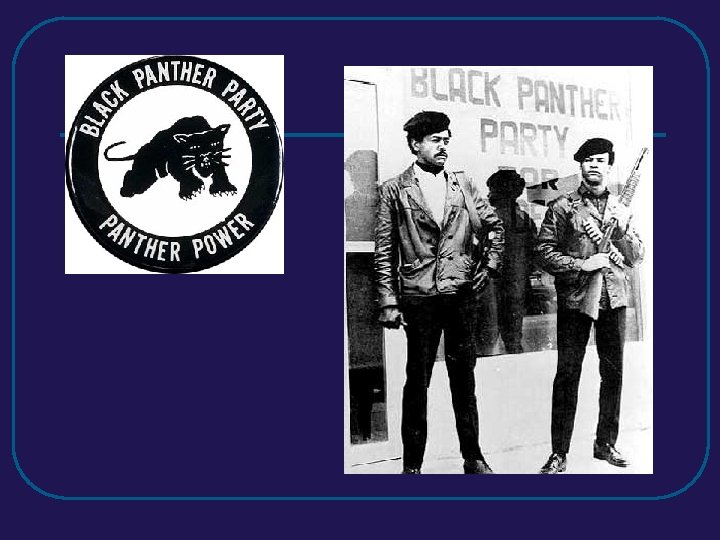
The Civil Rights Movement: 1950 s-1960 s 1954 School segregation banned l 1955 -1964 Negro Revolt (non-violent protests l led by Martin Luther King, Jr. ) l 1964 the Civil Rights Act, banning segregation in public places l 1965 the assassination of Malcolm X, dynamic leader of the Black Revolution, who rejected nonviolence and advocated black nationalism
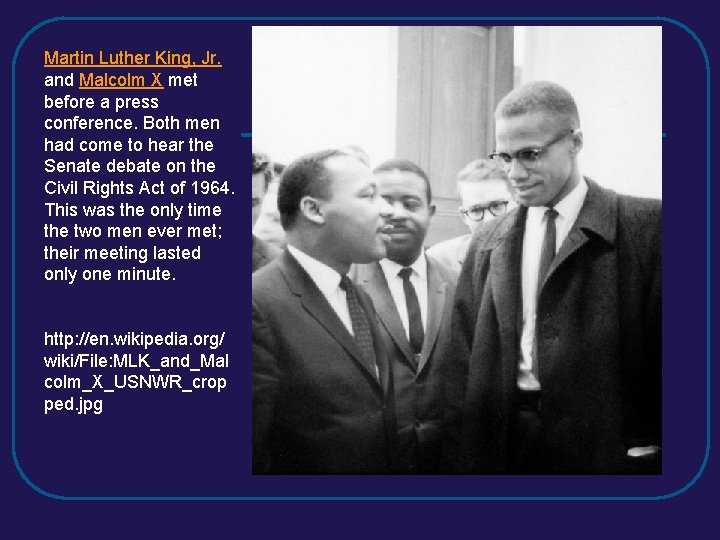
Martin Luther King, Jr. and Malcolm X met before a press conference. Both men had come to hear the Senate debate on the Civil Rights Act of 1964. This was the only time the two men ever met; their meeting lasted only one minute. http: //en. wikipedia. org/ wiki/File: MLK_and_Mal colm_X_USNWR_crop ped. jpg
l. Political Art
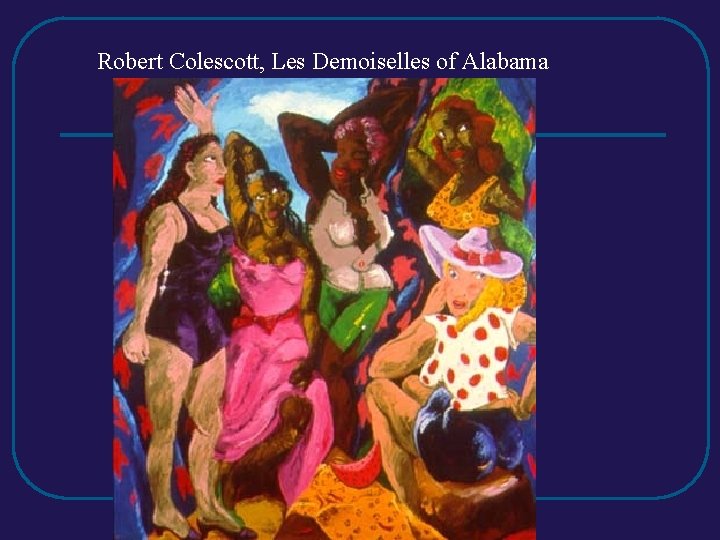
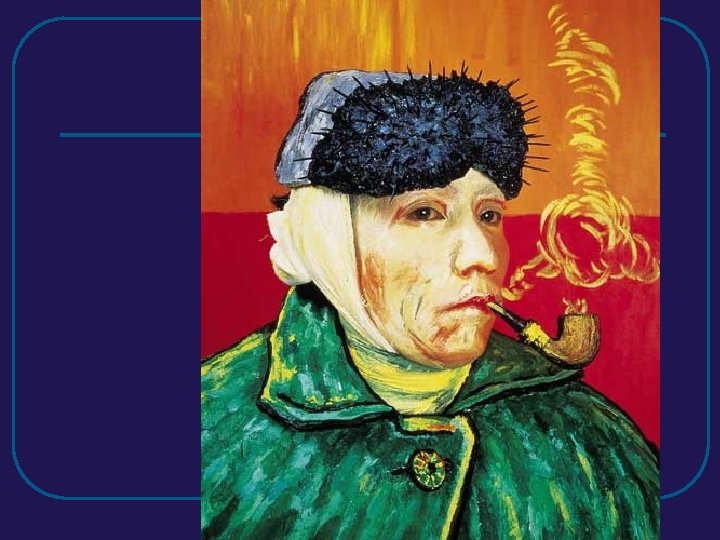
Robert Colescott, Les Demoiselles of Alabama
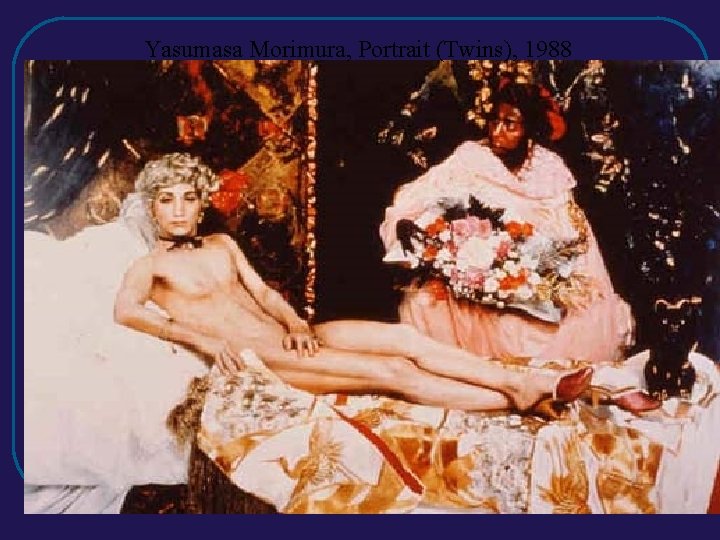
Yasumasa Morimura, Portrait (Twins), 1988
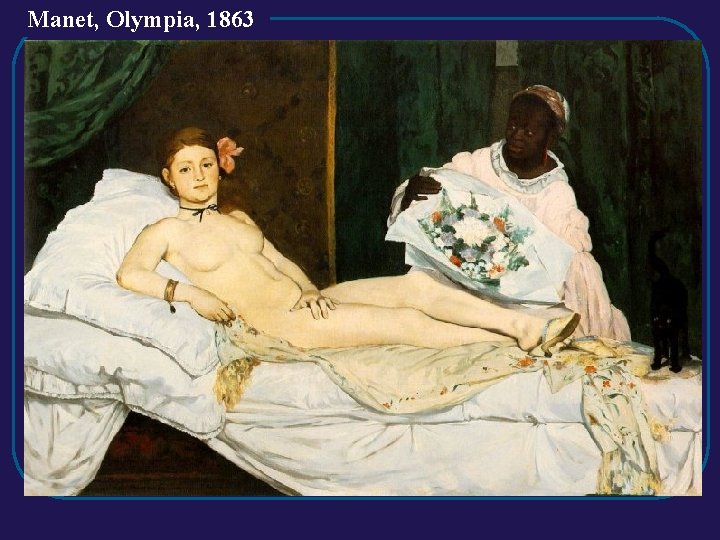
Manet, Olympia, 1863
l. The Quest for Racial Equality
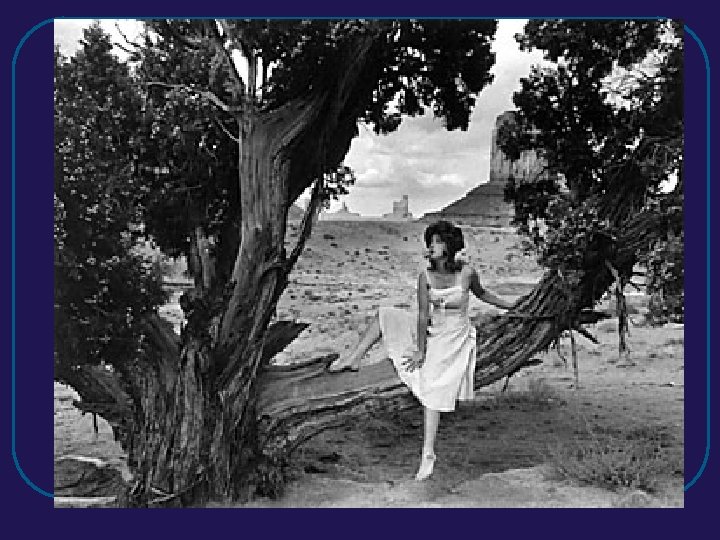
l. Feminist Art
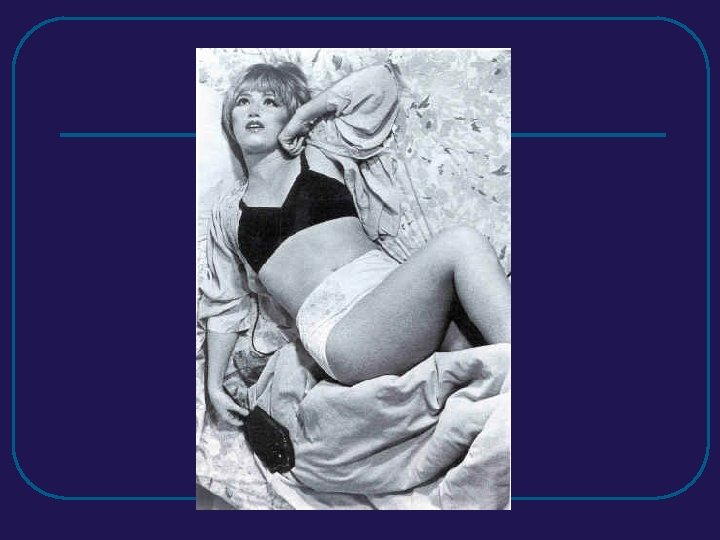
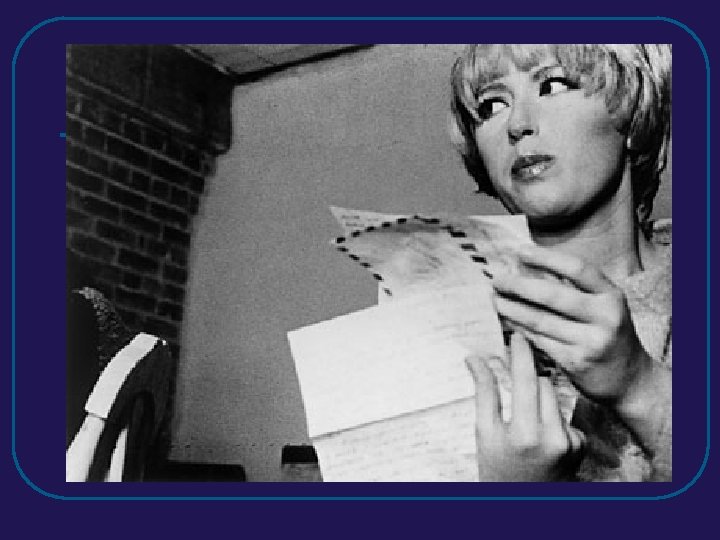
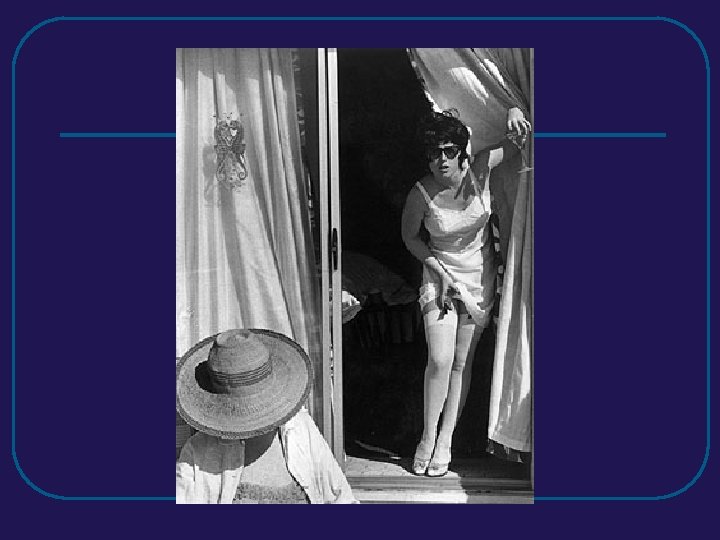
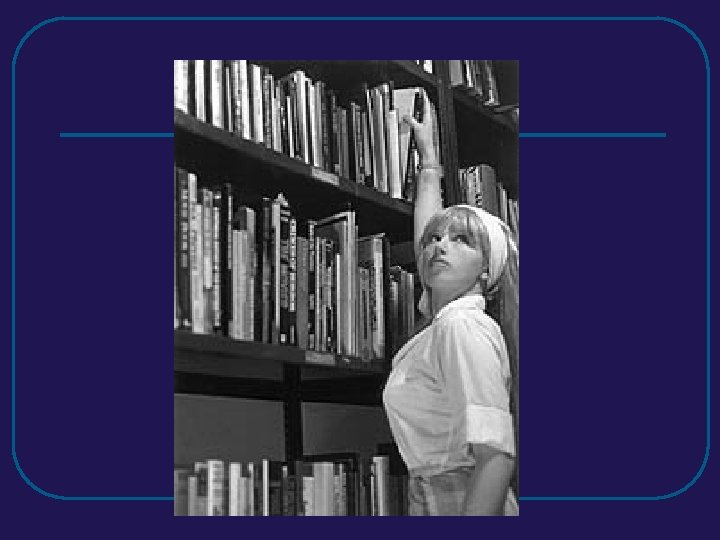
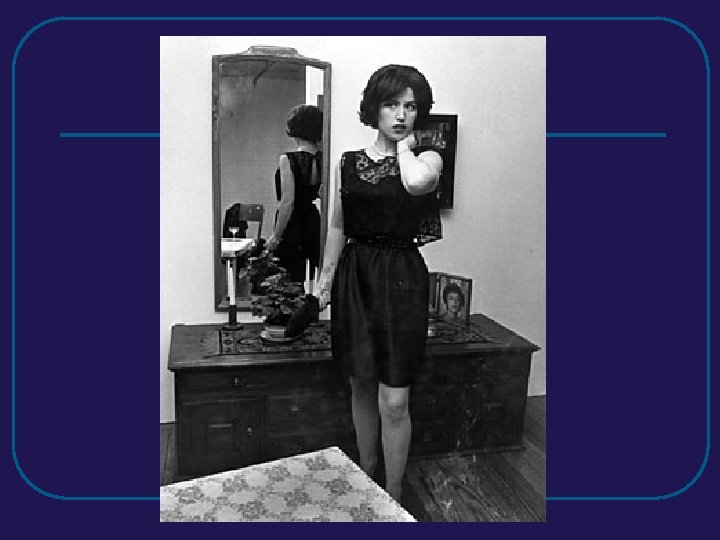
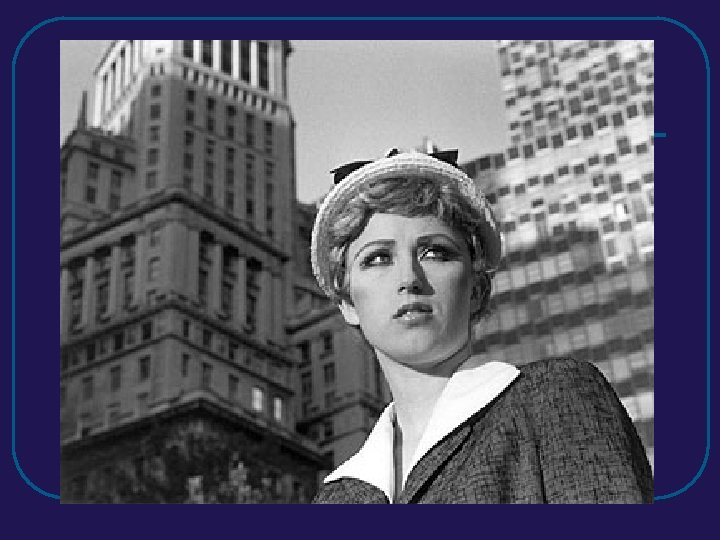
l. Cindy Sherman • Untitled Film Stills, 1995
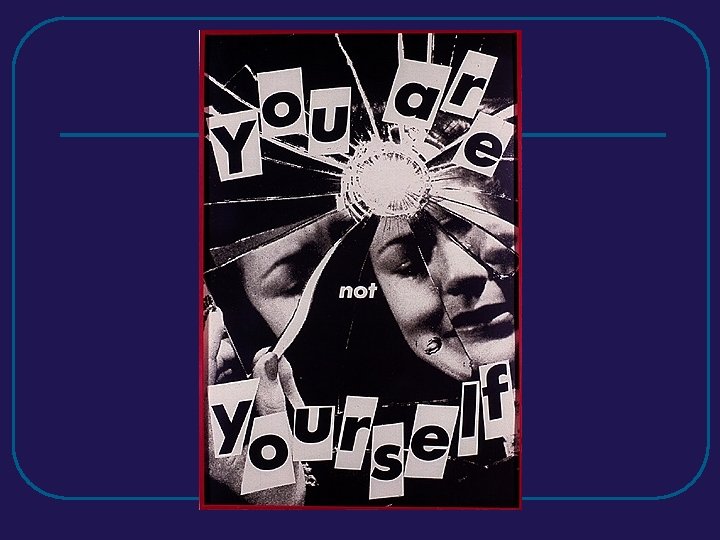
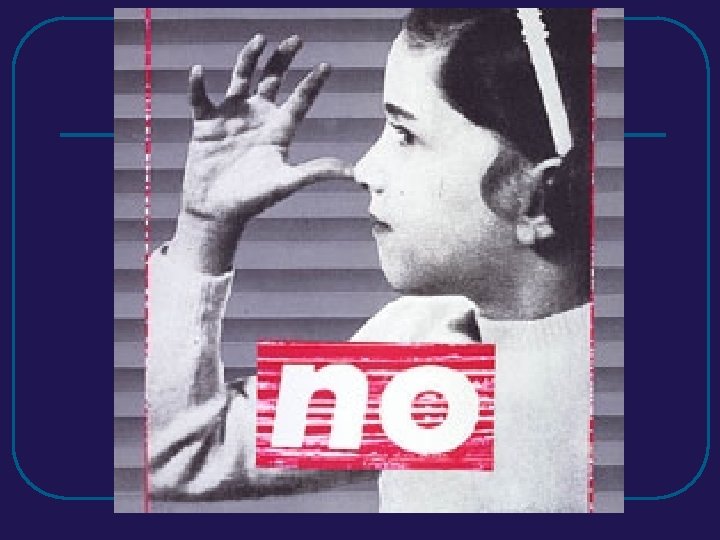
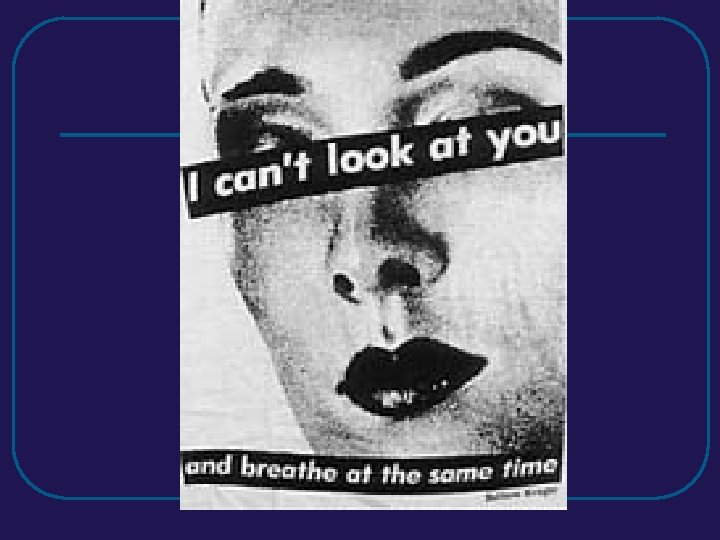
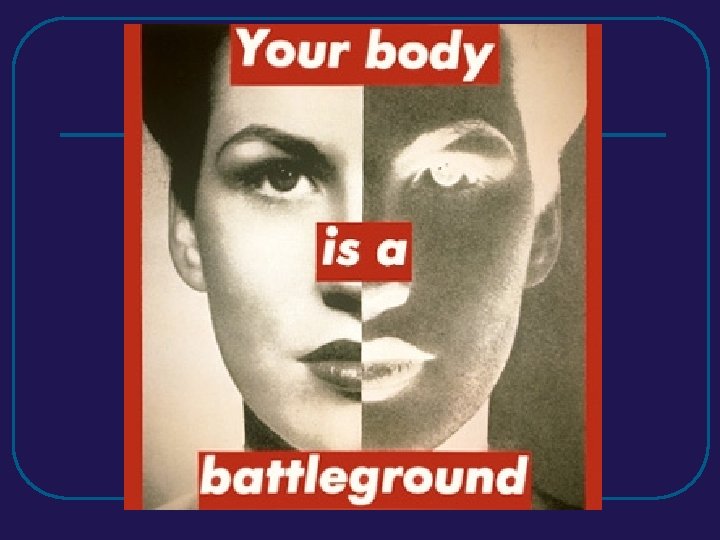
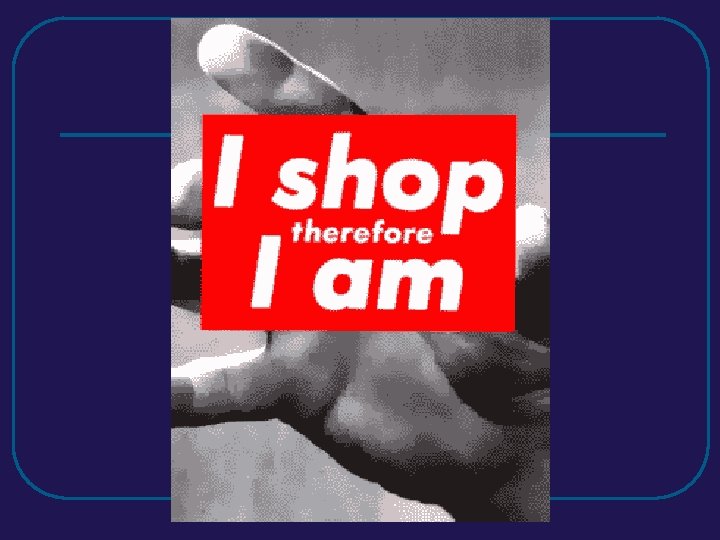
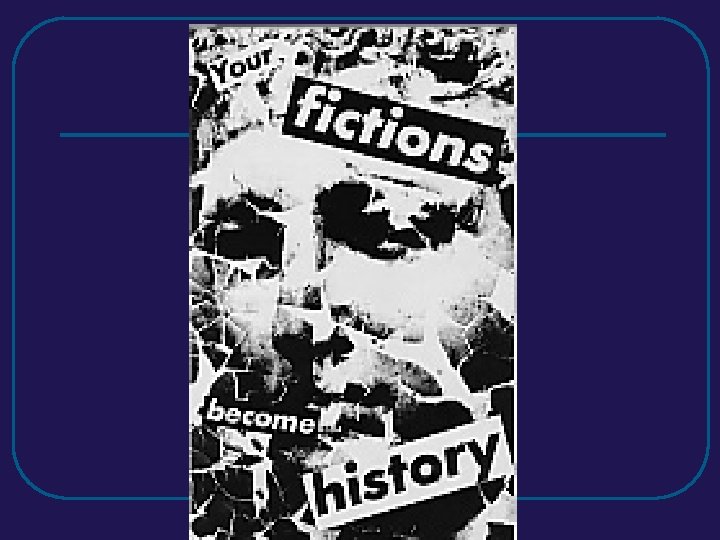
l. Barbara Kruger
Chapter 38
Postmodernism l 1. After modernism? l 2. Contra modernism?
Differences (1) l. The modernist laments fragmentation while the postmodernist celebrates it.
Differences (2) l Postmodernism rejects the distinction between ‘high’ and ‘popular’ art which was important in modernism, and believes in excess, in gaudiness, and in ‘bad taste’ mixture of qualities.
Postmodern Literature l (1) combines disparate styles in works (references to other cultures and world views) l (2) quotes from various works (intertextality 互文性)
Postmodern Literature l (3) rejects traditional style in favor of parodying writing l (4) authors are often selfconscious: address the reader, inject commentary worlds of author and reader blur
Postmodern Literature l (5) questions the authoritative interpretations of literary works • questions whether a work exists in and of itself, or if the work only exists in its interpretations
Postmodern Literature l (6) questions the absolute nature of the meaning of language l (7) metalanguage: works are often "about" language rather than simply use language to communicate ideas
References l Barry, Peter. Beginning Theory. 2 nd ed. Manchester: Manchester UP, 2002. l http: //jan. ucc. nau. edu/~jsa 3/hu m 355/readings/37/chapt 37. htm
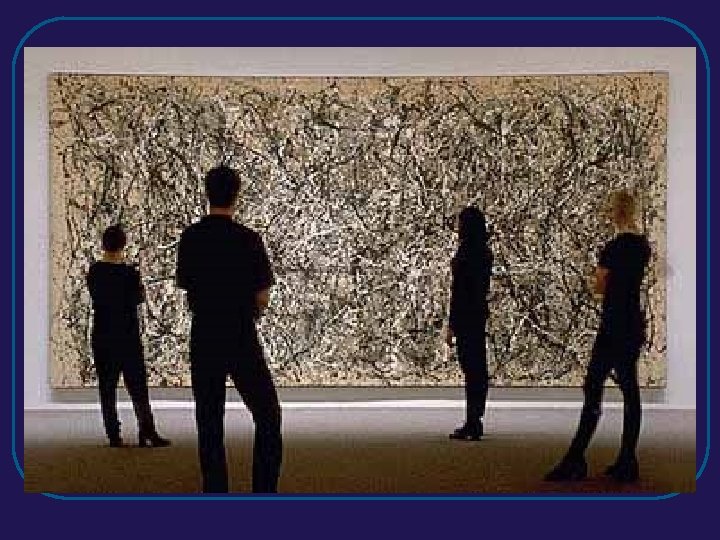
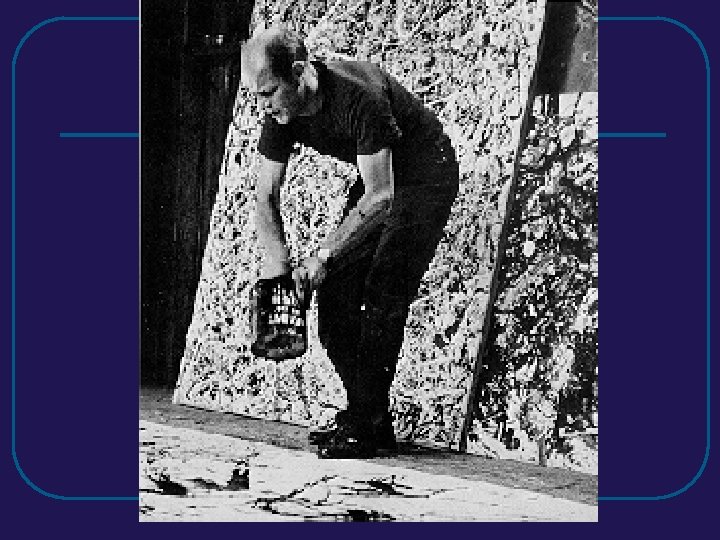
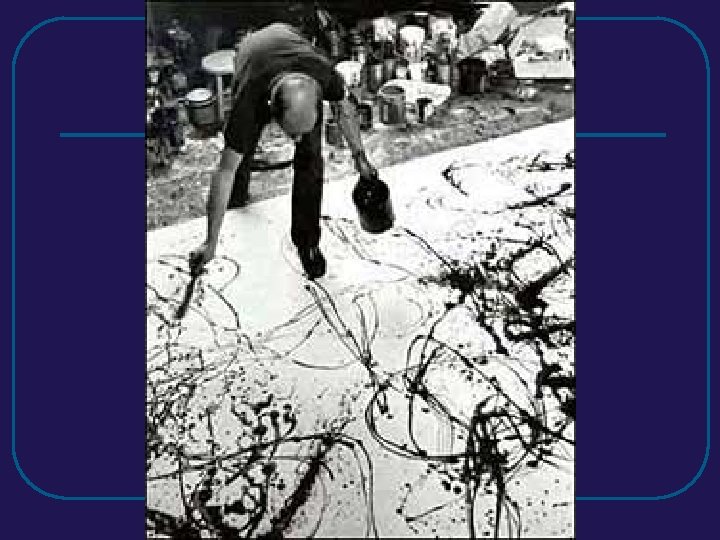
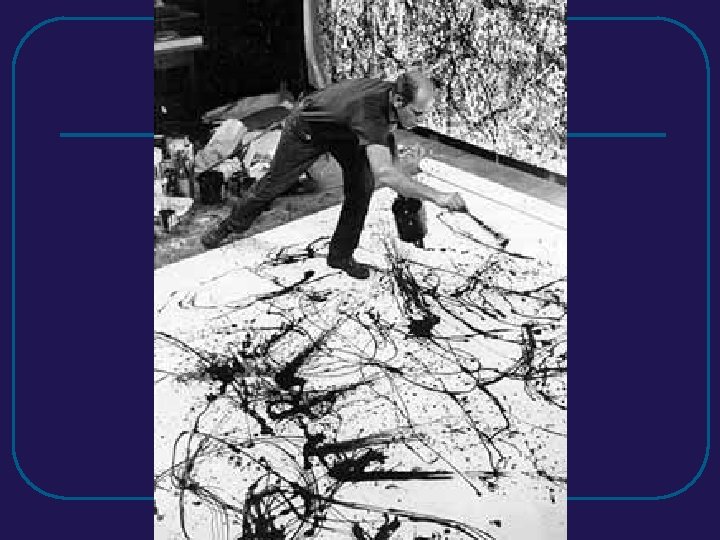
l. Jackson Pollock (19112 -1956)
l Process, uncertainty, change
l "When I am in my painting, I'm not aware of what I'm doing. It is only after a sort of ‘get acquainted’ period that I see what I have been about. I have no fears about making changes, destroying the image, etc. , because the painting has a life of its own. I try to let it come through. It is only when I lose contact with the painting that the result is a mess. Otherwise there is pure harmony, an easy give and take, and the painting comes out well. "
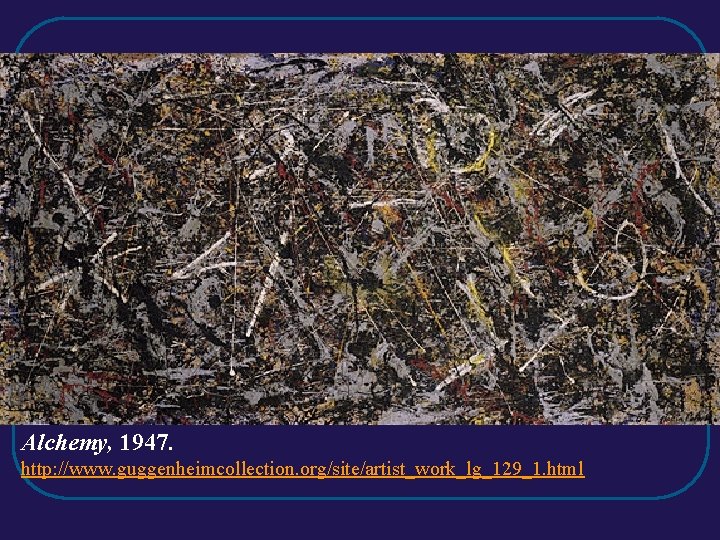
Alchemy, 1947. http: //www. guggenheimcollection. org/site/artist_work_lg_129_1. html
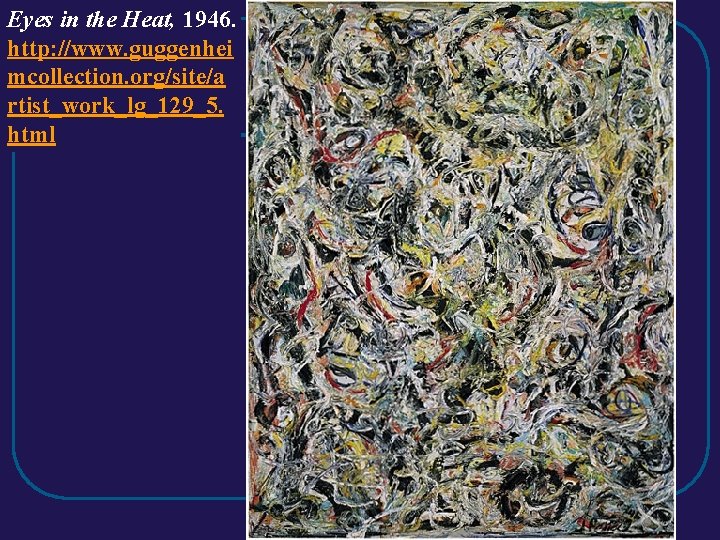
Eyes in the Heat, 1946. http: //www. guggenhei mcollection. org/site/a rtist_work_lg_129_5. html
l. Pop Art
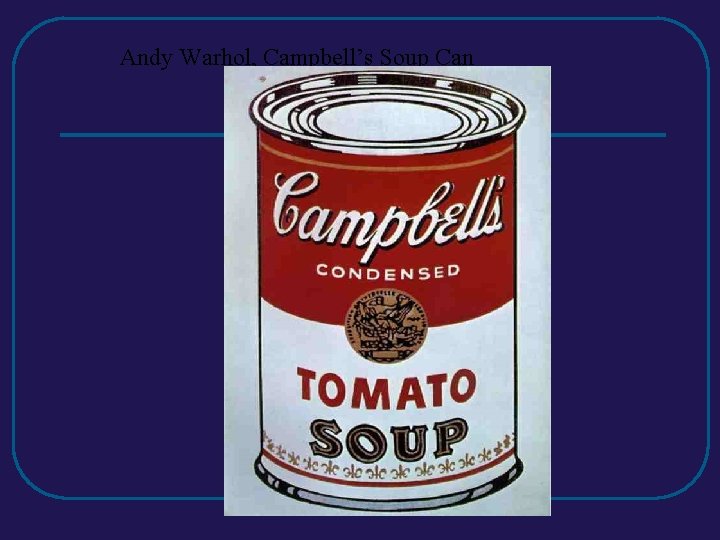
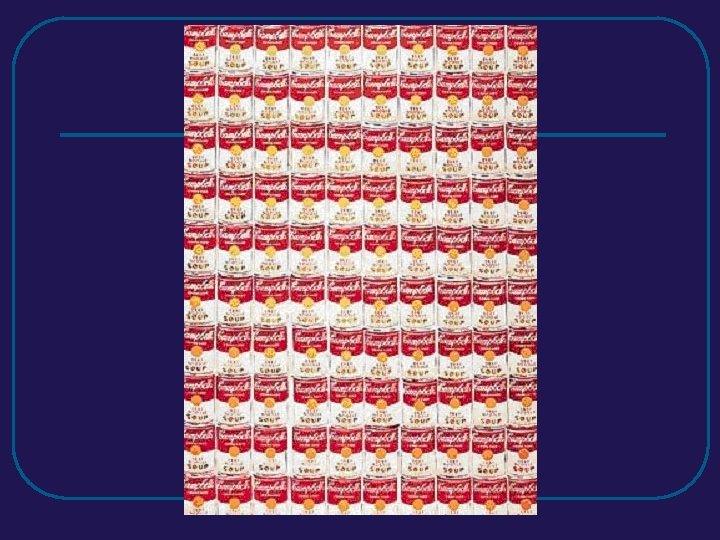
Andy Warhol, Campbell’s Soup Can
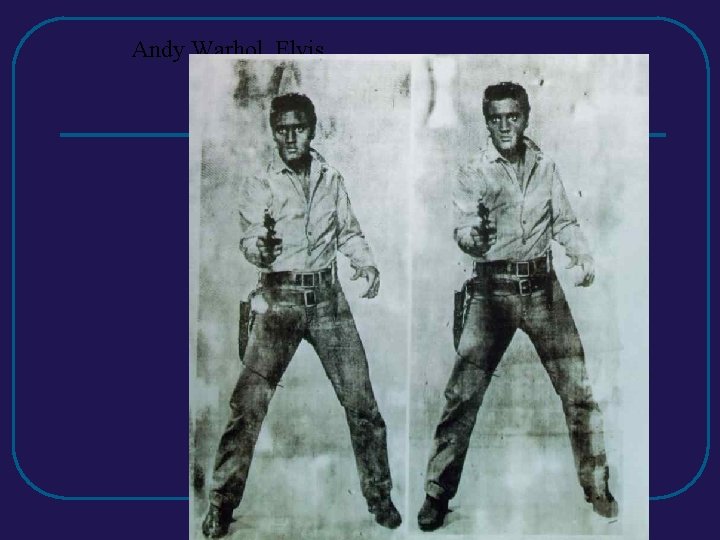
Andy Warhol, Elvis
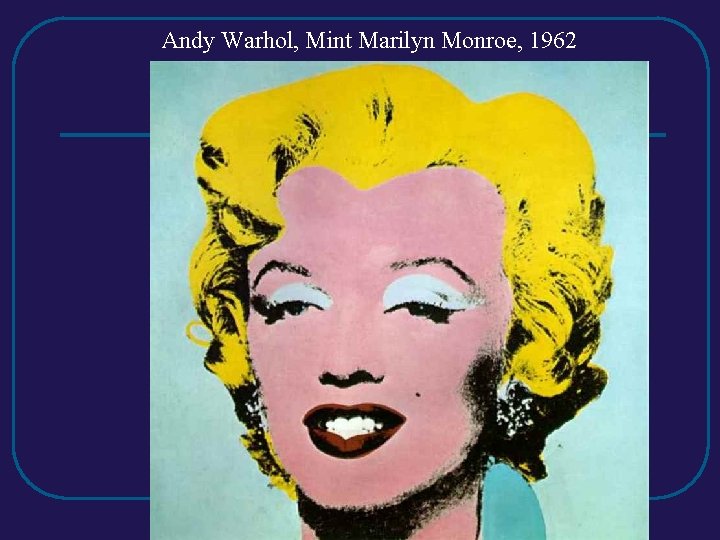
Andy Warhol, Mint Marilyn Monroe, 1962
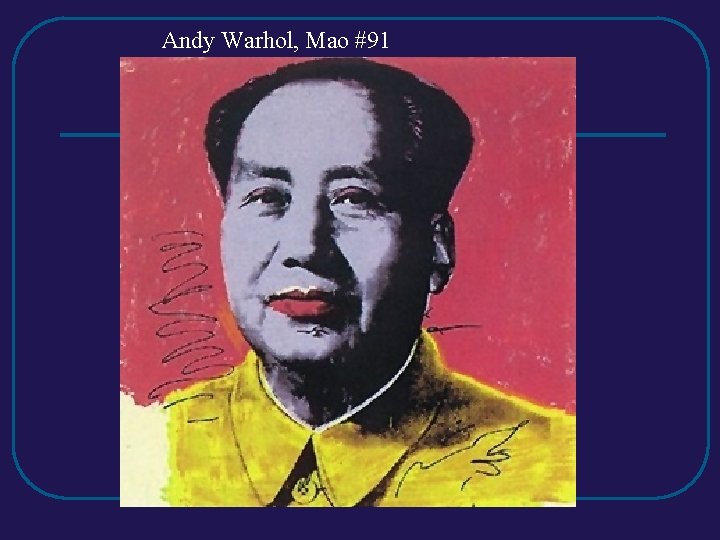
Andy Warhol, Mao #91
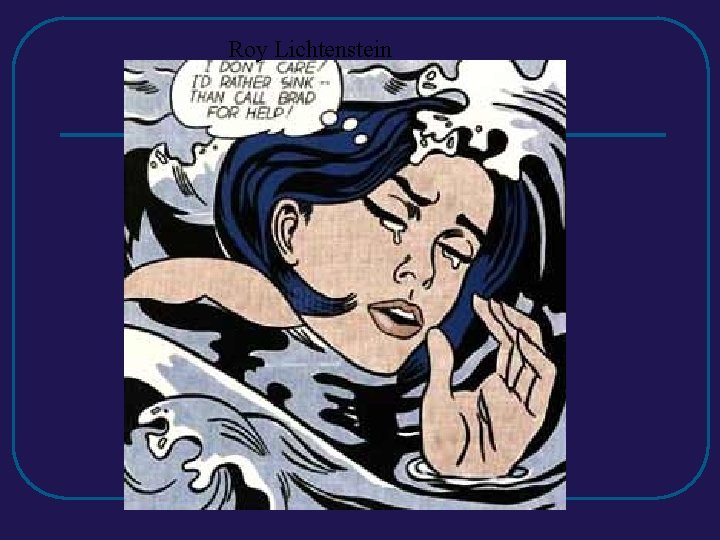
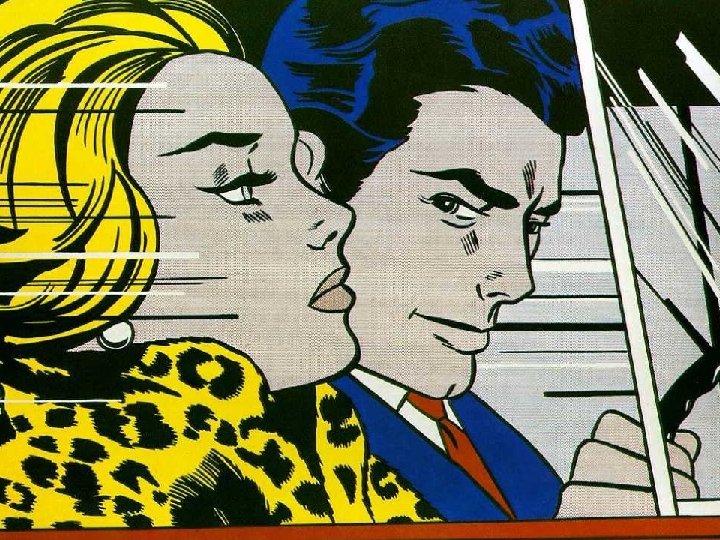
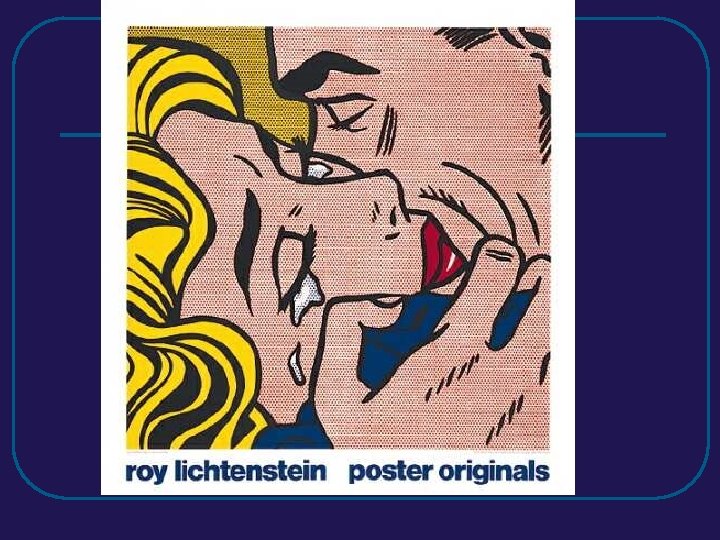
l. Comic Strips
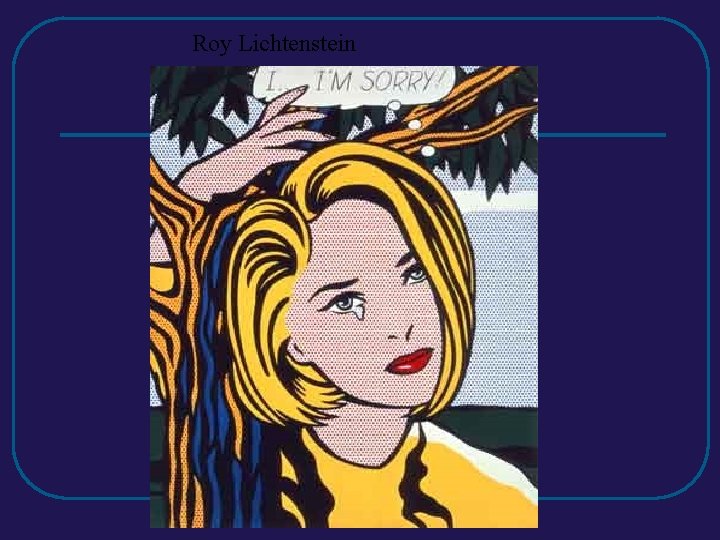
Roy Lichtenstein
Roy Lichtenstein
l. Assemblage
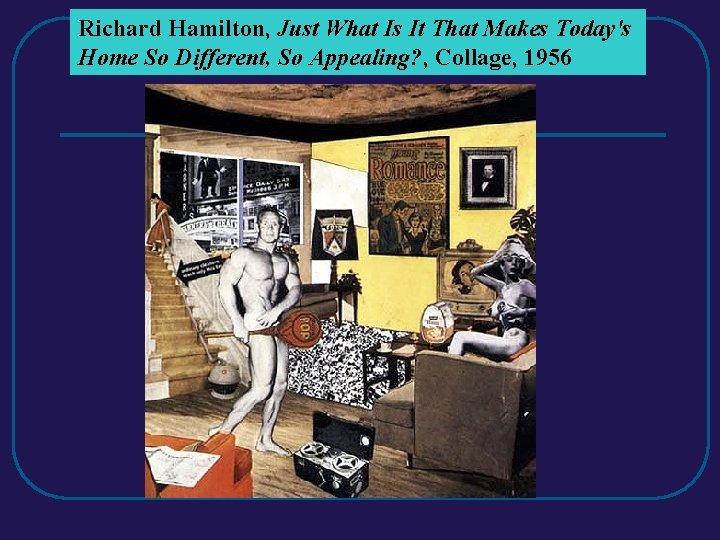
Richard Hamilton, Just What Is It That Makes Today's Home So Different, So Appealing? , Collage, 1956
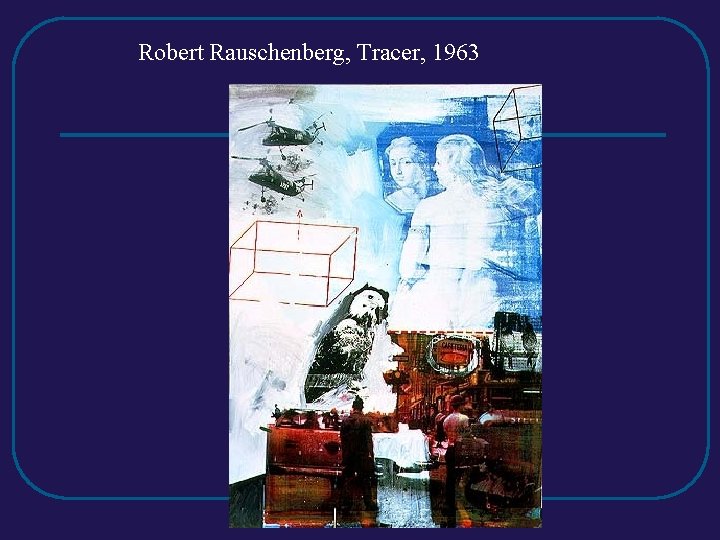
Robert Rauschenberg, Tracer, 1963
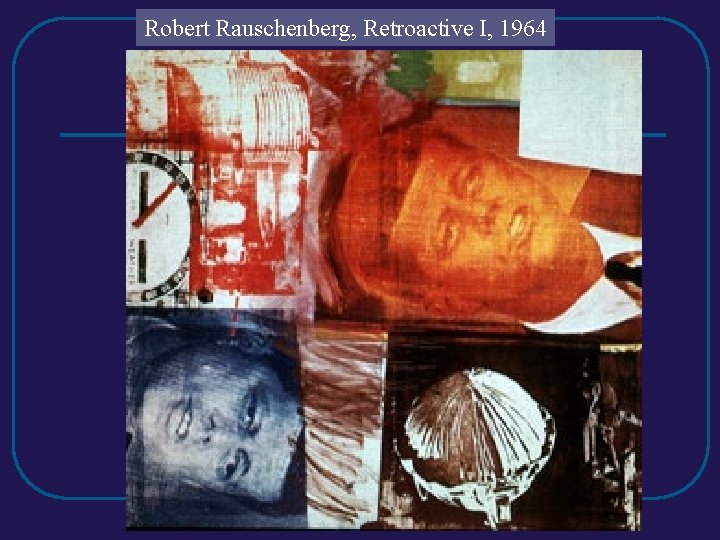
Robert Rauschenberg, Retroactive I, 1964
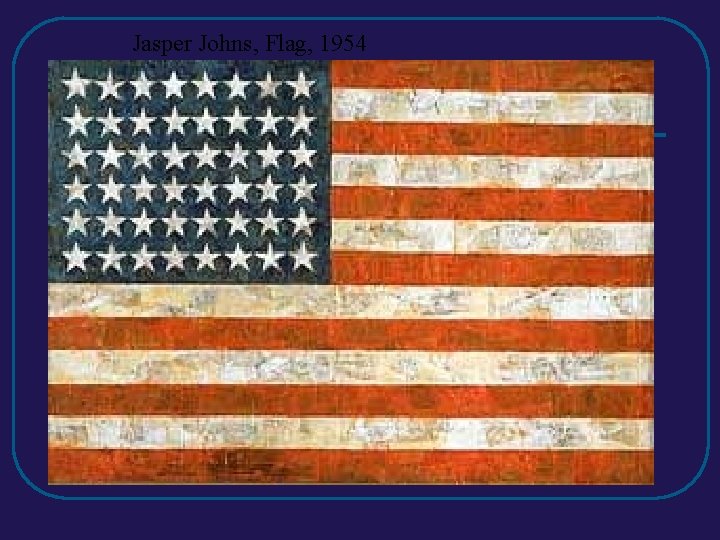
Jasper Johns, Flag, 1954
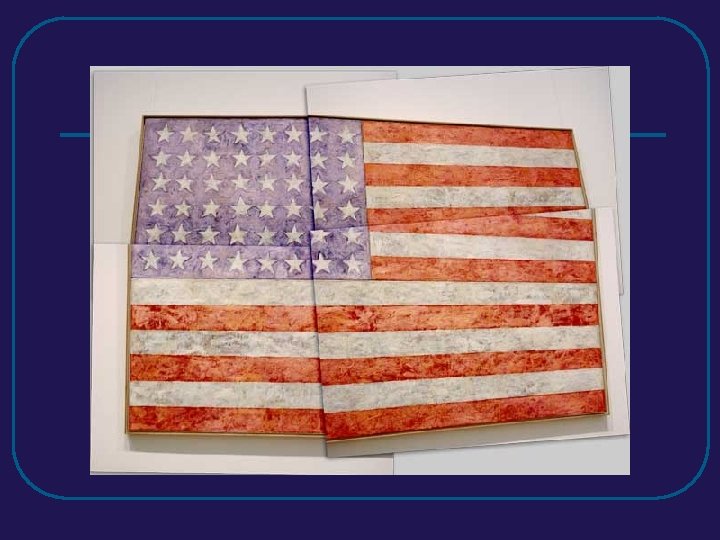
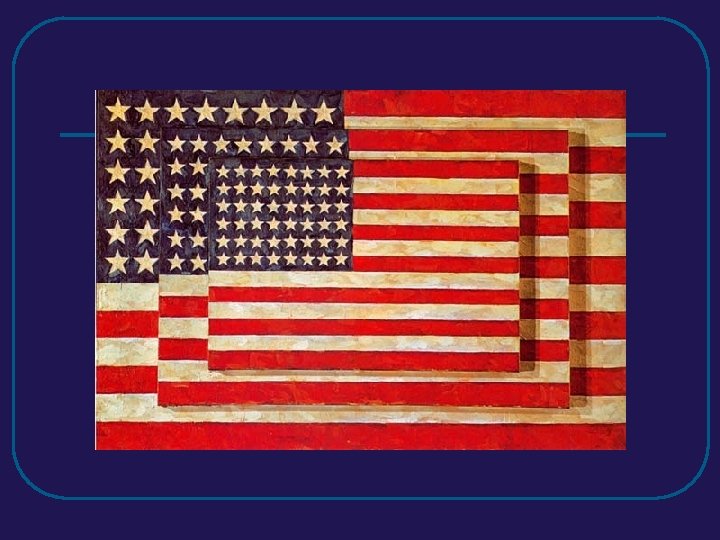
l “Using the designs of the American flag took care of a great deal for me because I didn’t have to design it, so I went on to similar things. . . things the mind already knows. That gave me room to work on other levels. ” Jasper Johns
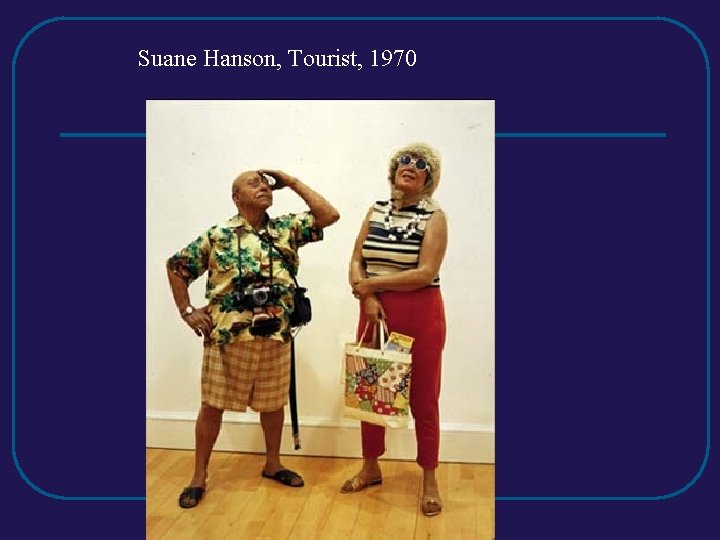
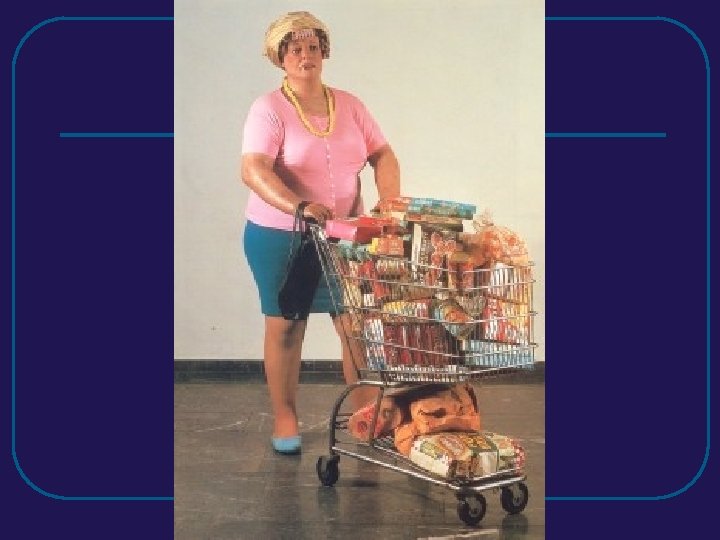
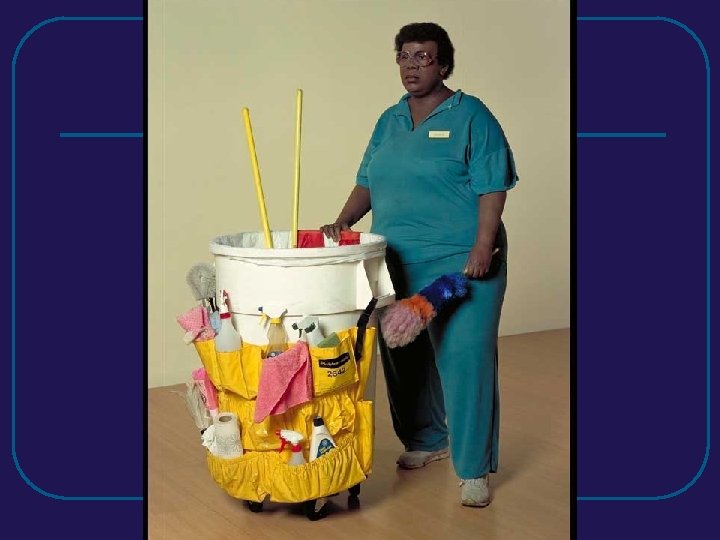
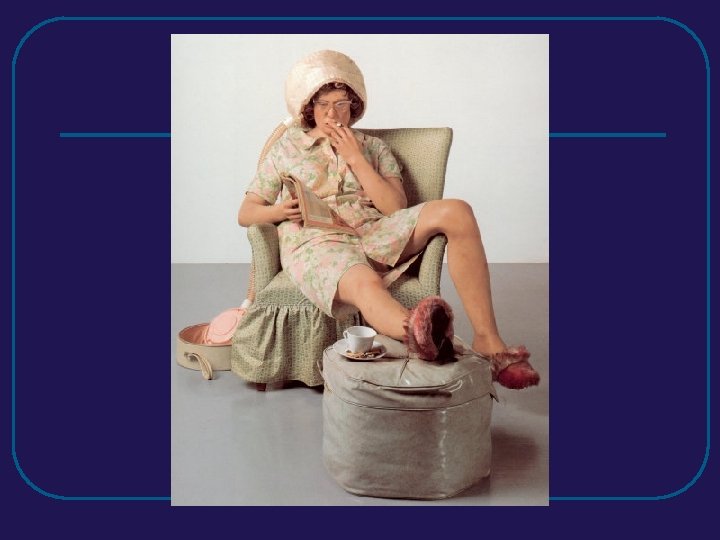
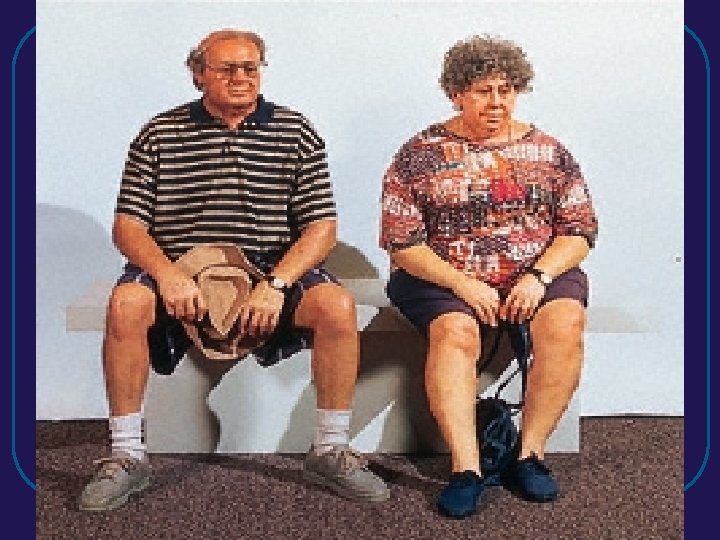
l. Duane Hanson
Suane Hanson, Tourist, 1970
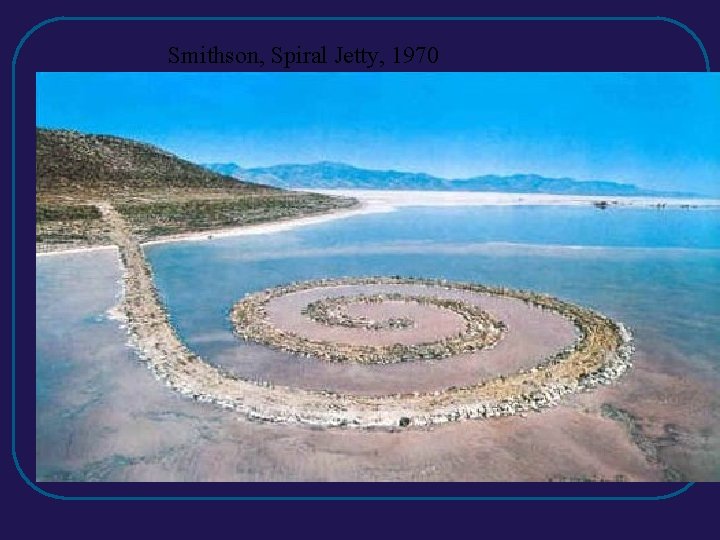
l. Total Art
Smithson, Spiral Jetty, 1970
l. The End