
Chapter two Background Problem statement and objective Objectives
Chapter two Background, Problem statement and objective Objectives of the chapter Defining a problem Characteristics of a problem Clarifying and stating a problem Evaluating the problem Objective of the study
1. Introduction 1. 1. back ground of the study 1. 2. Statement of the problem 1. 3. objectives of the study 1. 3. 1. general objective of the study 1. 3. 2. specific objectives of the study 1. 4 research question 1. 5. scope and limitation of the study 1. 6. significance of the study
2. review of related literature 2. 1. conceptual framework 3. Methodology 3. 1. description of study area 3. 2. research approach and design 3. 3. population , sample size and sample technique 3. 4. Data sources 3. 5. Data Collection instruments 3. 6. Data collection procedures 3. 7. Method of data analysis
Time frame and budget References
Research questions and hypothesis Define research problem Understand characteristics of research problem Write statement of the problem Evaluate research problems Understand objective of the study Understand how to write research questions and hypothesis
Contents of research proposal Preliminary page Title page Acknowledgement Declaration page List of tables and figures Acronym Abstract Table of content
Selecting a research topic What is research topic ? Research Topic: The broad general area expected to investigate. It is a broad idea or concept from which many problems may be delineated. Research Problem: A situation or circumstance that requires a solution to be described, explained, or predicted. It is an unsatisfactory situation that wants you to confront.
Research topic a matter dealt with in a text, discourse, or conversation; a subject. Or research topic is a subject/matter/problem under investigation or the problem we want to investigate systematically and scientifically /problem to be solved It is what you are going to study
How to select research topic The identification of a research topic for a new researcher can be broken down into a five-step process: Step 1: identify an area of interest, Step 2: browse through the literature, Step 3: pick a topic, Step 4: conduct a literature search, Step 5: identify a research question
Step 1: Identify an Area of Interest: What subfield of tourism interests you? E. g. sustainable tourism Ecotourism Destination management and development Tourism statistics Tourist behavior Hospitality
Customer service Heritage management Ethnography Tourism economics Tourism marketing Tourism publicity and promotion d/t types of tourism

Step 3 Step 2 – Browse the Literature: What has been done? Simply by browsing through abstracts of journals you interested in and you will learn not only about what has been studied, but what has been studied a lot and what has been somewhat ignored. Just browse through journal articles until you come across something that interests you.
Step 3 Pick a Topic: In one word or less, what do you want to study? As you browse through past issues of key journals, write down everything you find interesting.
Step 4 Conduct a Literature Search: Does the existing literature address the topic? : put one leg on either side of the fence and find a way to sit comfortably Read several literatures book, journal article, news paper, reports, thesis , magazines … together this information from several related studies provides a map – you get to see where the research has been, and what others think its next logical destination might be.
Step 5 Identify a Research Question: What are your variables going to be?
Qualities of good research title /topic A research is a comprehensive task and it requires great effort as a researcher on your part. The first thing that determines the success of your research is your research topic. A good research topic should have the following qualities.
Qualities of good research topic Clarity Well-defined and well-phrased The language of the research topic should have to be simple The titling of the research problem should follow the rules of titling Current importance
Clarity It is the most important quality of any research topic. The topic should have to be clear so that others can easily understand the nature of your research. The research topic should have a single interpretation so that people cannot get distracted. The topic should have to be very clear in your mind so that you can properly undertake it. The research topic should have to be free of any ambiguity. Clarity also means that the research topic should have to be directional and it should set the whole research methodology.
Well-defined and well-phrased Well-defined and well-phrased research topic is a half guarantee of a successful research. Sometimes researchers phrase the research topic in such a way that it gives a doublebarrelled impression. The research topic should have to be welldefined and well-phrased and it should have to be easy to understand. it should have a single meaning.
Clear and simple language should be used The language of the research topic should have to be simple. You should use technical terms only when it is necessary, otherwise use simple words so that everyone can understand it. keep the ethics of writing in your mind to avoid any unethical term or sentence. Do not introduce any sort of bias directly or indirectly, willingly or unwillingly in the research problem or research topic.
The rule of titling should be applied The titling of the research problem should follow the rules of titling. there are various rules of titling. You can either use a sentence case or a title case but most of the titles follow title case. Read the rules of titling titles before writing it down.
Current Importance Current importance should also be the consideration of the researcher while selecting a research topic. An obsolete topic will not be beneficial for anyone the topic should have current importance. You should also assess how much the topic will provide benefit to the field in which you are conducting the study.
Informative Identify one or two main points in the paper to communicate to the audience; a good title is capable of conveying those points. Be as specific as possible without adding unnecessary details. Titles that are too vague or too general do not help the reader distinguish your work from others. Choose words carefully,
Accuracy The title should be truthful about the contents of the paper. Do not overpromise the results of the paper in the title
Concise Short titles are instantly recognizable and jump of the page. Every word should have a reason for being present, and each word should contribute to the message of the title.
Researchable the topic can be investigated through collecting and analyzing data
Manageable a good topic is manageable topics chosen should match the current level of research skill possessed by the researcher other considerations include the availability of resources, time, appropriate participants, and measuring instruments
Ethical a good topic is ethical research should not harm participants either physically or emotionally negative examples include the stanford prison experiment and milgram's study
Factors to consider when you select your research title Economic Considerations Environmental Factors ; controversial titles are not recommendable ; the researcher should be knowledgeable about the domain area geographic location Technical Considerations Human Considerations
Research problem What is a problem ?
A research problem is a statement about an area of concern, a condition to be improved upon, a difficulty to be eliminated, or a troubling question that exists in scholarly literature, in theory, or in practice that points to the need for meaningful understanding and deliberate investigation.
In other words, ‘a research problem is an area of concern where there is a gap in the knowledgebase needed for professional practices
Research problem is a question that researcher wants to answer or a problem that a researcher wants to solve Selection of research problem depends on several factors such as � Researcher’s knowledge, Skills, � Interest, � Expertise, � Motivation &creativity with respect to the subject of inquiry �
Sources of a research problem Previous and personal experience Practical experience Critical Appraisal of literature Existing theories Social issues Field Sociopolitical and cultural changes Technology Consultations/Discussions Critical observations Reading
Criteria for the Selection a Research Problem Researcher/personal inclination Resources availability Relative importance of the problem Researcher knowledge Practicability (practical usefulness of the problem) Timelines of the problem Data availability Urgency Feasibility Area culture
Developing a research problem Steps Selection of the research topic: write down general areas of interest At this stage, it doesn’t matter if the terms used are broad or specific, abstract or concrete. , The important point is to put ideas on papers.
Step 1: selecting a research topic Then a list of ideas can be classified into Interesting topics. Familiar topics. Perplexing topics Feasible/not feasible topics And then, choose the most suitable one to work in
Step 2: contemplate the ideas : then explore the phenomena by examining the following eight areas 1. The topic’s / situation’s /problem’s precipitating factors. 2. How it is exactly viewed or perceived by the researcher. 3. What are the responses of others who are involved in the situation? 4. The personal involvement in the situation.
5. 6. 7. 8. Emotions felt. Values and biases inherent in or related to the topic/situation. Risk factors associated with searching this topic/situation/problem. What contribution the research would offer.
Step 3: Narrowing the topic Once a research topic has been specified and contemplate, the researcher must then narrow it down in order to develop a research problem. This is done through generating questions from the research topic. List of questions can be developed from the research topic, and then investigated in relation to its feasibility to research.
Step 4 : reviewing a literature Reviewing the related literature at this stage may throw light on: Theoretical framework. Methodology. Data collection methods. Data collection tools
�Data collection techniques. �Sampling method…etc. Review of literature will also help to identify what is known and what is not known about the research problem. Therefore, the research problem could be specified and stated at this point.
Step 5: Writing the statement of the research problem : Expressed in a statement This statement serves as a guide to the researcher in the course of designing the study.
The problem statement should have the following characteristics: Identify the key variables in the study. Express a relationship between two or more variables. (If not descriptive). Specify the study population. Imply the type of the research. Identify the study setting
The problem statement could be done in two forms: Declarative: “The relationship between the nurses’ job satisfaction and tendency to leave work” Interrogative: “ Is there a relationship between the nurses’ job satisfaction and tendency to leave work? ”
Evaluation of a research problem Time: enough time will be available for the various steps of the research. Timing : When the timing requirement of a task do not match Money : the researcher should ask the following questions: � � � Will I have enough money to complete this research? Will be any sources for funding the research? Does the anticipated cost outweigh the value of the expected findings?
Contd … Availability of research participants: Ethical consideration Facilities and equipment Co operation of the others Qualifications and experience of the researcher Significance of the problem
Criteria for the Selection of a Research Problem Novelty, urgency and avoidance of unnecessary duplications. Importance for the field represented and implementation. Interest, intellectual curiosity, and drive. Training and personal qualifications and competence. Availability of data and method. Approachability of the sample. Cost and returns.
Defining/stating a Research Problem It is just to pinpoint the problem
The need for defining or stating a research problem sets the direction of the study Reveals the methodology or procedure of the study Helps the researcher to control subjectivity or biases of the researcher Suggests and specifies the variables to be taken up into the investigation Makes the research work practicable
Precautions to be made when identifying a Research Problem The words used for defining a problem should have a single meaning It must be brief but comprehensive The assumptions are to be recognized for the study. The problem should have practical importance in the field of tourism. The definition or the statement of the problem should have certain rationale
Ways to Define the Problem 1. Analyze the major problems in terms of subordinate problems. 2. Statement delimits the scope of the study. 3. Orientation of the problem in a unique direction: (a) A historical account, remote or recent. (b) A survey of previous study or related studies. (c) An analysis of previous studies or related subjects. (d) Preliminary survey.
4. Description of the general nature of the problem. (a) Type. (b) Source. (c) procedure Statement of limitations of the technique employed. 6. Recognitions of assumptions and Implications. 7. Importance-value or significance of the study of education. 8. Definition of terms.
Key components of statement of the problem Problem statements often have three elements: 1. The problem itself, stated clearly and with enough contextual detail to establish why it is important 2. The method of solving the problem, often stated as a claim or a working thesis 3. The purpose, statement of objective and scope of the project being proposed.
How to write the statement of the problem The problem statement implies some question that your research will be answering. Sometimes it is necessary to draft or pre-write for a while to discover what that point will be (and often writers are unsure of their point until they have written the draft proposal and discover the point near the end of the proposal).
When you set up to write a statement problem you should know that you are looking for something wrong… or something that needs close attention. Your problem statement is the statement that makes a point about the issues and information you are discussing, and is what the rest of the proposal hinges upon. It is not just your topic, but what you are saying about your topic. In other words there must be very good communication between your topic and the statement problem.
Components of the statements of the Problem 1. lead-in; 2. declaration of originality (e. g. , mentioning a knowledge void, which would be supported by the literature review); 3. indication of the central focus of the study; and 4. explanation of study significance or the benefits to be derived from an investigation of the problem.
Back ground of the study/Introduction The background study for a research includes: a review of the area being researched, Provides background information about the study current information surrounding the issue, previous studies on the issue, and relevant history on the issue.
Ideally, the study should effectively set forth the history and background information on your research problem. The purpose of a background study is to help you to prove the relevance of your thesis question and to further develop your research problem.
provides a brief rationale for why the proposed study is worth pursuing.
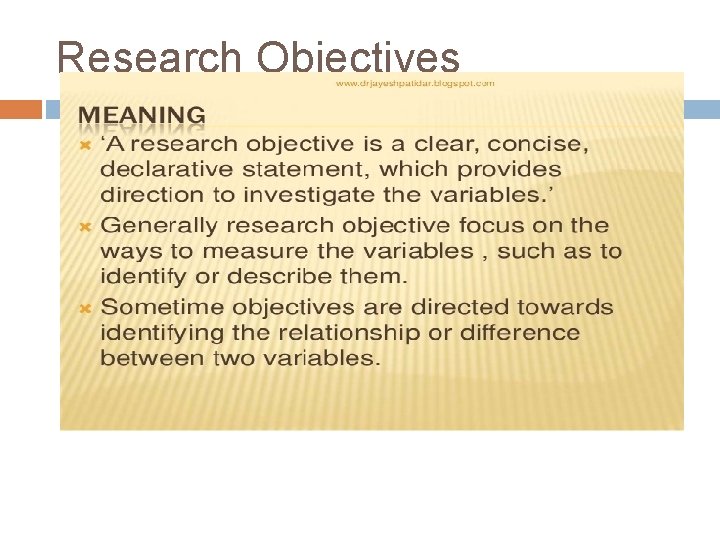
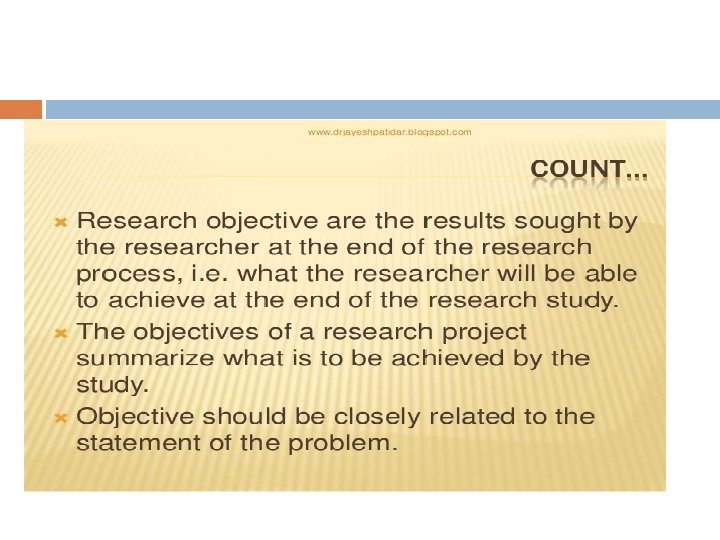
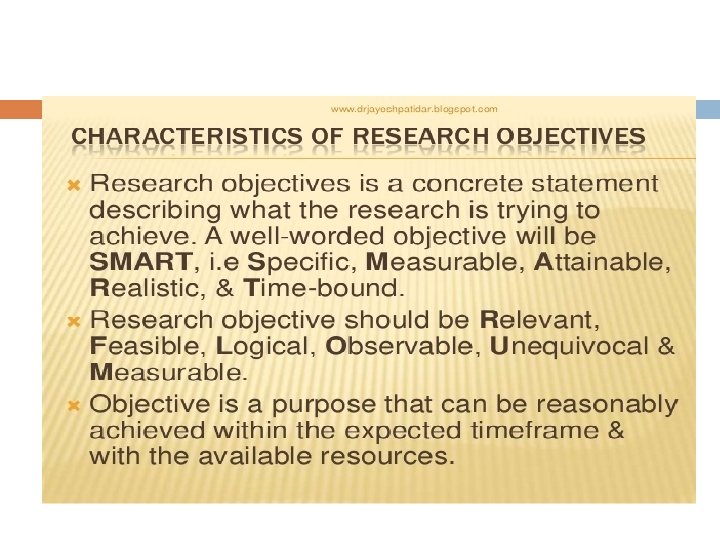
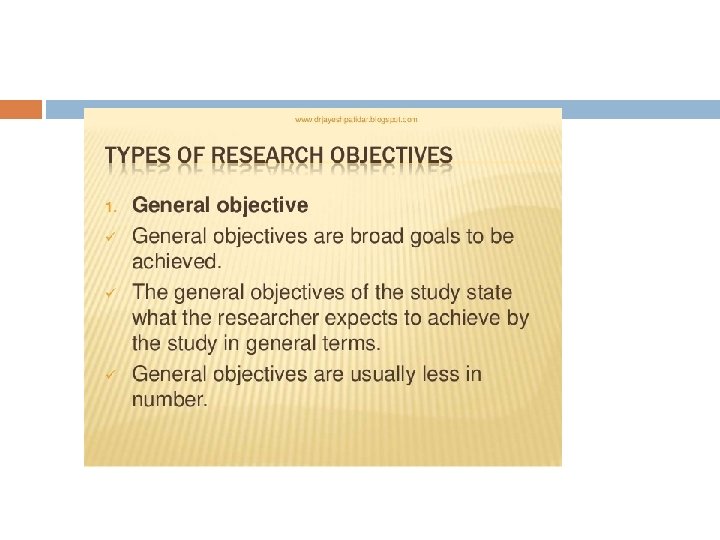
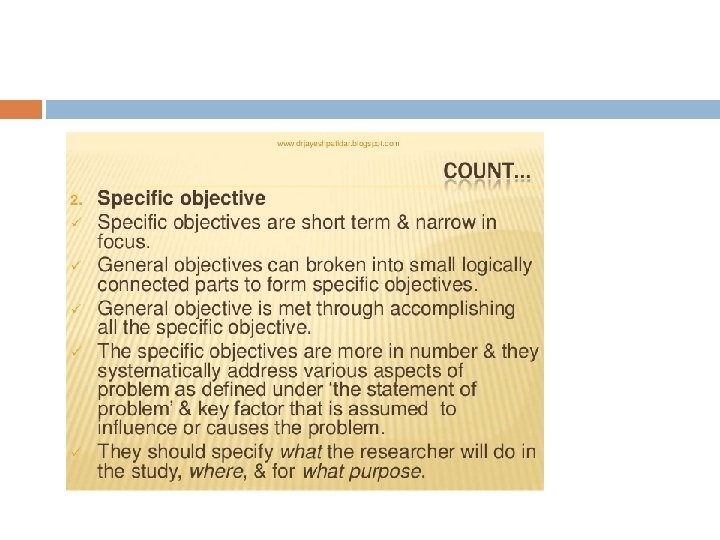
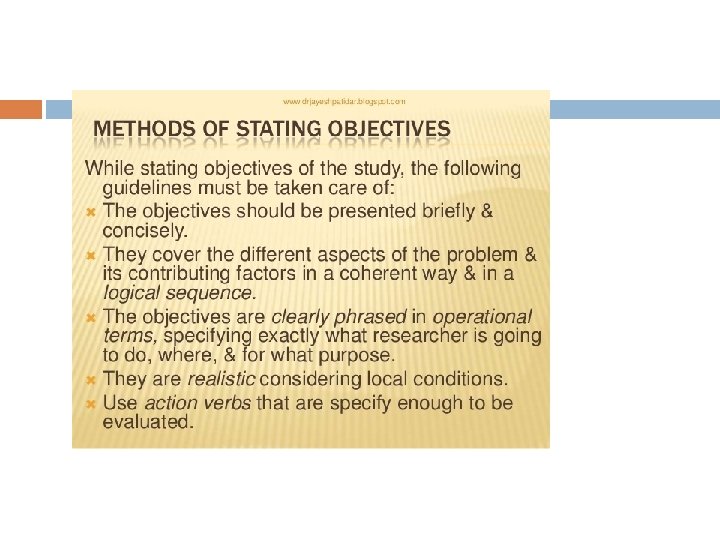
Research Objectives


Examples of general and specific objectives
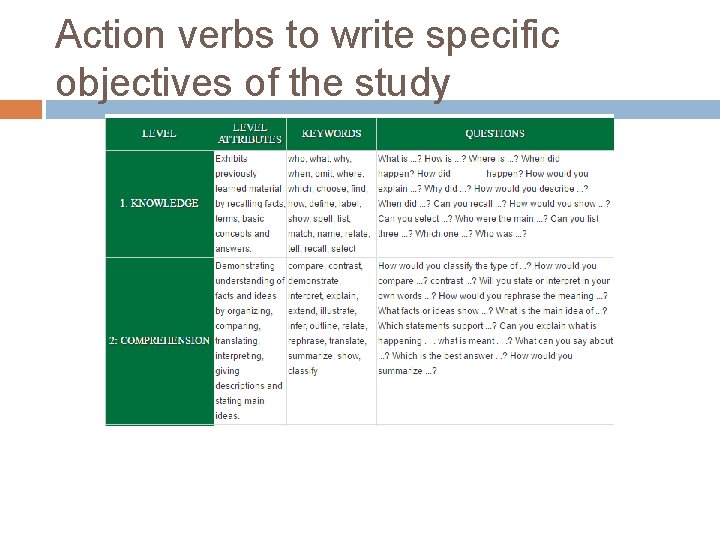
Action verbs to write specific objectives of the study
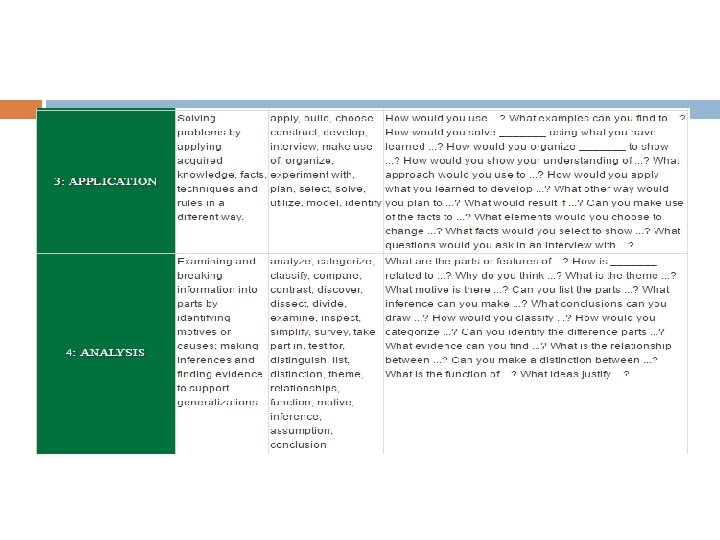
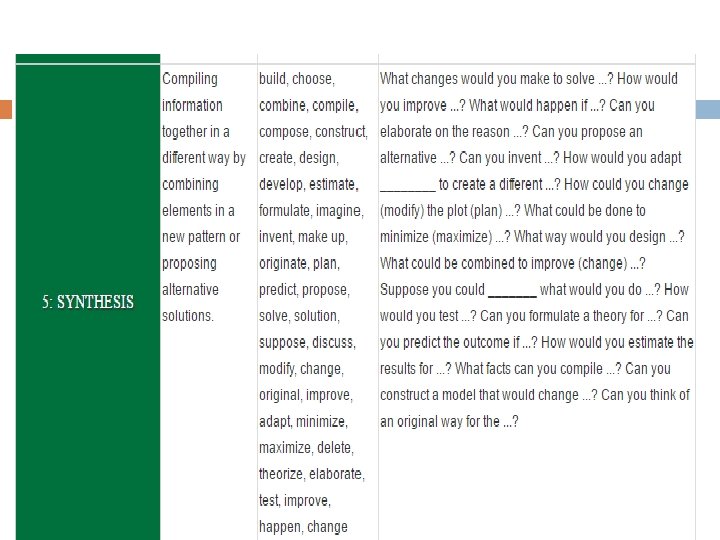
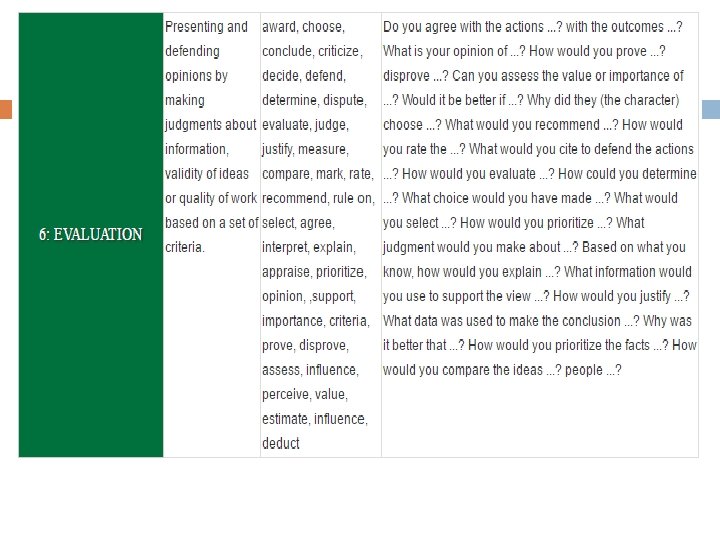
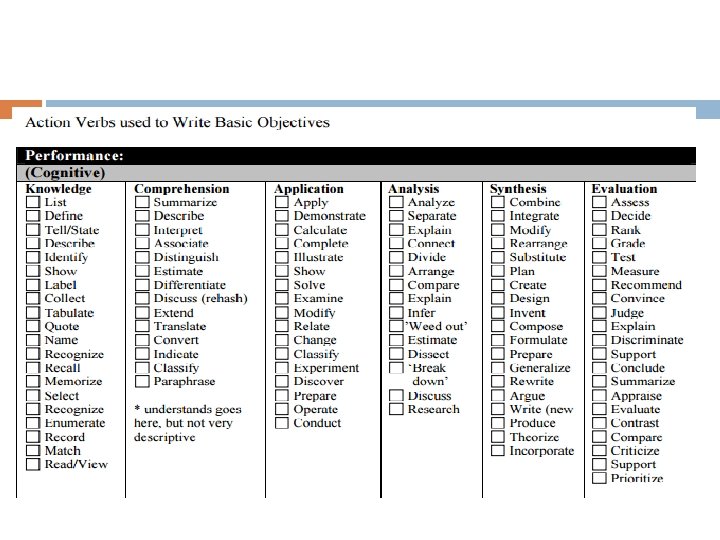
Research Questions and Hypothesis A research question is the fundamental core of a research project, study, or review of literature. It focuses the study, determines the methodology, and guides all stages of inquiry, analysis, and reporting. It is a research problem/ question that the research will going to answer /the research problem to be solved. A research question is the question that the research project sets out to answer.
Purpose of the Research Question It determines where and what kind of research the writer will be looking for. It identifies the specific objectives the study or paper will address.
Research Hypothesis A hypothesis is not a question, but rather it is a statement about the relationship between two or more variables The hypothesis translates the research question into a prediction of expected outcomes.
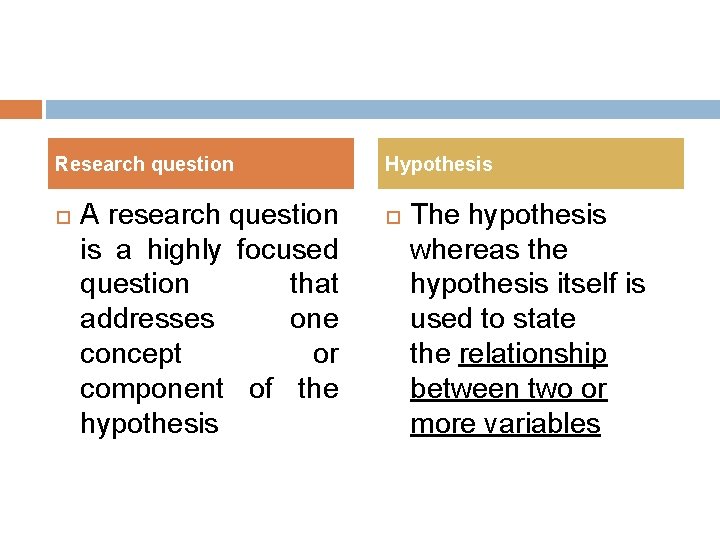
Research question A research question is a highly focused question that addresses one concept or component of the hypothesis Hypothesis The hypothesis whereas the hypothesis itself is used to state the relationship between two or more variables
A hypothesis is a tentative prediction about the nature of the relationship between two or more variables. � A hypothesis represents an educated guess about what will happen in an experiment � Hypotheses are always held tentatively A research question is simply a hypothesis stated in question form.
Should I use a hypothesis or a research question? Hypotheses � � Useful if there is an established line of research Useful if a likely outcome can be anticipated in advance Useful to test a specific theory or model Can inhibit flexibility or blind a researcher to unanticipated results Research Questions � � Useful if there is little previous research on the topic Allows a researcher to conduct more open-ended inquiries. A wider range of outcomes can be reported May encourage excessive manipulation of findings or “fishing expeditions. ”
Types of Hypothesis 1. Null Hypothesis 2. Alternative Hypothesis
Null Hyphothesis It is a statistical hypothesis, used to determine whether the results of an experiment are statistically significant. It posits that there is “no relationship” between two variables, or “no difference” between two groups The null hypothesis is “supported, ” if the results are statistically non-significant The null hypothesis is “rejected, ” in favor of the experimental hypothesis, if the results are statistically significant
Alternative Hypothesis A prediction that there will be statistically significant findings � significant differences or correlations between groups or among variables
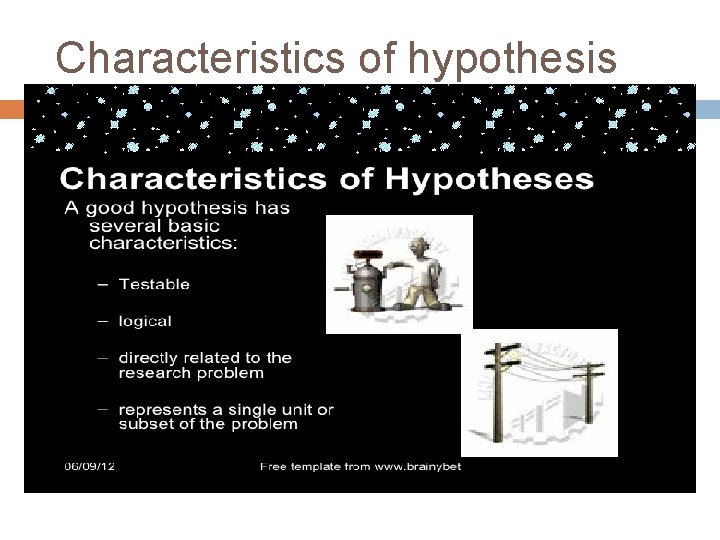
Characteristics of hypothesis
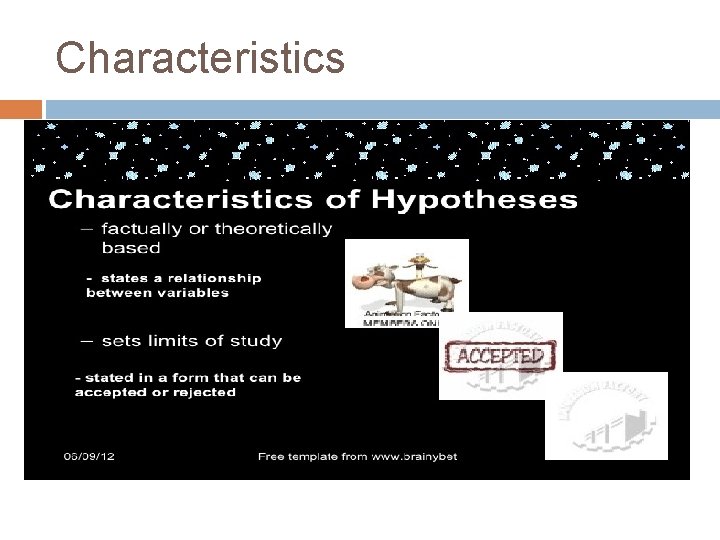
Characteristics
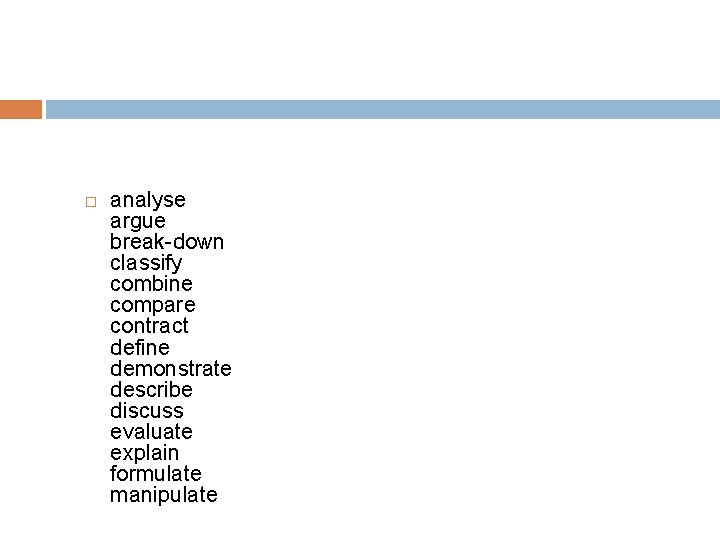
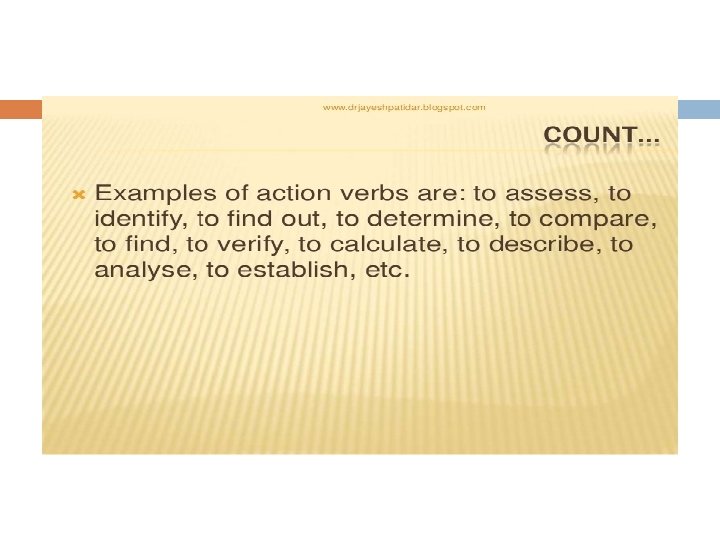
analyse argue break-down classify combine compare contract define demonstrate describe discuss evaluate explain formulate manipulate
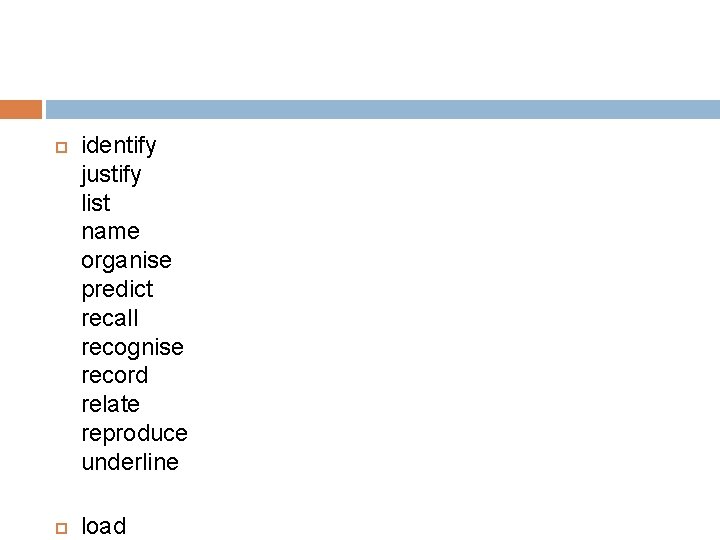
identify justify list name organise predict recall recognise record relate reproduce underline load


measure open operate remove repair tune turn offaccept associate be aware change decide derive determine develop influence listen perceive reject state Thank to R. Michell for providing this example from: Technisearch Ltd. (1997). Train the computer trainer. Melbourne: RMIT. List of action terms for use in preparing performance objectives Adapted from Bloom's Taxonomy of Educational Objectives (1956) Knowledge Comprehension Application define fill in the blank identify indicate know label list locate match memorize name recall record relate repeat select spell state tell underline classify convert describe discuss explain express identify
- Slides: 90