
CHAPTER THREE ECOSYSTEMS WHAT ARE THEY HOW DO
- Slides: 20
CHAPTER THREE ECOSYSTEMS: WHAT ARE THEY & HOW DO THEY WORK?
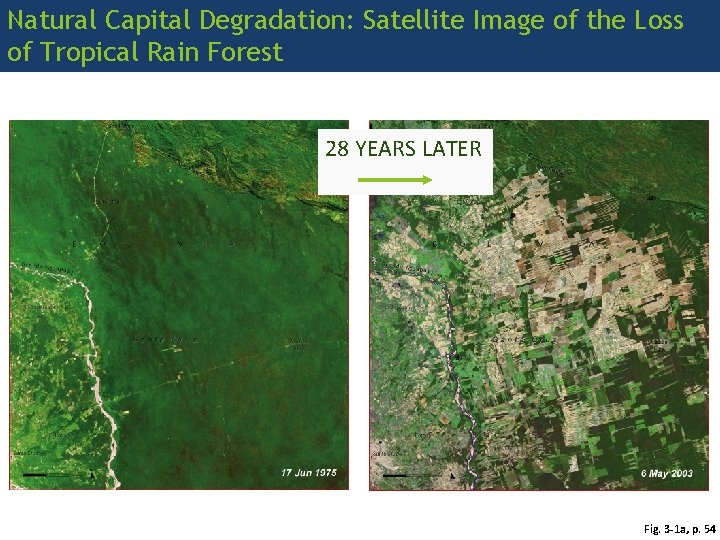
Natural Capital Degradation: Satellite Image of the Loss of Tropical Rain Forest 28 YEARS LATER Fig. 3 -1 a, p. 54
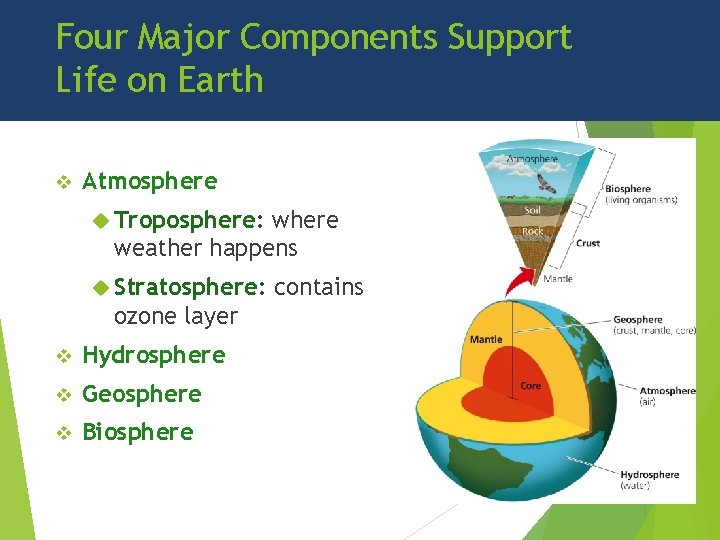
Four Major Components Support Life on Earth v Atmosphere Troposphere: where weather happens Stratosphere: ozone layer v Hydrosphere v Geosphere v Biosphere contains
Three Factors Sustain Life on Earth v One-way flow of high-quality energy: Sun → plants → living things → environment as heat → radiation to space v Cycling of nutrients through parts of the biosphere v Gravity holds earths atmosphere
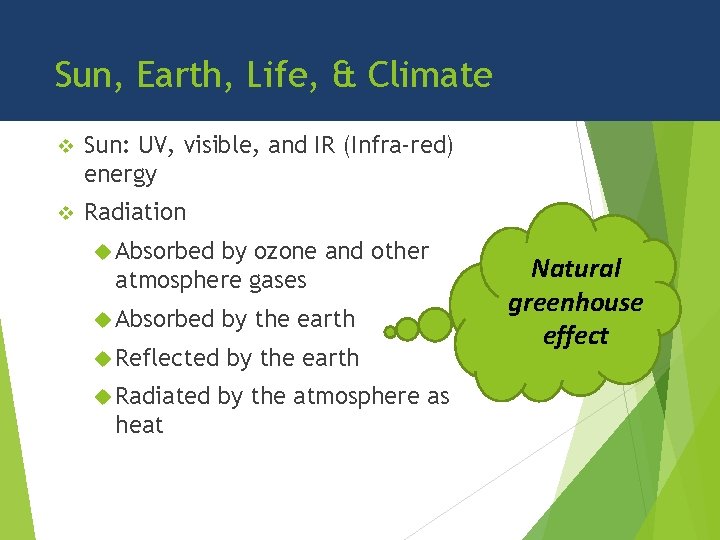
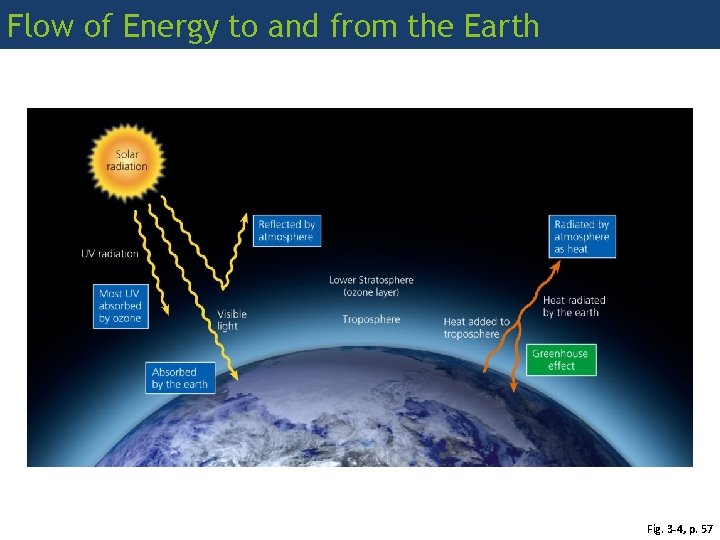
Sun, Earth, Life, & Climate v Sun: UV, visible, and IR (Infra-red) energy v Radiation Absorbed by ozone and other atmosphere gases Absorbed by the earth Reflected by the earth Radiated heat by the atmosphere as Natural greenhouse effect
Flow of Energy to and from the Earth Fig. 3 -4, p. 57
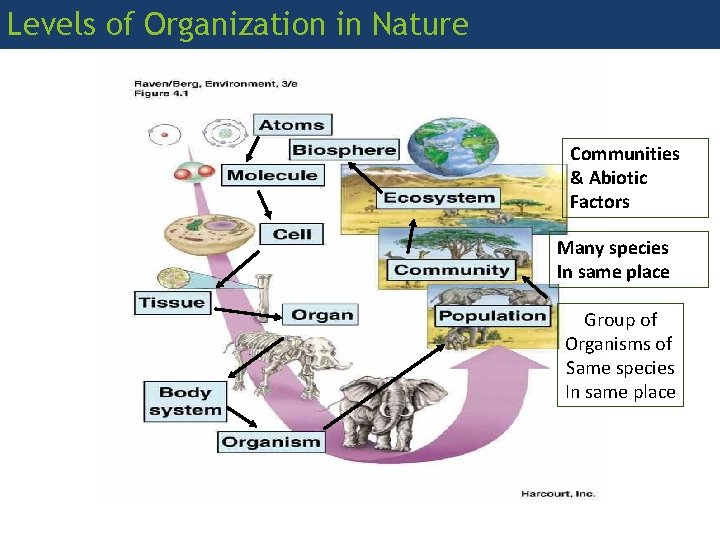
Levels of Organization in Nature Communities & Abiotic Factors Many species In same place Group of Organisms of Same species In same place
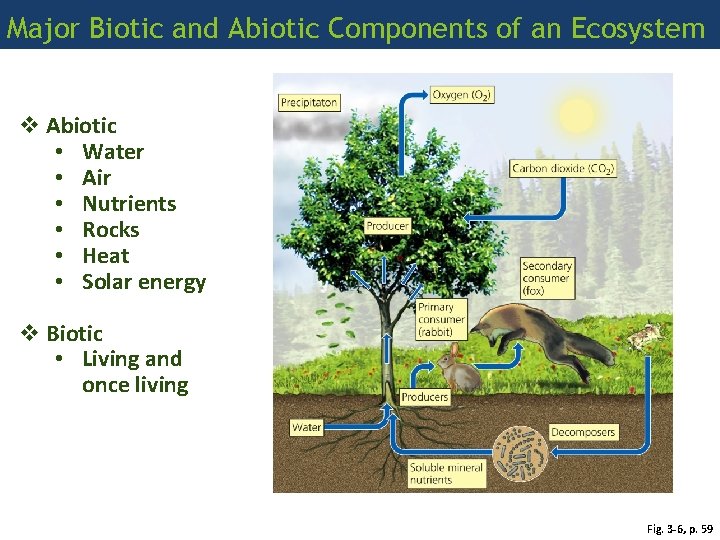
Major Biotic and Abiotic Components of an Ecosystem v Abiotic • Water • Air • Nutrients • Rocks • Heat • Solar energy v Biotic • Living and once living Fig. 3 -6, p. 59
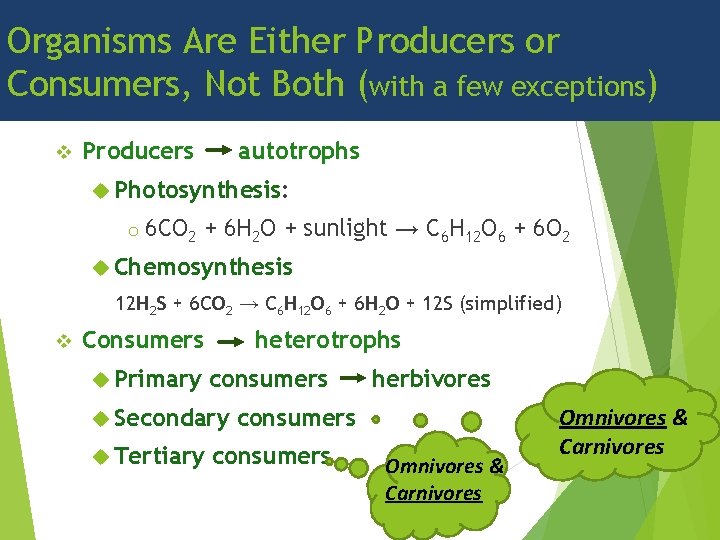
Organisms Are Either Producers or Consumers, Not Both (with a few exceptions) v Producers autotrophs Photosynthesis: o 6 CO 2 + 6 H 2 O + sunlight → C 6 H 12 O 6 + 6 O 2 Chemosynthesis 12 H 2 S + 6 CO 2 → C 6 H 12 O 6 + 6 H 2 O + 12 S (simplified) v Consumers Primary heterotrophs consumers Secondary Tertiary herbivores consumers Omnivores & Carnivores
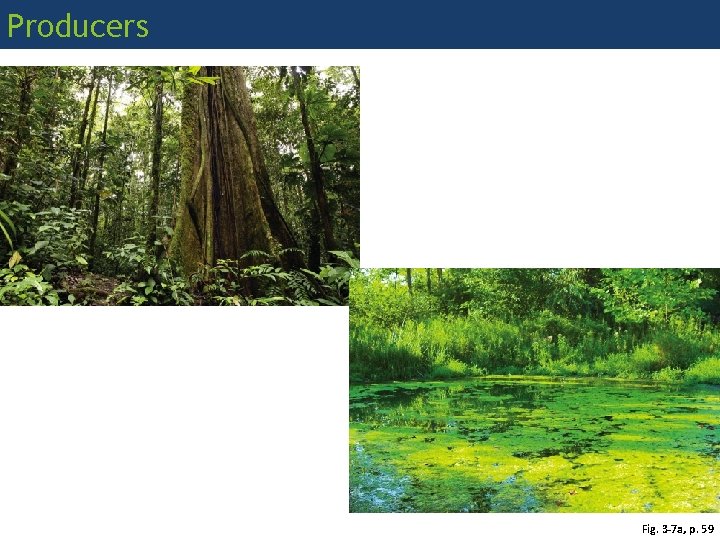
Producers Fig. 3 -7 a, p. 59
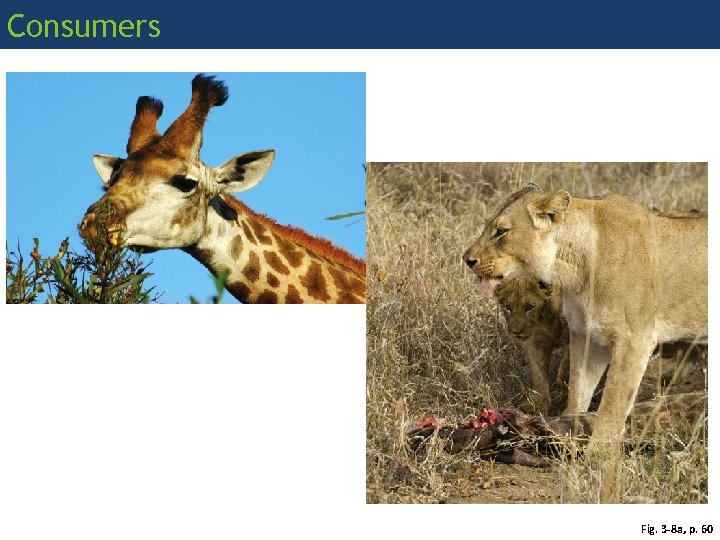
Consumers Fig. 3 -8 a, p. 60
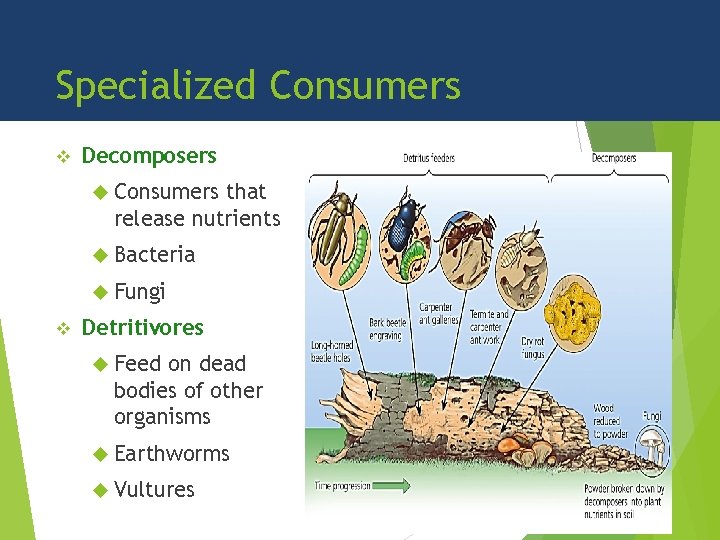
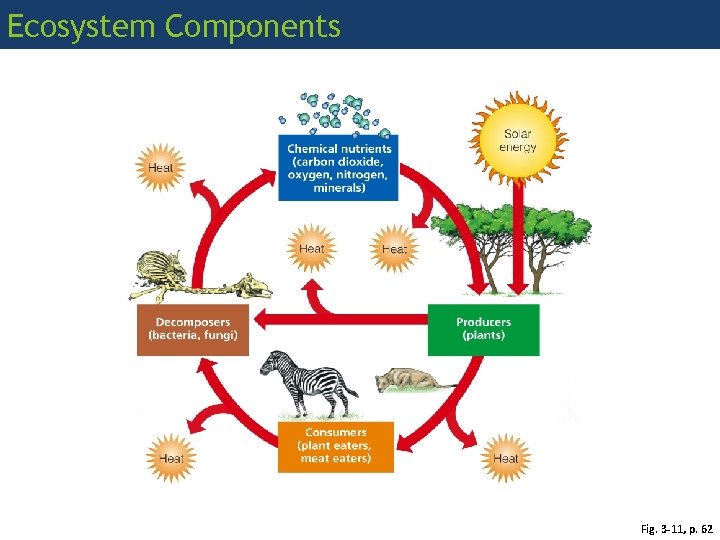
Specialized Consumers v Decomposers Consumers that release nutrients Bacteria Fungi v Detritivores Feed on dead bodies of other organisms Earthworms Vultures
Ecosystem Components Fig. 3 -11, p. 62
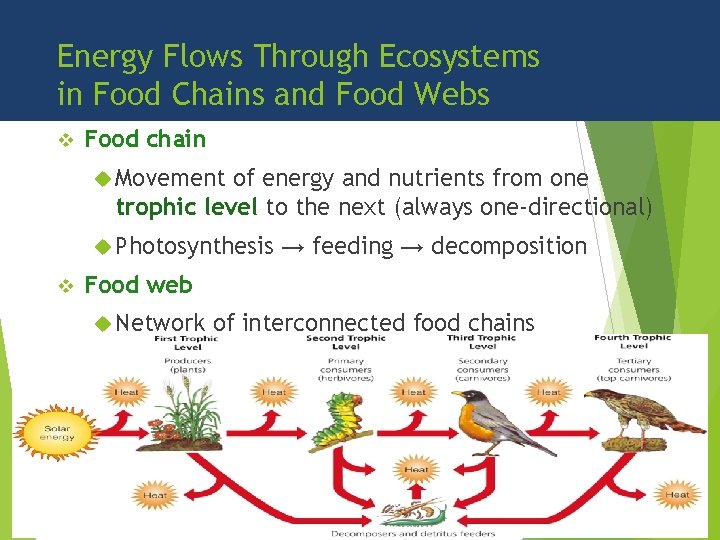
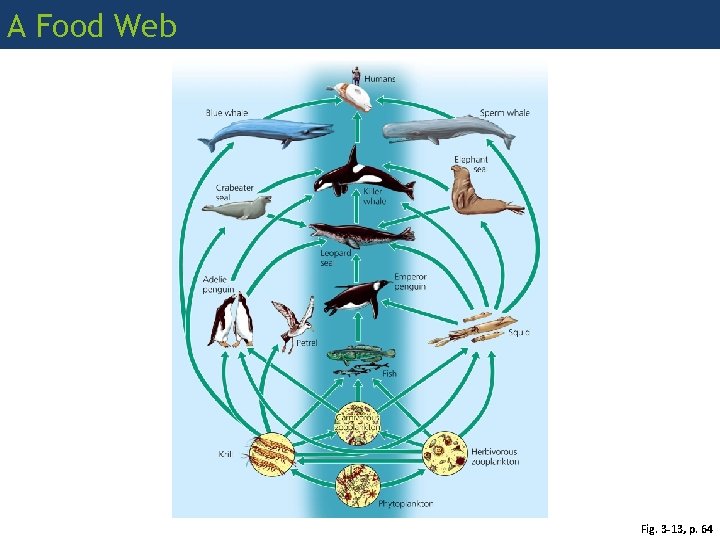
Energy Flows Through Ecosystems in Food Chains and Food Webs v Food chain Movement of energy and nutrients from one trophic level to the next (always one-directional) Photosynthesis v → feeding → decomposition Food web Network of interconnected food chains
A Food Web Fig. 3 -13, p. 64
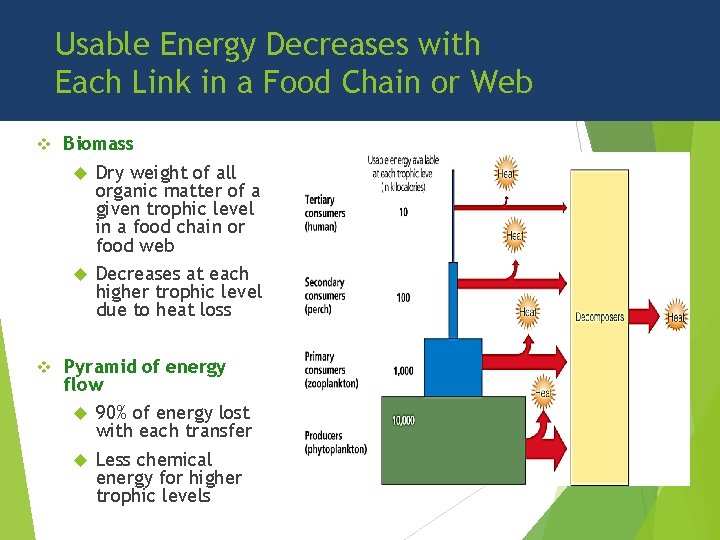
Usable Energy Decreases with Each Link in a Food Chain or Web v Biomass Dry weight of all organic matter of a given trophic level in a food chain or food web Decreases at each higher trophic level due to heat loss v Pyramid of energy flow 90% of energy lost with each transfer Less chemical energy for higher trophic levels
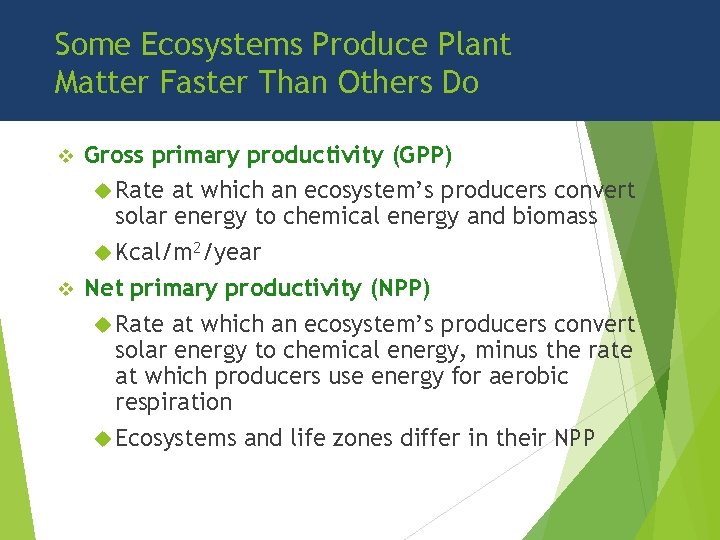
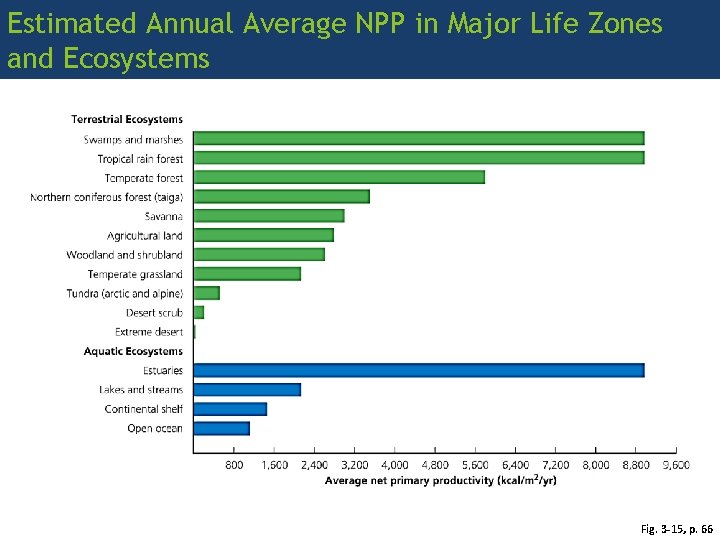
Some Ecosystems Produce Plant Matter Faster Than Others Do Gross primary productivity (GPP) Rate at which an ecosystem’s producers convert solar energy to chemical energy and biomass Kcal/m 2/year v Net primary productivity (NPP) Rate at which an ecosystem’s producers convert solar energy to chemical energy, minus the rate at which producers use energy for aerobic respiration Ecosystems and life zones differ in their NPP v
Estimated Annual Average NPP in Major Life Zones and Ecosystems Fig. 3 -15, p. 66
Nutrients Cycle in the Biosphere v Biogeochemical cycles (nutrient cycles) Hydrologic Carbon Nitrogen Phosphorus Sulfur v Nutrients may remain in a reservoir for a period of time
Sulfur Cycles through the Biosphere Sulfur found in organisms, ocean sediments, soil, rocks, and fossil fuels v Like carbon, nitrogen and phosphorus; sulfur is taken up by plants (in the form of SO 4) v These four elements move into the ecosystem as the plants are consumed and then the consumers are consumed v 2 amino acids: Cysteine and Methionine (what is Met? )