
Chapter III General introduction of immune system Immune


- Slides: 48
Chapter III General introduction of immune system
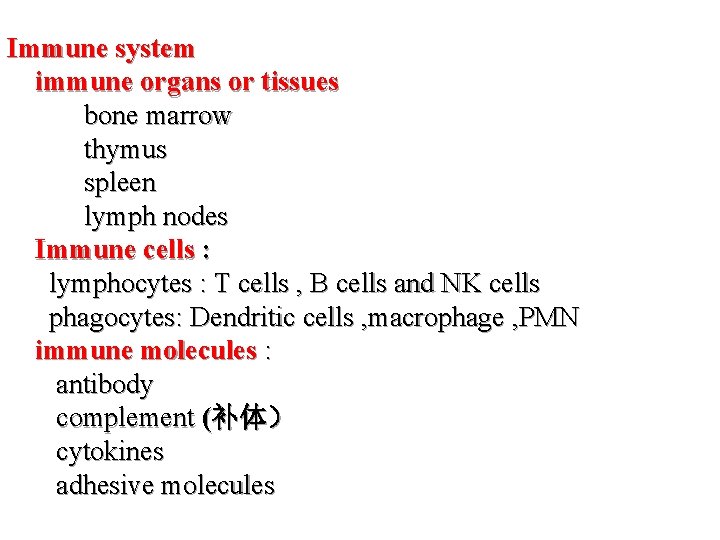
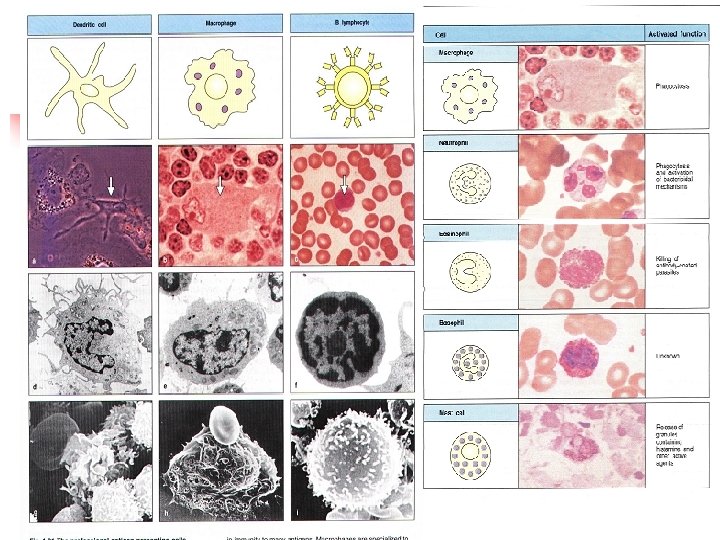
Immune system immune organs or tissues bone marrow thymus spleen lymph nodes Immune cells : lymphocytes : T cells , B cells and NK cells phagocytes: Dendritic cells , macrophage , PMN immune molecules : antibody complement (补体) cytokines adhesive molecules
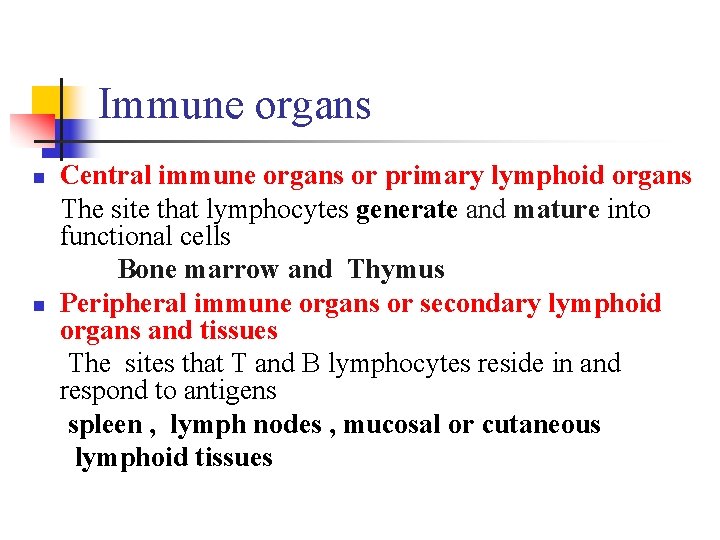
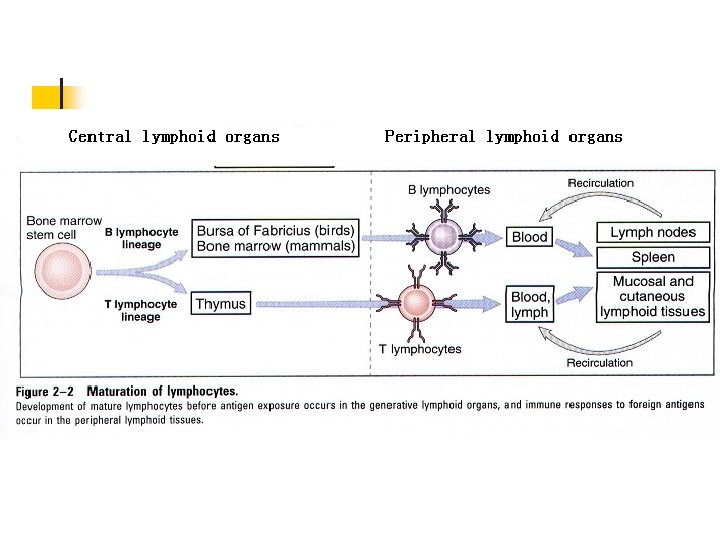
Immune organs n n Central immune organs or primary lymphoid organs The site that lymphocytes generate and mature into functional cells Bone marrow and Thymus Peripheral immune organs or secondary lymphoid organs and tissues The sites that T and B lymphocytes reside in and respond to antigens spleen , lymph nodes , mucosal or cutaneous lymphoid tissues
Section I Central immune organs
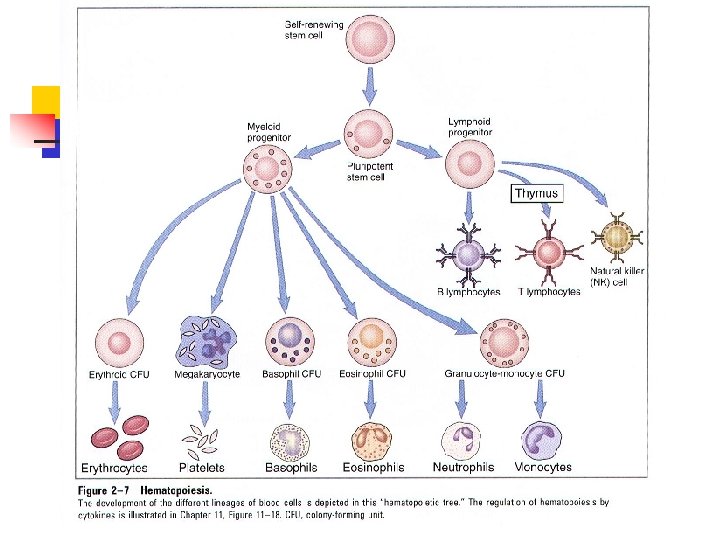
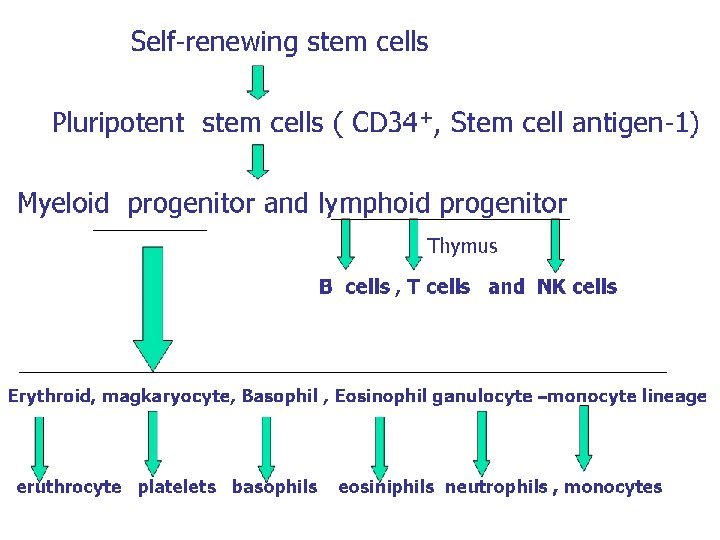
I. Bone marrow 1. The bone marrow is the site of generation of all circulating blood cells in the adult, including immature lymphocytes
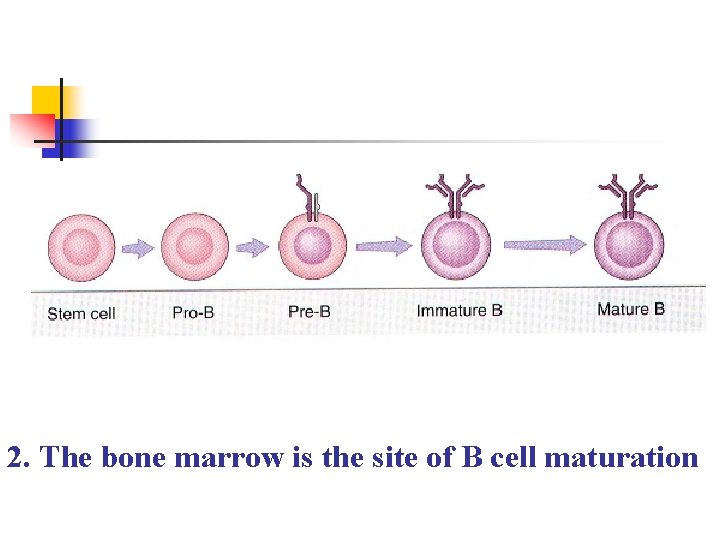
2. The bone marrow is the site of B cell maturation
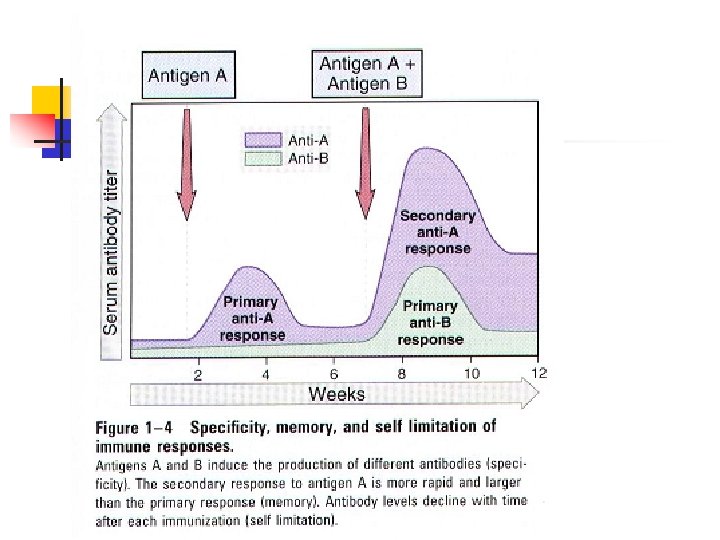
3. The sites that secondary humoral immunity carries through
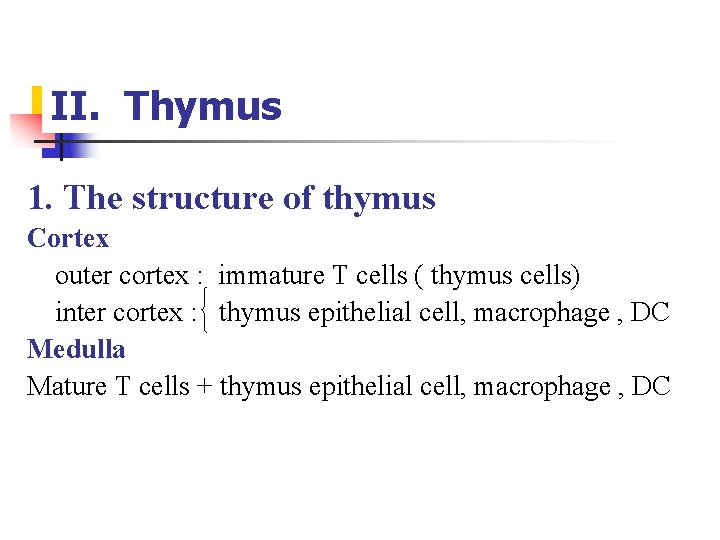
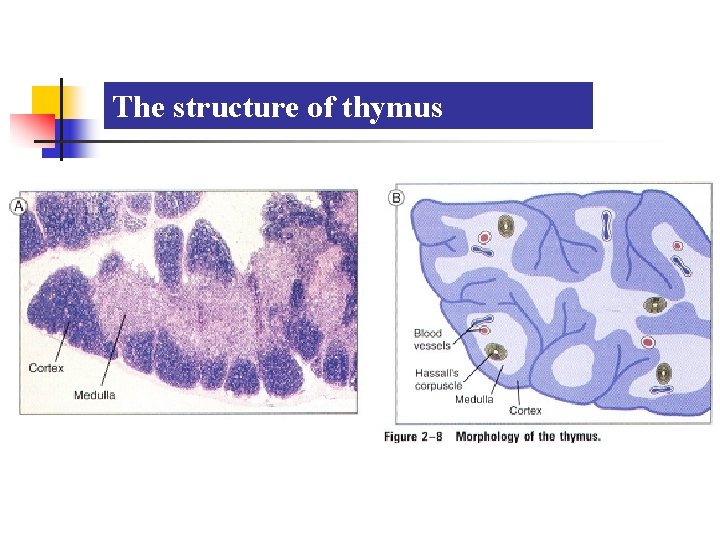
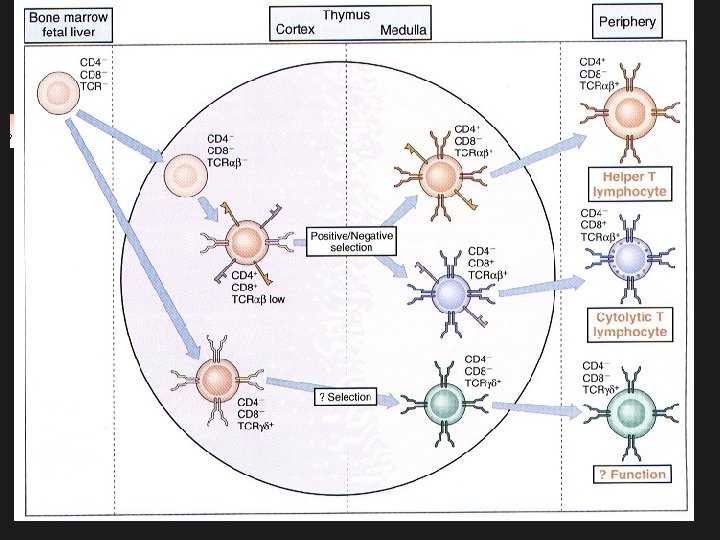
II. Thymus 1. The structure of thymus Cortex outer cortex : immature T cells ( thymus cells) inter cortex : thymus epithelial cell, macrophage , DC Medulla Mature T cells + thymus epithelial cell, macrophage , DC
The structure of thymus
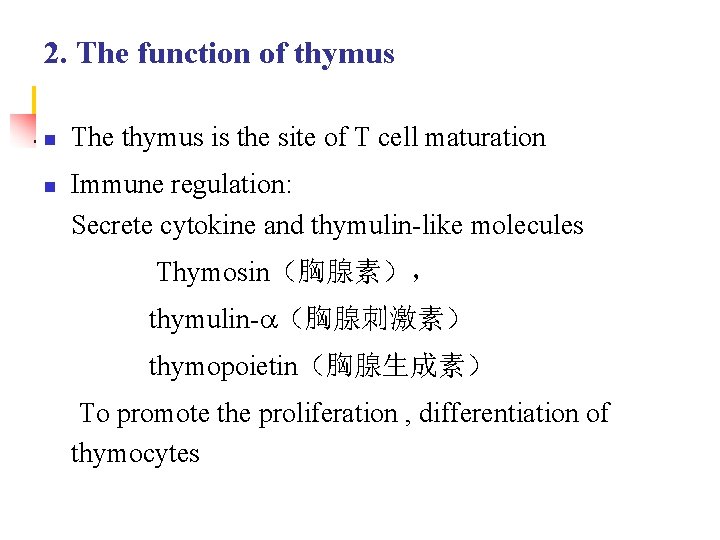
2. The function of thymus n n The thymus is the site of T cell maturation Immune regulation: Secrete cytokine and thymulin-like molecules Thymosin(胸腺素), thymulin- (胸腺刺激素) thymopoietin(胸腺生成素) To promote the proliferation , differentiation of thymocytes
Section II Peripheral Immune tissues and organs
n The immune organs /tissues or secondary lymphoid organs/tissues are sites that T and B lymphocytes reside in and respond to antigens spleen lymphoid nodes mucosal immune system (mucosal or cutaneous-associated lymphoid tissues, MALT, )
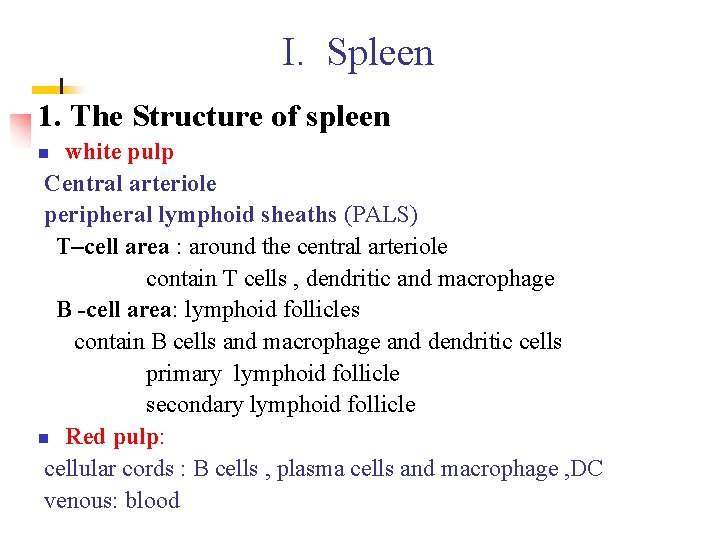
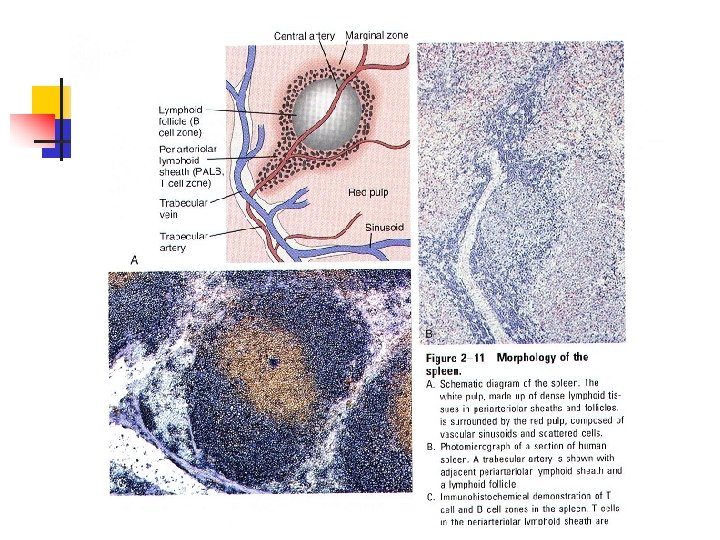
I. Spleen 1. The Structure of spleen white pulp Central arteriole peripheral lymphoid sheaths (PALS) T–cell area : around the central arteriole contain T cells , dendritic and macrophage B -cell area: lymphoid follicles contain B cells and macrophage and dendritic cells primary lymphoid follicle secondary lymphoid follicle n Red pulp: cellular cords : B cells , plasma cells and macrophage , DC venous: blood n
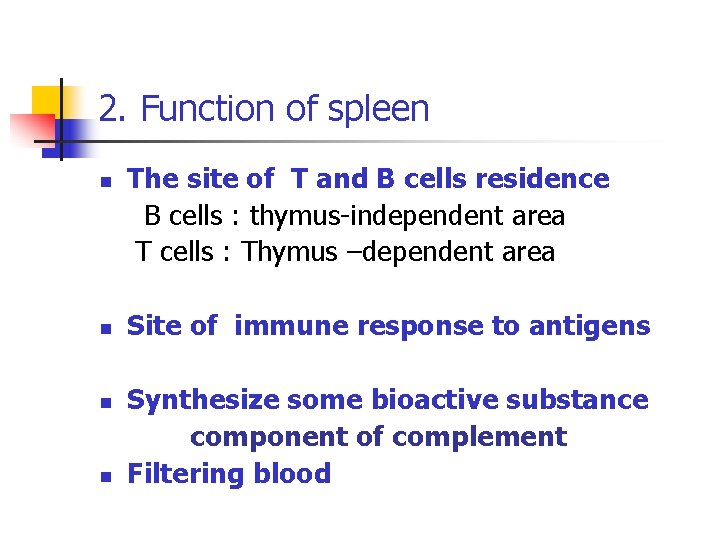
2. Function of spleen n n The site of T and B cells residence B cells : thymus-independent area T cells : Thymus –dependent area Site of immune response to antigens Synthesize some bioactive substance component of complement Filtering blood
II. Lymphoid nodes
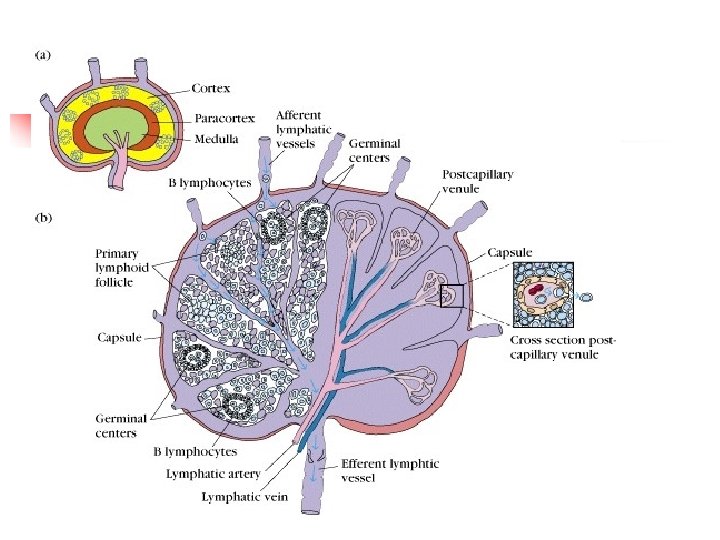
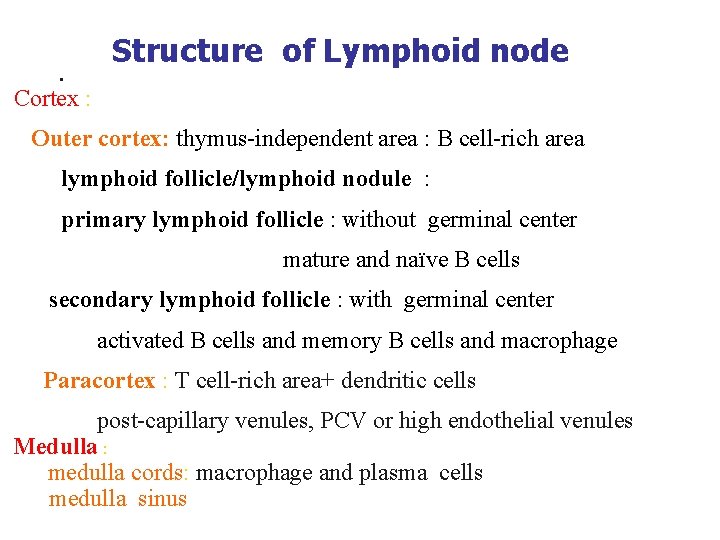
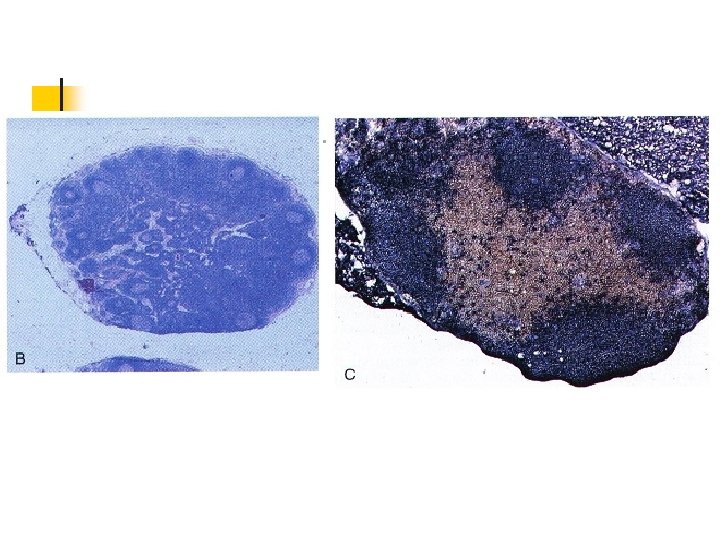
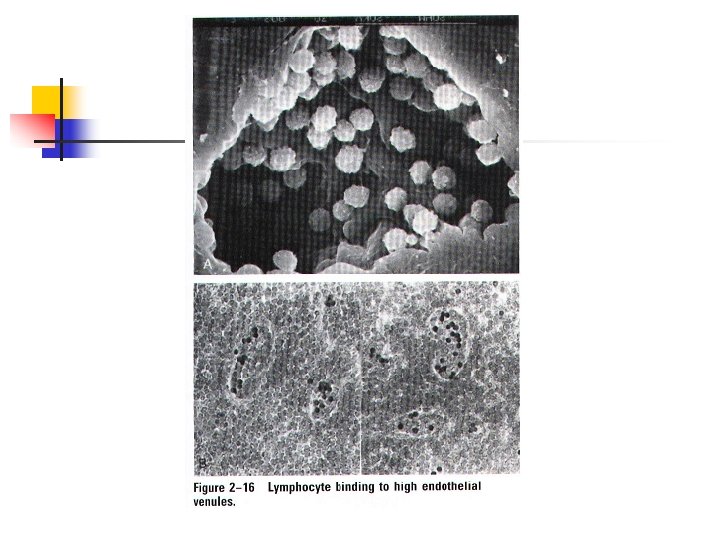
Structure of Lymphoid node Cortex : Outer cortex: thymus-independent area : B cell-rich area lymphoid follicle/lymphoid nodule : primary lymphoid follicle : without germinal center mature and naïve B cells secondary lymphoid follicle : with germinal center activated B cells and memory B cells and macrophage Paracortex : T cell-rich area+ dendritic cells post-capillary venules, PCV or high endothelial venules Medulla : medulla cords: macrophage and plasma cells medulla sinus
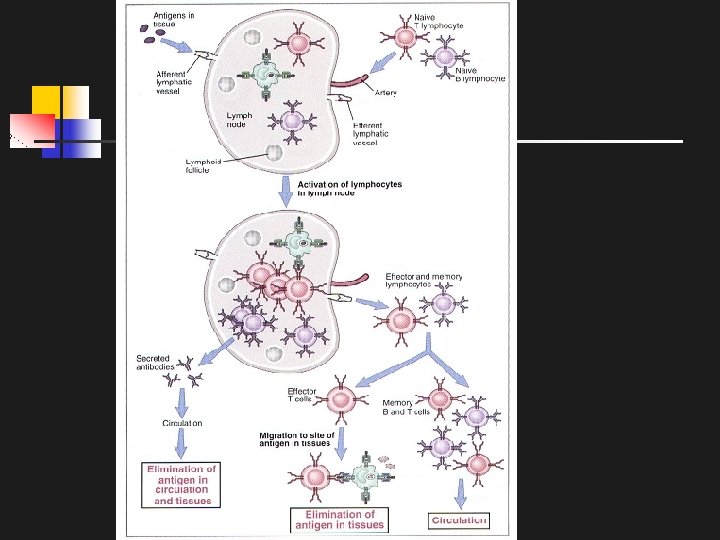
2. Function of lymphoid node n The site of T and B cells residence B cells : thymus-independent area T cells : Thymus –dependent area n Site of immune response to antigens n Part of Recirculation of lymphocytes n Filtering blood
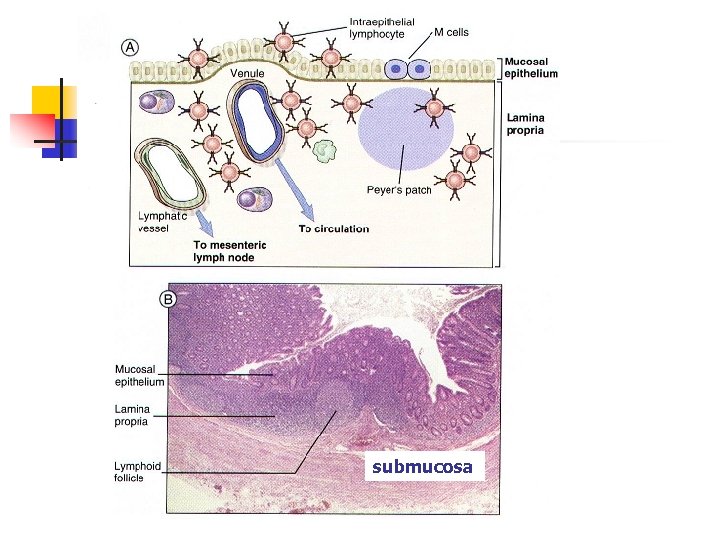
III. Skin and mucosal immune system n n Skin-associated lymphoid tissue Mucosal immune system, also named as mucosa -associated lymphoid tissue, MALT) is in the epithelia , lamina propria and submucosal area of gastrointestinal, respiratory and genitourinary tract
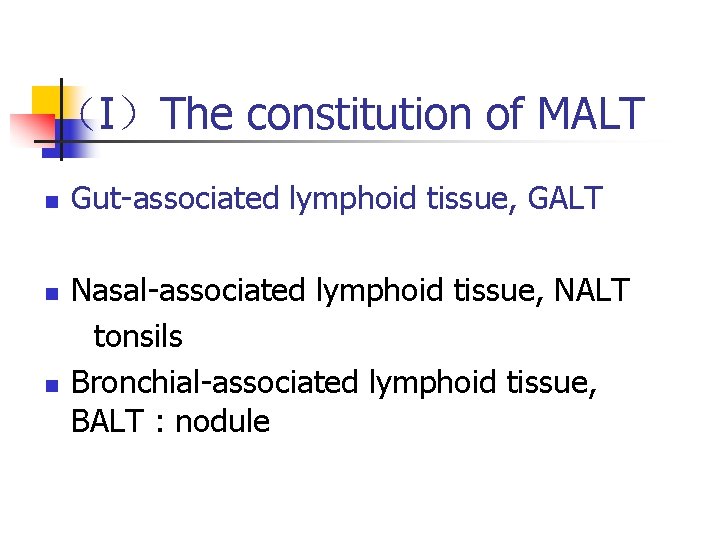
(I)The constitution of MALT n n n Gut-associated lymphoid tissue, GALT Nasal-associated lymphoid tissue, NALT tonsils Bronchial-associated lymphoid tissue, BALT : nodule
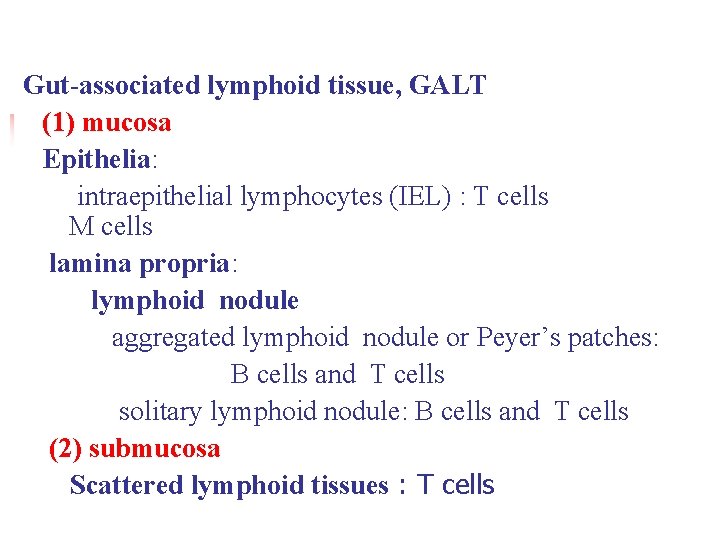
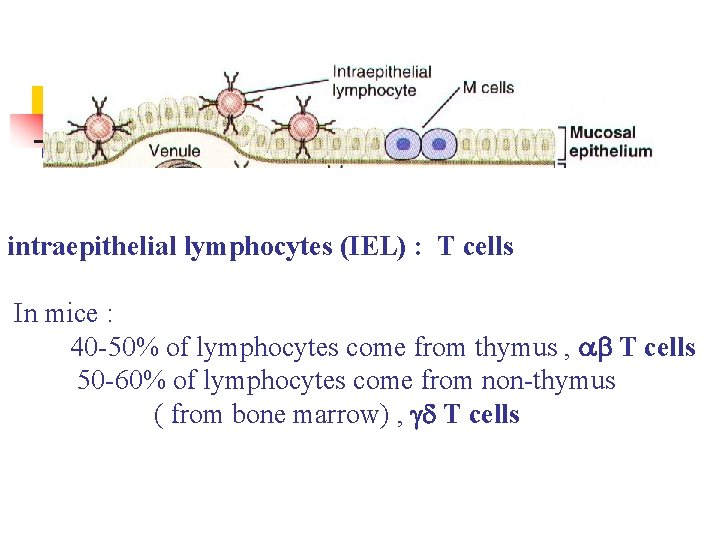
Gut-associated lymphoid tissue, GALT (1) mucosa Epithelia: intraepithelial lymphocytes (IEL) : T cells M cells lamina propria: lymphoid nodule aggregated lymphoid nodule or Peyer’s patches: B cells and T cells solitary lymphoid nodule: B cells and T cells (2) submucosa Scattered lymphoid tissues : T cells
intraepithelial lymphocytes (IEL) : T cells In mice : 40 -50% of lymphocytes come from thymus , T cells 50 -60% of lymphocytes come from non-thymus ( from bone marrow) , T cells
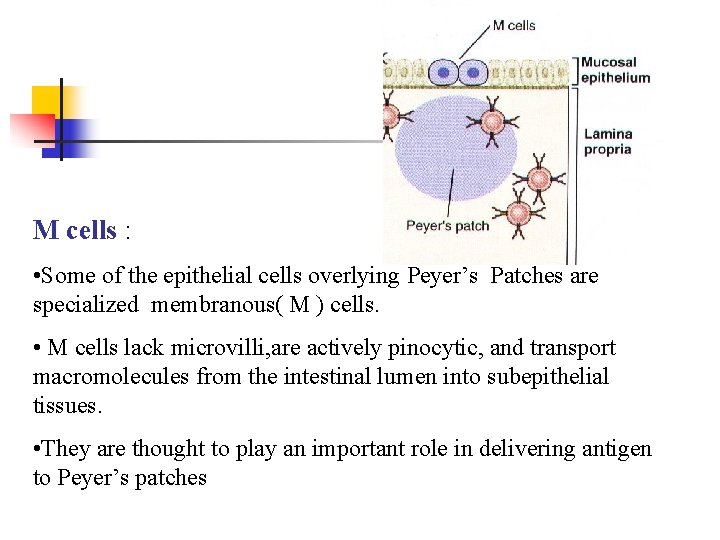
M cells : • Some of the epithelial cells overlying Peyer’s Patches are specialized membranous( M ) cells. • M cells lack microvilli, are actively pinocytic, and transport macromolecules from the intestinal lumen into subepithelial tissues. • They are thought to play an important role in delivering antigen to Peyer’s patches
submucosa
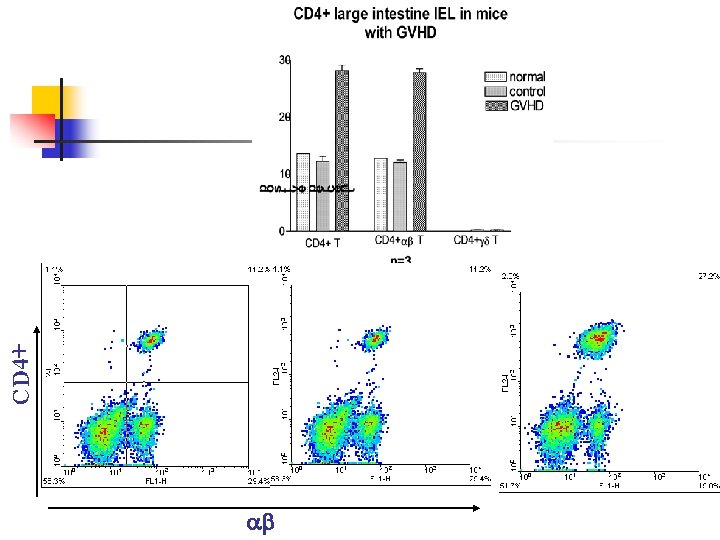
CD 4+
graft contral CD 4/CD 8 normal CD 4/CD 8 T receptor SGVHD
(II)The function and features of MALT n n n First defense line Site of immune response to antigens Secrete s. Ig. A
Section III Lymphocytes homing and recirculation I. Lymphocyte homing The process by which particular subsets of lymphocytes selectively enter some tissues but not others is called lymphocyte homing
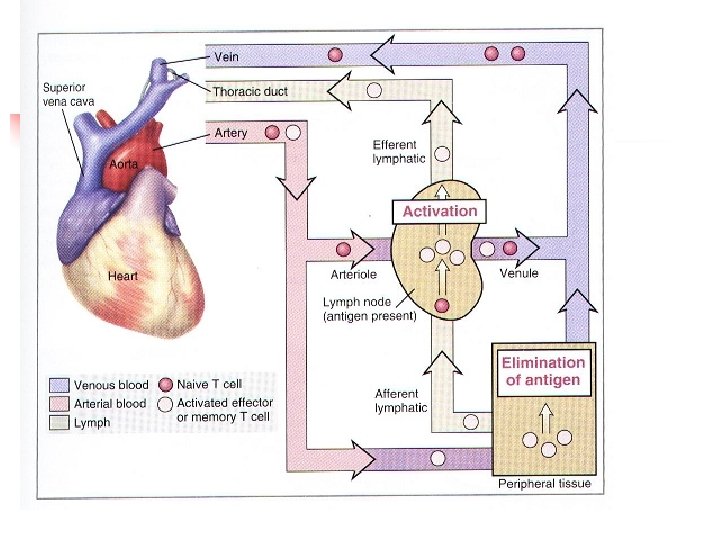
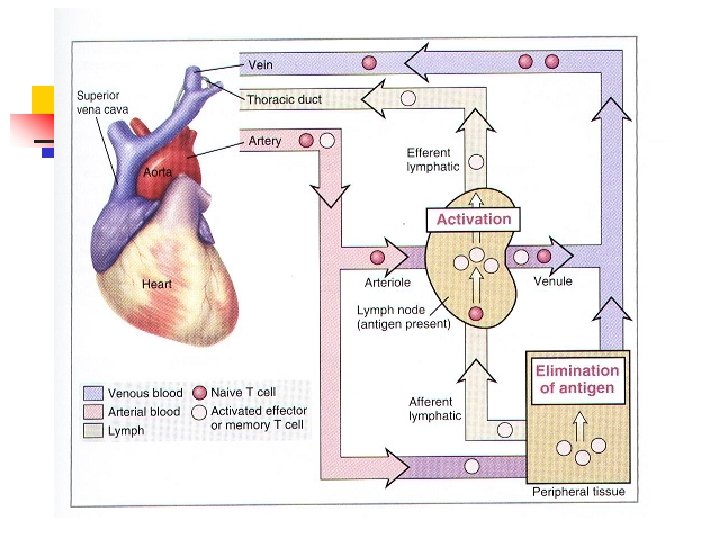
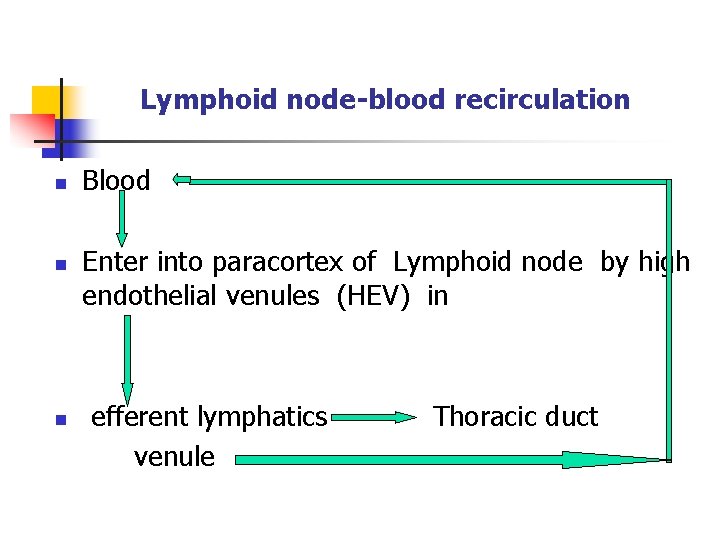
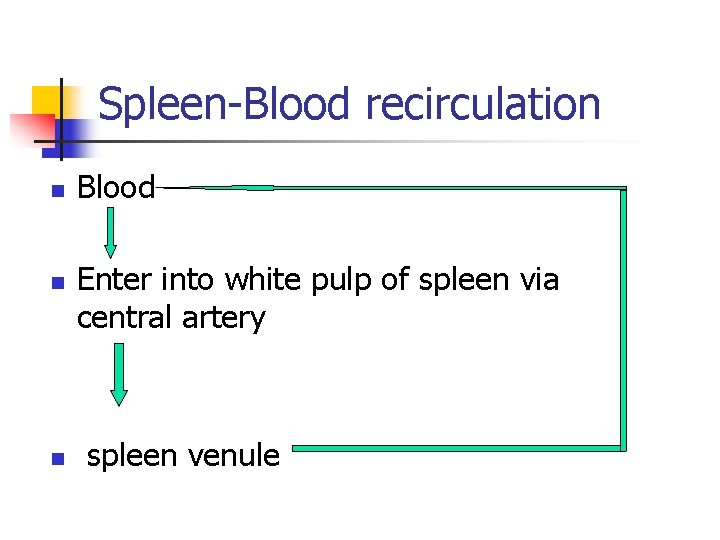
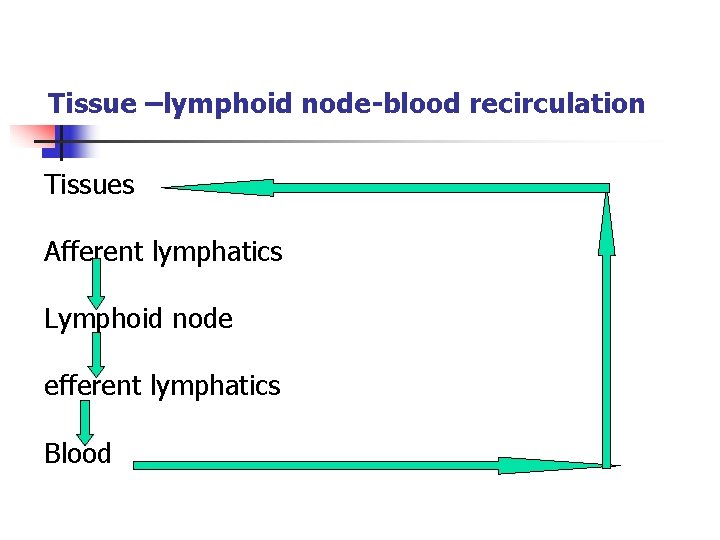
II. lymphocyte recirculation The continuous movement of lymphocytes between blood stream and peripheral lymphoid tissues is called lymphocyte recirculation 1. Pathway of lymphocyte recirculation 2. Significance of lymphocyte recirculation
Lymphoid node-blood recirculation n Blood Enter into paracortex of Lymphoid node by high endothelial venules (HEV) in efferent lymphatics venule Thoracic duct
Spleen-Blood recirculation n Blood Enter into white pulp of spleen via central artery spleen venule
Tissue –lymphoid node-blood recirculation Tissues Afferent lymphatics Lymphoid node efferent lymphatics Blood
Significance of lymphocyte recirculation n Renew the lymphocytes in peripheral lymphoid organs Maximize the chances of specific encounter with antigen and initiation of adaptive immunity Enable lymphocytes to lymphoid tissue throughout body and facilitate immune response to antigen
Review 1. Terms MALT, Central immune organs, Peripheral immune organs, lymphocyte recirculation, Lymphocyte homing 2. Questions : Significance of lymphocyte recirculation The function of thymus, bone marrow, spleen , LN and MALT