
Chapter 9 Viscosity Viscosity is different Viscosity have


















- Slides: 53
Chapter 9 Viscosity
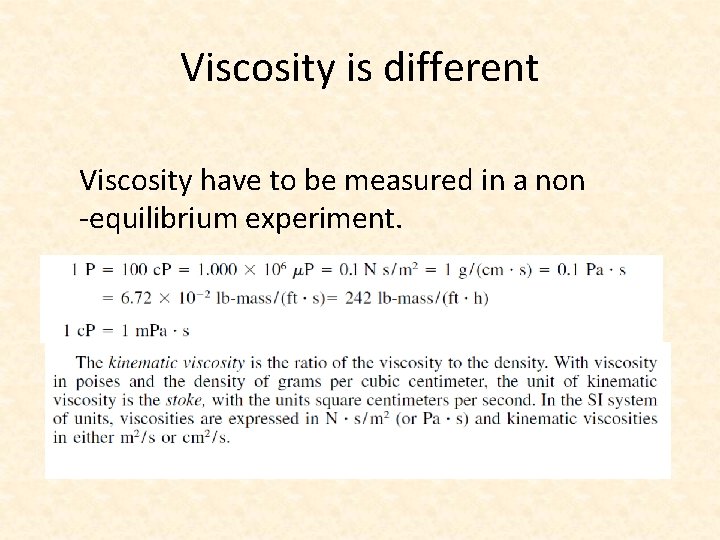
Viscosity is different Viscosity have to be measured in a non -equilibrium experiment.
Theory of Chapman and Enskog • The gas is sufficiently dilute so that only binary collisions can occur. • The motion of the particles during the collisions can be described by use of classical mechanics. • Only elastic collisions occur. • The intermolecular potential function is spherically symmetric.
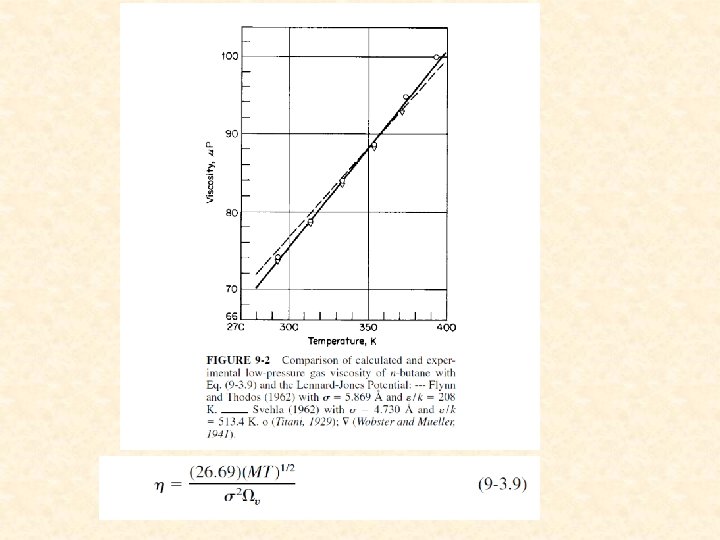
The first order Chapman and Enskog
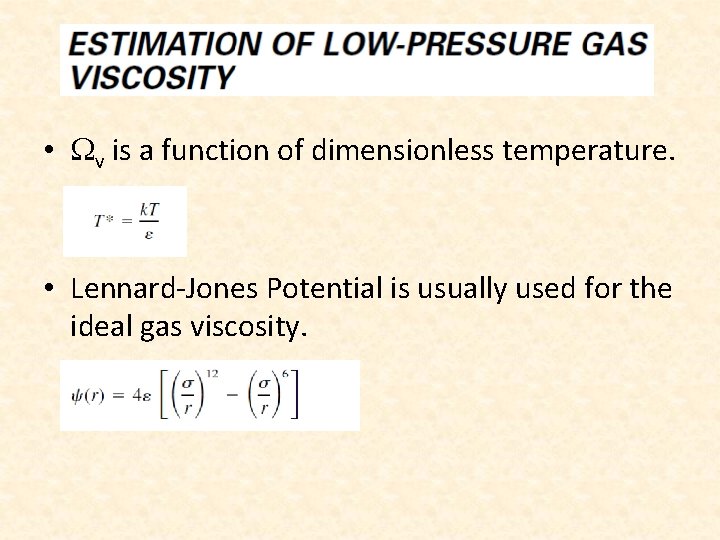
• v is a function of dimensionless temperature. • Lennard-Jones Potential is usually used for the ideal gas viscosity.
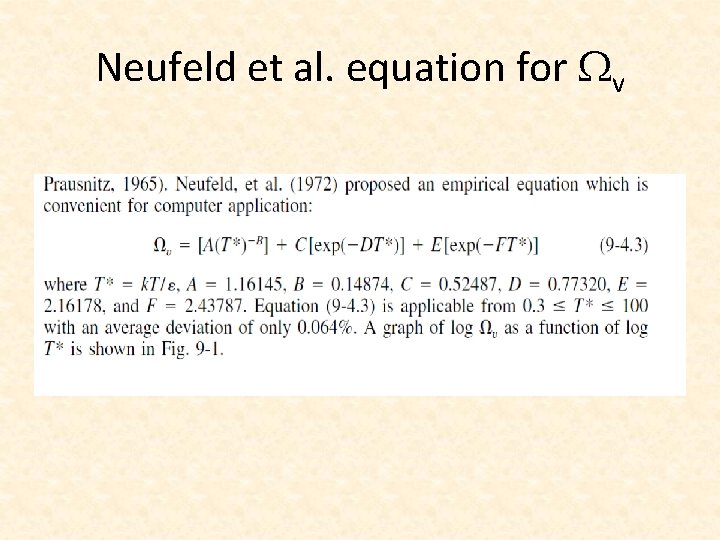
Neufeld et al. equation for v
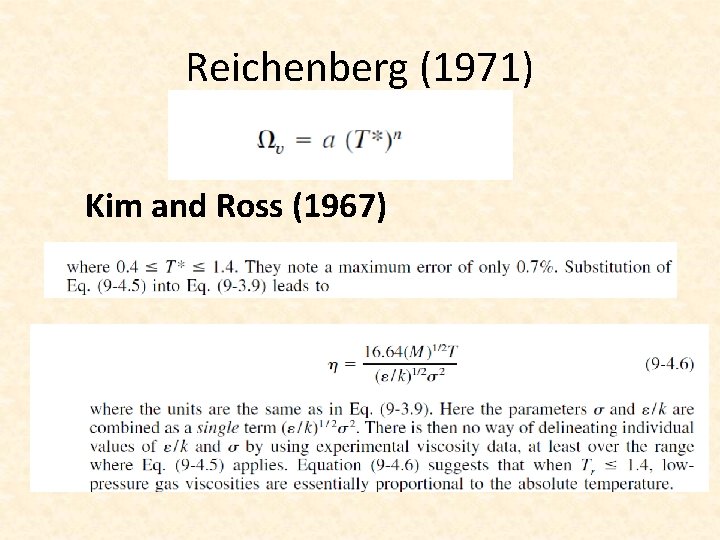
Reichenberg (1971) Kim and Ross (1967)
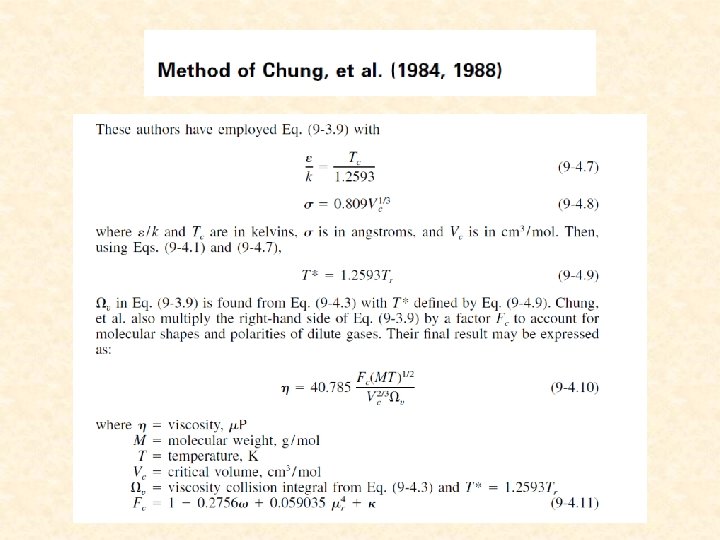
Corresponding States Methods
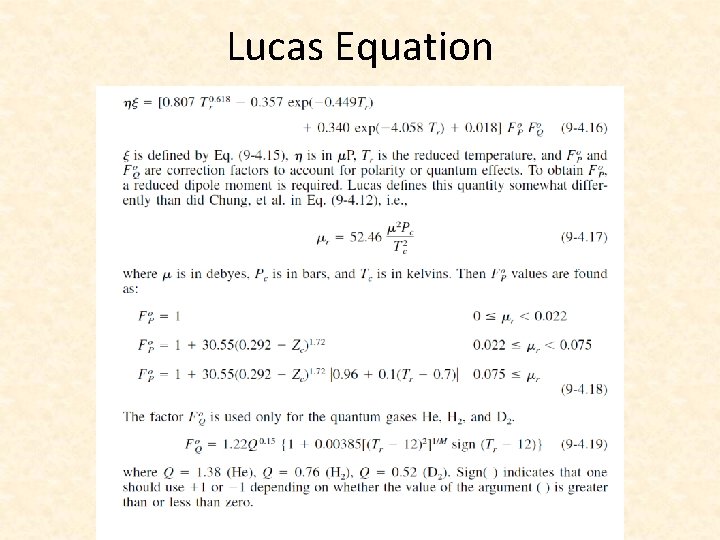
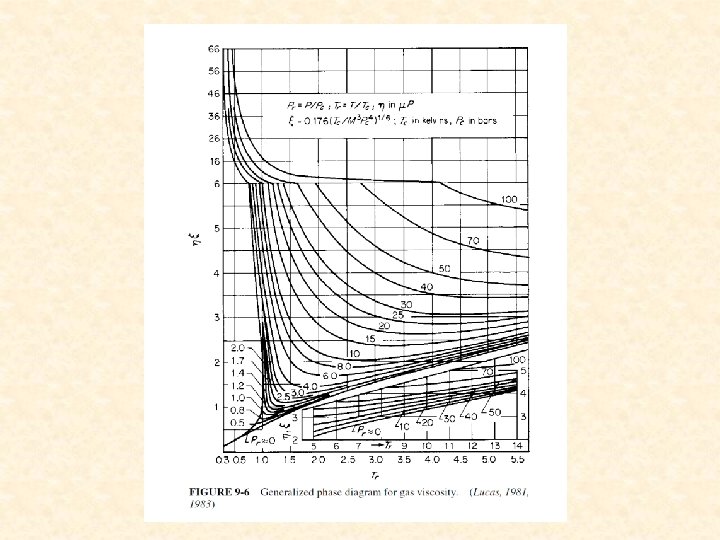
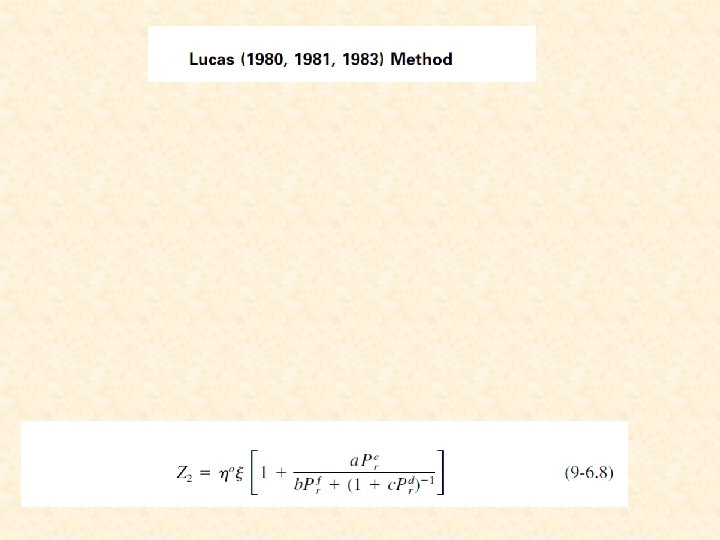
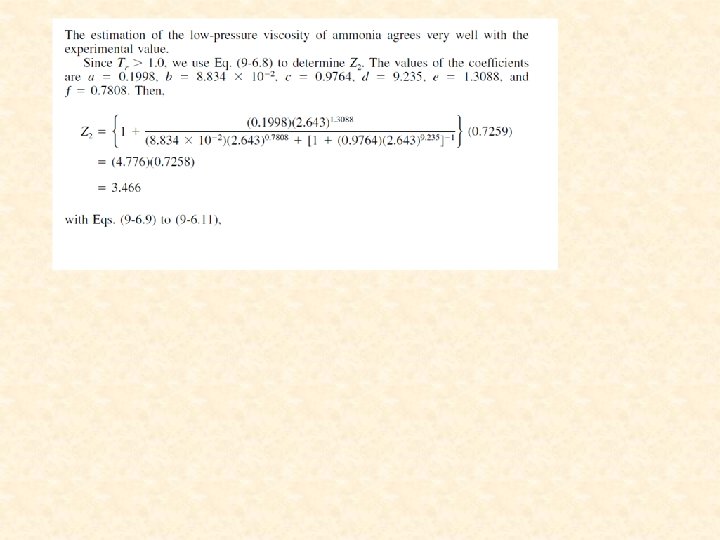
Lucas Equation
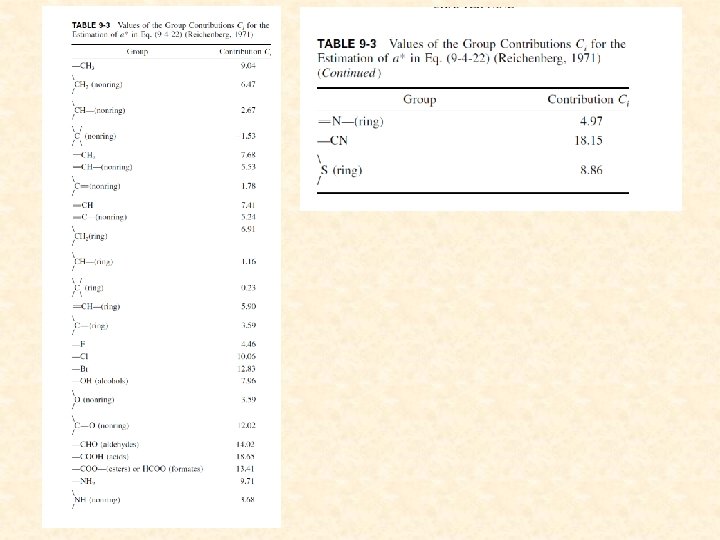
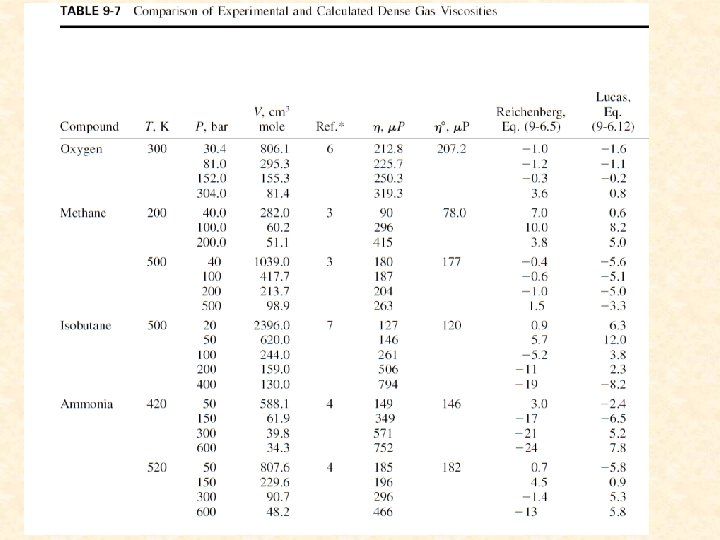
Reichenberg Method
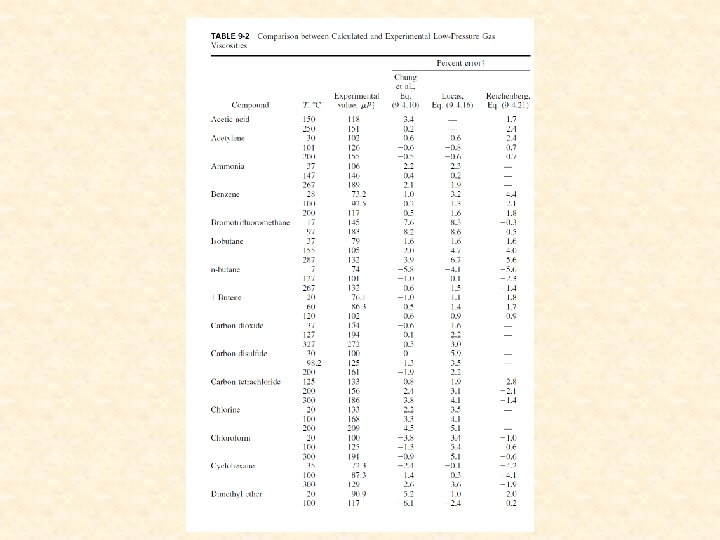
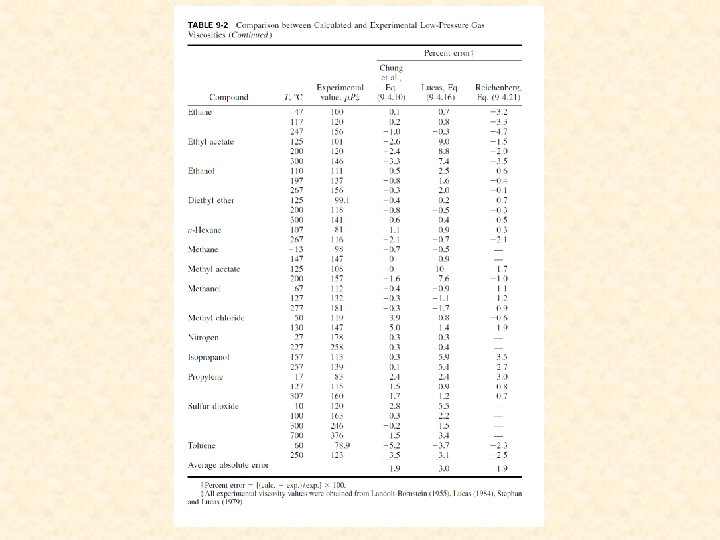
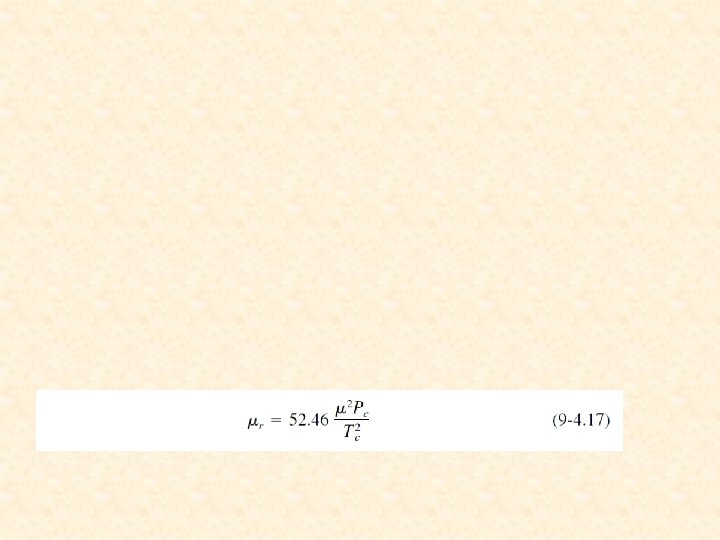
• Any of these methods can be used for nonpolar compounds with an average error 0. 5 to 1. 5% and polar compounds with an average error of 2 to 4%. • Lucas Method requires input data such as TC , PC , M, for nonpolar compounds and additional parameters of and ZC for polar compounds. • Lucas method is very easy to apply but it is not suitable for highly associated gases such as acetic acid.
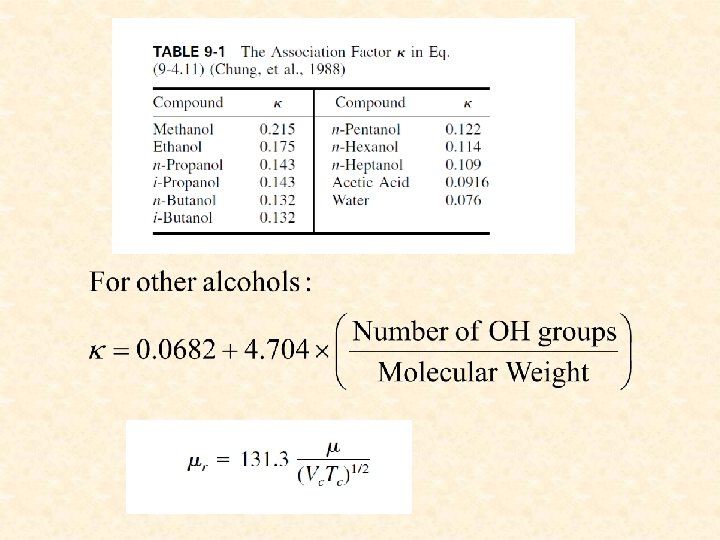
Recommendations (2) • The Chung et al. method requires somewhat more input, TC , VC , M, , and . • The critical volume is usually less available than the critical pressure and the association factor , has to be fitted from viscosity data. • The Chung method is not suitable for quantum gases.
Recommendations (3) • The Reichenberg method needs TC , M and . • This method is not suitable for inorganic gases and organic gases for which necessary group contributions have not been determined.
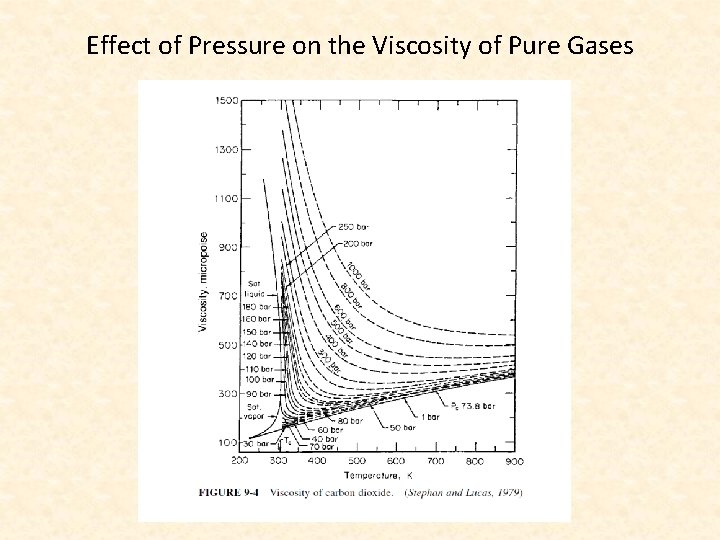
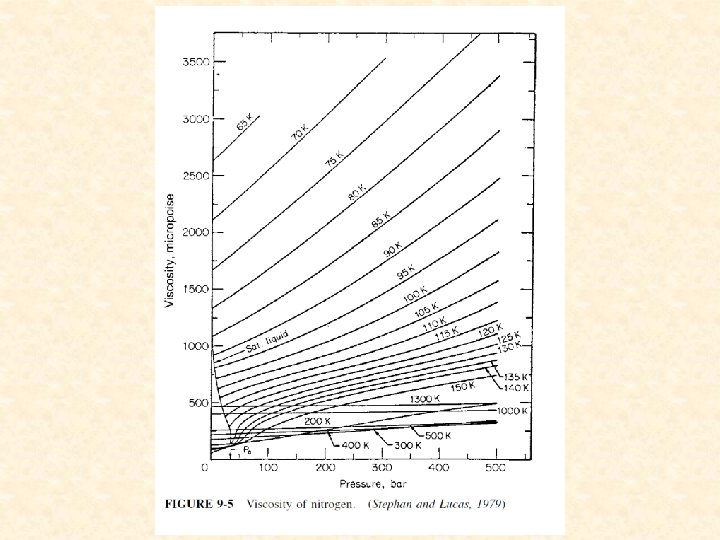
Effect of Pressure on the Viscosity of Pure Gases
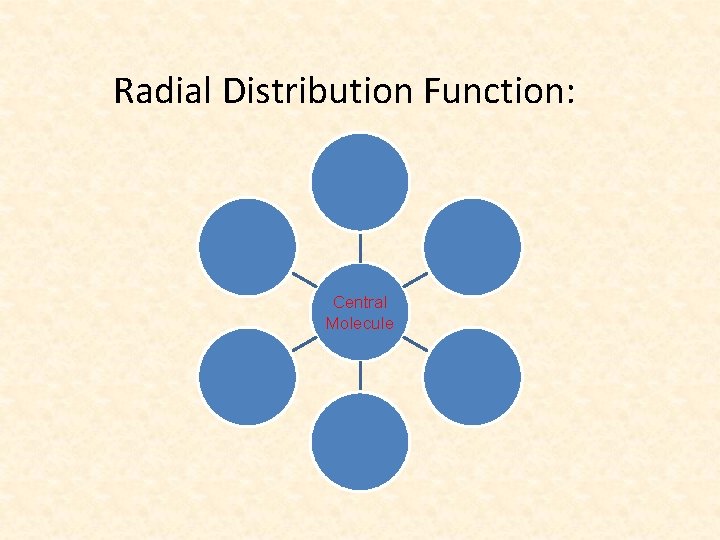
Radial Distribution Function: Central Molecule
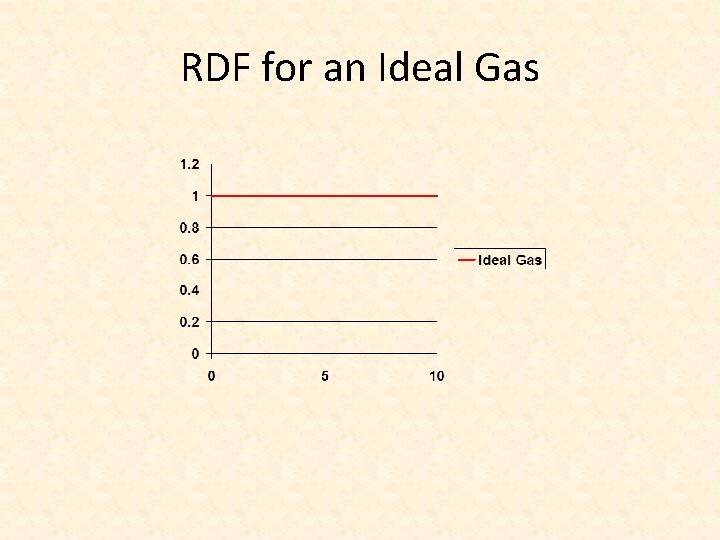
RDF for an Ideal Gas
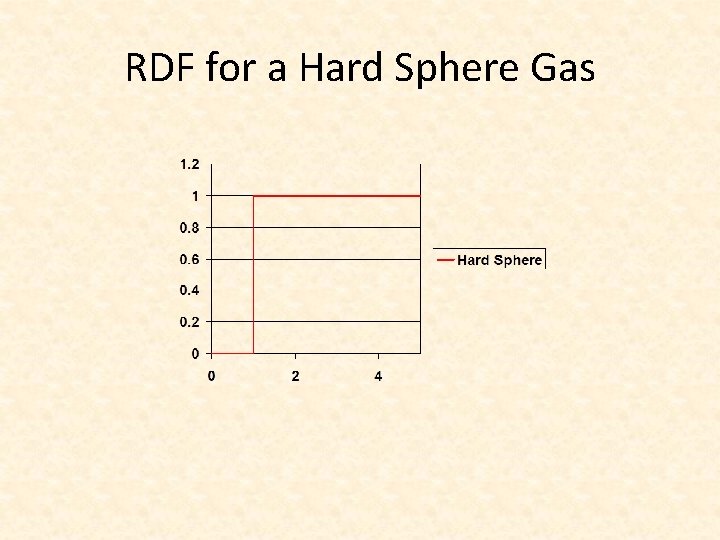
RDF for a Hard Sphere Gas
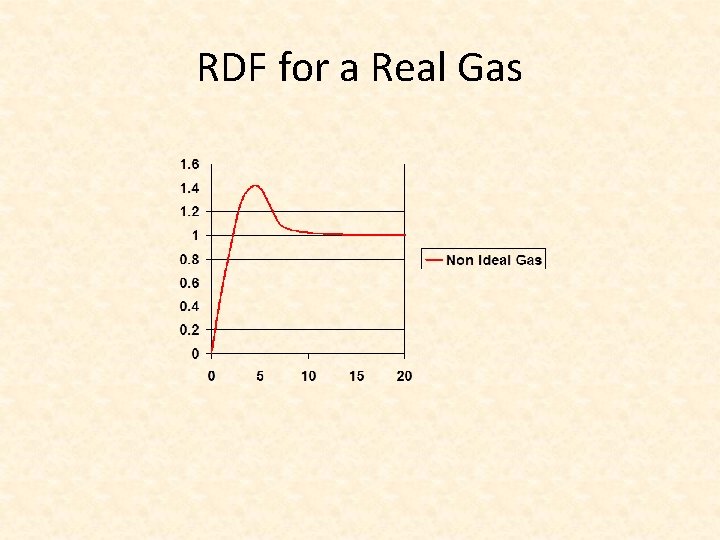
RDF for a Real Gas
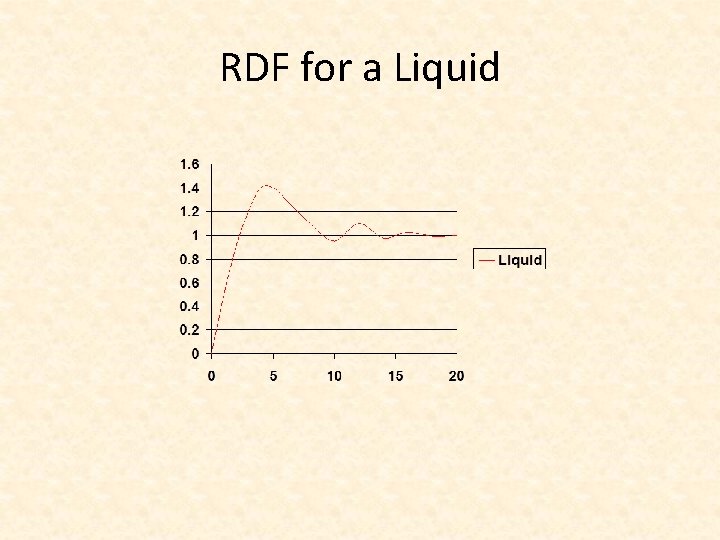
RDF for a Liquid
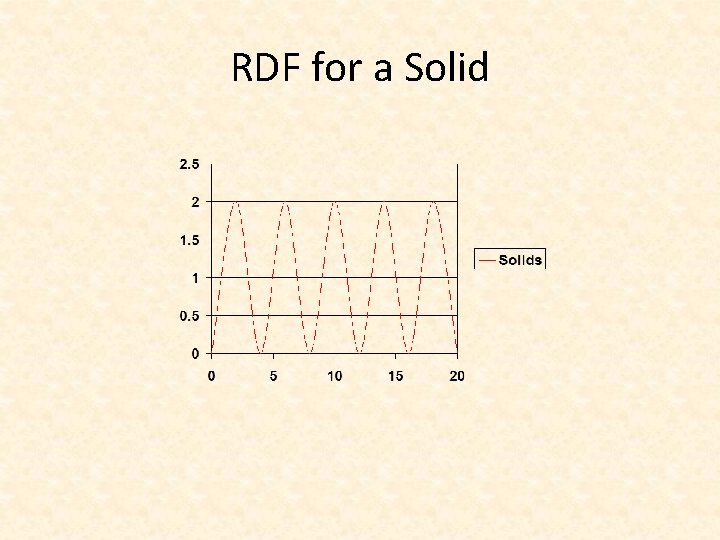
RDF for a Solid