
Chapter 9 Spray Formation and Droplet Behavior ME
Chapter 9: Spray Formation and Droplet Behavior ME 460 Fuels and Combustion Spray Formation Droplet Size Distributions Fuel Injectors Vaporization of Liquid Droplets
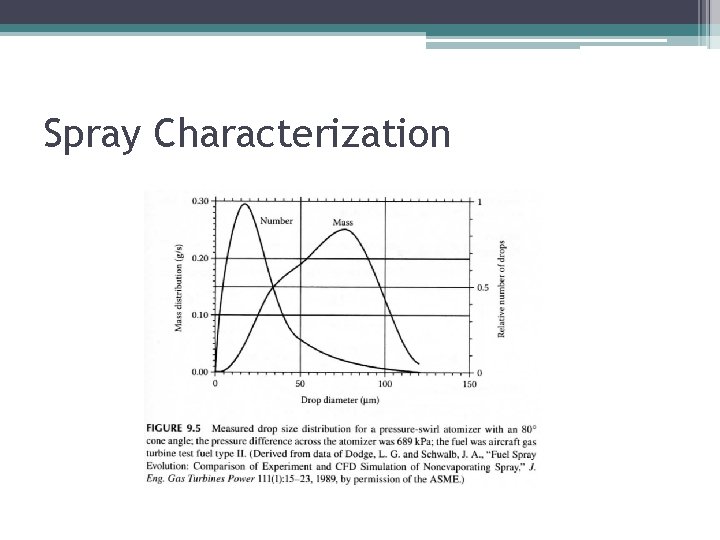
Spray Characterization • • • droplet size distribution spray penetration spray cone angle droplet vaporization/combustion
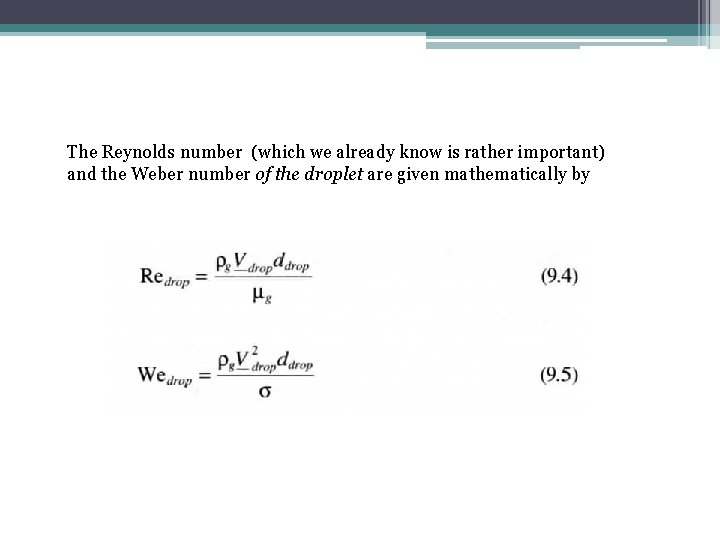
The Reynolds number (which we already know is rather important) and the Weber number of the droplet are given mathematically by
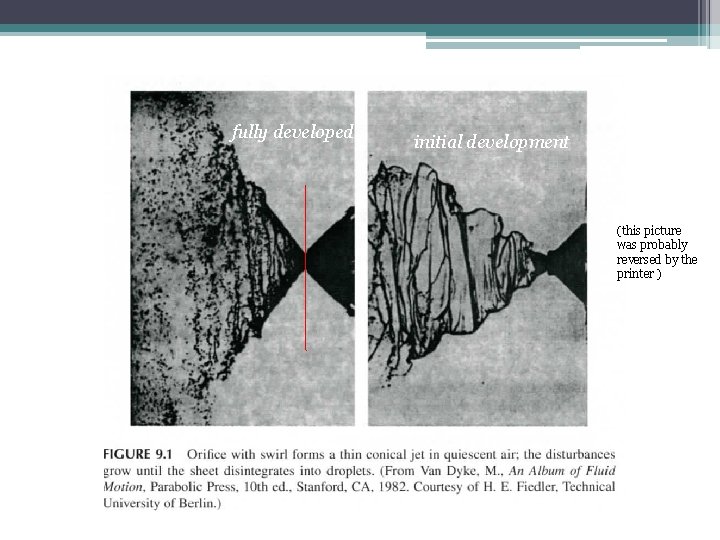
fully developed initial development (this picture was probably reversed by the printer )
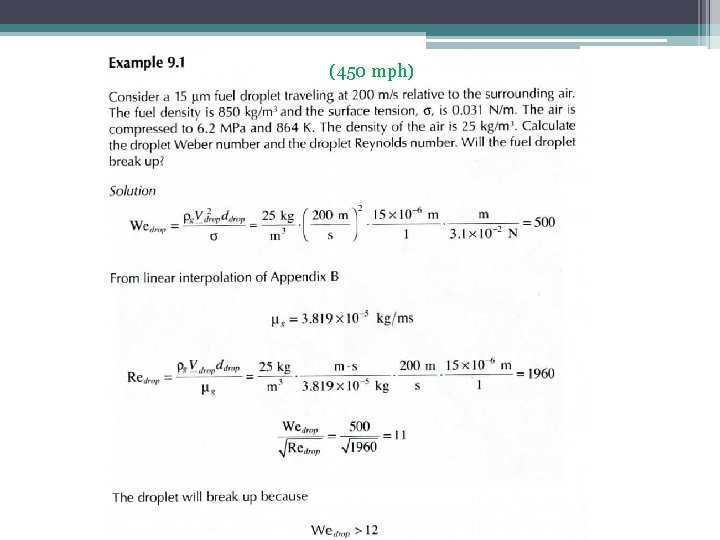
(450 mph)
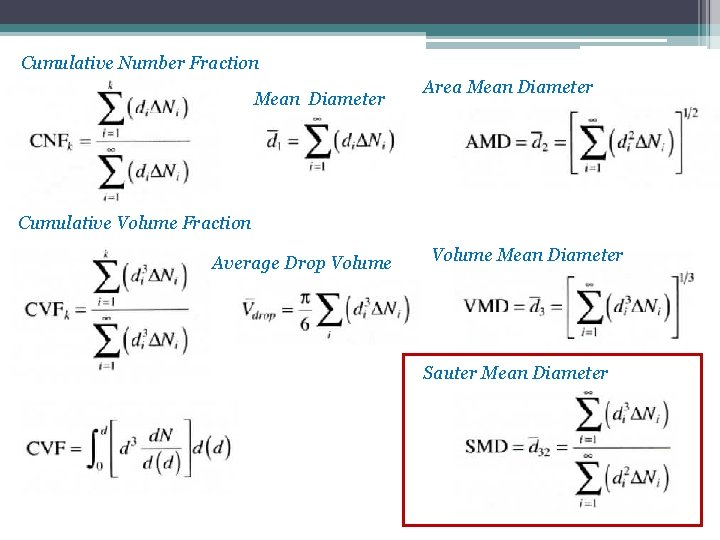
Cumulative Number Fraction Mean Diameter Area Mean Diameter Cumulative Volume Fraction Average Drop Volume Mean Diameter Sauter Mean Diameter
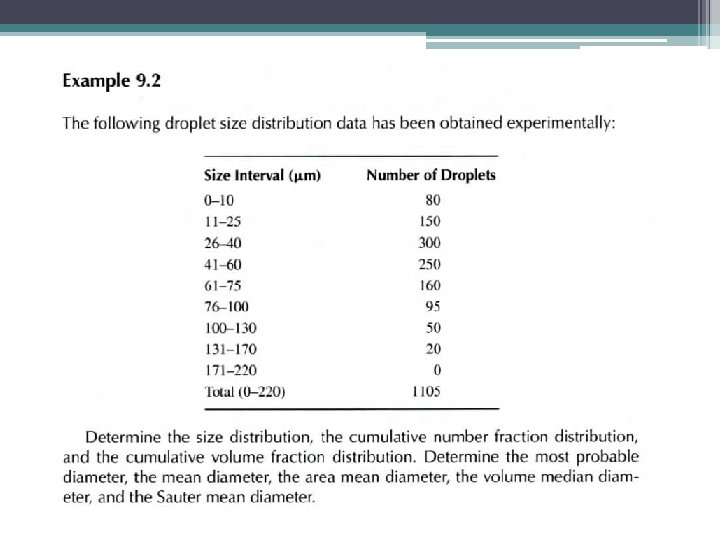
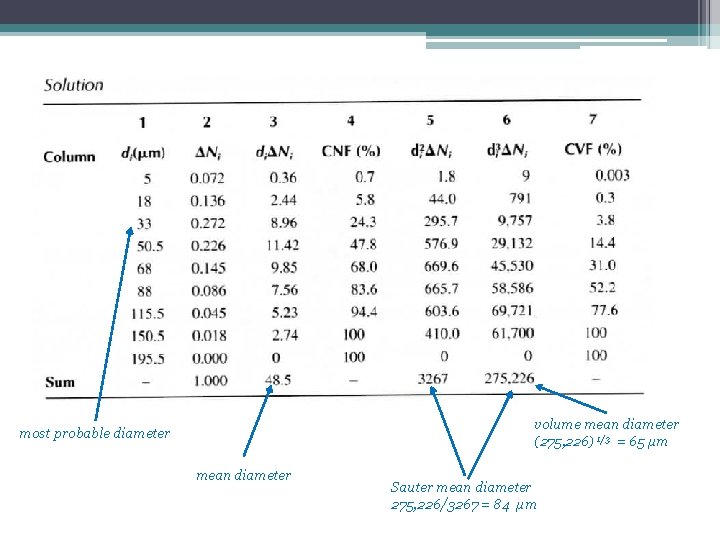
volume mean diameter (275, 226) 1/3 = 65 μm most probable diameter mean diameter Sauter mean diameter 275, 226/3267 = 84 μm
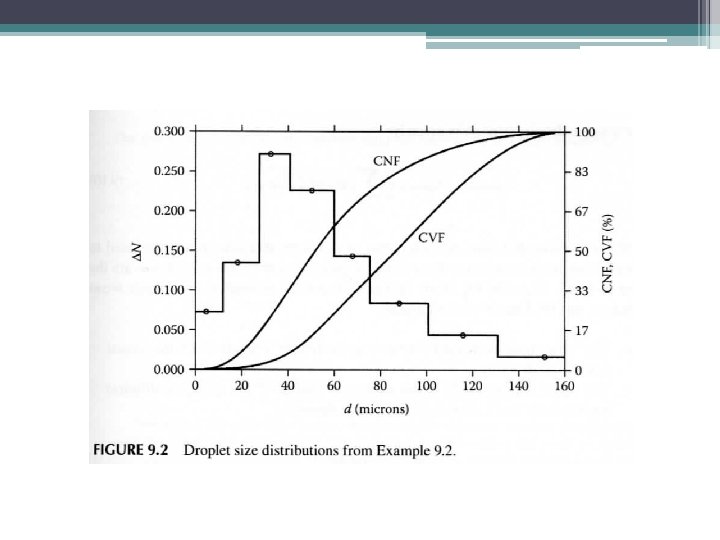
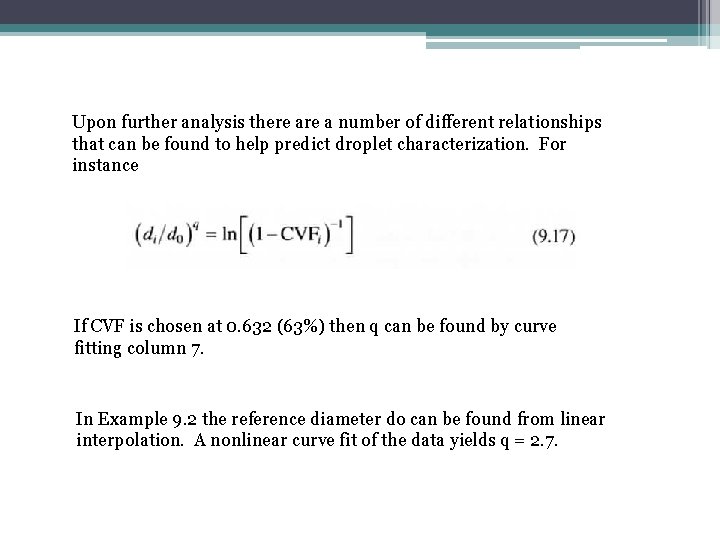
Upon further analysis there a number of different relationships that can be found to help predict droplet characterization. For instance If CVF is chosen at 0. 632 (63%) then q can be found by curve fitting column 7. In Example 9. 2 the reference diameter do can be found from linear interpolation. A nonlinear curve fit of the data yields q = 2. 7.
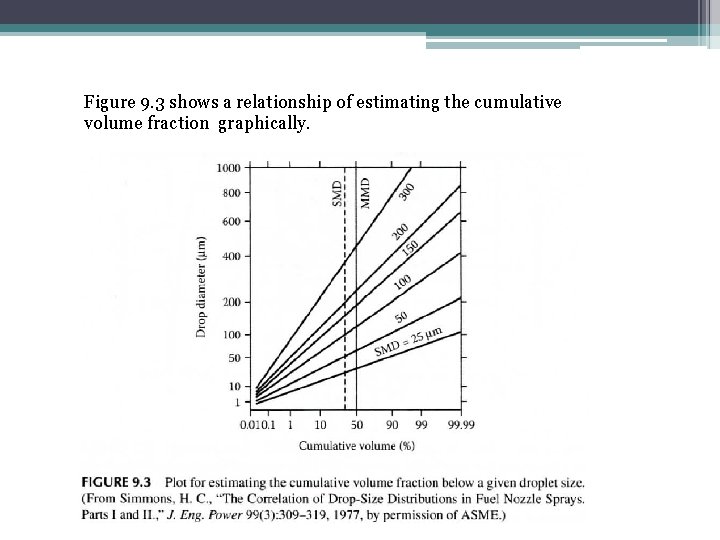
Figure 9. 3 shows a relationship of estimating the cumulative volume fraction graphically.
Spray Characterization
Typical Injectors
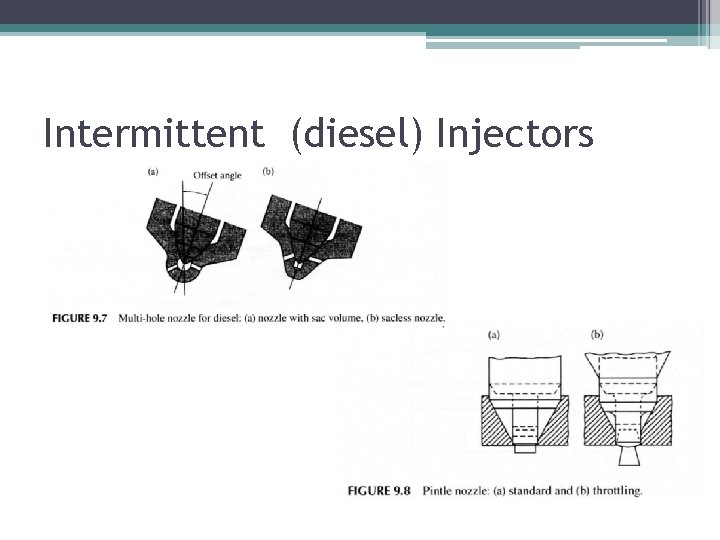
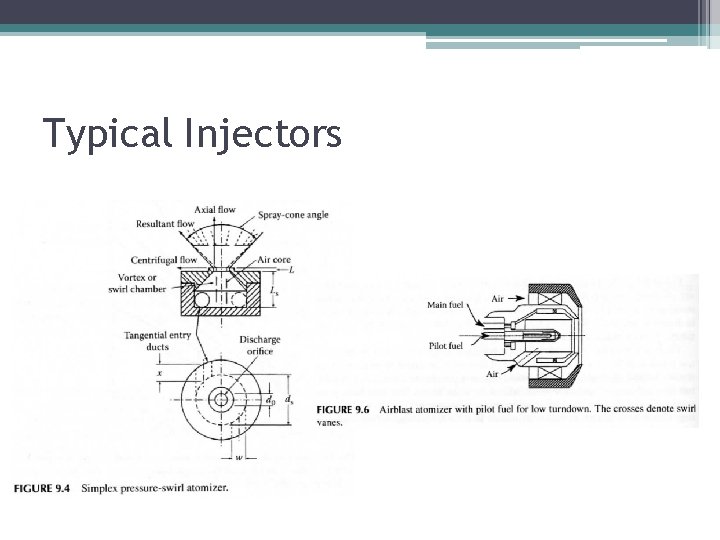
Intermittent (diesel) Injectors
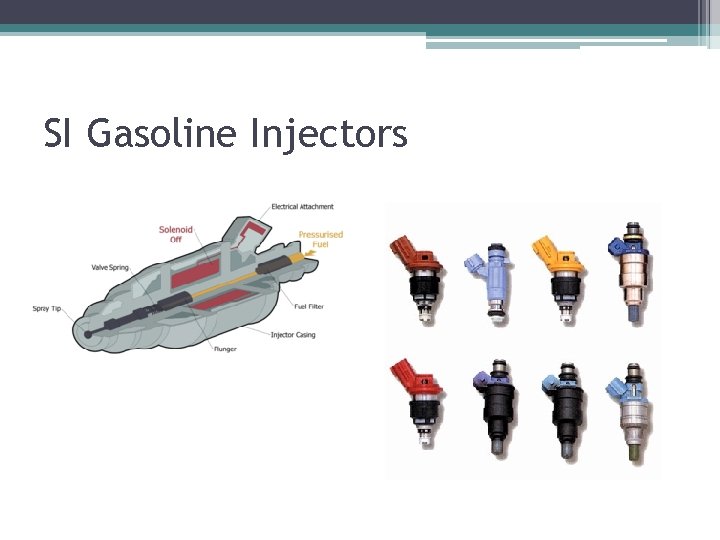
SI Gasoline Injectors
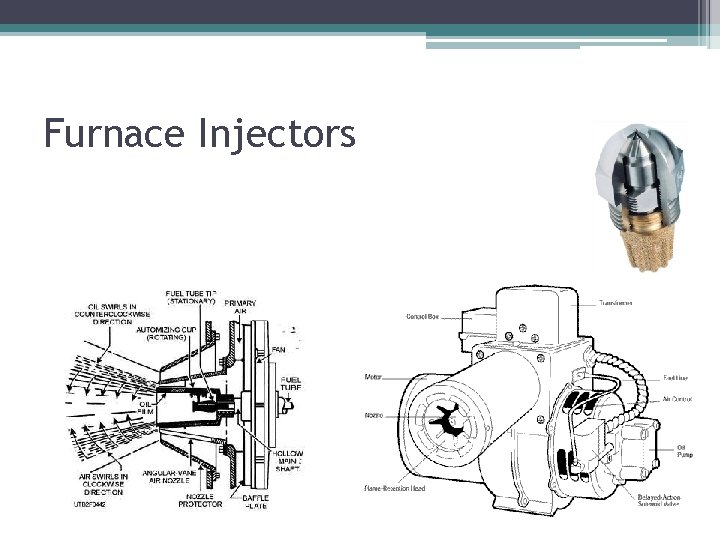
Furnace Injectors
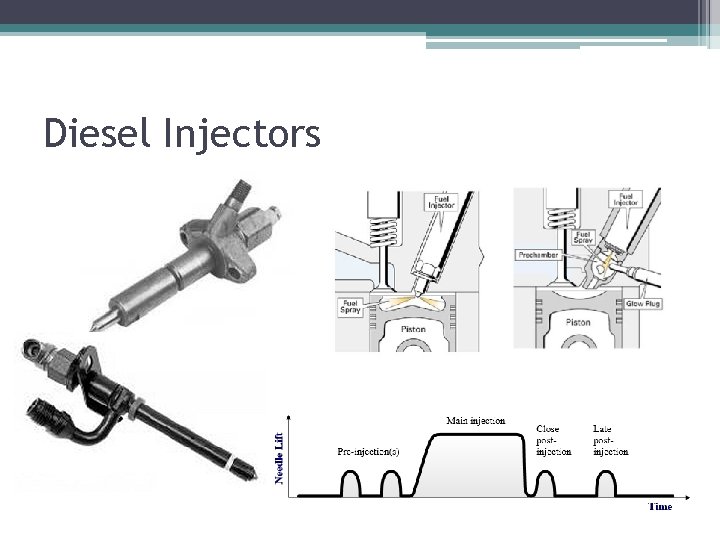
Diesel Injectors
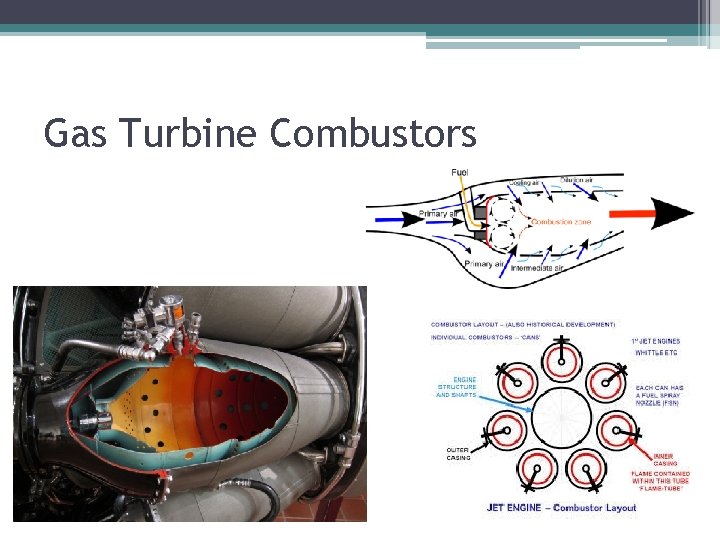
Gas Turbine Combustors
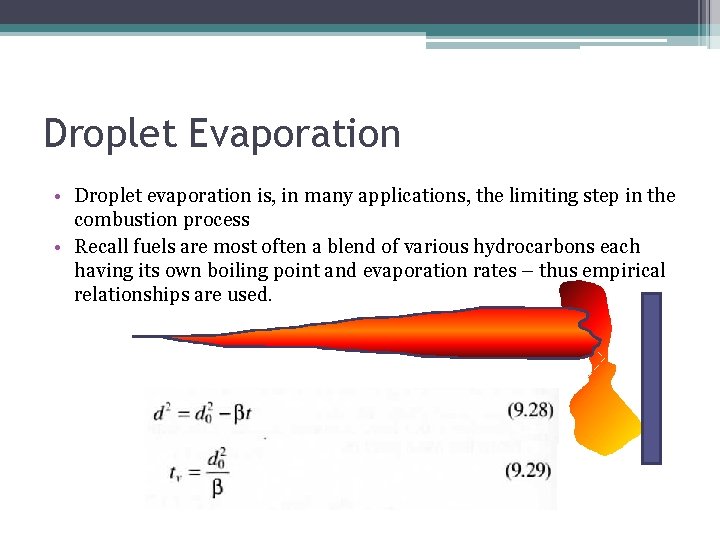
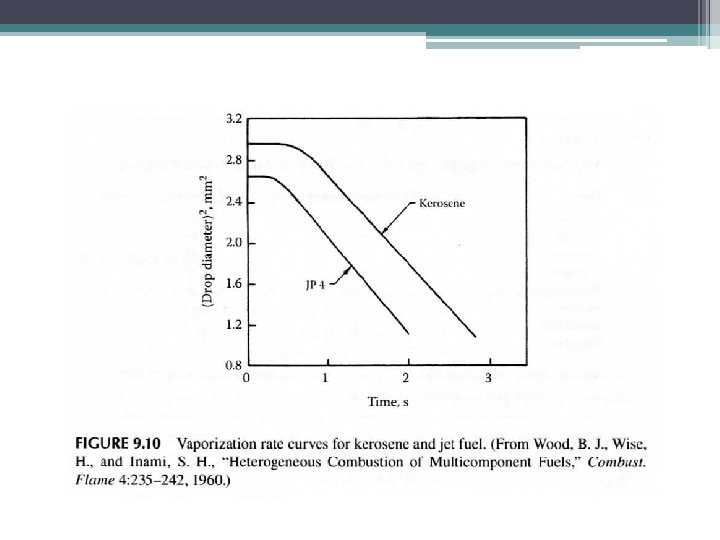
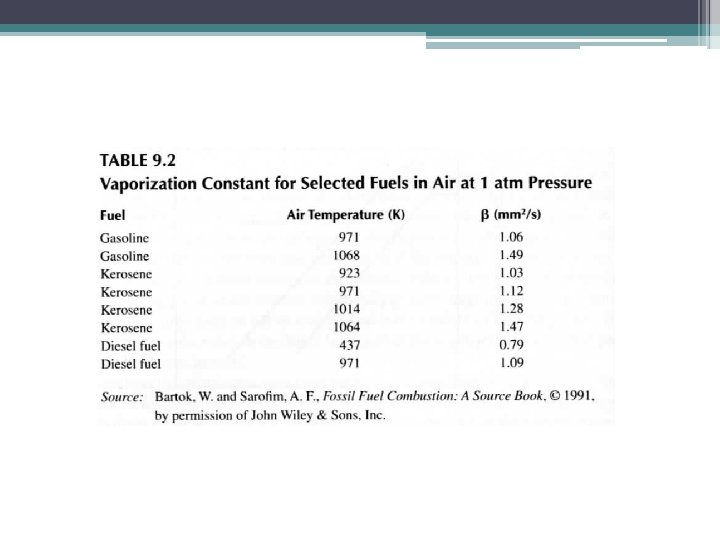
Droplet Evaporation • Droplet evaporation is, in many applications, the limiting step in the combustion process • Recall fuels are most often a blend of various hydrocarbons each having its own boiling point and evaporation rates – thus empirical relationships are used.

End
- Slides: 28