
Chapter 9 Selection of Action VARIABLES INFLUENCING SIMPLE

Chapter 9: Selection of Action
VARIABLES INFLUENCING SIMPLE AND CHOICE RT
Stimulus Modality • Examples
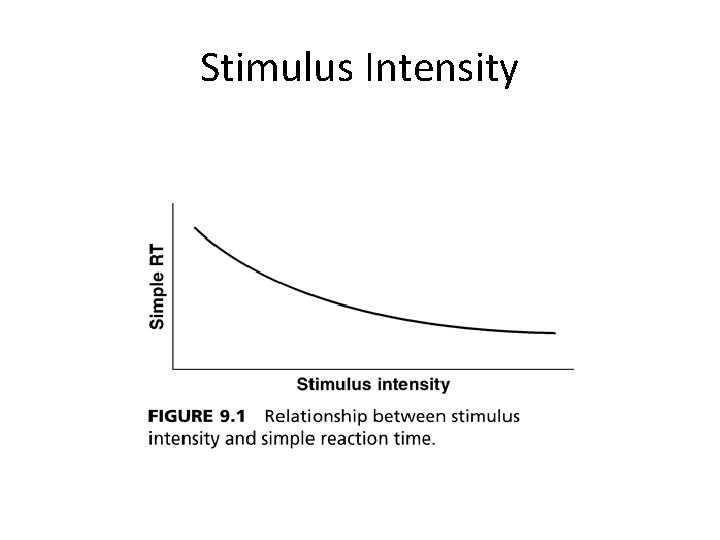
Stimulus Intensity
Temporal Uncertainty • Warning Interval • Imperative Stimulus
Expectancy • Role of expectancy • Warning intervals in RT
VARIABLES INFLUENCING CHOICE REACTION TIME
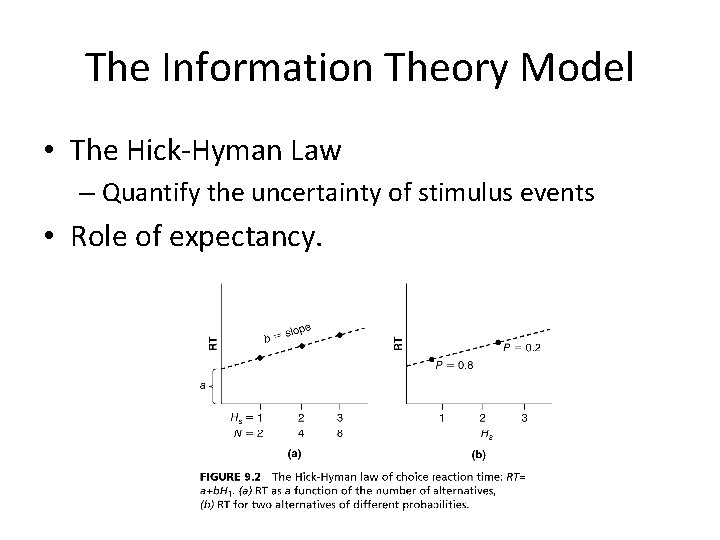
The Information Theory Model • The Hick-Hyman Law – Quantify the uncertainty of stimulus events • Role of expectancy.
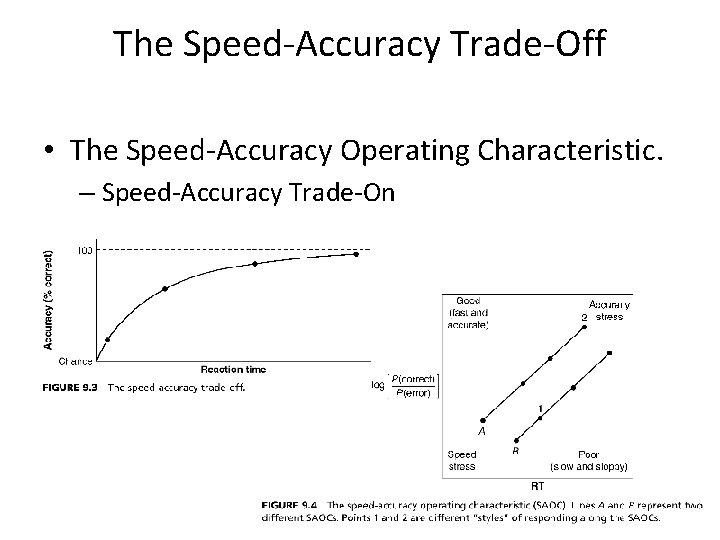
The Speed-Accuracy Trade-Off • The Speed-Accuracy Operating Characteristic. – Speed-Accuracy Trade-On
The Speed-Accuracy Trade-Off • The Speed-Accuracy Micro-Trade-Off. – Fast guess. – Memory load
Other Considerations • Stimulus Discriminability • The Repetition Effect – Alternation effect • Response Factors • Practice • Executive Control
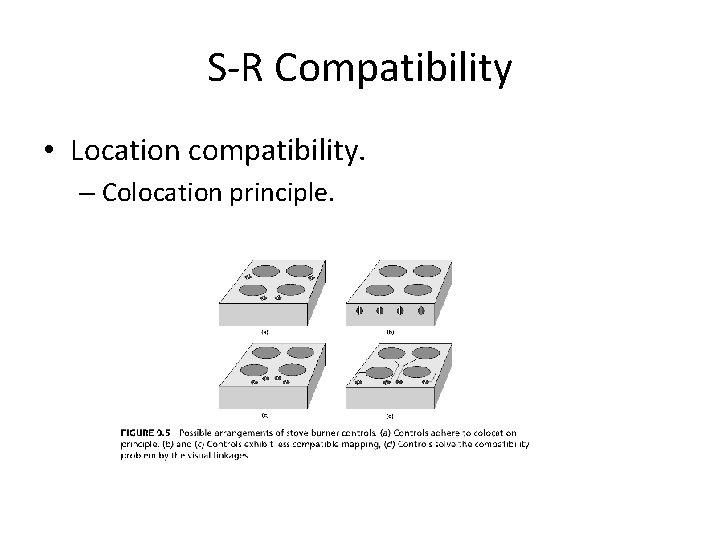
S-R Compatibility • Location compatibility. – Colocation principle.
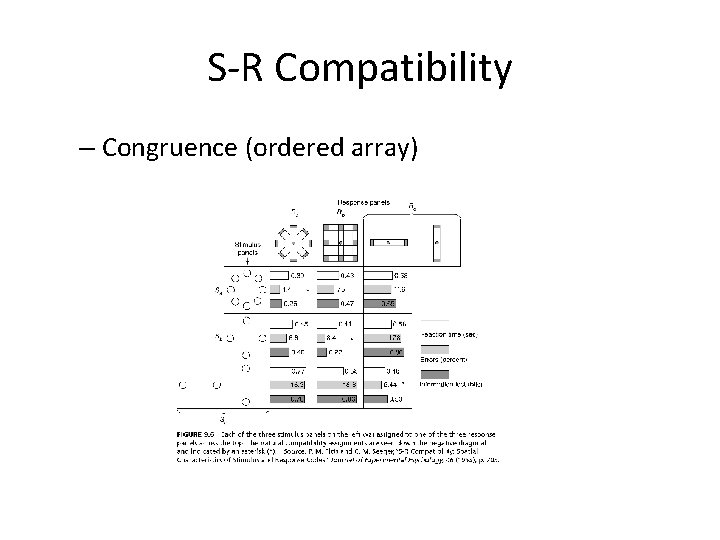
S-R Compatibility – Congruence (ordered array)
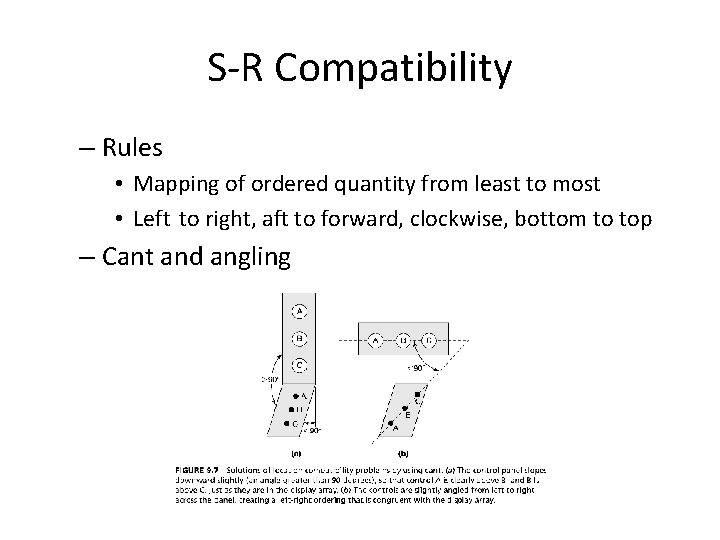
S-R Compatibility – Rules • Mapping of ordered quantity from least to most • Left to right, aft to forward, clockwise, bottom to top – Cant and angling
S-R Compatibility • Movement compatibility. – Population stereotype – Congruence of display movement – Mismatching dimensions – Constrained vs. unconstrained controls – Frame of reference modifications – Compensatory status vs. pursuit command display
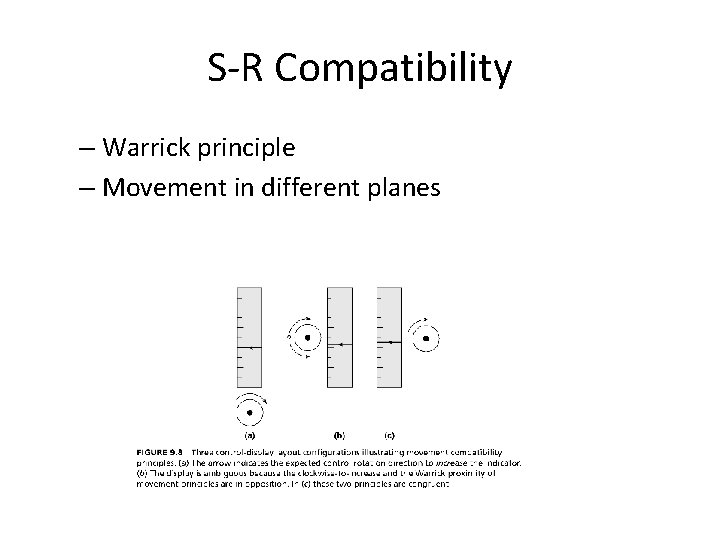
S-R Compatibility – Warrick principle – Movement in different planes
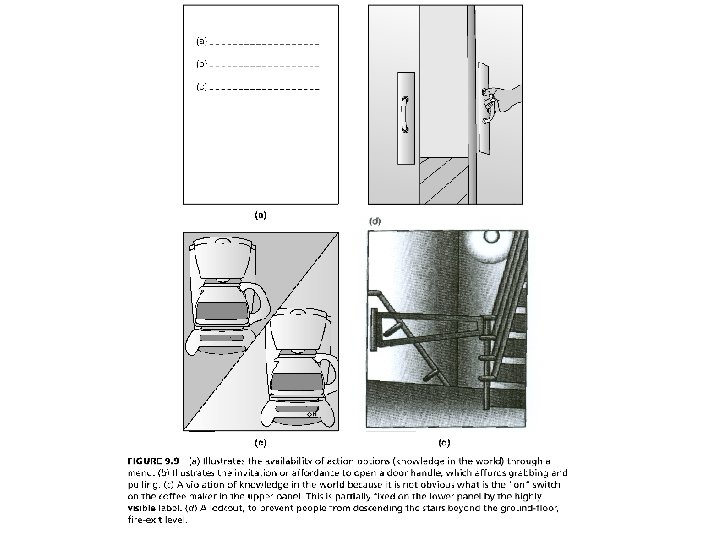
S-R Compatibility • Transformations and population stereotypes. • Modality S-R compatibility – Central processing code. • Consistency and training. • Knowledge in the world. – Real-world examples
STAGES IN REACTION TIME
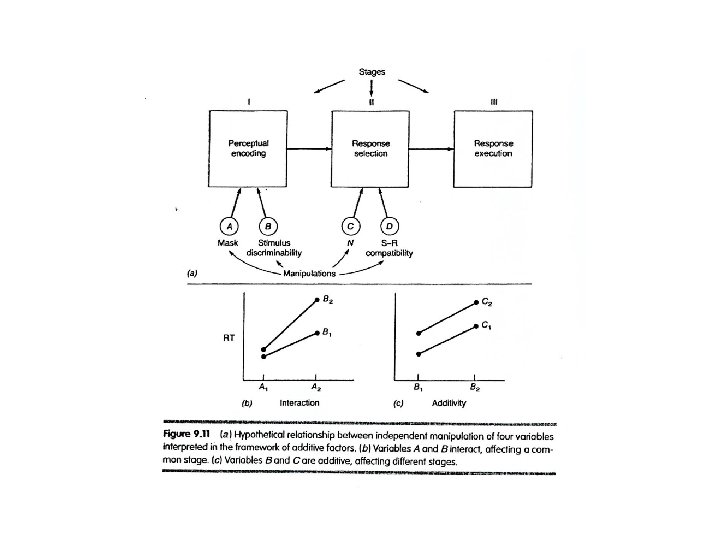
Stages in Reaction Time • Subtractive technique • Additive factors technique • Psychophysiological techniques
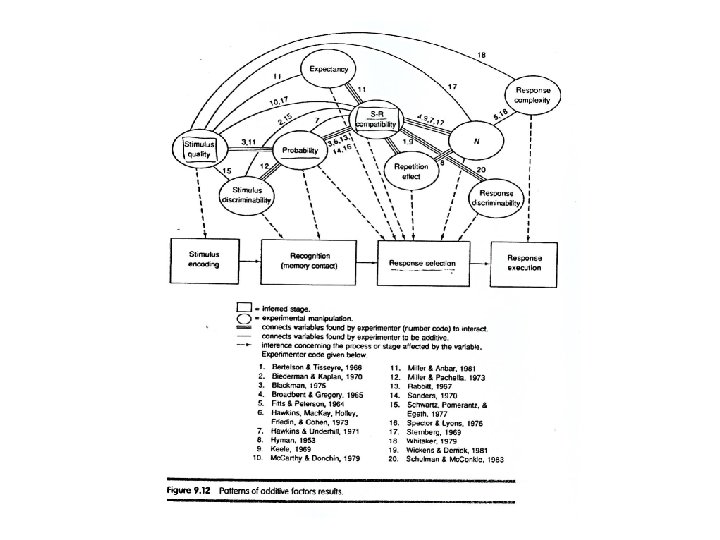
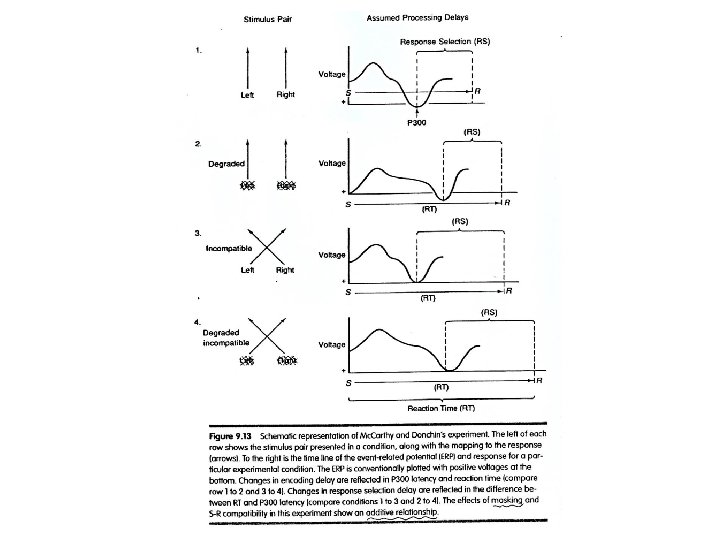
SERIAL RESPONSES
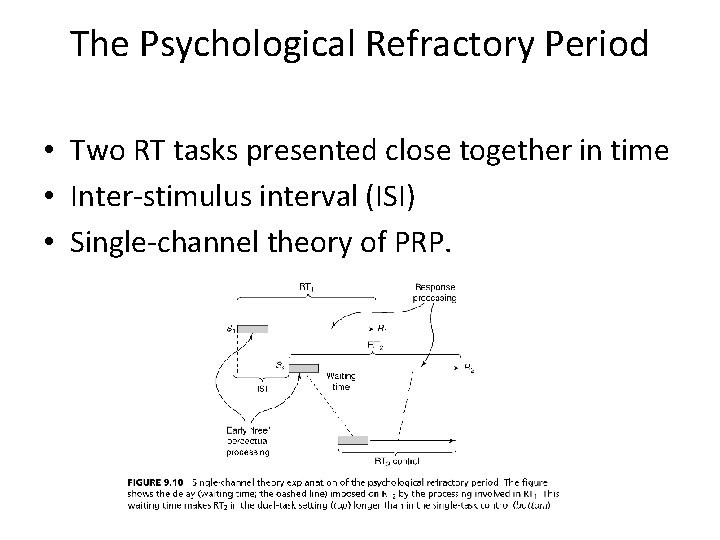
The Psychological Refractory Period • Two RT tasks presented close together in time • Inter-stimulus interval (ISI) • Single-channel theory of PRP.
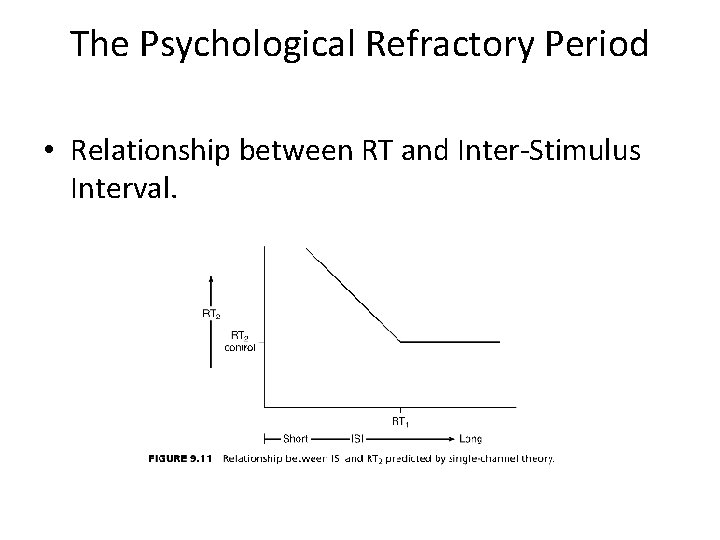
The Psychological Refractory Period • Relationship between RT and Inter-Stimulus Interval.
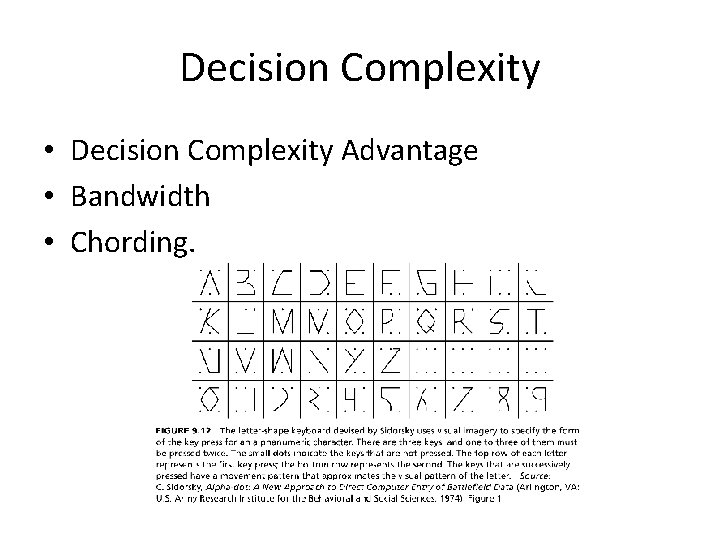
Decision Complexity • Decision Complexity Advantage • Bandwidth • Chording.
Pacing • Forced-paced (ISI) versus self-paced (Response-stimulus interval: RSI)
Response Factors • Response Complexity • Response Feedback • Response Repetition
Preview and Transcription • Transcription tasks • Benefits of lag • Preview

ERRORS
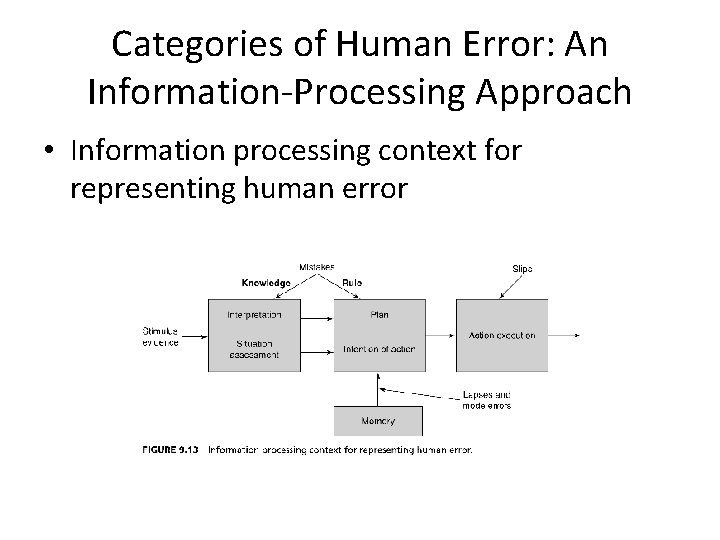
Categories of Human Error: An Information-Processing Approach • Information processing context for representing human error
Categories of Human Error: An Information-Processing Approach • Mistakes – Knowledge-based and rule-based. • Slips – Capture of behaviour.
Categories of Human Error: An Information-Processing Approach • Lapses – Post-completion errors. • Mode errors – Automation. • Distinction between Error Categories.
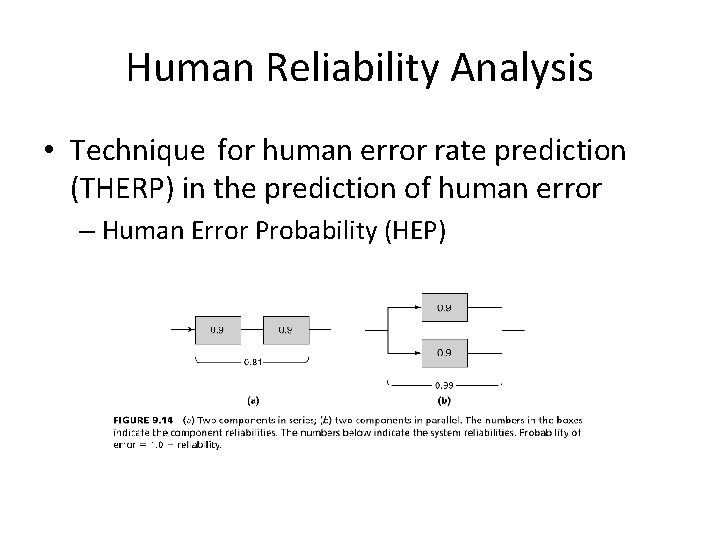
Human Reliability Analysis • Technique for human error rate prediction (THERP) in the prediction of human error – Human Error Probability (HEP)
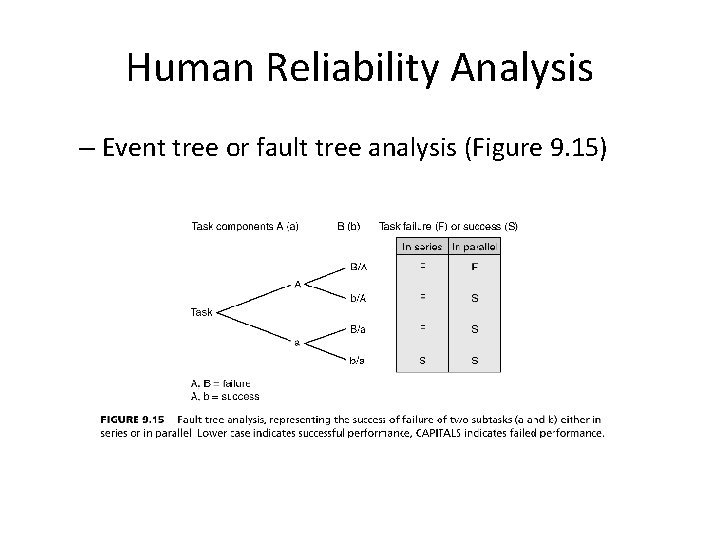
Human Reliability Analysis – Event tree or fault tree analysis (Figure 9. 15)
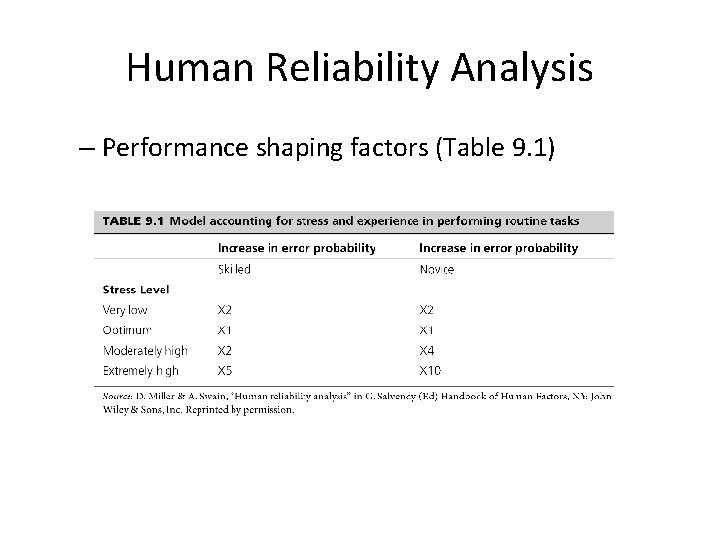
Human Reliability Analysis – Performance shaping factors (Table 9. 1)
Human Reliability Analysis • Error monitoring • Non-independence of Human Errors. • Integrating human and machine reliabilities
Error Remedies • Task Design • Equipment Design – Remedies • Training • Assists and Rules • Error-Tolerant Systems
- Slides: 39