
Chapter 9 Public Facilities BYMR Y N SINGH
Chapter 9 Public Facilities BYMR. Y N SINGH PGT ECO. KV DHRANGADHRA
Meaning of Public Facilities ?
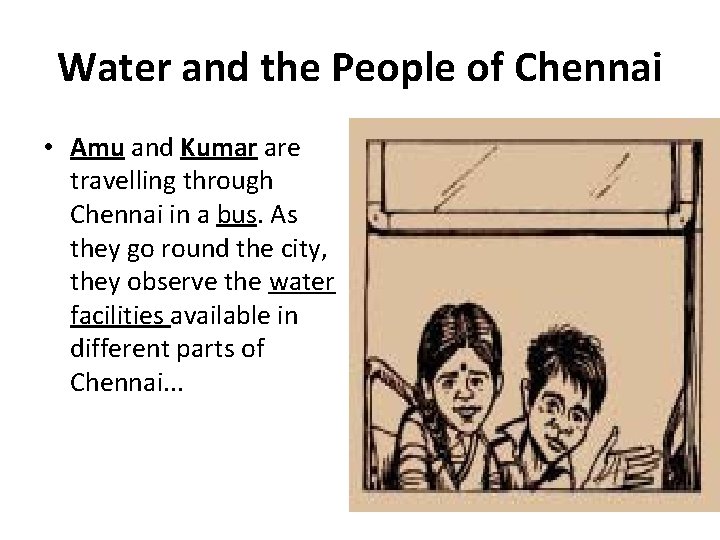
Water and the People of Chennai • Amu and Kumar are travelling through Chennai in a bus. As they go round the city, they observe the water facilities available in different parts of Chennai. . .
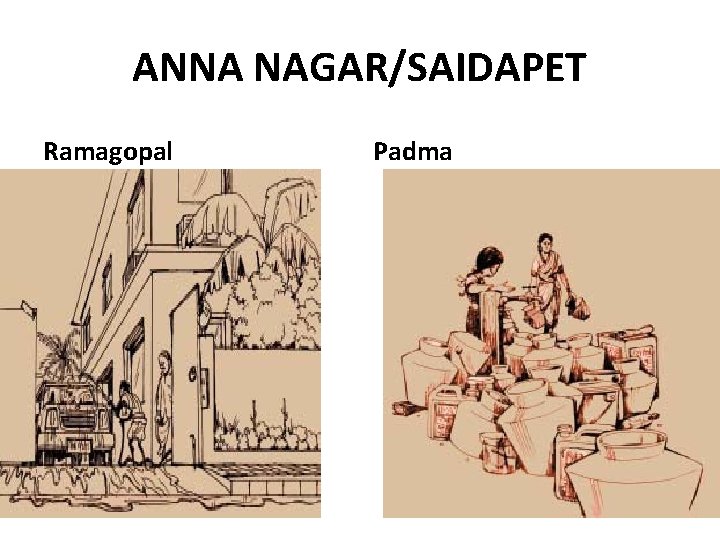
ANNA NAGAR/SAIDAPET Ramagopal Padma
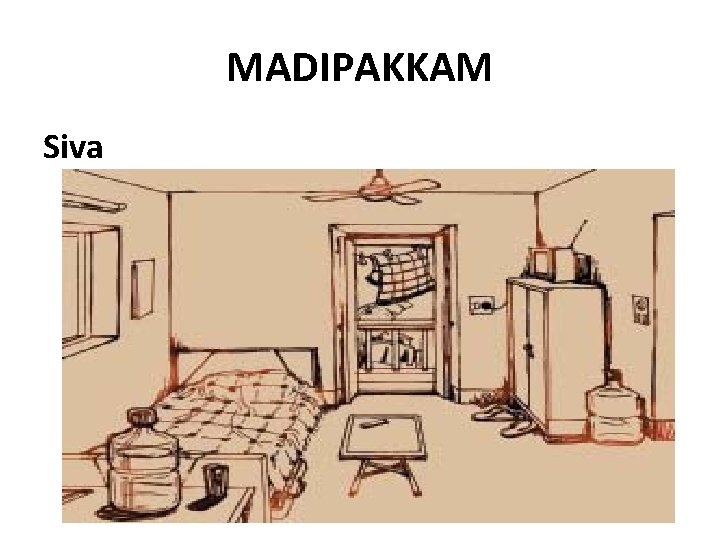
MADIPAKKAM Siva
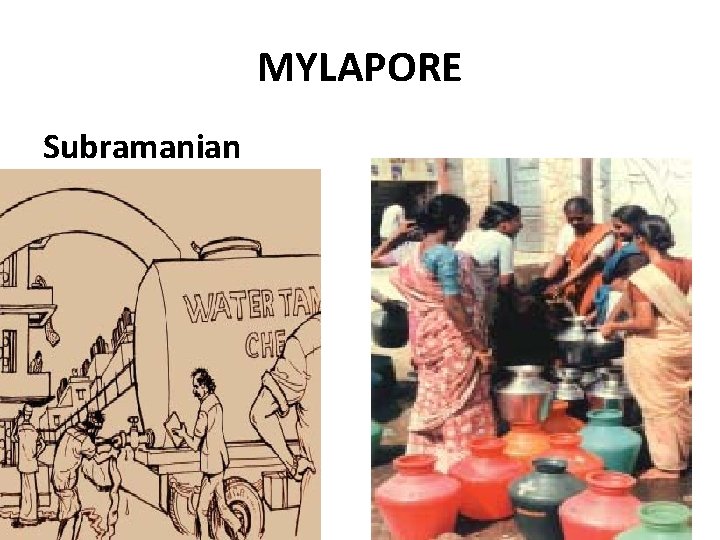
MYLAPORE Subramanian
Water as Part of the Fundamental Right to Life • The Constitution of India recognises the right to water as being a part of the Right to Life under Article 21. • In other words, there should be universal access to water.
Public Facilities • • • Healthcare. Sanitation. Electricity. Public transport. Schools and colleges etc. These are known as public facilities.
Who will provide public facilities Private companies OR Government’s
why the government (and only the government) must bear this responsibility ?
The Government’s Role • The Right to Life that the Constitution guarantees is for all persons living in this country. • The responsibility to provide public facilities, therefore, must be that of the government. • And Public facilities relate to people’s basic needs.
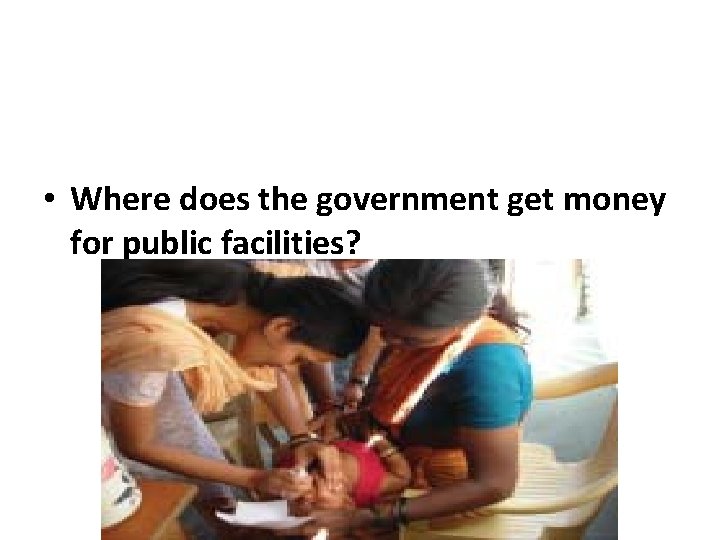
• Where does the government get money for public facilities?
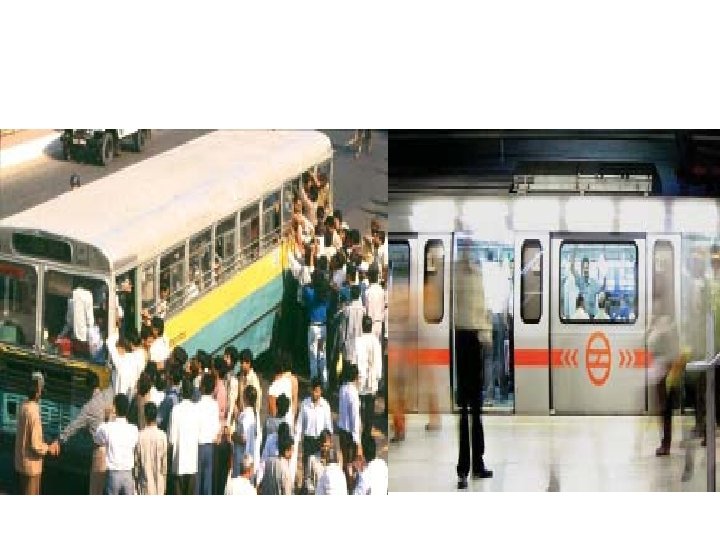
• People have pointed out that this massive expenditure could have been avoided if only a fraction of this amount was spent on upgrading the public bus system. • Would you agree? What do you think could be the solution for other regions of India?
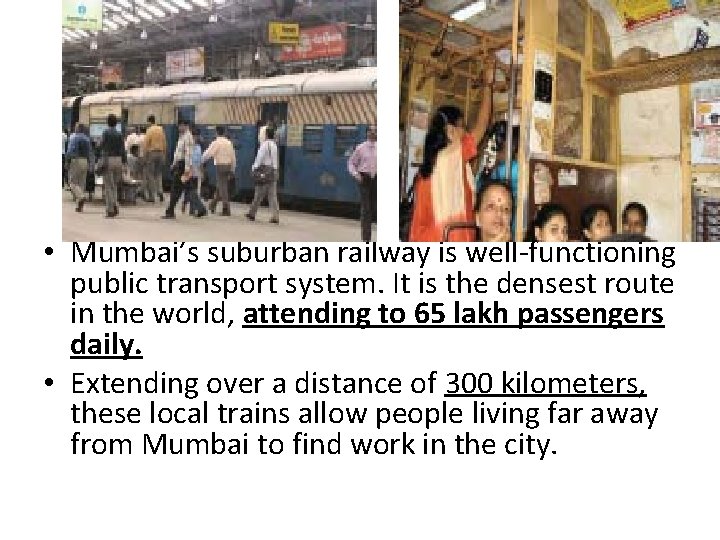
• Mumbai’s suburban railway is well-functioning public transport system. It is the densest route in the world, attending to 65 lakh passengers daily. • Extending over a distance of 300 kilometers, these local trains allow people living far away from Mumbai to find work in the city.
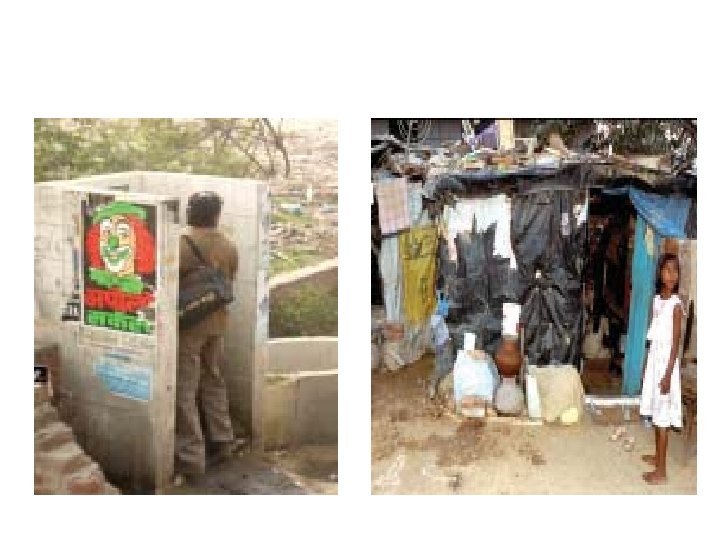
Extending Sanitation Facilities • 68 percent of the households in India have access to drinking water and about 36 percent have access to sanitation (toilet facilities within the premises of residence). • Sulabh, a non-government organisation, has been working for three decades to address the problems of sanitation facing low-caste, low-income people in India. • It has constructed more than 7, 500 public toilet blocks and 1. 2 million private toilets, giving access to sanitation to 10 million people.
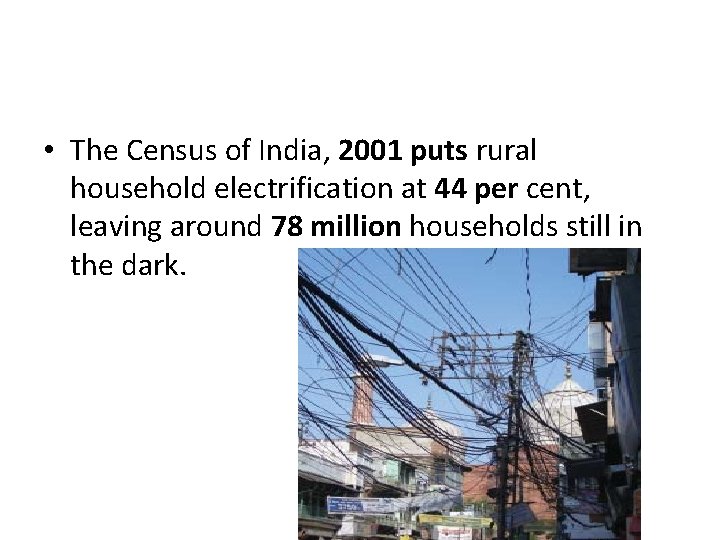
• The Census of India, 2001 puts rural household electrification at 44 per cent, leaving around 78 million households still in the dark.
Conclusion • Public facilities relate to our basic needs and the Indian Constitution recognises the right to water, heath, education etc as being a part of the Right to Life. • But, progress on this front has been far from satisfactory. There is a shortage in supply and there are inequalities in distribution • Any solution needs to take account of the important fact that every citizen of the country has a right to these facilities which should be provided to her/him in an equitable manner.

ANY QUESTION PLEASE ? ? ?

THANKYOU
- Slides: 21