
Chapter 9 Applications of the Competitive Model 91






- Slides: 19
Chapter 9 Applications of the Competitive Model 9/1 © 2009 Pearson Education Canada
Figure 9. 1 The supply and demand model 9/2 © 2009 Pearson Education Canada
Demand Supply u Increases in demand lead to movements along the supply curve and (given an upward sloping supply curve) to an increased equilibrium price and quantity. u Increases in supply lead to movements along the demand curve and (given a downward sloping demand curve) an increased equilibrium quantity but a decreased equilibrium price. 9/3 © 2009 Pearson Education Canada
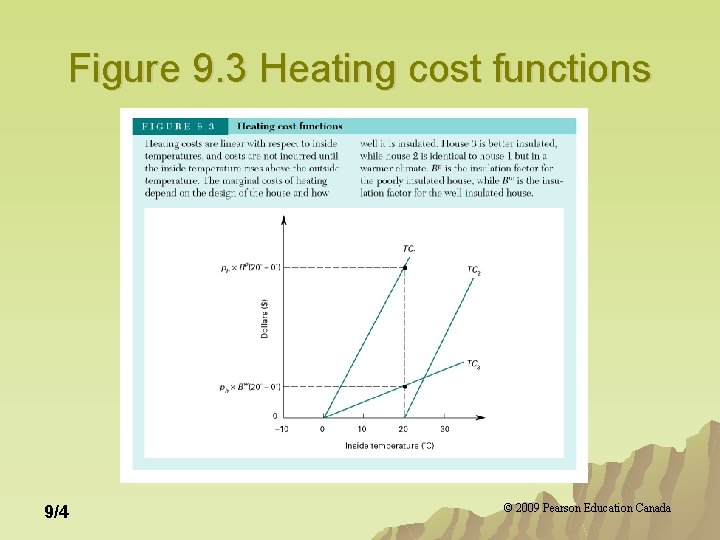
Figure 9. 3 Heating cost functions 9/4 © 2009 Pearson Education Canada
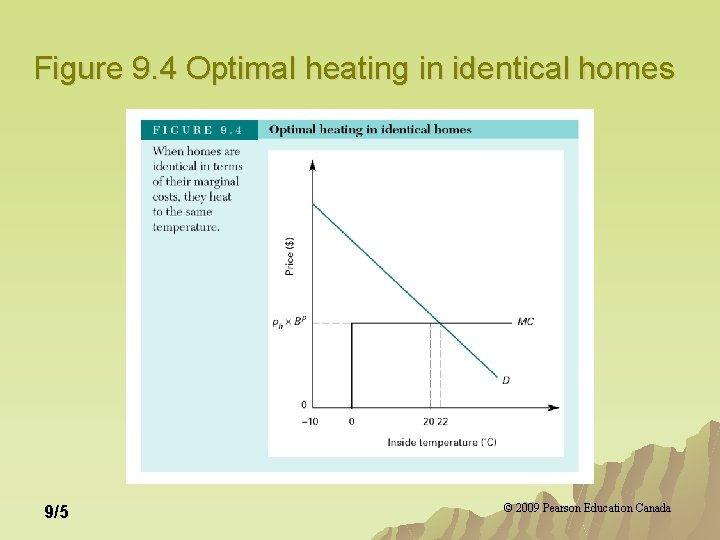
Figure 9. 4 Optimal heating in identical homes 9/5 © 2009 Pearson Education Canada
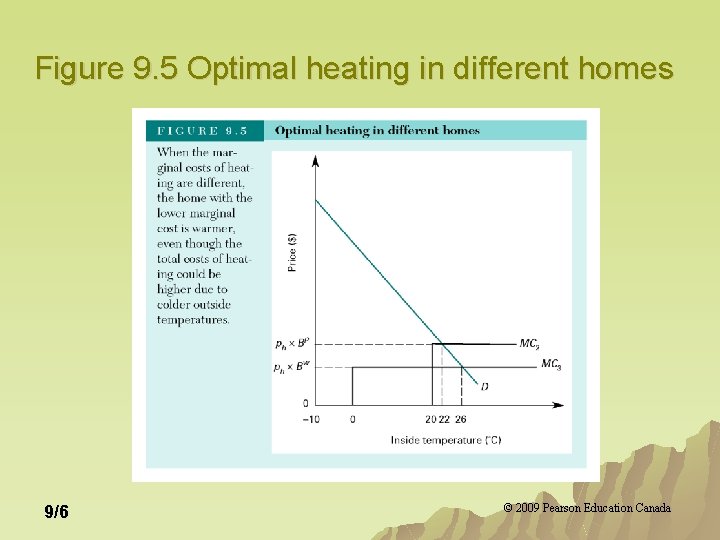
Figure 9. 5 Optimal heating in different homes 9/6 © 2009 Pearson Education Canada
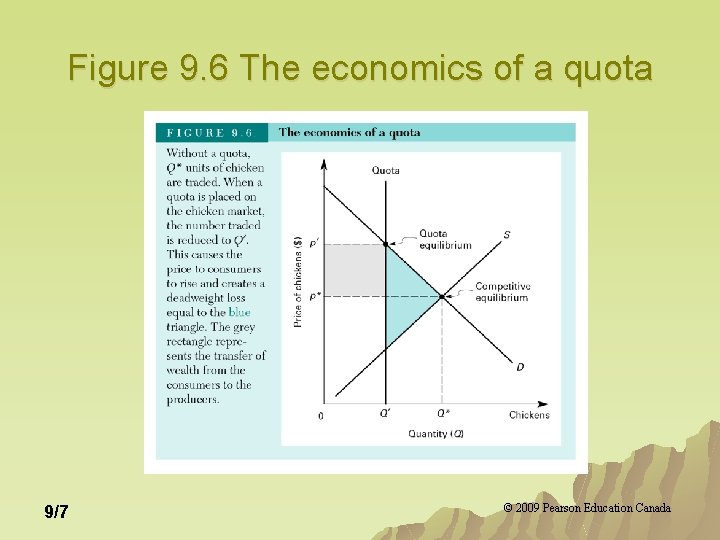
Figure 9. 6 The economics of a quota 9/7 © 2009 Pearson Education Canada
From Figure 9. 6 An effective quota reduces the quantity supplied and raises the price to consumers. u The quota allows the farmers to earn economic rent, (a return above the opportunity cost). u The value of the quota increases the costs of entering the industry and when a quota is sold to another farmer, the value is transferred completely to the original farmer. This is called the transitional gains trap. u 9/8 © 2009 Pearson Education Canada
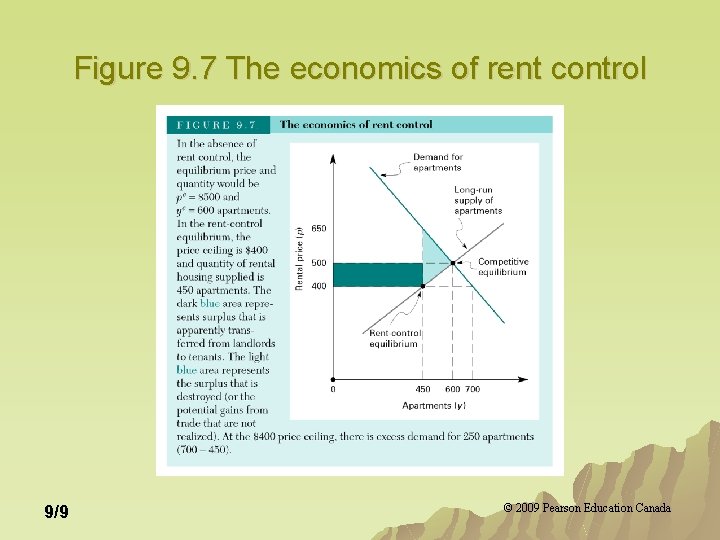
Figure 9. 7 The economics of rent control 9/9 © 2009 Pearson Education Canada
Potential Effects of Rent Control Tenants who occupy apartments when rent control is established will benefit. u All landlords will be worse off and some will be induced to reduce supply. u As a result of reduced supply, some renters are worse off. u The way available apartments are allocated imposes costs on suppliers and renters and the allocation is not Pareto-optimal. u 9/10 © 2009 Pearson Education Canada
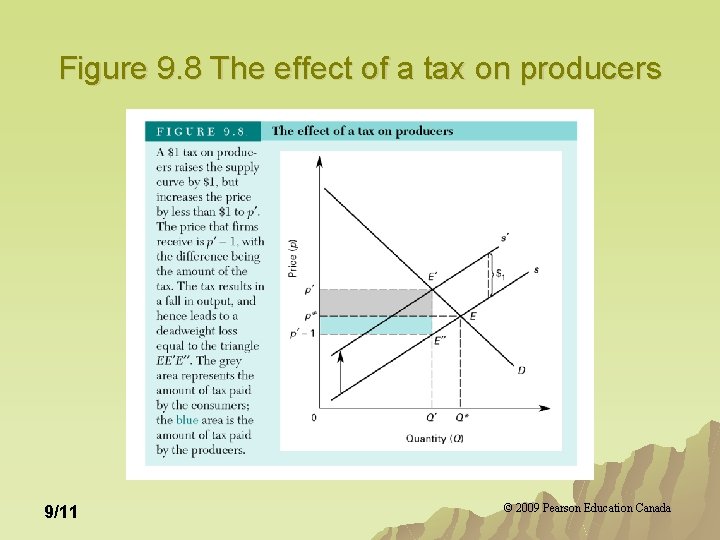
Figure 9. 8 The effect of a tax on producers 9/11 © 2009 Pearson Education Canada
From Figure 9. 8 u. A per-unit tax increases the equilibrium price by less than the tax. u The tax creates a deadweight loss as it reduces consumer and producer surplus. u The amount of the tax paid by consumers and producers depends upon the relative elasticities of demand supply. 9/12 © 2009 Pearson Education Canada
Figure 9. 9 Elasticity of demand per-unit taxes 9/13 © 2009 Pearson Education Canada
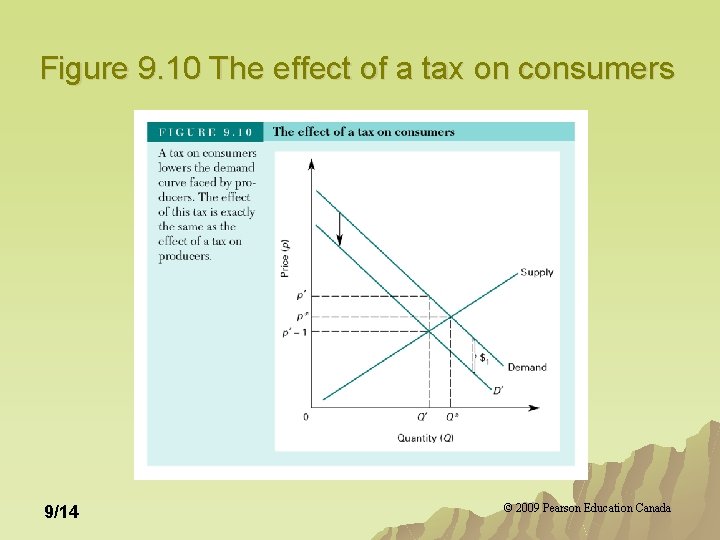
Figure 9. 10 The effect of a tax on consumers 9/14 © 2009 Pearson Education Canada
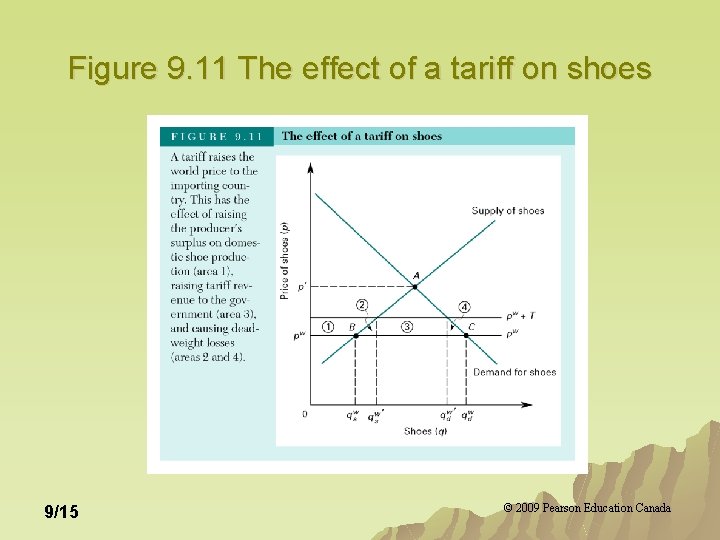
Figure 9. 11 The effect of a tariff on shoes 9/15 © 2009 Pearson Education Canada
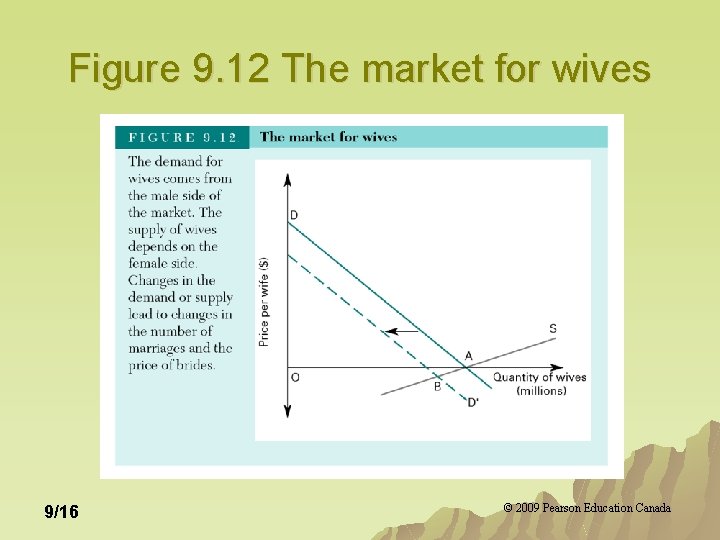
Figure 9. 12 The market for wives 9/16 © 2009 Pearson Education Canada
Figure 9. 13 The equilibrium amount of crime 9/17 © 2009 Pearson Education Canada
From Figure 9. 13 The demand curve for crime shows the declining marginal benefits of a crime as function of the number of crimes. u The supply curve of crime slopes upwards, showing rising marginal costs. A major cost being foregone income from legitimate employment (persons with low alternative earnings are the first to turn to crime). u In equilibrium, the quantity of crime is where the marginal benefits and marginal costs meet. u 9/18 © 2009 Pearson Education Canada
The Economic of Crime u 1. 2. 9/19 The model suggests two methods to reduce crime: Reduce the net benefits of crime (impose stiffer penalties and increase law enforcement). Raise the opportunity cost (increase job opportunities and raise social safety nets). © 2009 Pearson Education Canada