
Chapter 8 Wind and Weather Driving Question What



- Slides: 26
Chapter 8 Wind and Weather
Driving Question • What forces control the wind?
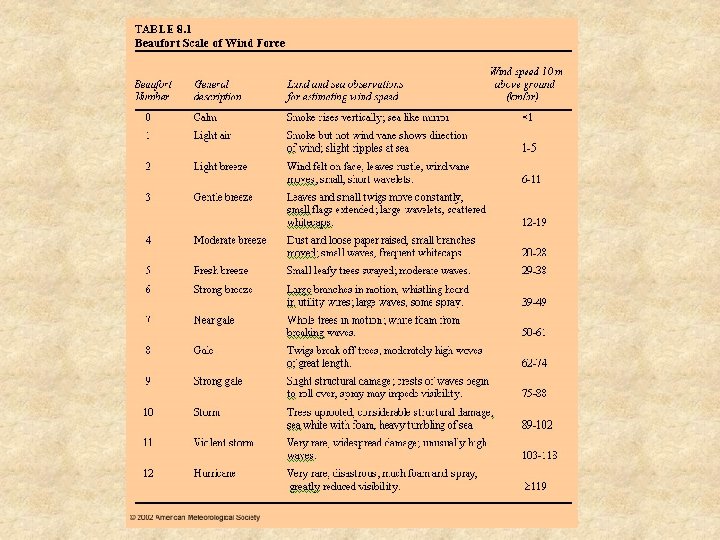
Wind • Wind – The local motion of air relative to the rotating Earth • Wind is measured using 2 characteristics – Direction (wind sock) • N, NNE, ENE, E, ESE, SSE, S, etc… • Degrees: N = 360 o, E = 90 o, S = 180 o, W = 270 o – Speed (anemometer)
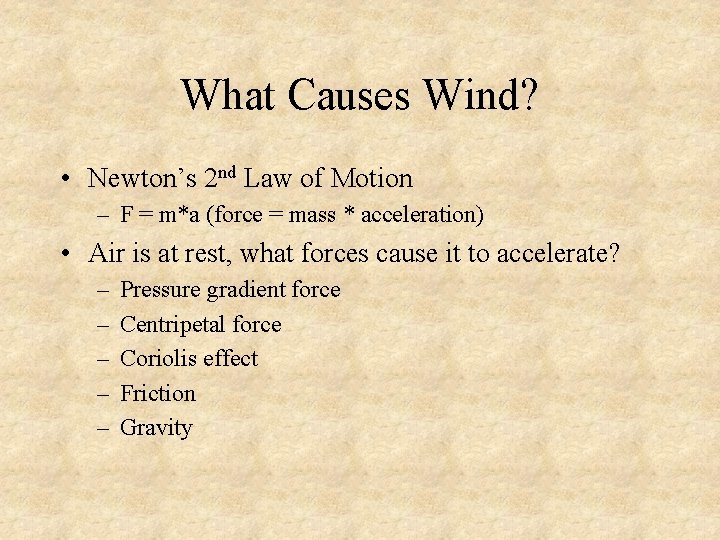
What Causes Wind? • Newton’s 2 nd Law of Motion – F = m*a (force = mass * acceleration) • Air is at rest, what forces cause it to accelerate? – – – Pressure gradient force Centripetal force Coriolis effect Friction Gravity
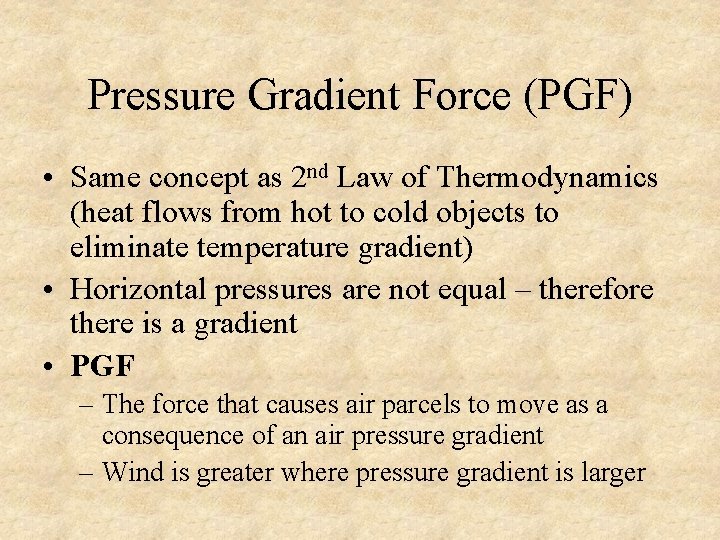
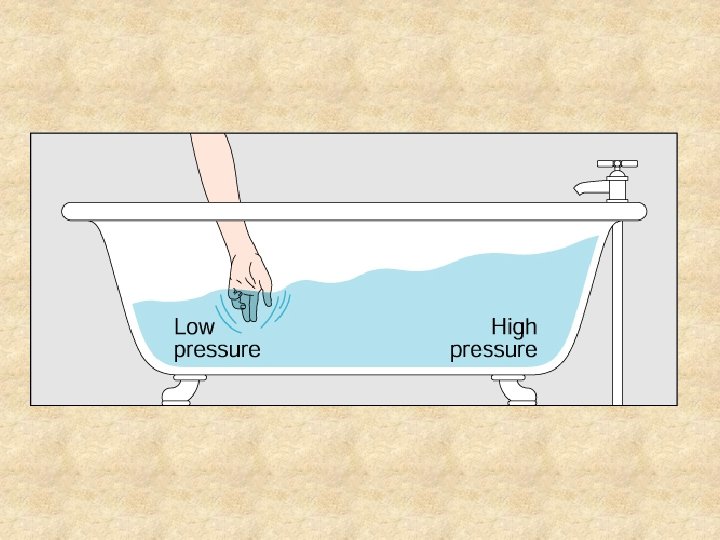
Pressure Gradient Force (PGF) • Same concept as 2 nd Law of Thermodynamics (heat flows from hot to cold objects to eliminate temperature gradient) • Horizontal pressures are not equal – therefore there is a gradient • PGF – The force that causes air parcels to move as a consequence of an air pressure gradient – Wind is greater where pressure gradient is larger
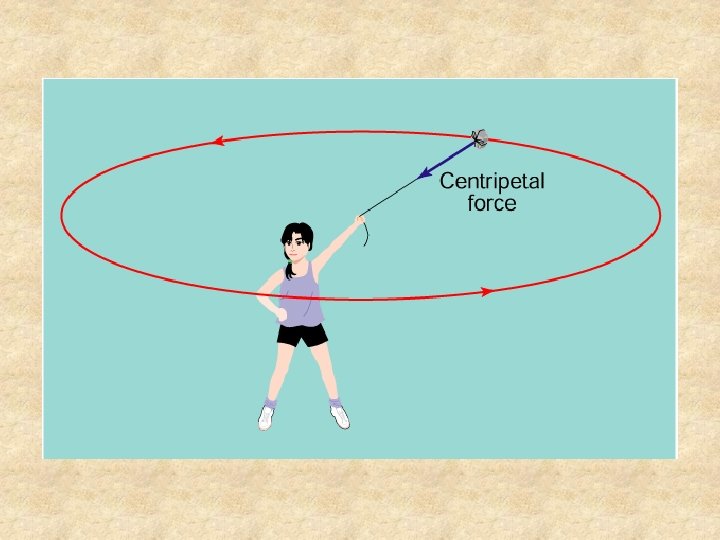
Centripetal Force • Center seeking force • The net force is directed inward toward the center of the orbit and perpendicular to the direction of motion • This force operates when an air parcel follows a curved path • It is NOT and independent force – it is the result of the imbalance of other forces • Causes a change in direction, but not speed
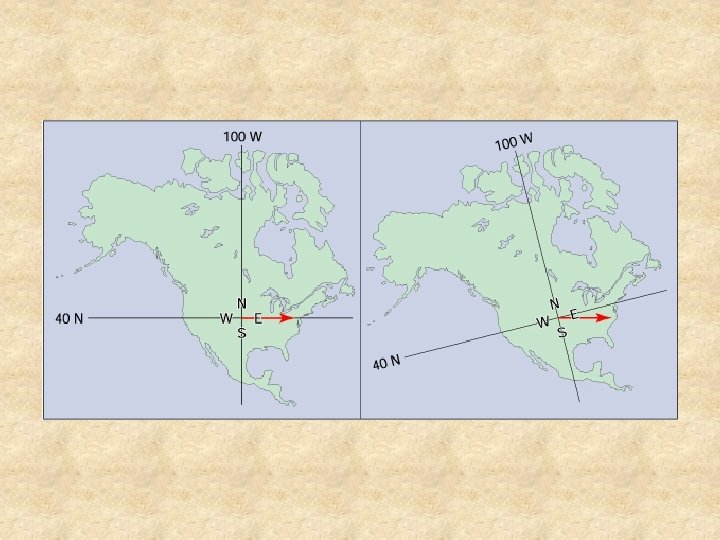
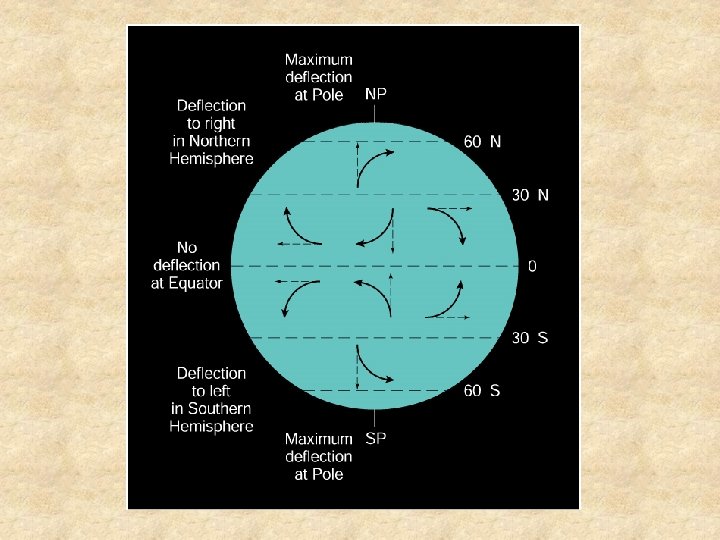
Coriolis Effect • It is a net force responsible for curved motion due to changing the coordinate system from nonrotating to rotating • Deflects winds to the right (left) in the NH (SH) • Coriolis is dependent on latitude – No deflection at equator/Max deflection at poles • Coriolis is dependent on wind speed and spatial scale (size and distance) – Coriolis does not affect the direction of toilet flushes
Friction • Friction: the resistance that an object or medium encounters as it moves in contact with another object or medium • Friction acts opposite to the wind direction • Friction increases with increasing surface roughness – Greater over a forest than a soybean field • Friction slows horizontal winds in the lowest kilometer
Gravity • Force of gravity is 9. 8 m/s 2 • Always directed downward – Does not modify horizontal winds
Joining Forces • These 5 forces all interact to govern the direction and speed of the wind • These interactions result in 4 cases – Hydrostatic Equilibrium – Geostrophic Wind – Gradient Wind – Surface Winds
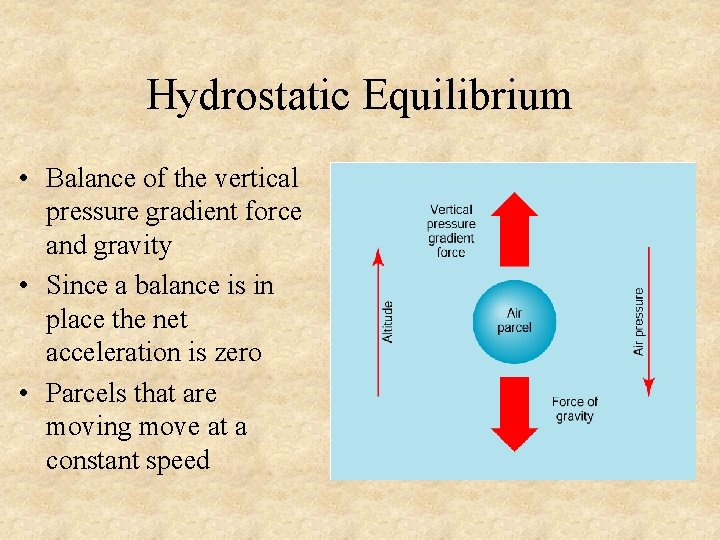
Hydrostatic Equilibrium • Balance of the vertical pressure gradient force and gravity • Since a balance is in place the net acceleration is zero • Parcels that are moving move at a constant speed
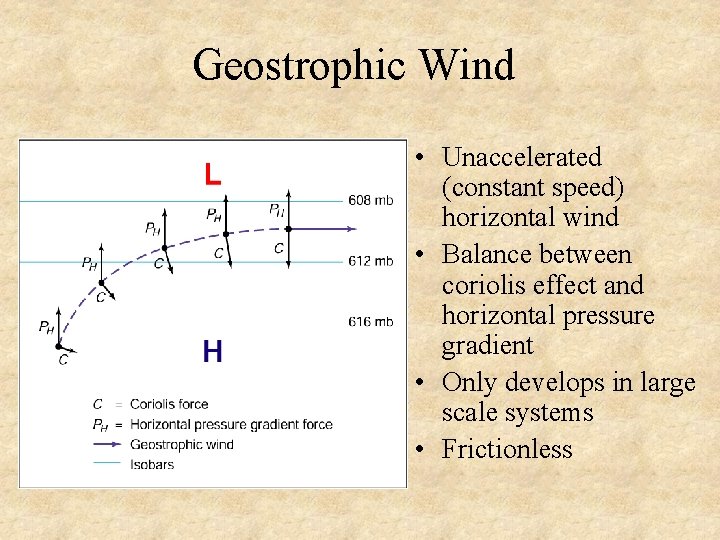
Geostrophic Wind • Unaccelerated (constant speed) horizontal wind • Balance between coriolis effect and horizontal pressure gradient • Only develops in large scale systems • Frictionless
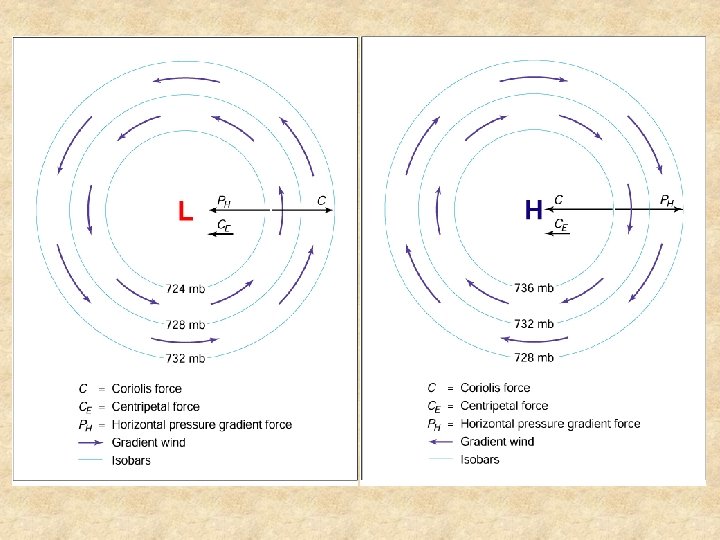
Gradient Wind • Similar to geostrophic wind in that it is a large scale, horizontal, frictionless wind that blows parallel to the isobars • The difference is that the path of the gradient wind is curved • Forces are not balanced – There is a net centripetal force • Develops around highs and lows
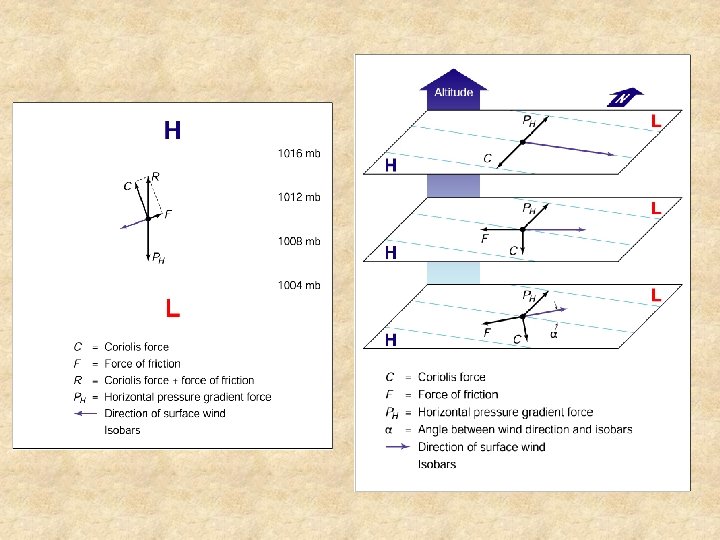
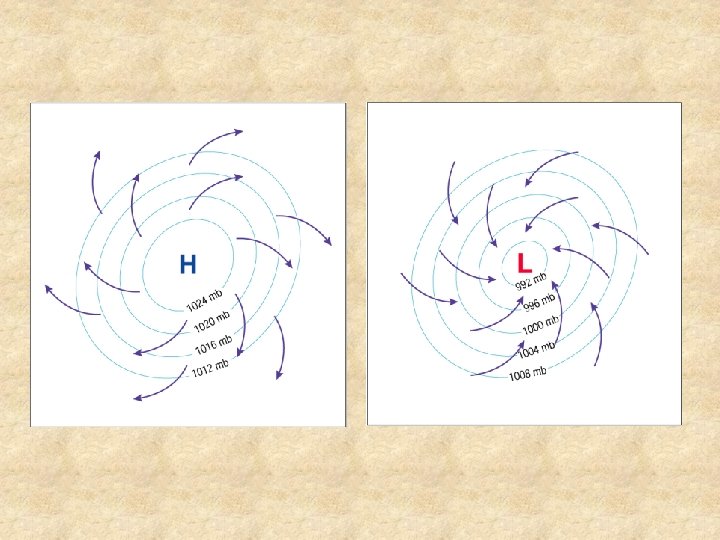
Surface Winds • Friction at the surface affects speed and direction of wind • Friction acts directly opposite the wind direction • Friction slows wind speed, which weakens the Coriolis effect and affects balance with the horizontal pressure gradient force causing winds to blow towards low pressure • Friction loses influence with height
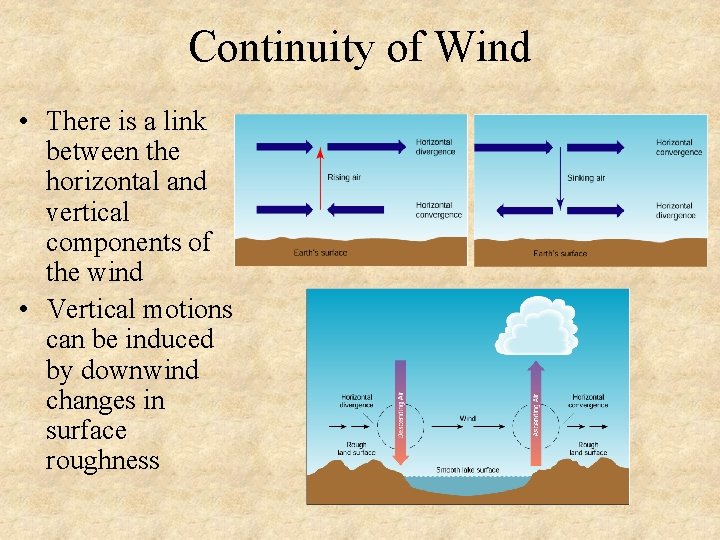
Continuity of Wind • There is a link between the horizontal and vertical components of the wind • Vertical motions can be induced by downwind changes in surface roughness
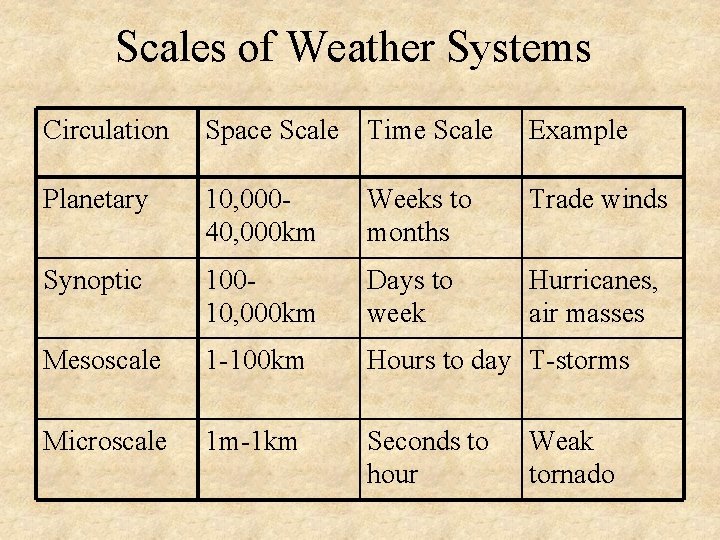
Scales of Weather Systems Circulation Space Scale Time Scale Example Planetary 10, 00040, 000 km Weeks to months Trade winds Synoptic 10010, 000 km Days to week Hurricanes, air masses Mesoscale 1 -100 km Hours to day T-storms Microscale 1 m-1 km Seconds to hour Weak tornado