
CHAPTER 8 SOCIOEMOTIONAL DEVELOPMENT IN EARLY CHILDHOOD Development

- Slides: 29
CHAPTER 8 SOCIOEMOTIONAL DEVELOPMENT IN EARLY CHILDHOOD
Development of the Self • Cognitive construction that reflects level of mental development, and social construction that reflects interactions and experiences with other people • Self-conceptions – evaluative judgments about specific areas, physical appearance, and cognitive ability • Self-esteem – global assessment of self-worth
Initiative versus Guilt • Erikson suggested that mastering new skills becomes primary goal. • Sense of initiative develops when encouraged to try things on their own. • Sense of guilt develops when parents restrict or ridicule efforts to master new skills.
Internal Working Models • Internal working models of the self develop out of attachment relationships. • Securely attached – working model of self as worthy of love • Working models – ongoing experiences can change models of the self
Family Stories • Narratives contribute to the child’s developing sense of self. • Anchor self-concept • Acquire knowledge about their culture and their place in it
Gender Development • Gender awareness – discriminate between men and women early • Gender identity – sense of self as male or female begins around 2 ½ years of age • Gender constancy – gender is permanent and immutable by 6 or 7 years of age
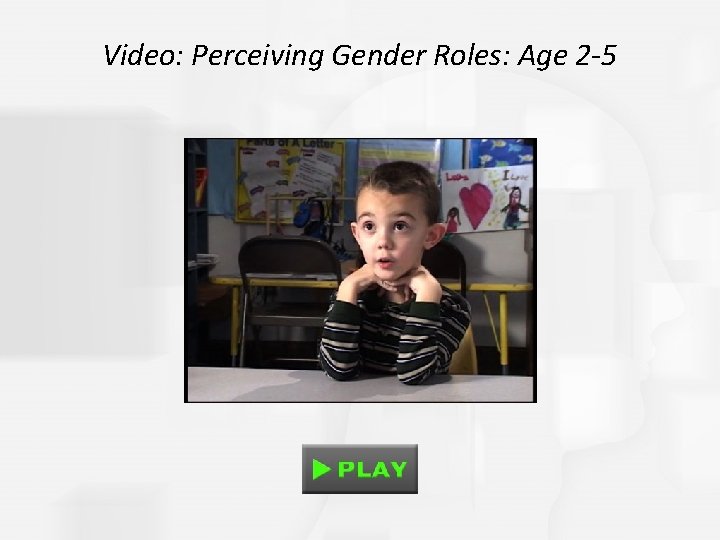
Video: Perceiving Gender Roles: Age 2 -5
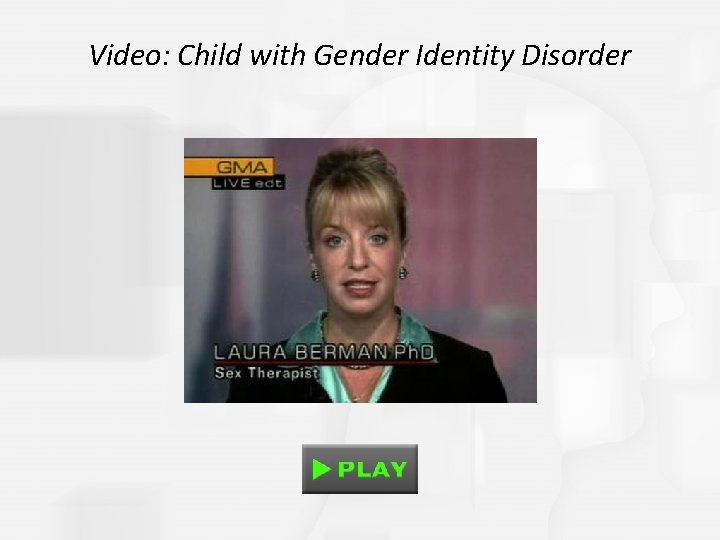
Video: Child with Gender Identity Disorder
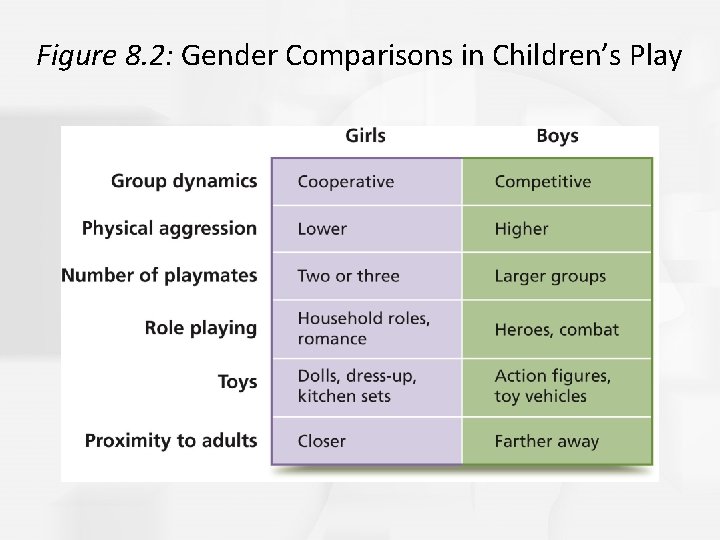
Behavioral Differences • By 3 years of age exhibiting gender typical behaviors • Same sex peer groups • Styles of play differ
Figure 8. 2: Gender Comparisons in Children’s Play
Sources of Gender Differences in Early Childhood • Biological factors – Hormonal influences on brain development and behavior • Gender Socialization – Parents and teachers expect different behaviors from boys and girls. – Media and peer influence • Gender schema – Mental networks of beliefs and expectations about males and females
Emotional Development • Understanding emotions – Between 2 -3 years of age, children begin to label own and other’s feelings. – Develop more sophisticated understanding for causes and consequences of emotions – Develop secondary or self-conscious emotions (pride, guilt, shame, embarrassment) • Emotional intelligence – Ability to monitor one’s own and others’ feelings and use that information to guide thinking and action
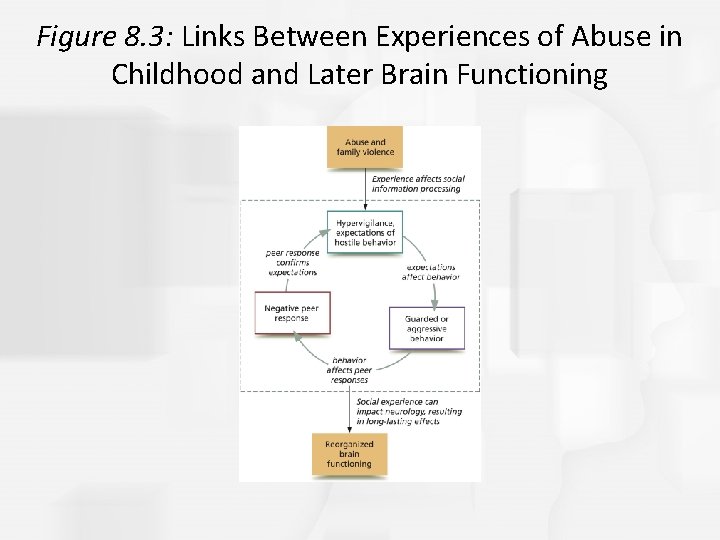
Figure 8. 3: Links Between Experiences of Abuse in Childhood and Later Brain Functioning
Regulating Emotions • Ability to inhibit, enhance, maintain, and modulate emotional arousal to accomplish a goal • Effortful control – Ability to withhold dominant response in order to make a nondominant response – Lack of effortful control is linked to externalizing behaviors.
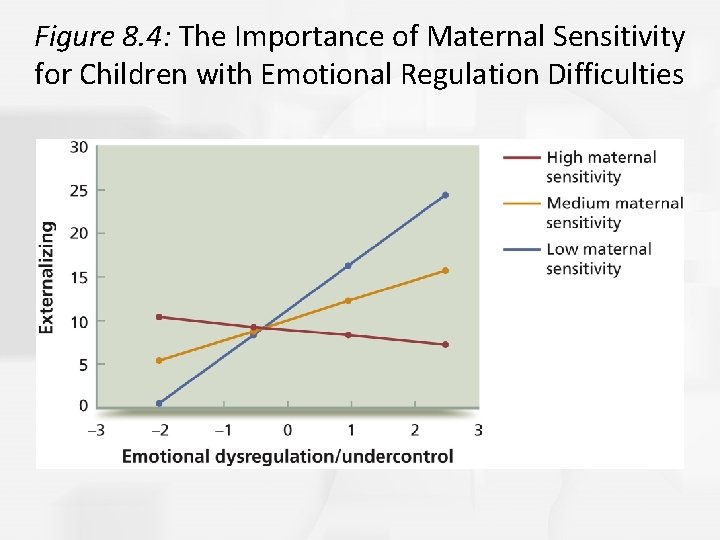
Figure 8. 4: The Importance of Maternal Sensitivity for Children with Emotional Regulation Difficulties
Emotions in a Cultural Context • Regulation of emotions occurs in cultural context. • Individualistic and collectivistic cultures
Prosocial Behaviors • Voluntary actions intended to benefit another person. • May be motivated by: – Self interest (to win praise, etc. ) – Altruism (aid that is motivated by concern without expectation of reward or escape from punishment) – Conscience (an inner sense of right and wrong)
Development of Conscience • Evidence of beginnings of conscience by 33 months of age • Factors associated with development of conscience and prosocial behaviors: – – – Effortful control Emotional regulation Intrinsic motivation Attachment Experiences in child care Cultural values
Aggression • Action intended to harm or injure other people – Physical aggression – Verbal aggression – Relational aggression • Reasons for aggression – Reactive aggression – Instrumental aggression – Hostile aggression
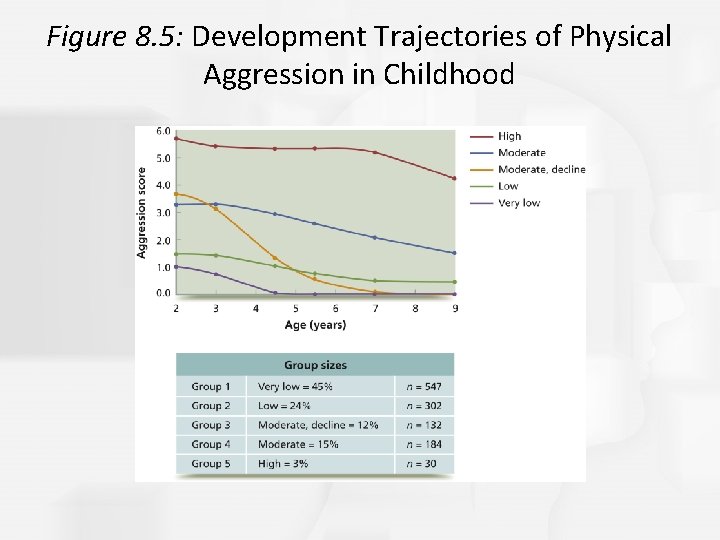
Figure 8. 5: Development Trajectories of Physical Aggression in Childhood
Aggression • Influences on Aggression – Temperament – Gender – Socialization – Child care
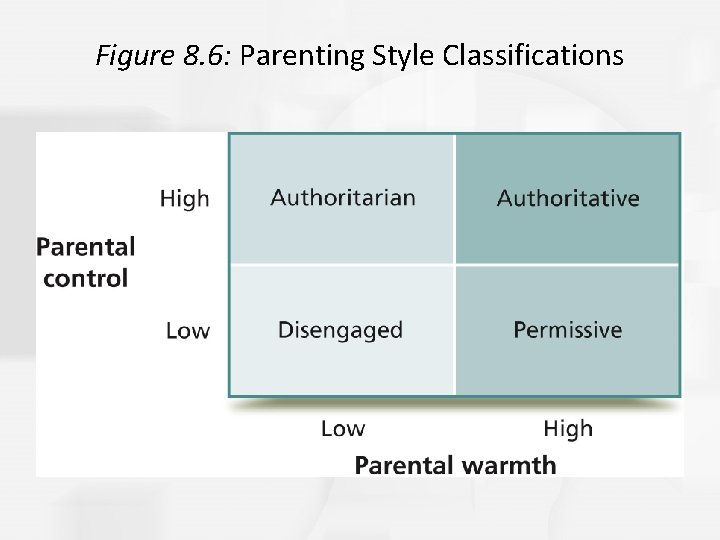
Social Relationships in Early Childhood • Parenting – Dimensions warmth/acceptance and control • • Authoritative Authoritarian Permissive Disengaged – Influence of parenting styles on social competence
Figure 8. 6: Parenting Style Classifications
Video: Family Dinners
Social Relationships in Early Childhood • Siblings – Play major role in socialization – Development of communication skills and social understanding
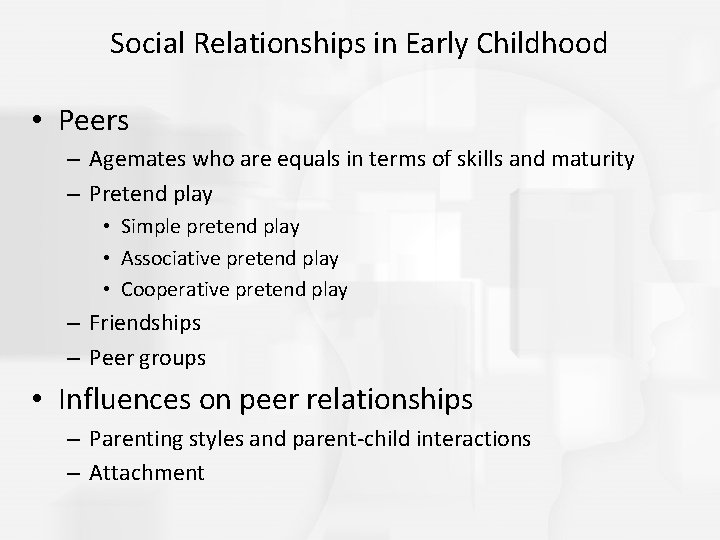
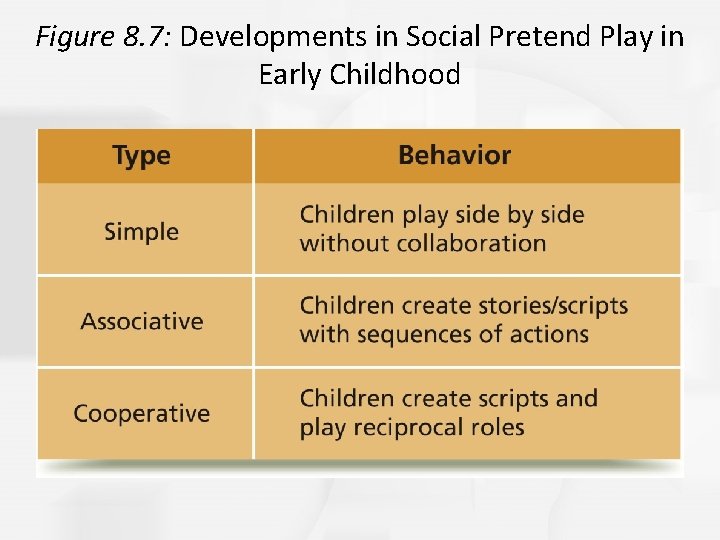
Social Relationships in Early Childhood • Peers – Agemates who are equals in terms of skills and maturity – Pretend play • Simple pretend play • Associative pretend play • Cooperative pretend play – Friendships – Peer groups • Influences on peer relationships – Parenting styles and parent-child interactions – Attachment
Figure 8. 7: Developments in Social Pretend Play in Early Childhood
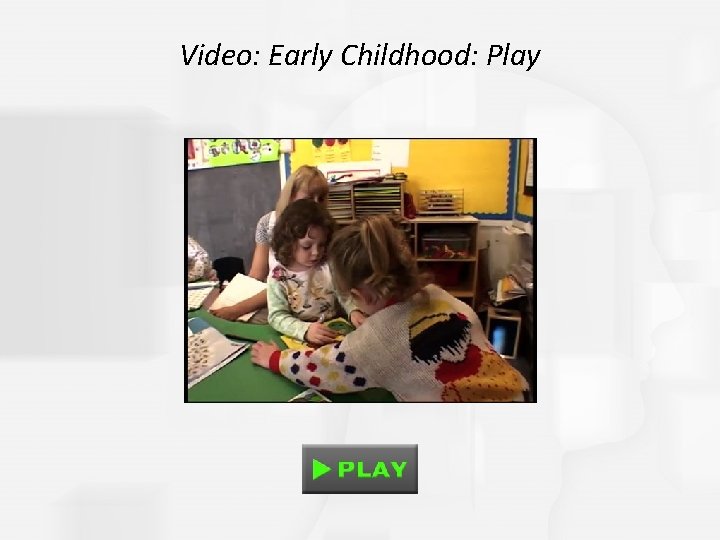
Video: Early Childhood: Play
Video: Foster Care, Part 1