
Chapter 8 Organizational Culture Learning Objectives v Describe
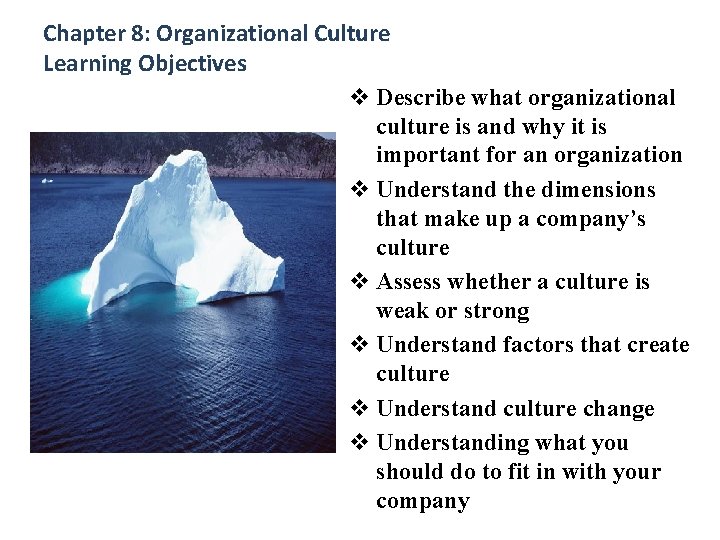
Chapter 8: Organizational Culture Learning Objectives v Describe what organizational culture is and why it is important for an organization v Understand the dimensions that make up a company’s culture v Assess whether a culture is weak or strong v Understand factors that create culture v Understand culture change v Understanding what you should do to fit in with your company
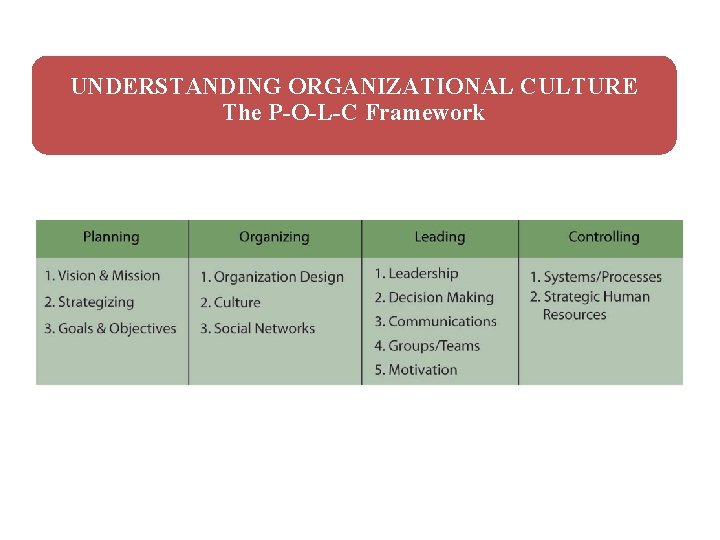
UNDERSTANDING ORGANIZATIONAL CULTURE The P-O-L-C Framework
WHAT IS ORGANIZATIONAL CULTURE? A system of shared assumptions, values, and beliefs that show people what is appropriate and inappropriate behavior It is related to the second of the three facets comprising the P-O-L-C function of Organizing The culture of the organization is closely linked to organizational design

WHY DOES ORGANIZATIONAL CULTURE MATTER? An organization’s culture may be one of its strongest assets or its biggest liability Organizational culture is an effective control mechanism dictating employee behavior Culture, or shared values within the organization, may be related to increased performance Organizations which have a rare and hard to imitate culture may enjoy a competitive advantage
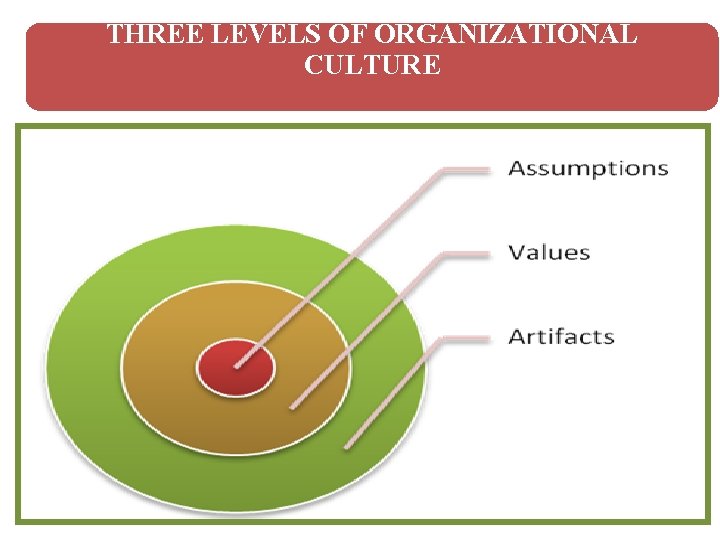
THREE LEVELS OF ORGANIZATIONAL CULTURE
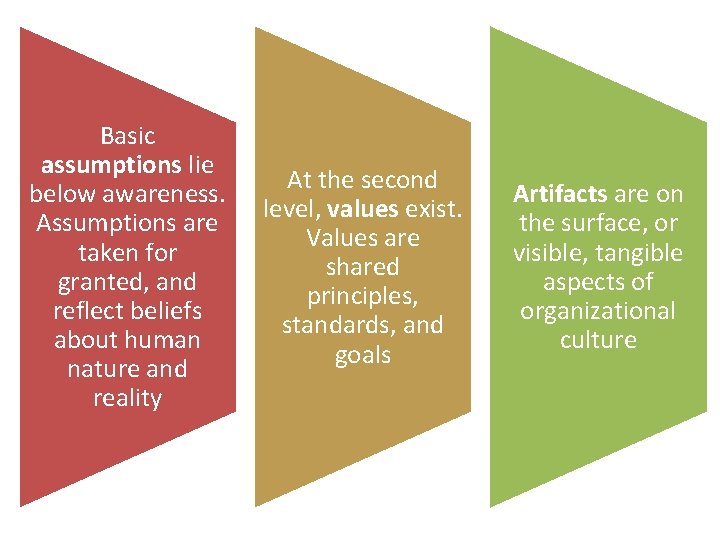
Basic assumptions lie below awareness. Assumptions are taken for granted, and reflect beliefs about human nature and reality At the second level, values exist. Values are shared principles, standards, and goals Artifacts are on the surface, or visible, tangible aspects of organizational culture
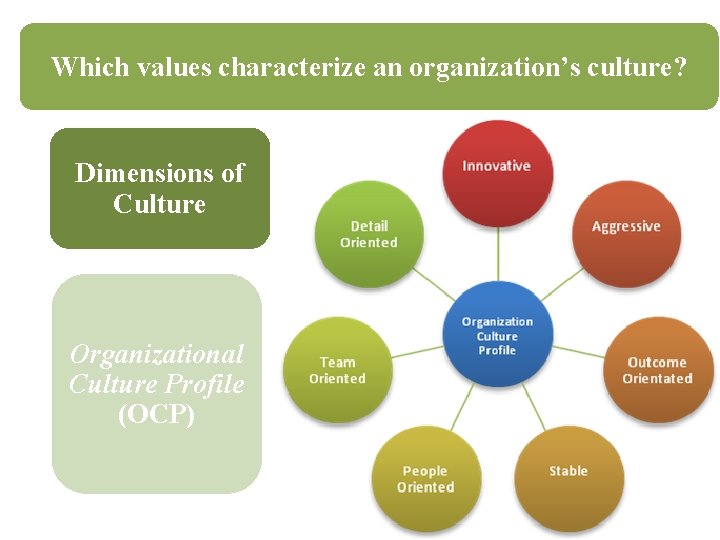
Which values characterize an organization’s culture? Dimensions of Culture Organizational Culture Profile (OCP)
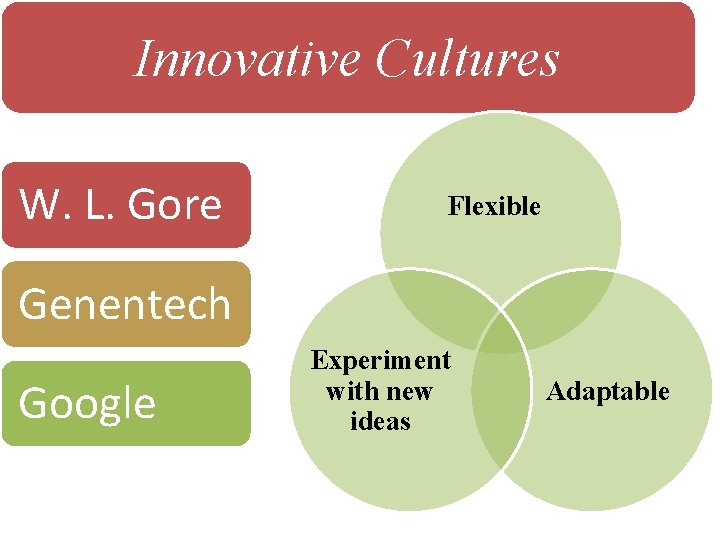
Innovative Cultures W. L. Gore Flexible Genentech Google Experiment with new ideas Adaptable
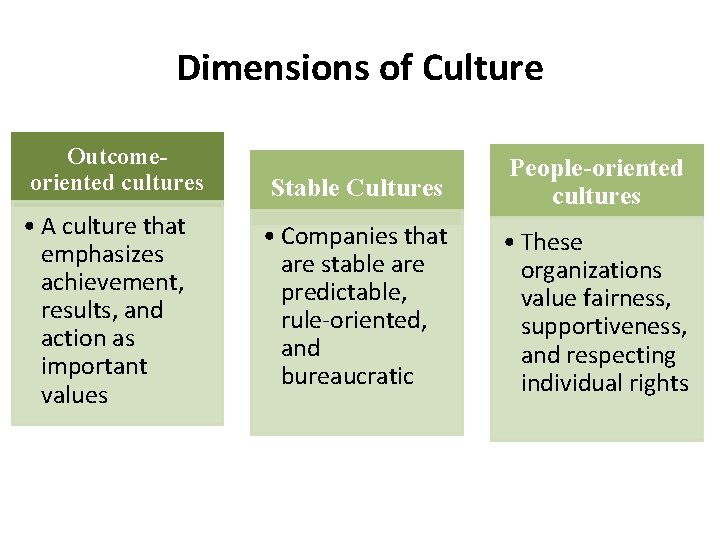
Dimensions of Culture Outcomeoriented cultures • A culture that emphasizes achievement, results, and action as important values Stable Cultures People-oriented cultures • Companies that are stable are predictable, rule-oriented, and bureaucratic • These organizations value fairness, supportiveness, and respecting individual rights
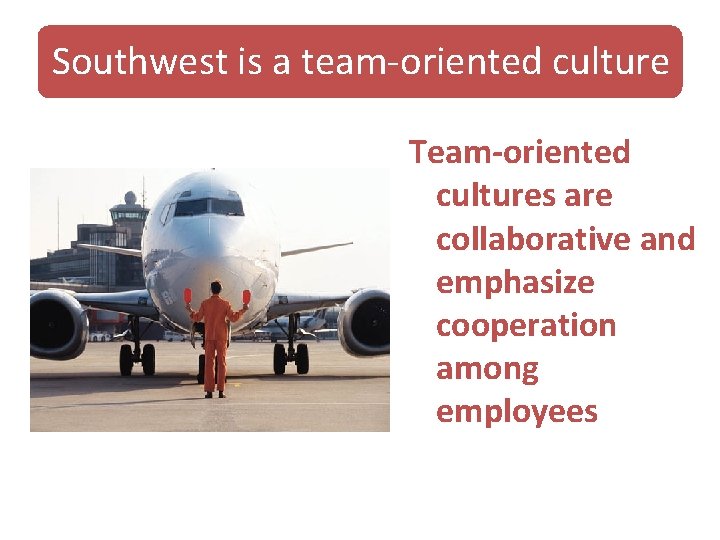
Southwest is a team-oriented culture Team-oriented cultures are collaborative and emphasize cooperation among employees
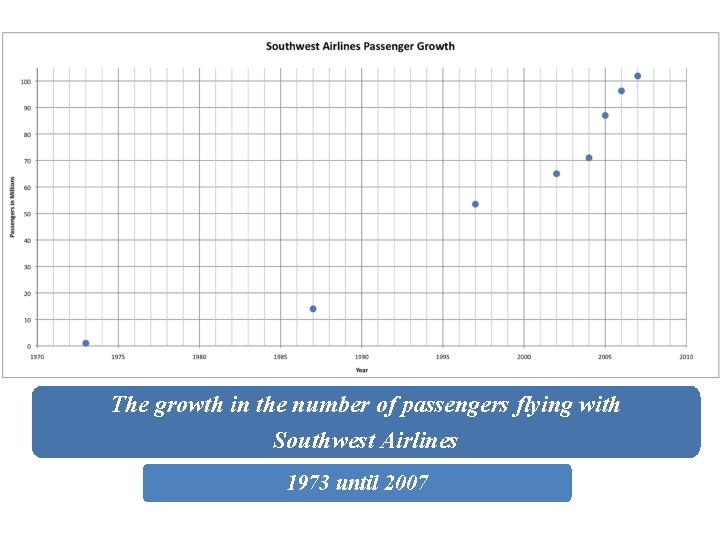
The growth in the number of passengers flying with Southwest Airlines 1973 until 2007
Detail-oriented culture A culture that is characterized in the OCP framework as emphasizing precision and paying attention to details
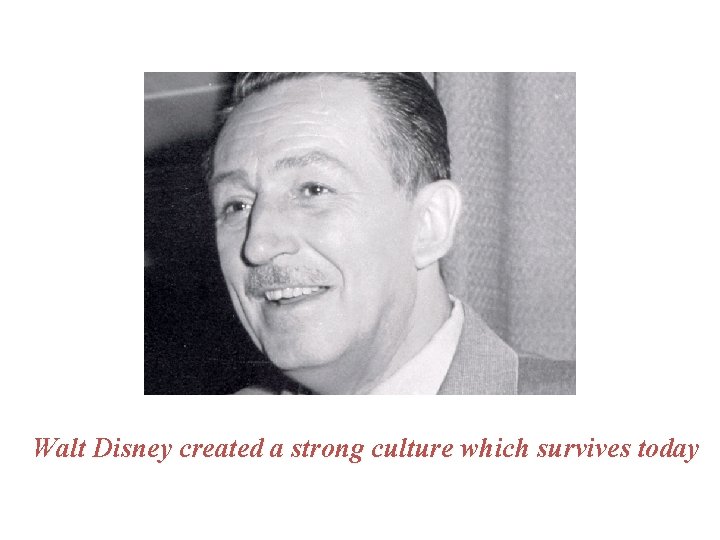
STRENGTH OF CULTURE Walt Disney created a strong culture which survives today
Challenges of a Strong Culture Difficult to change Can be a liability during a merger as each separate culture must merge together
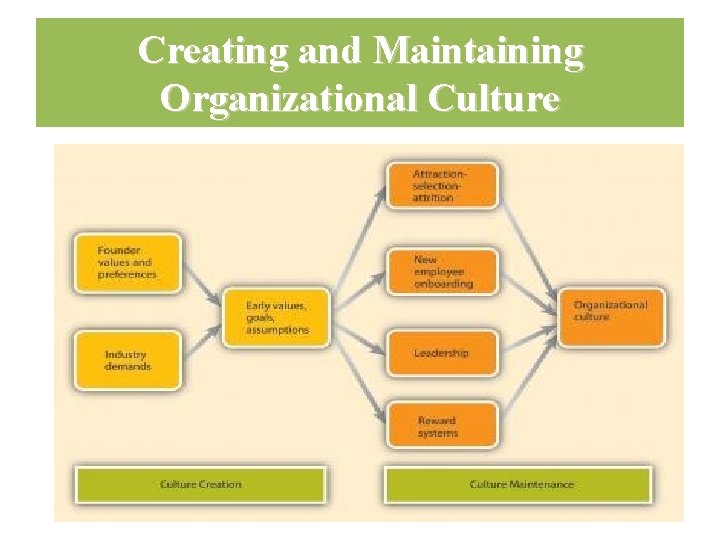
Creating and Maintaining Organizational Culture
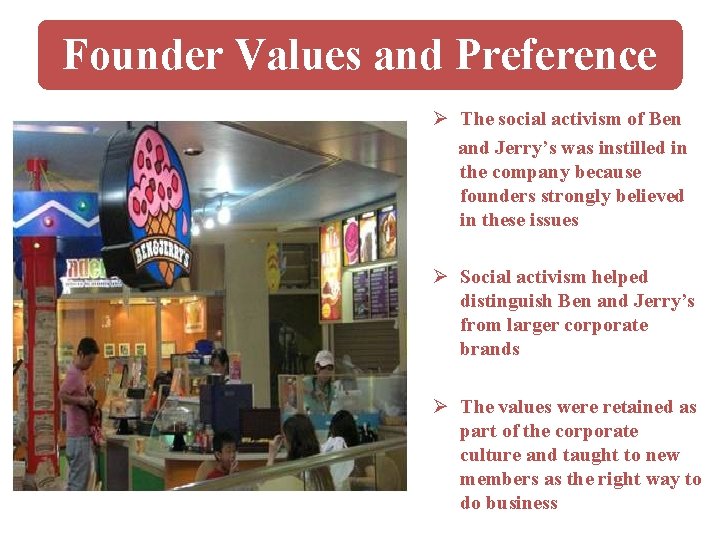
Founder Values and Preference Ø The social activism of Ben and Jerry’s was instilled in the company because founders strongly believed in these issues Ø Social activism helped distinguish Ben and Jerry’s from larger corporate brands Ø The values were retained as part of the corporate culture and taught to new members as the right way to do business
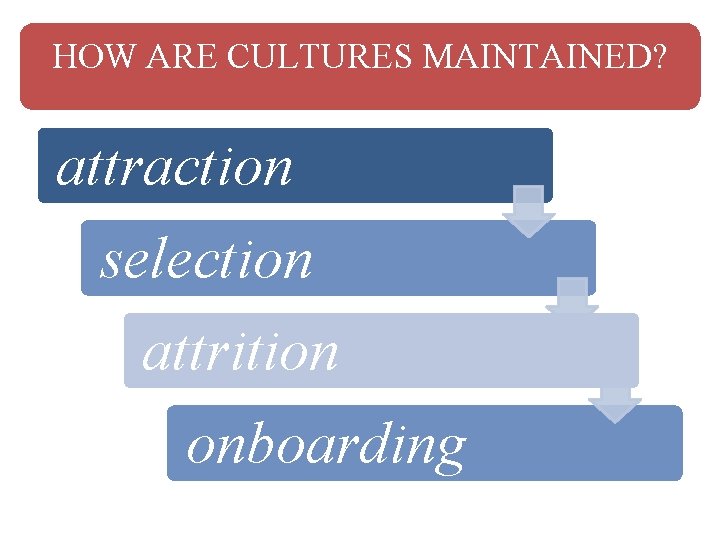
HOW ARE CULTURES MAINTAINED? attraction selection attrition onboarding
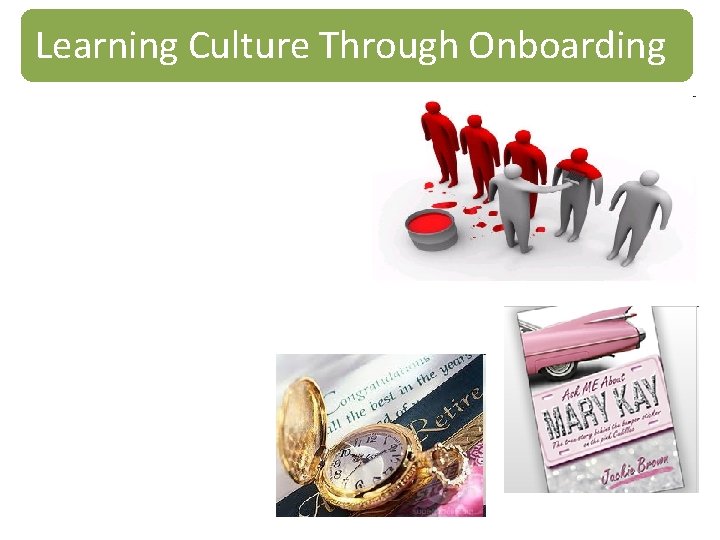
Learning Culture Through Onboarding
Onboarding Methods
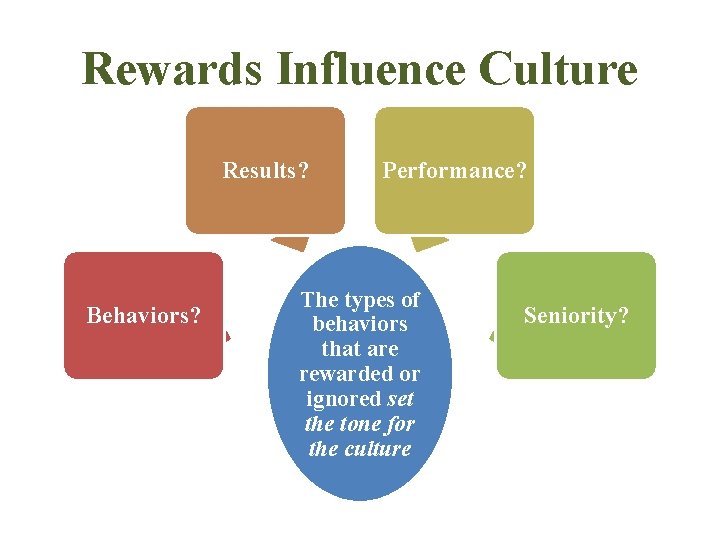
Rewards Influence Culture Results? Behaviors? Performance? The types of behaviors that are rewarded or ignored set the tone for the culture Seniority?
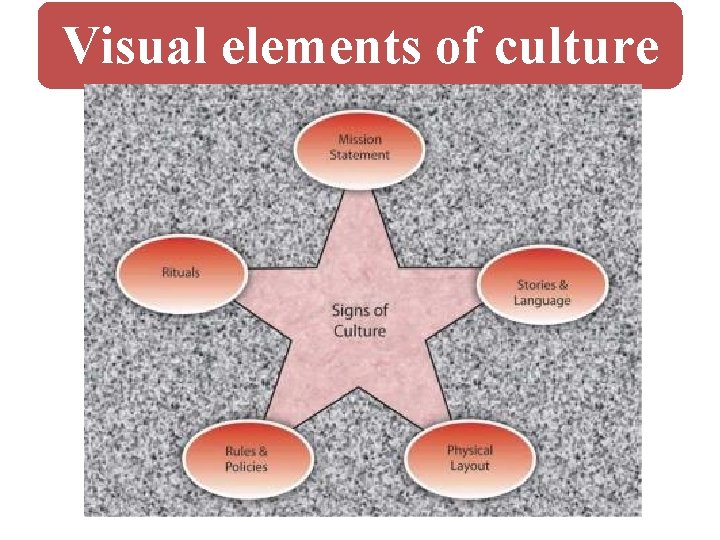
Visual elements of culture
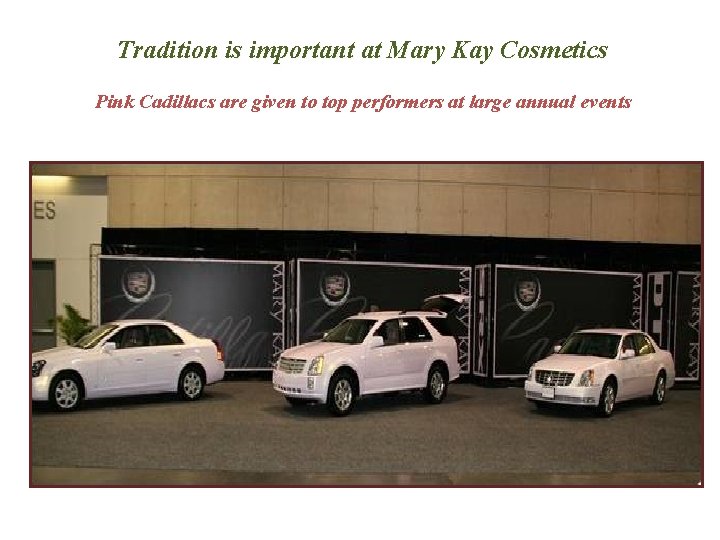
Tradition is important at Mary Kay Cosmetics Pink Cadillacs are given to top performers at large annual events
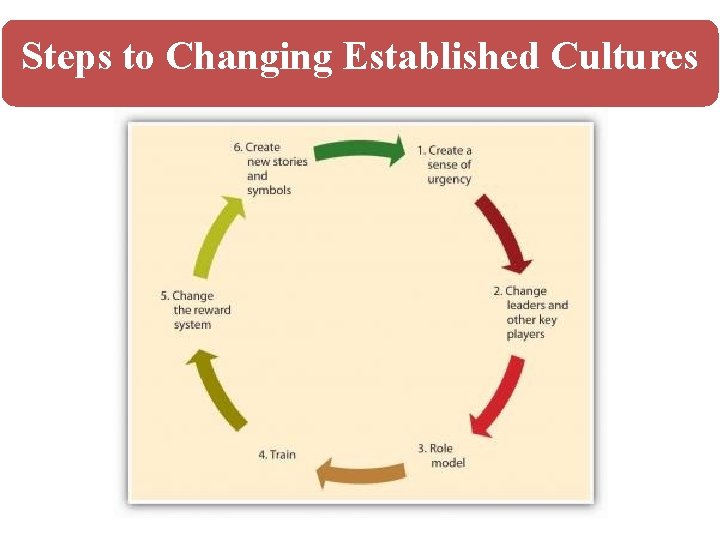
Steps to Changing Established Cultures
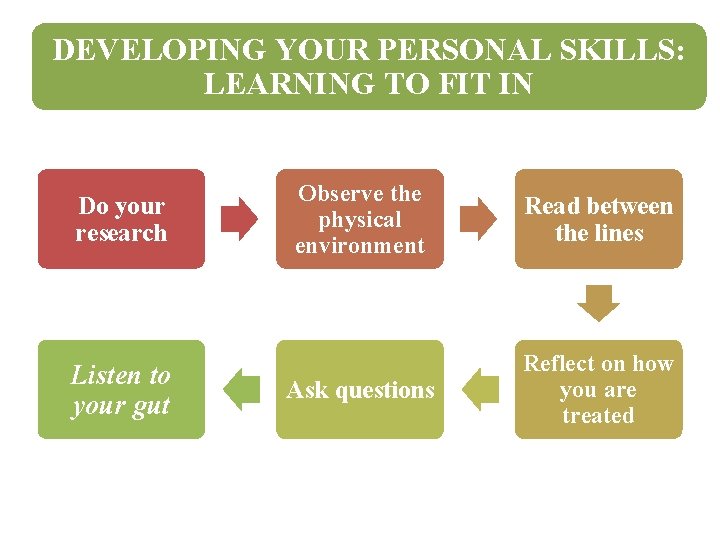
DEVELOPING YOUR PERSONAL SKILLS: LEARNING TO FIT IN Do your research Listen to your gut Observe the physical environment Read between the lines Ask questions Reflect on how you are treated
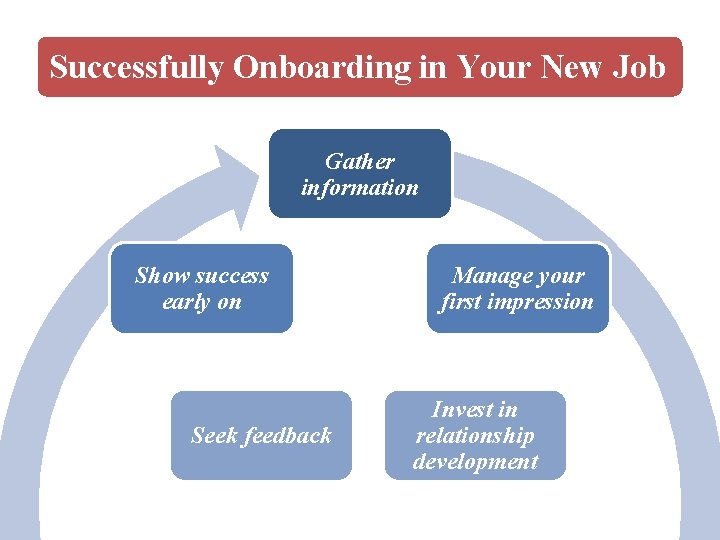
Successfully Onboarding in Your New Job Gather information Show success early on Seek feedback Manage your first impression Invest in relationship development
- Slides: 25