
CHAPTER 8 NUTRITION BASICS ENERGY AND NUTRIENTS COMING
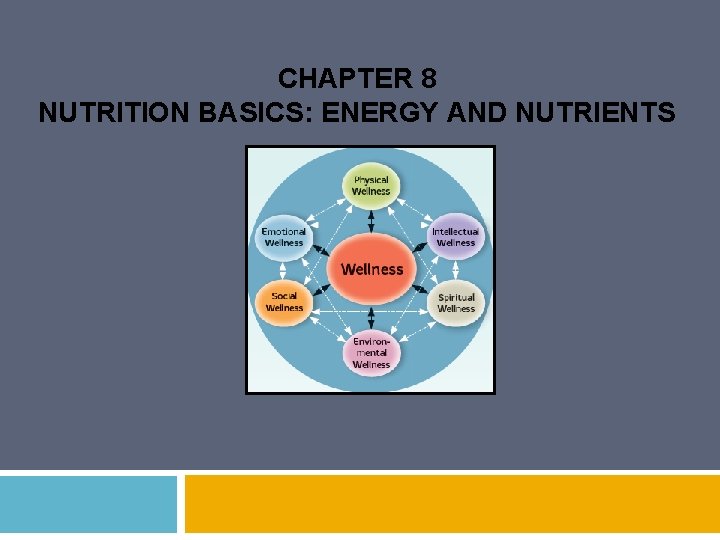
CHAPTER 8 NUTRITION BASICS: ENERGY AND NUTRIENTS
COMING UP IN THIS CHAPTER 2 Learn about the sources of energy in your diet Discover essential nutrients for your health and wellness Use food labels to compare the energy and nutrients in food choices Measure your energy and nutrient intake against recommended intakes—and identify areas of concern for you

3 Dietary Components and Concepts Q I’m already thin so does it matter what I eat? Dietary patterns are important no matter your size Consequences of a diet that is not balanced: Short term: reduced energy, impaired body processes Long term: health risks, disease Appropriate energy intake now is key to optimal functioning of your body
4 Macronutrients, Micronutrients, and Energy Q Do we really need to eat from all the food categories? No one food contains everything you need Nutrients Must be obtained from food Required for growth and survival Carbohydrates, fats, proteins, vitamins, minerals, water More…
5 Macronutrients, Micronutrients, and Energy Macronutrients Nutrients, such as carbohydrates, proteins, and fats, that provide calories and that you need to consume in fairly large amounts Micronutrients Nutrients in the form of vitamins and minerals Needed in small amounts Provide compounds that liberate energy from macronutrients and regulate chemical reactions in the body

FIGURE 8 -1 DIETARY INTAKE OF SELECTED NUTRIENTS AND FOODS IN COMPARISON TO RECOMMENDED INTAKE OR LIMIT 6
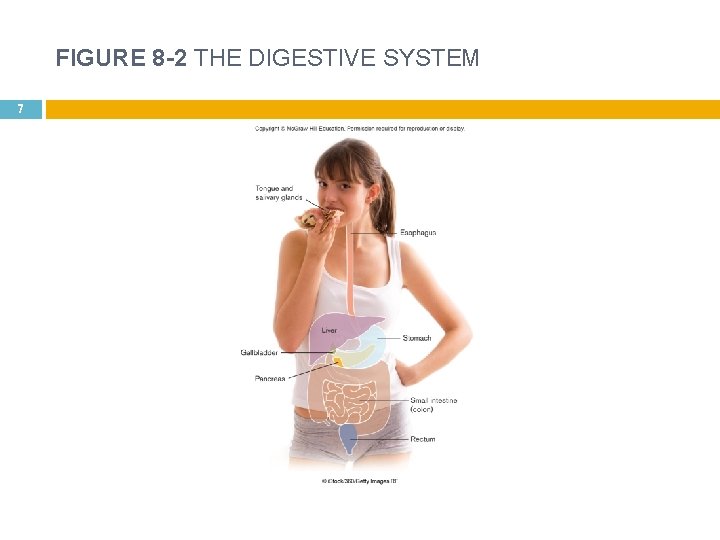
FIGURE 8 -2 THE DIGESTIVE SYSTEM 7
8 Macronutrients, Micronutrients, and Energy Q What exactly is a calorie? A calorie is a measure of the energy in a food, as well as a measure of the energy burned through physical activity Kilocalorie is the amount of energy required to raise the temperature of 1 kilogram of water by 1° Celsius

9 Energy and Nutrient Recommendations Q How much should I eat each day? This depends on sex, age, weight, activity level Between Dietary 1, 600 and 3, 600 calories per day Reference Intakes (DRIs) Specify the recommended intake of nutrients for Americans of all ages Helps prevents nutrient deficiencies and reduces risk of chronic disease Tracking what you eat for a few days is a good way to get a good picture of your current diet
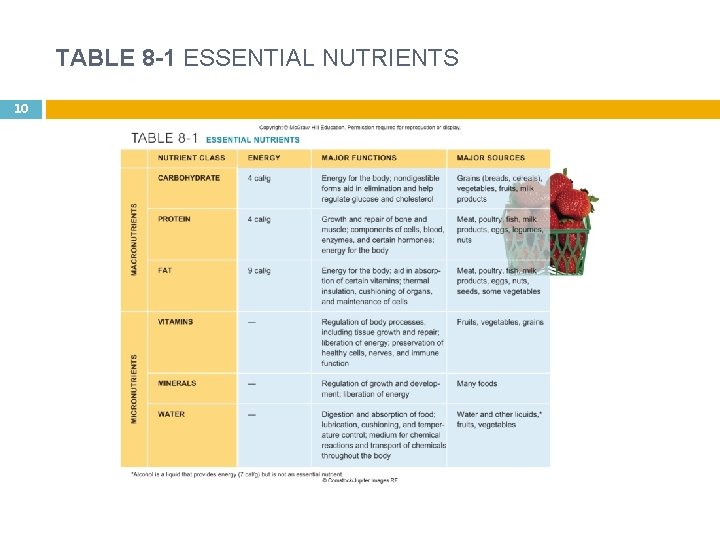
TABLE 8 -1 ESSENTIAL NUTRIENTS 10
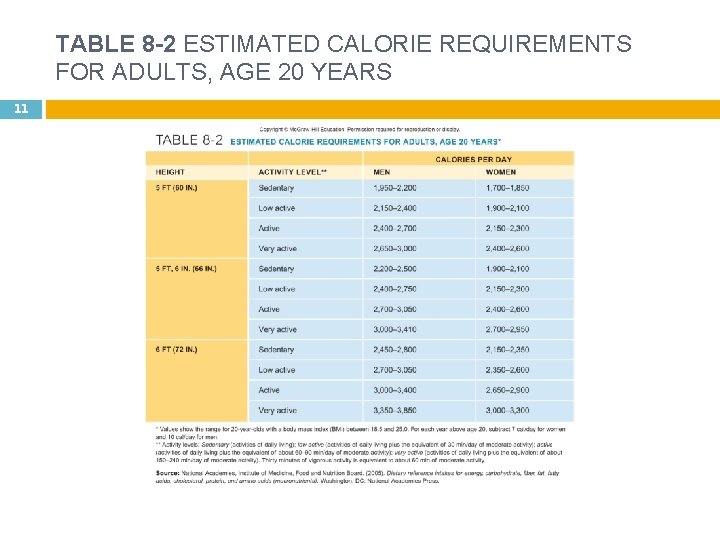
TABLE 8 -2 ESTIMATED CALORIE REQUIREMENTS FOR ADULTS, AGE 20 YEARS 11
12 Energy Density and Nutrient Density Q Is there really such a thing as the “best” food? Nutrient rich: Low in calories, naturally abundant in vitamins, minerals, and other beneficial food compounds Nutrient-dense foods are usually high in both water and fiber Energy The density: amount of energy in a food per unit of weight Foods with high energy density tend to be processed and provide a large number of calories per serving

13 The American Diet and Recommended Dietary Guidelines for Americans, 2010 Departments of Agriculture and Health and Human Services Guidelines issued every five years Incorporate DRIs, reflect expert reviews of nutrition research Two overarching recommendations: Maintain calorie balance over time to achieve and sustain healthy weight Focus on consuming nutrient-rich foods and beverages
Carbohydrates 14 Carbohydrates: a category of essential nutrients that includes sugar, starches, and dietary fiber Main component of bread, pasta, cereal, grains, vegetables, fruit When carbohydrates are digested they break down into glucose Glucose that is not immediately needed can be converted into glycogen Excess consumption can lead to weight gain and increased body fat

15 Simple and Complex Carbohydrates Q What’s the difference between a simple carb and complex carbs? Simple carbohydrates occur naturally (as opposed to refined sugars) Glucose, sucrose, fructose, and lactose Often added to foods during processing and preparation and at the table Added sugars provide calories but few other essential nutrients Complex Wheat, carbohydrates oats, rice, legumes, other vegetables
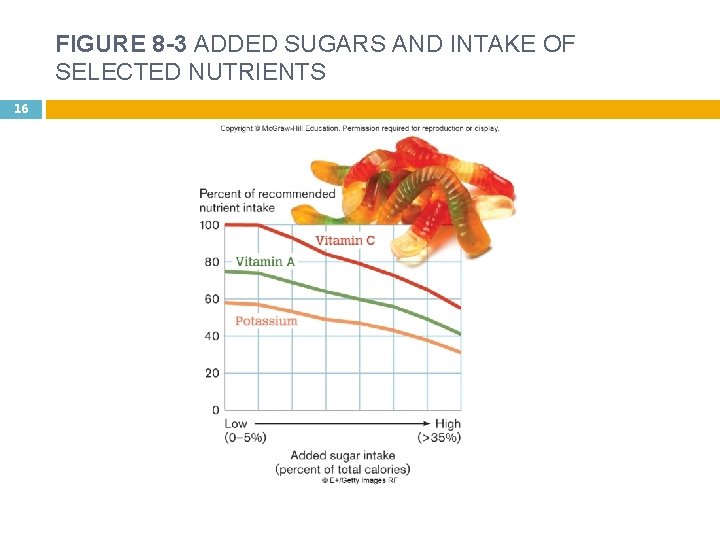
FIGURE 8 -3 ADDED SUGARS AND INTAKE OF SELECTED NUTRIENTS 16
17 Simple and Complex Carbohydrates Whole grains contain the entire seed Bran: outer protective covering; rich in fiber and contains several vitamins Germ: inner part of the seed; contains vitamins Endosperm: center of the seed; contains complex carbohydrates Refined whole grains Refining strips whole grains of their germ and bran Only the starchy endosperm remains Most of the nutrients removed
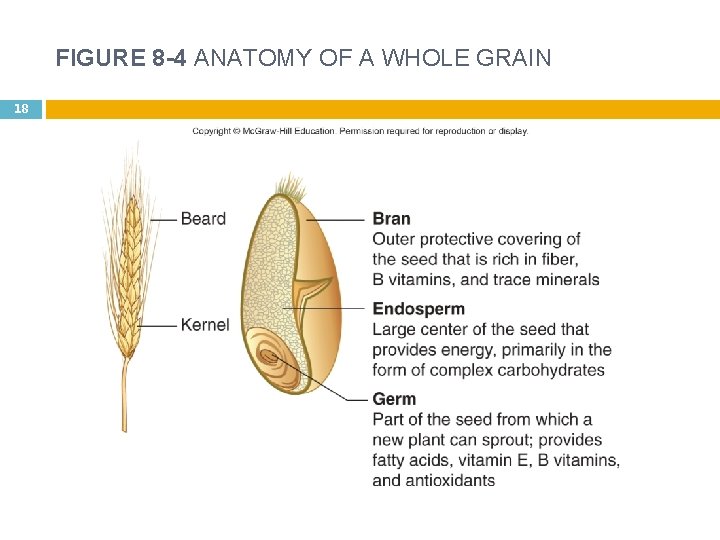
FIGURE 8 -4 ANATOMY OF A WHOLE GRAIN 18
19 Recommended Carbohydrate Intake Q Will eating carbs make me fat? DRI minimum is about 130 grams for adults Most Americans should consume more Acceptable Macronutrient Distribution Ranges (AMDRs) Range of healthy values for intake of macronutrients Suggest carbs make up 45– 65% of total daily calories Only 5– 15% of total daily calories should come from solid fats and added sugars (So. FAS)
Fiber 20 Q What’s the deal with fiber? Isn’t that like prune juice for old people? Dietary fiber is a nondigestible carbohydrate with tremendous health benefits Soluble (viscous) fiber Improves insulin sensitivity Delays the return of hunger Improves the removal of cholesterol Insoluble fiber Makes bulky and softer stools Makes elimination easier and more complete
Fiber 21 Q What are the best sources of fiber? Found in whole grain products, whole fruits with the skin, legumes, high-fiber cereals Recommended: 14 grams per 1, 000 calories Glycemic How quickly carbohydrates increase blood glucose Simple carbs create a faster increase Follow index (GI) GI principles: Choose foods high in fiber Choose fresh or raw foods Limit intake of added sugars
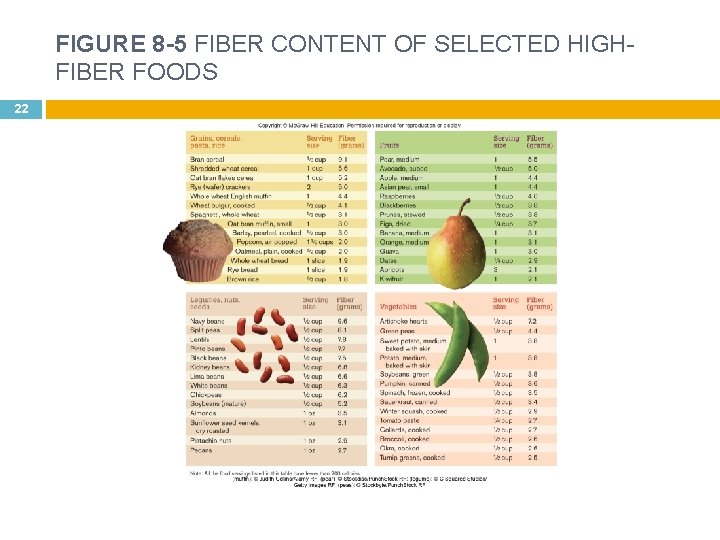
FIGURE 8 -5 FIBER CONTENT OF SELECTED HIGHFIBER FOODS 22
Protein 23 Protein is an essential nutrient that is the major structural component of all body cells Needed for repair and growth of muscle and bone Also functions as enzymes and hormones 4 calories per gram Energy not liberated as easily, so not considered primary energy source of fuel for body
Complete and Incomplete Proteins 24 Q Is red meat the best kind of protein? Red meat is a good source of protein, but there is more to the story Protein is made up of molecules called amino acids The building blocks of the body’s protein molecules Non-essential amino acids (11) can be made by the body Essential amino acids (9) cannot be made by the body and must be supplied by diet Complete proteins contain all essential amino acids Incomplete proteins lack one or more essential amino acids
Complete and Incomplete Proteins 25 Sources of proteins: Complete proteins: meat, fish, dairy products, eggs, soy Incomplete proteins: legumes, nuts, seeds, whole grains For plant proteins, consume a sufficient variety Complimentary protein pairs Plant foods contain fiber and are lower in fat and calories A variety of protein sources is the best plan
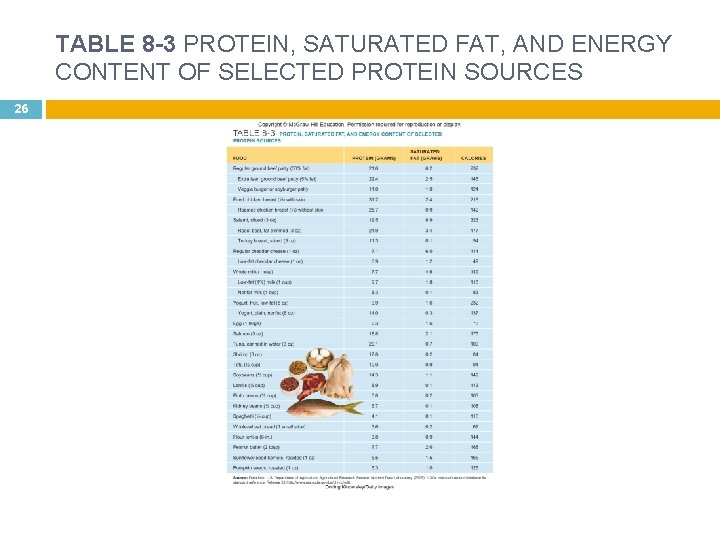
TABLE 8 -3 PROTEIN, SATURATED FAT, AND ENERGY CONTENT OF SELECTED PROTEIN SOURCES 26
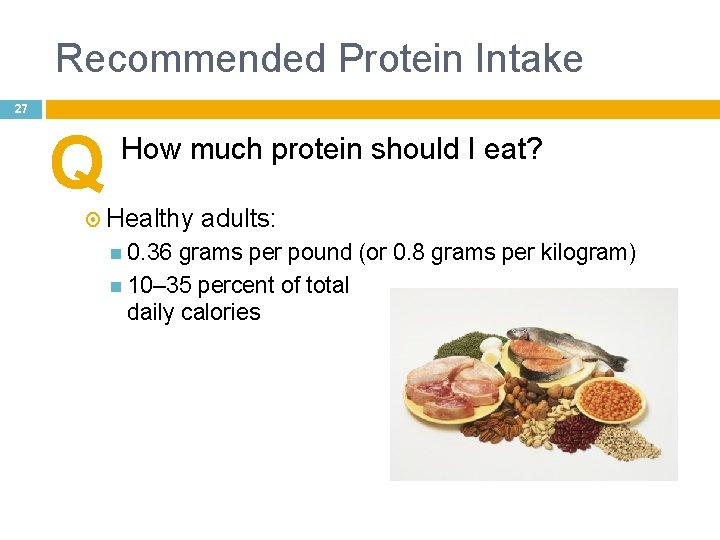
Recommended Protein Intake 27 Q How much protein should I eat? Healthy 0. 36 adults: grams per pound (or 0. 8 grams per kilogram) 10– 35 percent of total daily calories
Fats 28 Q I know, I know—fats are bad and should be avoided, right? Some fats are good Cellular integrity Healthy reproduction Absorption of fat-soluble vitamins Cushioning of organs Thermal insulation Energy (9 calories per gram)
Types of Fats 29 Fats in foods are made up of different types of fatty acids Triglycerides: the major form of fat found in foods and stored in the body Consists of three fatty-acid molecules and a glycerol molecule More…
Types of Fats 30 Q Saturated fats, trans fats… What’s the difference? Saturated fatty acids are solid at room temperature Butter Increase LDL; and associated with insulin resistance The body makes all saturated fats it needs; it doesn’t need any from diet Replace saturated with unsaturated fats More…
Types of Fats 31 Unsaturated fatty acids are liquid at room temperature Oils Consumed Trans moderately, they pose little health risk fats Produced during hydrogenation (hydrogen atoms added into them so they are more resistant to spoilage) Yields a new type of fat called trans fatty acids Raise LDL levels and lower HDL levels The less trans fat in your diet, the better
Types of Fats 32 Q Is it true that fish oil is good for you? Omega-3 fatty acids are found in certain fish They are considered heart healthy: reduce blood clots and inflammation; normalize hearth rhythms Tuna, salmon, herring, sardines, trout, mackerel, anchovies Caution: fish can contain mercury and other heavy metals Plant sources: flaxseed and walnut oils Other essential fatty acids in the human diet: alpha-linolenic acid (ALA) and linoleic acid

FIGURE 8 -6 TYPES OF FATS 33
Cholesterol 34 Q Which is the good and which is the bad cholesterol? Dietary cholesterol is found only in animal products Consuming dietary cholesterol in moderation is OK Limiting saturated and trans fats is key Blood cholesterol circulates through your body in protein packages called lipoproteins Low-density lipoprotein (LDL) High-density lipoprotein (HDL) More…
Cholesterol 35 Phytosterol Found naturally in plant foods Competes with dietary cholesterol for absorption, resulting in lower blood cholesterol levels
Water 36 Q Why is drinking water important? Water is a vital nutrient needed for digestion and absorption of food Main ingredient in blood; provides lubrication, cushioning, temperature control To maintain a healthy water balance and sustain life, you must consume enough fluids to balance what you lose through urine, sweat, evaporation in the lungs, and bowel movements
Sources of Water 37 Q Can I drink juice or soda instead of water? On average, fluids are 80% of your daily water intake; food provides 20% Water (obviously the best source for hydration) Juice Fruits Vegetables Soft drinks: loaded with sugar and chemicals
Recommended Water Intake 38 Q Don’t I need eight glasses of water a day? Drinking eight glasses of water a day was long considered the norm Dietary guidelines for Americans, 2010 Reinforces that the combination of quenching thirst and practicing usual drinking patterns (especially fluid consumption with meals) is sufficient to maintain a normal level of hydration in most cases Daily intake may vary between individuals
Vitamins and Minerals 39 Q Are minerals different from vitamins? Vitamins are organic compounds Humans need 14 different types Necessary for regulation of certain body functions Tissue growth; releasing energy from nutrients; preserving healthy cells, maintaining nerves, skeletal tissue, red blood cells, immune function Minerals Humans are inorganic compounds need 17 different types Essential for metabolism, growth and development, regulation of cell activity
Vitamins and Minerals 40 Vitamins Water-soluble vitamins Vitamin C and the B vitamins Travel through blood; excess excreted in urine Must be regularly replaced Fat-soluble vitamins Vitamins A, D, E, and K Absorbed differently; can be stored in liver, fatty tissues Not as critical to consume daily
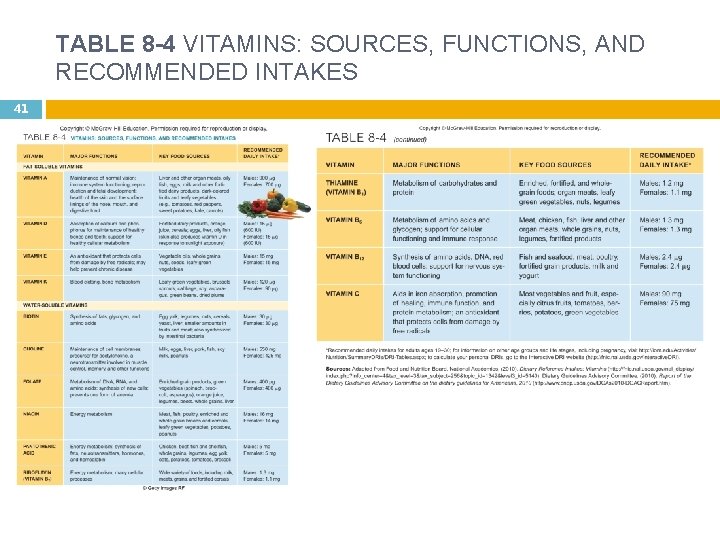
TABLE 8 -4 VITAMINS: SOURCES, FUNCTIONS, AND RECOMMENDED INTAKES 41
Vitamins and Minerals 42 Minerals Major minerals are required in large amounts— more than 100 mg/day Sodium, calcium, phosphorus, magnesium, potassium, chloride Trace minerals are required in smaller amounts Copper, fluoride, iodine, iron, selenium, zinc
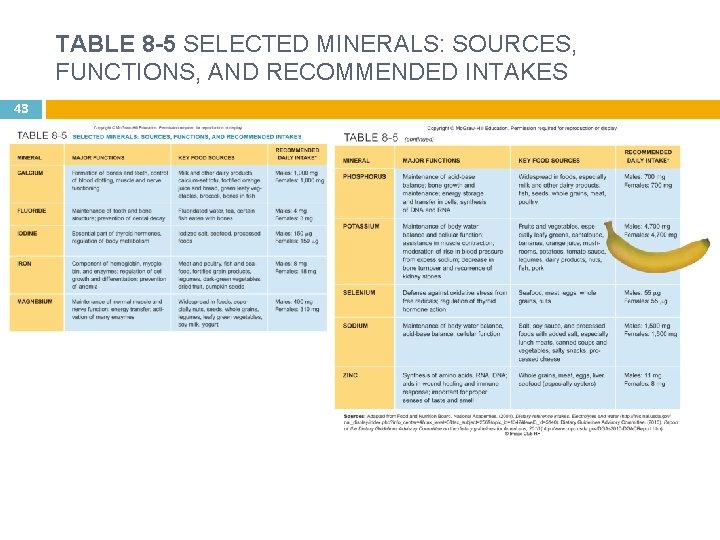
TABLE 8 -5 SELECTED MINERALS: SOURCES, FUNCTIONS, AND RECOMMENDED INTAKES 43
44 Sources and Recommended Intakes of Vitamins and Minerals There are two sets of standards: Recommended Dietary Allowances (RDAs) Established to meet the essential vitamin and mineral needs of almost all individuals Adequate Set Intakes (AIs) if there is insufficient data to set an RDA
45 Sources and Recommended Intakes of Vitamins and Minerals Q Is it really possible to eat all the recommended vitamins each day? Most Americans can meet their entire vitamin and mineral needs by eating nutrient-rich foods without supplements Vitamins and minerals are abundant in food, especially in whole grains, vegetables, fruits, legumes, lean meats, and nonfat dairy products
46 Sources and Recommended Intakes of Vitamins and Minerals Q Can you overdose on vitamins? Excess intake of a vitamin or mineral may cause illness immediately or over time Fat-soluble vitamins are of concern because they are stored in the body (vitamins A, D, E, K) Vitamin A is of particular concern Be aware of the Tolerable Upper Intake Level (UL) The highest level of daily intake of a nutrient that is likely to pose no risk of adverse health effects
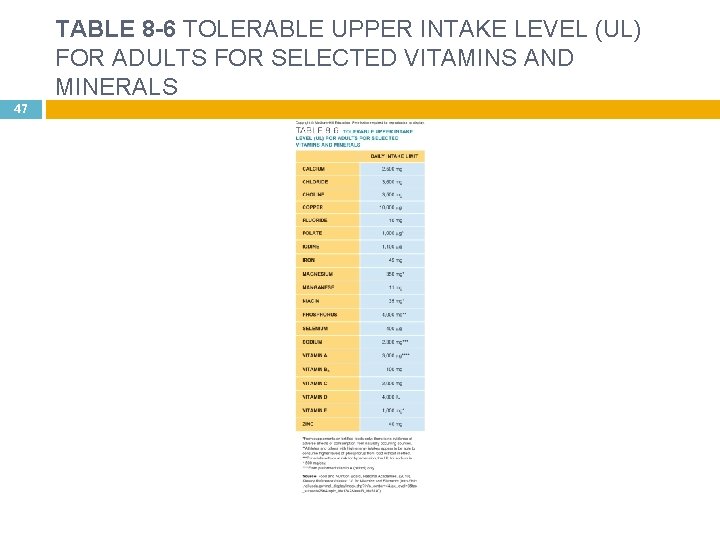
TABLE 8 -6 TOLERABLE UPPER INTAKE LEVEL (UL) FOR ADULTS FOR SELECTED VITAMINS AND MINERALS 47
48 Sources and Recommended Intakes of Vitamins and Minerals Antioxidants May protect cells from free radicals Member of a broader class of compounds known as phytochemicals Found in plants; may have positive health effects, but have not been classified as essential nutrients Current evidence supports a diet high in antioxidants and other disease-protecting nutrients instead of supplements
49 Vitamins and Minerals of Special Concern Q How much milk should I be drinking? Most Americans are short on calcium and vitamin D Critical in the formation of healthy bones, teeth Deficiency can lead to osteoporosis Milk the richest source of both Ultraviolet Skin radiation helps skin produce vitamin D cancer concerns; northern climates Consider eating foods fortified with these nutrients
50 Vitamins and Minerals of Special Concern Q I love salty foods; can I be eating too much? Excess sodium consumption can raise blood pressure, contribute to hypertension Increased potassium can lower blood pressure and reduce sodium’s negative effects Has been shown to: Reduce cardiovascular disease death Cut medical costs Decrease bone loss Reduce risk of kidney stones
51 Special Recommendations for Specific Groups Q My girlfriend is a vegetarian. What should she be doing for her vitamins? Most vegetarians don’t experience any real vitamin deficiencies Vitamin B 12 is a problem for vegans because it is only found in animal foods Iron in plant form is harder for the body to absorb Can lead to anemia Folic acid All women should be concerned with consuming adequate amounts
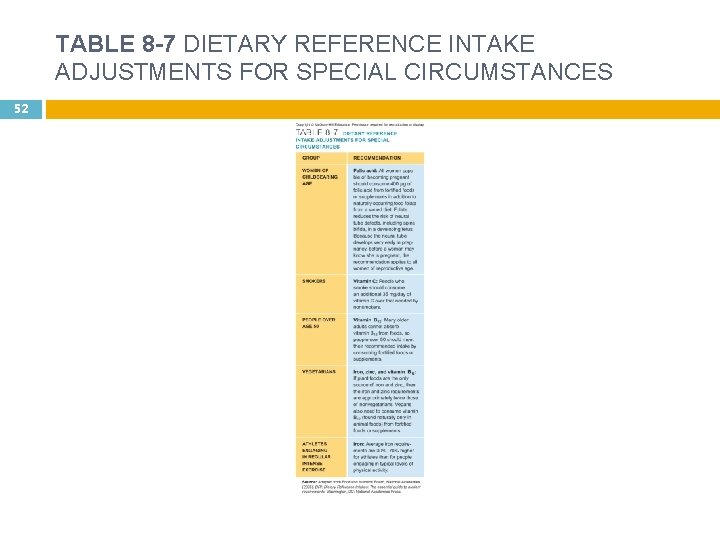
TABLE 8 -7 DIETARY REFERENCE INTAKE ADJUSTMENTS FOR SPECIAL CIRCUMSTANCES 52
Choosing and Using Supplements 53 Q I’m trying to stay healthy, so which supplements should I take? Supplements Research are not regulated by the FDA supplements; look for “seals of approval” It is best to obtain your essential nutrients from food rather than relying on supplements There is no evidence that supplements prevent chronic diseases in the general, healthy population There are some special population groups that may benefit from supplements
54 Food Labels: An Important Tool for Consumers Q Should I bother with food labels? Food labels are meant to be a means of informing consumers of calorie content and nutrition breakdown Regulated by the FDA For current labels, the percentages refer to Daily Values (DVs) Standards used on food labels help you place the food in the context of your overall daily diet Based on a diet of 2, 000 calories a day
55 Food Labels: An Important Tool for Consumers Three things to keep in mind about food labels: Numbers can be rounded off Use caution when reading claims on the front of food packages Some claims and aspects of packaging are more closely regulated than others Consider the full profile of the food
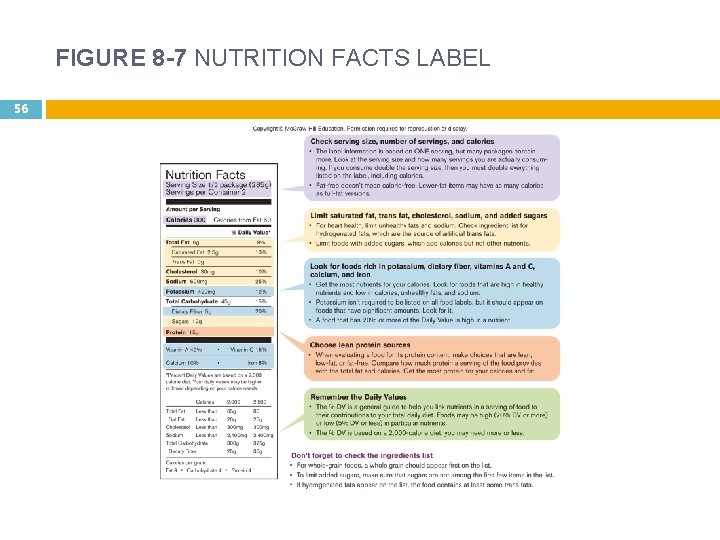
FIGURE 8 -7 NUTRITION FACTS LABEL 56
57 Assessing Your Diet for Energy and Nutrient Intakes There are many different ways to assess your diet Track to assess your diet Keep a food log Don’t underestimate portion sizes A few days of data collection will give you a realistic portrait of your typical diet
- Slides: 57