
CHAPTER 8 Management Skills 3 Communicating COMMUNICATION The

- Slides: 39
CHAPTER 8: Management Skills 3: Communicating
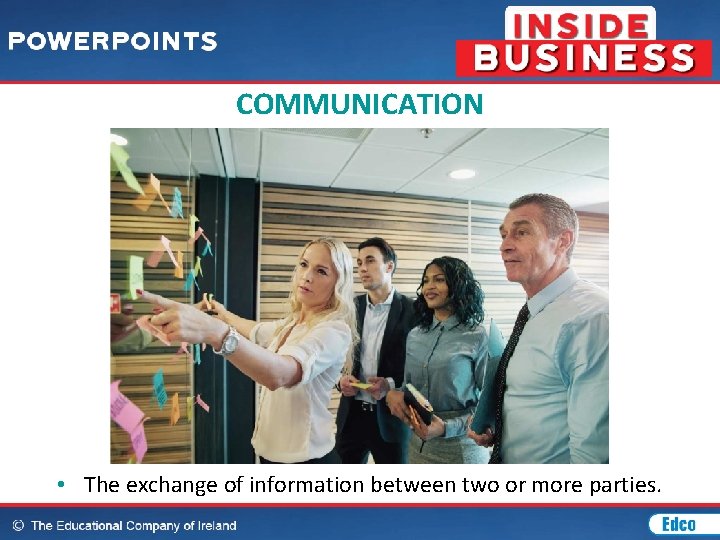
COMMUNICATION • The exchange of information between two or more parties.
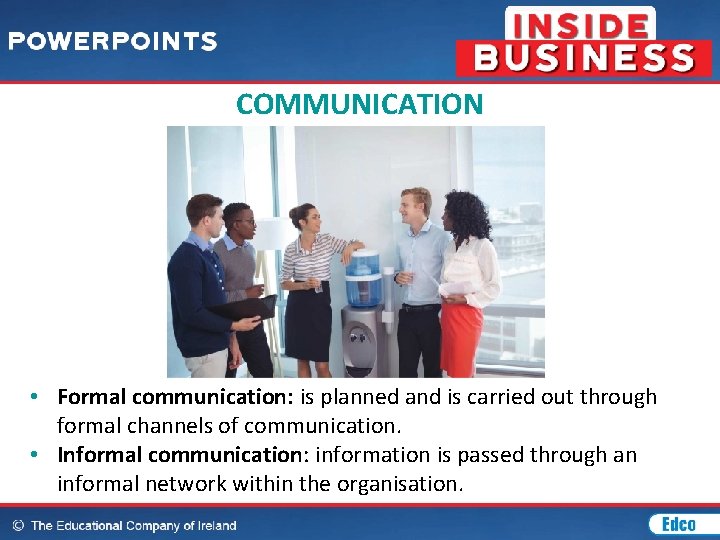
COMMUNICATION • Formal communication: is planned and is carried out through formal channels of communication. • Informal communication: information is passed through an informal network within the organisation.
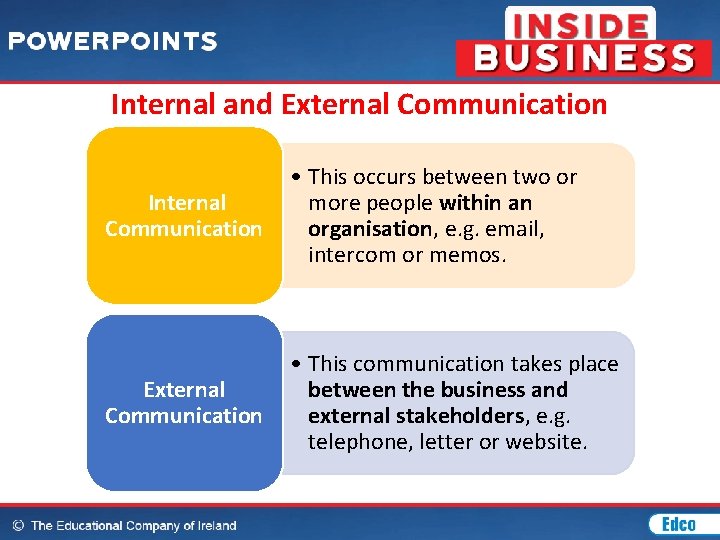
Internal and External Communication Internal Communication • This occurs between two or more people within an organisation, e. g. email, intercom or memos. External Communication • This communication takes place between the business and external stakeholders, e. g. telephone, letter or website.
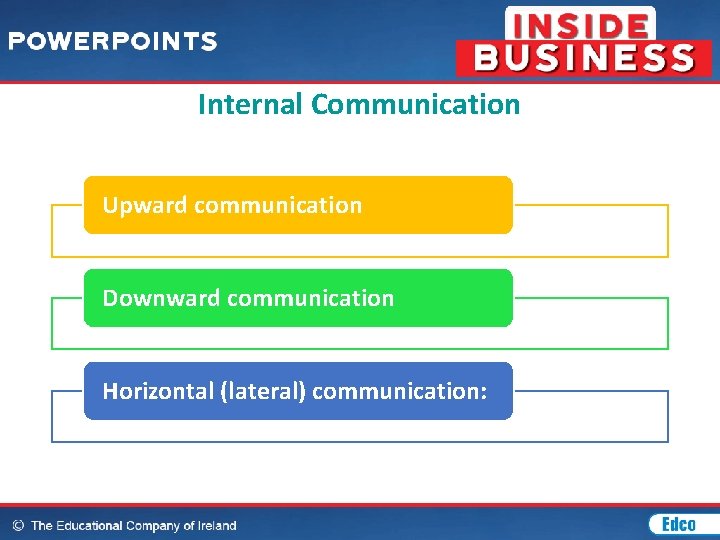
Internal Communication Upward communication Downward communication Horizontal (lateral) communication:
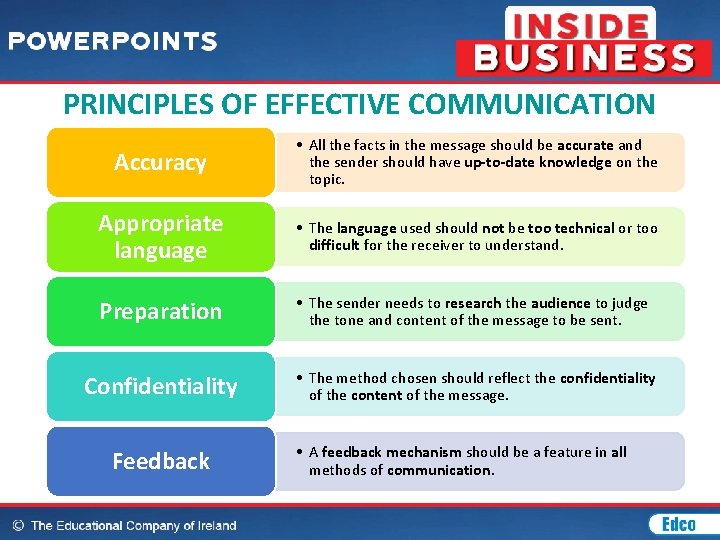
PRINCIPLES OF EFFECTIVE COMMUNICATION Accuracy • All the facts in the message should be accurate and the sender should have up-to-date knowledge on the topic. Appropriate language • The language used should not be too technical or too difficult for the receiver to understand. Preparation • The sender needs to research the audience to judge the tone and content of the message to be sent. Confidentiality • The method chosen should reflect the confidentiality of the content of the message. Feedback • A feedback mechanism should be a feature in all methods of communication.
Methods of Communication Verbal Communication Written Communication Visual Communication Telephone calls Email Bar chart Meetings Memo Pie chart Video conferencing Letter Line graph Intercom Report Pictogram Face-to-face conversations Social Media e. g. Twitter Break-even chart Presentations Business website
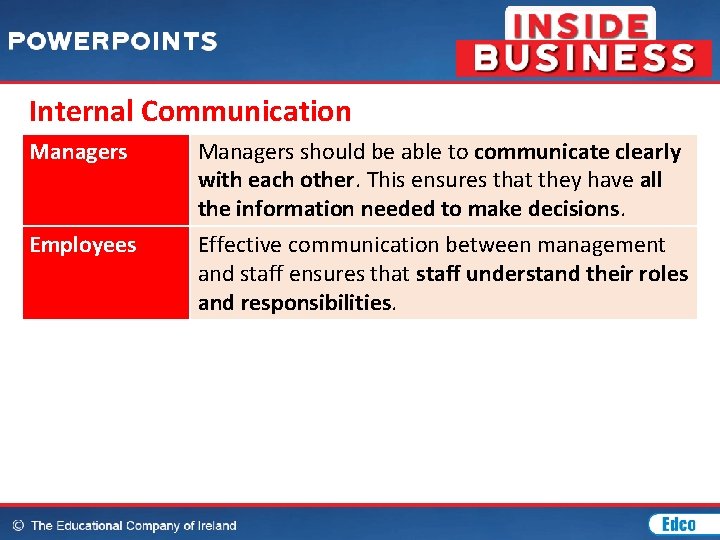
Internal Communication Managers should be able to communicate clearly with each other. This ensures that they have all the information needed to make decisions. Employees Effective communication between management and staff ensures that staff understand their roles and responsibilities.
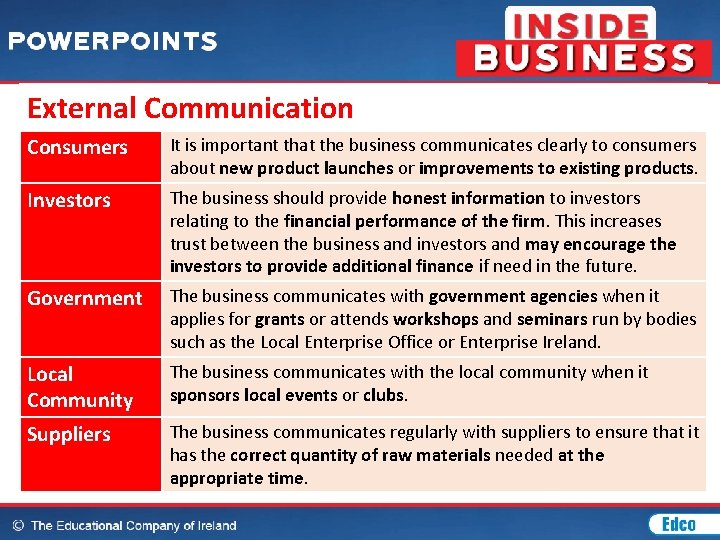
External Communication Consumers It is important that the business communicates clearly to consumers about new product launches or improvements to existing products. Investors The business should provide honest information to investors relating to the financial performance of the firm. This increases trust between the business and investors and may encourage the investors to provide additional finance if need in the future. Government The business communicates with government agencies when it applies for grants or attends workshops and seminars run by bodies such as the Local Enterprise Office or Enterprise Ireland. Local Community The business communicates with the local community when it sponsors local events or clubs. Suppliers The business communicates regularly with suppliers to ensure that it has the correct quantity of raw materials needed at the appropriate time.
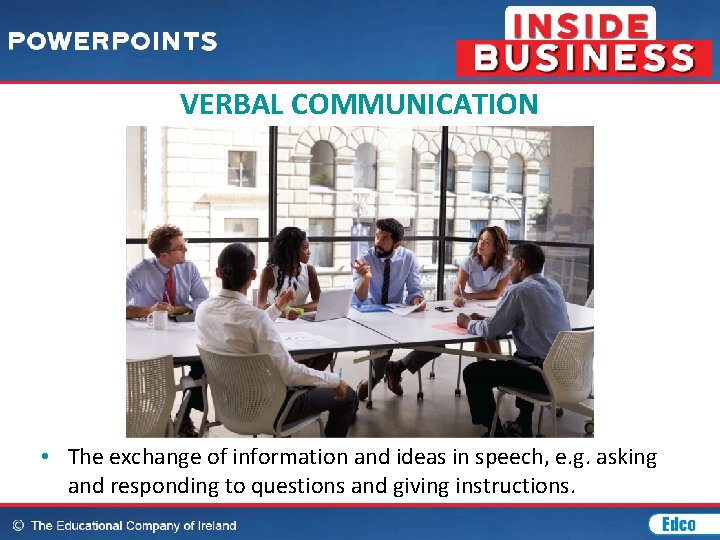
VERBAL COMMUNICATION • The exchange of information and ideas in speech, e. g. asking and responding to questions and giving instructions.
VERBAL COMMUNICATION Advantages 1 Fast Communication It is the fastest form of communication as feedback can be instant. 2 Repeat the Message The receiver can ask the sender to repeat the message. This prevents misunderstanding or tasks being completed incorrectly. 3 Personal Connection It is a more personal form of communication as both tone of voice and facial expressions can be observed. It can help to create a connection with the listener. 4 Powerful Impact It is often a more powerful way of conveying a message, as tone and pitch can be used to emphasise important points.
VERBAL COMMUNICATION Disadvantages 1 No Record There is no record or proof that the communication took place. 2 Not Listening The receiver may not listen to the message, e. g. due to background noise or lack of concentration. They may miss important parts of the message. 3 Lack of Preparation If the sender of the message has not prepared in advance, the message may cause offence or confusion to the receiver. 4 Message Length It is not suitable for long messages, as the receiver may forget important information contained in the message.
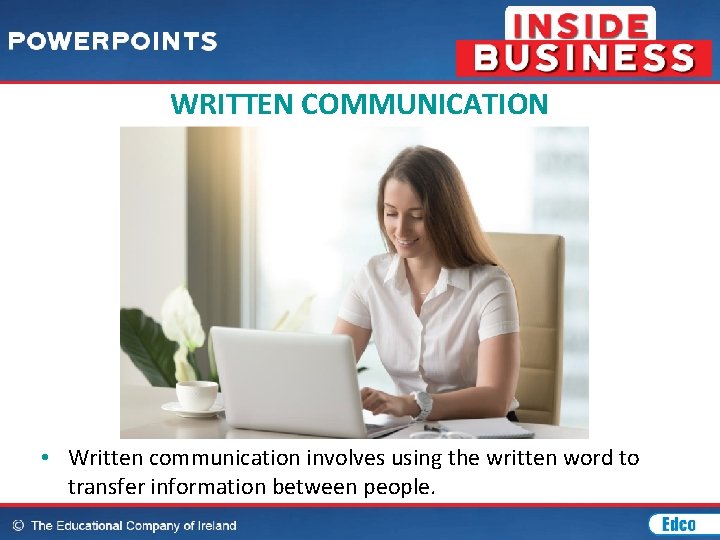
WRITTEN COMMUNICATION • Written communication involves using the written word to transfer information between people.
WRITTEN COMMUNICATION Advantages 1 Record It is a permanent record that the communication took place. This could be useful if the information ever needs to be verified. 2 Reference Written material can be used as a reference. Information can be re-read if the reader needs to recall information. 3 Speed Advances in IT have increased the speed of written communication, e. g. text message and email. 4 Accurate People often have to take more time when preparing written communication. As a result, the message may be more accurate.
WRITTEN COMMUNICATION Disadvantages 1 Slow Feedback is slower than with verbal communication, e. g. letters can take days or weeks to reach the receiver. 2 Security There is a lack of confidentiality, as once something is written down, anyone can potentially read it, e. g. email hacking. 3 Cost The cost of paper, ink and printing equipment increases business costs. 4 Delayed Decision-making As it is a slower method of communication, it can delay decision-making in the business until a response is received.
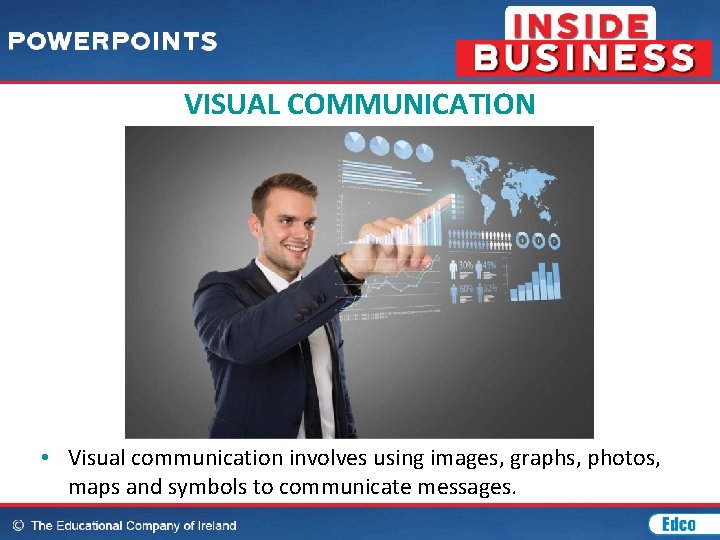
VISUAL COMMUNICATION • Visual communication involves using images, graphs, photos, maps and symbols to communicate messages.
VISUAL COMMUNICATION Advantages 1 Easy to Understand It can help make large or complex pieces of information easier to understand, e. g. images can be used to replace text. 2 Easy to Recall It is often easier to remember information in the form of an image or chart. 3 Presentation It can increase the impact of verbal or written communication, e. g. a bar chart can be used to show numerical information more clearly.
VISUAL COMMUNICATION Disadvantages 1 Cost Preparing information in visual format can be expensive and time-consuming, e. g. graphs and posters. 2 Cannot be Used Alone Visual communication must be used in conjunction with written or verbal communication to ensure that the message is understood. 3 Over-use of visual communication can be distracting for the receiver of a message. They may miss out on key information contained in verbal or written communication.
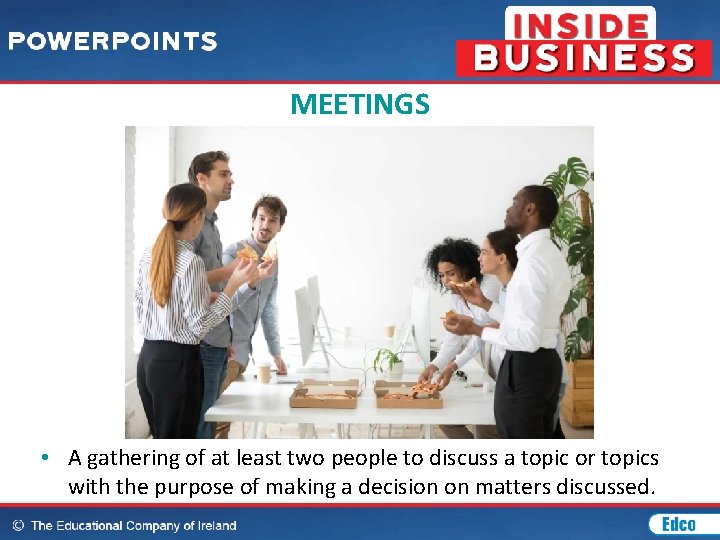
MEETINGS • A gathering of at least two people to discuss a topic or topics with the purpose of making a decision on matters discussed.
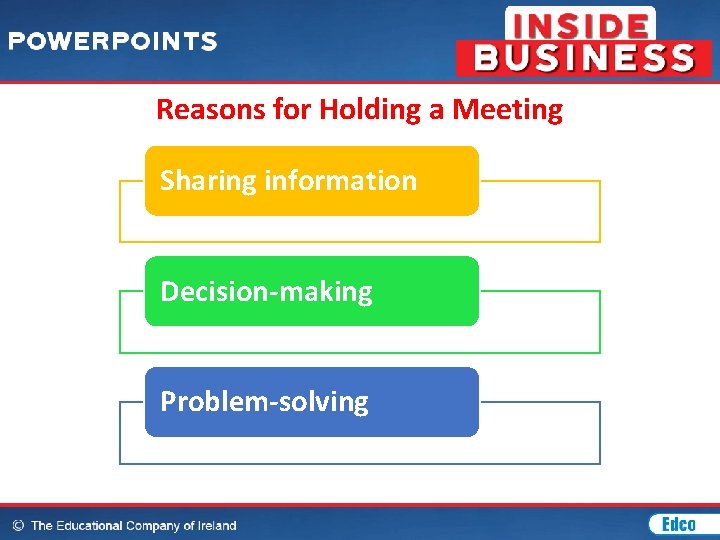
Reasons for Holding a Meeting Sharing information Decision-making Problem-solving
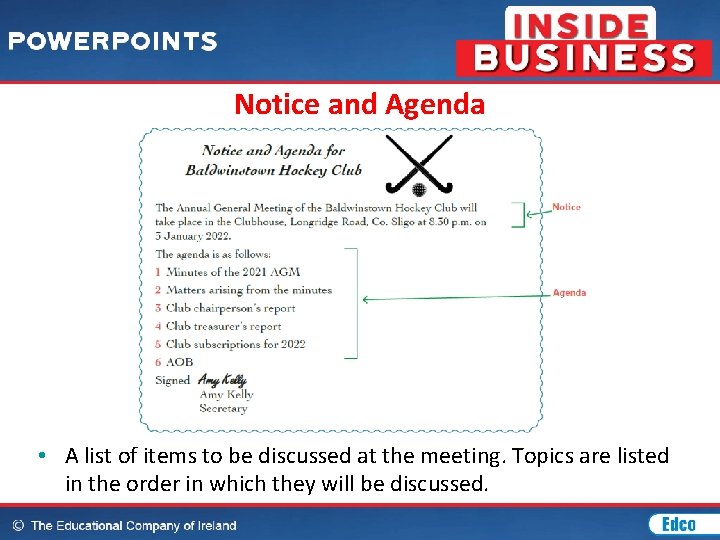
Notice and Agenda • A list of items to be discussed at the meeting. Topics are listed in the order in which they will be discussed.
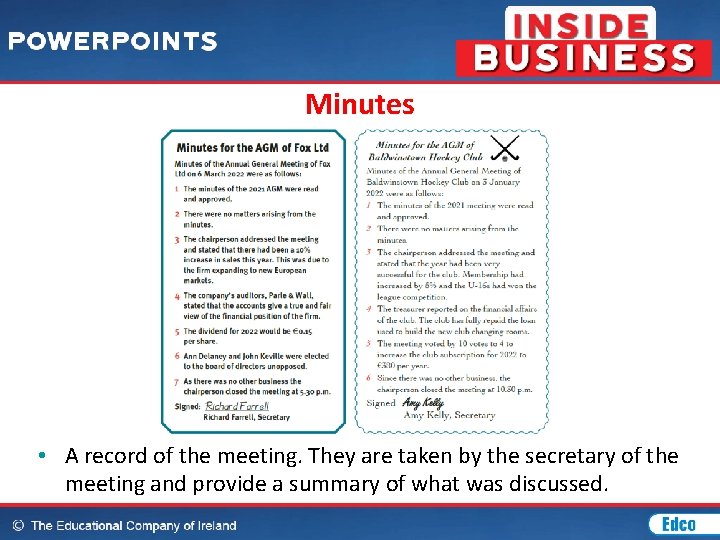
Minutes • A record of the meeting. They are taken by the secretary of the meeting and provide a summary of what was discussed.
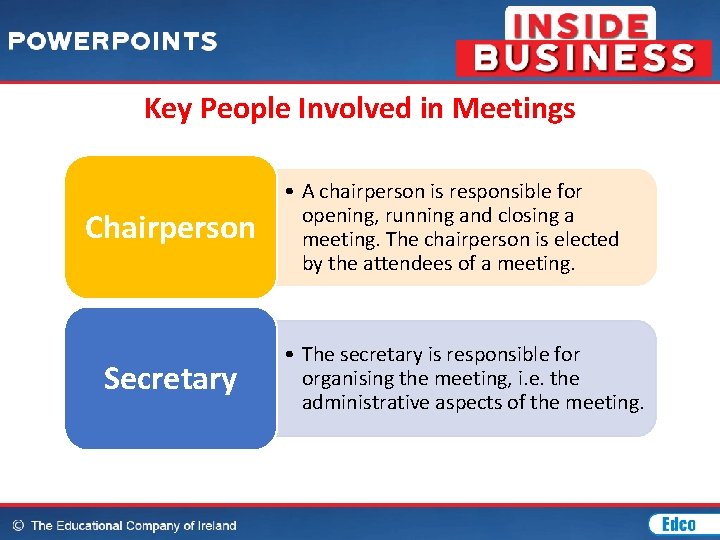
Key People Involved in Meetings Chairperson Secretary • A chairperson is responsible for opening, running and closing a meeting. The chairperson is elected by the attendees of a meeting. • The secretary is responsible for organising the meeting, i. e. the administrative aspects of the meeting.
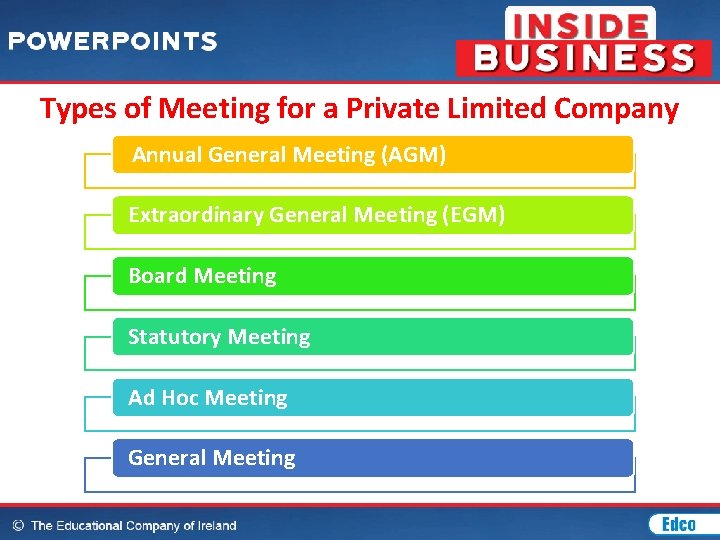
Types of Meeting for a Private Limited Company Annual General Meeting (AGM) Extraordinary General Meeting (EGM) Board Meeting Statutory Meeting Ad Hoc Meeting General Meeting
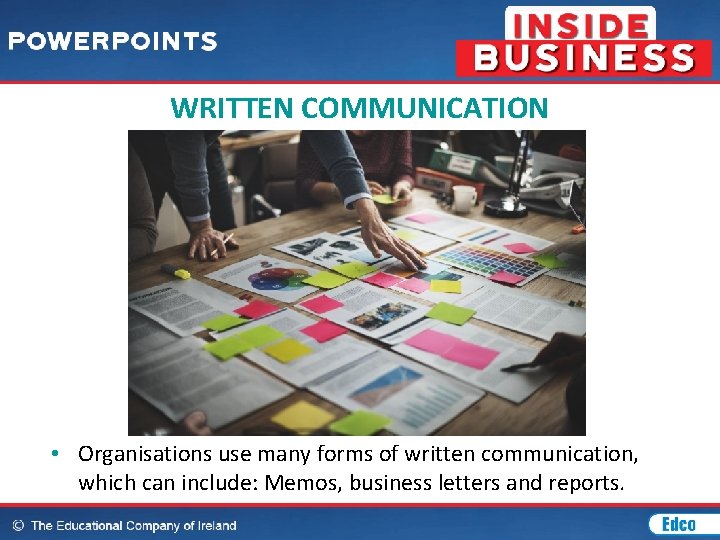
WRITTEN COMMUNICATION • Organisations use many forms of written communication, which can include: Memos, business letters and reports.
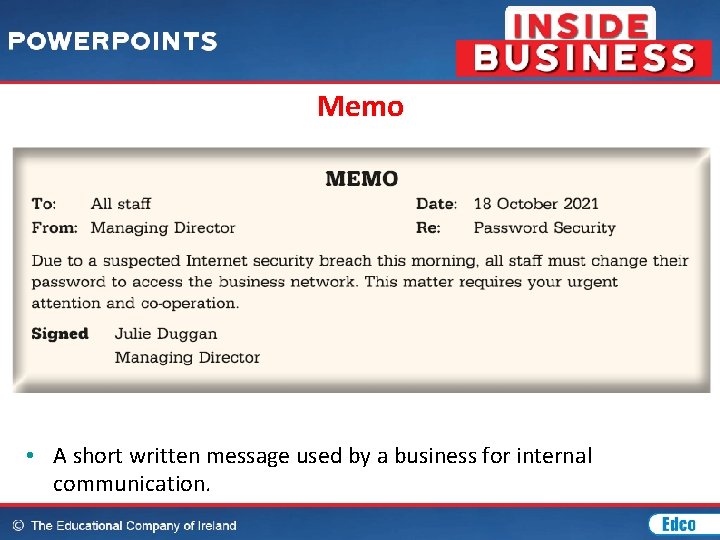
Memo • A short written message used by a business for internal communication.
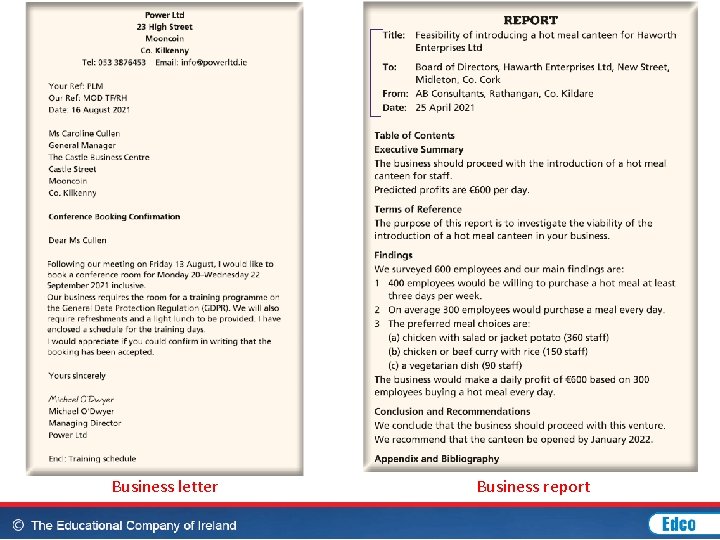
Business Letters • A business letter is a formal method of communication. It can be sent internally and externally. Reports • A report is a detailed document about a specific topic and is used for both internal and external communication.
Business letter Business report
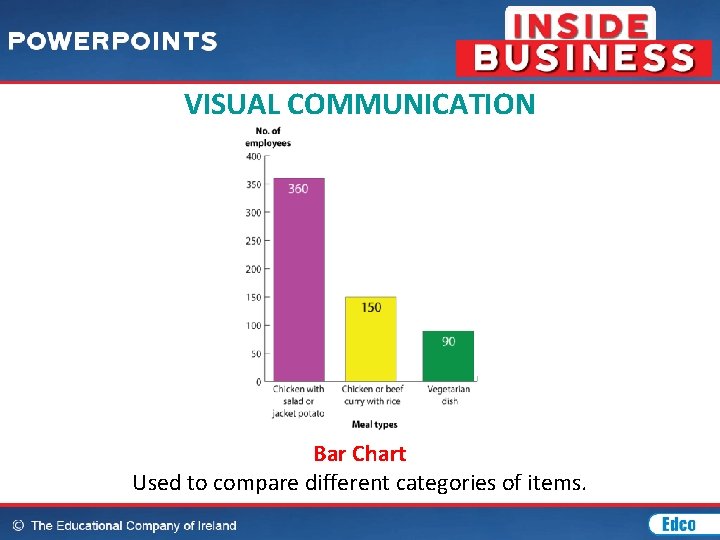
VISUAL COMMUNICATION Bar Chart Used to compare different categories of items.
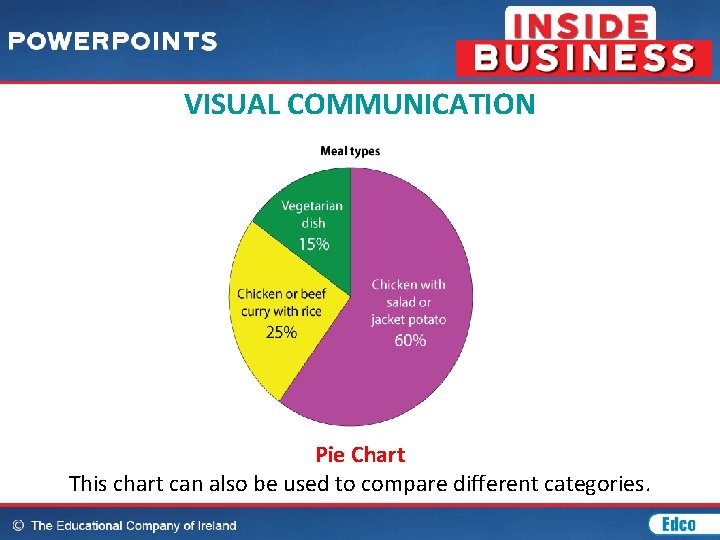
VISUAL COMMUNICATION Pie Chart This chart can also be used to compare different categories.
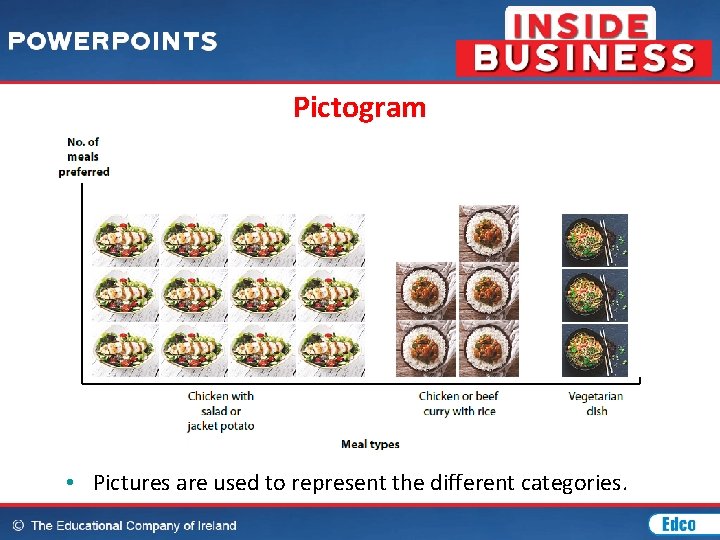
Pictogram • Pictures are used to represent the different categories.
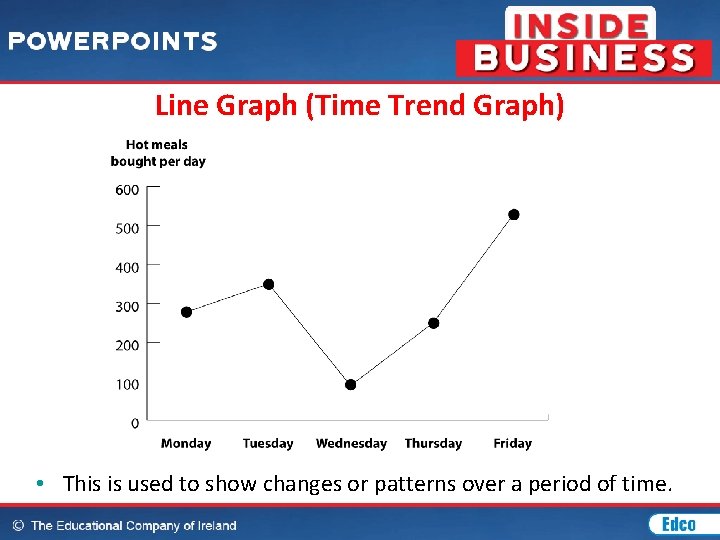
Line Graph (Time Trend Graph) • This is used to show changes or patterns over a period of time.
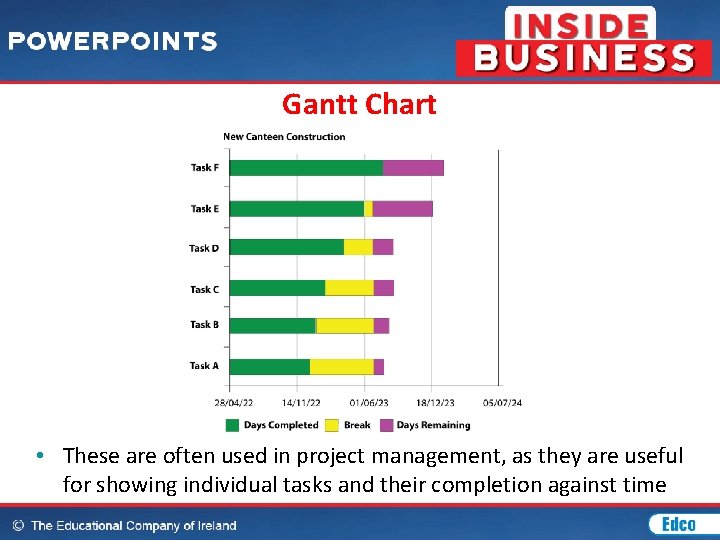
Gantt Chart • These are often used in project management, as they are useful for showing individual tasks and their completion against time
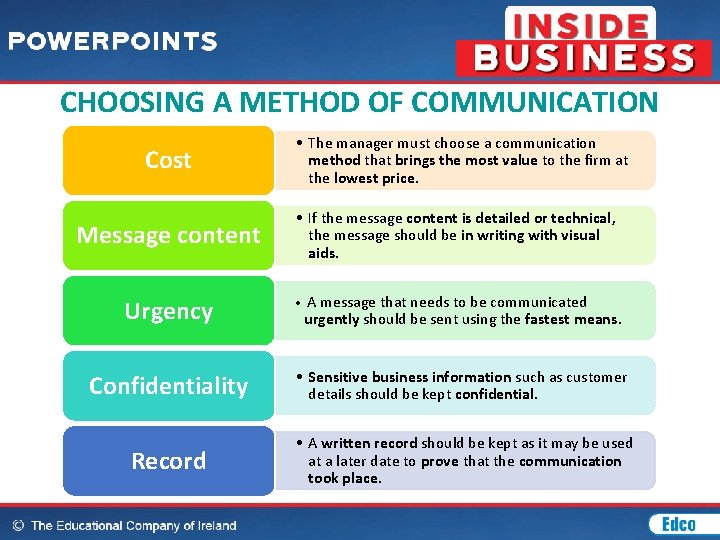
CHOOSING A METHOD OF COMMUNICATION Cost Message content Urgency • The manager must choose a communication method that brings the most value to the firm at the lowest price. • If the message content is detailed or technical, the message should be in writing with visual aids. • A message that needs to be communicated urgently should be sent using the fastest means. Confidentiality • Sensitive business information such as customer details should be kept confidential. Record • A written record should be kept as it may be used at a later date to prove that the communication took place.
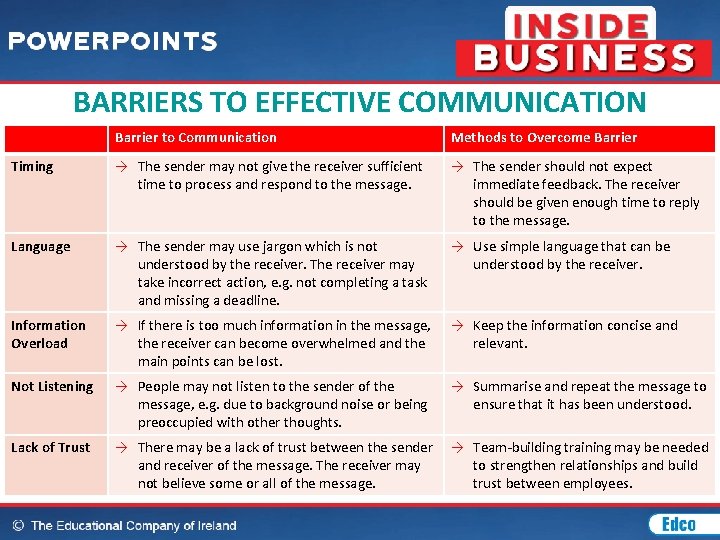
BARRIERS TO EFFECTIVE COMMUNICATION Barrier to Communication Methods to Overcome Barrier Timing → The sender may not give the receiver sufficient time to process and respond to the message. → The sender should not expect immediate feedback. The receiver should be given enough time to reply to the message. Language → The sender may use jargon which is not understood by the receiver. The receiver may take incorrect action, e. g. not completing a task and missing a deadline. → Use simple language that can be understood by the receiver. Information Overload → If there is too much information in the message, the receiver can become overwhelmed and the main points can be lost. → Keep the information concise and relevant. Not Listening → People may not listen to the sender of the message, e. g. due to background noise or being preoccupied with other thoughts. → Summarise and repeat the message to ensure that it has been understood. Lack of Trust → There may be a lack of trust between the sender and receiver of the message. The receiver may not believe some or all of the message. → Team-building training may be needed to strengthen relationships and build trust between employees.
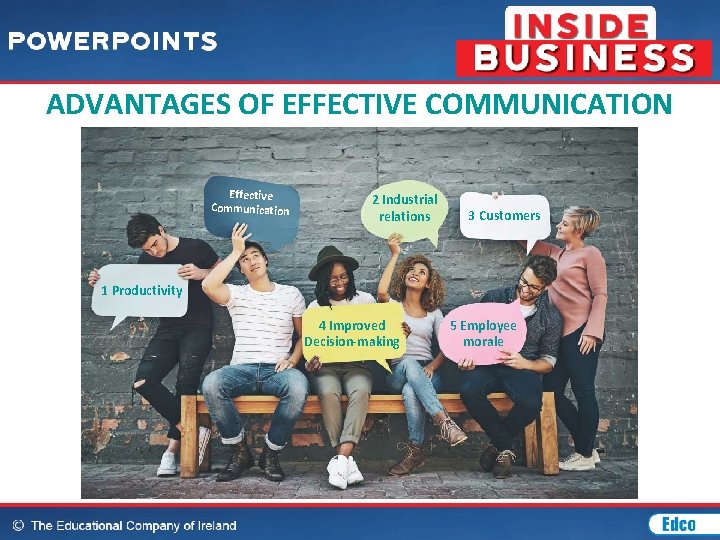
ADVANTAGES OF EFFECTIVE COMMUNICATION Effective Communication 2 Industrial relations 3 Customers 1 Productivity 4 Improved Decision-making 5 Employee morale
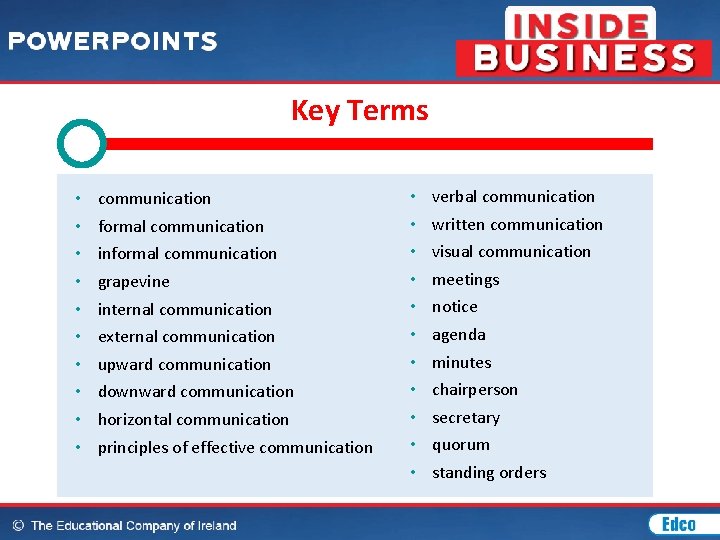
Key Terms • • • communication formal communication informal communication grapevine internal communication external communication upward communication downward communication horizontal communication principles of effective communication • • • verbal communication written communication visual communication meetings notice agenda minutes chairperson secretary quorum standing orders
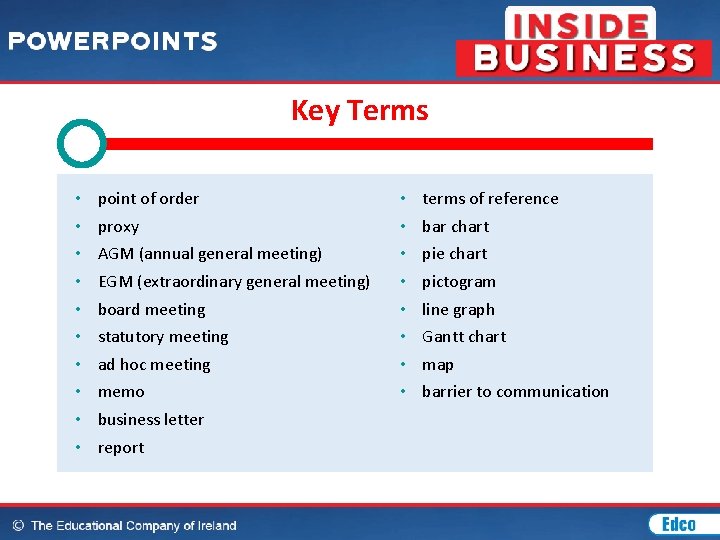
Key Terms • • • point of order proxy AGM (annual general meeting) EGM (extraordinary general meeting) board meeting statutory meeting ad hoc meeting memo business letter report • • terms of reference bar chart pie chart pictogram line graph Gantt chart map barrier to communication
CREDIT SLIDE • Shutterstock • i. Stockphoto. com • Alamy. com