
Chapter 8 Lecture Chapter 1 Lecture HUMAN ANATOMY
- Slides: 29
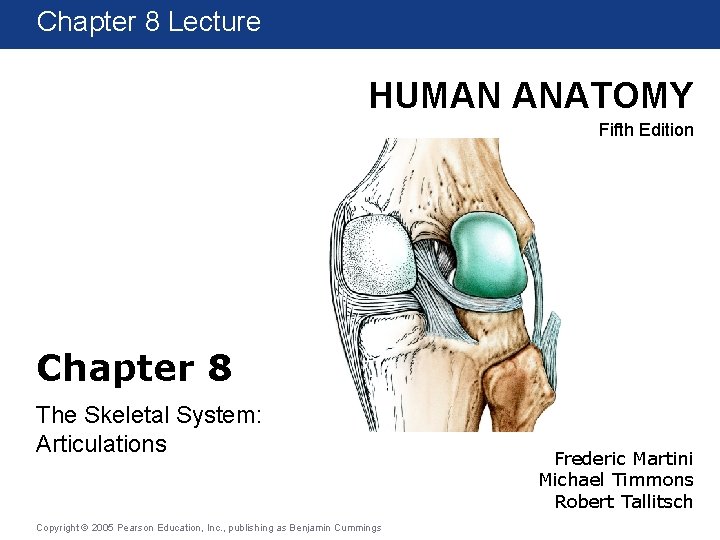
Chapter 8 Lecture Chapter 1 Lecture HUMAN ANATOMY Fifth Edition Chapter 8 The Skeletal System: Articulations Copyright © 2005 Pearson Education, Inc. , publishing as Benjamin Cummings Frederic Martini Michael Timmons Robert Tallitsch
Introduction • Joints, or articulations, are connections between bones that may or may not permit movement. – Cartilage, fluid, or dense connective tissues is usually involved in holding joints together. • Joints maybe classified structurally or functionally by the amount of movement they allow. – Immoveable or slightly moveable joints tend to be in the axial skeleton. – Freely moveable joints are more common in the appendicular skeleton.
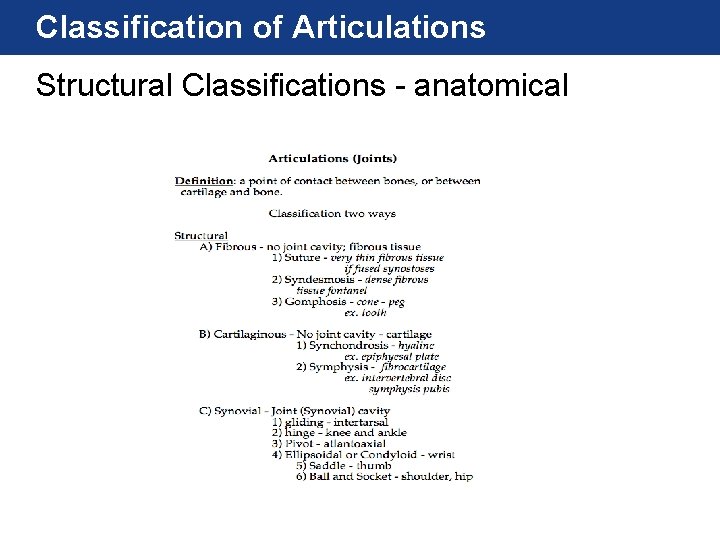
Classification of Articulations Structural Classifications - anatomical
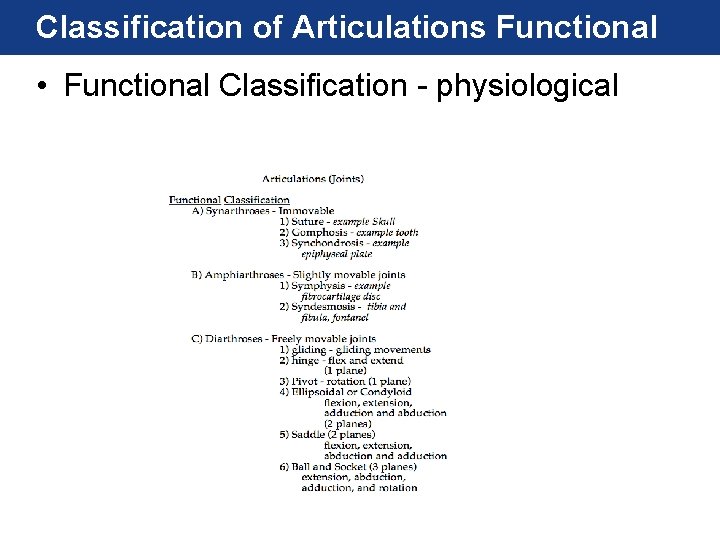
Classification of Articulations Functional • Functional Classification - physiological
Synarthroses (Immovable Joints) • Sutures are joints found only in the skull. – Bony edges interlock and short dense connective tissue fiber hold the bones together. • A gomphosis is the joint between a tooth and the alveolar fossa of the maxillae or mandible. – Periodontal ligaments hold the tooth to the bone in the gomphosis. • A synchondrosis is a joint in which hyaline cartilage separates the ends of the bones involved in the joint. • A synostosis occurs if bones fuse together to form one bone.
Amphiarthroses (Slightly Movable Joints) • A syndesmosis occurs when to bones are connected by relatively long connective tissue ligaments. • Connecting bones using a fibrocartilage pad forms a symphysis.
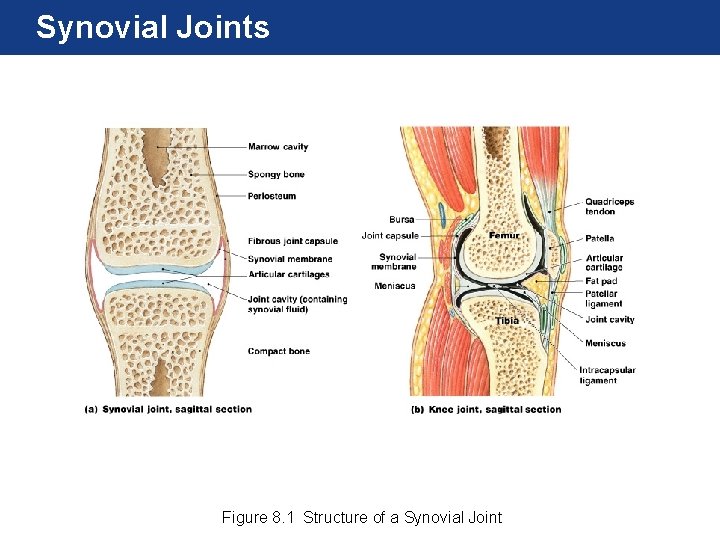
Diarthroses (Freely Movable Joints) • Synovial joints are typically found at the ends of long bones in the upper and lower limbs. • All synovial joints have six basic characteristics: – A joint capsule – Articular cartilages – A joint cavity filled with synovial fluid – A synovial membrane lining the joint capsule – Accessory structures – Sensory nerves and blood vessels
Synovial Joints Figure 8. 1 Structure of a Synovial Joint
Synovial Fluid • Synovial fluid has three functions: – Lubricates the surfaces of the articular cartilages on the ends of the bones. – Nourishes the chondrocytes by entering and exiting the articular cartilages due to the forces acting on the joint. – Acts as a shock absorber.
Types of Movements • Angular movements • Rotation PLAY Movements
Special Movements • Movements at the ankle include: – Eversion/inversion – Dorsiflexion/plantar flexion • Movement of the vertebral column includes: – Lateral flexion • Movement of the pollex (thumb): – Opposition/reposition
Special Movements • Movements that occur at many joints include: – Protraction: anterior movement in the horizontal plane – Retraction: posterior movement in the horizontal plane – Elevation: cranial movement in the vertical axis – Depression: caudal movement in the vertical axis
Structural Classification of Synovial Joints • Plane joints: – Nonaxial or multiaxial • Hinge joints: – flexion and extension • Pivot joints: – rotational movements PLAY Joint Structure
Structural Classification of Synovial Joints • Condylar joints: – flexion/extension and abduction/adduction • Saddle joints: – biaxial joints that also allow circumduction • Ball and socket joints: – triaxial joints
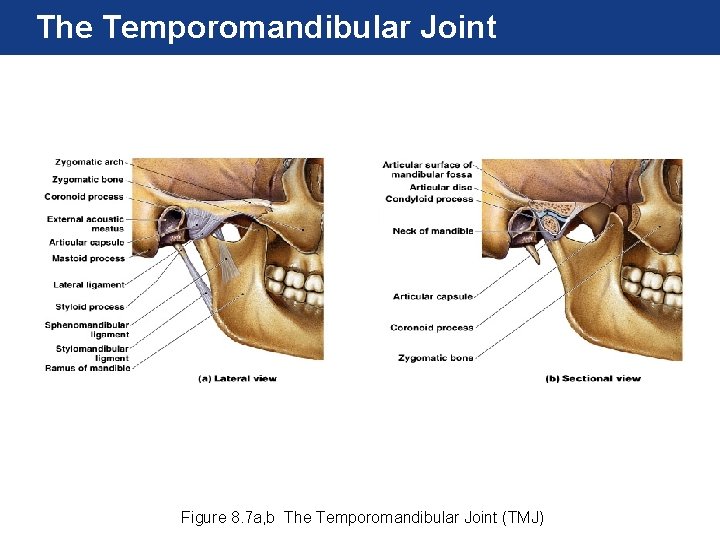
The Temporomandibular Joint Figure 8. 7 a, b The Temporomandibular Joint (TMJ)
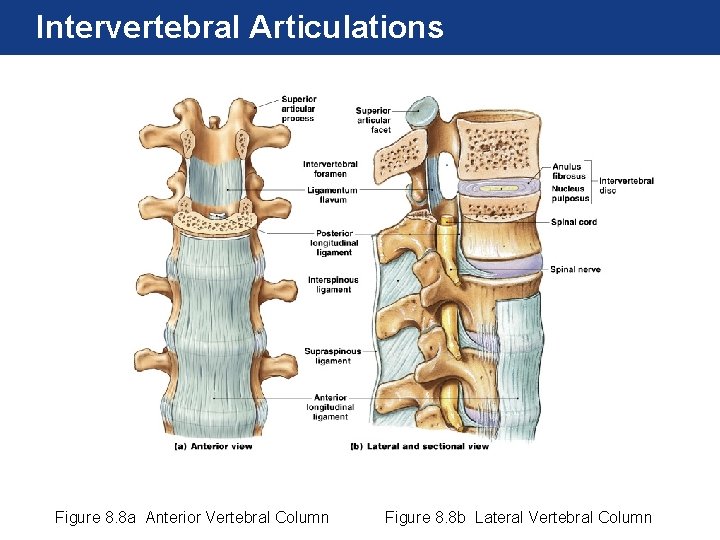
Intervertebral Articulations Figure 8. 8 a Anterior Vertebral Column Figure 8. 8 b Lateral Vertebral Column
Vertebral Movements • There are four possible movements of the vertebral column: – Anterior flexion, or bending forward – Extension, or bending backward – Lateral flexion, or bending to the side – Rotation–twisting
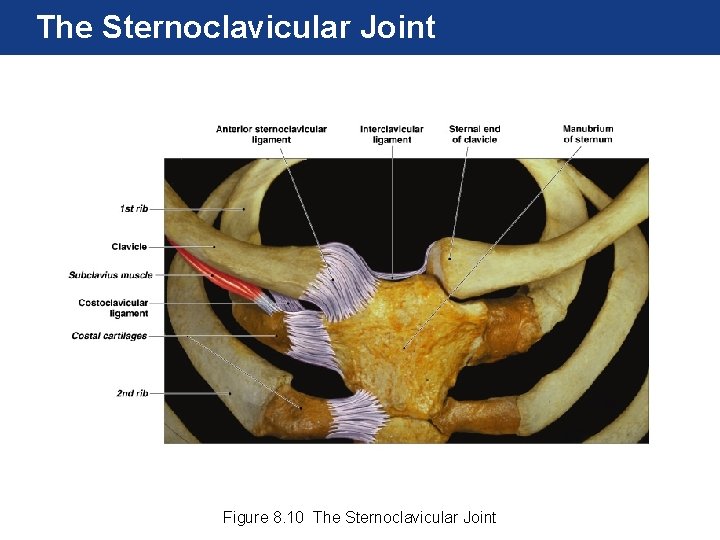
The Sternoclavicular Joint Figure 8. 10 The Sternoclavicular Joint
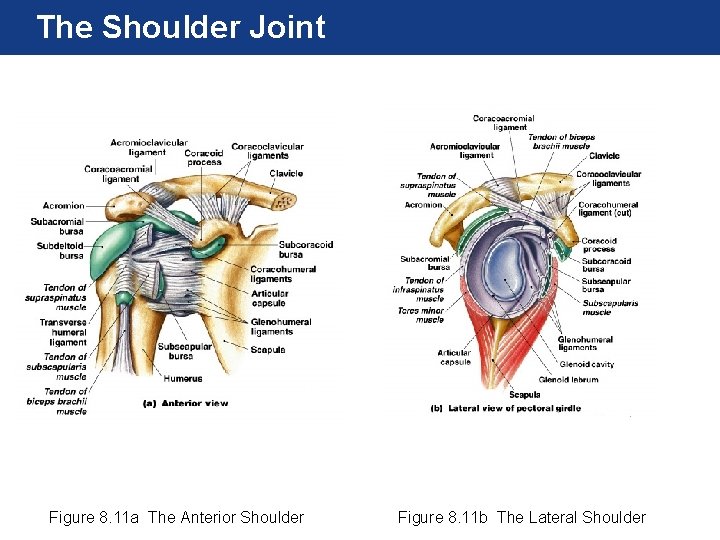
The Shoulder Joint Figure 8. 11 a The Anterior Shoulder Figure 8. 11 b The Lateral Shoulder
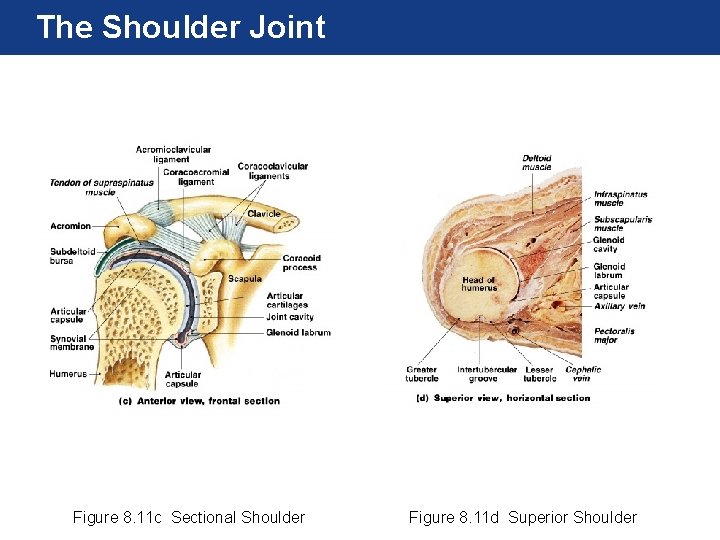
The Shoulder Joint Figure 8. 11 c Sectional Shoulder Figure 8. 11 d Superior Shoulder
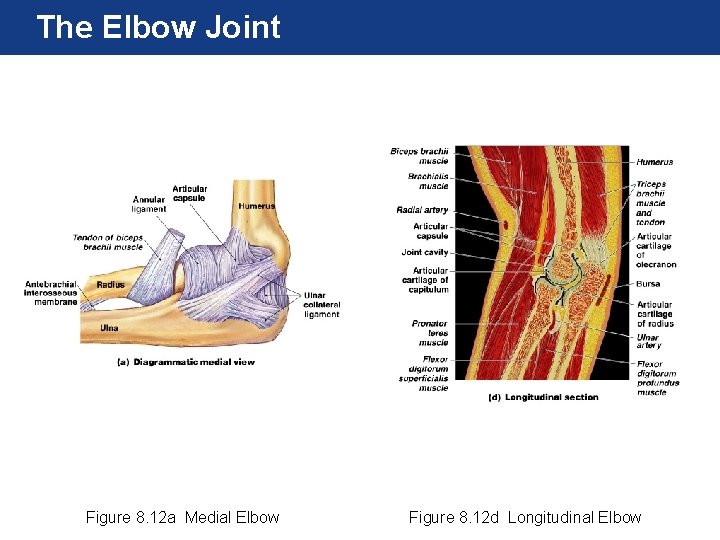
The Elbow Joint Figure 8. 12 a Medial Elbow Figure 8. 12 d Longitudinal Elbow
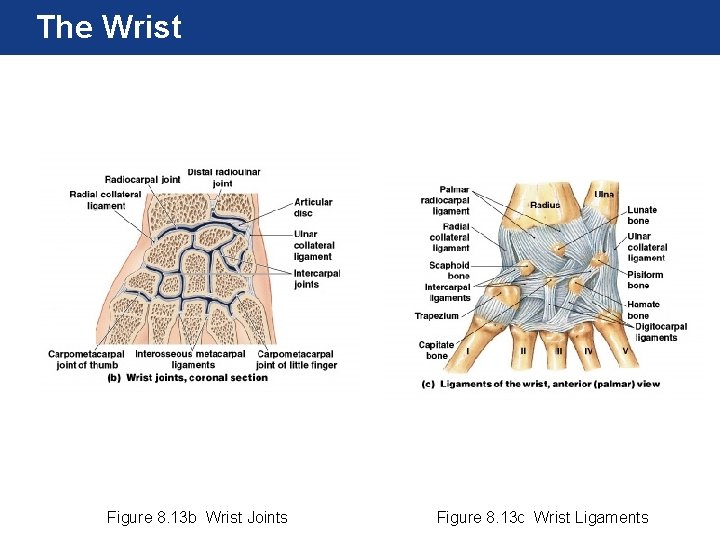
The Wrist Figure 8. 13 b Wrist Joints Figure 8. 13 c Wrist Ligaments
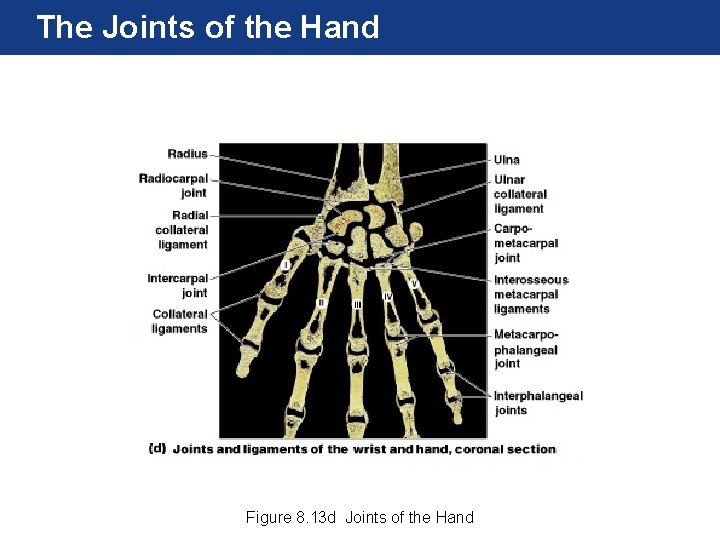
The Joints of the Hand Figure 8. 13 d Joints of the Hand
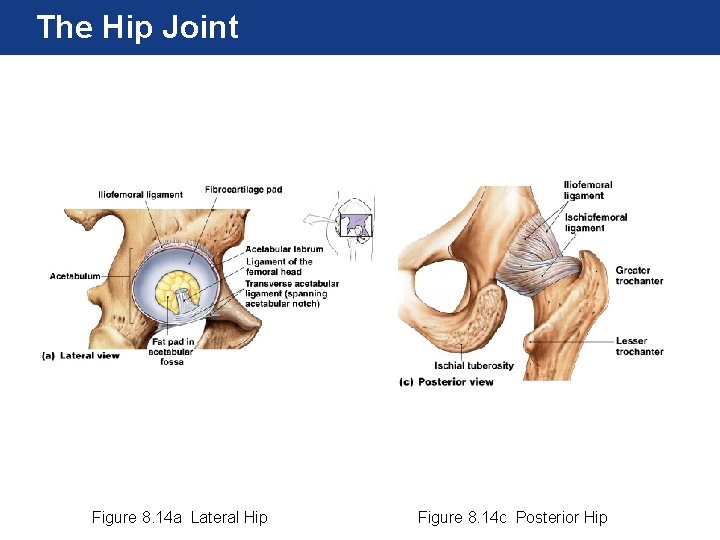
The Hip Joint Figure 8. 14 a Lateral Hip Figure 8. 14 c Posterior Hip
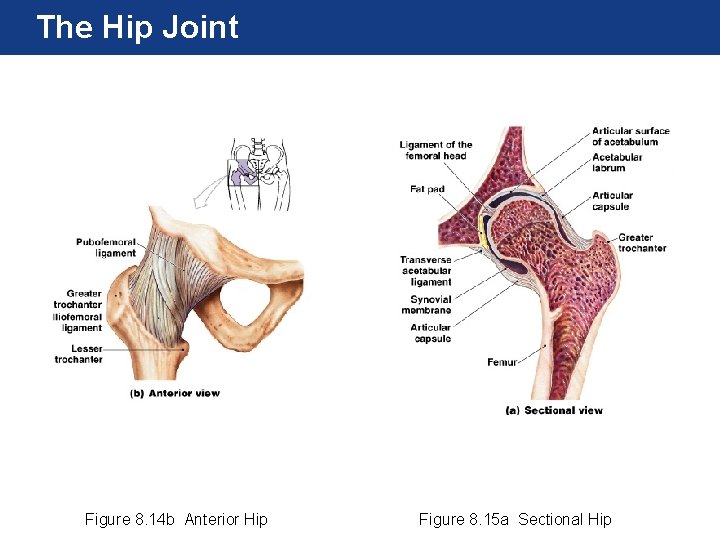
The Hip Joint Figure 8. 14 b Anterior Hip Figure 8. 15 a Sectional Hip
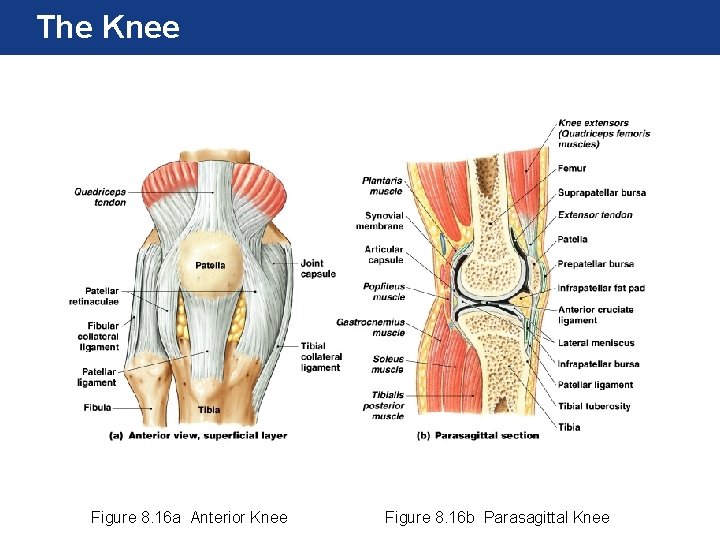
The Knee Figure 8. 16 a Anterior Knee Figure 8. 16 b Parasagittal Knee
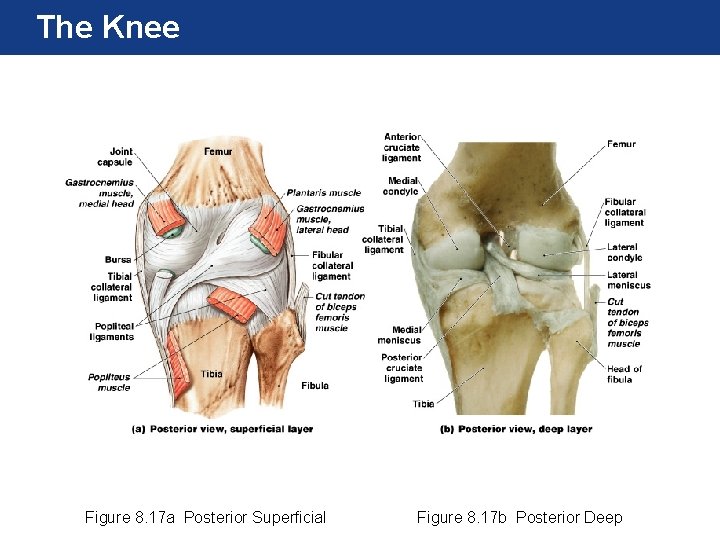
The Knee Figure 8. 17 a Posterior Superficial Figure 8. 17 b Posterior Deep
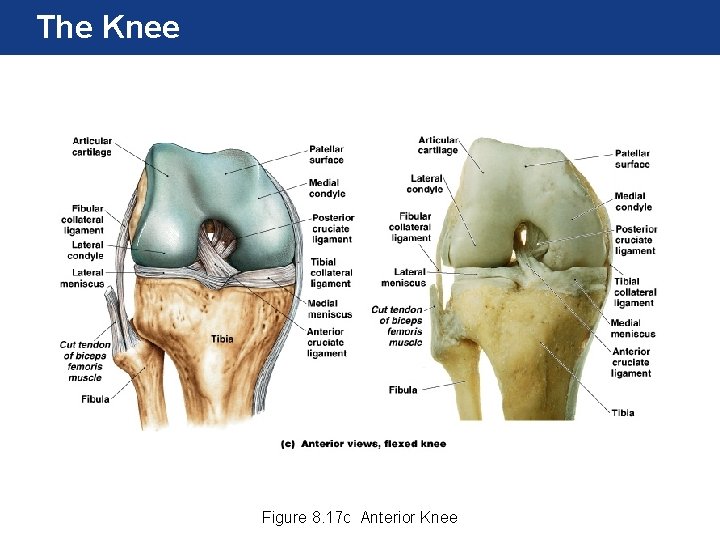
The Knee Figure 8. 17 c Anterior Knee
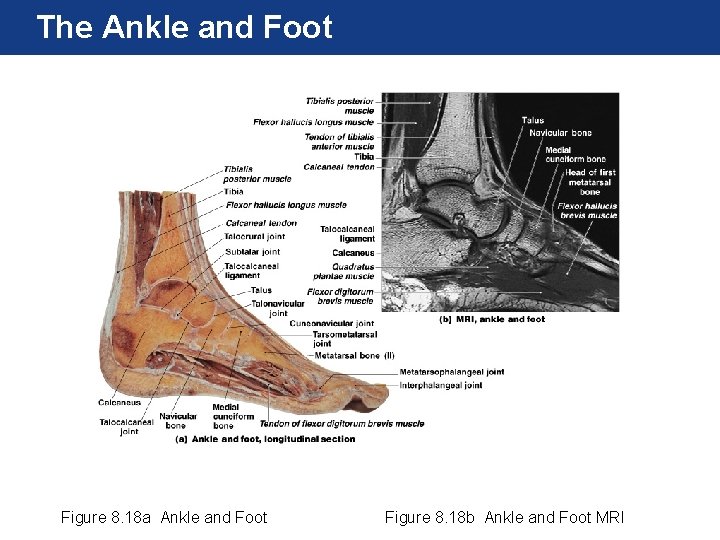
The Ankle and Foot Figure 8. 18 a Ankle and Foot Figure 8. 18 b Ankle and Foot MRI