
Chapter 8 Consumer Perception The process by which
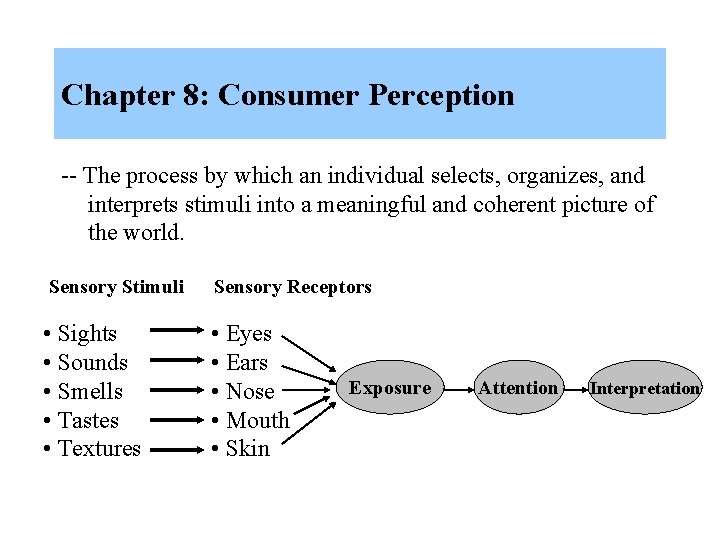
Chapter 8: Consumer Perception -- The process by which an individual selects, organizes, and interprets stimuli into a meaningful and coherent picture of the world. Sensory Stimuli Sensory Receptors • Sights • Sounds • Smells • Tastes • Textures • Eyes • Ears • Nose • Mouth • Skin Exposure Attention Interpretation
Elements of Perception • Sensation • The absolute threshold • The differential threshold • Subliminal perception
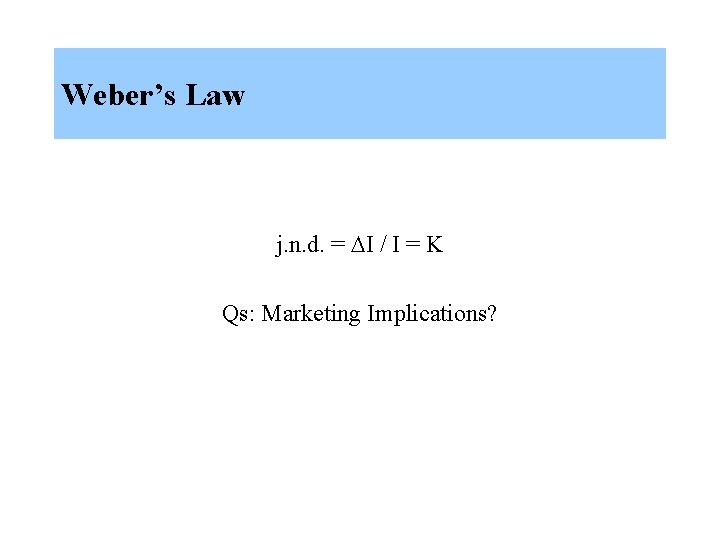
Weber’s Law j. n. d. = I / I = K Qs: Marketing Implications?
Is Subliminal Persuasion Effective? Ex: Political commercial
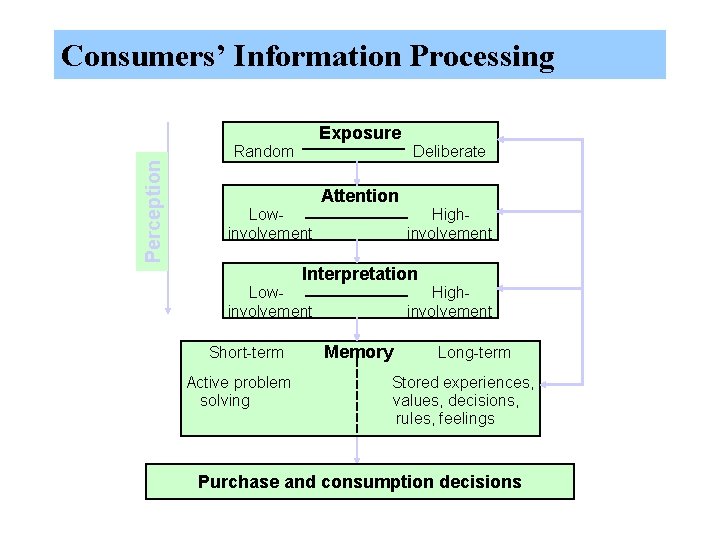
Consumers’ Information Processing Perception Exposure Random Deliberate Attention Lowinvolvement Highinvolvement Interpretation Lowinvolvement Short-term Active problem solving Highinvolvement Memory Long-term Stored experiences, values, decisions, rules, feelings Purchase and consumption decisions
Selective Exposure Selective exposure - A consumer’s tendency to avoid exposure. As the amount of marketing information in the environment increases, consumers become more adept at avoiding exposure. Qs: Marketing Implications?
Attention • Focusing the cognitive system on information that is relevant to important goals and values. • Factors influencing attention - affective status - involvement - environmental involvement Qs: Marketing implications?
Comprehension • The cognitive processes by which consumers understand or make sense of their own behaviors and relevant aspects of their environment. • Factors Influencing Comprehension – Knowledge in Memory – Involvement – Exposure environment Qs: Marketing Implications?
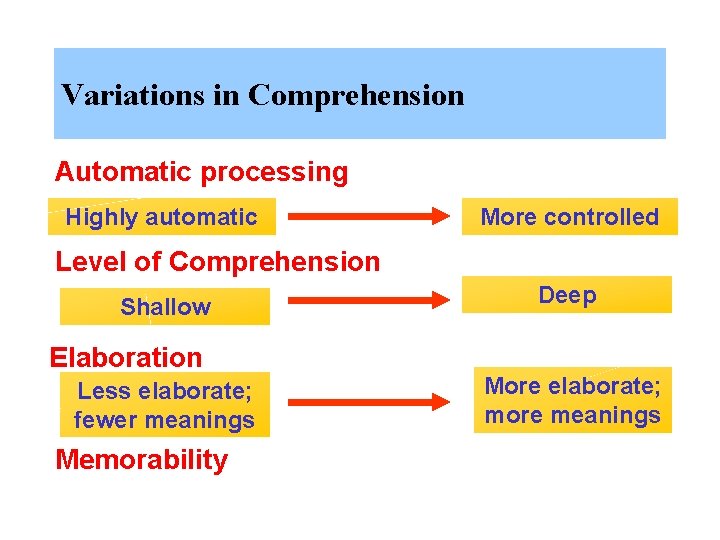
Variations in Comprehension Automatic processing Highly automatic More controlled Level of Comprehension Shallow Elaboration Less elaborate; fewer meanings Memorability Deep More elaborate; more meanings
Interpretation • An ongoing process of sense-making or meaning creation.
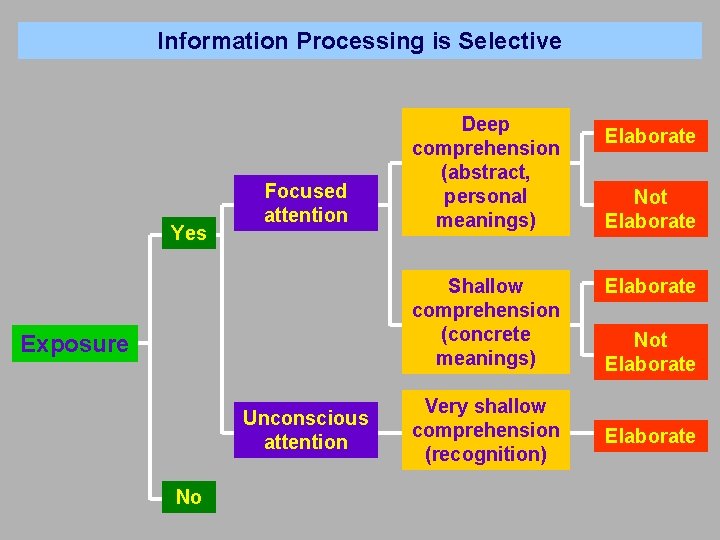
Information Processing is Selective Yes Focused attention Deep comprehension (abstract, personal meanings) Shallow comprehension (concrete meanings) Exposure Unconscious attention No Very shallow comprehension (recognition) Elaborate Not Elaborate
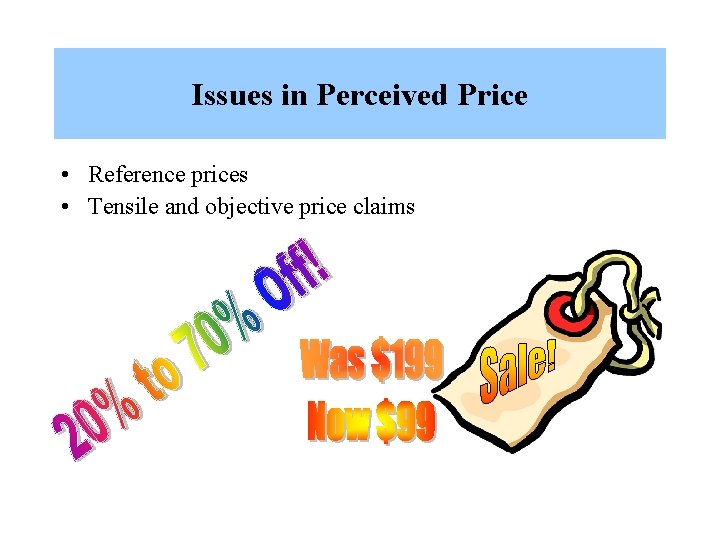
Issues in Perceived Price • Reference prices • Tensile and objective price claims
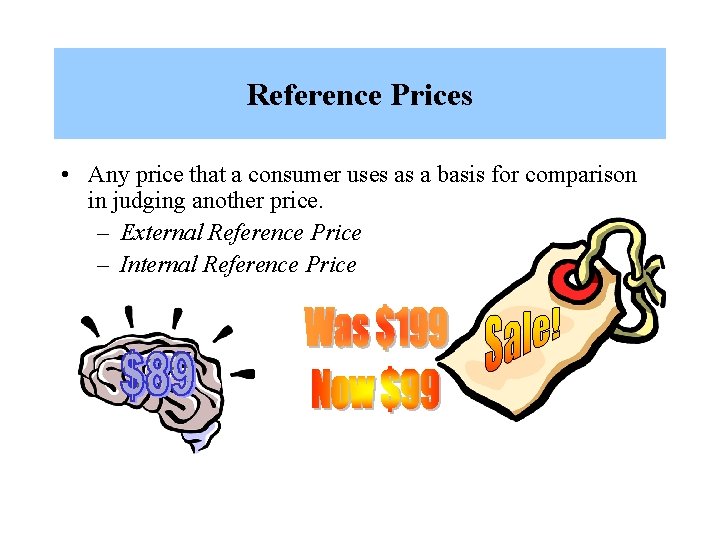
Reference Prices • Any price that a consumer uses as a basis for comparison in judging another price. – External Reference Price – Internal Reference Price
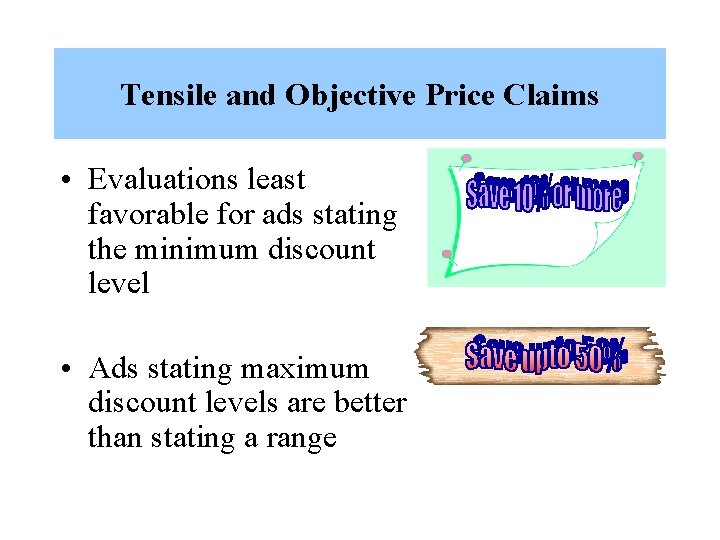
Tensile and Objective Price Claims • Evaluations least favorable for ads stating the minimum discount level • Ads stating maximum discount levels are better than stating a range
Perceived Quality • Perceived Quality of Products – Intrinsic vs. Extrinsic Cues • Price/Quality Relationship
- Slides: 15