
Chapter 8 Chromatography with Supercritical Fluids Supercritical Fluid
- Slides: 46
Chapter 8 Chromatography with Supercritical Fluids Supercritical Fluid Chromatography SFC Chromatographic Fundamentals Practical Verification of SFC Theoretical Description of SFC / Scale-up SFC on a Preparative Scale: Examples Prostaglandins, Tocopherols DHA / DPA, Phytol On-line Analysis with SFC Continuous Chromatography: SMB
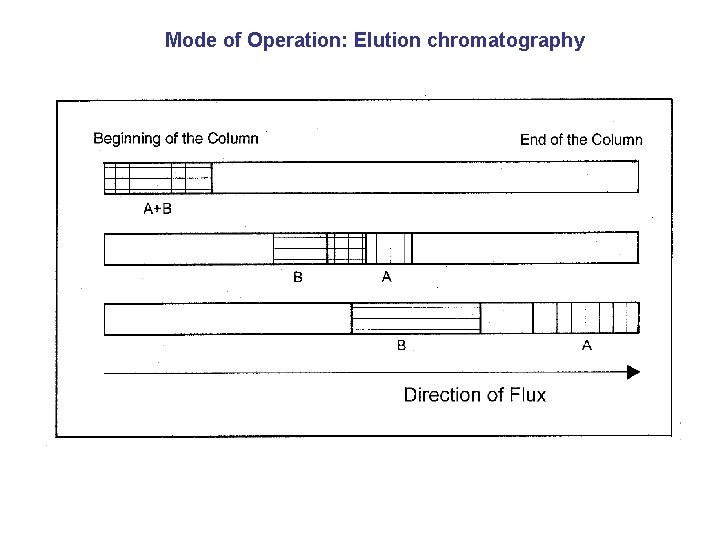
Mode of Operation: Elution chromatography .
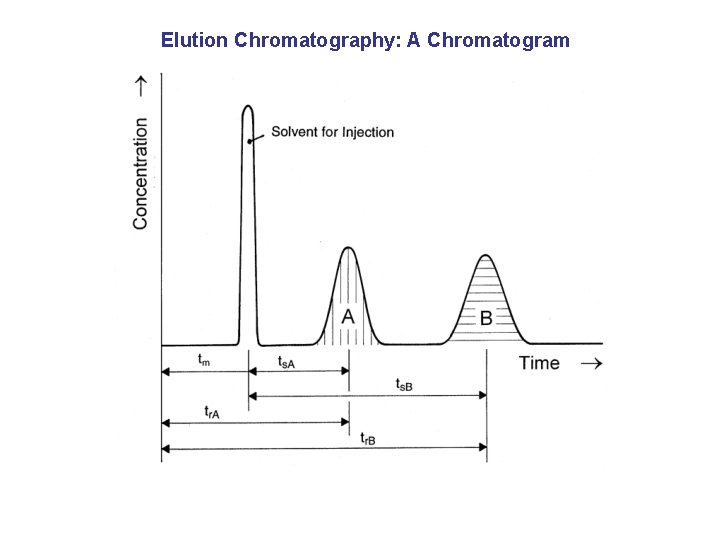
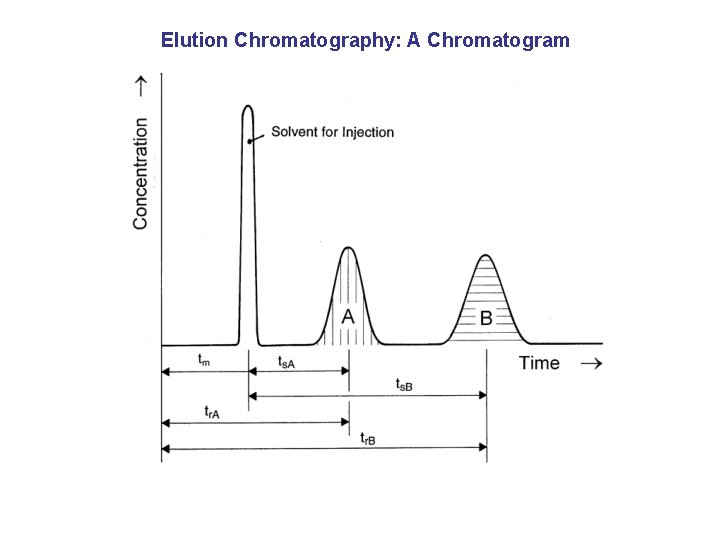
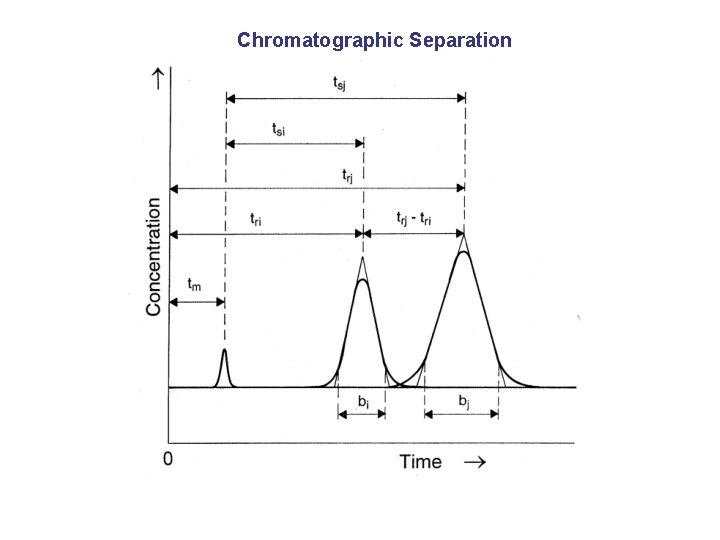
Elution Chromatography: A Chromatogram
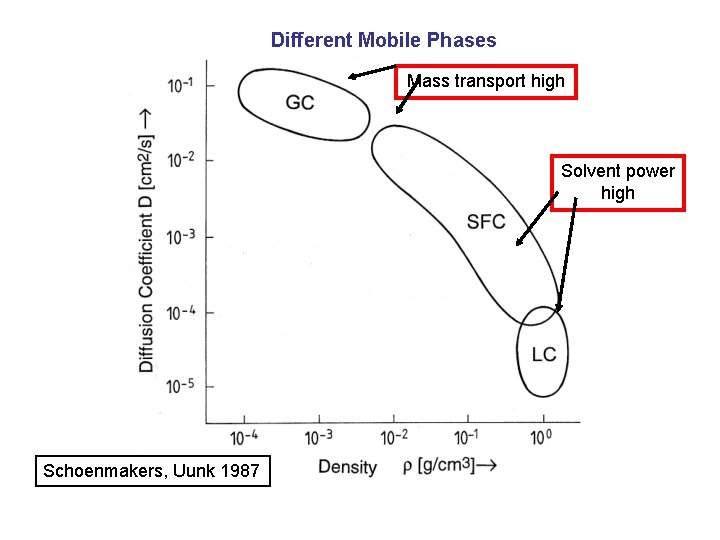
Different Mobile Phases Mass transport high Solvent power high Schoenmakers, Uunk 1987
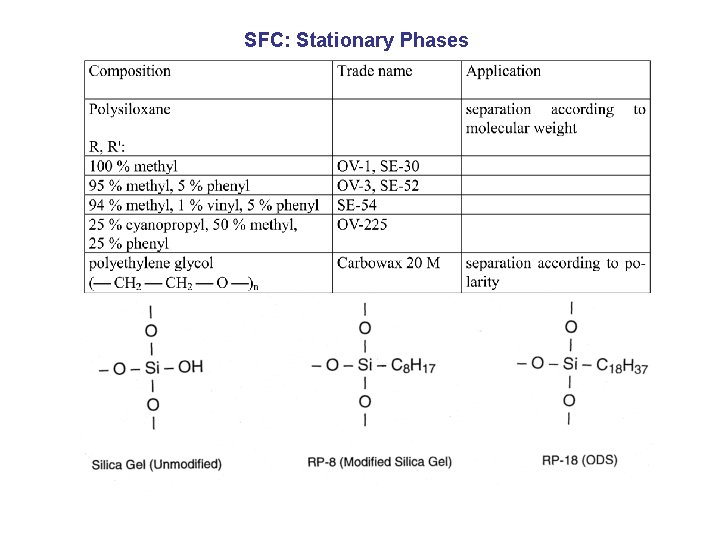
SFC: Stationary Phases
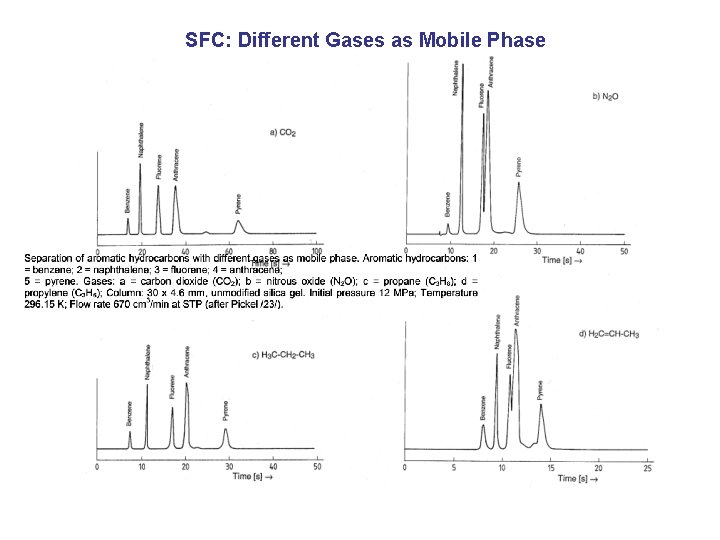
SFC: Different Gases as Mobile Phase
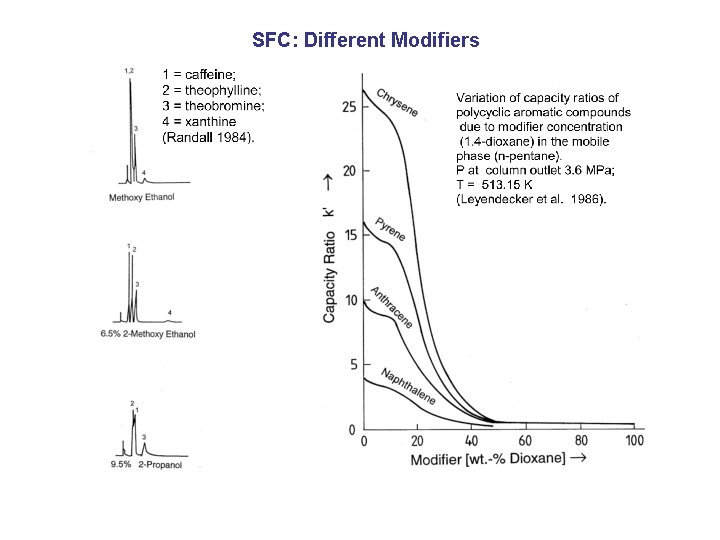
SFC: Different Modifiers
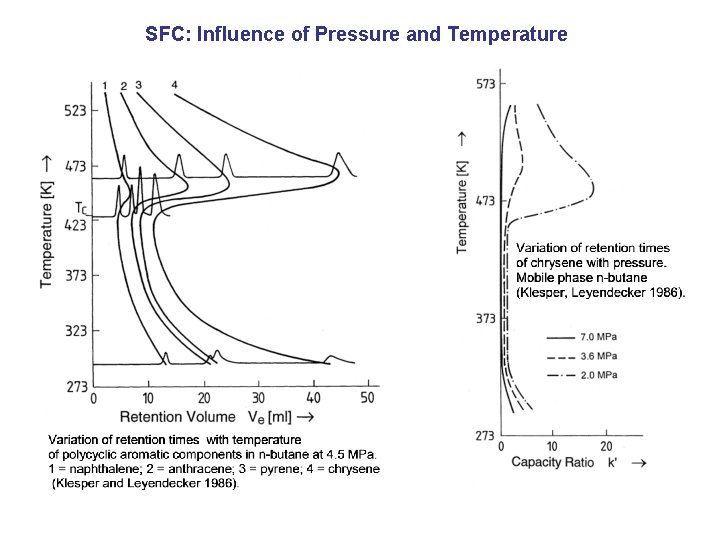
SFC: Influence of Pressure and Temperature
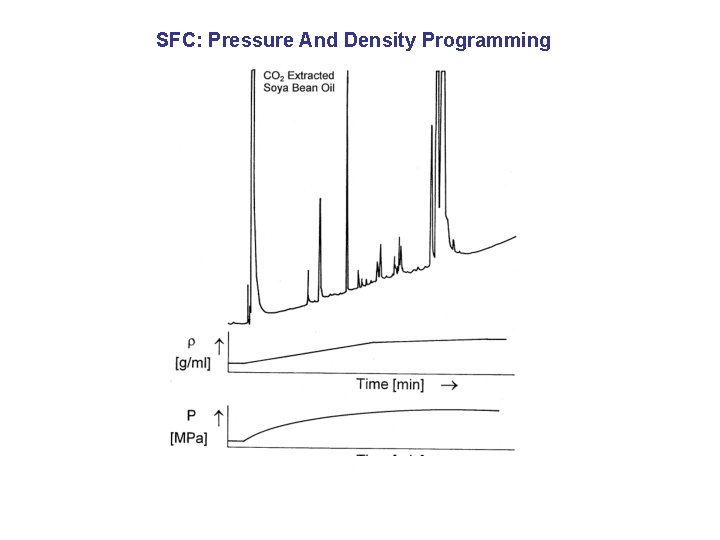
SFC: Pressure And Density Programming
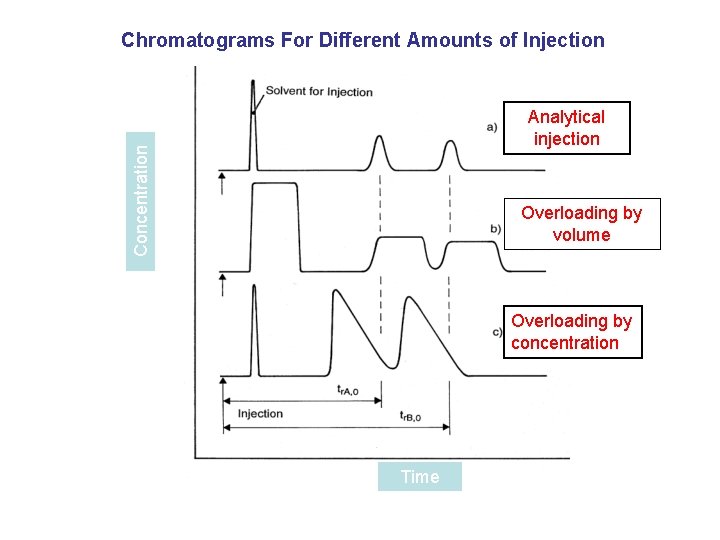
Chromatograms For Different Amounts of Injection Concentration Analytical injection Overloading by volume Overloading by concentration Time
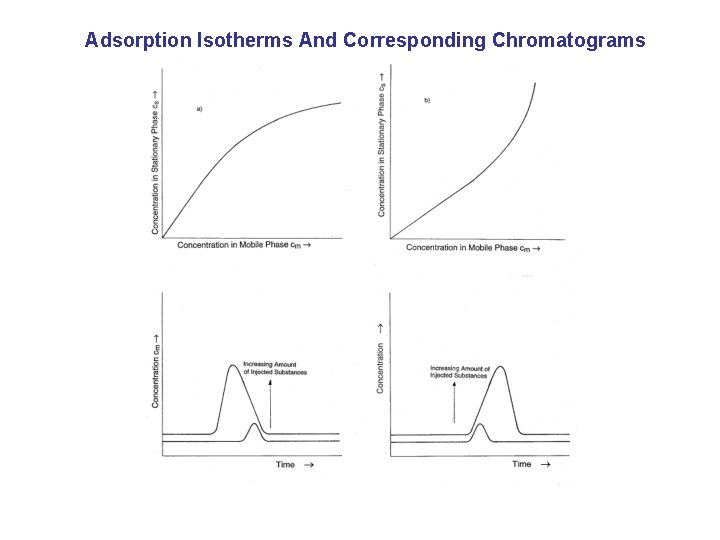
Adsorption Isotherms And Corresponding Chromatograms
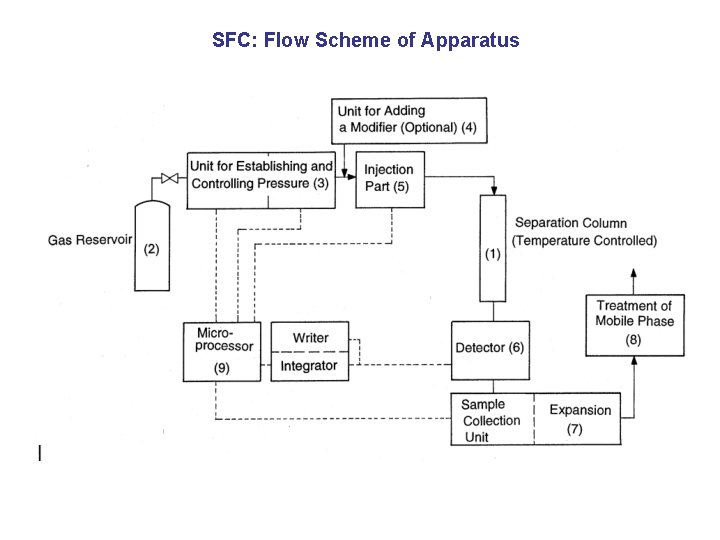
SFC: Flow Scheme of Apparatus
Elution Chromatography: A Chromatogram
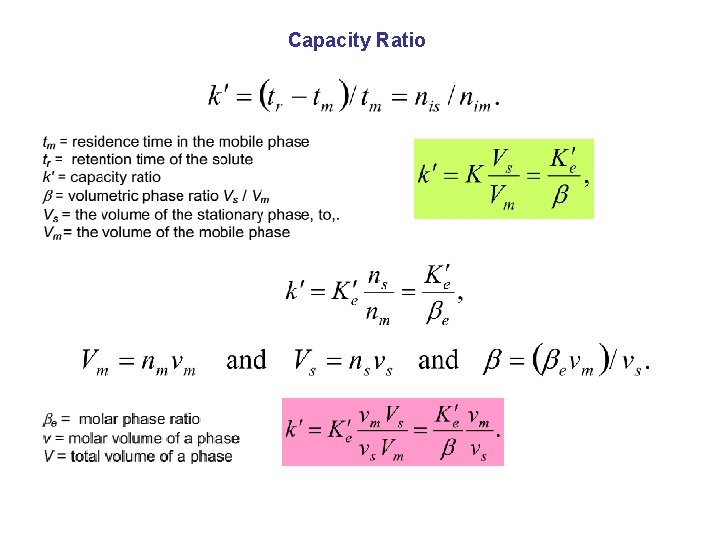
Capacity Ratio
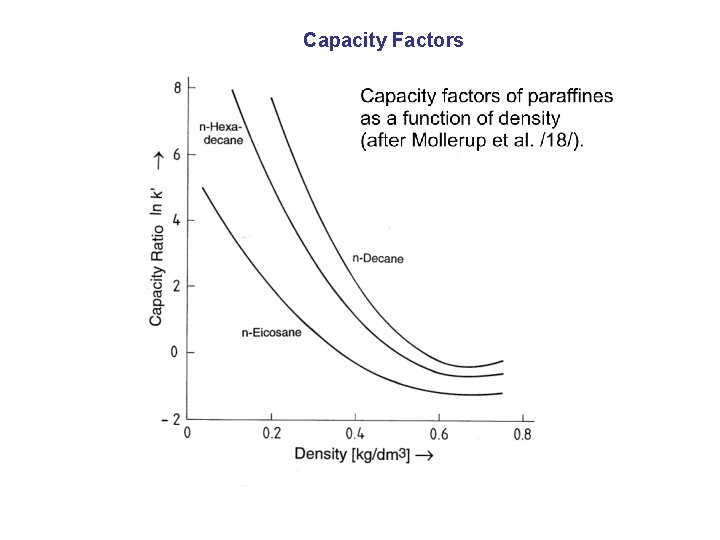
Capacity Factors
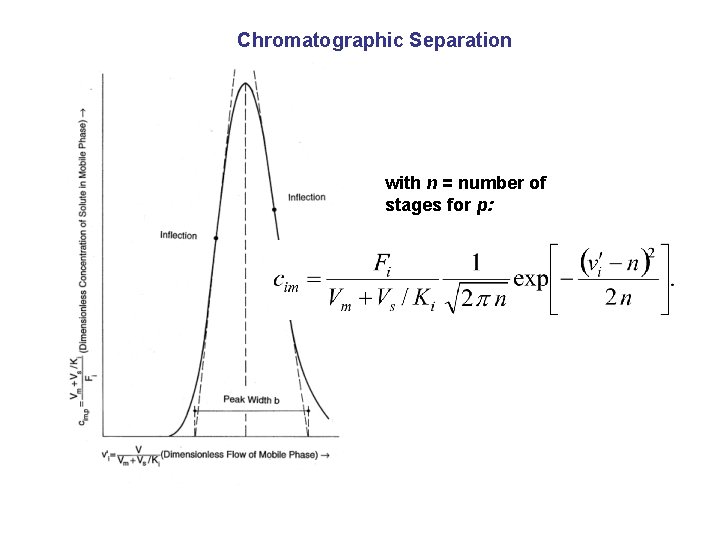
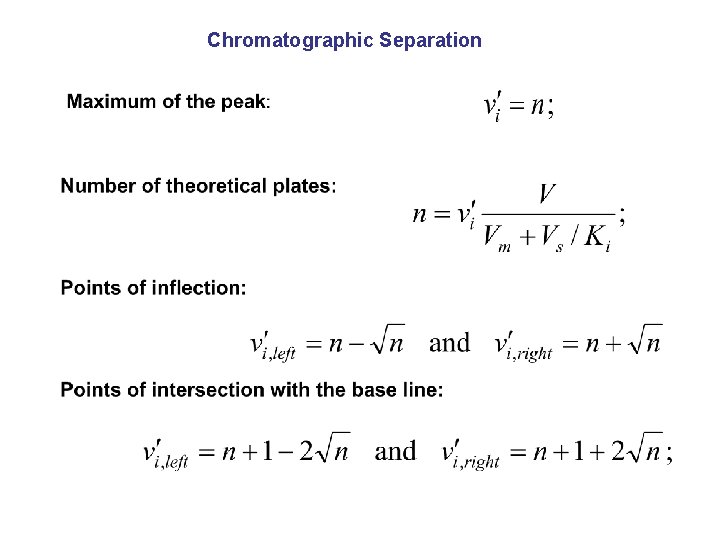
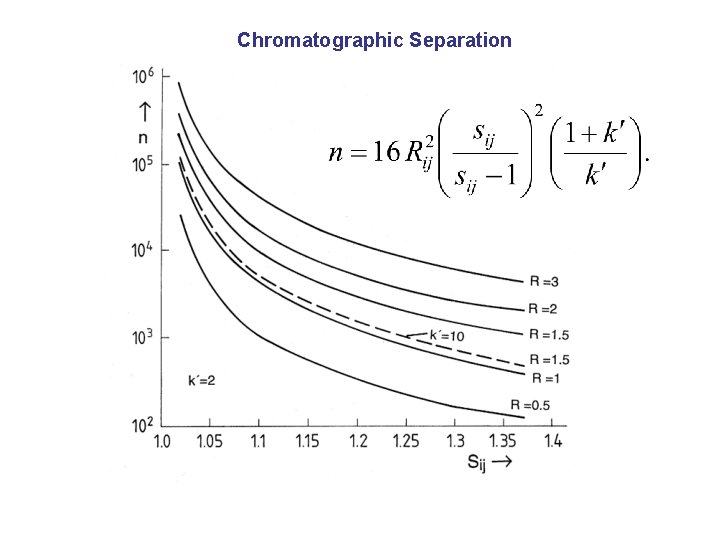
Chromatographic Separation with n = number of stages for p:
Chromatographic Separation
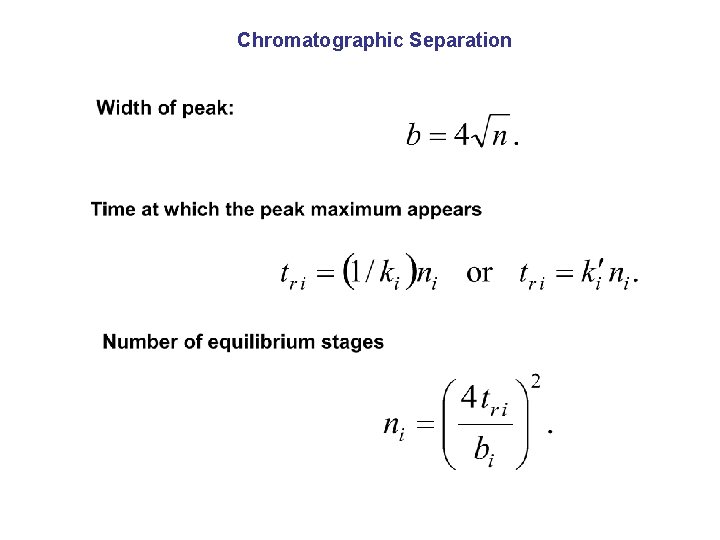
Chromatographic Separation
Chromatographic Separation
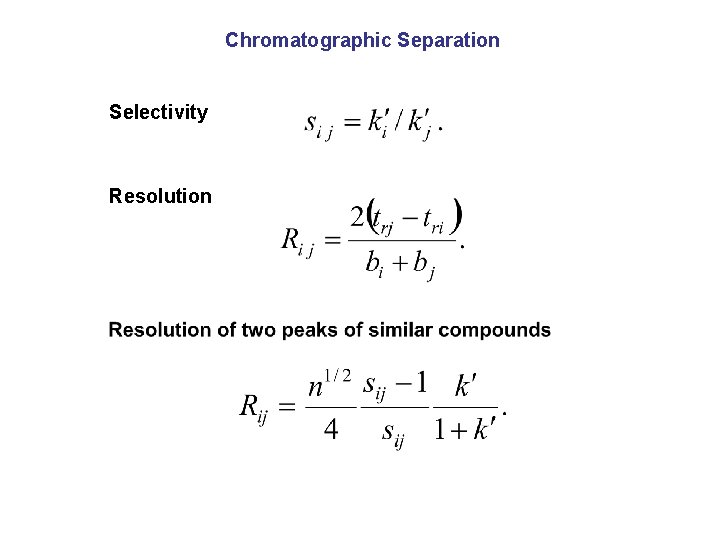
Chromatographic Separation Selectivity Resolution
Chromatographic Separation
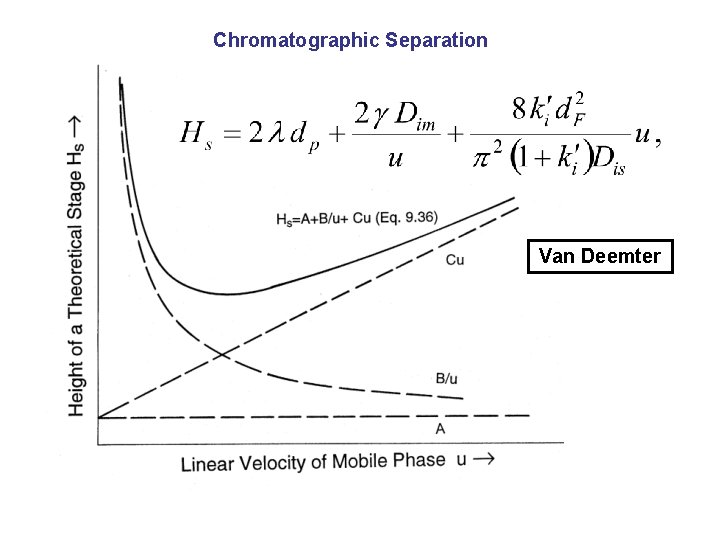
Chromatographic Separation Van Deemter
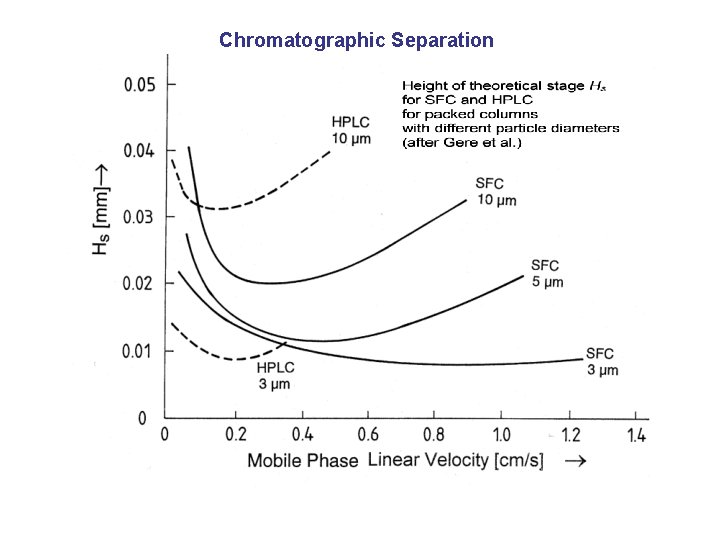
Chromatographic Separation
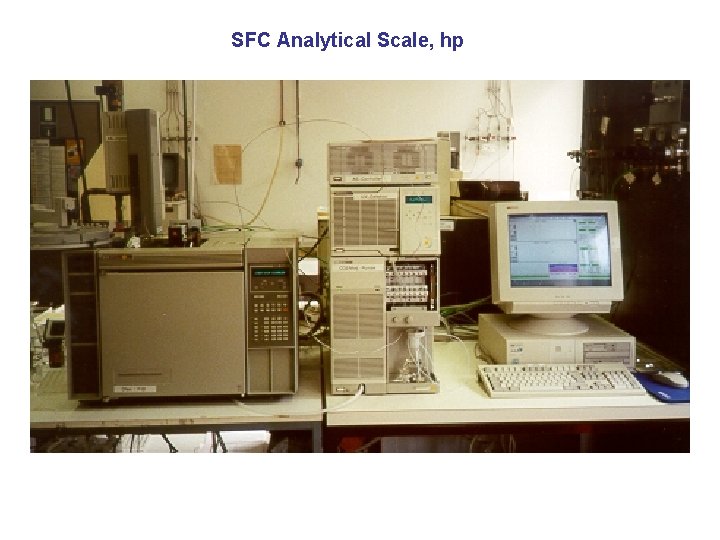
SFC Analytical Scale, hp
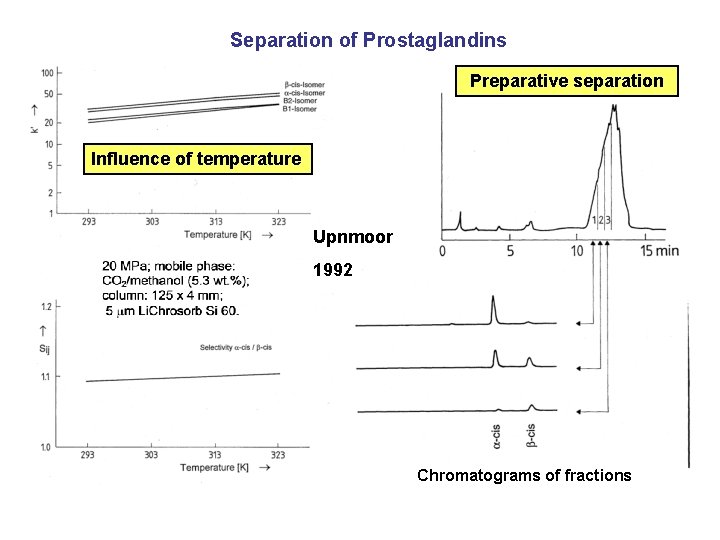
Separation of Prostaglandins Preparative separation Influence of temperature Upnmoor 1992 Chromatograms of fractions
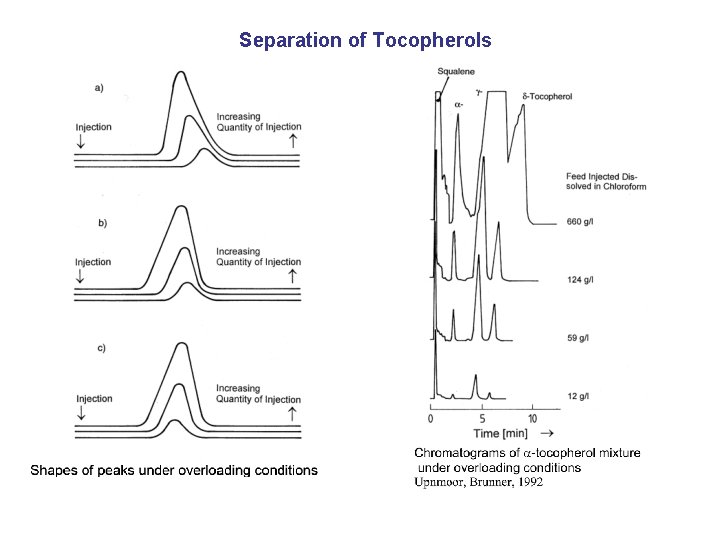
Separation of Tocopherols
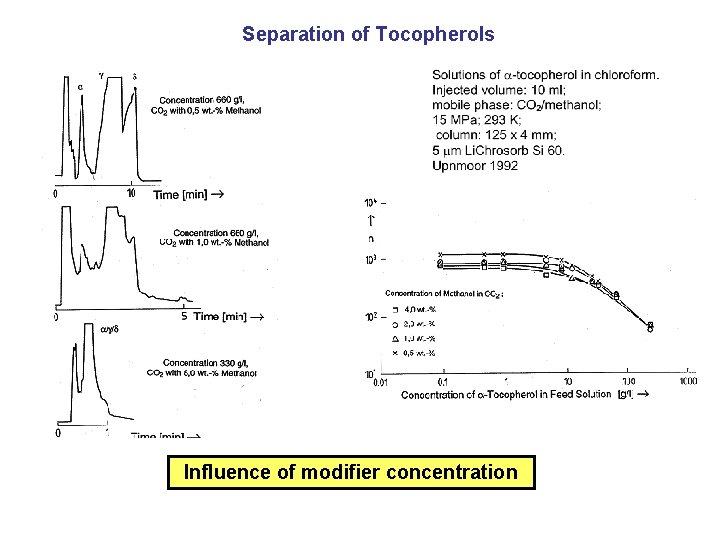
Separation of Tocopherols Influence of modifier concentration
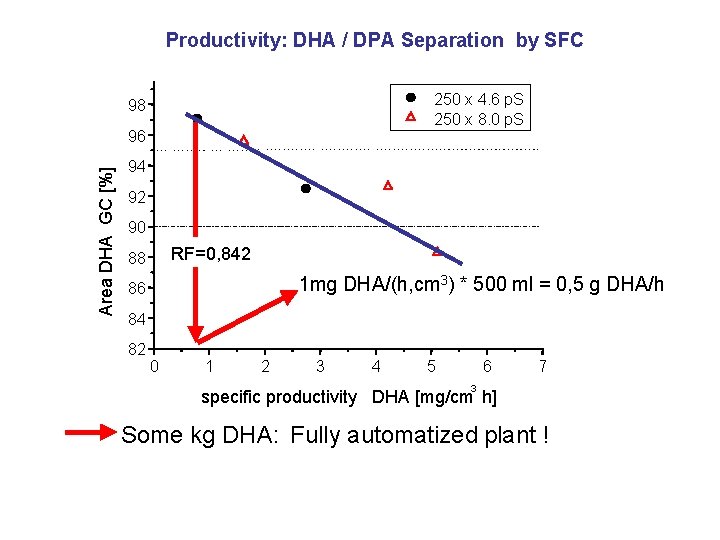
Productivity: DHA / DPA Separation by SFC 250 x 4. 6 p. S 250 x 8. 0 p. S 98 Area DHA GC [%] 96 94 92 90 RF=0, 842 88 1 mg DHA/(h, cm 3) * 500 ml = 0, 5 g DHA/h 86 84 82 0 1 2 3 4 5 6 7 3 specific productivity DHA [mg/cm h] Some kg DHA: Fully automatized plant !
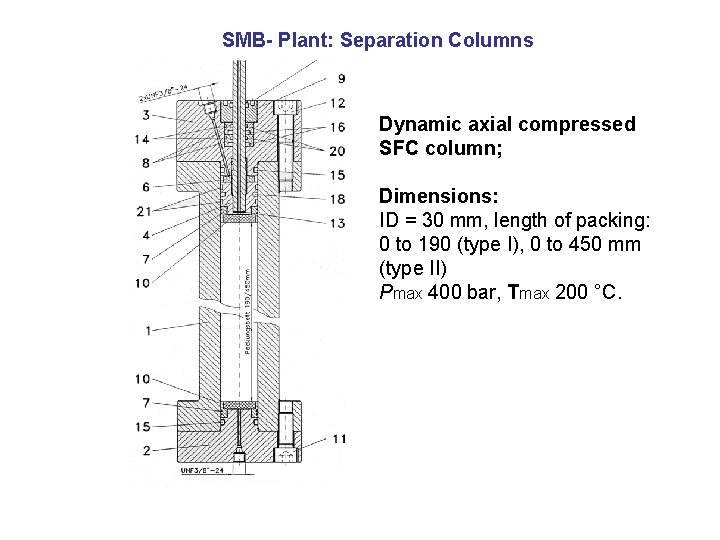
SMB- Plant: Separation Columns Dynamic axial compressed SFC column; Dimensions: ID = 30 mm, length of packing: 0 to 190 (type I), 0 to 450 mm (type II) Pmax 400 bar, Tmax 200 °C.
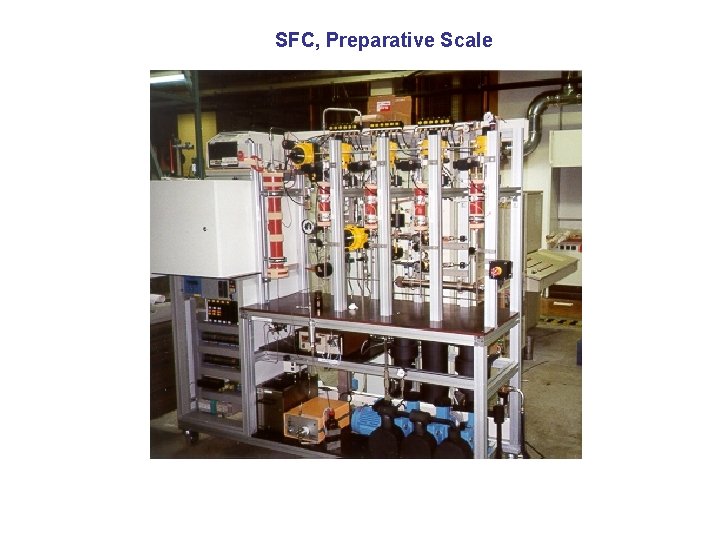
SFC, Preparative Scale
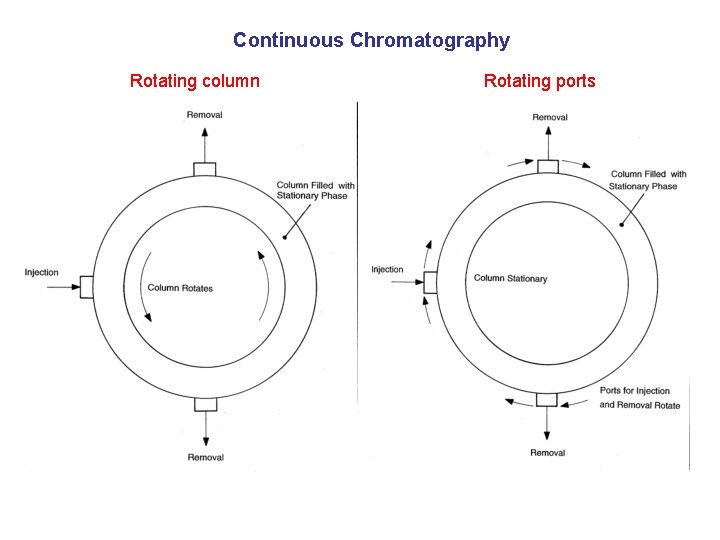
Continuous Chromatography Rotating column Rotating ports
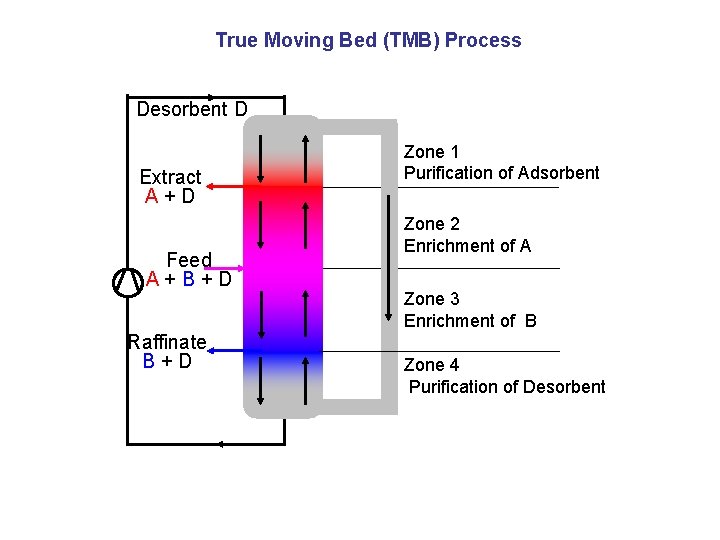
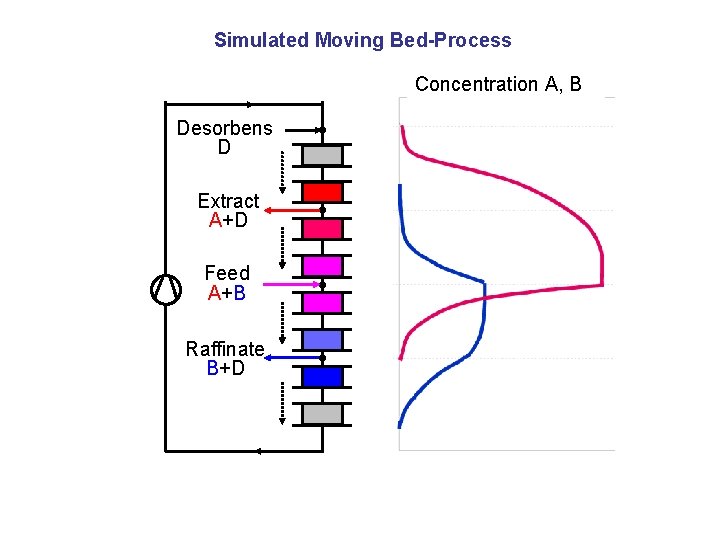
True Moving Bed (TMB) Process Desorbent D Extract A+D Feed A+B+D Raffinate B+D Zone 1 Purification of Adsorbent Zone 2 Enrichment of A Zone 3 Enrichment of B Zone 4 Purification of Desorbent
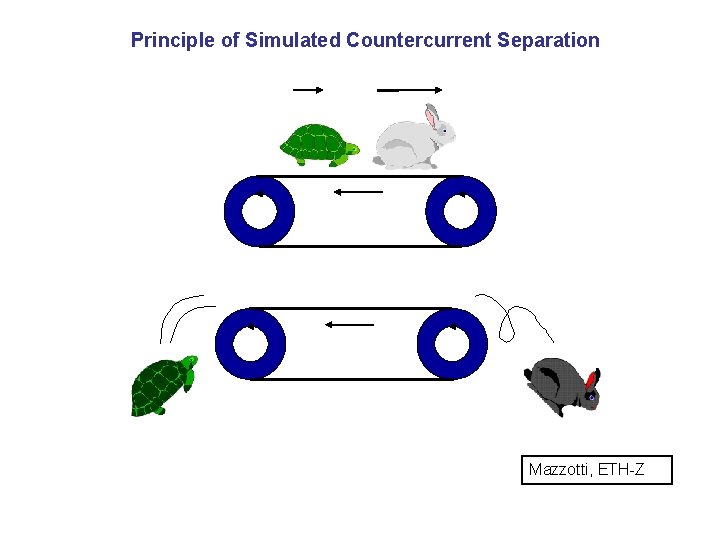
Principle of Simulated Countercurrent Separation Mazzotti, ETH-Z
Simulated Moving Bed-Process Concentration A, B Desorbens D Extract A+D Feed A+B Raffinate B+D
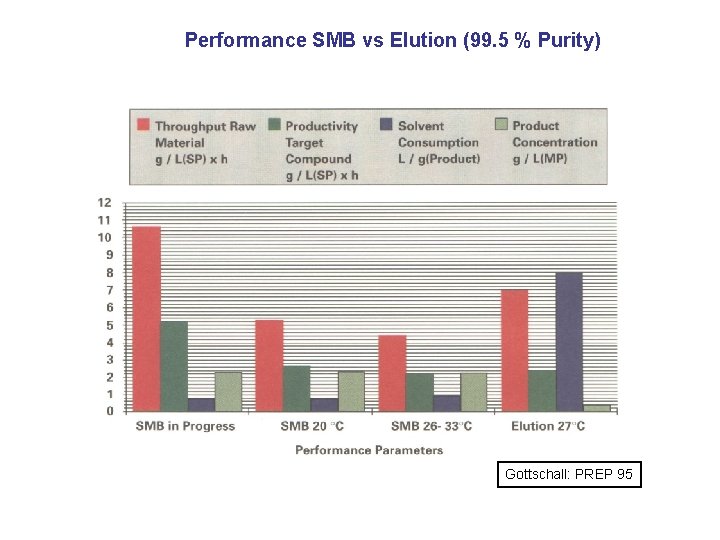
Performance SMB vs Elution (99. 5 % Purity) Gottschall: PREP 95
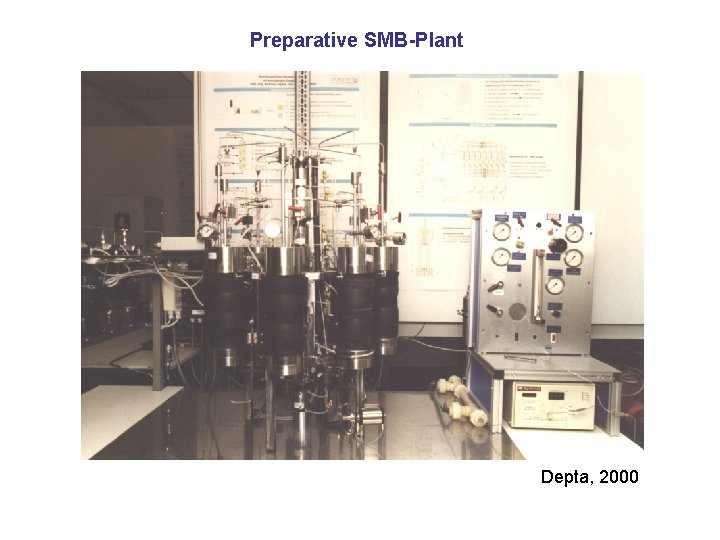
Preparative SMB-Plant Depta, 2000
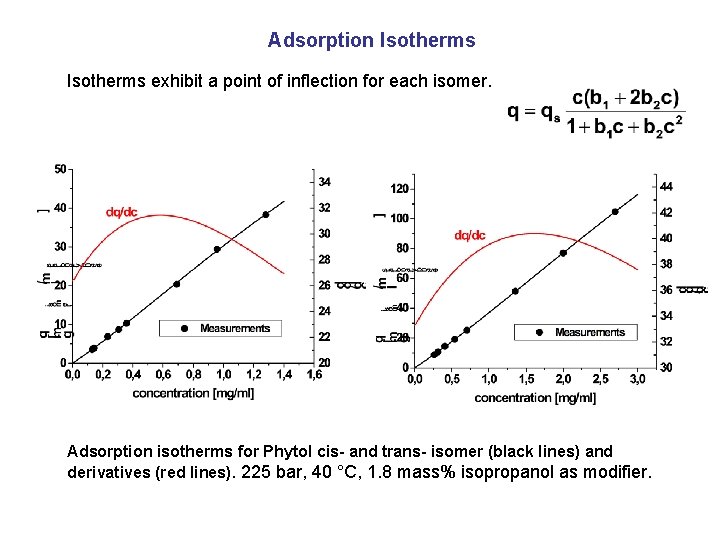
Adsorption Isotherms exhibit a point of inflection for each isomer. Adsorption isotherms for Phytol cis- and trans- isomer (black lines) and derivatives (red lines). 225 bar, 40 °C, 1. 8 mass% isopropanol as modifier.
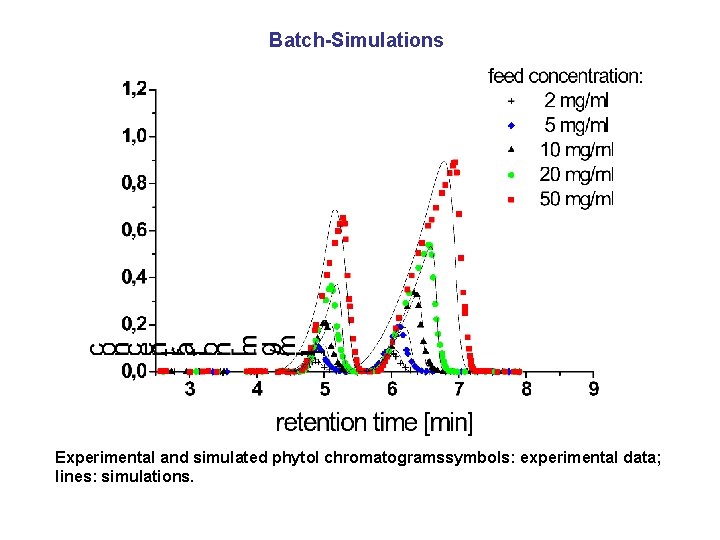
Batch-Simulations Experimental and simulated phytol chromatogramssymbols: experimental data; lines: simulations.
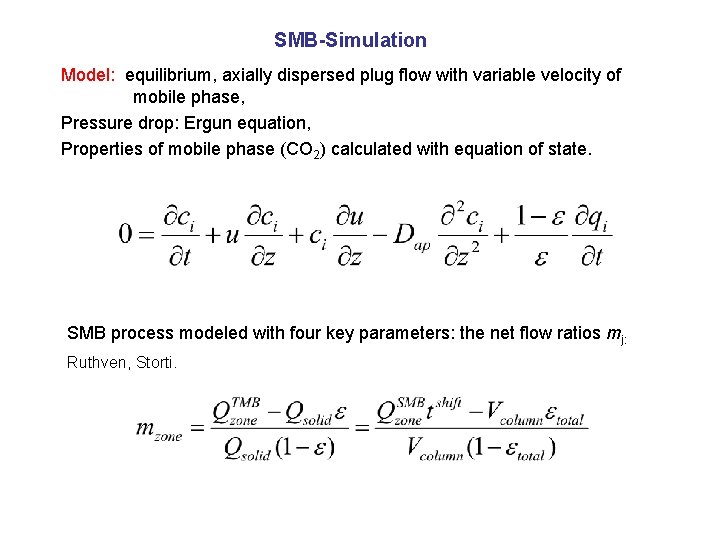
SMB-Simulation Model: equilibrium, axially dispersed plug flow with variable velocity of mobile phase, Pressure drop: Ergun equation, Properties of mobile phase (CO 2) calculated with equation of state. SMB process modeled with four key parameters: the net flow ratios mj: Ruthven, Storti.
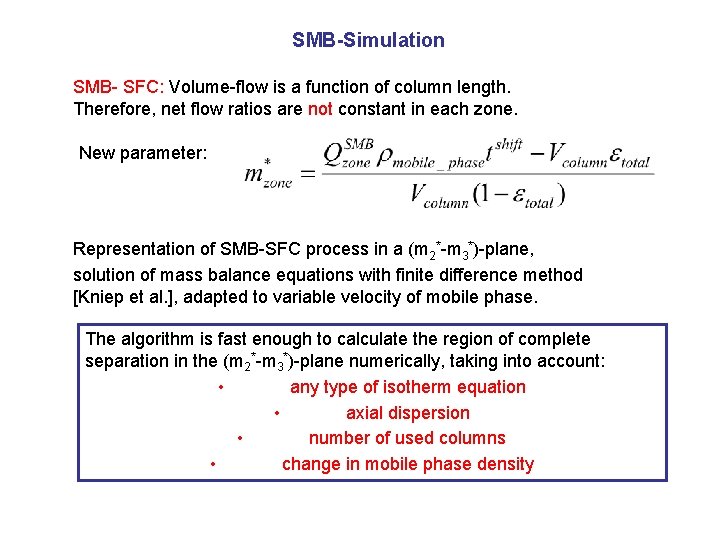
SMB-Simulation SMB- SFC: Volume-flow is a function of column length. Therefore, net flow ratios are not constant in each zone. New parameter: Representation of SMB-SFC process in a (m 2*-m 3*)-plane, solution of mass balance equations with finite difference method [Kniep et al. ], adapted to variable velocity of mobile phase. The algorithm is fast enough to calculate the region of complete separation in the (m 2*-m 3*)-plane numerically, taking into account: • any type of isotherm equation • axial dispersion • number of used columns • change in mobile phase density
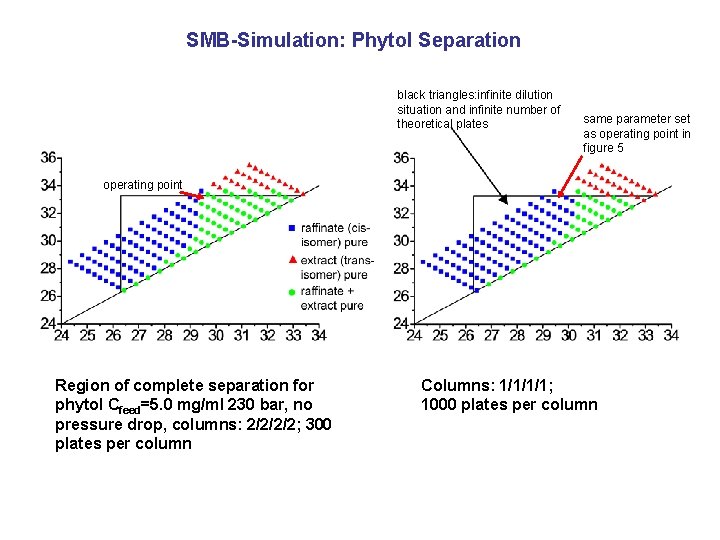
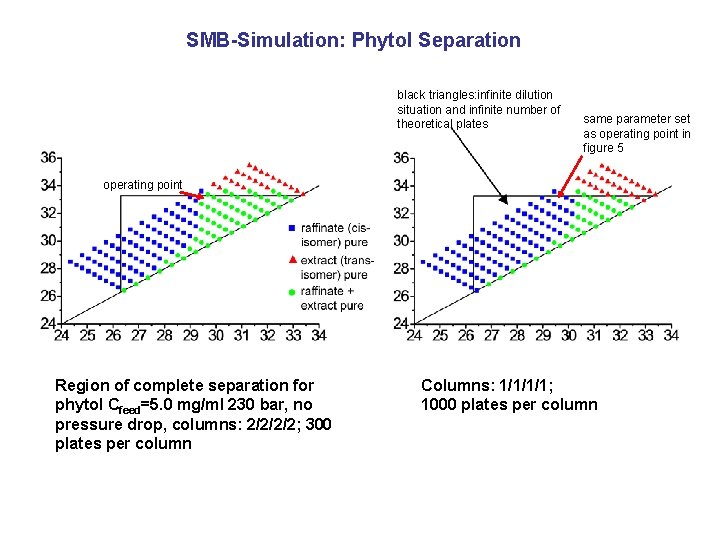
SMB-Simulation: Phytol Separation black triangles: infinite dilution situation and infinite number of theoretical plates same parameter set as operating point in figure 5 operating point Region of complete separation for phytol Cfeed=5. 0 mg/ml 230 bar, no pressure drop, columns: 2/2/2/2; 300 plates per column Columns: 1/1/1/1; 1000 plates per column
SMB-Simulation: Phytol Separation black triangles: infinite dilution situation and infinite number of theoretical plates same parameter set as operating point in figure 5 operating point Region of complete separation for phytol Cfeed=5. 0 mg/ml 230 bar, no pressure drop, columns: 2/2/2/2; 300 plates per column Columns: 1/1/1/1; 1000 plates per column
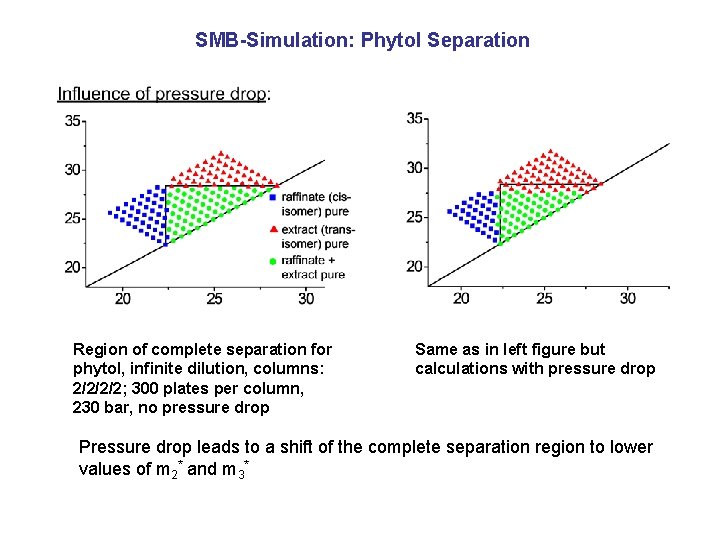
SMB-Simulation: Phytol Separation Region of complete separation for phytol, infinite dilution, columns: 2/2/2/2; 300 plates per column, 230 bar, no pressure drop Same as in left figure but calculations with pressure drop Pressure drop leads to a shift of the complete separation region to lower values of m 2* and m 3*
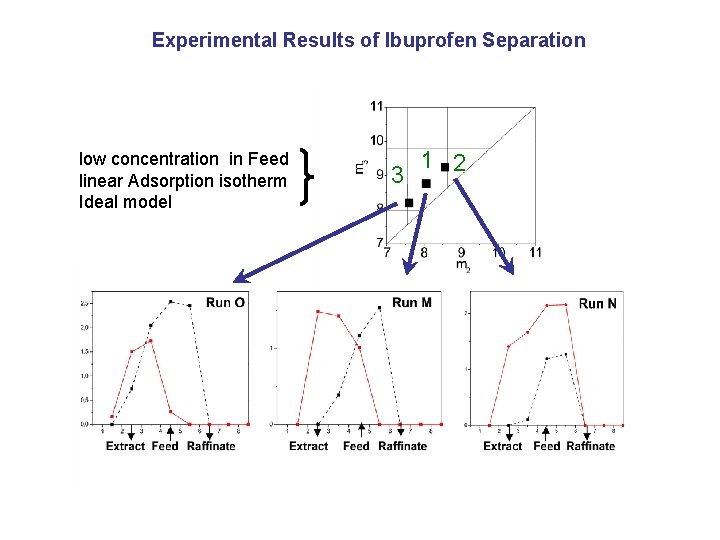
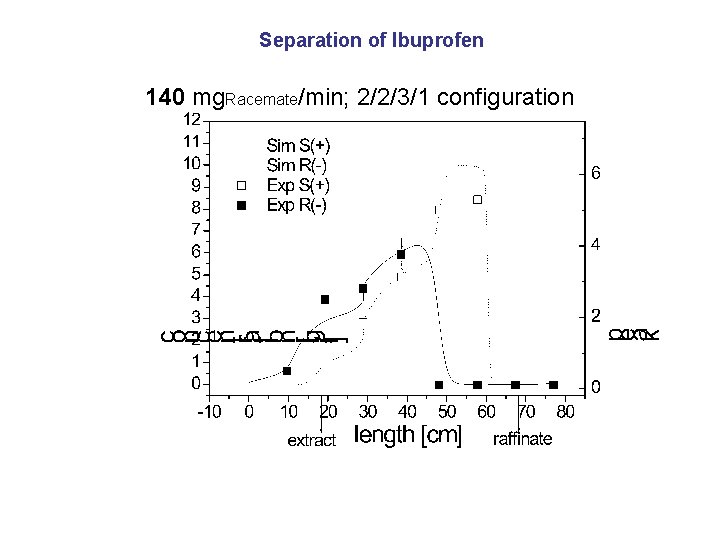
Experimental Results of Ibuprofen Separation low concentration in Feed linear Adsorption isotherm Ideal model 3 1 2
Separation of Ibuprofen 140 mg. Racemate/min; 2/2/3/1 configuration
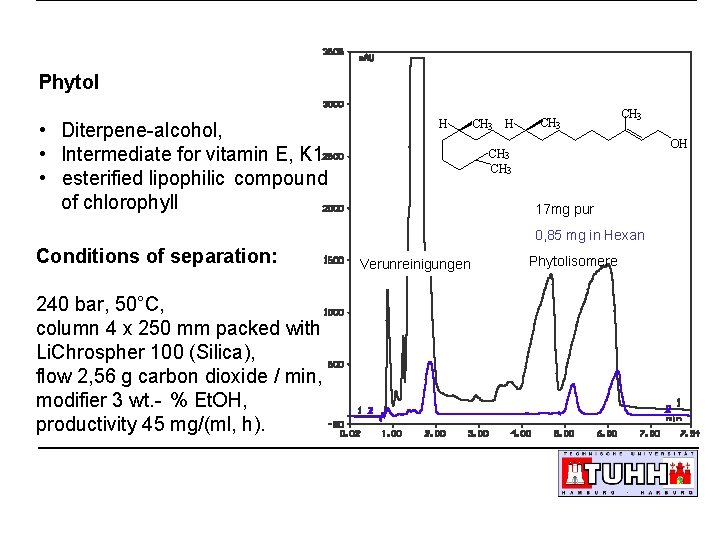
Phytol • Diterpene-alcohol, • Intermediate for vitamin E, K 1 • esterified lipophilic compound of chlorophyll H CH 3 OH CH 3 17 mg pur 0, 85 mg in Hexan Conditions of separation: 240 bar, 50°C, column 4 x 250 mm packed with Li. Chrospher 100 (Silica), flow 2, 56 g carbon dioxide / min, modifier 3 wt. - % Et. OH, productivity 45 mg/(ml, h). Verunreinigungen Phytolisomere