
CHAPTER 7 The Basics of Photosynthesis 1 of
CHAPTER 7: The Basics of Photosynthesis (1 of 2) • Photosynthesis ‒ is used by plants, algae (protists), and certain bacteria, ‒ transforms light energy into chemical energy, ‒ uses carbon dioxide and water as starting materials, and ‒ releases oxygen gas as a by-product. Copyright © 2016, 2013, 2010 Pearson Education, Inc. All Rights Reserved
The Basics of Photosynthesis (2 of 2) • The chemical energy produced via photosynthesis is stored in the bonds of sugar molecules. • Organisms that generate their own organic matter from inorganic ingredients are called autotrophs. • Plants and other organisms that do this by photosynthesis—photoautotrophs—are the producers for most ecosystems. Copyright © 2016, 2013, 2010 Pearson Education, Inc. All Rights Reserved

Figure 7. 1 A Diversity of Photoautotrophs (1 of 4) Copyright © 2016, 2013, 2010 Pearson Education, Inc. All Rights Reserved
Chloroplasts: Sites of Photosynthesis (1 of 3) • Chloroplasts are ‒ light-absorbing organelles, ‒ the site of photosynthesis, and ‒ found mostly in the interior cells of leaves. • Their green color is from chlorophyll, a pigment (light -absorbing molecule) in the chloroplasts that plays a central role in converting solar energy to chemical energy. Copyright © 2016, 2013, 2010 Pearson Education, Inc. All Rights Reserved
Chloroplasts: Sites of Photosynthesis (2 of 3) • Stomata are tiny pores in leaves where ‒ carbon dioxide enters and ‒ oxygen exits. • Membranes within the chloroplast form the framework where many of the reactions of photosynthesis occur. Copyright © 2016, 2013, 2010 Pearson Education, Inc. All Rights Reserved
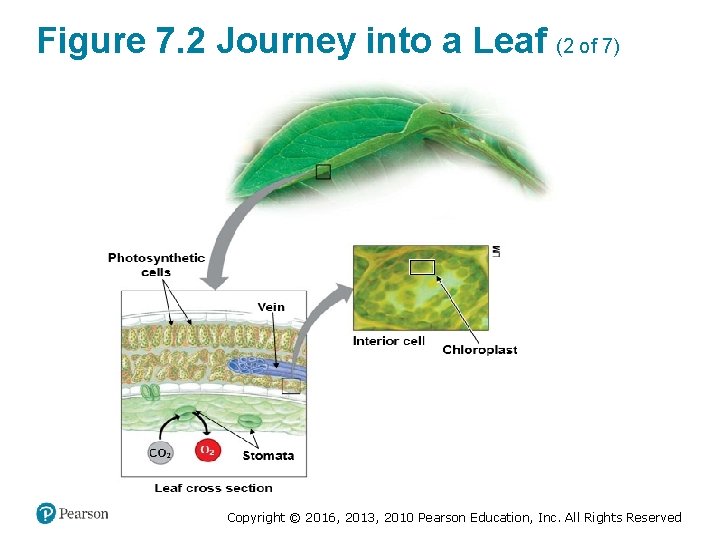
Figure 7. 2 Journey into a Leaf (2 of 7) Copyright © 2016, 2013, 2010 Pearson Education, Inc. All Rights Reserved
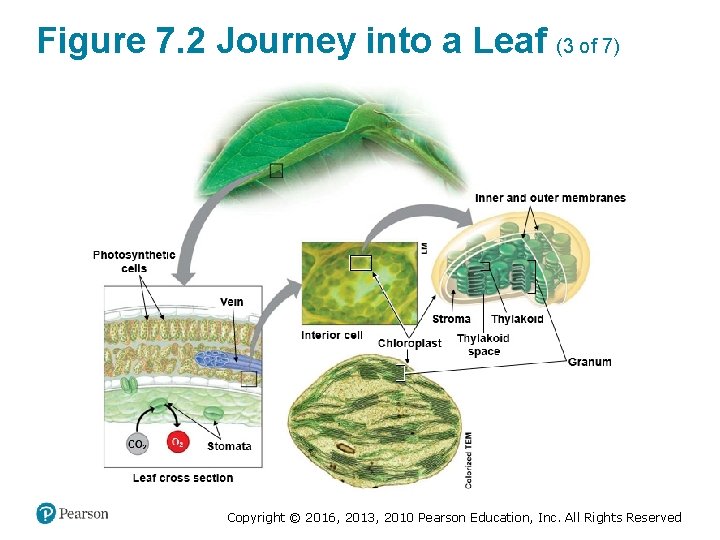
Figure 7. 2 Journey into a Leaf (3 of 7) Copyright © 2016, 2013, 2010 Pearson Education, Inc. All Rights Reserved

Figure 7. 2 Journey into a Leaf (4 of 7) Copyright © 2016, 2013, 2010 Pearson Education, Inc. All Rights Reserved
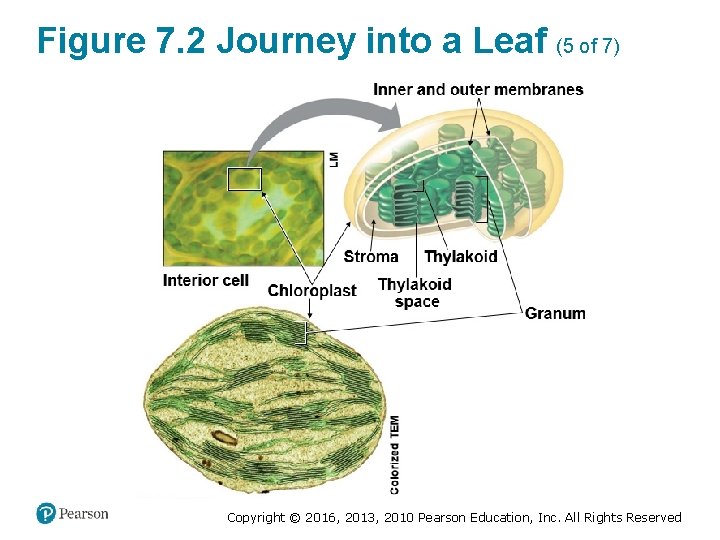
Figure 7. 2 Journey into a Leaf (5 of 7) Copyright © 2016, 2013, 2010 Pearson Education, Inc. All Rights Reserved
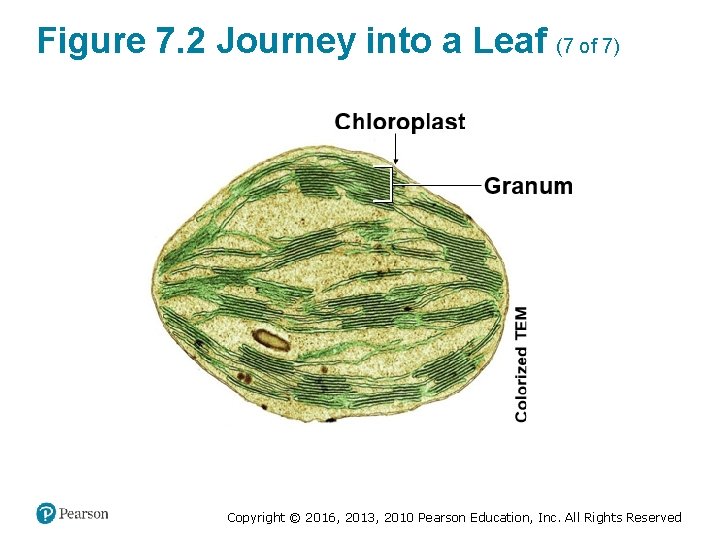
Figure 7. 2 Journey into a Leaf (7 of 7) Copyright © 2016, 2013, 2010 Pearson Education, Inc. All Rights Reserved
Chloroplasts: Sites of Photosynthesis (3 of 3) • Like a mitochondrion, a chloroplast has a doublemembrane envelope. ‒ The inner membrane encloses a compartment filled with stroma, a thick fluid. ‒ Suspended in the stroma are interconnected membranous sacs called thylakoids. ‒ The thylakoids are concentrated in stacks called grana (singular, granum). ‒ The chlorophyll molecules that capture light energy are built into the thylakoid membranes. Copyright © 2016, 2013, 2010 Pearson Education, Inc. All Rights Reserved
Energy Transformations: An Overview of Photosynthesis (1 of 7) • In the overall equation for photosynthesis, notice that the reactants of photosynthesis, carbon dioxide (CO 2) and water (H 2 O), are the same as the waste products of cellular respiration, and photosynthesis produces what respiration uses—glucose (C 6 H 12 O 6) and oxygen (O 2). Copyright © 2016, 2013, 2010 Pearson Education, Inc. All Rights Reserved
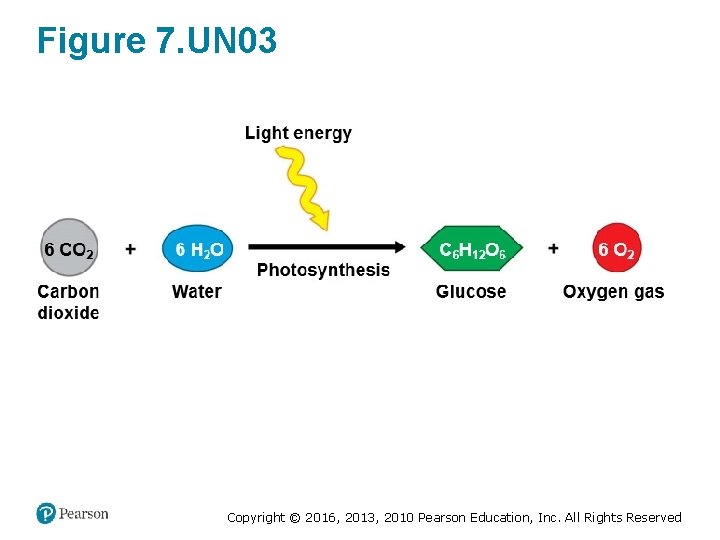
Figure 7. UN 03 Copyright © 2016, 2013, 2010 Pearson Education, Inc. All Rights Reserved
Energy Transformations: An Overview of Photosynthesis (2 of 7) • Photosynthesis is a chemical transformation that requires a lot of energy, and sunlight absorbed by chlorophyll provides that energy. ‒ Recall that cellular respiration is a process of electron transfer. A “fall” of electrons from food molecules to oxygen to form water releases the energy that mitochondria can use to make ATP. ‒ The opposite occurs in photosynthesis: Electrons are boosted “uphill” and added to carbon dioxide to produce sugar. Copyright © 2016, 2013, 2010 Pearson Education, Inc. All Rights Reserved
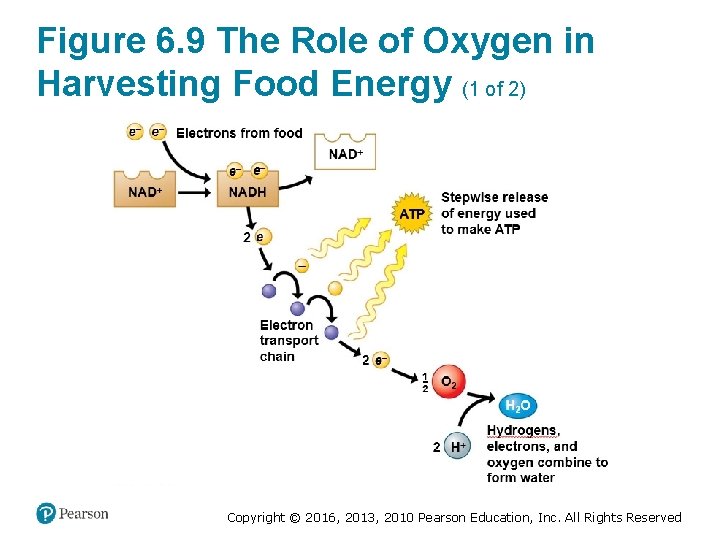
Figure 6. 9 The Role of Oxygen in Harvesting Food Energy (1 of 2) Copyright © 2016, 2013, 2010 Pearson Education, Inc. All Rights Reserved
Energy Transformations: An Overview of Photosynthesis (3 of 7) • The overall equation for photosynthesis is a simple summary of a complex process. ‒ Like many energy-producing processes within cells, photosynthesis is a multistep chemical pathway, with each step in the path producing products that are used as reactants in the next step. ‒ This is a clear example of one of biology’s major themes: the use of metabolic pathways to obtain, process, and store energy. Copyright © 2016, 2013, 2010 Pearson Education, Inc. All Rights Reserved
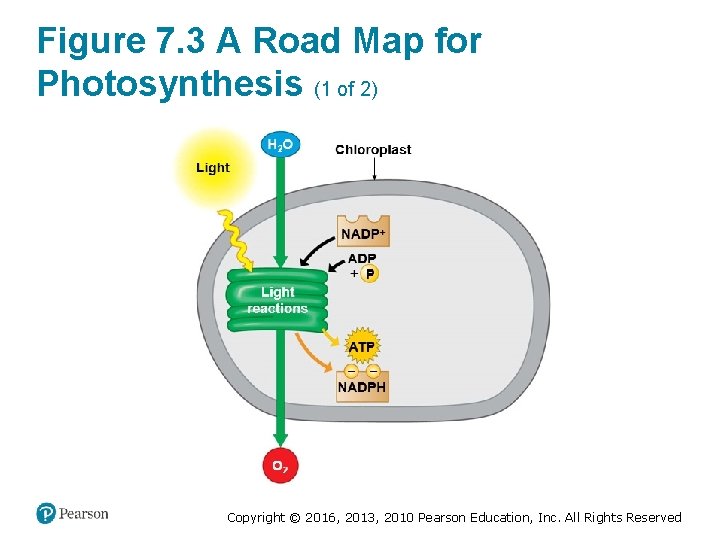
Figure 7. 3 A Road Map for Photosynthesis (1 of 2) Copyright © 2016, 2013, 2010 Pearson Education, Inc. All Rights Reserved
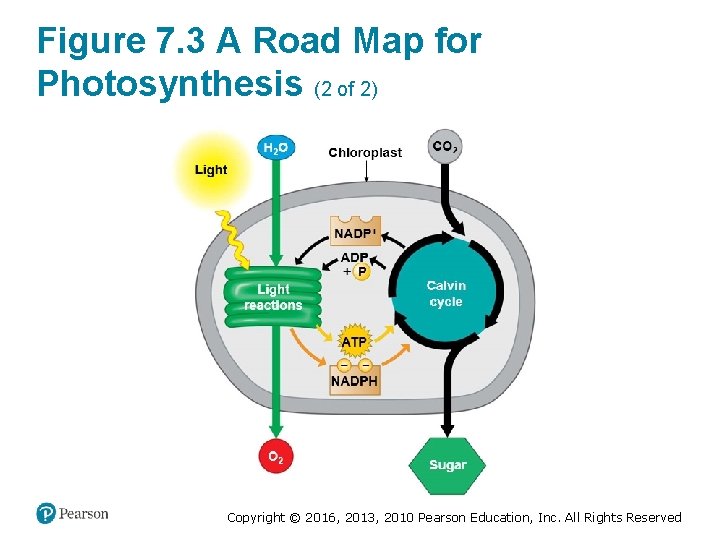
Figure 7. 3 A Road Map for Photosynthesis (2 of 2) Copyright © 2016, 2013, 2010 Pearson Education, Inc. All Rights Reserved
Energy Transformations: An Overview of Photosynthesis (4 of 7) • Photosynthesis occurs in two stages. 1. In the light reactions, § chlorophyll in the thylakoid membranes absorbs solar energy, which is then converted to the chemical energy of ATP and NADPH, and § water is split, providing a source of electrons and giving off O 2 gas as a by-product. Copyright © 2016, 2013, 2010 Pearson Education, Inc. All Rights Reserved
Energy Transformations: An Overview of Photosynthesis (5 of 7) 2. The Calvin cycle uses the products of the light reactions to make sugar from carbon dioxide. § ATP generated by the light reactions provides the energy for sugar synthesis. § The NADPH produced by the light reactions provides the high-energy electrons that drive the synthesis of glucose from carbon dioxide. § Thus, the Calvin cycle indirectly depends on light to produce sugar because it requires the supply of ATP and NADPH produced by the light reactions. Copyright © 2016, 2013, 2010 Pearson Education, Inc. All Rights Reserved
Energy Transformations: An Overview of Photosynthesis (6 of 7) • The initial incorporation of carbon from the atmosphere into organic compounds is called carbon fixation. – This can help reduce the concentration of carbon dioxide in the atmosphere. Copyright © 2016, 2013, 2010 Pearson Education, Inc. All Rights Reserved
Energy Transformations: An Overview of Photosynthesis (7 of 7) • Deforestation, which removes a lot of photosynthetic plant life, thereby reduces the ability of the biosphere to absorb carbon. • Planting new forests can have the opposite effect of fixing carbon from the atmosphere, potentially reducing the effect of the gases that contribute to global climate change. Copyright © 2016, 2013, 2010 Pearson Education, Inc. All Rights Reserved
The Light Reactions: Converting Solar Energy to Chemical Energy • Chloroplasts are solar-powered sugar factories. Copyright © 2016, 2013, 2010 Pearson Education, Inc. All Rights Reserved
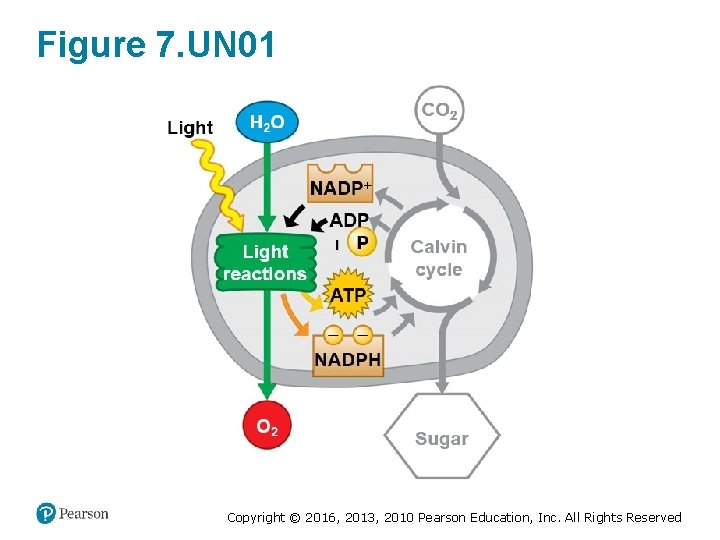
Figure 7. UN 01 Copyright © 2016, 2013, 2010 Pearson Education, Inc. All Rights Reserved
The Nature of Sunlight (1 of 2) • Sunlight is a type of energy called radiation, or electromagnetic energy. • The distance between the crests of two adjacent waves is called a wavelength. • The full range of radiation is called the electromagnetic spectrum. Copyright © 2016, 2013, 2010 Pearson Education, Inc. All Rights Reserved
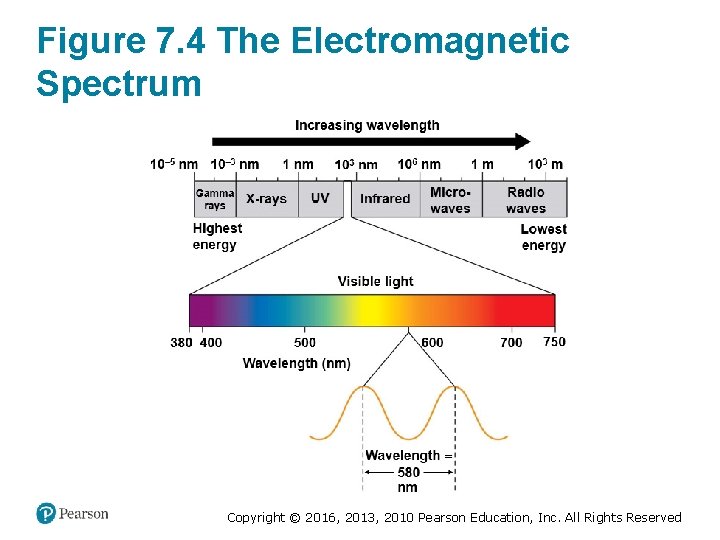
Figure 7. 4 The Electromagnetic Spectrum Copyright © 2016, 2013, 2010 Pearson Education, Inc. All Rights Reserved
The Nature of Sunlight (2 of 2) • When sunlight shines on a pigmented material, certain wavelengths (colors) of the visible light are absorbed and disappear from the light that is reflected by the material. • In the 19 th century, botanists discovered that only certain wavelengths of light are used by plants. Copyright © 2016, 2013, 2010 Pearson Education, Inc. All Rights Reserved
The Process of Science: What Colors of Light Drive Photosynthesis? (1 of 3) • Observation: In 1883, German biologist Theodor Engelmann saw that certain bacteria living in water tend to cluster in areas with higher oxygen concentrations. • Question: Could this information determine which wavelengths of light work best for photosynthesis? • Hypothesis: Oxygen-seeking bacteria will congregate near regions of algae performing the most photosynthesis. Copyright © 2016, 2013, 2010 Pearson Education, Inc. All Rights Reserved
The Process of Science: What Colors of Light Drive Photosynthesis? (2 of 3) • Experiment: Engelmann ‒ laid a string of freshwater algal cells in a drop of water on a microscope slide, ‒ added oxygen-sensitive bacteria to the drop, and ‒ used a prism to create a spectrum of light shining on the slide. Copyright © 2016, 2013, 2010 Pearson Education, Inc. All Rights Reserved
The Process of Science: What Colors of Light Drive Photosynthesis? (3 of 3) • Results: – Most bacteria congregated around algae exposed to red-orange and blue-violet light. – Very few moved to areas of green light. • Other experiments have since verified that – chloroplasts absorb light mainly in the blue-violet and red-orange part of the spectrum and – those wavelengths of light are the ones mainly responsible for photosynthesis. Copyright © 2016, 2013, 2010 Pearson Education, Inc. All Rights Reserved
Chloroplast Pigments (1 of 5) • The selective absorption of light by leaves explains why they appear green to us. ‒ Light of that color is poorly absorbed by chloroplasts and is thus reflected or transmitted toward the observer. • Energy cannot be destroyed, so the absorbed energy must be converted to other forms. Copyright © 2016, 2013, 2010 Pearson Education, Inc. All Rights Reserved
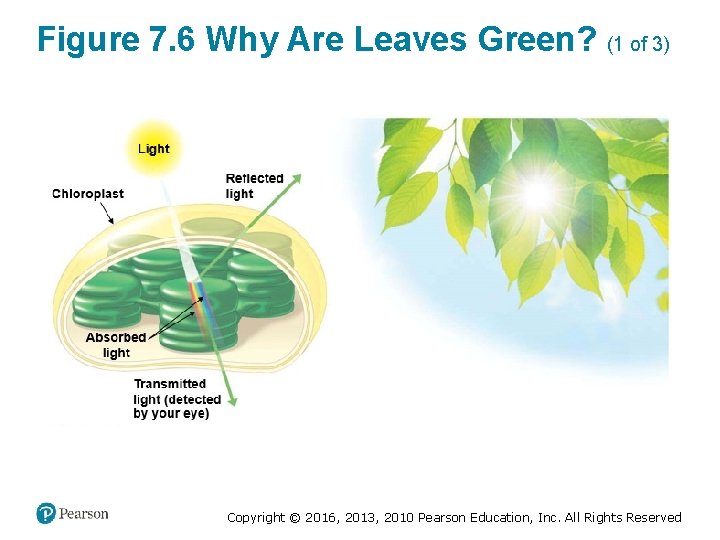
Figure 7. 6 Why Are Leaves Green? (1 of 3) Copyright © 2016, 2013, 2010 Pearson Education, Inc. All Rights Reserved
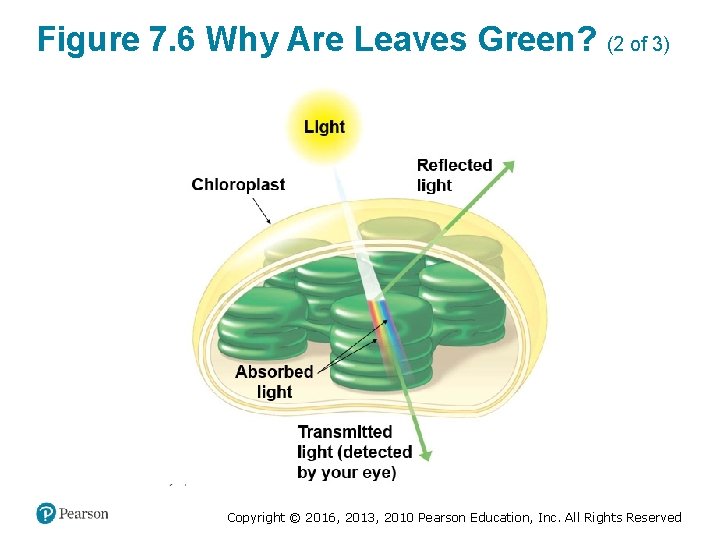
Figure 7. 6 Why Are Leaves Green? (2 of 3) Copyright © 2016, 2013, 2010 Pearson Education, Inc. All Rights Reserved
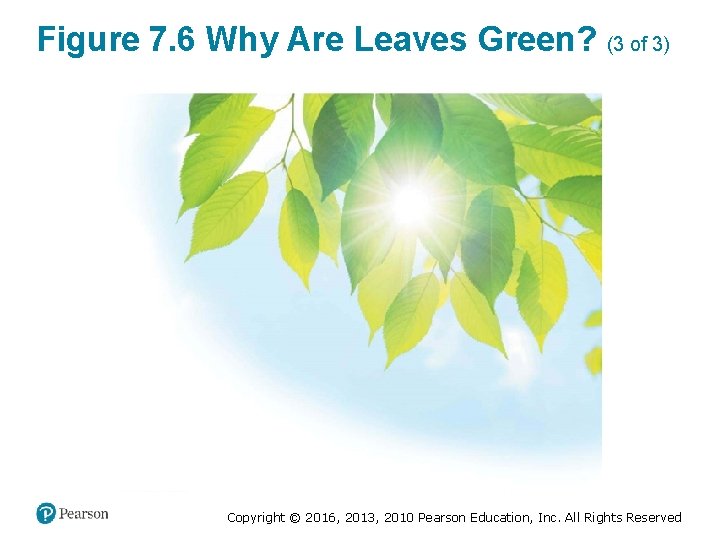
Figure 7. 6 Why Are Leaves Green? (3 of 3) Copyright © 2016, 2013, 2010 Pearson Education, Inc. All Rights Reserved
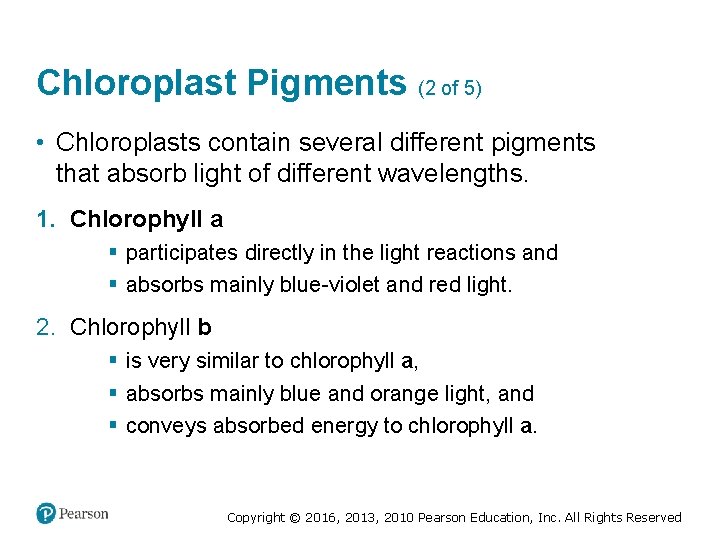
Chloroplast Pigments (2 of 5) • Chloroplasts contain several different pigments that absorb light of different wavelengths. 1. Chlorophyll a § participates directly in the light reactions and § absorbs mainly blue-violet and red light. 2. Chlorophyll b § is very similar to chlorophyll a, § absorbs mainly blue and orange light, and § conveys absorbed energy to chlorophyll a. Copyright © 2016, 2013, 2010 Pearson Education, Inc. All Rights Reserved
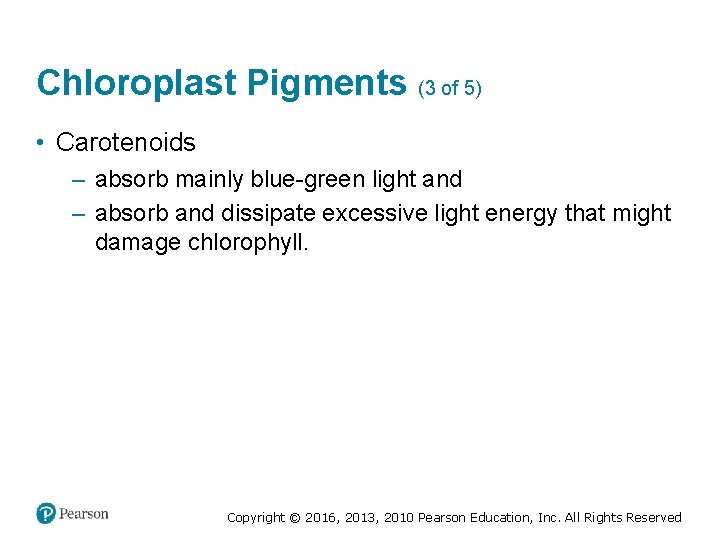
Chloroplast Pigments (3 of 5) • Carotenoids ‒ absorb mainly blue-green light and ‒ absorb and dissipate excessive light energy that might damage chlorophyll. Copyright © 2016, 2013, 2010 Pearson Education, Inc. All Rights Reserved
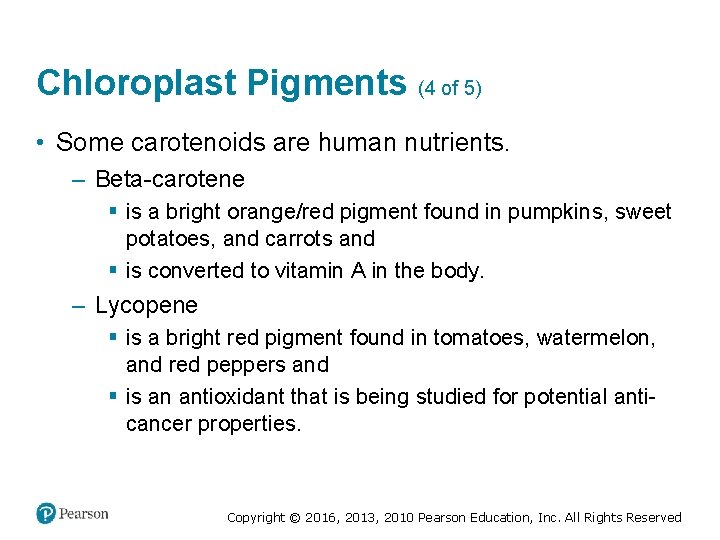
Chloroplast Pigments (4 of 5) • Some carotenoids are human nutrients. ‒ Beta-carotene § is a bright orange/red pigment found in pumpkins, sweet potatoes, and carrots and § is converted to vitamin A in the body. – Lycopene § is a bright red pigment found in tomatoes, watermelon, and red peppers and § is an antioxidant that is being studied for potential anticancer properties. Copyright © 2016, 2013, 2010 Pearson Education, Inc. All Rights Reserved
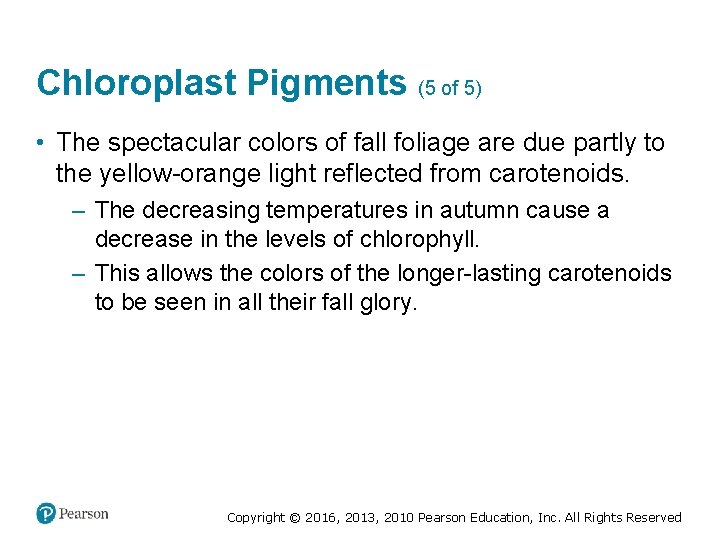
Chloroplast Pigments (5 of 5) • The spectacular colors of fall foliage are due partly to the yellow-orange light reflected from carotenoids. ‒ The decreasing temperatures in autumn cause a decrease in the levels of chlorophyll. ‒ This allows the colors of the longer-lasting carotenoids to be seen in all their fall glory. Copyright © 2016, 2013, 2010 Pearson Education, Inc. All Rights Reserved
How Photosystems Harvest Light Energy (1 of 5) • Light behaves as ‒ waves and ‒ discrete packets of energy called photons, fixed quantities of light energy. • The shorter the wavelength of light, the greater the energy of a photon. Copyright © 2016, 2013, 2010 Pearson Education, Inc. All Rights Reserved
How Photosystems Harvest Light Energy (2 of 5) • When a pigment molecule absorbs a photon, one of the pigment’s electrons gains energy. ‒ This electron is now said to be “excited. ” ‒ The excited state is highly unstable. ‒ An excited electron usually loses its excess energy and falls back to its ground state almost immediately. ‒ Most pigments release heat energy as their lightexcited electrons fall back to their ground state. Copyright © 2016, 2013, 2010 Pearson Education, Inc. All Rights Reserved
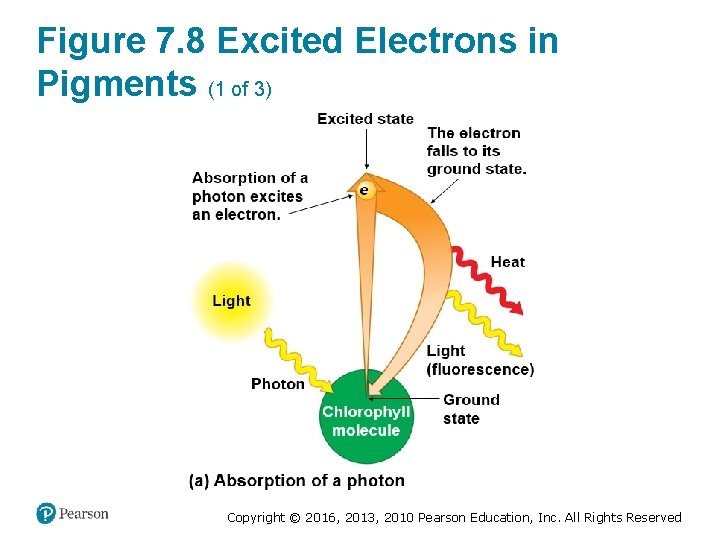
Figure 7. 8 Excited Electrons in Pigments (1 of 3) Copyright © 2016, 2013, 2010 Pearson Education, Inc. All Rights Reserved
How Photosystems Harvest Light Energy (3 of 5) • Some pigments emit light as well as heat after absorbing photons. ‒ The fluorescent light emitted by a glow stick is caused by a chemical reaction that excites electrons of a fluorescent dye. ‒ The excited electrons quickly fall back down to their ground state, releasing energy in the form of fluorescent light. Copyright © 2016, 2013, 2010 Pearson Education, Inc. All Rights Reserved
How Photosystems Harvest Light Energy (4 of 5) • In the thylakoid membrane, chlorophyll molecules are organized with other molecules into photosystems. • Each photosystem has a cluster of a few hundred pigment molecules, including chlorophylls a and b and some carotenoids. Copyright © 2016, 2013, 2010 Pearson Education, Inc. All Rights Reserved
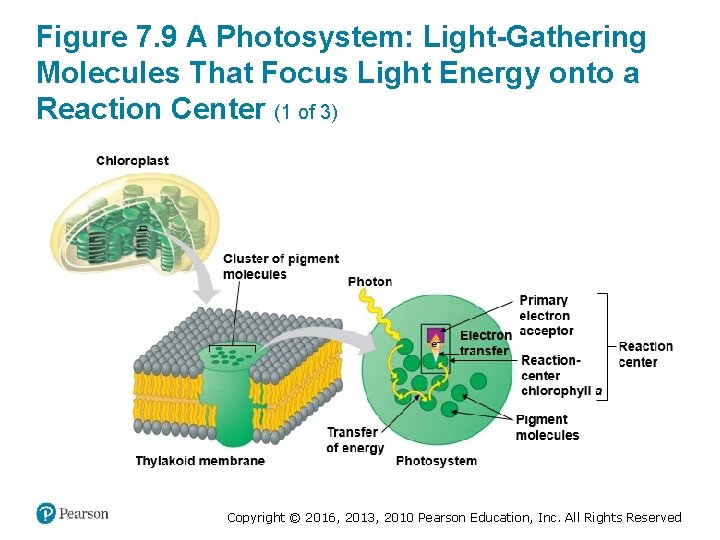
Figure 7. 9 A Photosystem: Light-Gathering Molecules That Focus Light Energy onto a Reaction Center (1 of 3) Copyright © 2016, 2013, 2010 Pearson Education, Inc. All Rights Reserved
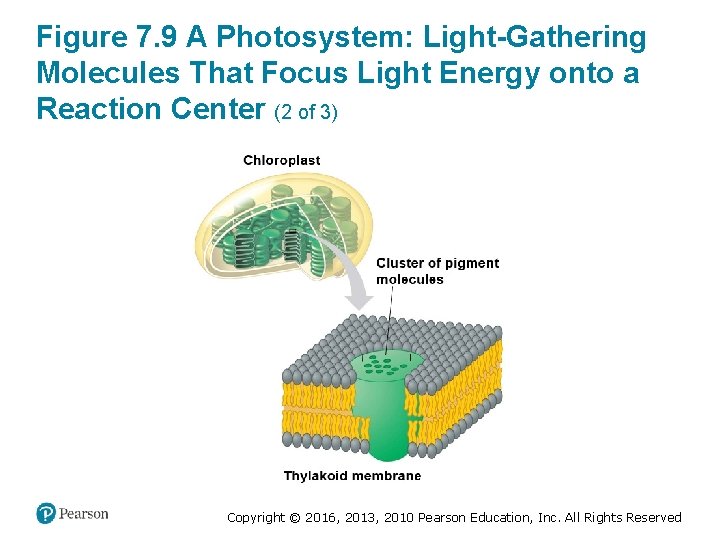
Figure 7. 9 A Photosystem: Light-Gathering Molecules That Focus Light Energy onto a Reaction Center (2 of 3) Copyright © 2016, 2013, 2010 Pearson Education, Inc. All Rights Reserved
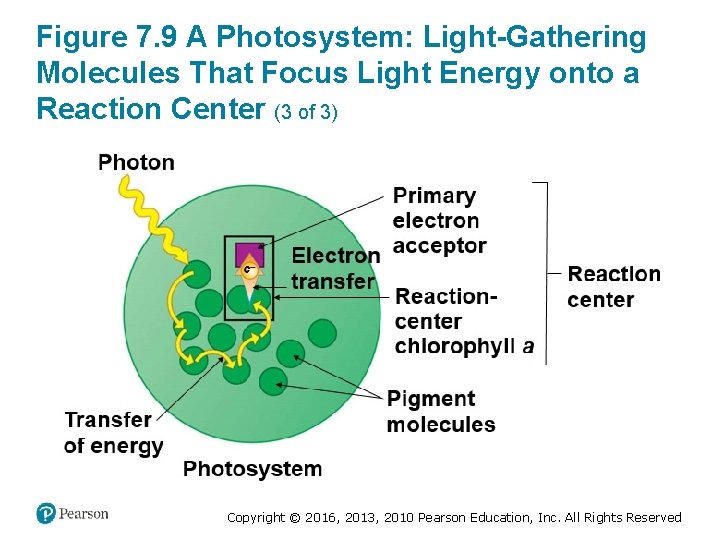
Figure 7. 9 A Photosystem: Light-Gathering Molecules That Focus Light Energy onto a Reaction Center (3 of 3) Copyright © 2016, 2013, 2010 Pearson Education, Inc. All Rights Reserved
How Photosystems Harvest Light Energy (5 of 5) • This cluster of pigment molecules functions as a lightgathering antenna. ‒ When a photon strikes one of the pigment molecules, the energy jumps from molecule to molecule until it arrives at the reaction center of the photosystem. ‒ The reaction center consists of chlorophyll a molecules that sit next to a primary electron acceptor, which traps the light-excited electron from the chlorophyll a in the reaction center. ‒ Another team of molecules built into the thylakoid membrane then uses that trapped energy to make ATP and NADPH. Copyright © 2016, 2013, 2010 Pearson Education, Inc. All Rights Reserved
How the Light Reactions Generate ATP and NADPH (1 of 4) • Two photosystems cooperate in the light reactions: 1. Photons excite electrons in the chlorophyll of the first photosystem. § These photons are then trapped by the primary electron acceptor. § This photosystem then replaces the lost electrons by extracting new ones from water. § This is the step that releases O 2 during photosynthesis. Copyright © 2016, 2013, 2010 Pearson Education, Inc. All Rights Reserved
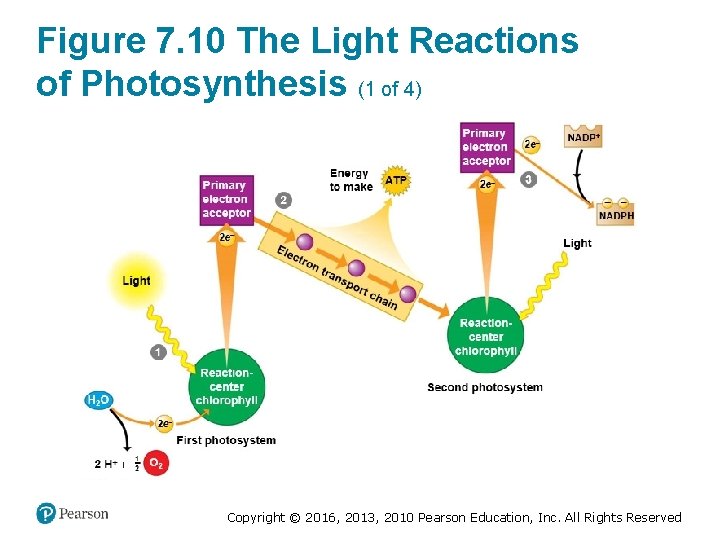
Figure 7. 10 The Light Reactions of Photosynthesis (1 of 4) Copyright © 2016, 2013, 2010 Pearson Education, Inc. All Rights Reserved

Figure 7. 10 The Light Reactions of Photosynthesis (2 of 4) Copyright © 2016, 2013, 2010 Pearson Education, Inc. All Rights Reserved
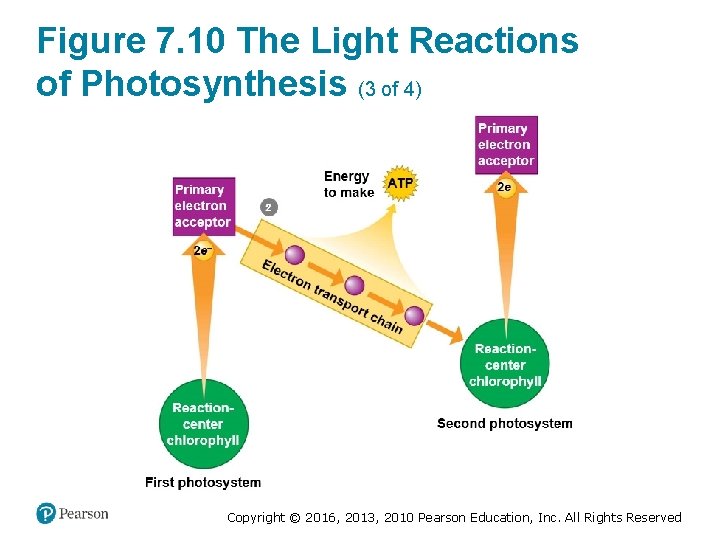
Figure 7. 10 The Light Reactions of Photosynthesis (3 of 4) Copyright © 2016, 2013, 2010 Pearson Education, Inc. All Rights Reserved
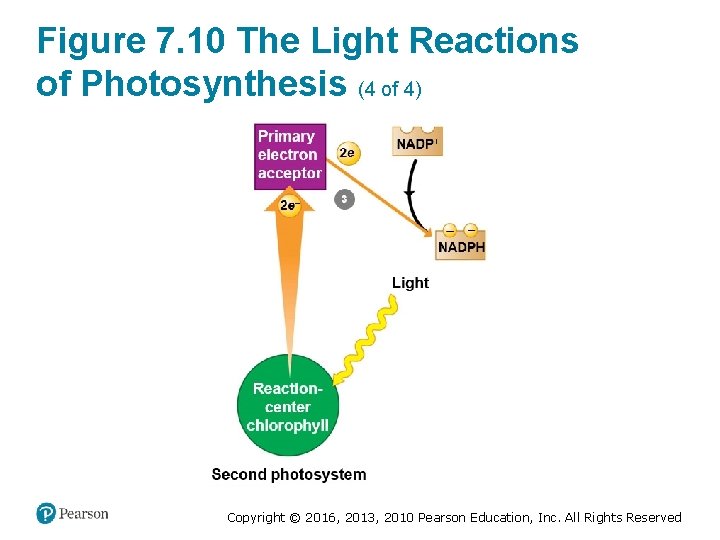
Figure 7. 10 The Light Reactions of Photosynthesis (4 of 4) Copyright © 2016, 2013, 2010 Pearson Education, Inc. All Rights Reserved
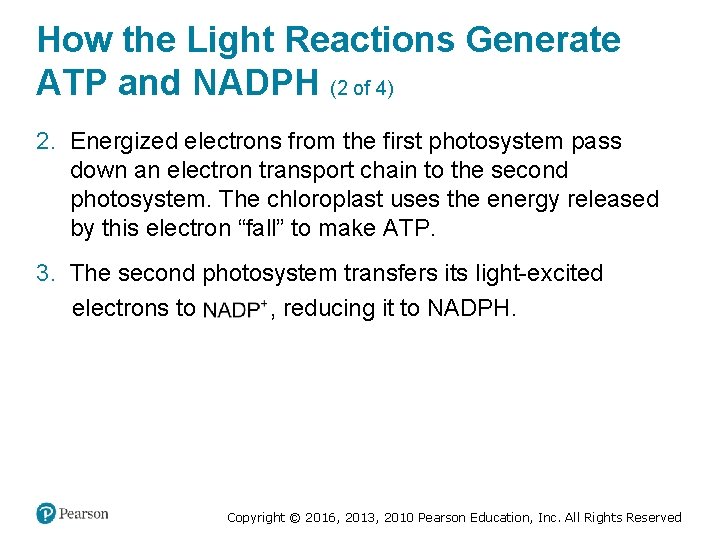
How the Light Reactions Generate ATP and NADPH (2 of 4) 2. Energized electrons from the first photosystem pass down an electron transport chain to the second photosystem. The chloroplast uses the energy released by this electron “fall” to make ATP. 3. The second photosystem transfers its light-excited , reducing it to NADPH. electrons to Copyright © 2016, 2013, 2010 Pearson Education, Inc. All Rights Reserved
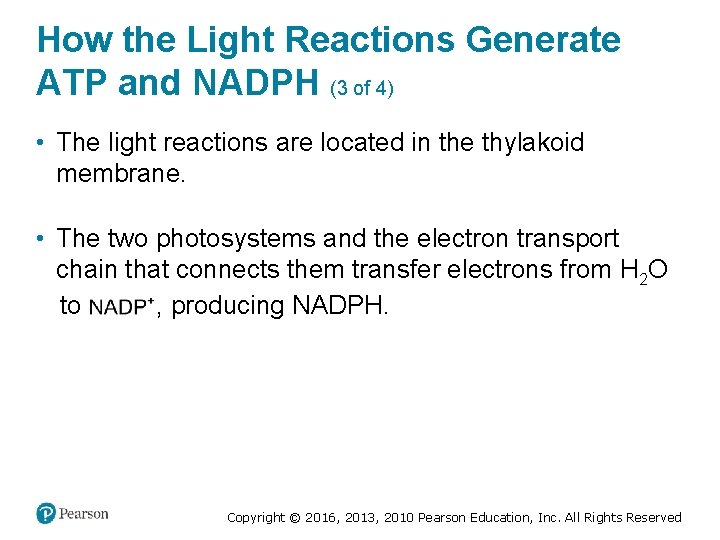
How the Light Reactions Generate ATP and NADPH (3 of 4) • The light reactions are located in the thylakoid membrane. • The two photosystems and the electron transport chain that connects them transfer electrons from H 2 O to , producing NADPH. Copyright © 2016, 2013, 2010 Pearson Education, Inc. All Rights Reserved
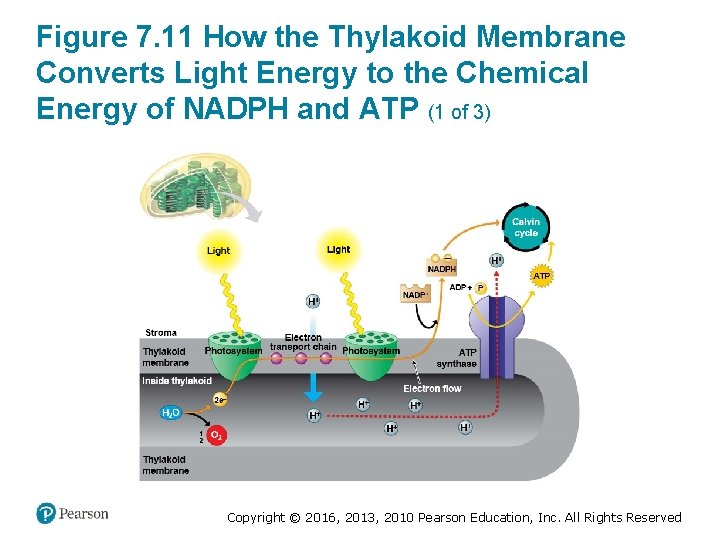
Figure 7. 11 How the Thylakoid Membrane Converts Light Energy to the Chemical Energy of NADPH and ATP (1 of 3) Copyright © 2016, 2013, 2010 Pearson Education, Inc. All Rights Reserved
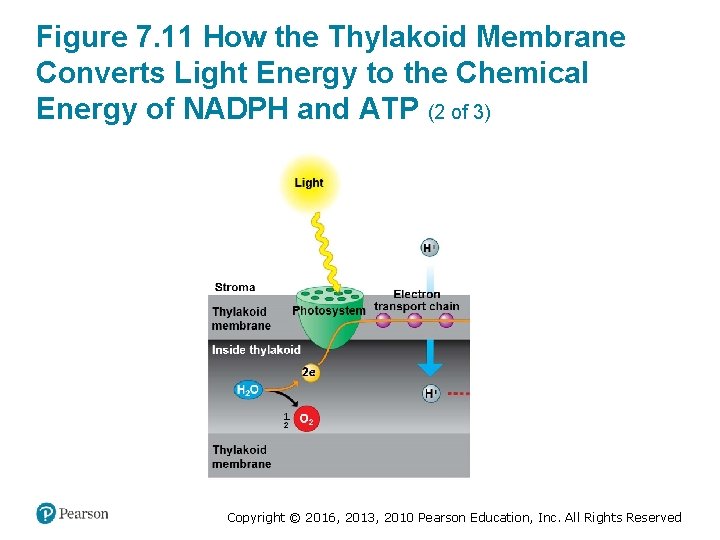
Figure 7. 11 How the Thylakoid Membrane Converts Light Energy to the Chemical Energy of NADPH and ATP (2 of 3) Copyright © 2016, 2013, 2010 Pearson Education, Inc. All Rights Reserved
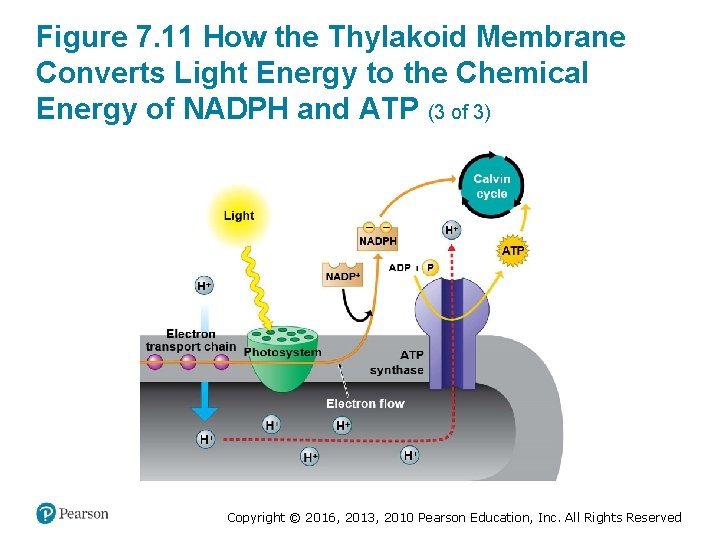
Figure 7. 11 How the Thylakoid Membrane Converts Light Energy to the Chemical Energy of NADPH and ATP (3 of 3) Copyright © 2016, 2013, 2010 Pearson Education, Inc. All Rights Reserved
How the Light Reactions Generate ATP and NADPH (4 of 4) • The mechanism of ATP production during the light reactions is very similar to the mechanism we saw in cellular respiration. In both cases, – an electron transport chain pumps hydrogen ions across a membrane and ‒ ATP synthases use the energy stored by the gradient to make ATP. • The main difference is that food provides the highenergy electrons in cellular respiration, whereas lightexcited electrons flow down the transport chain during photosynthesis. Copyright © 2016, 2013, 2010 Pearson Education, Inc. All Rights Reserved
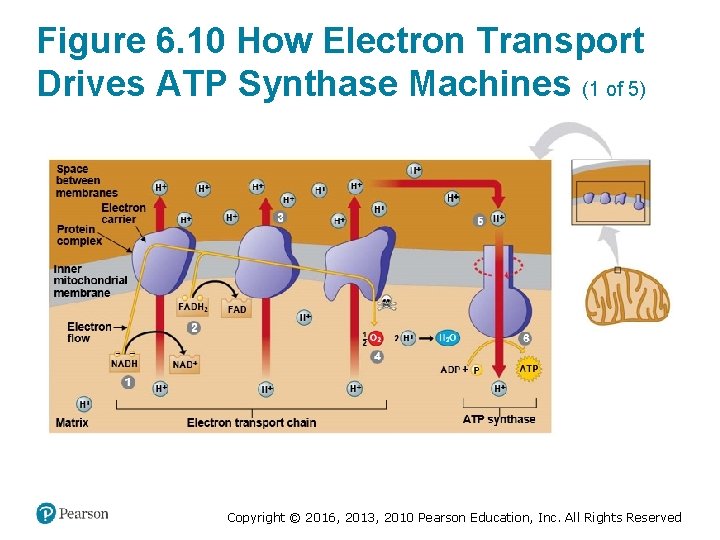
Figure 6. 10 How Electron Transport Drives ATP Synthase Machines (1 of 5) Copyright © 2016, 2013, 2010 Pearson Education, Inc. All Rights Reserved
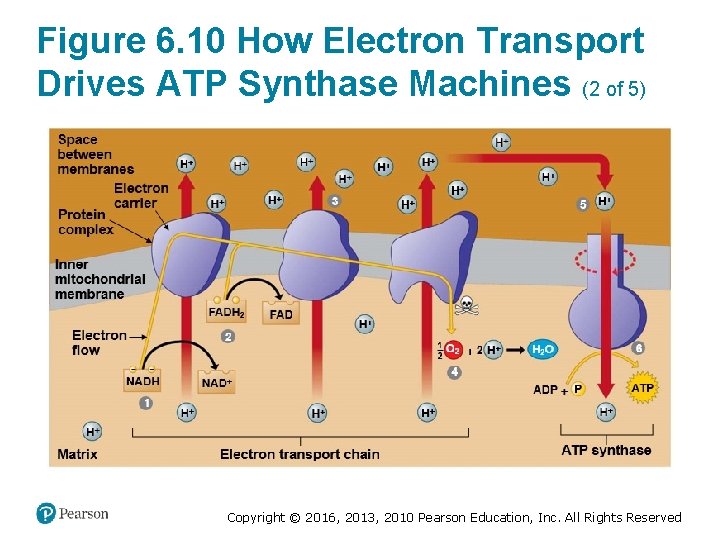
Figure 6. 10 How Electron Transport Drives ATP Synthase Machines (2 of 5) Copyright © 2016, 2013, 2010 Pearson Education, Inc. All Rights Reserved
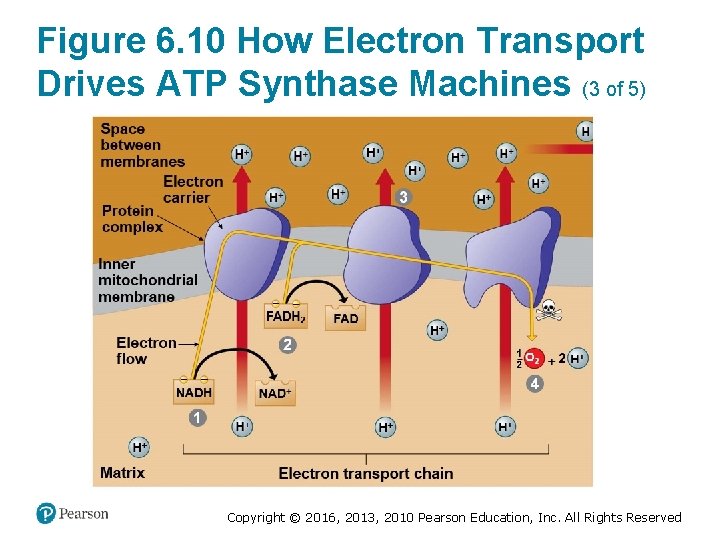
Figure 6. 10 How Electron Transport Drives ATP Synthase Machines (3 of 5) Copyright © 2016, 2013, 2010 Pearson Education, Inc. All Rights Reserved
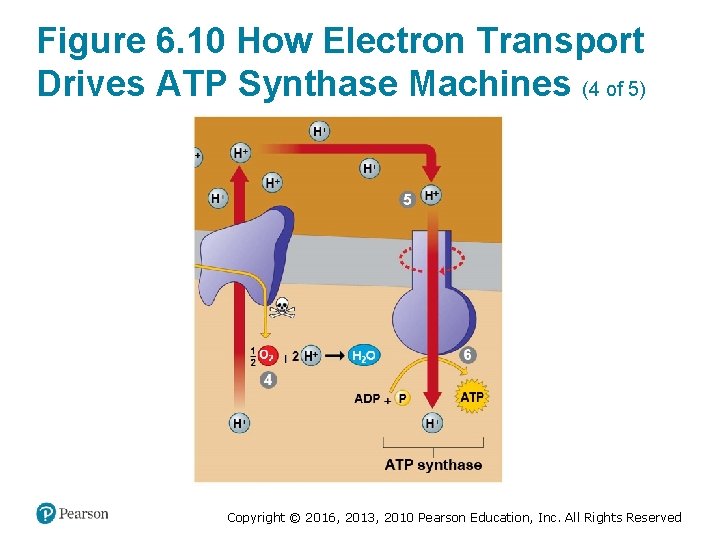
Figure 6. 10 How Electron Transport Drives ATP Synthase Machines (4 of 5) Copyright © 2016, 2013, 2010 Pearson Education, Inc. All Rights Reserved
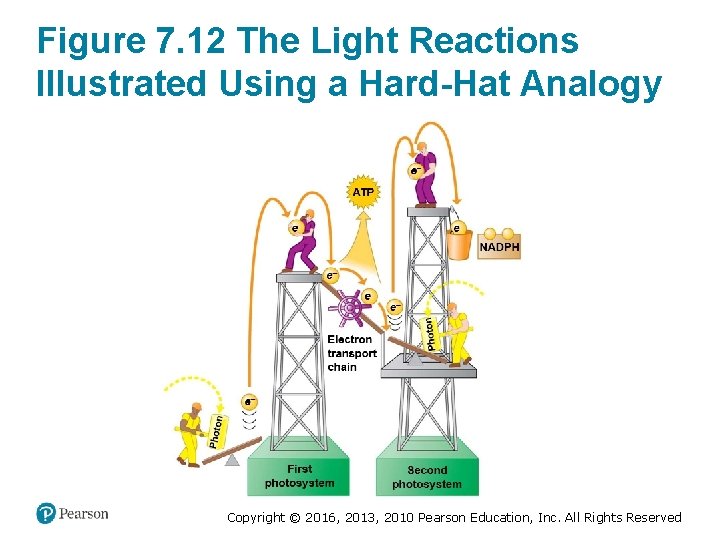
Figure 7. 12 The Light Reactions Illustrated Using a Hard-Hat Analogy Copyright © 2016, 2013, 2010 Pearson Education, Inc. All Rights Reserved
The Calvin Cycle: Making Sugar from Carbon Dioxide (1 of 3) • The Calvin cycle ‒ functions like a sugar factory within a chloroplast and ‒ regenerates the starting material with each turn. Copyright © 2016, 2013, 2010 Pearson Education, Inc. All Rights Reserved
The Calvin Cycle: Making Sugar from Carbon Dioxide (2 of 3) • With each turn of the cycle, there are chemical inputs and outputs. ‒ The inputs are § CO 2 from the air and § ATP and NADPH produced by the light reactions. Copyright © 2016, 2013, 2010 Pearson Education, Inc. All Rights Reserved
The Calvin Cycle: Making Sugar from Carbon Dioxide (3 of 3) ‒ The Calvin cycle constructs an energy-rich sugar molecule called glyceraldehyde 3 -phosphate (G 3 P) using § carbon from CO 2, § energy from ATP, and § high-energy electrons from NADPH. ‒ The plant cell can then use G 3 P as the raw material to make § glucose and § other organic compounds. Copyright © 2016, 2013, 2010 Pearson Education, Inc. All Rights Reserved
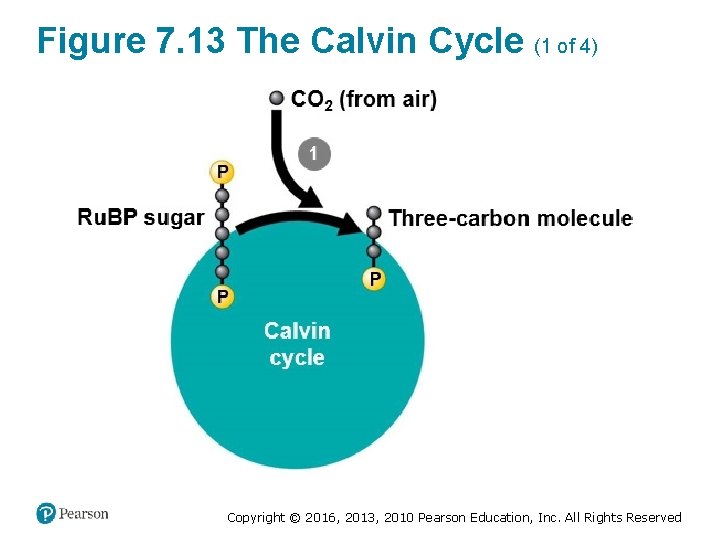
Figure 7. 13 The Calvin Cycle (1 of 4) Copyright © 2016, 2013, 2010 Pearson Education, Inc. All Rights Reserved
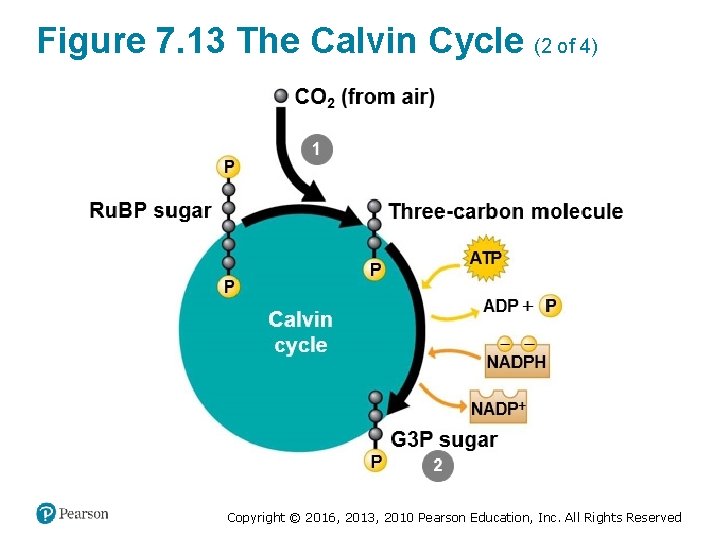
Figure 7. 13 The Calvin Cycle (2 of 4) Copyright © 2016, 2013, 2010 Pearson Education, Inc. All Rights Reserved
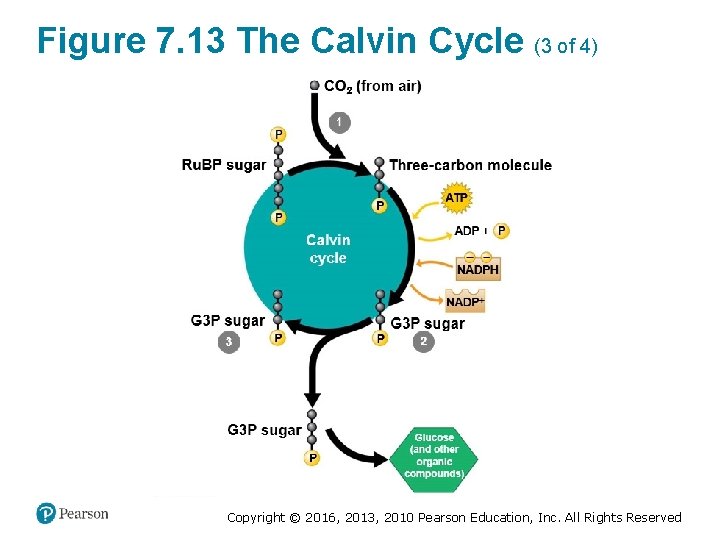
Figure 7. 13 The Calvin Cycle (3 of 4) Copyright © 2016, 2013, 2010 Pearson Education, Inc. All Rights Reserved
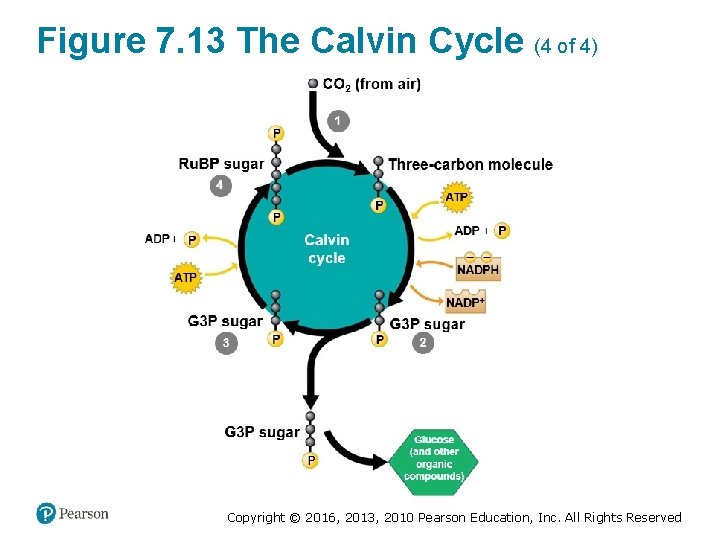
Figure 7. 13 The Calvin Cycle (4 of 4) Copyright © 2016, 2013, 2010 Pearson Education, Inc. All Rights Reserved
Evolution Connection: Creating a Better Biofuel Factory (1 of 5) • The production of biofuels is highly inefficient. It is usually far more costly to produce biofuels than to extract the equivalent amount of fossil fuels. Copyright © 2016, 2013, 2010 Pearson Education, Inc. All Rights Reserved
Evolution Connection: Creating a Better Biofuel Factory (2 of 5) • Biomechanical engineers are working to solve this dilemma by turning to an obvious example: evolution by natural selection. ‒ In nature, organisms with genes that make them better suited to their local environment will, on average, more often survive and pass those genes to the next generation. ‒ Repeated over many generations, genes that enhance survival within that environment will become more common, and the species evolves. Copyright © 2016, 2013, 2010 Pearson Education, Inc. All Rights Reserved
Evolution Connection: Creating a Better Biofuel Factory (3 of 5) • When trying to solve an engineering problem, scientists can impose their own desired outcomes using a process called directed evolution, in which scientists in the laboratory determine which organisms are the fittest. • Directed evolution of biofuel production often involves microscopic algae rather than plants because algae are easier to manipulate and maintain within the laboratory. Copyright © 2016, 2013, 2010 Pearson Education, Inc. All Rights Reserved
- Slides: 73