
Chapter 7 Monitoring and Controlling the Project MEM


- Slides: 41
Chapter 7 Monitoring and Controlling the Project MEM 612 Project Management
Introduction • Monitoring and Control are opposite sides of selection and planning – bases for selection dictate what to monitor – plans identify elements to control • Monitoring is collection, recording, and reporting of information • Control uses monitored information to align actual performance with the plan MEM 612 Project Management
THE PLAN-MONITORCONTROL CYCLE MEM 612 Project Management
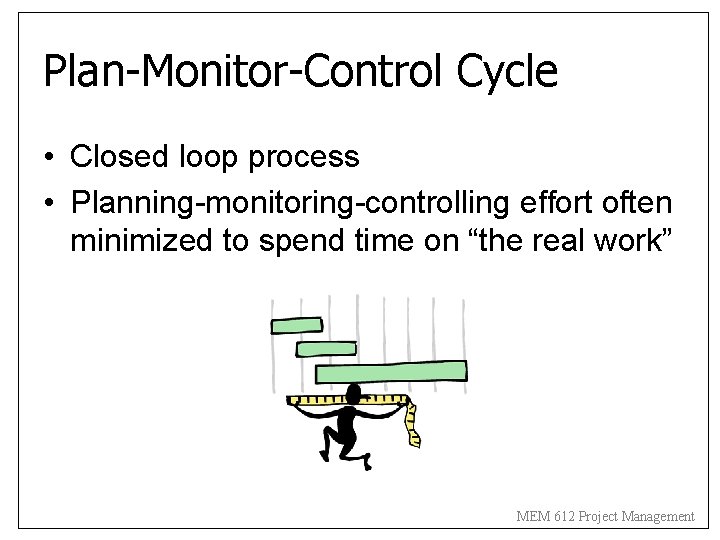
Plan-Monitor-Control Cycle • Closed loop process • Planning-monitoring-controlling effort often minimized to spend time on “the real work” MEM 612 Project Management
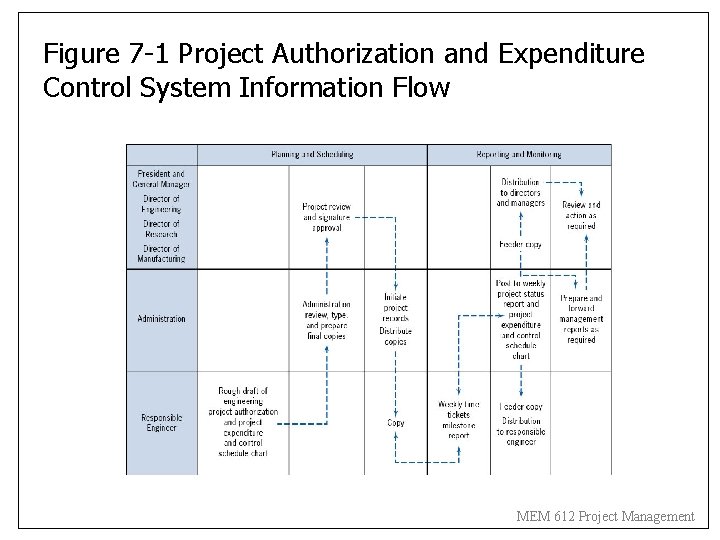
Figure 7 -1 Project Authorization and Expenditure Control System Information Flow MEM 612 Project Management
Designing the Monitoring System • Identify special characteristics of performance, cost, and time that need to be controlled – performance characteristics should be set for each level of detail in the project • Real-time data should be collected and compared against plans – mechanisms to collect this data must be designed • Avoid tendency to focus on easily collected data MEM 612 Project Management
DATA COLLECTION AND REPORTING MEM 612 Project Management
Formats of Data • • • Frequency Counts Raw Numbers Subjective Numeric Ratings Indicators and Surrogates Verbal Characterizations MEM 612 Project Management
Data Analysis • • Aggregation Techniques Fitting Statistical Distributions Curve Fitting Quality Management Techniques MEM 612 Project Management
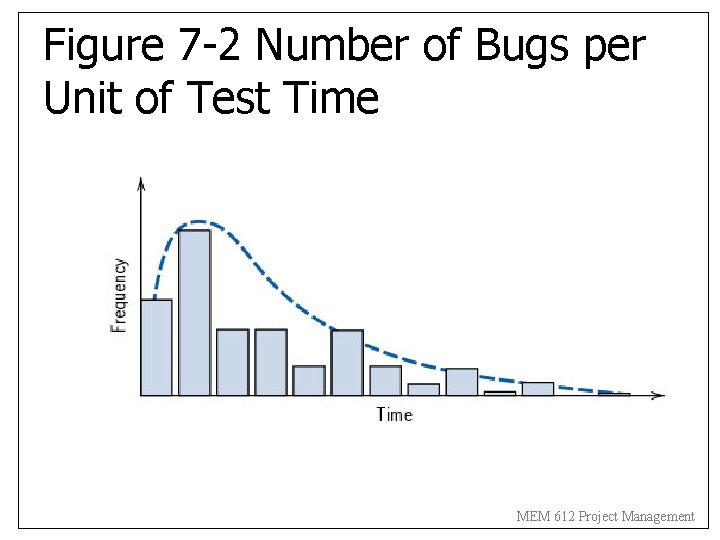
Figure 7 -2 Number of Bugs per Unit of Test Time MEM 612 Project Management
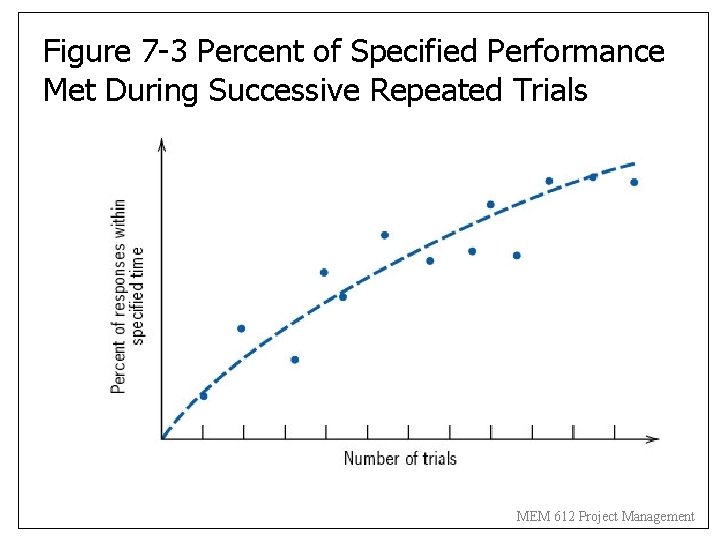
Figure 7 -3 Percent of Specified Performance Met During Successive Repeated Trials MEM 612 Project Management
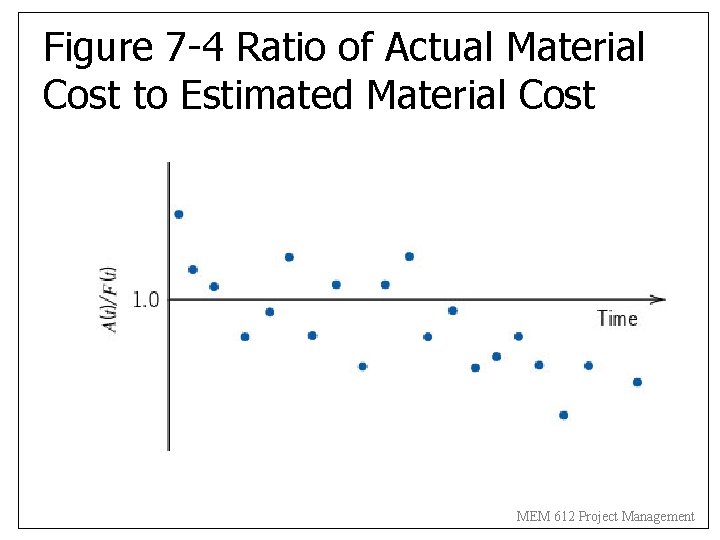
Figure 7 -4 Ratio of Actual Material Cost to Estimated Material Cost MEM 612 Project Management
Reporting • Reports – Project Status Reports – Time/Cost Reports – Variance Reports • Not all stakeholders need to receive same information • Avoid periodic reports • Impact of Electronic Media • Relationship between project’s information system and overall organization’s information system MEM 612 Project Management
Report Types • Routine • Exception • Special Analysis MEM 612 Project Management
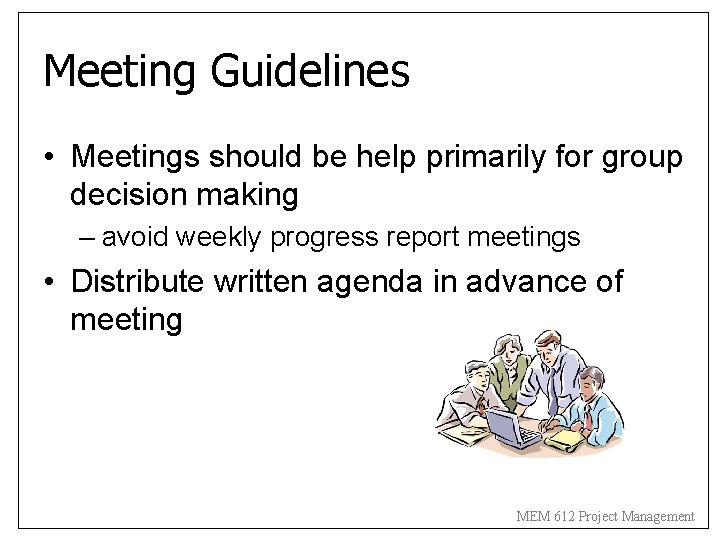
Meeting Guidelines • Meetings should be help primarily for group decision making – avoid weekly progress report meetings • Distribute written agenda in advance of meeting MEM 612 Project Management
Meeting Guidelines continued • Ensure everyone is properly prepared for meeting • Chair of meeting should take minutes – avoid attributing remarks to individuals in the minutes • Avoid excessive formality • If meeting is held to address specific crisis, restrict meeting to this issue alone MEM 612 Project Management
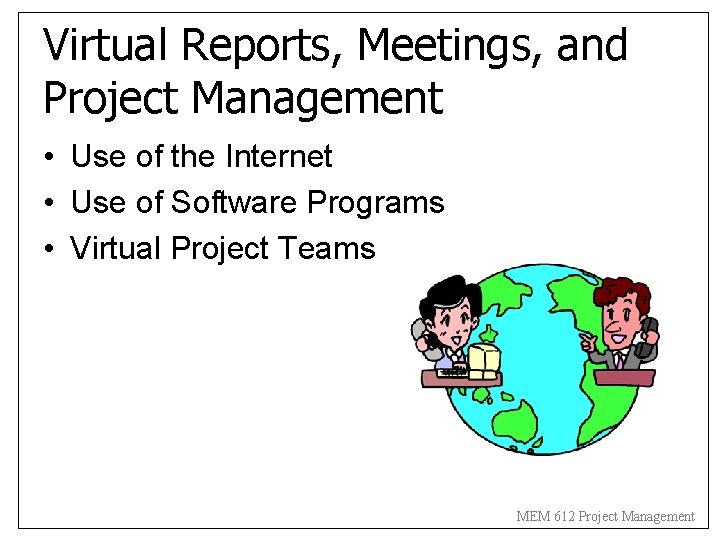
Virtual Reports, Meetings, and Project Management • Use of the Internet • Use of Software Programs • Virtual Project Teams MEM 612 Project Management
EARNED VALUE MEM 612 Project Management
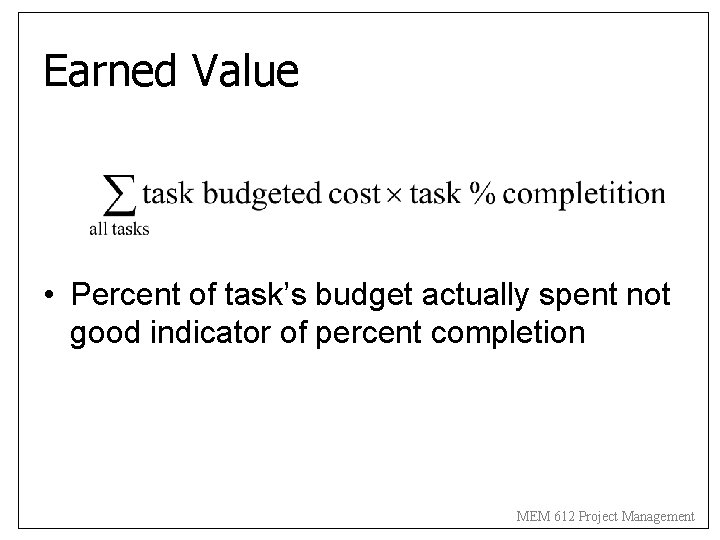
Earned Value • Percent of task’s budget actually spent not good indicator of percent completion MEM 612 Project Management
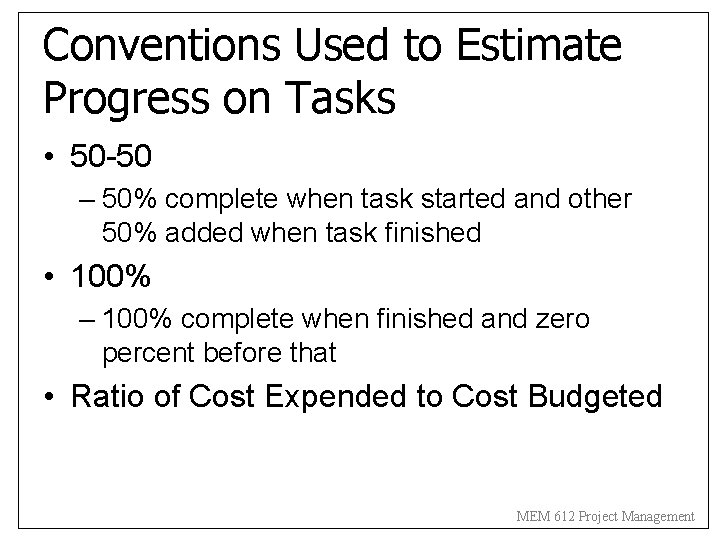
Conventions Used to Estimate Progress on Tasks • 50 -50 – 50% complete when task started and other 50% added when task finished • 100% – 100% complete when finished and zero percent before that • Ratio of Cost Expended to Cost Budgeted MEM 612 Project Management
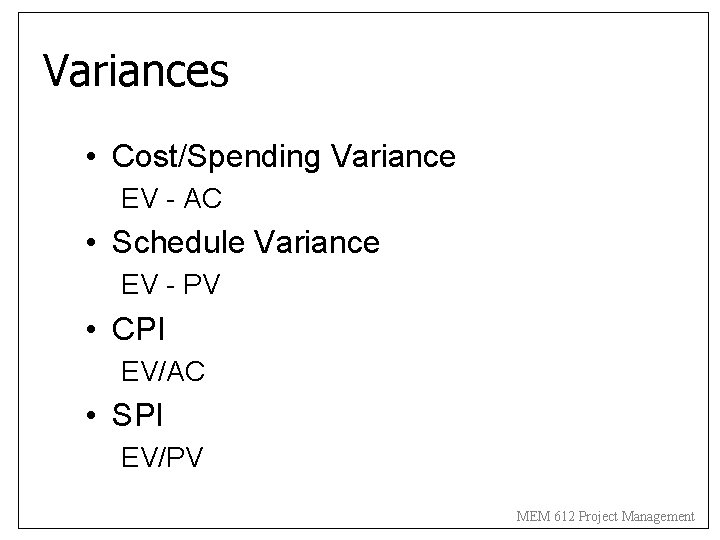
Variances • Cost/Spending Variance EV - AC • Schedule Variance EV - PV • CPI EV/AC • SPI EV/PV MEM 612 Project Management
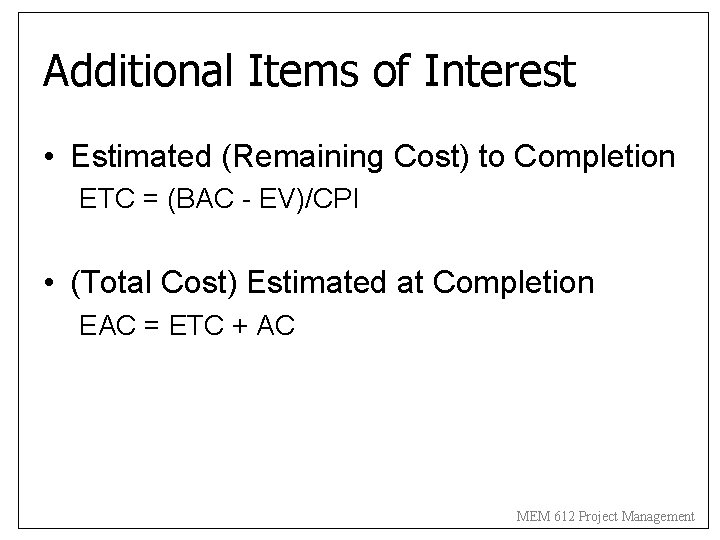
Additional Items of Interest • Estimated (Remaining Cost) to Completion ETC = (BAC - EV)/CPI • (Total Cost) Estimated at Completion EAC = ETC + AC MEM 612 Project Management
PROJECT CONTROL MEM 612 Project Management
Background • Acts which seek to reduce differences between plan and actuality • Difficult Task – human behavior involved – problems rarely clear cut MEM 612 Project Management
Purposes of Control • Stewardship of Organizational Assets – physical asset control – human resources – financial control • Regulation of Results Through the Alteration of Activities MEM 612 Project Management
DESIGNING THE CONTROL SYSTEM MEM 612 Project Management
Background • Purpose is to correct errors, not punish the guilty • Investments in control subject to diminishing returns • Must consider impact on creativity and innovation • Be careful not emphasize short-run results at the expense of long-run objectives • Dangers of across the board cuts MEM 612 Project Management
Primary Mechanisms by Which PM Exerts Control • Process Reviews • Personnel Assignments • Resource Allocations MEM 612 Project Management
Components of a Control System • • • Sensor Standard Comparator Decision Maker Effector MEM 612 Project Management
Types of Control Systems • Go/No-Go Controls – predetermined standard must be met for permission to be granted to continue • Post-Control – done after project completed – purpose is to allow future projects to learn from past project experience MEM 612 Project Management
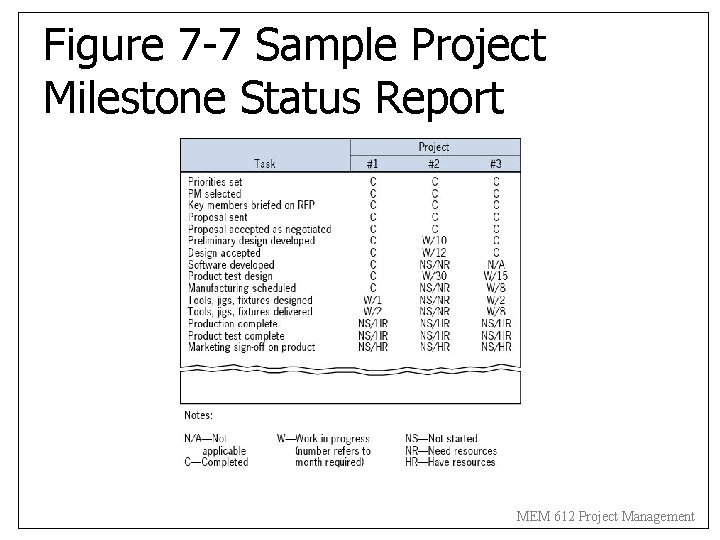
Figure 7 -7 Sample Project Milestone Status Report MEM 612 Project Management
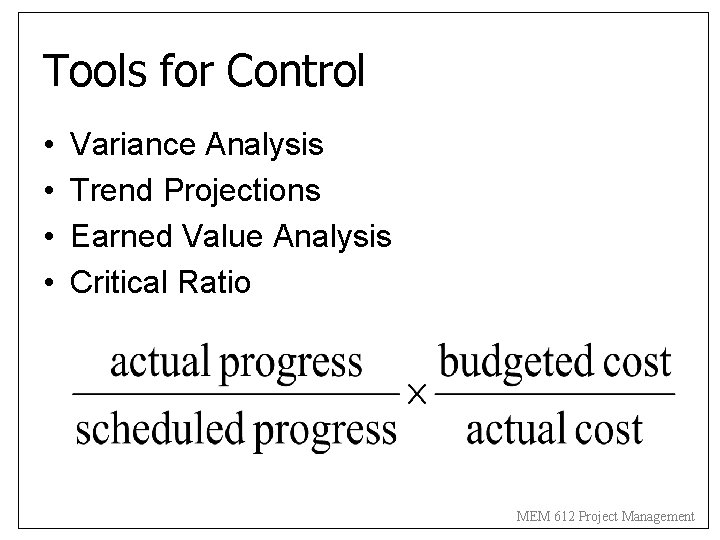
Tools for Control • • Variance Analysis Trend Projections Earned Value Analysis Critical Ratio MEM 612 Project Management
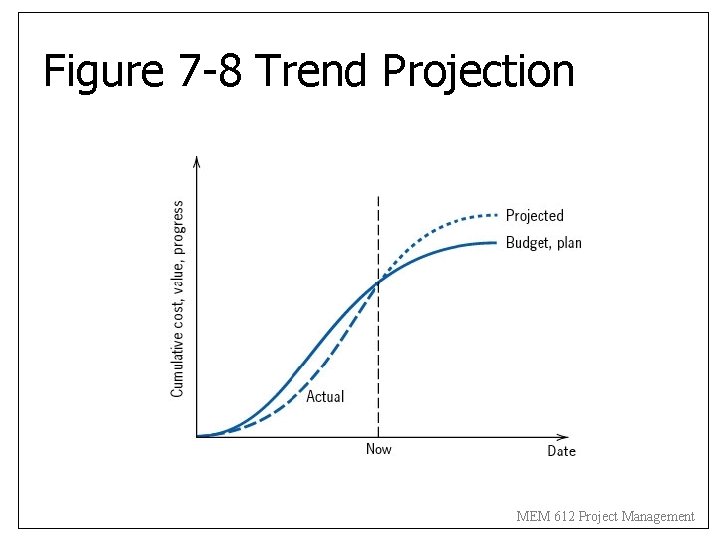
Figure 7 -8 Trend Projection MEM 612 Project Management
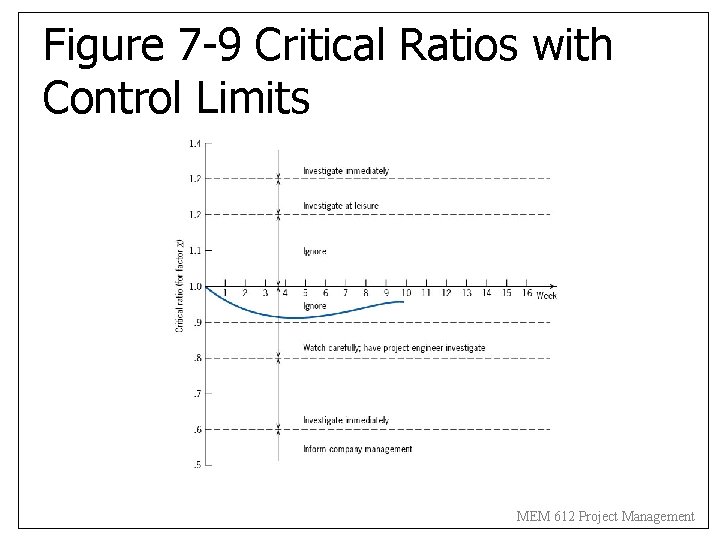
Figure 7 -9 Critical Ratios with Control Limits MEM 612 Project Management
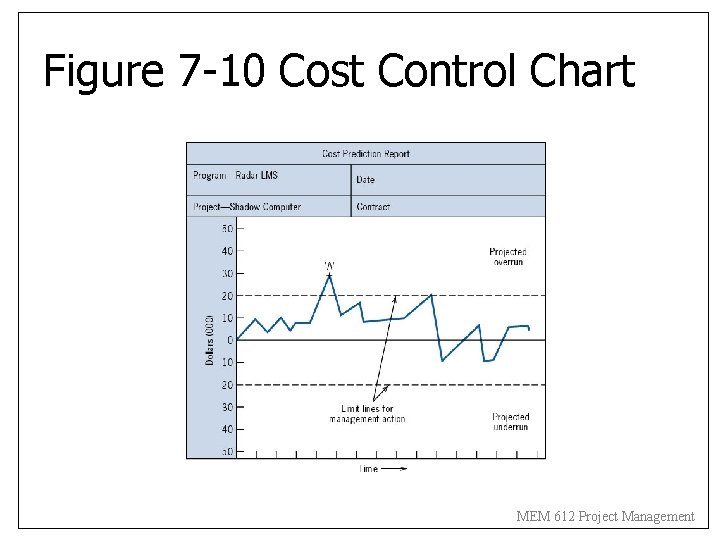
Figure 7 -10 Cost Control Chart MEM 612 Project Management
SCOPE CREEP AND CHANGE CONTROL MEM 612 Project Management
Scope Creep • Coping with changes frequently cited by PMs as the single most important problem • Common Reasons for Change Requests – Client – Availability of new technologies and materials MEM 612 Project Management
Purpose of Change Control System • Review all requested changes • Identify impact of change • Evaluate advantages and disadvantages of requested change • Install process so that individual with authority may accept or reject changes MEM 612 Project Management
Purpose of Change Control System continued • Communicate change to concerned parties • Ensure changes implemented properly • Prepare reports that summarize changes made to date and their impact MEM 612 Project Management
Rules for Controlling Scope Creep • Include in contract change control system • Require all changes be introduced by a change order • Require approval in writing by the client’s agent and senior management • Consult with PM prior to preparation of change order • Amend master plan to reflect. MEM changes 612 Project Management
Copyright 2005 John Wiley & Sons, Inc. All rights reserved. Reproduction or translation of this work beyond that permitted in Section 117 of the 1976 United States Copyright Act without express permission of the copyright owner is unlawful. Request for further information should be addressed to the Permissions Department, John Wiley & Sons, Inc. The purchaser may make back-up copies for his/her own use only and not for distribution or resale. The Publisher assumes no responsibility for errors, omissions, or damages, caused by the use of these programs or from the use of the information herein. MEM 612 Project Management