
CHAPTER 7 MEMBANE STRUCTURE AND FUNCTIONTRANSPOR T Learning
CHAPTER 7: MEMBANE STRUCTURE AND FUNCTION/TRANSPOR T
Learning Targets Chapter 7: Membrane Structure and Function 1. I can explain why membranes are selectively permeable 2. I can describe the roles of phospholipids, proteins, and carbohydrates in membranes 3. I can describe the role of cell walls in plant, bacteria and fungal cells. 4. I can describe what materials move freely across the phospholipid bilayer and what substances need transport proteins to cross the membrane.
Focus Questions Draw and label the parts of a cell membrane 2. How do the following cross the membrane? • Na+ • Water • carbon dioxide and oxygen • glucose 1.
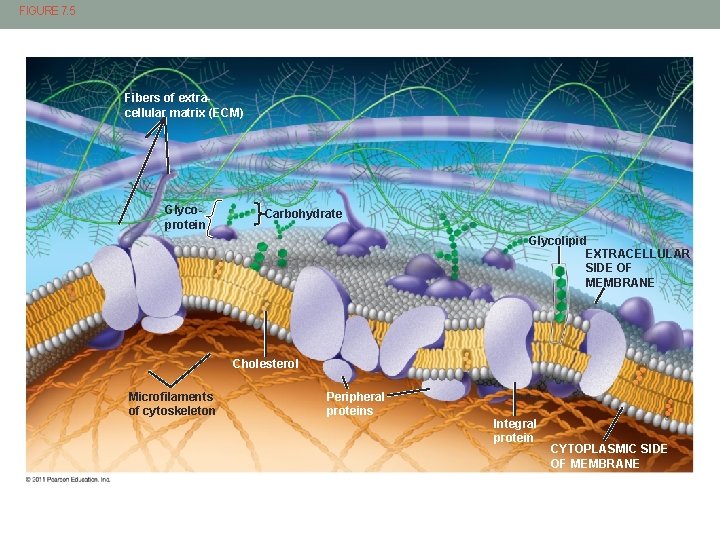
FIGURE 7. 5 Fibers of extracellular matrix (ECM) Glycoprotein Carbohydrate Glycolipid EXTRACELLULAR SIDE OF MEMBRANE Cholesterol Microfilaments of cytoskeleton Peripheral proteins Integral protein CYTOPLASMIC SIDE OF MEMBRANE
Transport Learning Targets 1. I can explain how water will move if a cell is placed in an 2. 3. 4. 5. isotonic, hypotonic or hypertonic solution and predict the effect of these different environments on cells with and without cell walls. I can explain how materials move into and out of cells both passively and actively I can describe how a concentration gradient represents potential energy. I can explain how electrochemical gradients are formed and function in cells. I can describe how endocytosis and exocytosis move large molecules into and out of the cell respectively.
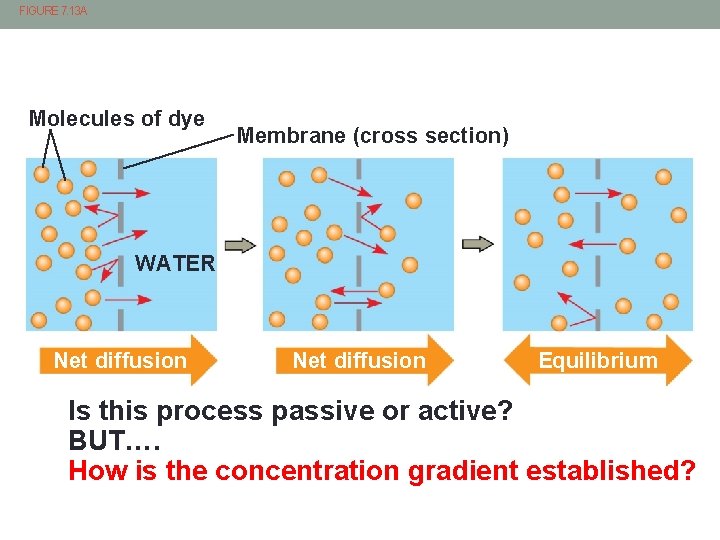
FIGURE 7. 13 A Molecules of dye Membrane (cross section) WATER Net diffusion Equilibrium Is this process passive or active? BUT…. How is the concentration gradient established?
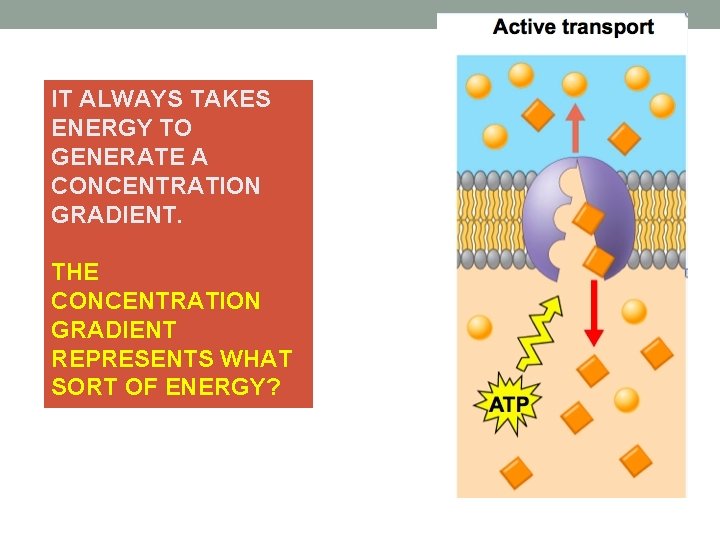
IT ALWAYS TAKES ENERGY TO GENERATE A CONCENTRATION GRADIENT. THE CONCENTRATION GRADIENT REPRESENTS WHAT SORT OF ENERGY?
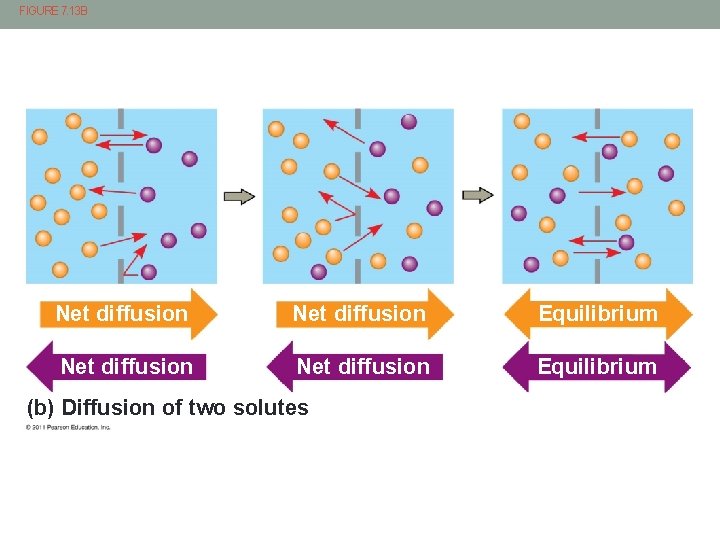
FIGURE 7. 13 B Net diffusion Equilibrium (b) Diffusion of two solutes
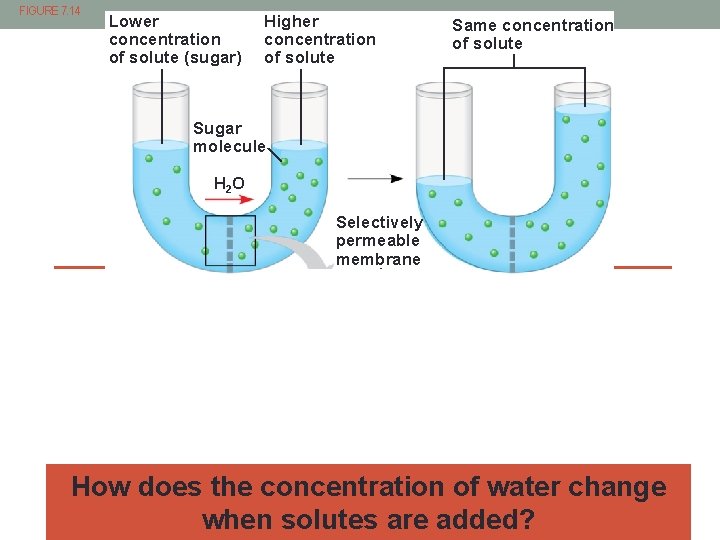
FIGURE 7. 14 Lower concentration of solute (sugar) Higher concentration of solute Same concentration of solute Sugar molecule H 2 O Selectively permeable membrane How does the concentration of water change Osmosis when solutes are added?
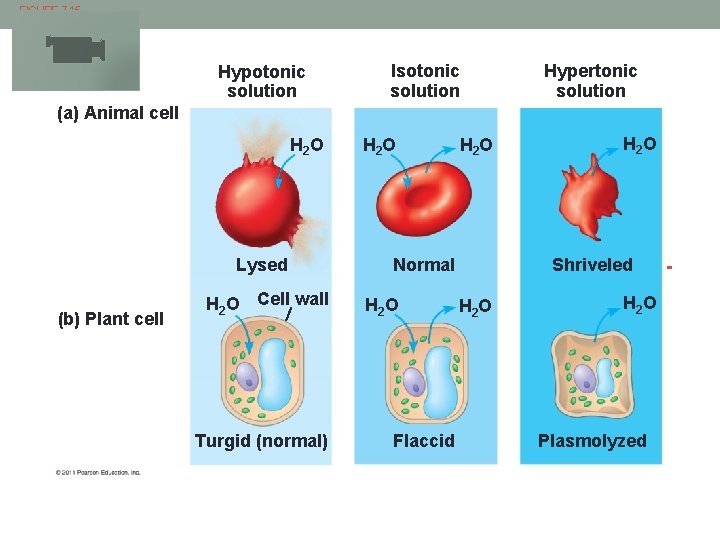
FIGURE 7. 15 Hypotonic solution Isotonic solution Hypertonic solution (a) Animal cell H 2 O Lysed (b) Plant cell H 2 O Cell wall Turgid (normal) H 2 O Normal H 2 O Flaccid Osmosis H 2 O Shriveled H 2 O Plasmolyzed
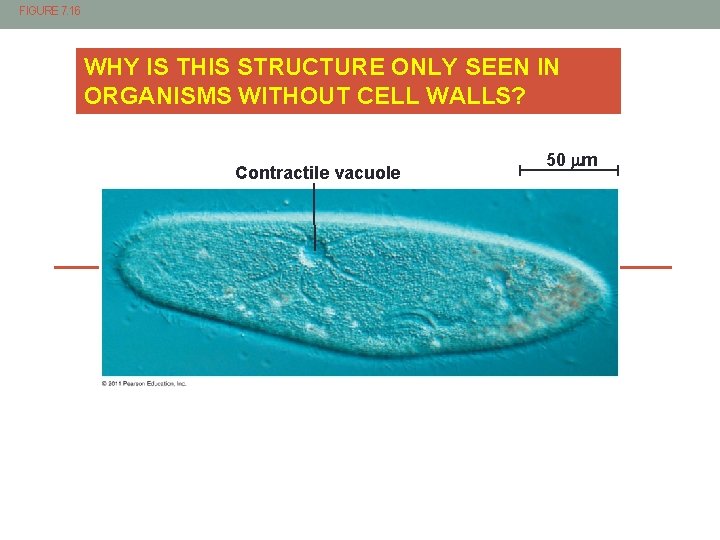
FIGURE 7. 16 WHY IS THIS STRUCTURE ONLY SEEN IN ORGANISMS WITHOUT CELL WALLS? Contractile vacuole 50 m
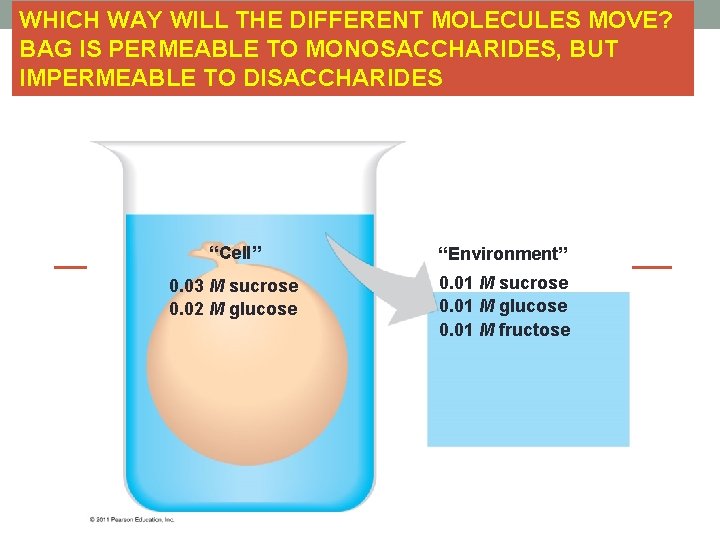
FIGURE 7. UN 03 WHICH WAY WILL THE DIFFERENT MOLECULES MOVE? BAG IS PERMEABLE TO MONOSACCHARIDES, BUT IMPERMEABLE TO DISACCHARIDES “Cell” “Environment” 0. 03 M sucrose 0. 02 M glucose 0. 01 M sucrose 0. 01 M glucose 0. 01 M fructose
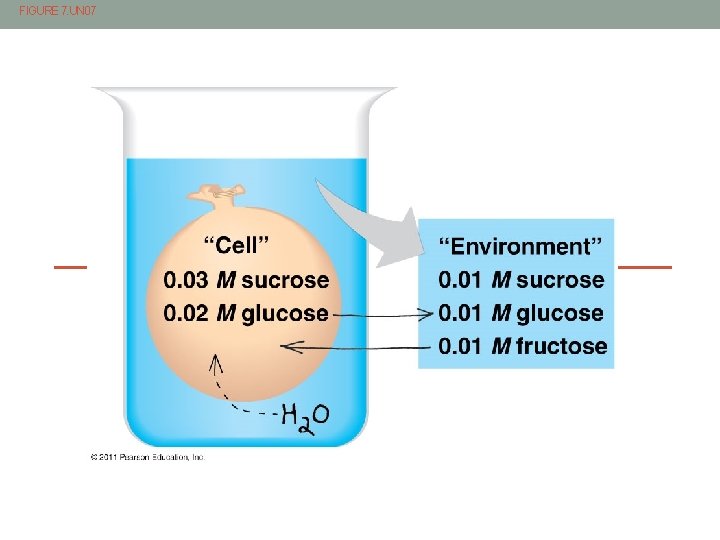
FIGURE 7. UN 07
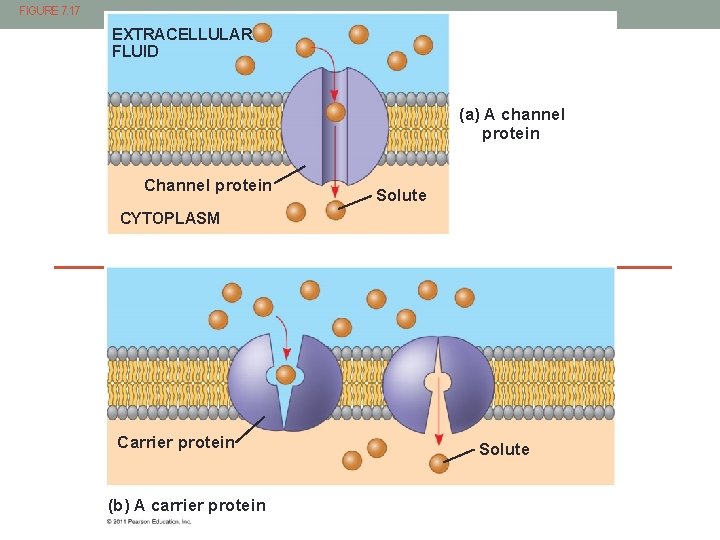
FIGURE 7. 17 EXTRACELLULAR FLUID (a) A channel protein Channel protein Solute CYTOPLASM Carrier protein (b) A carrier protein Solute
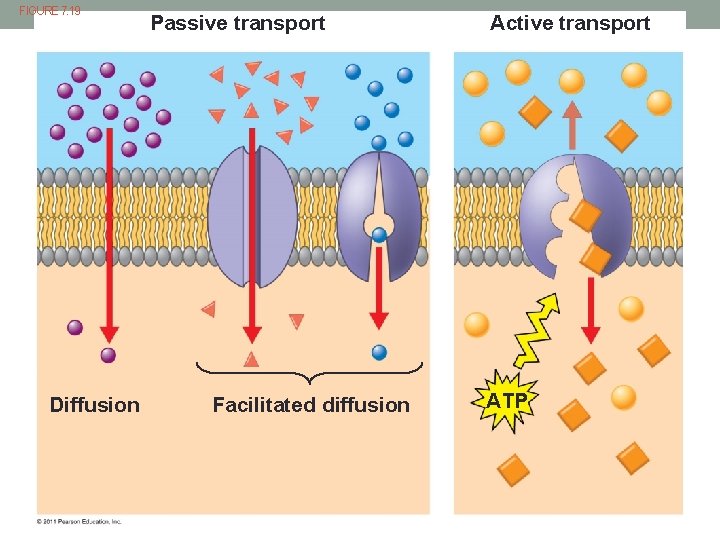
FIGURE 7. 19 Diffusion Passive transport Facilitated diffusion Active transport ATP
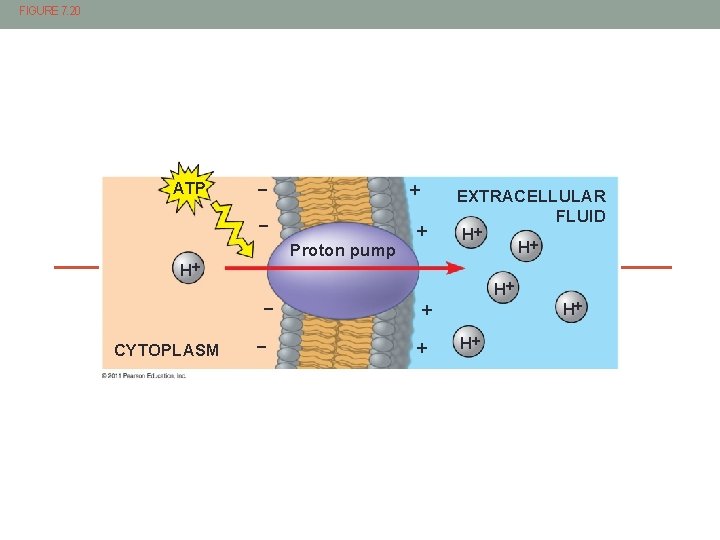
FIGURE 7. 20 ATP Proton pump H CYTOPLASM EXTRACELLULAR FLUID H H H H H
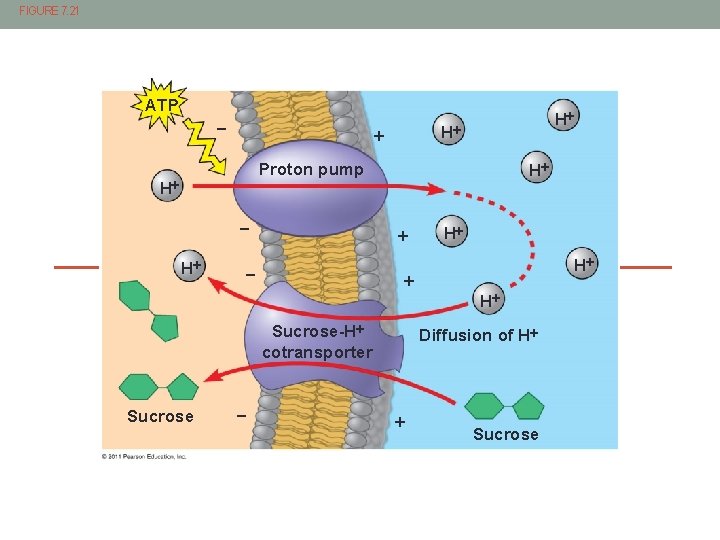
FIGURE 7. 21 ATP H H Proton pump H H H H H Sucrose-H cotransporter Sucrose Diffusion of H Sucrose
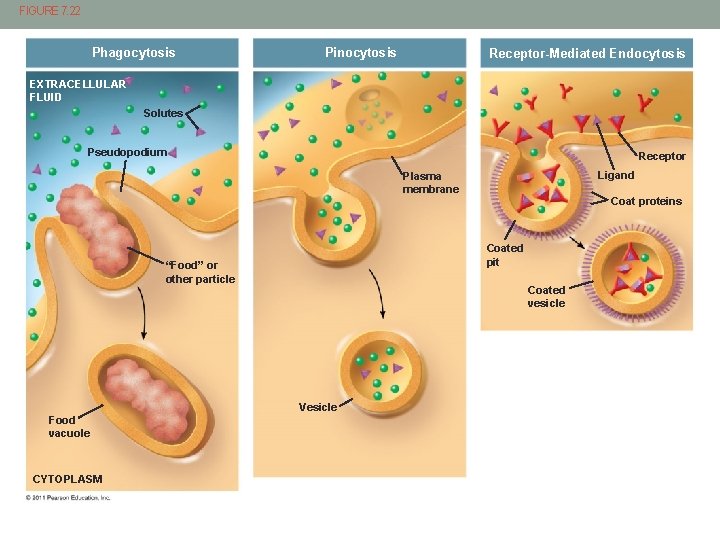
FIGURE 7. 22 Phagocytosis Pinocytosis Receptor-Mediated Endocytosis EXTRACELLULAR FLUID Solutes Pseudopodium Receptor Ligand Plasma membrane Coated pit “Food” or other particle Coated vesicle Vesicle Food vacuole CYTOPLASM Coat proteins
- Slides: 18