
Chapter 7 LIPIDS IN HEALTH DISEASE Objectives Summarize
Chapter 7 LIPIDS IN HEALTH & DISEASE Objectives • Summarize the events that lead to the development of atherosclerosis • Identify at least five risk factors that affect the initiation or progression of cardiovascular disease • Describe the interrelationship between total cholesterol, lowdensity lipoproteins, high-density lipoproteins, and the risk of cardiovascular disease • List the cluster of risk factors associated with metabolic syndrome • Discuss the implications of and recommendations for the intake of saturated fatty acids, trans fatty acids, and unsaturated fatty acids in relation to cardiovascular disease • Summarize the dietary strategies that reduce the risk of heart disease
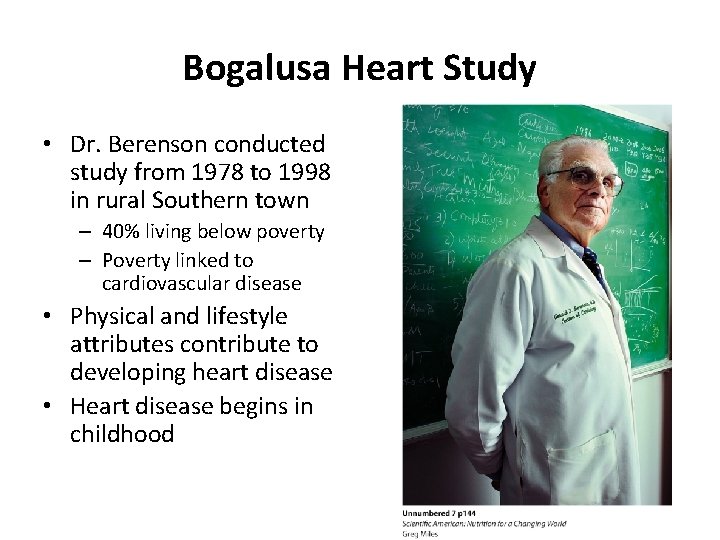
Bogalusa Heart Study • Dr. Berenson conducted study from 1978 to 1998 in rural Southern town – 40% living below poverty – Poverty linked to cardiovascular disease • Physical and lifestyle attributes contribute to developing heart disease • Heart disease begins in childhood

Cardiovascular Disease (CVD) • Leading cause of death in the United States
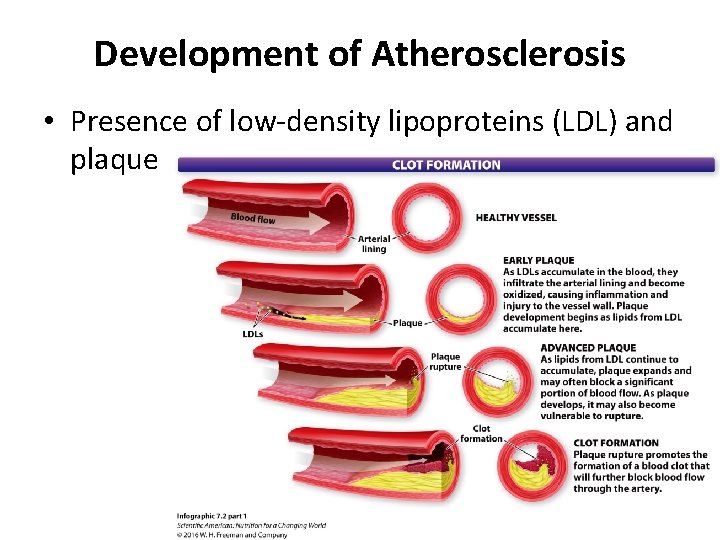
Development of Atherosclerosis • Presence of low-density lipoproteins (LDL) and plaque
Risk Factors for Cardiovascular Disease • Risk factors that cannot be modified – Family history of heart disease – Race – Age – Gender

Modifiable Risk Factors for Cardiovascular Disease • Smoking • Diet high in saturated and trans fats, cholesterol, sodium, and added sugar • Sedentary lifestyle • Obesity • Diabetes • Excessive alcohol consumption • High blood pressure • High blood lipid levels (cholesterol, LDL, and triglyceride)
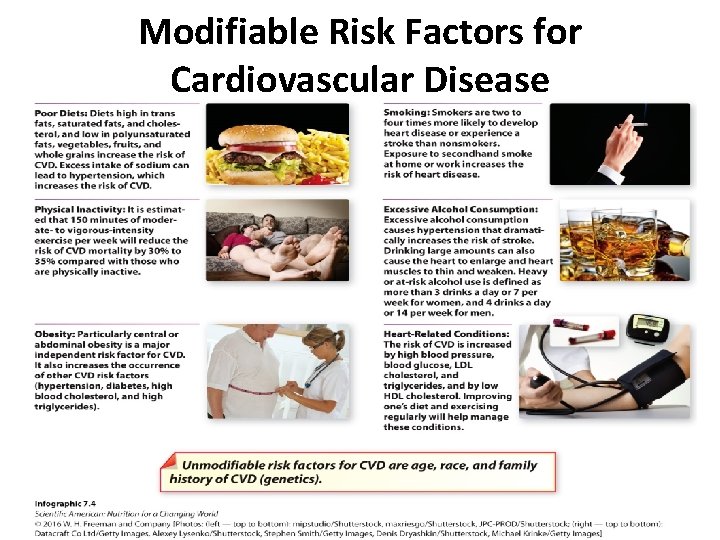
Modifiable Risk Factors for Cardiovascular Disease

Lipoproteins and CVD
Metabolic Syndrome • Having at least three of the following problems is diagnostic of metabolic syndrome: – Excessive abdominal fat – High blood pressure – Elevated triglycerides in the blood – Low levels of HDL – Elevated blood glucose levels
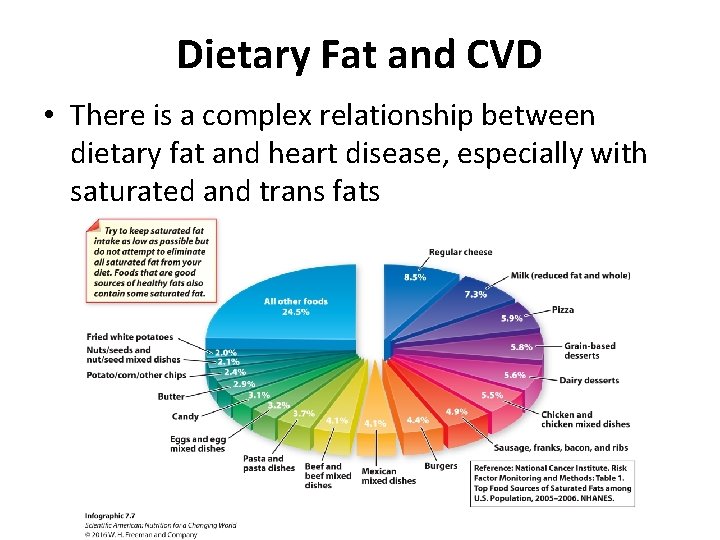
Dietary Fat and CVD • There is a complex relationship between dietary fat and heart disease, especially with saturated and trans fats
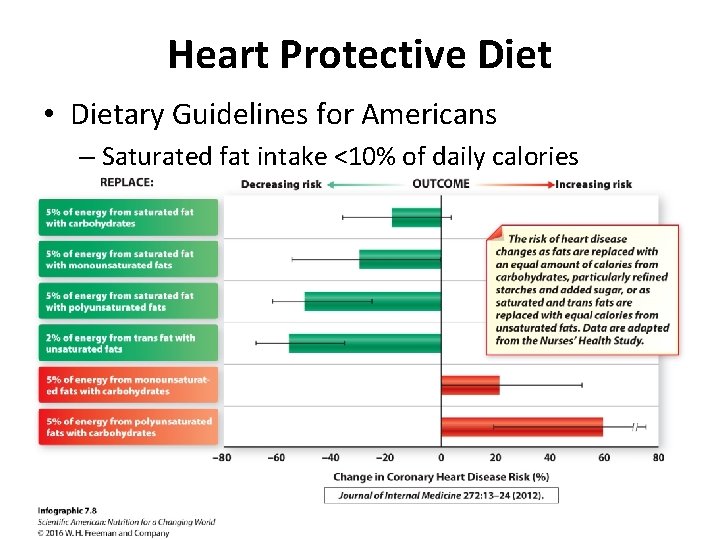
Heart Protective Diet • Dietary Guidelines for Americans – Saturated fat intake <10% of daily calories
Heart Protective Diet • National Cholesterol Education Program (NCEP) – Therapeutic Lifestyle Changes (TLC) program • Low saturated fat (<7% of daily calories), low dietary cholesterol • Eating sufficient plant sterols, stanols, and soluble fiber • Weight management • Physical activity
Dietary Lipids and Risk Saturated fats Polyunsaturated fats Monounsaturated fats Omega-6 fatty acids Omega-3 fatty acids Ratio of omega-6 and omega-3 fatty acids • Trans fats • • •

Dietary Lipids and Risk
Dietary Strategies to Reduce the Risk of Heart Disease • • Consumption of plant sterols or stanols Plant-based diets Nut consumption Oily, cold-water fish Whole grain oats Moderate alcohol consumption Substituting unsaturated oils for saturated fats
Fat Intake and Health Beyond Heart Disease • High-fat diet increases the risk for cancer and obesity • Plant-based foods are protective – Fruits, vegetables, whole grains, and fish
Summary • Atherosclerosis, a thickening and hardening of the arteries along with plaque development along blood vessel walls, is a major cause of heart attack and stroke • Atherosclerosis is a form of cardiovascular disease (CVD) that often begins with an injury to a vessel wall that triggers inflammation and low-density lipoprotein (LDL) cholesterol infiltration, which results in plaque accumulation • Some risk factors cannot be modified, like race, age, and a family history of heart disease, but certain lifestyle choices can significantly affect the risk of CVD
Summary (Cont’d) • Modifiable risk factors for CVD include smoking; a diet high in saturated and trans fats, cholesterol, sodium, and added sugar; a sedentary lifestyle; obesity; diabetes; elevated lipid levels in the blood (cholesterol, LDL, and triglycerides); excessive alcohol consumption; and high blood pressure • The concentrations of various lipids in the blood correlate with the risk for atherosclerosis and CVD; a high level of blood cholesterol is a major risk factor, particularly when accompanied by high levels of LDL cholesterol and low levels of high-density lipoprotein (HDL) cholesterol • Metabolic syndrome is a cluster of risk factors associated with the development of CVD and type 2 diabetes; diagnosis involves the presence of at least three of the following abnormalities: excessive abdominal fat, high blood pressure, elevated levels of triglycerides in the blood, low levels of HDL, and elevated blood glucose levels
Summary (Cont’d) • Diet, including the intake of fatty acids and cholesterol, plays a critical role in the development and prevention of CVD • Available evidence suggests that replacing saturated fats with monounsaturated and polyunsaturated fatty acids may be beneficial • Therapeutic Lifestyle Changes (TLC) program was created by the National Institutes of Health’s National Cholesterol Education Program and is also endorsed by the American Heart Association as a heart-healthy regimen that can lower blood cholesterol and reduce the risk of CVD
- Slides: 19