
Chapter 7 Lesson 2 The Water Cycle Pages
- Slides: 22
Chapter 7 Lesson 2 The Water Cycle Pages 176 -183
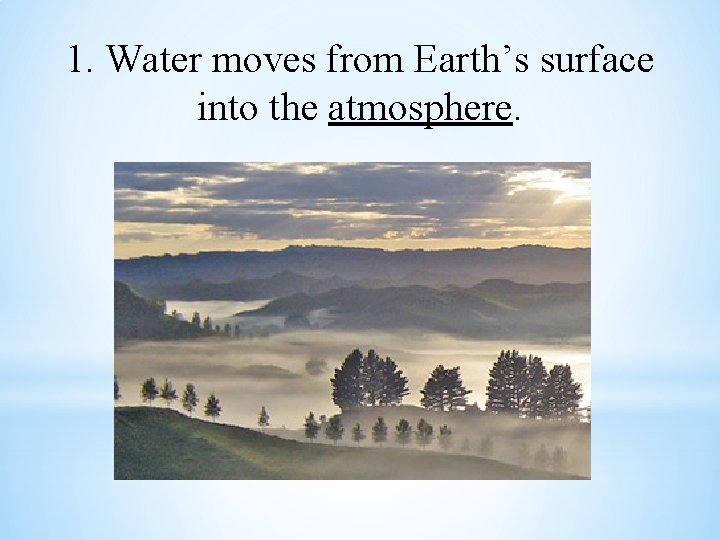
1. Water moves from Earth’s surface into the atmosphere.
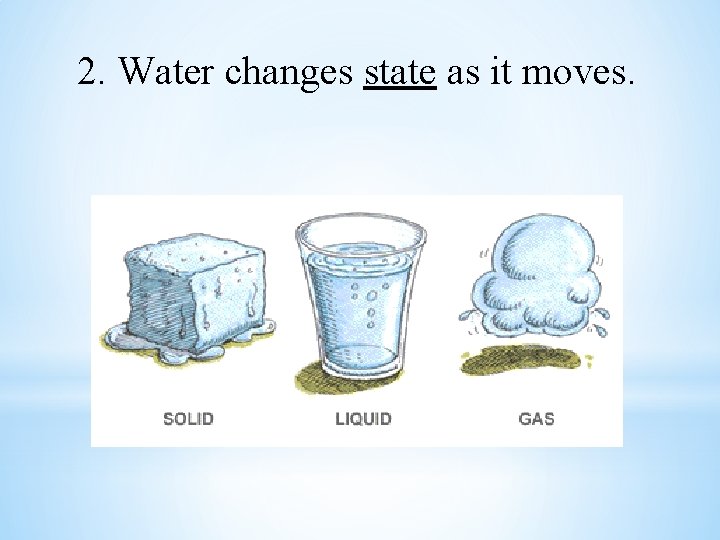
2. Water changes state as it moves.
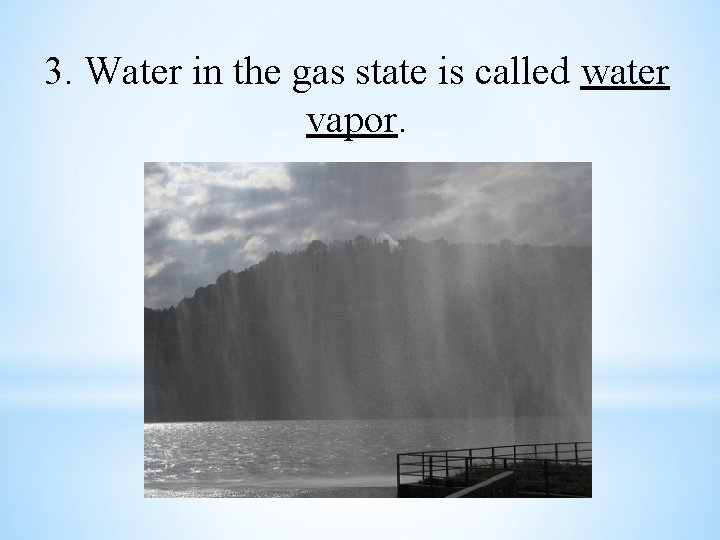
3. Water in the gas state is called water vapor.
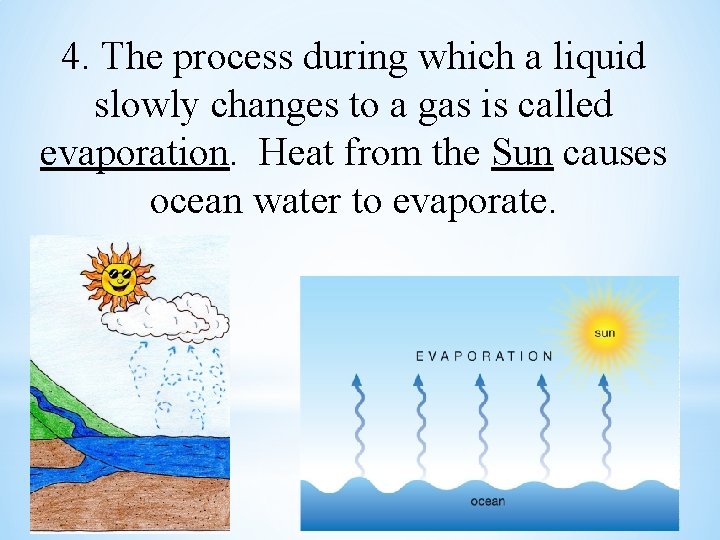
4. The process during which a liquid slowly changes to a gas is called evaporation. Heat from the Sun causes ocean water to evaporate.
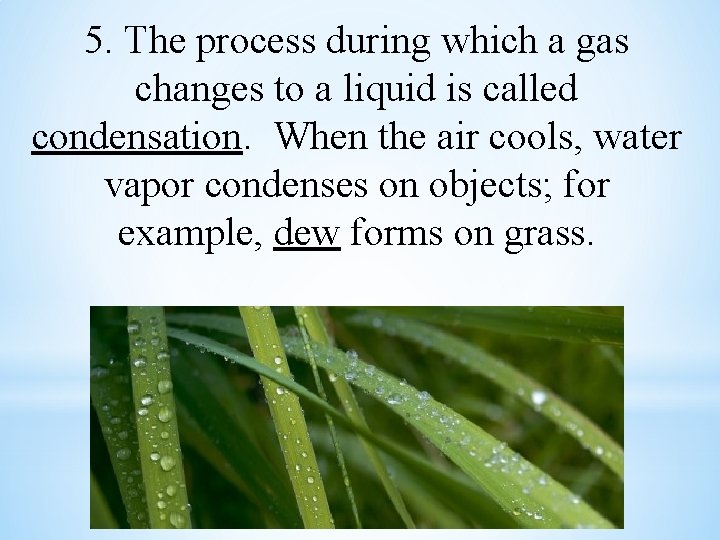
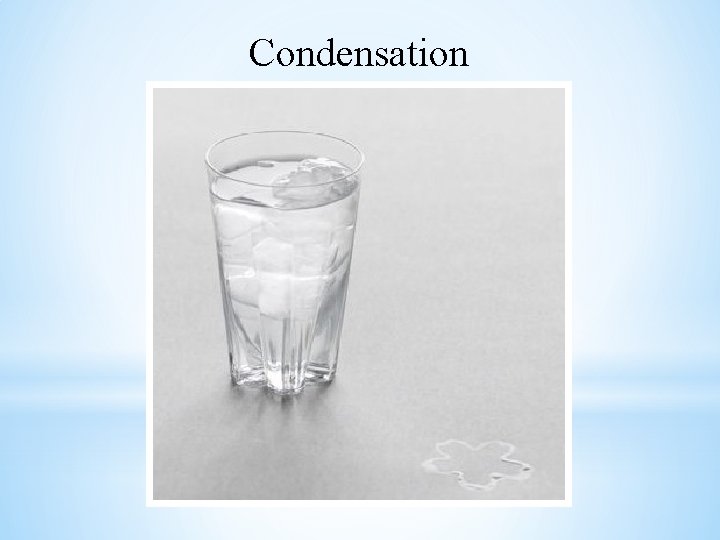
5. The process during which a gas changes to a liquid is called condensation. When the air cools, water vapor condenses on objects; for example, dew forms on grass.
Condensation
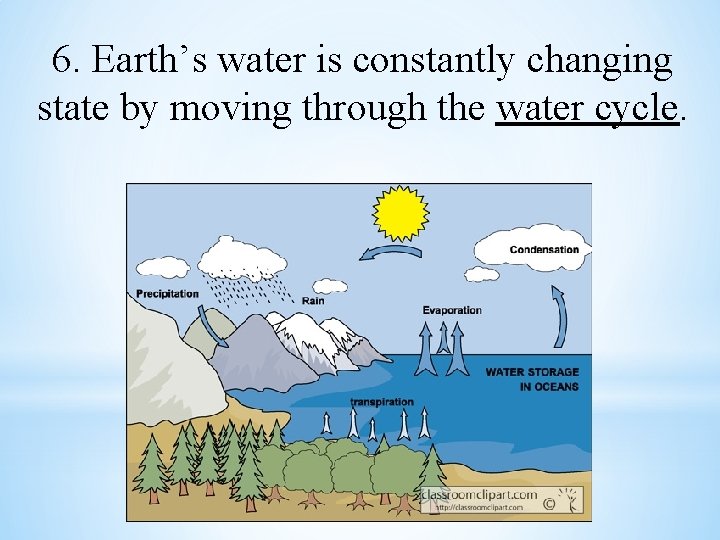
6. Earth’s water is constantly changing state by moving through the water cycle.
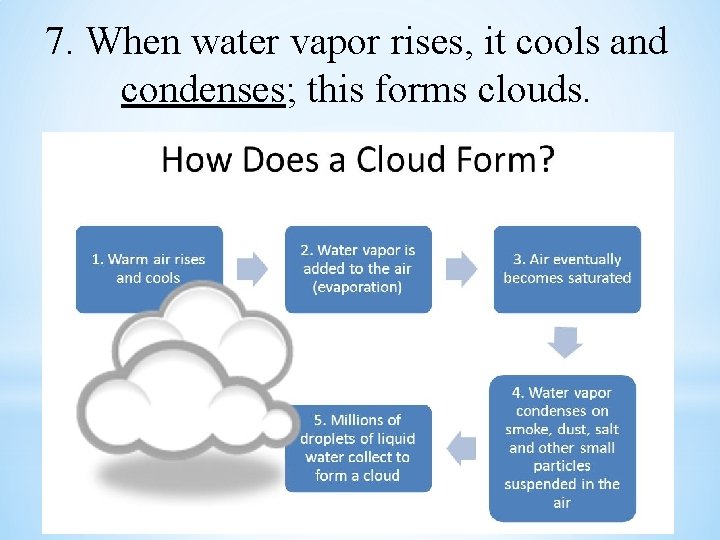
7. When water vapor rises, it cools and condenses; this forms clouds.
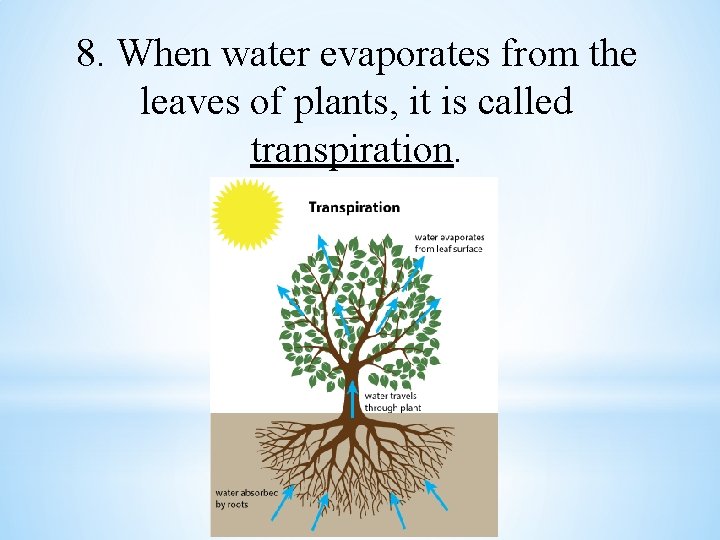
8. When water evaporates from the leaves of plants, it is called transpiration.
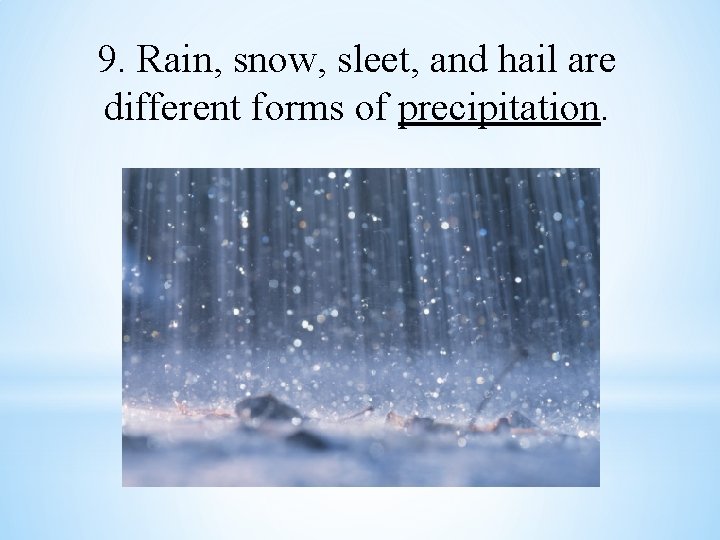
9. Rain, snow, sleet, and hail are different forms of precipitation.
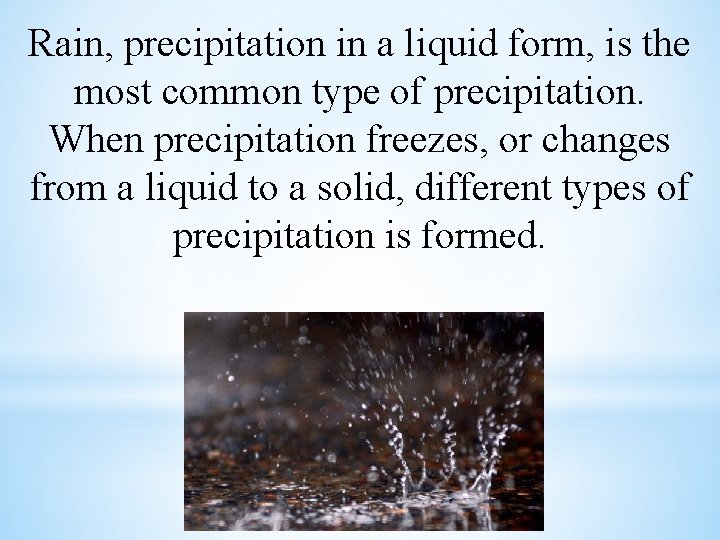
Rain, precipitation in a liquid form, is the most common type of precipitation. When precipitation freezes, or changes from a liquid to a solid, different types of precipitation is formed.
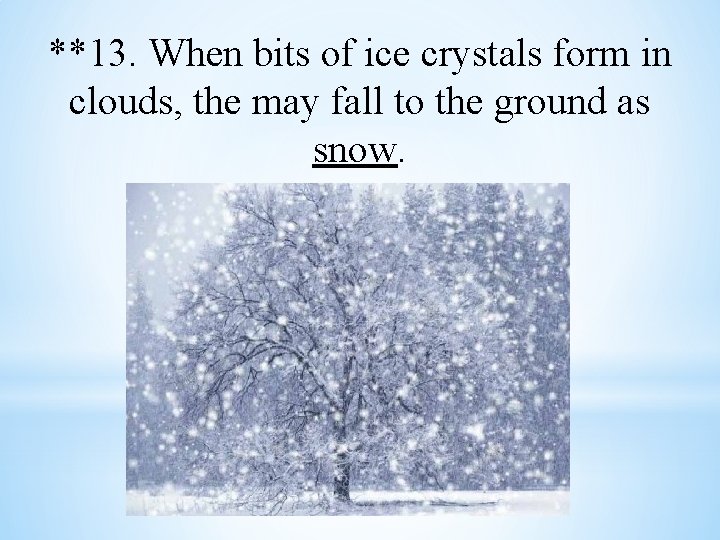
**13. When bits of ice crystals form in clouds, the may fall to the ground as snow.
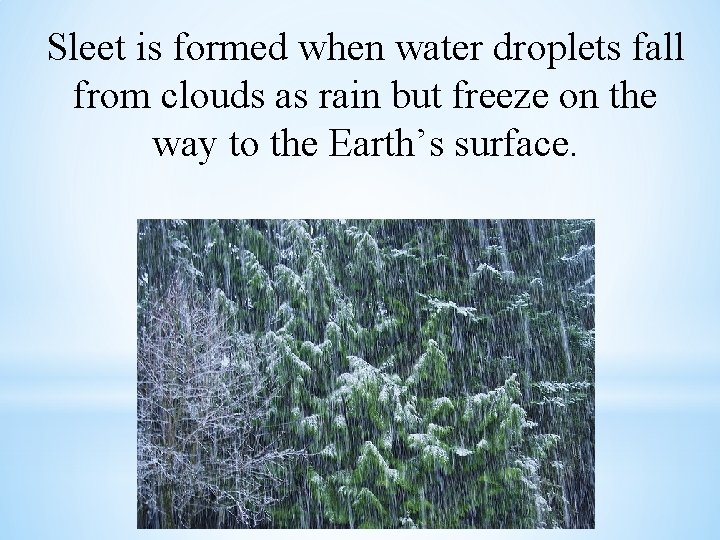
Sleet is formed when water droplets fall from clouds as rain but freeze on the way to the Earth’s surface.
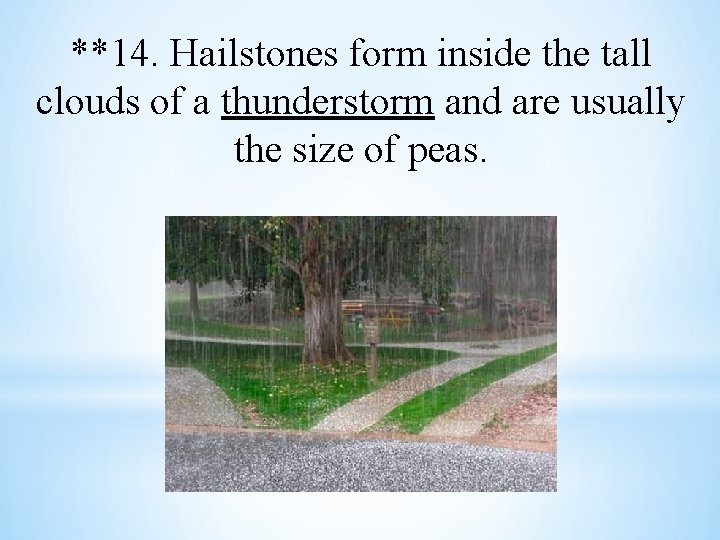
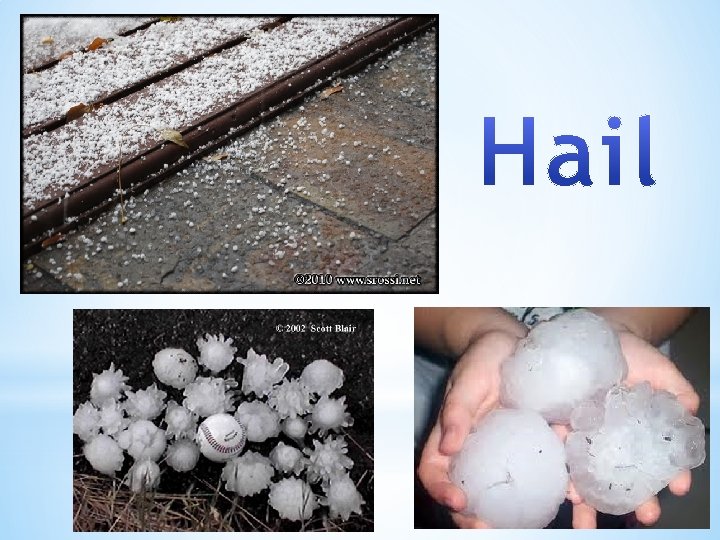
**14. Hailstones form inside the tall clouds of a thunderstorm and are usually the size of peas.
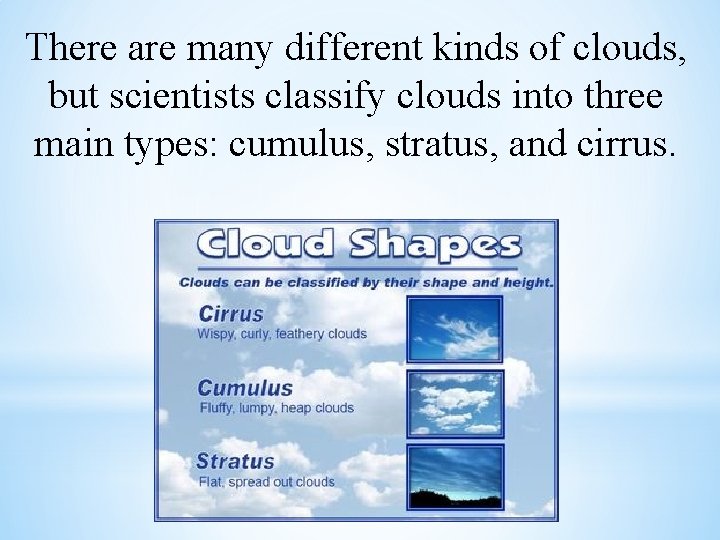
There are many different kinds of clouds, but scientists classify clouds into three main types: cumulus, stratus, and cirrus.
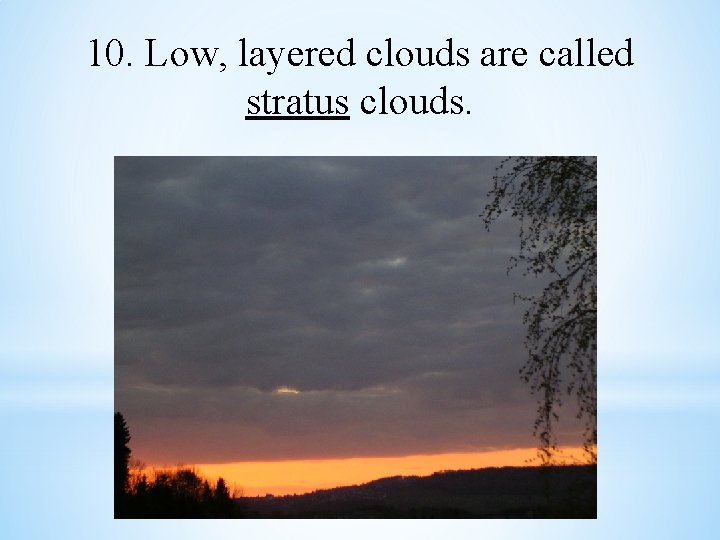
10. Low, layered clouds are called stratus clouds.
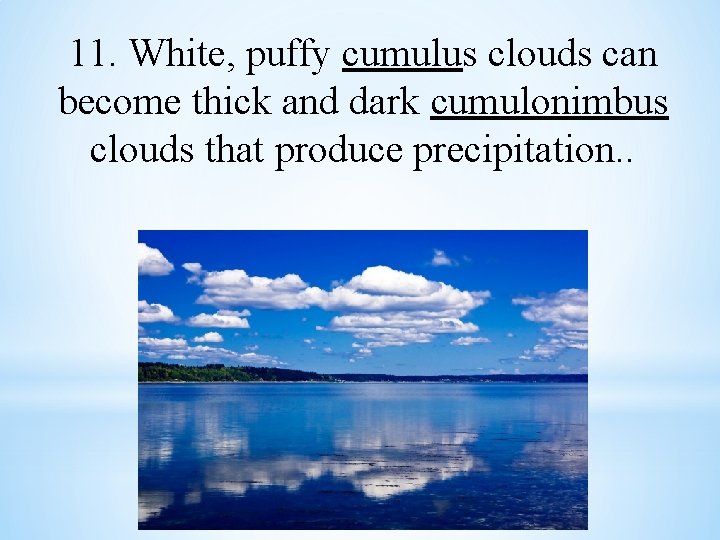
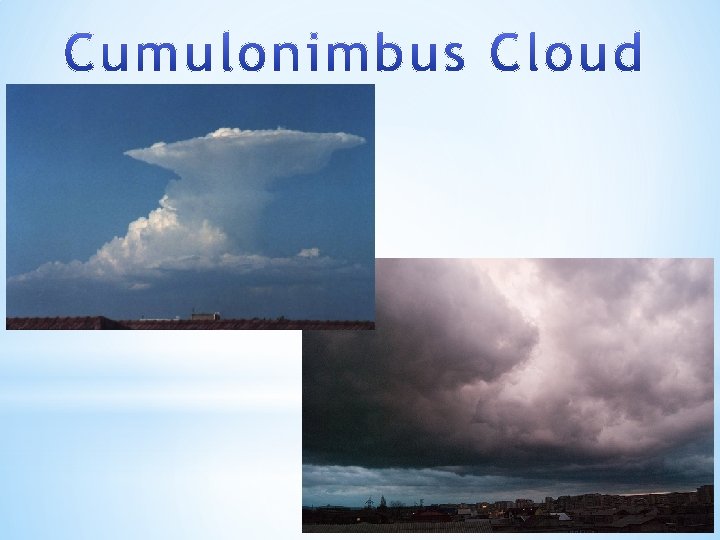
11. White, puffy cumulus clouds can become thick and dark cumulonimbus clouds that produce precipitation. .
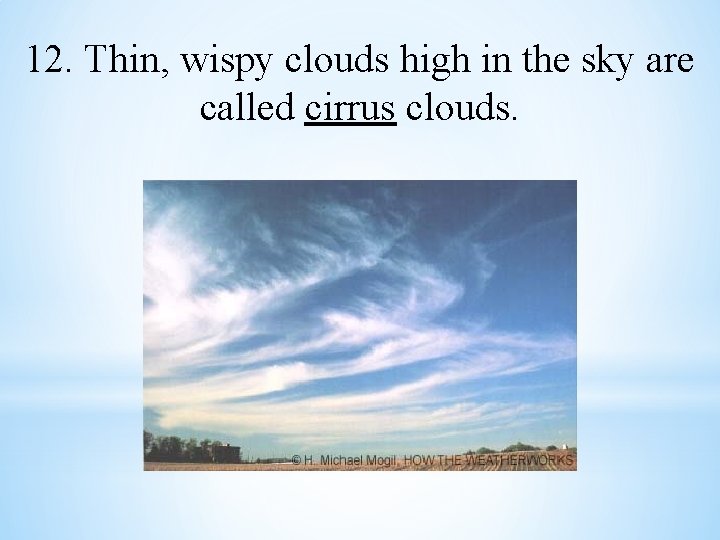
12. Thin, wispy clouds high in the sky are called cirrus clouds.
15. An example in my house of water changing form is when someone takes a hot shower and the water vapor forms as steam and then drips on the mirror.