
Chapter 7 Lesson 1 Physical Geography of Mexico

- Slides: 15
Chapter 7 : Lesson 1 Physical Geography of Mexico
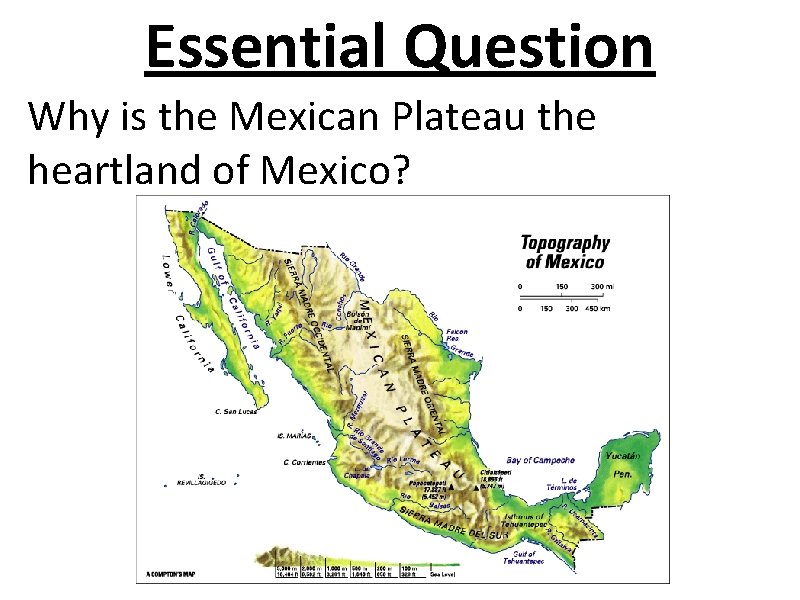
Essential Question Why is the Mexican Plateau the heartland of Mexico?
Why is it called Latin America? The languages of early explorers (Spain & Portugal) have Latin origins as well as the language used by the Catholic Church was Latin.
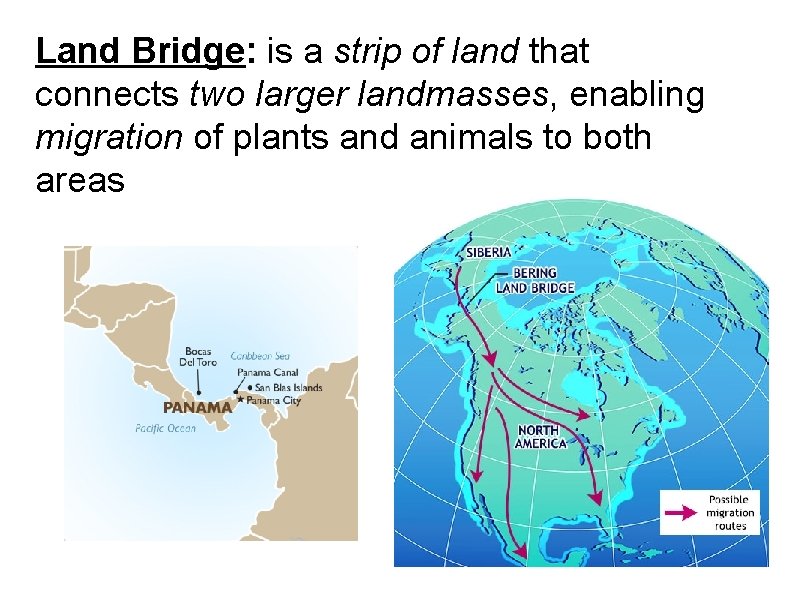
Land Bridge: is a strip of land that connects two larger landmasses, enabling migration of plants and animals to both areas
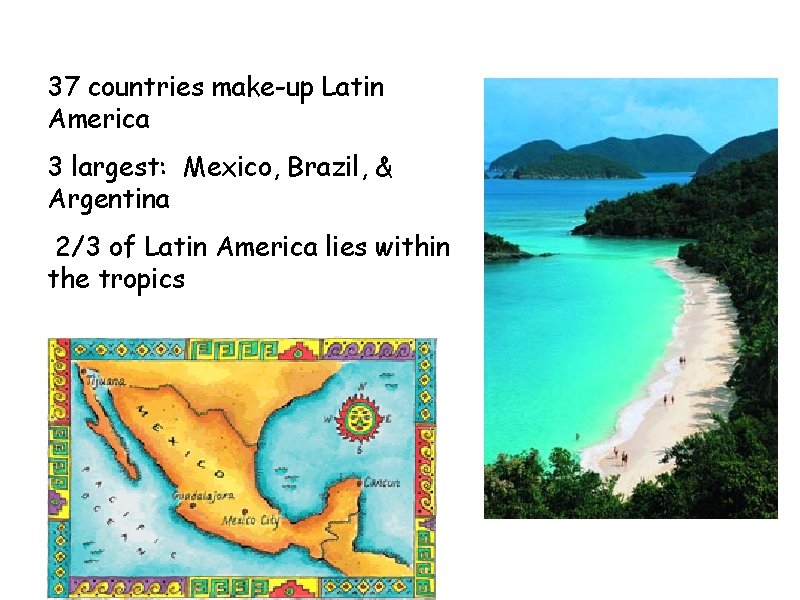
37 countries make-up Latin America 3 largest: Mexico, Brazil, & Argentina 2/3 of Latin America lies within the tropics
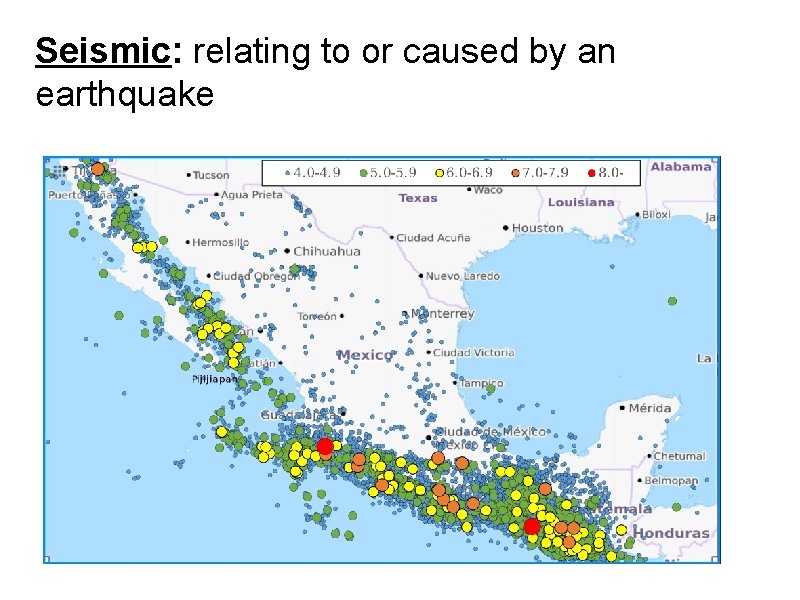
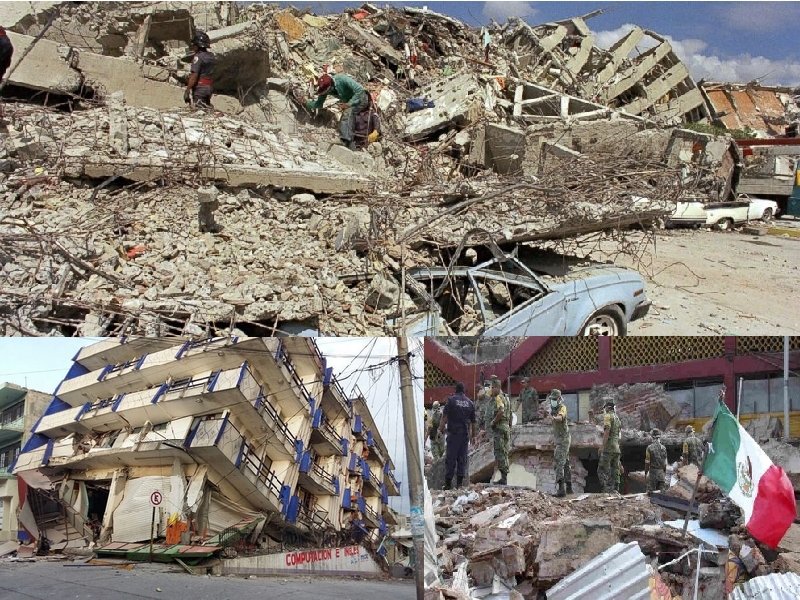
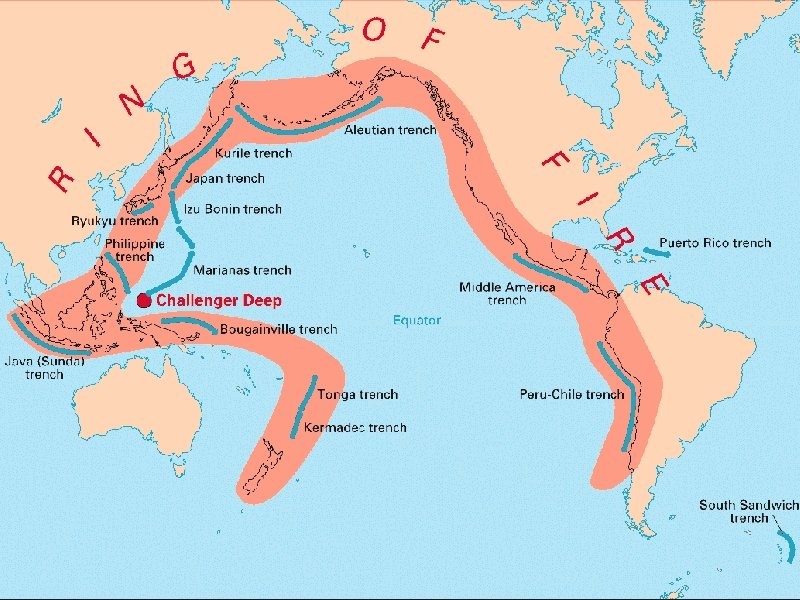
Seismic: relating to or caused by an earthquake
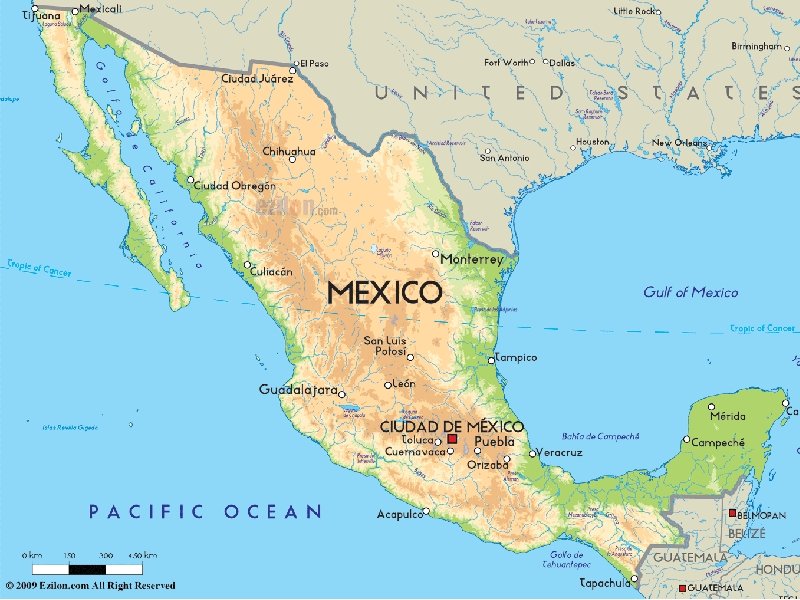
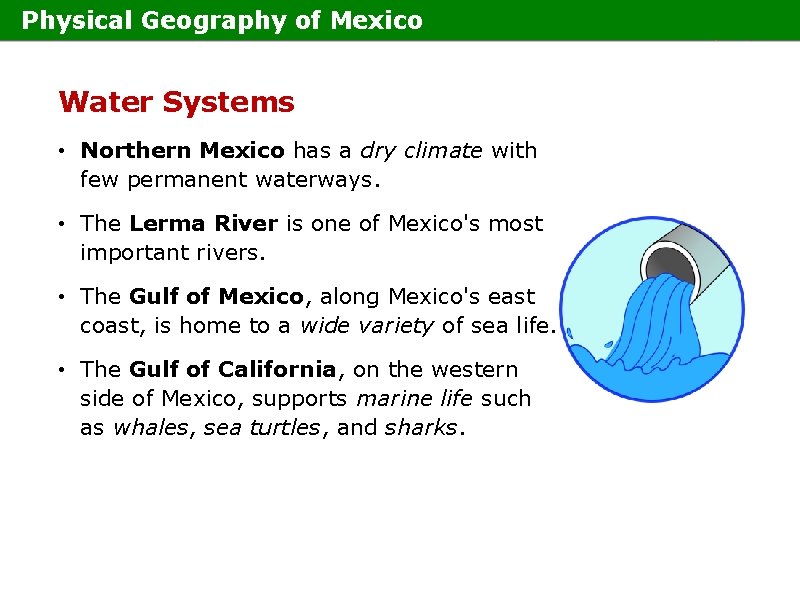
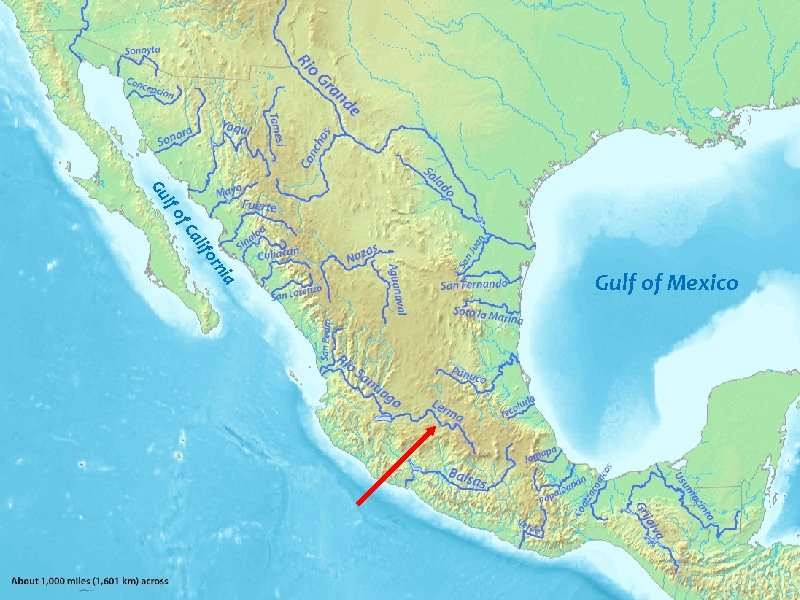
Physical Geography of Mexico Water Systems • Northern Mexico has a dry climate with few permanent waterways. • The Lerma River is one of Mexico's most important rivers. • The Gulf of Mexico, along Mexico's east coast, is home to a wide variety of sea life. • The Gulf of California, on the western side of Mexico, supports marine life such as whales, sea turtles, and sharks.
ali f. C lf o Gu ia rn fo Gulf of Mexico
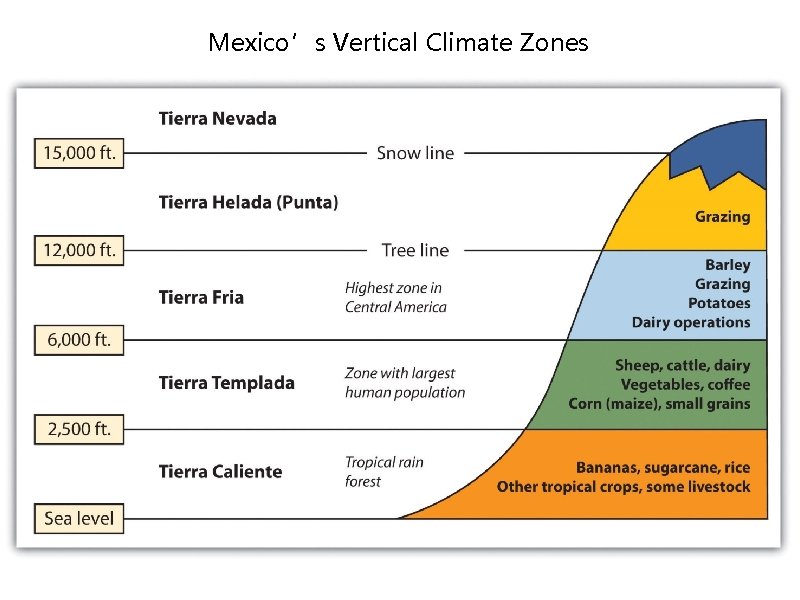
Physical Geography of Mexico Climate, Biomes, and Resources • Three factors that influence Mexico's climates are regional high-pressure systems, northeast trade winds, and vertical climate zones. • Mexico has a variety of biomes that support various plant and animal life. • Minerals, especially silver, are important to Mexico's economy. • Mexico is a leading petroleumproducing country.
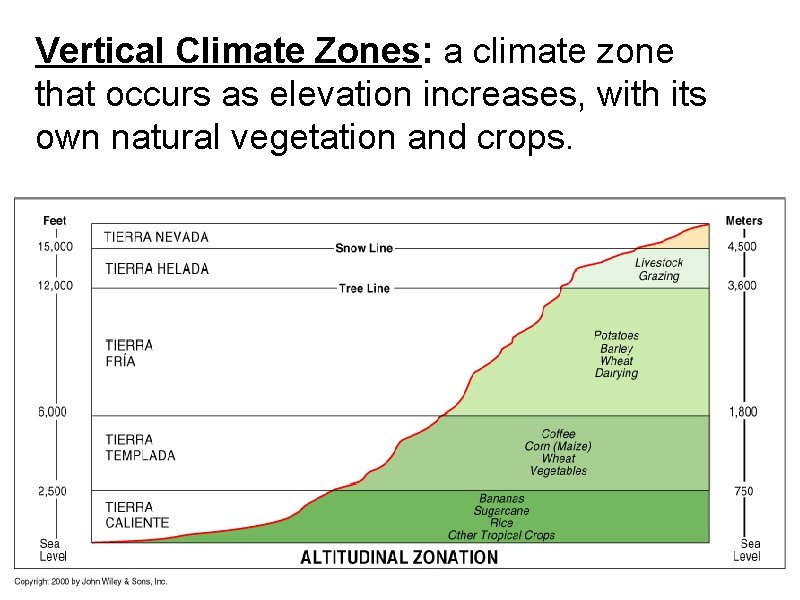
Vertical Climate Zones: a climate zone that occurs as elevation increases, with its own natural vegetation and crops.
Mexico’s Vertical Climate Zones
Review Question: Chapter 7 : Lesson 1 Read pages 176 -179 and answer Review Questions on page 179 Hand in Google Class Room.