
Chapter 7 Gradient Echo Imaging Methods Mark D
- Slides: 18
Chapter 7: Gradient Echo Imaging Methods Mark D. Herbst, MD, Ph. D
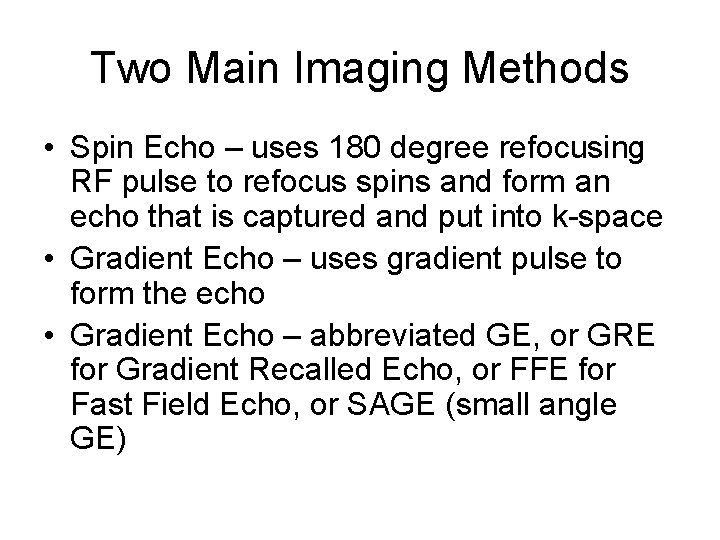
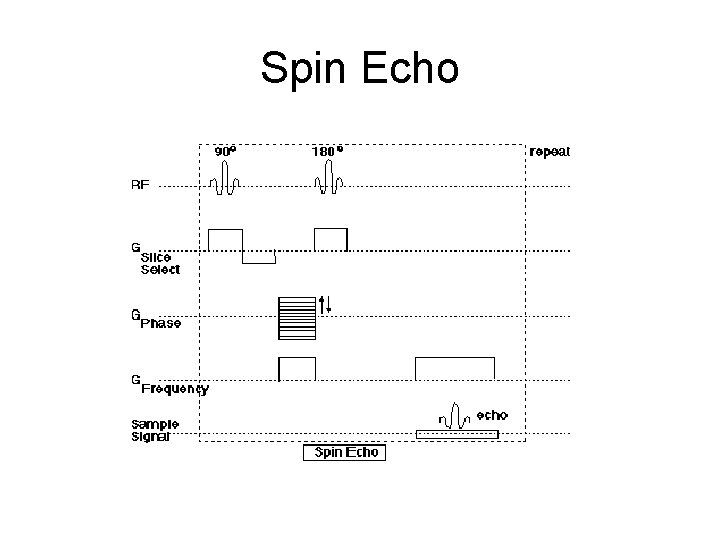
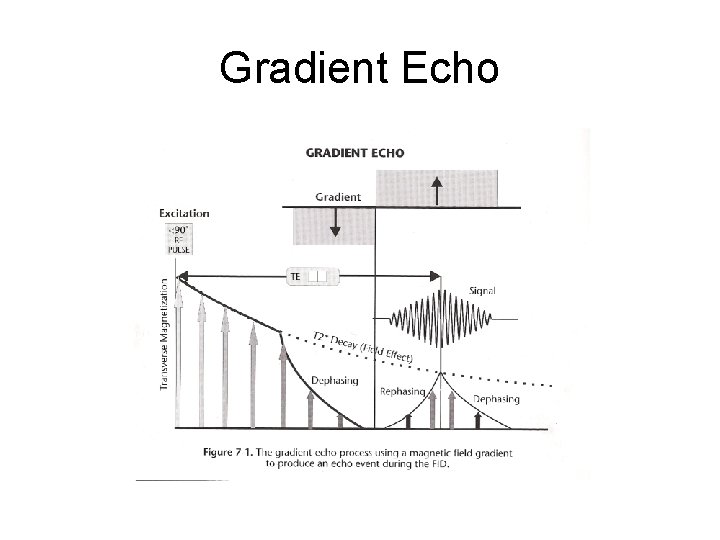
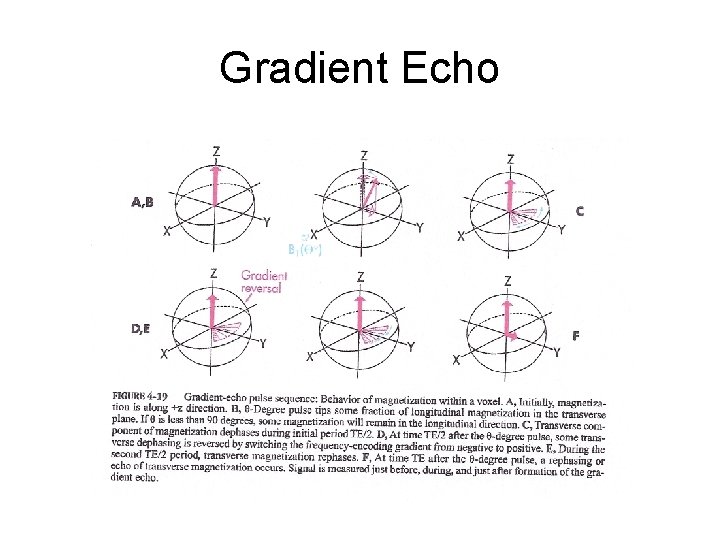
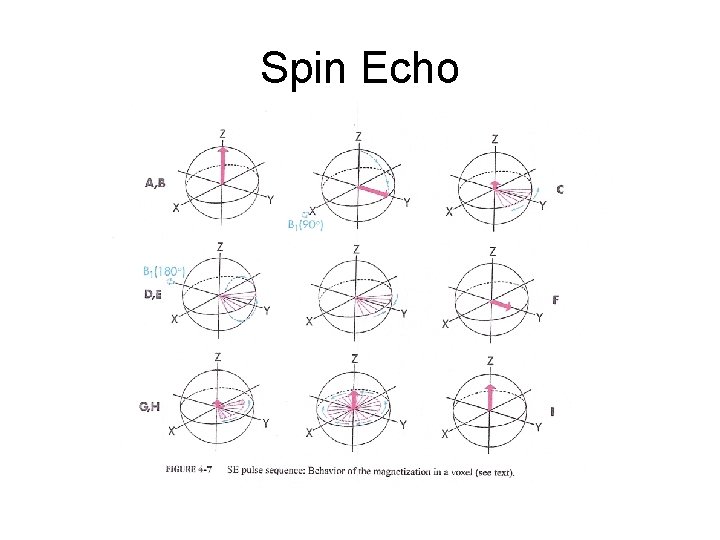
Two Main Imaging Methods • Spin Echo – uses 180 degree refocusing RF pulse to refocus spins and form an echo that is captured and put into k-space • Gradient Echo – uses gradient pulse to form the echo • Gradient Echo – abbreviated GE, or GRE for Gradient Recalled Echo, or FFE for Fast Field Echo, or SAGE (small angle GE)
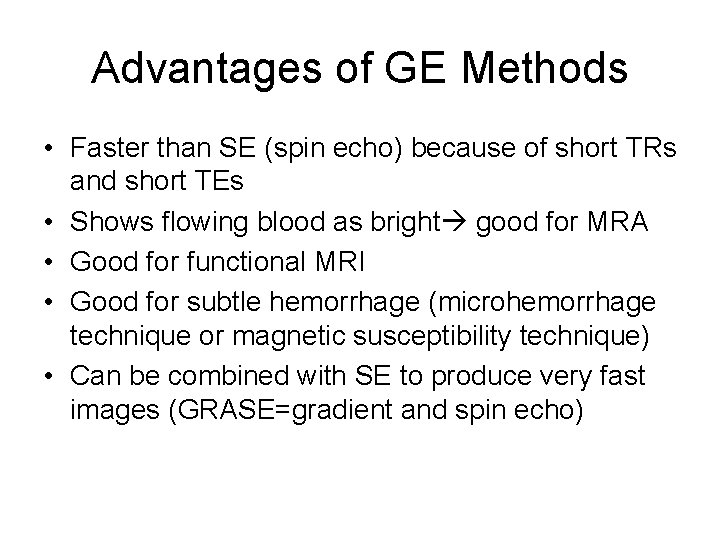
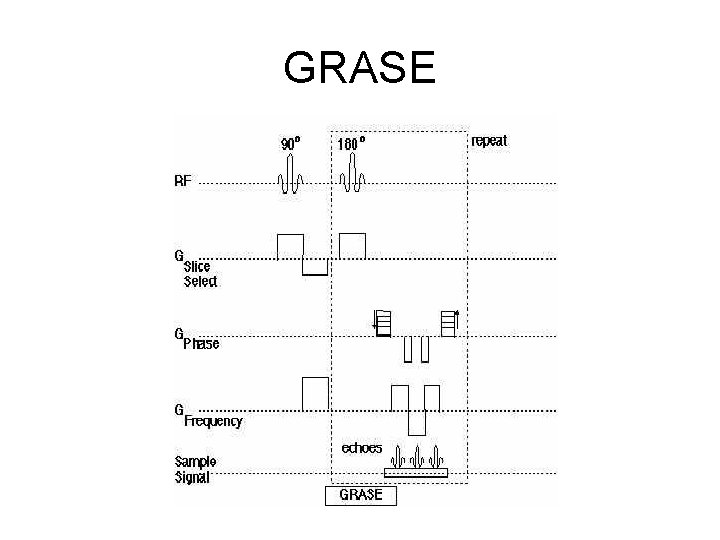
Advantages of GE Methods • Faster than SE (spin echo) because of short TRs and short TEs • Shows flowing blood as bright good for MRA • Good for functional MRI • Good for subtle hemorrhage (microhemorrhage technique or magnetic susceptibility technique) • Can be combined with SE to produce very fast images (GRASE=gradient and spin echo)
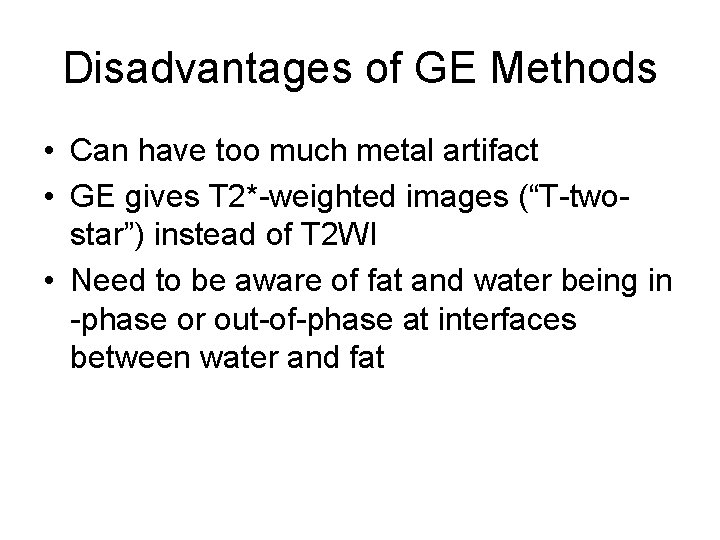
Disadvantages of GE Methods • Can have too much metal artifact • GE gives T 2*-weighted images (“T-twostar”) instead of T 2 WI • Need to be aware of fat and water being in -phase or out-of-phase at interfaces between water and fat
Spin Echo
Gradient Echo
Gradient Echo
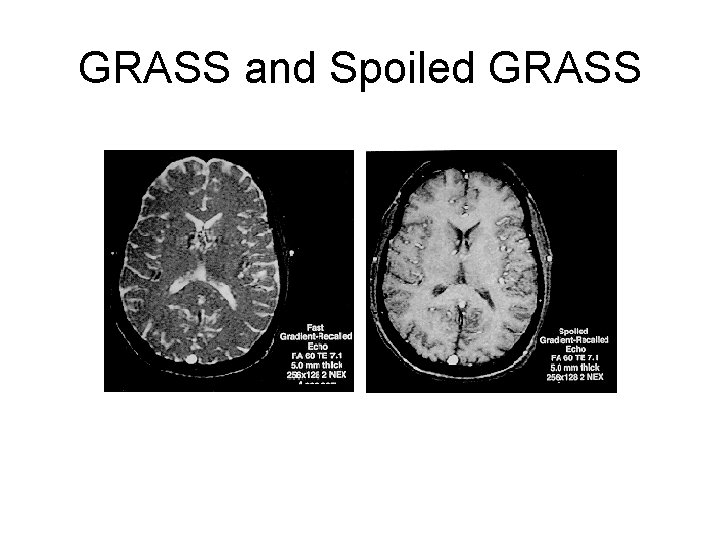
Spoiled Gradient Echo • “Spoiling” refers to the destruction of any T 2 contrast in the image, leaving you with a fast way of getting a T 1 WI using a gradient technique. The “spoiler pulse” completely dephases the spins in the xy plane, removing any evidence of T 2 or T 2* contrast.
GRASS and Spoiled GRASS
Spin Echo
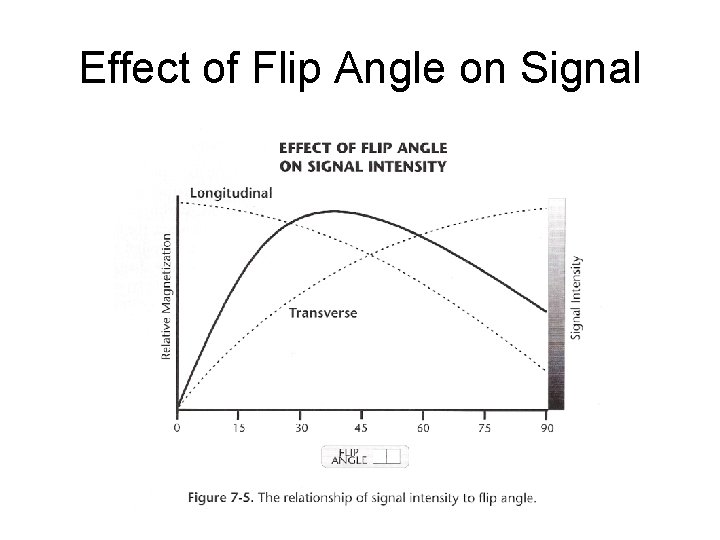
Effect of Flip Angle on Signal
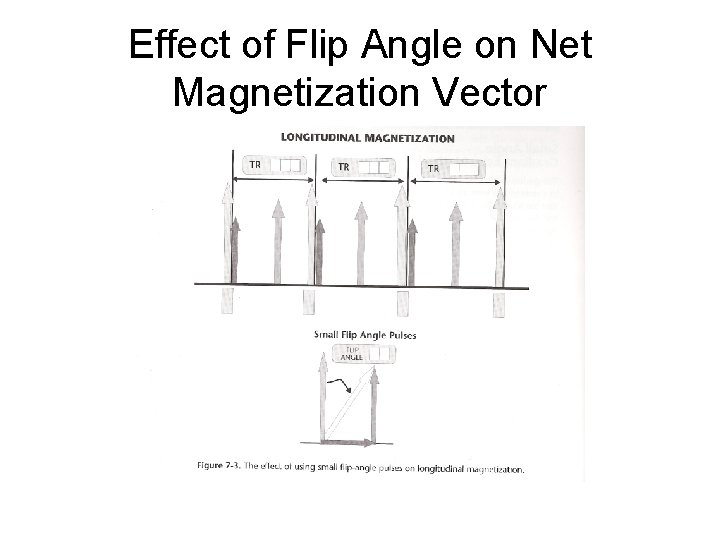
Effect of Flip Angle on Net Magnetization Vector
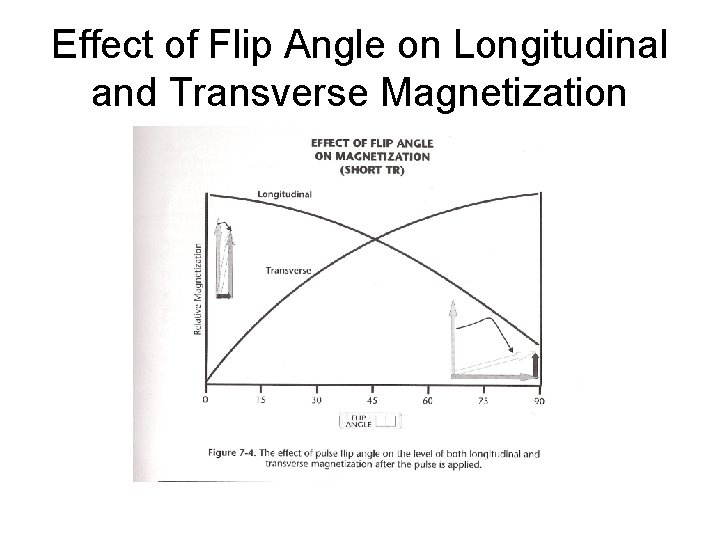
Effect of Flip Angle on Longitudinal and Transverse Magnetization
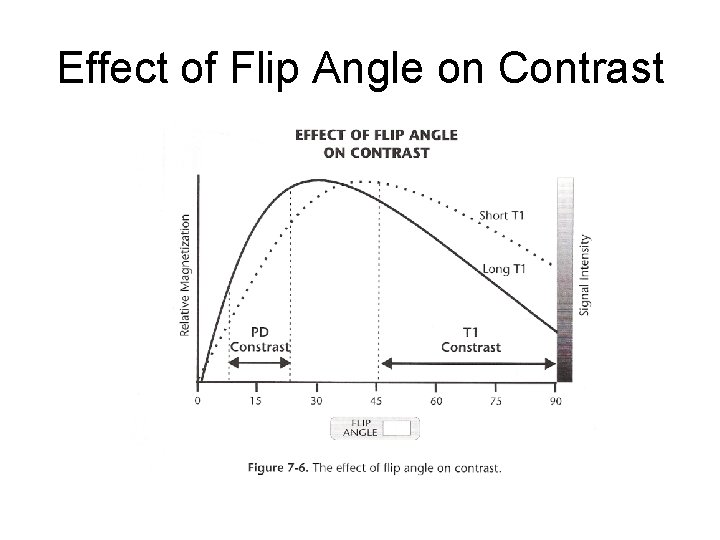
Effect of Flip Angle on Contrast
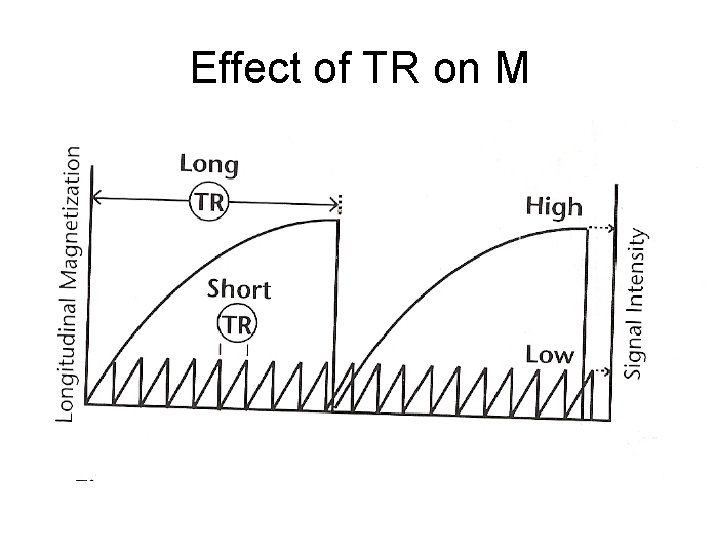
Effect of TR on M
GRASE
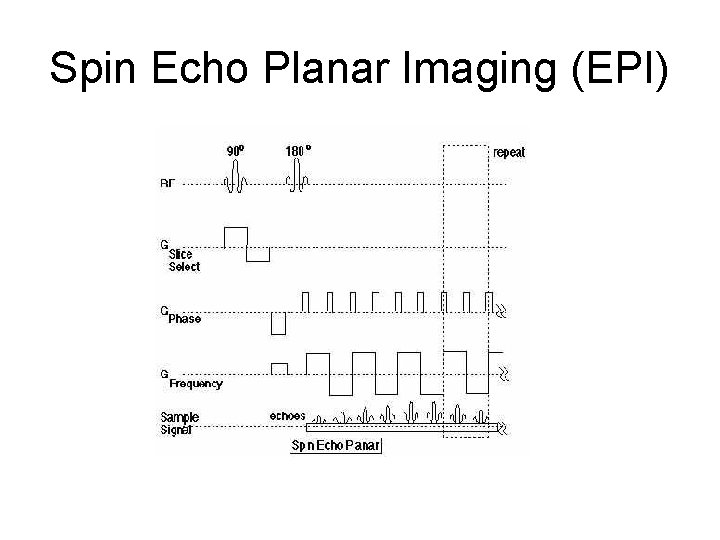
Spin Echo Planar Imaging (EPI)
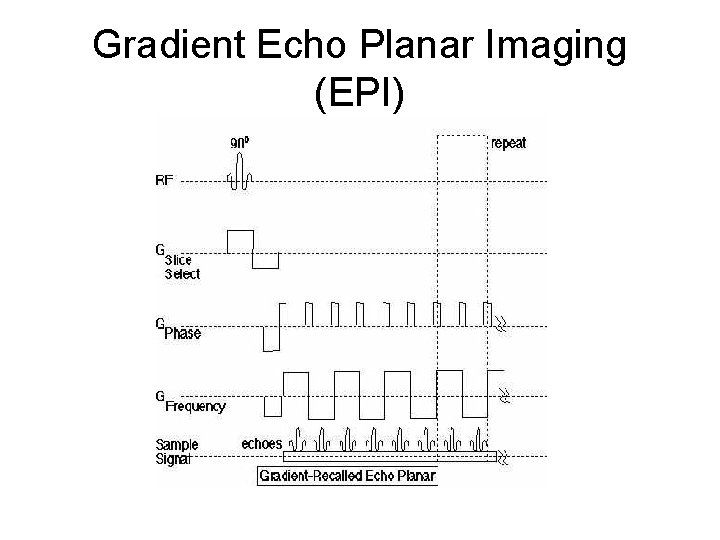
Gradient Echo Planar Imaging (EPI)