
Chapter 7 Civilizations of the Americas People Aztecs


- Slides: 25
Chapter 7 Civilizations of the Americas
People � Aztecs � Incas � Mayas � East Coast � Desert Southwest � West Coast � Great Plains � Arctic
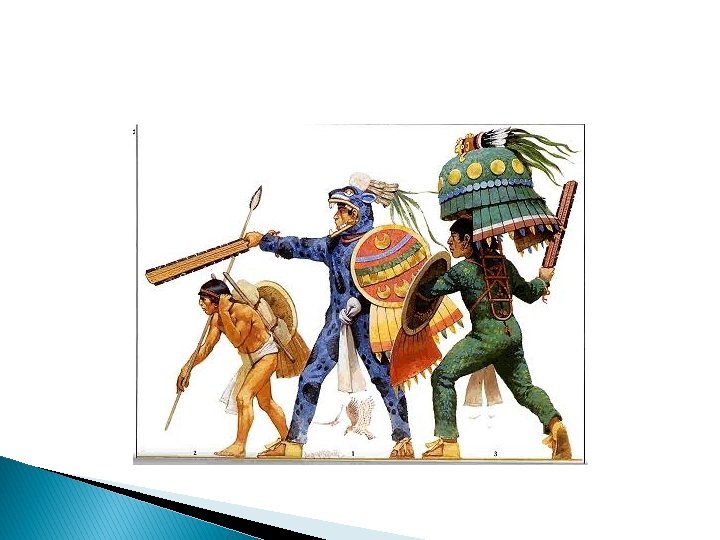
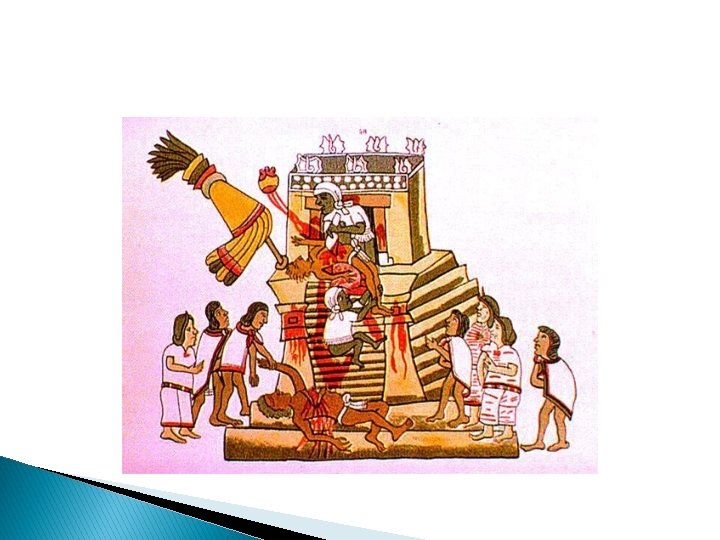
Aztecs � Mexico- Tenochtitlan � Farming people – chinampas � Warring people- Spanish � Human sacrifices so the sun would rise
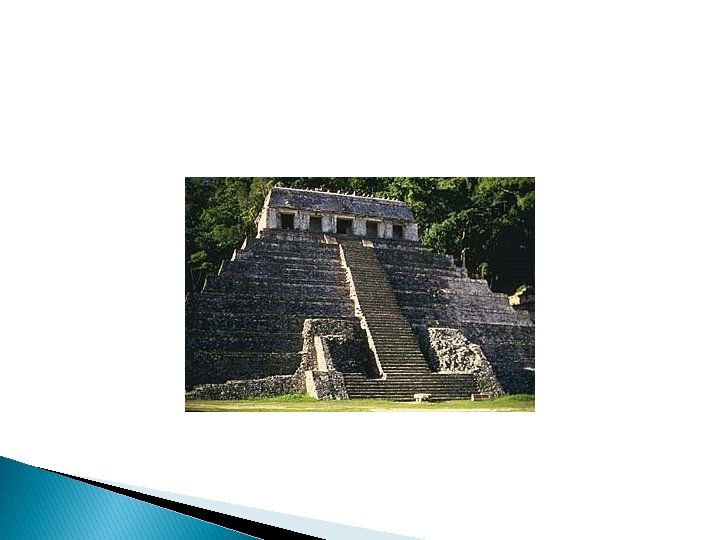
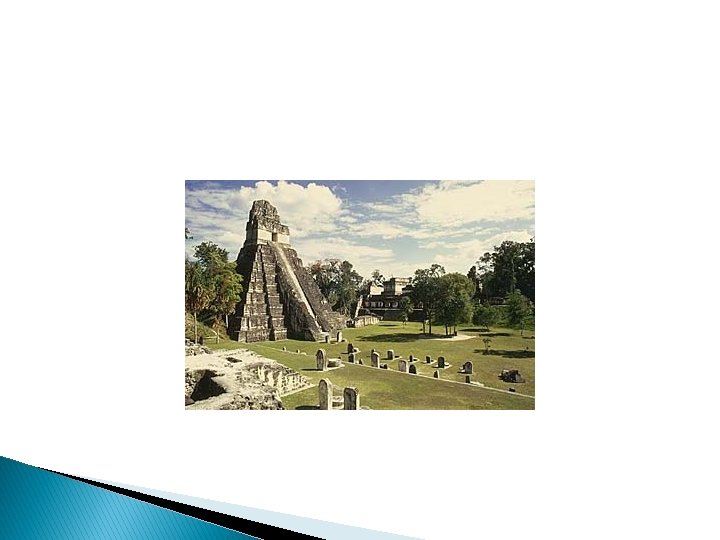
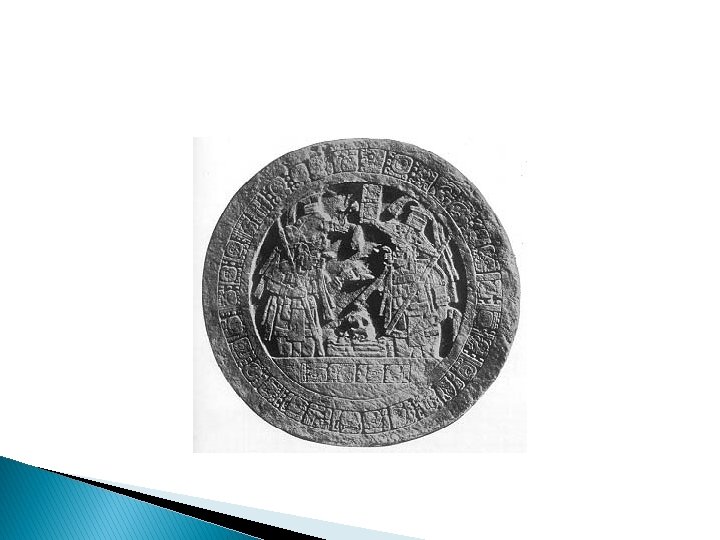
Maya � Guatemala� Farming � Human Tikal Sacrifice � Calendar- December 21, 2012
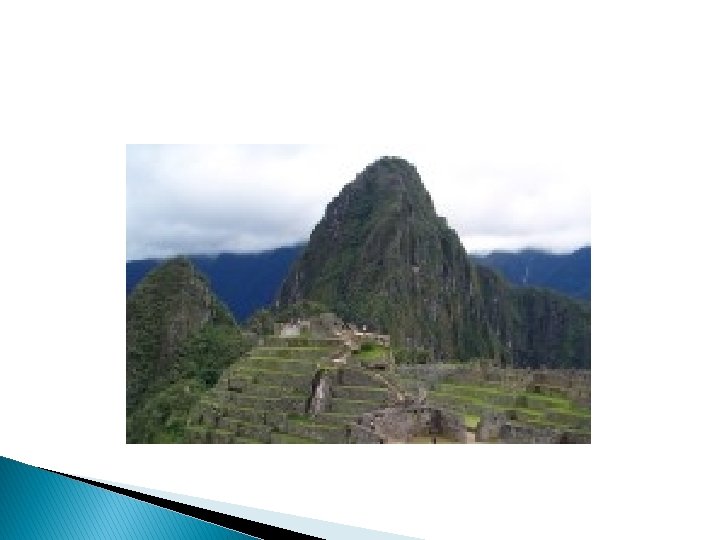
Inca � Peru- Machu Picchu and Cuzco � Farming- coca leaves (cocaine)
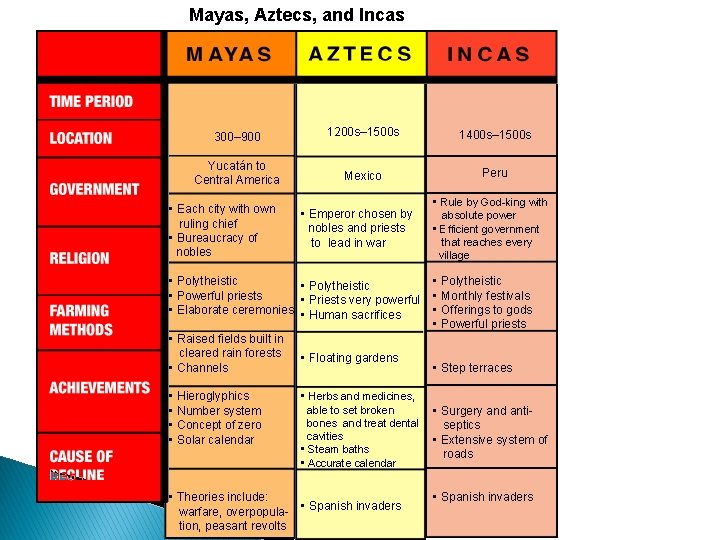
Mayas, Aztecs, and Incas 300– 900 1200 s– 1500 s 1400 s– 1500 s Yucatán to Central America Mexico Peru • Each city with own ruling chief • Bureaucracy of nobles • Emperor chosen by nobles and priests to lead in war • Polytheistic • Powerful priests • Priests very powerful • Elaborate ceremonies • Human sacrifices • Raised fields built in cleared rain forests • Channels • Hieroglyphics • Number system • Concept of zero • Solar calendar • Floating gardens • Rule by God-king with absolute power • Efficient government that reaches every village • Polytheistic • Monthly festivals • Offerings to gods • Powerful priests • Step terraces • Herbs and medicines, able to set broken bones and treat dental cavities • Steam baths • Accurate calendar • Theories include: • Spanish invaders warfare, overpopulation, peasant revolts • Surgery and antiseptics • Extensive system of roads • Spanish invaders
People of North America � East Coast � Desert Southwest � West Coast � Great Plains � Arctic � Environment influences culture
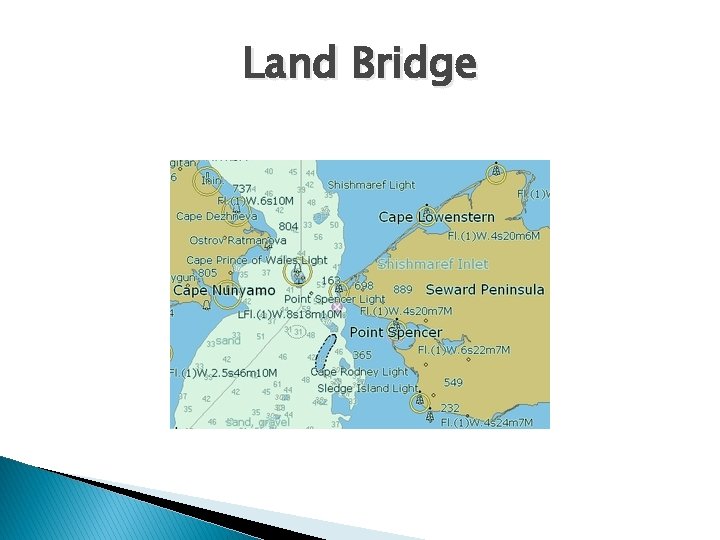
Land Bridge
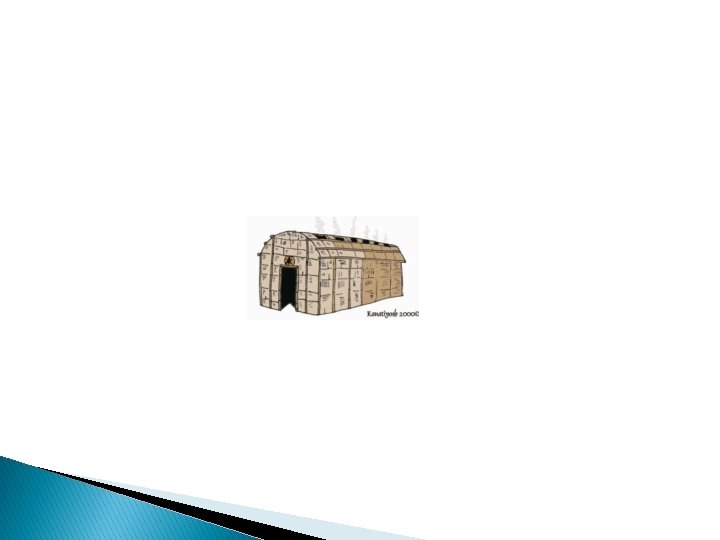
East Coast Tribes � Algonquin � Iroquois� Huron � Chippewa League (political group of tribes)
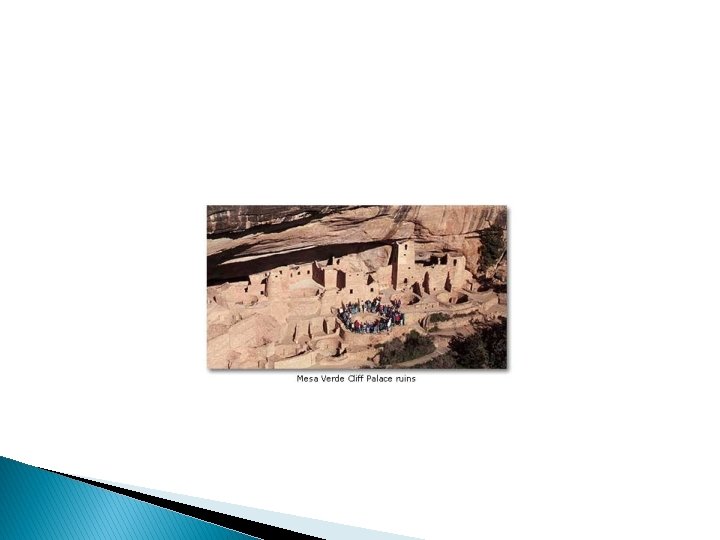
Desert Southwest � Navajo � Hopi � Anasazi- Cliff Dwellers
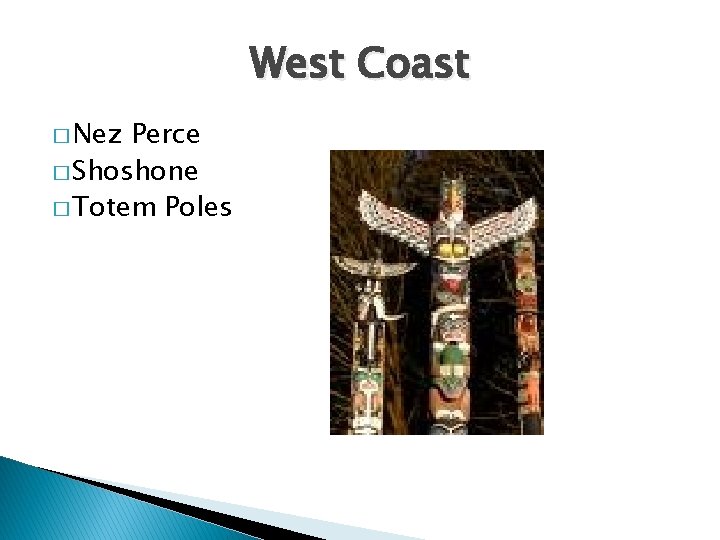
West Coast � Nez Perce � Shoshone � Totem Poles
Great Plains � Lakota � Cheyenne � Comanche � Crow � Blackfeet
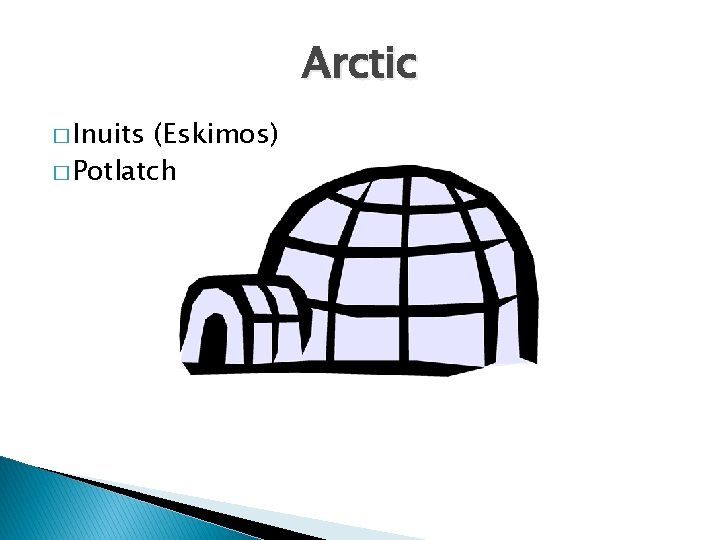
Arctic � Inuits (Eskimos) � Potlatch
Jeopardy Game
Wheeler Dealer Game � Meso American trade system � What item is the most important?
Open Book Test