
CHAPTER 7 CELL STRUCTURE AND FUNCTION Scanning Electron
- Slides: 20
CHAPTER 7: CELL STRUCTURE AND FUNCTION Scanning Electron Microscope: Specimen Cells http: //micro. magnet. fsu. edu/primer/java/electronmicroscopy/magnify 1/index. html
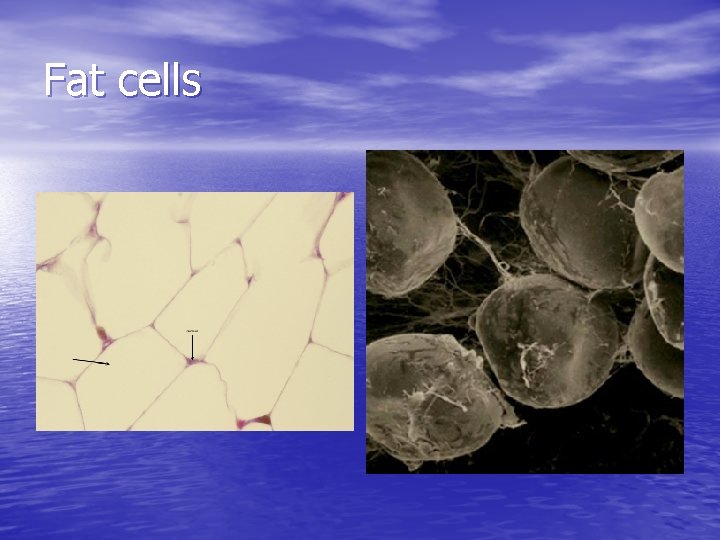
Fat cells
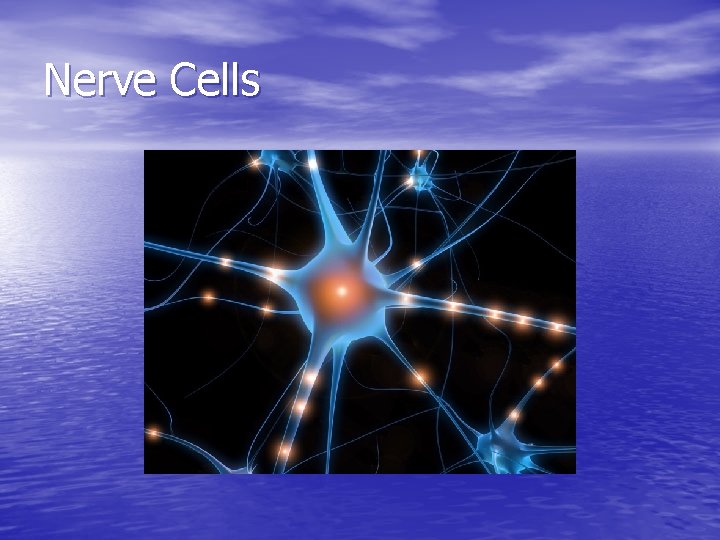
Nerve Cells
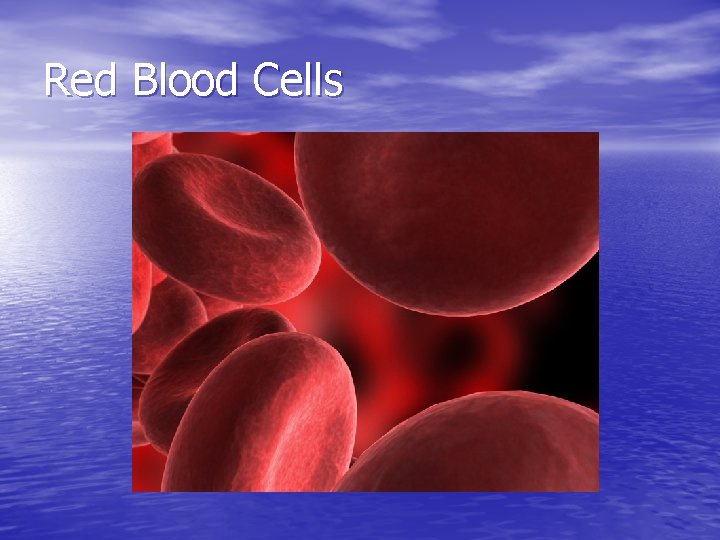
Red Blood Cells
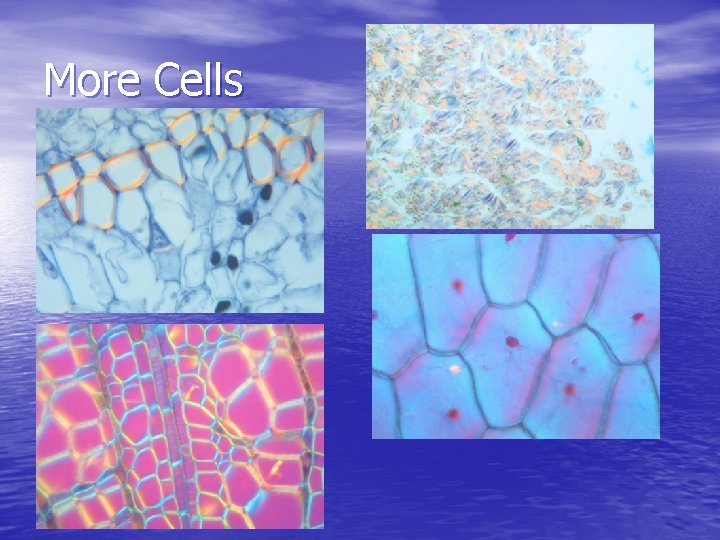
More Cells
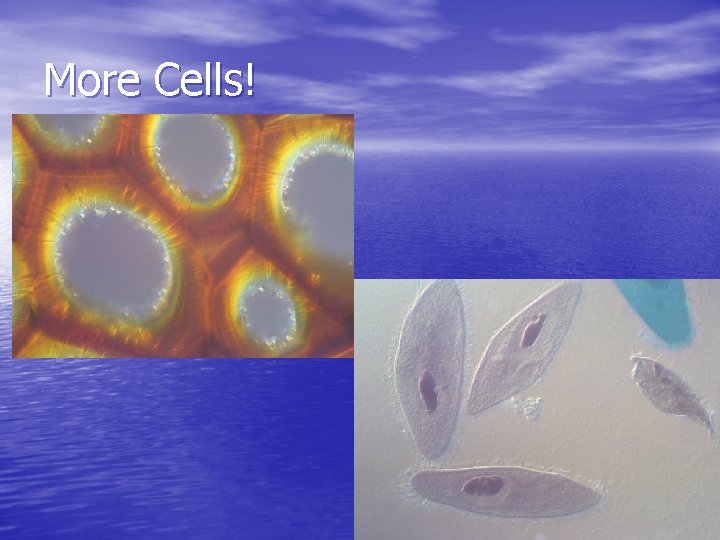
More Cells!
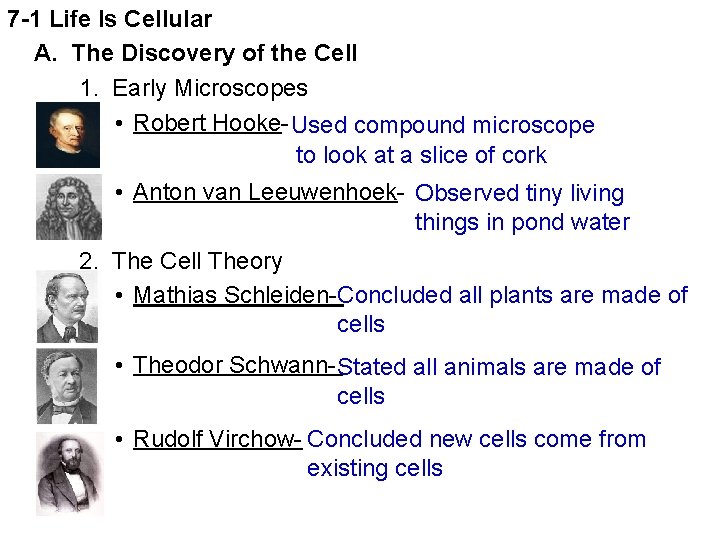
7 -1 Life Is Cellular A. The Discovery of the Cell 1. Early Microscopes • Robert Hooke- Used compound microscope to look at a slice of cork • Anton van Leeuwenhoek- Observed tiny living things in pond water 2. The Cell Theory • Mathias Schleiden-Concluded all plants are made of cells • Theodor Schwann- Stated all animals are made of cells • Rudolf Virchow- Concluded new cells come from existing cells
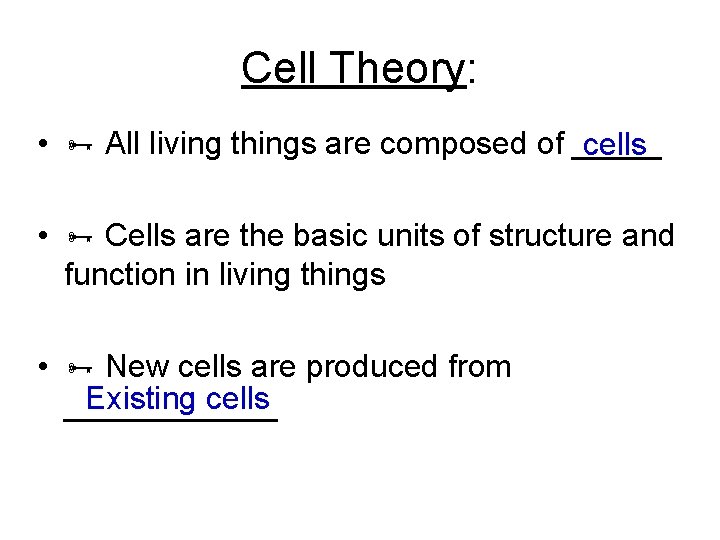
Cell Theory: • All living things are composed of _____ cells • Cells are the basic units of structure and function in living things • New cells are produced from Existing cells ______
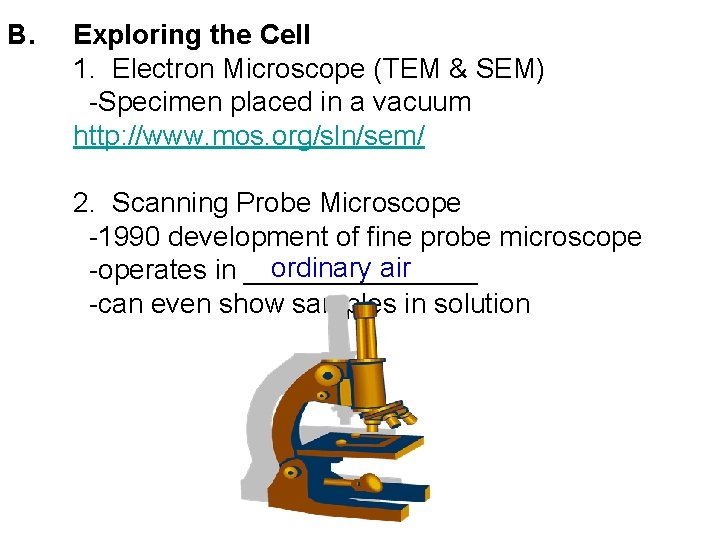
B. Exploring the Cell 1. Electron Microscope (TEM & SEM) -Specimen placed in a vacuum http: //www. mos. org/sln/sem/ 2. Scanning Probe Microscope -1990 development of fine probe microscope ordinary air -operates in ________ -can even show samples in solution
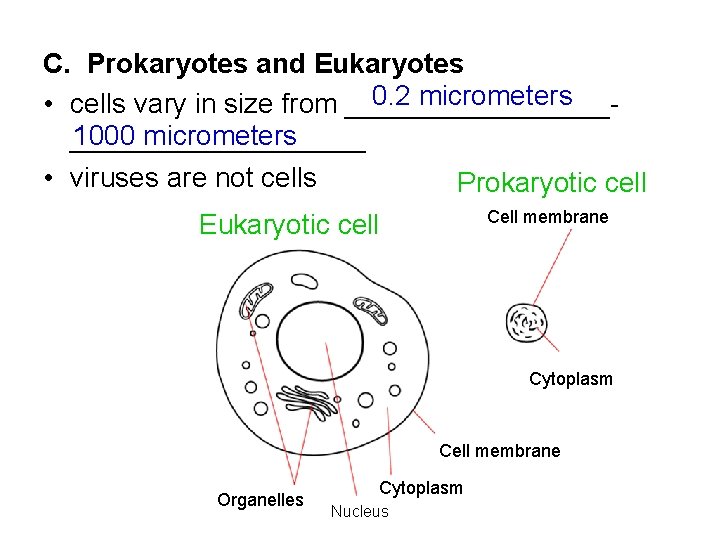
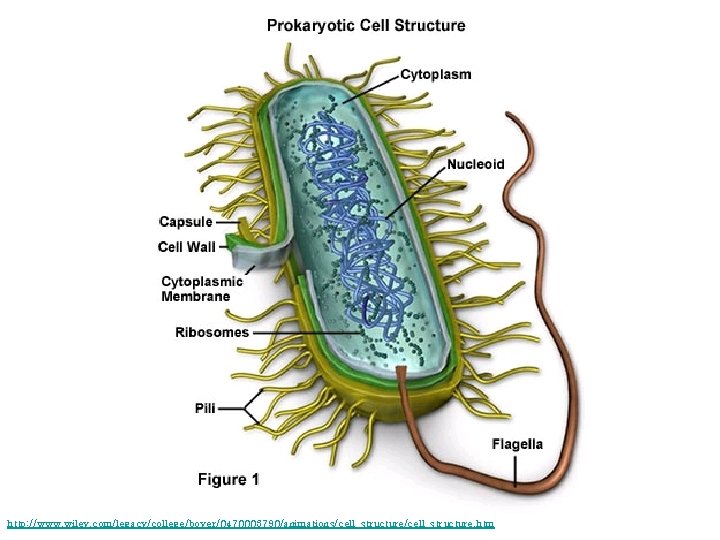
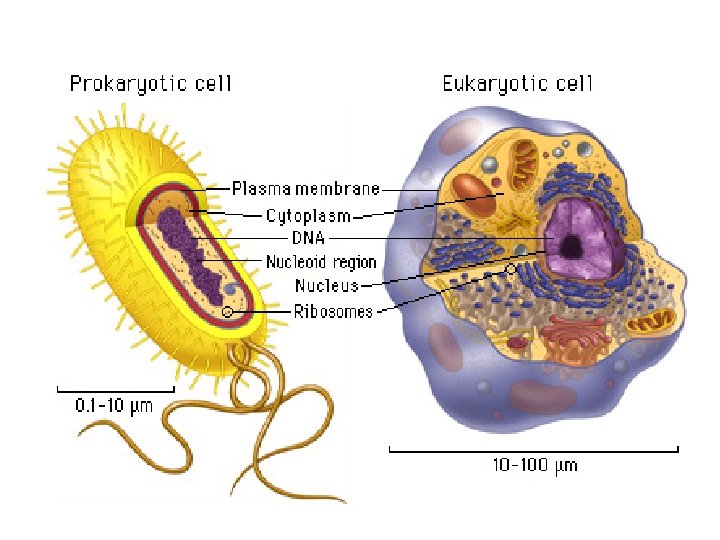
C. Prokaryotes and Eukaryotes 0. 2 micrometers • cells vary in size from _________1000 micrometers __________ • viruses are not cells Prokaryotic cell Cell membrane Eukaryotic cell Cytoplasm Cell membrane Organelles Cytoplasm Nucleus
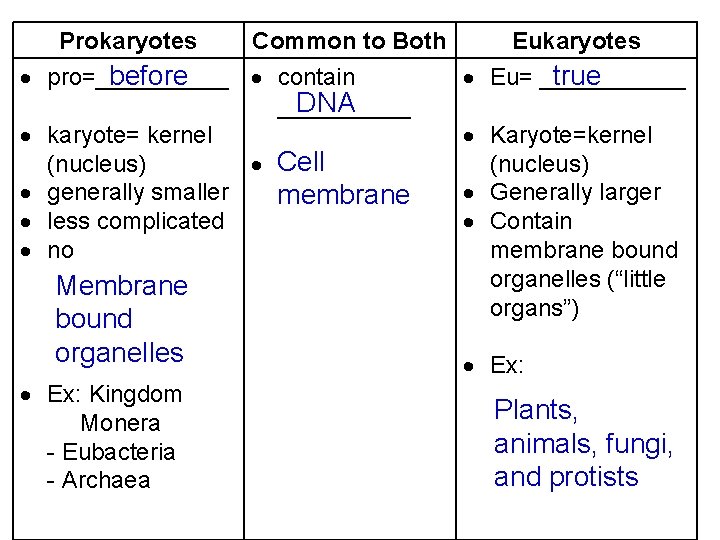
Prokaryotes Common to Both before pro=_____ contain DNA _____ karyote= kernel (nucleus) Cell generally smaller membrane less complicated no Membrane bound organelles Ex: Kingdom Monera - Eubacteria - Archaea Eukaryotes true Eu= ______ Karyote=kernel (nucleus) Generally larger Contain membrane bound organelles (“little organs”) Ex: Plants, animals, fungi, and protists
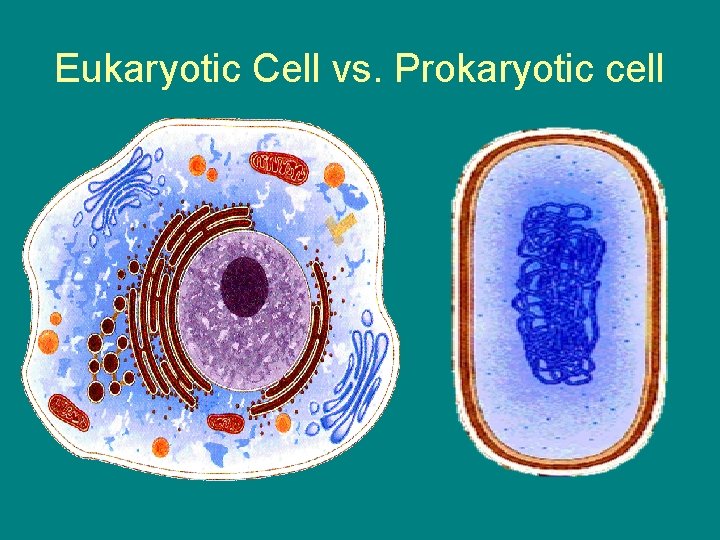
Eukaryotic Cell vs. Prokaryotic cell
http: //www. wiley. com/legacy/college/boyer/0470003790/animations/cell_structure. htm
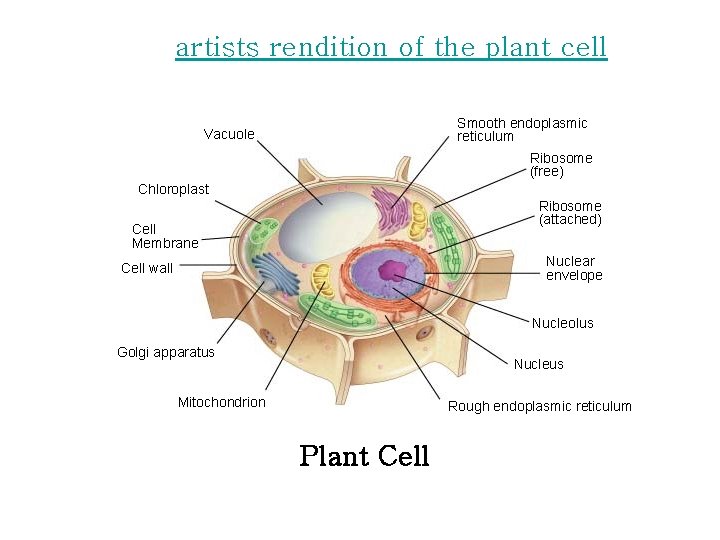
artists rendition of the plant cell Section 7 -2 Smooth endoplasmic reticulum Vacuole Ribosome (free) Chloroplast Ribosome (attached) Cell Membrane Nuclear envelope Cell wall Nucleolus Golgi apparatus Nucleus Mitochondrion Rough endoplasmic reticulum Plant Cell
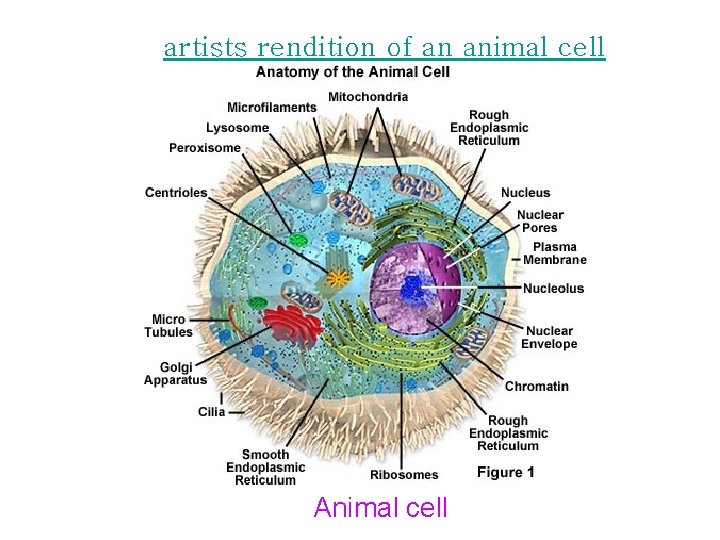
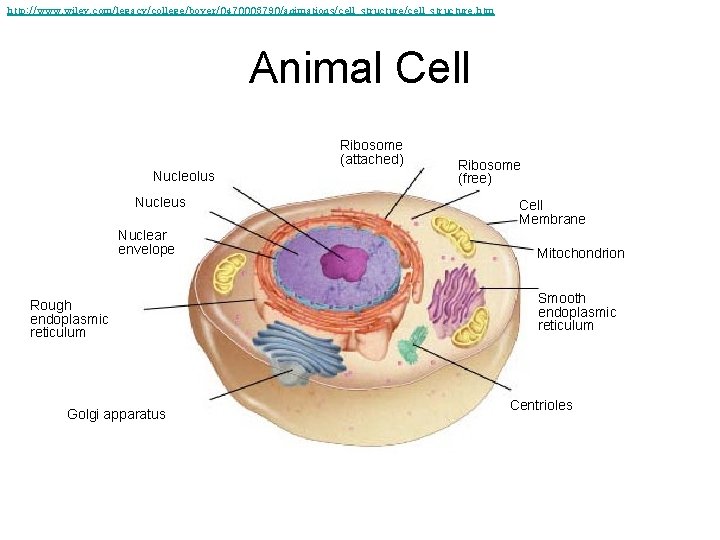
artists rendition of an animal cell Animal cell
http: //www. wiley. com/legacy/college/boyer/0470003790/animations/cell_structure. htm Animal Cell Ribosome (attached) Nucleolus Nuclear envelope Rough endoplasmic reticulum Golgi apparatus Ribosome (free) Cell Membrane Mitochondrion Smooth endoplasmic reticulum Centrioles
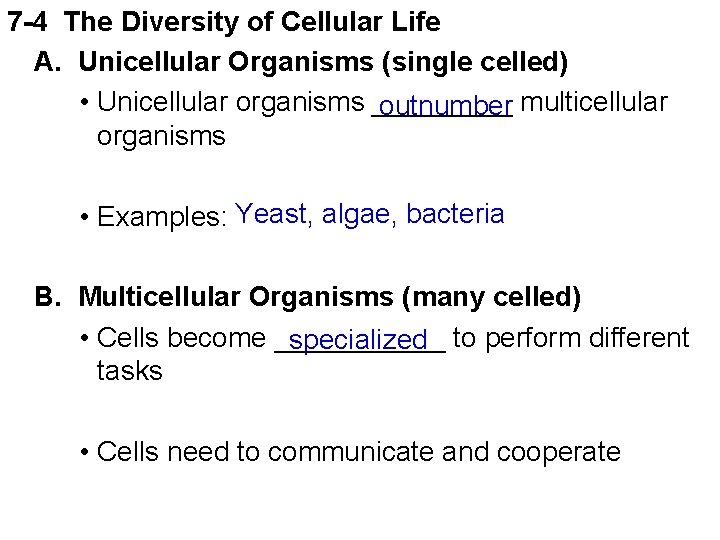
7 -4 The Diversity of Cellular Life A. Unicellular Organisms (single celled) • Unicellular organisms _____ outnumber multicellular organisms • Examples: Yeast, algae, bacteria B. Multicellular Organisms (many celled) • Cells become ______ specialized to perform different tasks • Cells need to communicate and cooperate
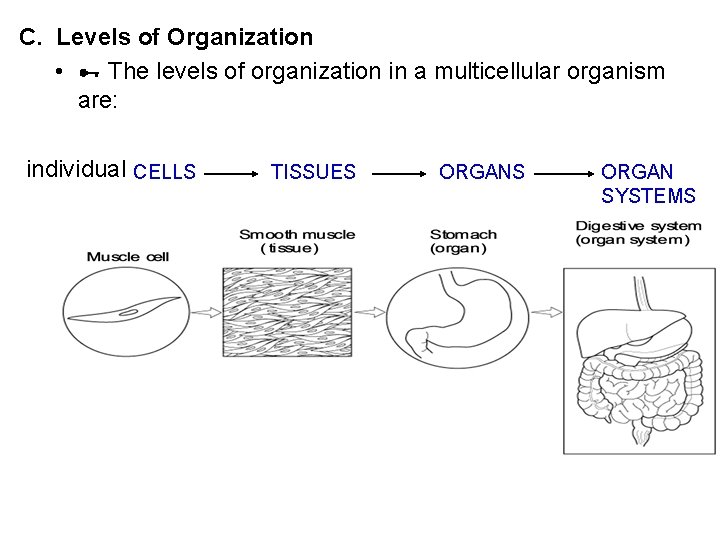
C. Levels of Organization • The levels of organization in a multicellular organism are: individual CELLS TISSUES ORGAN SYSTEMS
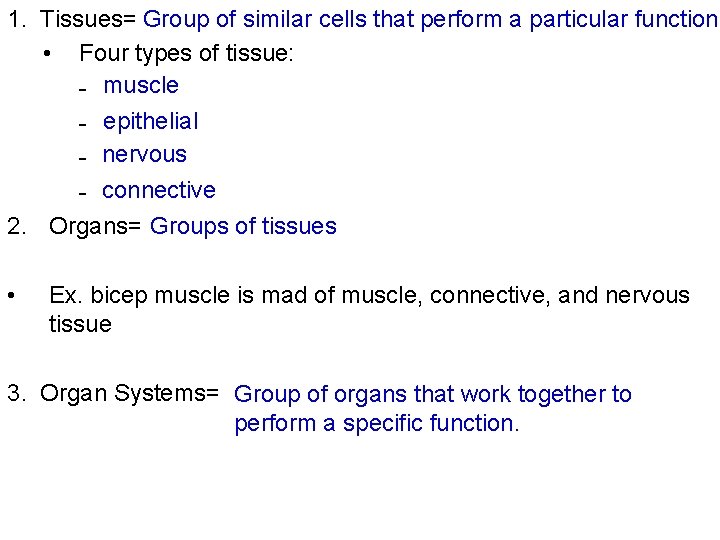
1. Tissues= Group of similar cells that perform a particular function • Four types of tissue: - muscle - epithelial - nervous - connective 2. Organs= Groups of tissues • Ex. bicep muscle is mad of muscle, connective, and nervous tissue 3. Organ Systems= Group of organs that work together to perform a specific function.