
Chapter 7 Biomembrane Structure Chapter 7 Biomembrane Structure
Chapter 7 – Biomembrane Structure
Chapter 7 – Biomembrane Structure 7. 1 The Lipid Bilayer: Composition and Structural Organization 7. 2 Membrane Proteins: Structure and Basic Functions 7. 3 Phospholipids, Sphingolipids, and Cholesterol: Synthesis and Intracellular Movement
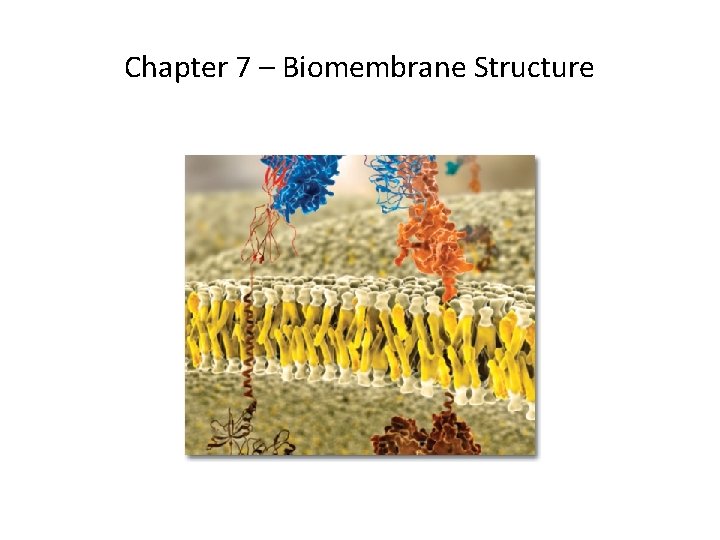
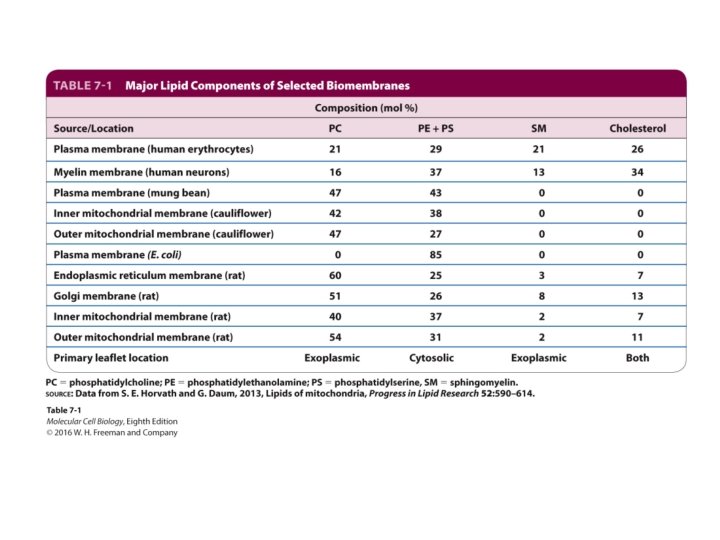
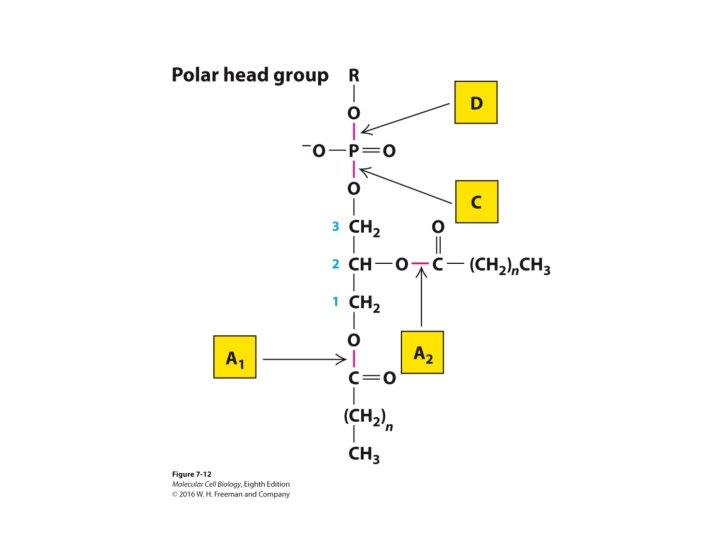
7. 1 The Lipid Bilayer: Composition and Structural Organization • Membranes barriers between aqueous compartments • Amphipathic phospholipids spontaneously form bilayers with hydrophilic faces and a hydrophobic core. • Biological membranes – vary in lipid composition – impermeable to water-soluble molecules and ions – have a viscous consistency with fluidlike properties












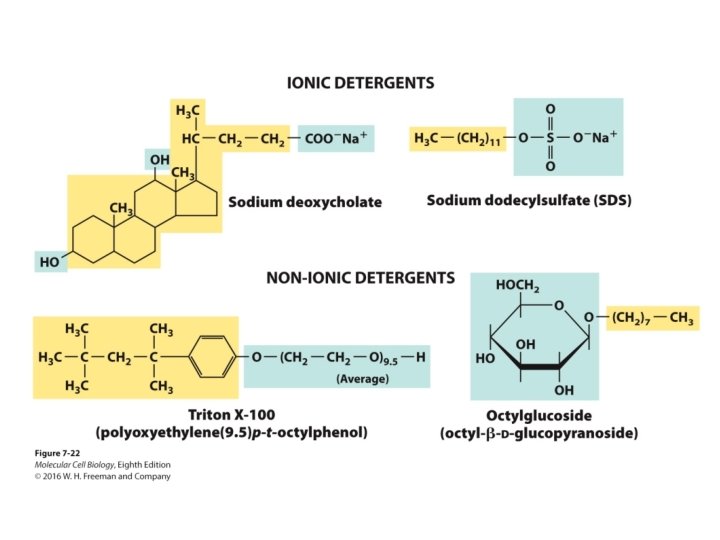
7. 2 Membrane Proteins: Structure and Basic Functions • Biological membranes contain integral, lipidanchored, and peripheral proteins. • Integral membrane proteins contain one or more hydrophobic membrane-spanning domains. • Transmembrane proteins and glycolipids are asymmetrically oriented in the bilayer. • Non-ionic detergents selectively extract transmembrane proteins.




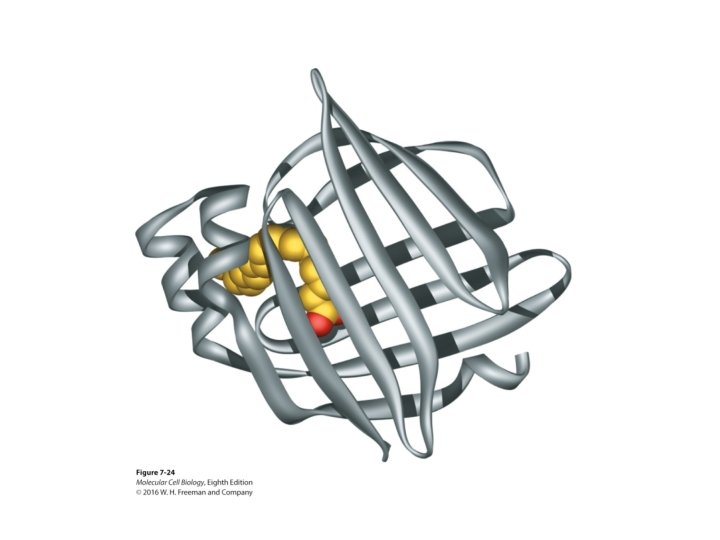
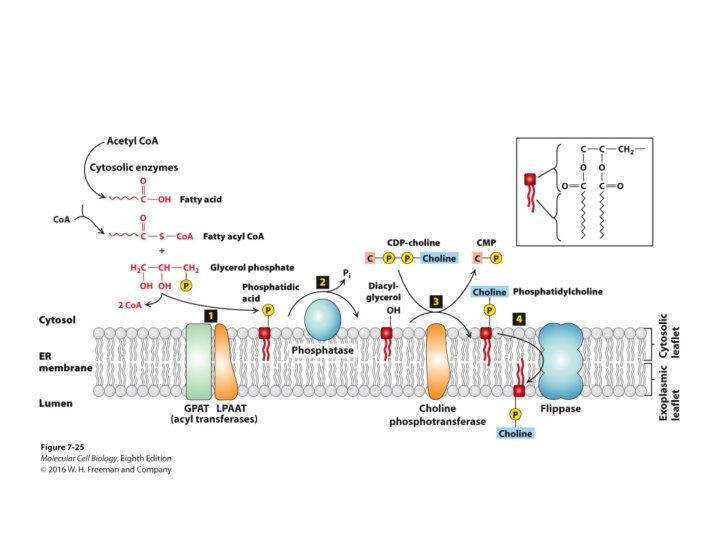
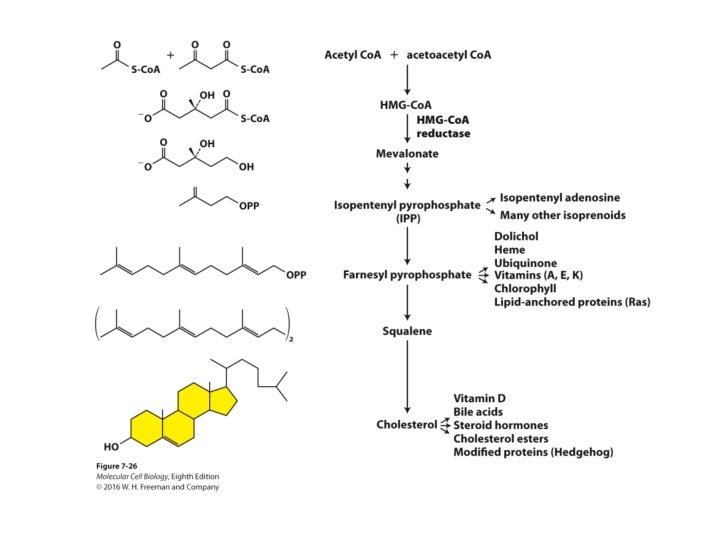
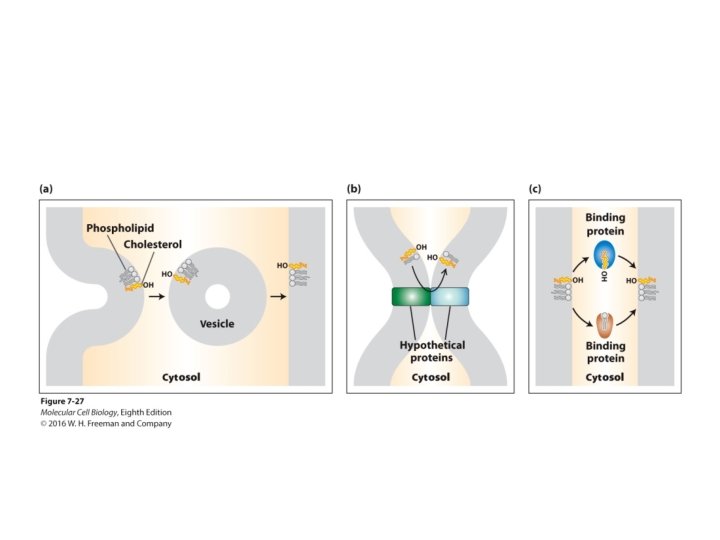
7. 3 Phospholipids, Sphingolipids, and Cholesterol: Synthesis and Intracellular Movement • Cells synthesize new membranes by the expansion of existing membranes. • Membrane lipids contain saturated/unsaturated fatty acids of various chain lengths. • Fatty acids are synthesized in ER and moved to the other leaflet by flippases and to other membranes by multiple mechanisms. • HMG-Co. A reductase catalyzes the cholesterol biosynthesis rate-controlling step.

- Slides: 35