
Chapter 6 Withdrawal Designs 2019 Cengage All rights
- Slides: 18
Chapter 6 Withdrawal Designs © 2019 Cengage. All rights reserved.
Learning Objectives • • 6 -1 Identify the mechanics of withdrawal designs 6 -2 Describe the procedures for and uses of the A-B-A design 6 -3 Describe the procedures for and uses of the A-B-A-B design 6 -4 Describe the principles of prediction, verification, and replication in A-B-A-B designs 6 -5 Identify the advantages and disadvantages of withdrawal designs 6 -6 Describe adaptations of the typical withdrawal design including the B-A-B and A-B-A-B (repeated withdrawal) designs 6 -7 Apply knowledge of withdrawal designs to a case study © 2019 Cengage. All rights reserved.
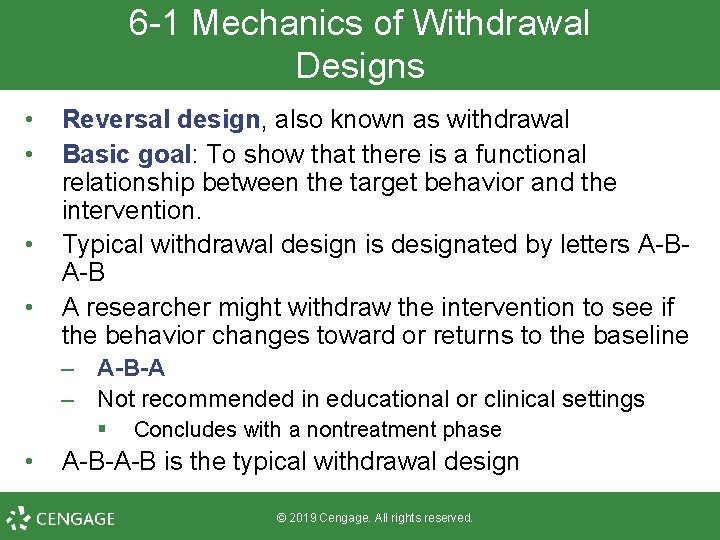
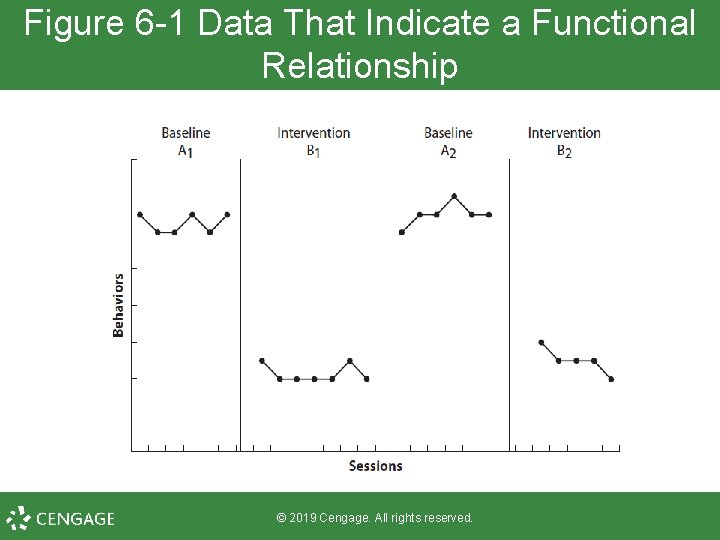
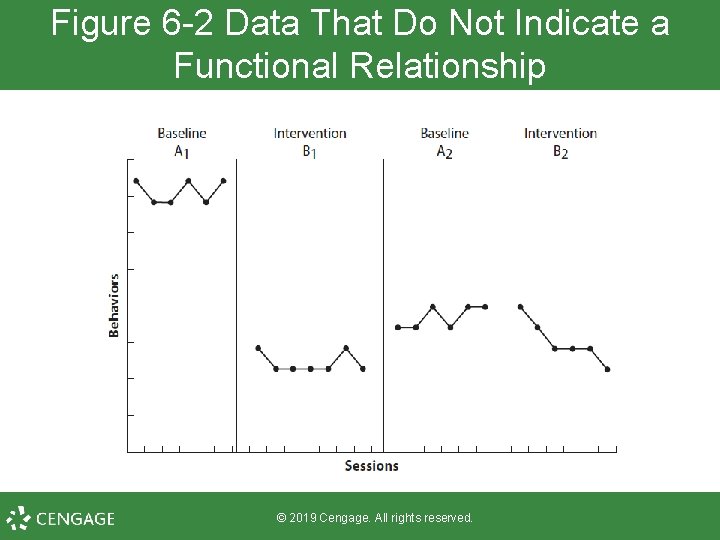
6 -1 Mechanics of Withdrawal Designs • • Reversal design, also known as withdrawal Basic goal: To show that there is a functional relationship between the target behavior and the intervention. Typical withdrawal design is designated by letters A-BA-B A researcher might withdraw the intervention to see if the behavior changes toward or returns to the baseline – A-B-A – Not recommended in educational or clinical settings § • Concludes with a nontreatment phase A-B-A-B is the typical withdrawal design © 2019 Cengage. All rights reserved.
Figure 6 -1 Data That Indicate a Functional Relationship © 2019 Cengage. All rights reserved.
Figure 6 -2 Data That Do Not Indicate a Functional Relationship © 2019 Cengage. All rights reserved.
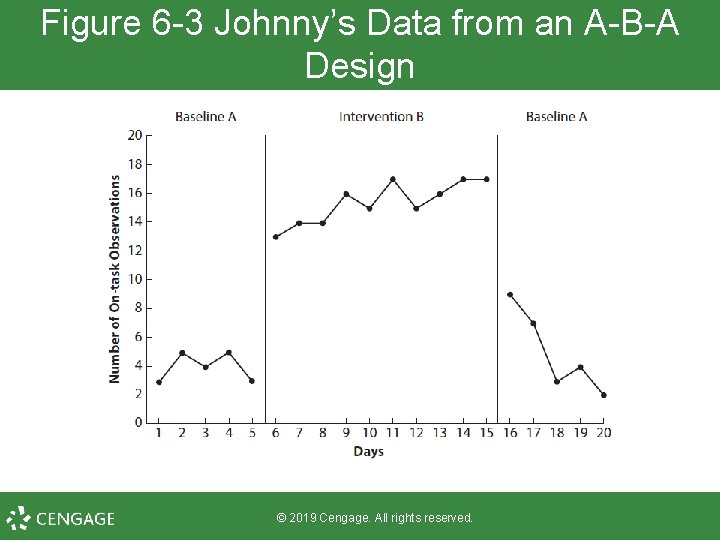
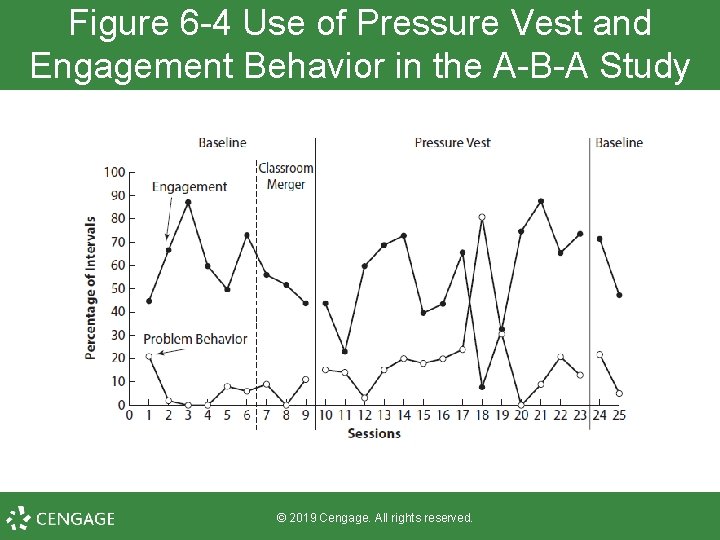
6 -2 The A-B-A Design • • In an A-B-A design, the investigator precisely defines both the target behavior to be altered and the treatment to be implemented Steps include collecting baseline data (A), introducing treatment (B), and then return to the baseline phase (A) © 2019 Cengage. All rights reserved.
Figure 6 -3 Johnny’s Data from an A-B-A Design © 2019 Cengage. All rights reserved.
Figure 6 -4 Use of Pressure Vest and Engagement Behavior in the A-B-A Study © 2019 Cengage. All rights reserved.
6 -3 The A-B-A-B Design • A-B-A-B design – Four steps 1. A 1: Baseline data collected before intervention 2. B 1: Intervention is introduced for a specific period of time and data are collected on the same target behavior 3. A 2: Intervention is withdrawn for a short period of time to determine if a return to baseline occurs 4. B 2: Intervention is reintroduced © 2019 Cengage. All rights reserved.
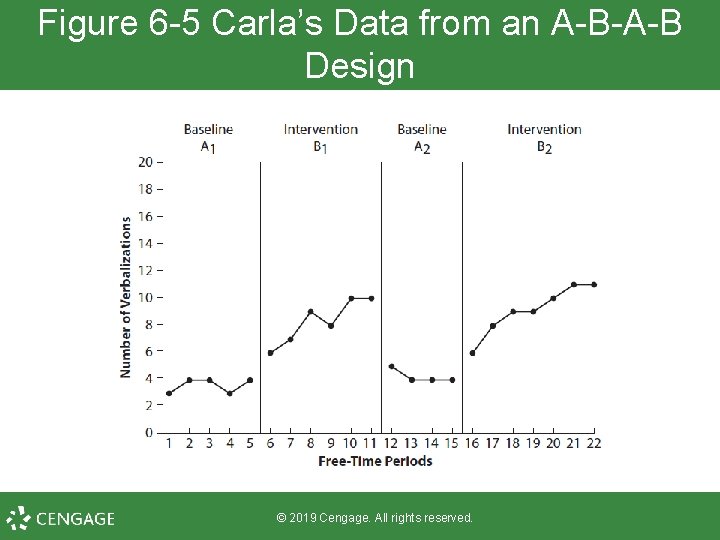
Figure 6 -5 Carla’s Data from an A-B-A-B Design © 2019 Cengage. All rights reserved.
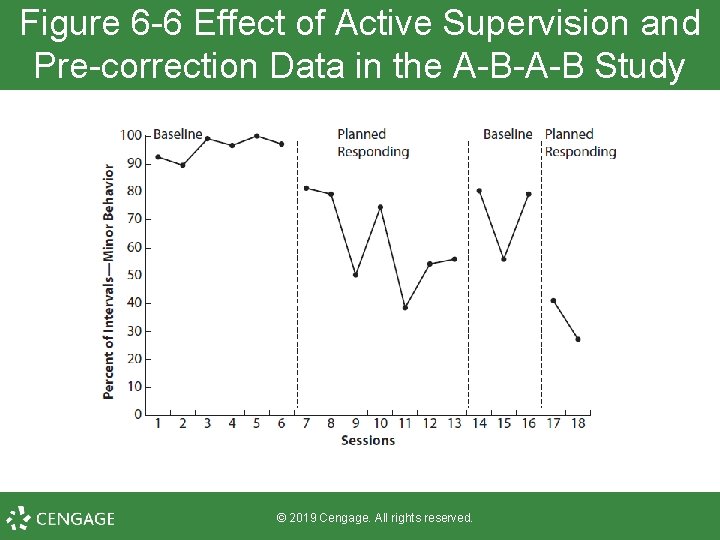
Figure 6 -6 Effect of Active Supervision and Pre-correction Data in the A-B-A-B Study © 2019 Cengage. All rights reserved.
6 -4 Prediction, Verification, and Replication for A-B-A-B Designs • Prediction – Looking at the A-B-A-B design § After stable baseline data are collected (A 1), one could predict that the pattern would remain the same if the intervention had no effect o Also one could predict a different pattern would emerge • Verification – Occurs first when the change from baseline to intervention phase results in a change in responding • Replication – Occurs when the second treatment phase (B 2) results in a similar response pattern as the first treatment phase (B 1) © 2019 Cengage. All rights reserved.
6 -5 Advantages and Disadvantages of Withdrawal Designs Advantages of Withdrawal Design • • A clear functional relationship between the IV and the DV needs to be demonstrated The nature of the target behavior can be reversed when the treatment is withdrawn The nature of the treatment effects are not present on the target behavior after it is withdrawn Withdrawal of treatment does not compromise ethics Disadvantages • Resentful demoralization – The attitudes of individuals who are subjects in control groups who may resent not receiving treatment and react negatively © 2019 Cengage. All rights reserved.
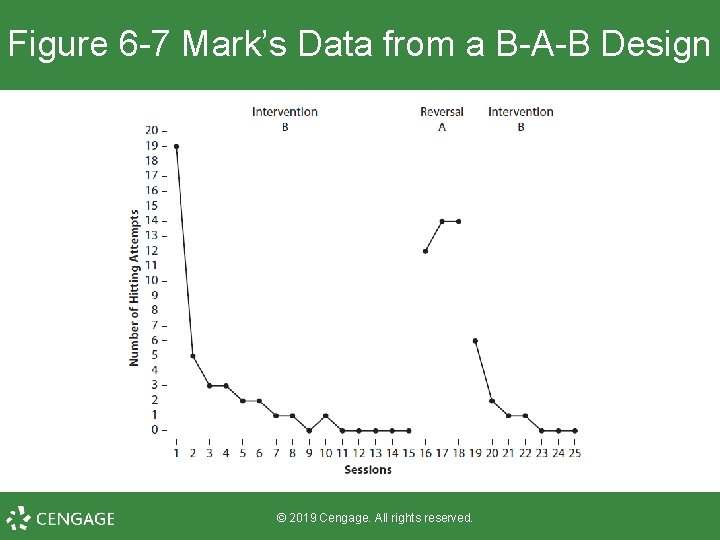
Figure 6 -7 Mark’s Data from a B-A-B Design © 2019 Cengage. All rights reserved.
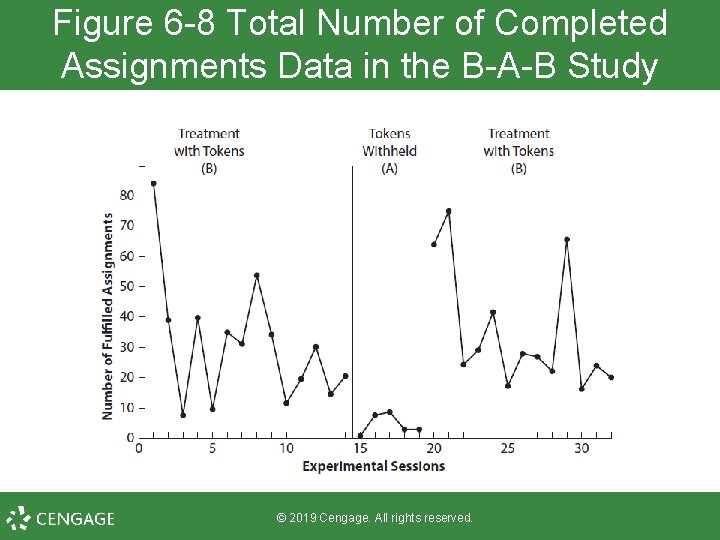
Figure 6 -8 Total Number of Completed Assignments Data in the B-A-B Study © 2019 Cengage. All rights reserved.
6 -6 Adaptations of the Typical Withdrawal Design • A-B-A-B (Repeated Withdrawals) – Increase confidence in the functional relationship between the treatment and the target behavior – The more times the treatment is applied and withdrawn, the more there is evidence of experimental control – The issue of ethics and treatment efficiency must be weighed © 2019 Cengage. All rights reserved.
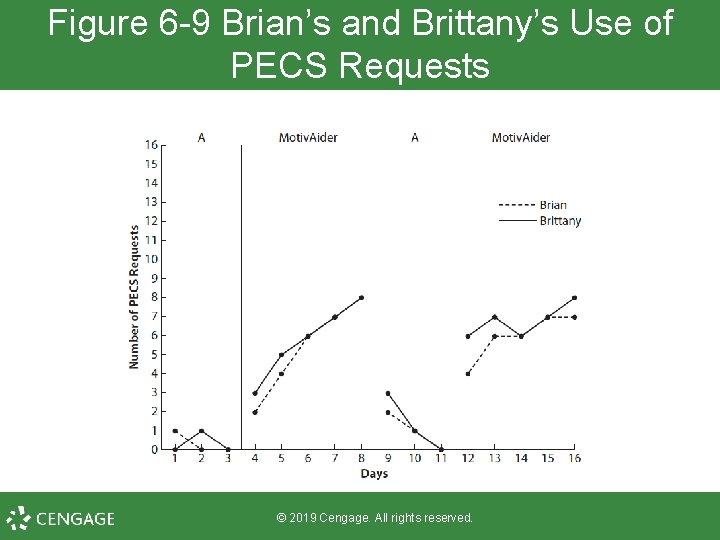
Figure 6 -9 Brian’s and Brittany’s Use of PECS Requests © 2019 Cengage. All rights reserved.
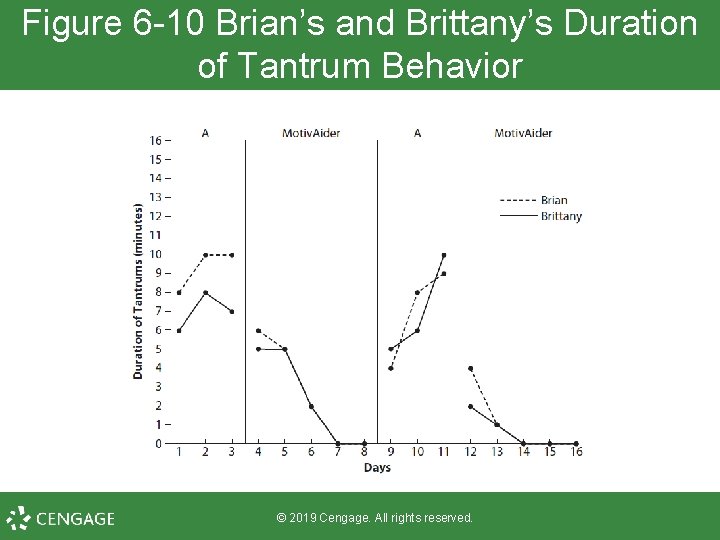
Figure 6 -10 Brian’s and Brittany’s Duration of Tantrum Behavior © 2019 Cengage. All rights reserved.