
Chapter 6 The Roman Empire Timeline The Age
- Slides: 29
Chapter 6 The Roman Empire
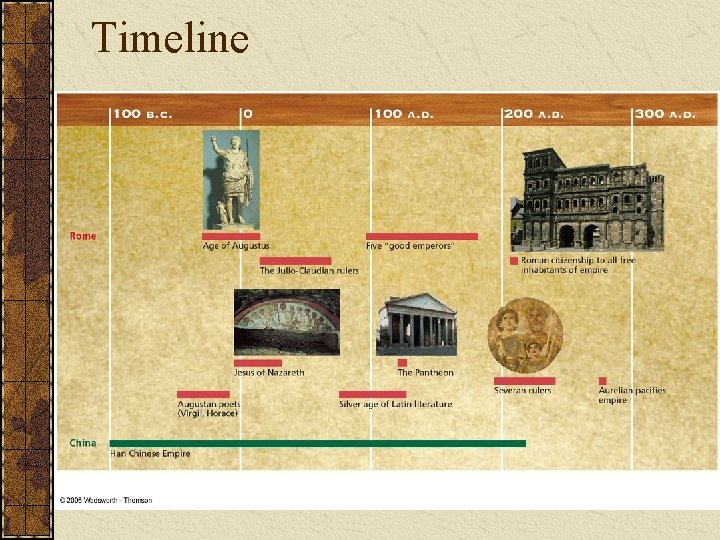
Timeline
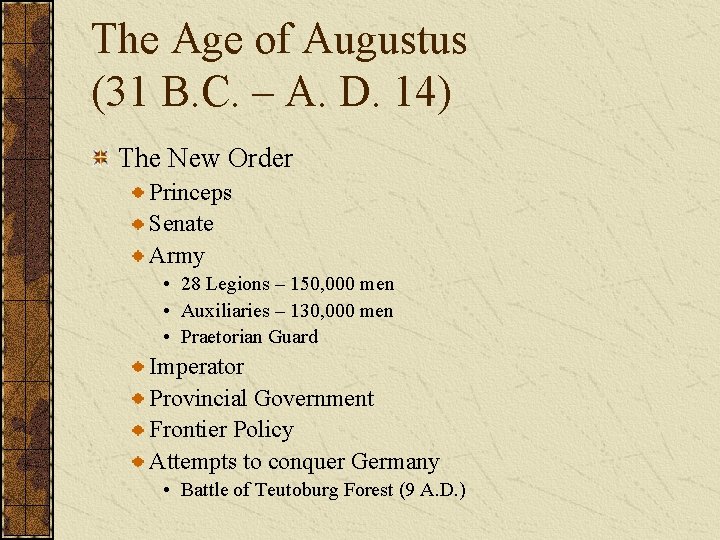
The Age of Augustus (31 B. C. – A. D. 14) The New Order Princeps Senate Army • 28 Legions – 150, 000 men • Auxiliaries – 130, 000 men • Praetorian Guard Imperator Provincial Government Frontier Policy Attempts to conquer Germany • Battle of Teutoburg Forest (9 A. D. )
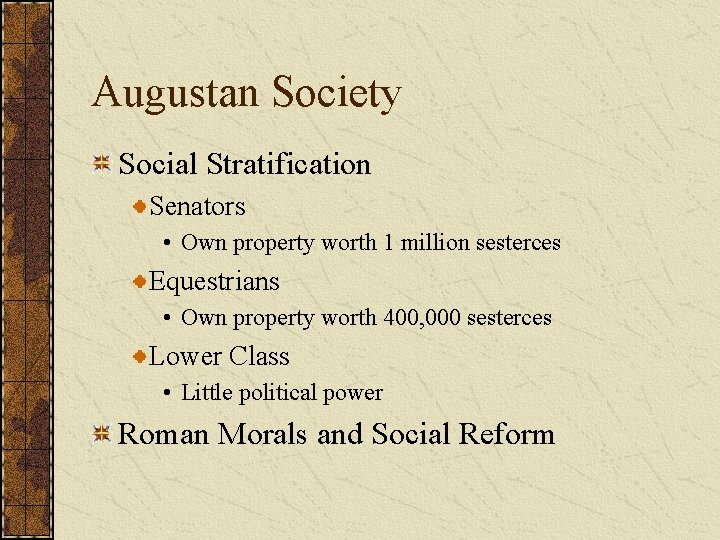
Augustan Society Social Stratification Senators • Own property worth 1 million sesterces Equestrians • Own property worth 400, 000 sesterces Lower Class • Little political power Roman Morals and Social Reform
A Golden Age of Latin Literature Virgil (70 – 19 B. C. ) The Aeneid Horace (65 – 8 B. C. ) Ovid (43 B. C. – A. D. 18) Livy (59 B. C. – A. D. 17)
The Early Empire (14 – 180) Julio-Claudian Dynasty (14 – 68) Abuses and corruption Nero (54 – 68) Civil War – Year of the Four Emperors (69) The Flavians (69 – 96) Vespasian (69 – 79) The Five Good Emperors (96 – 180) Period of Peace and Prosperity Power of Emperor increased at expense of the Senate Trajan (98 – 117) Hadrian (117 – 138)
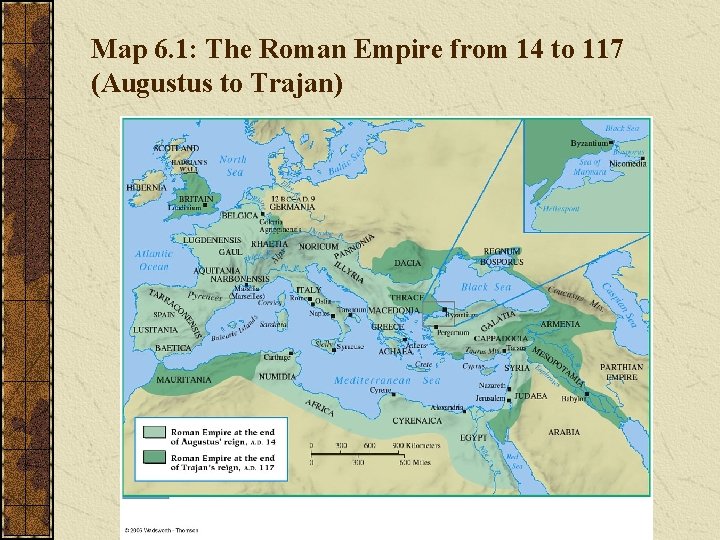
Map 6. 1: The Roman Empire from 14 to 117 (Augustus to Trajan)
The Roman Empire at its Height: Frontiers and Provinces Empire at its Height 3. 5 million square miles 50 million people Roman Frontiers Role of the Army Romanization Cities and Towns Municipal Administration Romanization
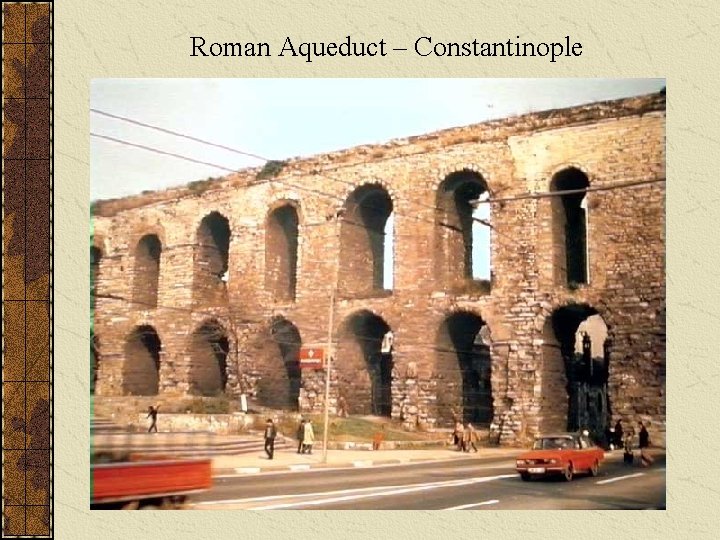
Roman Aqueduct – Constantinople
Prosperity in the Early Empire Trade Manufacturing Agriculture Latifundias Gulf between Rich and Poor
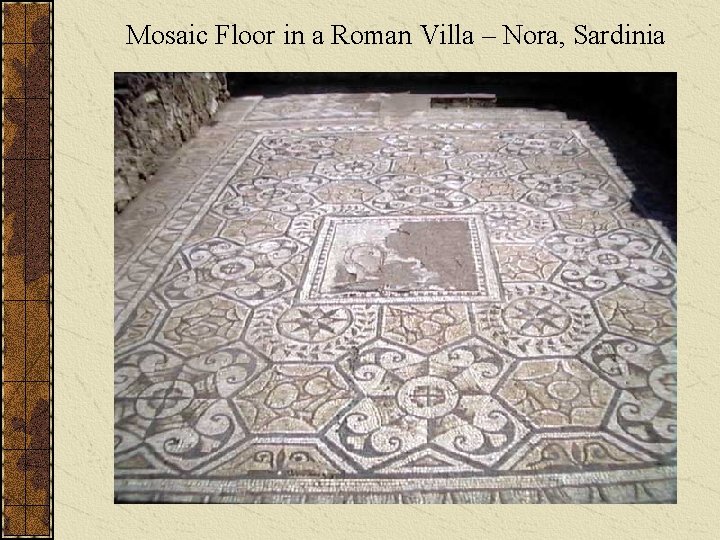
Mosaic Floor in a Roman Villa – Nora, Sardinia
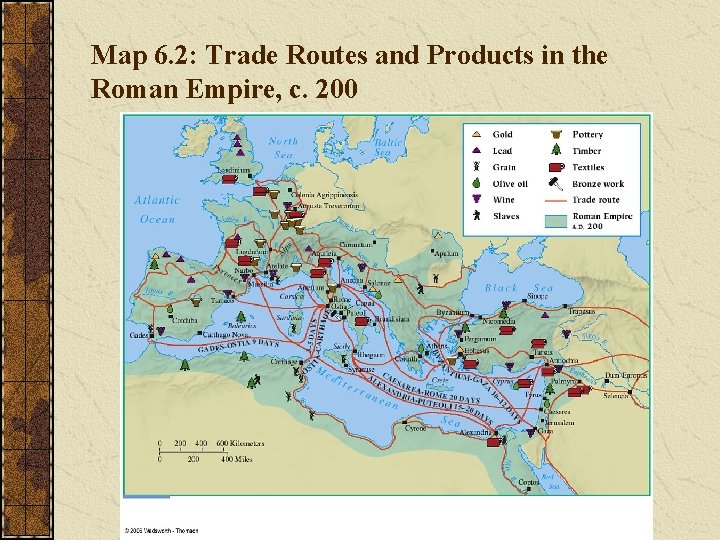
Map 6. 2: Trade Routes and Products in the Roman Empire, c. 200
The Silver Age of Latin Literature Seneca (4 B. C. – A. D. 65) Stoicism Tacitus (56 – 120) Annals Histories Germania Juvenal (c. 55 – c. 128) Satire
Art in the Early Empire Little original contribution Roman innovation in architecture Roman Engineering
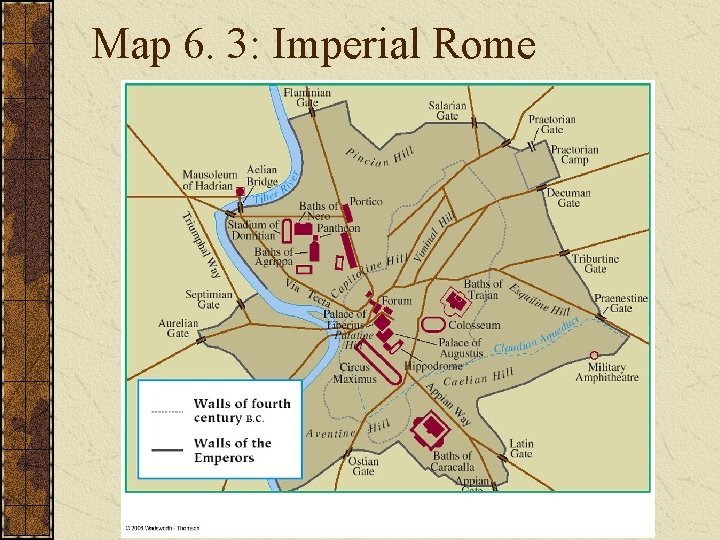
Imperial Rome 1 million people Overcrowded and noisy city Insulae – apartment blocks Dangers – fire and building collapse Public Buildings Temples, Forums, Markets, Baths, Theaters, Govt. Buildings and Amphitheaters Food for the Poor Entertainment Bread and Circuses
Map 6. 3: Imperial Rome
The Art of Medicine Early Roman Medicine Greek Influence First public doctors attached to the army Galen (129 – 199)
Roman Law in the Early Empire The “Classical Age of Roman Law” Natural Rights Basis for laws of present-day Western civilization
The Upper-Class Roman Family Paterfamilias Roles of women Considerable freedom Separate female sections Influenced politics through their husbands
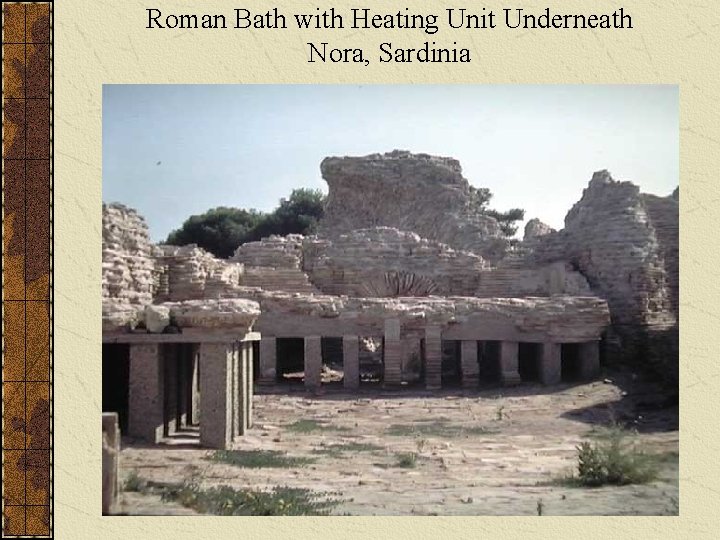
Roman Bath with Heating Unit Underneath Nora, Sardinia
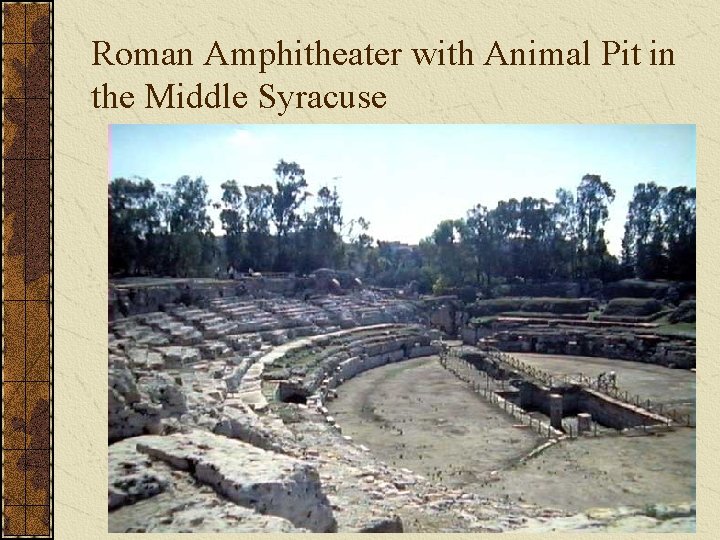
Gladiatorial Shows First in 29 B. C. The Colosseum Gladiatorial Wild Beasts Fulfilled a political and social need
Roman Amphitheater with Animal Pit in the Middle Syracuse
Crisis in the Third Century The Terrible Third Century Septimius Severus (193 – 211) • Severan Rulers (193 – 235) • Military Monarchy Military Anarchy (235 – 284) • • • Civil Wars 22 Emperors in five decades Germanic and Persian invasions Decline in trade and agriculture Financial Weakness
The Development of Christianity The Religious World of the Roman Empire State Religion focused on gods and goddesses Cult of the Emperors Mystery Religions • Mithraism
The Jewish Background Judaea Made Roman Province in 6 A. D. Jewish Groups Sadducees Pharisees Essenes Zealots
The Origins of Christianity Jesus of Nazareth (c. 6 B. C. – A. D. 29) Preached humility, charity and brotherly love Messiah Paul of Tarsus (c. 5 – c. 67) Second Founder of Christianity Spread of Christianity Pauline Epistles Early Christians mostly Jews Increasing number of non-Jews converted in the second century Roman views of Christianity
The Growth of Christianity Centralized Organization Bishops Appeal Message of Salvation Familiarity Universality – Open to men and women Fulfilled human need to belong Women and Christianity Systematic persecutions in the third century
Discussion Questions How was Augustus able to consolidate his power after becoming princeps? How important was the emperor in the governing of the Roman Empire? What were the major themes of Roman Golden and Silver Age literature? What place did the lower classes occupy in Imperial Roman society? What were some of the reasons for the success of Early Christianity?
Web Links Illustrated History of the Roman Empire Online Encyclopedia of Roman Emperors Lacus Curtius: A Gateway to Ancient Rome Roman Art and Architecture The Perseus Digital Library The Roman Gladiator Roman Britain The Jewish Roman World of Jesus The Early Church